
This Nearly Century Old Nevada Restaurant Still Serves One Of The Best Meals In The Desert
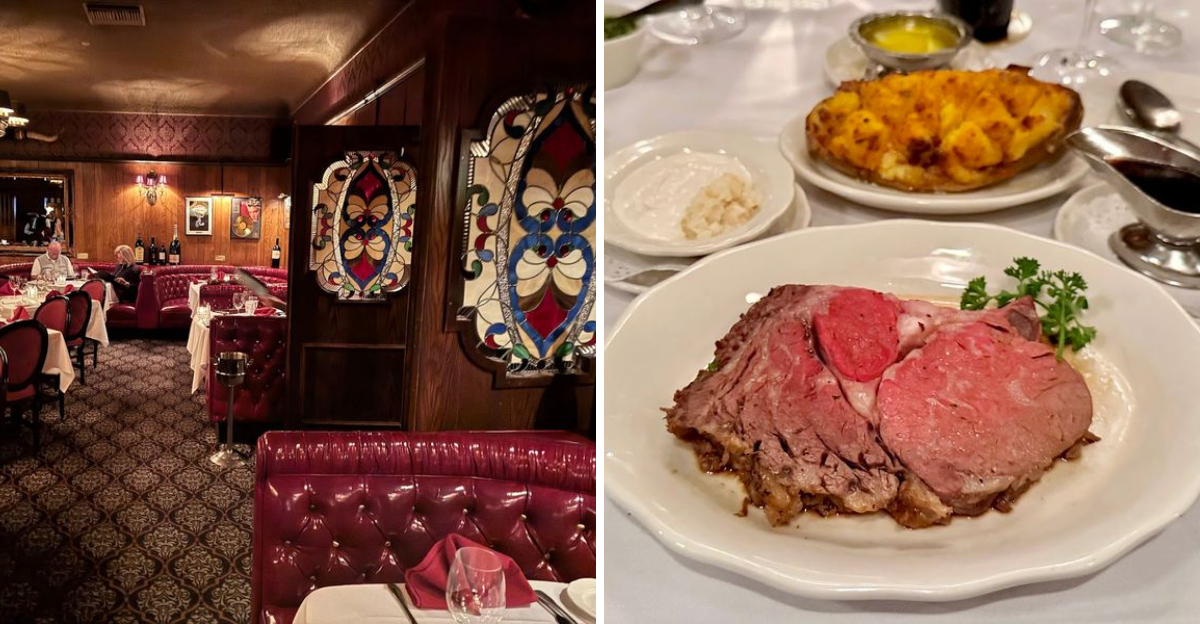
Neon can sell almost anything, but a great steak still has to earn applause the old-fashioned way. Nevada knows the value of a little theater, yet this kind of dinner does not need smoke machines, gimmicks, or a menu that changes just to sound clever.
The appeal is simpler. Warm booths, low lighting, sharp service, and beef cooked exactly the way you hoped it would be cooked.
That is the magic of a classic steakhouse that never forgot its own recipe. While other restaurants chase the next loud trend, this one feels confident standing still.
You come for the steak, but you leave talking about the mood, the history, and that rare feeling of stepping into old Vegas again.
Where Old Vegas Still Feels Alive
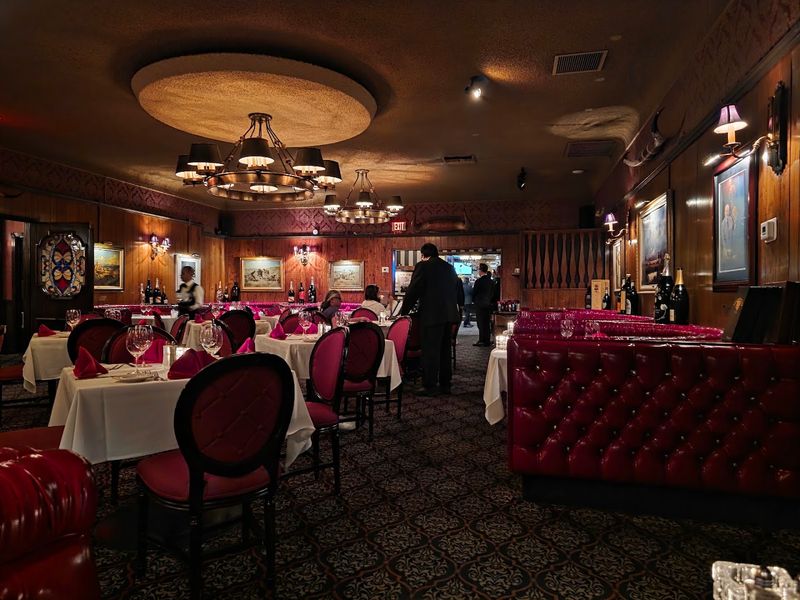
Las Vegas transforms constantly, tearing down landmarks to build shinier versions, but The Golden Steer remains exactly what it has always been. Walking through the doors feels like stepping into a different decade entirely.
The restaurant sits at 308 W Sahara Ave, Las Vegas, NV 89102, just far enough from the Strip to avoid the circus but close enough to remind you where you are.
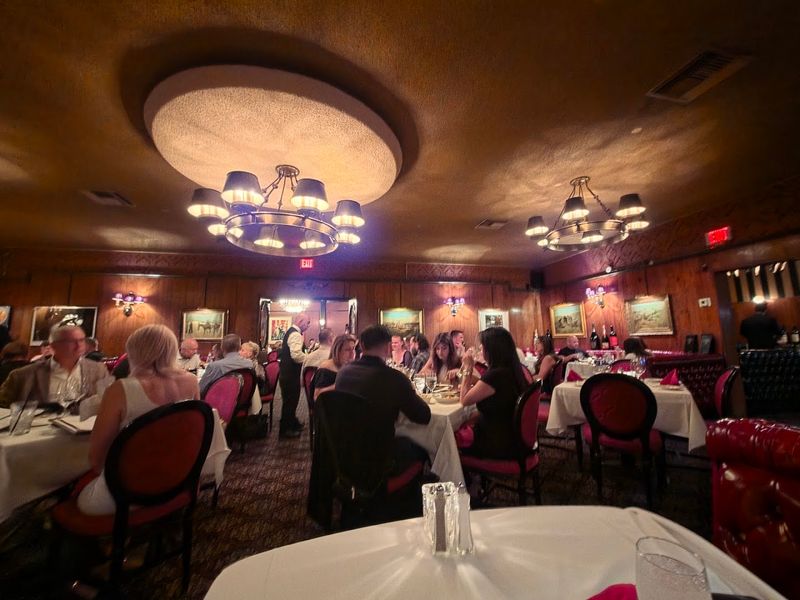
The interior refuses to apologize for its age. Red leather booths line the walls, dark wood paneling absorbs the soft light, and the whole room hums with the kind of energy that only comes from decades of satisfied diners.
This is not a museum piece trying to recreate the past. It is the past, still functioning, still relevant, still packed with people who understand the difference between nostalgia and authenticity.
Every detail reinforces the sense that this place has earned its longevity through consistency rather than gimmicks.
A Steakhouse That Has Been Serving Las Vegas Since 1958
Opening a restaurant in 1958 meant something different than it does today. Las Vegas was still finding its identity, and The Golden Steer became part of that foundation.
The restaurant did not arrive with flash or fanfare but with a simple promise: excellent steaks prepared the right way, served in a room that made people feel welcome.
That promise has held for more than six decades. The menu has not chased food trends or attempted to modernize itself into irrelevance.
Instead, it has refined the fundamentals until they became something close to perfection. The restaurant operates Sunday through Saturday from 4:30 PM to 9:45 PM, maintaining the kind of disciplined schedule that suggests confidence rather than convenience.
Longevity in the restaurant business requires more than good food. It demands consistency, attention to detail, and a willingness to let the work speak for itself.
The Golden Steer has managed all three without ever seeming to break a sweat.
The Famous Booths Where Legends Once Sat
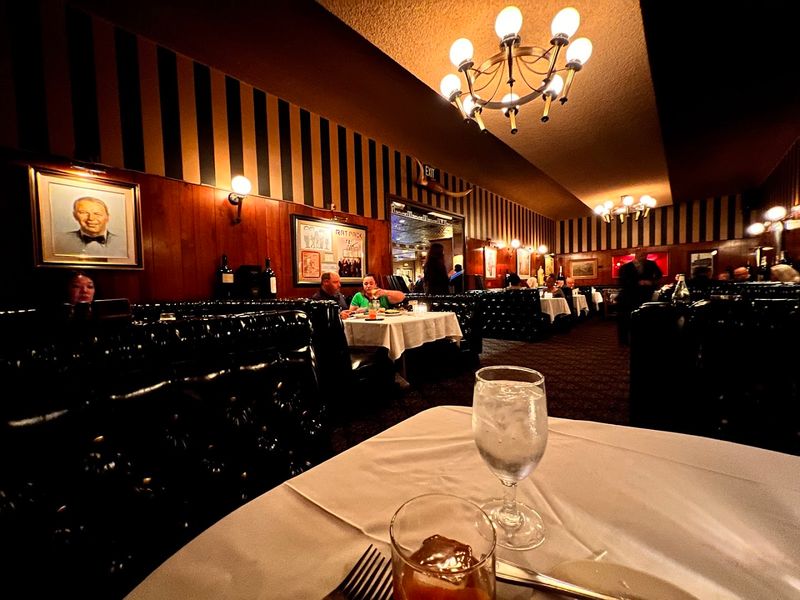
Certain booths at The Golden Steer carry more history than entire restaurants manage to accumulate in their lifetimes. Brass plaques mark the spots where famous names once held court, and the restaurant wears this legacy lightly.
Booth number one, positioned perfectly to survey the entire dining room, served as the observation post for those who needed to keep an eye on things during the city’s more colorful decades.
The booths themselves remain unchanged: deep red leather, high backs that offer privacy without isolation, and enough space to settle in for a proper meal. Sitting in one feels less like occupying a museum exhibit and more like joining a conversation that has been going on for sixty years.
The restaurant does not manufacture this atmosphere or force it on diners. It simply exists as a natural byproduct of time and consistency.
History accumulates in layers here, and each booth tells its own version of the story without needing to shout about it.
Why The Rat Pack Connection Still Matters
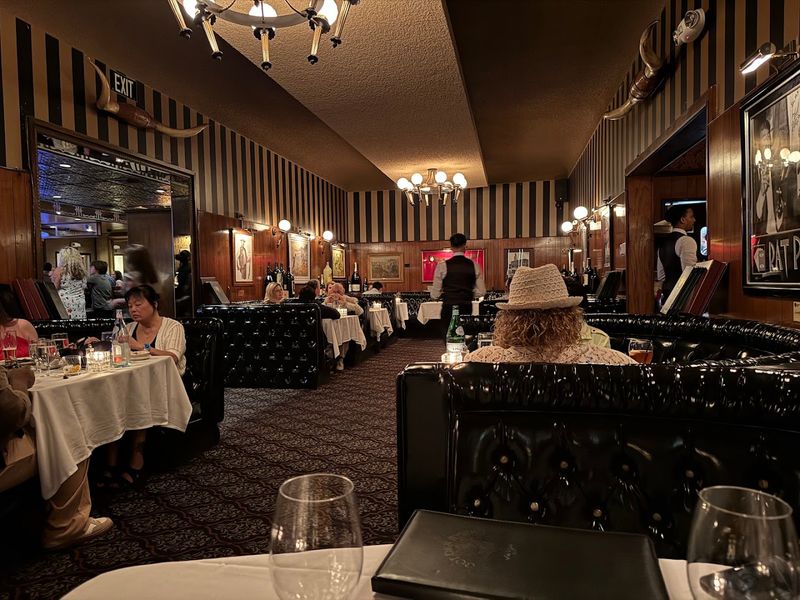
Frank Sinatra and his circle did not eat at The Golden Steer because it was trendy. They ate here because the food delivered and the atmosphere allowed them to relax without performance.
That distinction matters because it speaks to what the restaurant has always been: a place where quality trumps spectacle.
The Rat Pack connection adds a layer of cultural significance, but it does not define the restaurant. The Golden Steer earned their business the same way it earns every customer: through consistent execution and an environment that respects the ritual of a proper meal.
The restaurant does not trade heavily on these associations or plaster the walls with memorabilia. Instead, it lets the history speak quietly through the booths, the service style, and the unchanged commitment to doing things correctly.
This restraint makes the connection more meaningful. The restaurant does not need to remind you constantly because the evidence sits right in front of you with every perfectly cooked steak.
The Tableside Caesar Salad Is Part Of The Show
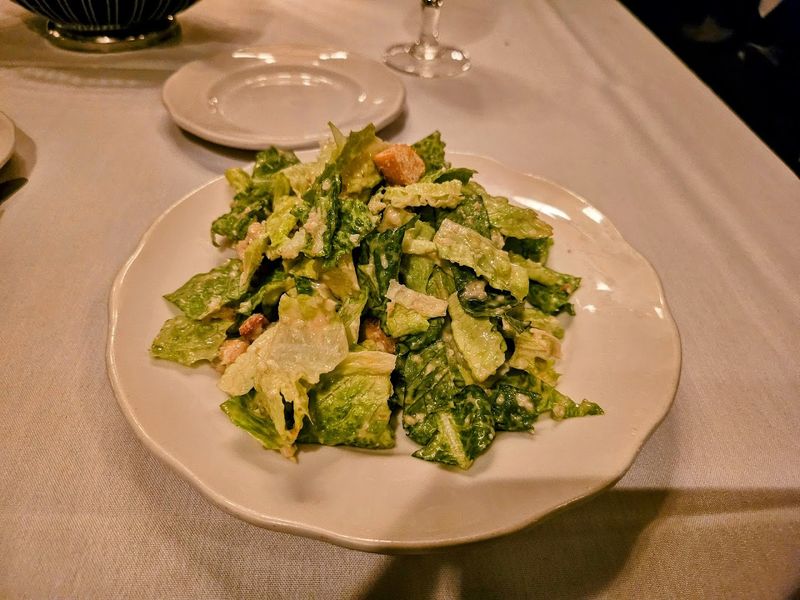
Few restaurants still prepare Caesar salad tableside, and fewer still do it with the kind of practiced efficiency that turns preparation into performance. At The Golden Steer, the tableside Caesar arrives not as a gimmick but as a demonstration of skill.
The server brings the ingredients on a cart, assembles the dressing with precise movements, and tosses the whole thing together in a wooden bowl that has probably seen thousands of salads.
The result tastes sharply different from what most people expect from a Caesar. The dressing carries the proper punch of anchovy and garlic without overwhelming the romaine, and the cheese gets grated fresh rather than arriving pre-shredded from a bag.
Watching the preparation adds an element of theater, but the real performance happens on the palate where every component balances perfectly against the others.
This is cooking as craft, and the restaurant treats it with the seriousness it deserves.
Steaks Remain The Main Reason People Book A Table
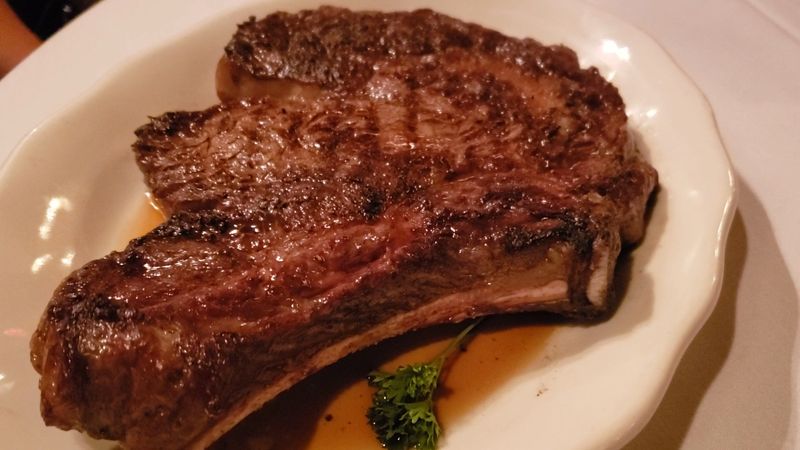
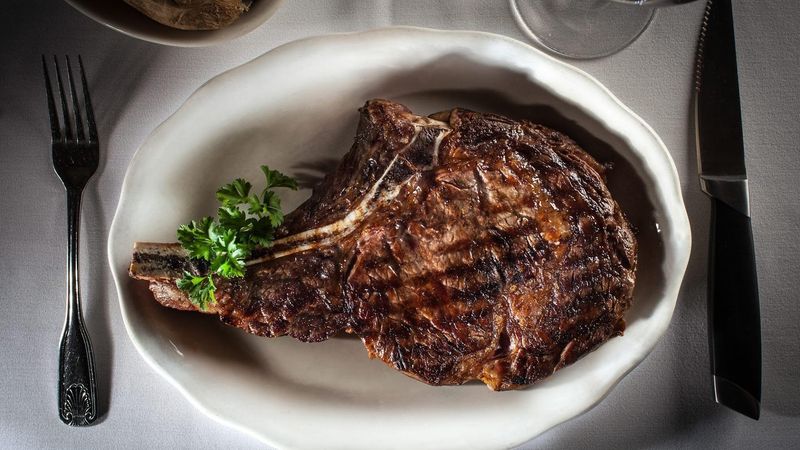
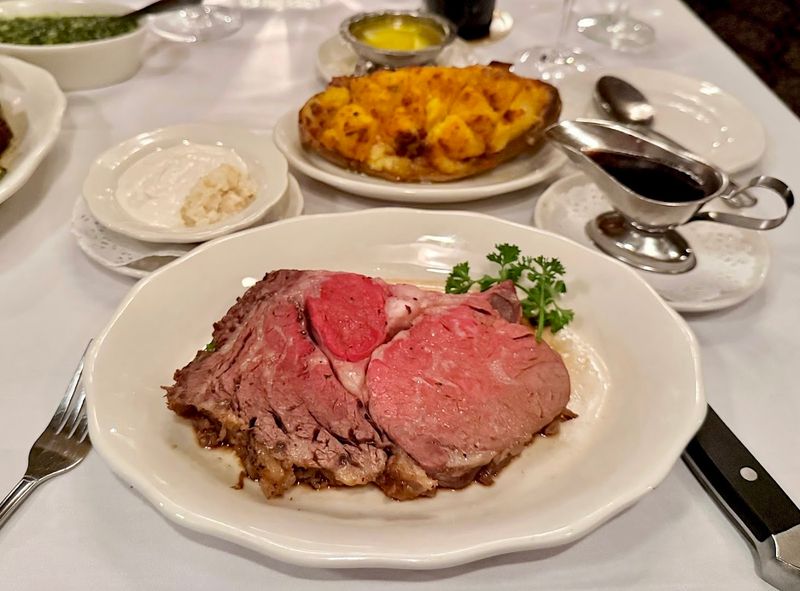
The Golden Steer built its reputation on steak, and that foundation has not shifted in over sixty years. The menu offers the expected cuts—ribeye, filet mignon, New York strip, prime rib—but the execution separates this place from the competition.
Each steak arrives cooked precisely to order, seasoned with restraint, and finished with just enough butter to enhance rather than mask the beef.
The quality speaks immediately. These are not steaks that require elaborate sauces or distracting preparations.
The meat carries enough flavor on its own, and the kitchen trusts it to perform without interference. A properly cooked ribeye at The Golden Steer tastes like what steak is supposed to taste like: rich, savory, with enough char from the grill to add complexity without bitterness.
Reservations remain difficult to secure, sometimes requiring months of advance planning, because people understand that this level of consistency does not happen by accident. The restaurant earns its full dining room every single night.
Red Leather Booths Give The Room Its Classic Vegas Feel
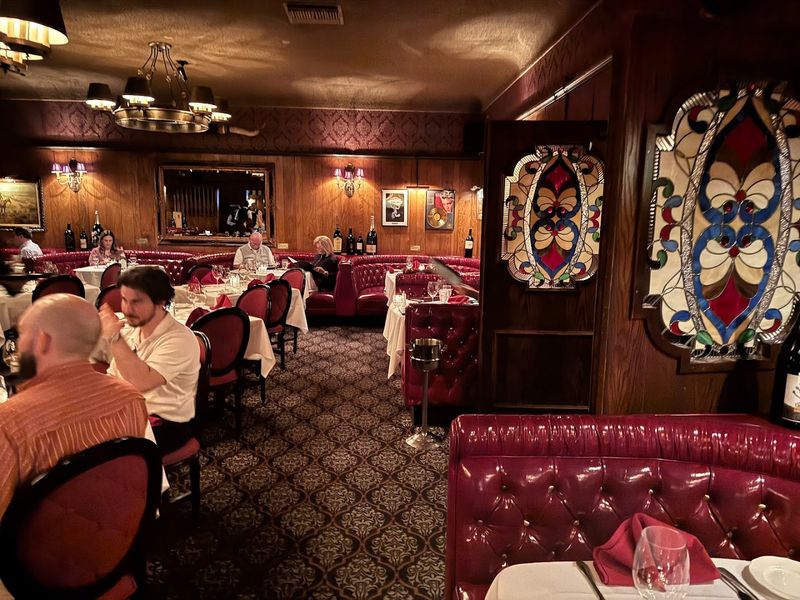
The red leather booths at The Golden Steer define the visual character of the entire restaurant. Deep, comfortable, and unmistakably retro, they create an environment that feels both intimate and substantial.
The leather has been maintained carefully over the decades, showing age without deterioration, and the high backs provide just enough separation between tables to allow conversation without isolation.
Sitting in one of these booths positions you perfectly within the room’s energy. You can observe the flow of service, watch the tableside preparations, and feel connected to the broader dining room without sacrificing privacy.
The design reflects an understanding of how people actually want to eat: comfortably, without distraction, but with enough atmosphere to make the meal feel special.
The restaurant has resisted every temptation to modernize this element, and that restraint pays dividends every night. The booths work because they have always worked, and changing them would solve a problem that does not exist.
The Dessert Cart Keeps The Old-School Drama Going
The dessert cart rolls through the dining room like a relic from another era, which is precisely the point. Loaded with cakes, pies, and the ingredients for tableside preparations like bananas foster, it represents a service style that most restaurants abandoned decades ago.
The Golden Steer maintains it because the cart adds a layer of theater that enhances the overall experience without overwhelming it.
Watching bananas foster get prepared tableside—the butter melting, the sugar caramelizing, the rum igniting in a brief flash of blue flame—turns dessert into an event. The strawberry triple cheesecake sits heavy and rich, the kind of dessert that requires commitment rather than casual interest.
These are not delicate modern pastries designed for Instagram. They are substantial, unapologetic, and exactly what people want after a serious steak dinner.
The cart itself becomes part of the room’s character, moving slowly between tables and offering a final reminder that this restaurant operates on its own timeline.
It Sits Just Off The Strip But Feels Like Another Era
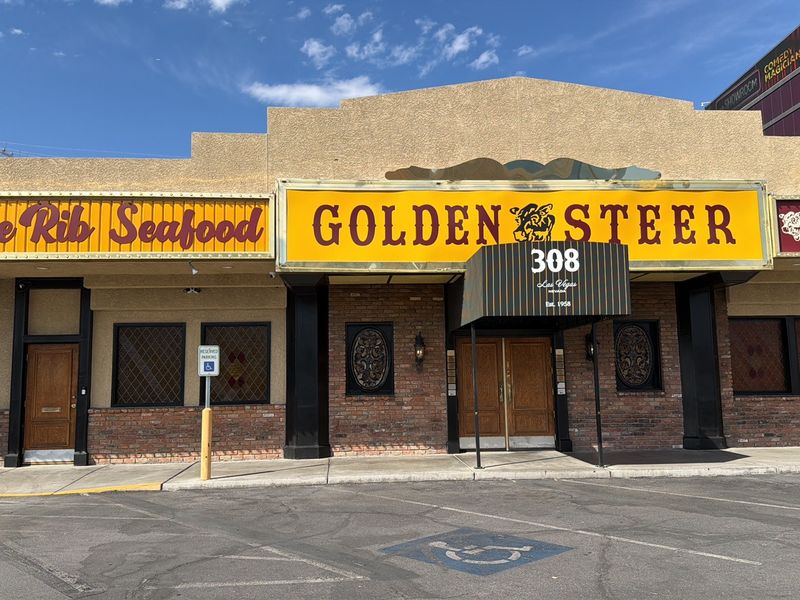
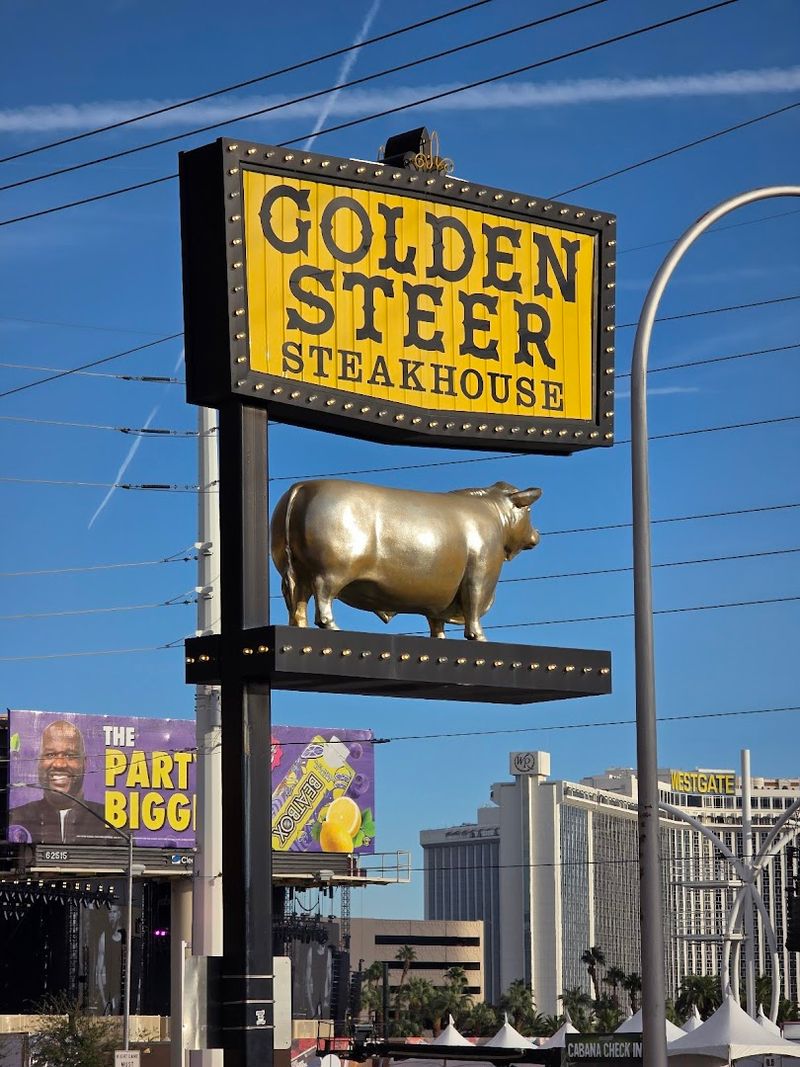
The Golden Steer occupies a curious position in Las Vegas geography: close enough to the Strip to remain accessible, far enough away to avoid the chaos. This distance matters because it allows the restaurant to exist on its own terms rather than competing with the relentless spectacle happening a few blocks south.
The location at 308 W Sahara Ave places it in a part of town that remembers what Las Vegas used to be.
Parking can present challenges, and the surrounding area does not gleam with the polish of newer developments, but these minor inconveniences filter out casual diners and reinforce the sense that reaching The Golden Steer requires intention. You do not stumble into this restaurant by accident.
You plan for it, make a reservation months in advance, and arrive with expectations shaped by decades of reputation.
The restaurant rewards that effort by delivering an experience that feels completely disconnected from the modern Strip’s manufactured intensity.
Celebrity History Is Built Into The Dining Room
Celebrity photographs line portions of the walls, but The Golden Steer displays them with restraint rather than excess. These are not shrines to famous diners but quiet acknowledgments of the restaurant’s place in Las Vegas cultural history.
The images show performers, politicians, and personalities who understood that good food mattered as much as good entertainment.
The restaurant does not need to manufacture this connection or exaggerate its importance. The history exists independently, verified by decades of consistent operation and the continued difficulty of securing reservations.
Staff members can point out which booth belonged to which regular, but they do not force the information on diners who simply want to enjoy their meal without a history lesson.
This balance between acknowledgment and restraint keeps the celebrity history from overwhelming the primary purpose of the restaurant: serving exceptional food in an environment that respects the ritual of dining. The photographs add context without becoming the main attraction.
Why Reservations Are Still Hard To Get
Securing a reservation at The Golden Steer often requires planning months in advance, and this scarcity reflects genuine demand rather than artificial limitation. The restaurant seats a finite number of diners each night, operates only during dinner hours, and refuses to expand in ways that might compromise quality.
This disciplined approach creates natural scarcity that no marketing campaign could manufacture.
The difficulty of getting a table reinforces the value of the experience. When you finally sit down in one of those red leather booths, you understand that hundreds of other people wanted the same spot and did not get it.
This knowledge does not make the steak taste better, but it does sharpen your appreciation for the entire evening.
The restaurant could easily expand, add lunch service, or open additional locations, but doing so would dilute the very qualities that make reservations so competitive. The scarcity is not a problem to solve but a feature to maintain.
The Golden Steer Proves Classic Las Vegas Never Really Left
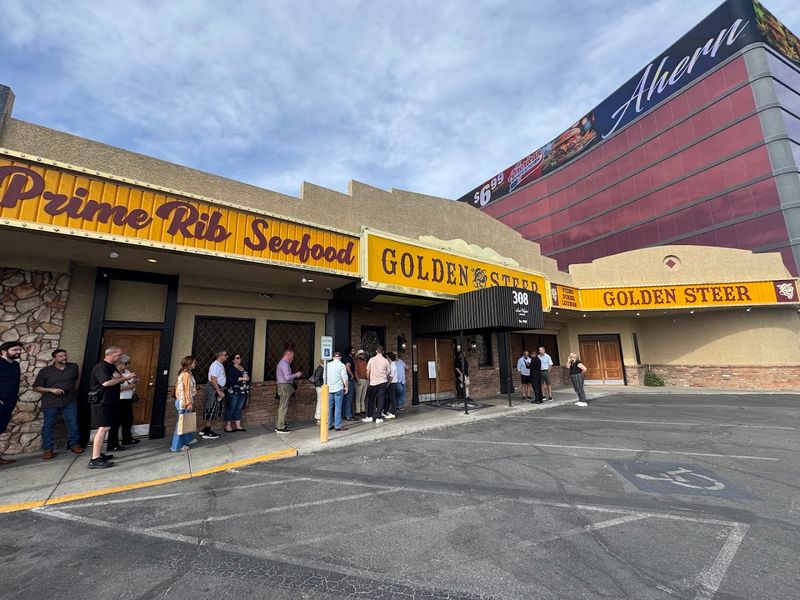
Las Vegas constantly reinvents itself, demolishing landmarks and building newer versions, but The Golden Steer stands as evidence that some things improve with age rather than obsolescence. The restaurant has not survived by adapting to every trend or modernizing its approach.
It has endured by remaining exactly what it has always been: a place where serious food receives serious attention in an environment that respects tradition without becoming trapped by it.
Walking into The Golden Steer in 2024 feels remarkably similar to walking in decades earlier. The booths remain, the service style continues, and the steaks still arrive cooked precisely to order.
This consistency does not represent stagnation but rather a commitment to doing specific things extremely well and refusing to compromise those standards for temporary advantage.
Classic Las Vegas never left because places like The Golden Steer never stopped embodying its core values: quality, consistency, and respect for the customer’s time and money.