
The Virginia State Park With A Spectacular Waterfall And Scenery Unlike Anywhere Else
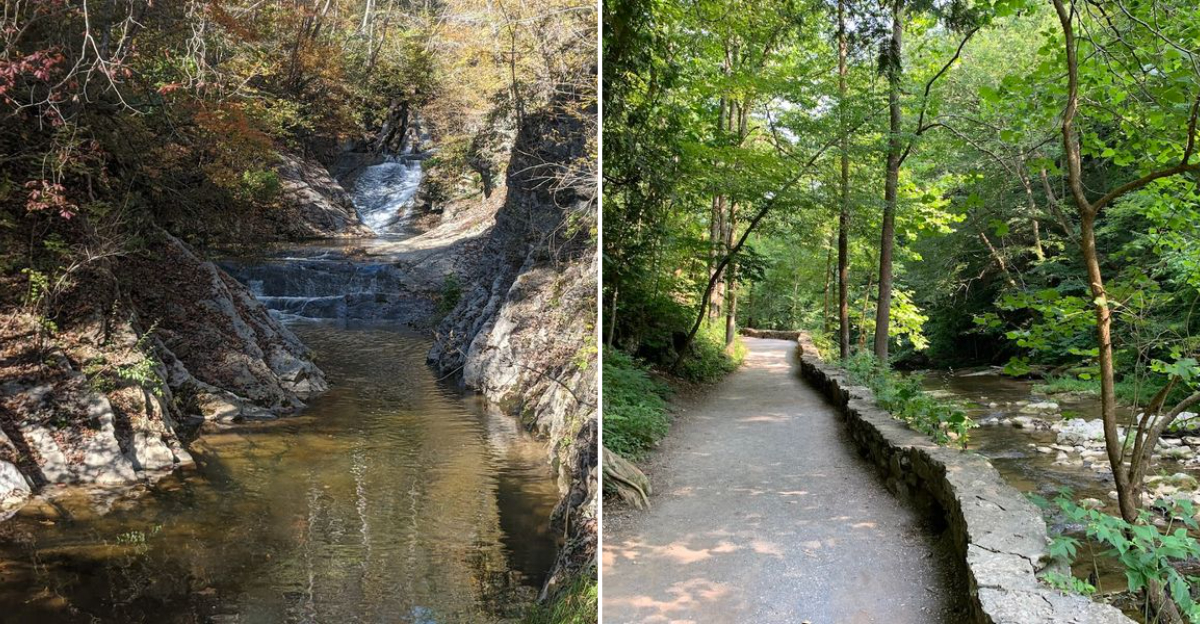
Virginia is full of surprises, but every now and then a place shows up that genuinely stops you in your tracks. There is a state park in the Shenandoah Valley region that has a 215-foot limestone arch, a cascading waterfall, ancient caves, and trails that feel like walking through a nature documentary.
People drive off Interstate 81 just to spend an hour here and end up staying half the day. Natural Bridge State Park is that kind of place, and once you see it, you will completely understand why.
Waterfall Formation And Geological Features
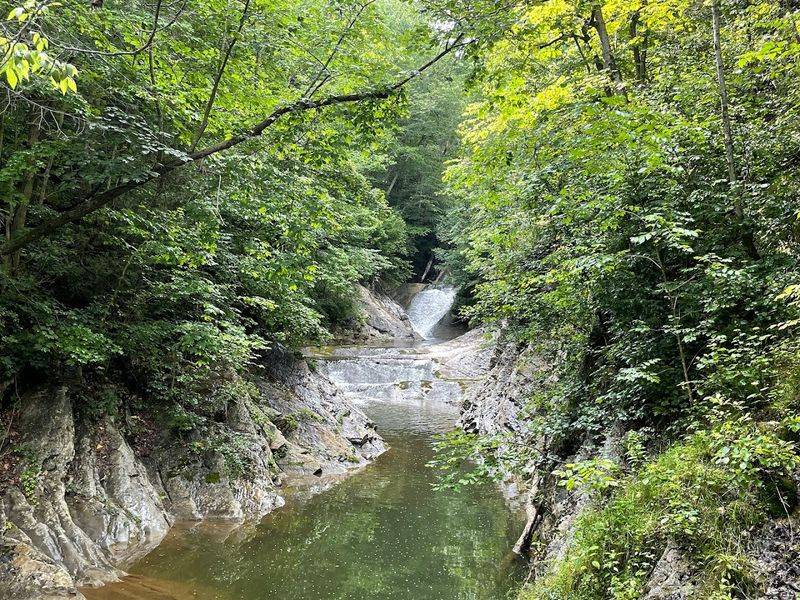
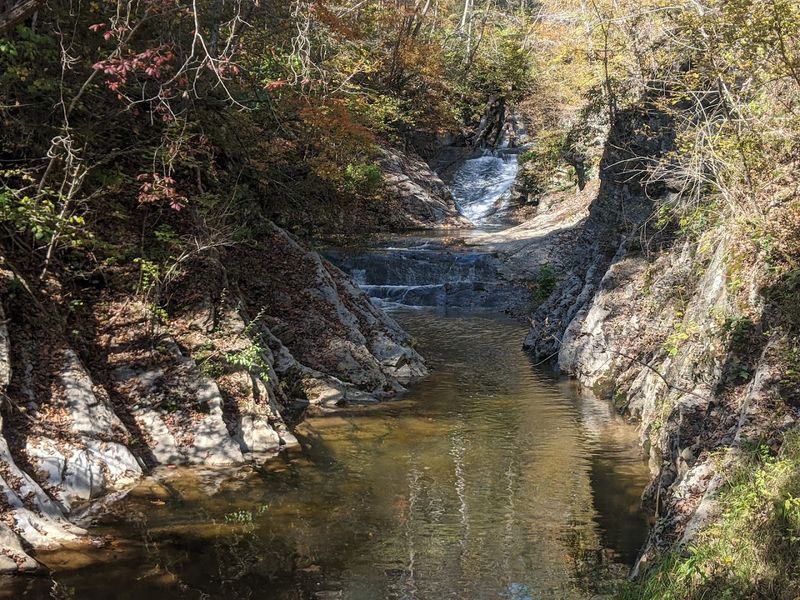
Lace Falls is the star waterfall at Natural Bridge State Park, and it earns that title easily. The falls drop approximately 30 to 50 feet in a multi-tiered cascade.
Water spills over ancient limestone ledges in a way that looks almost too perfect to be real.
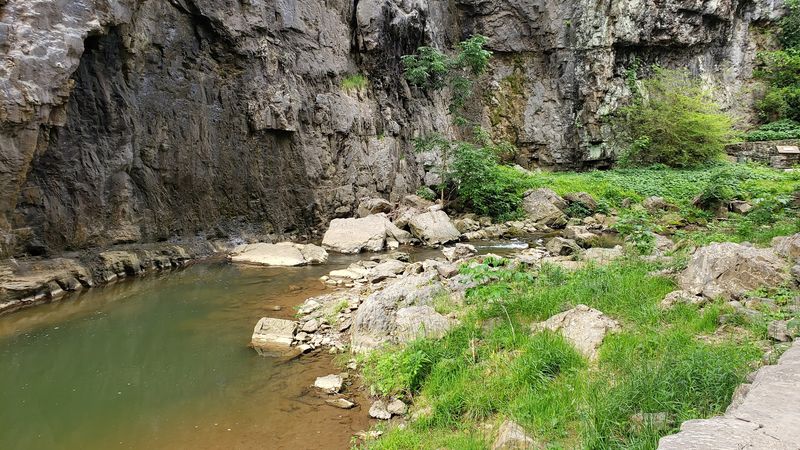
The geology here goes way deeper than just a pretty waterfall. Cedar Creek carved the entire landscape over thousands of years.
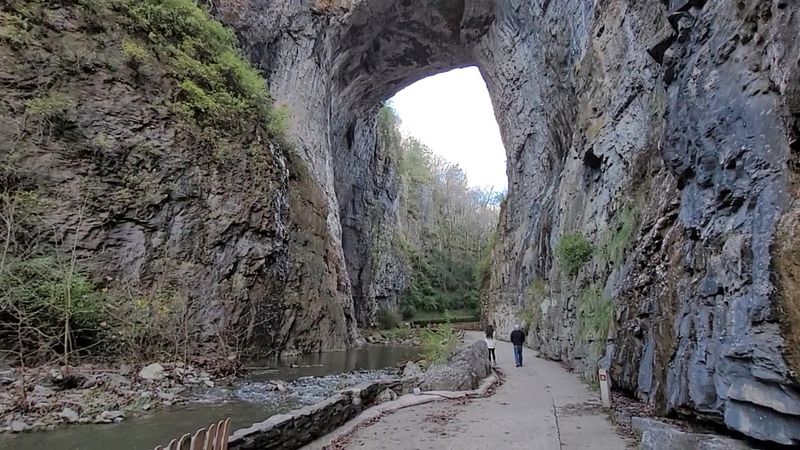
That same creek is responsible for the 215-foot natural limestone arch that gives the park its name.
Karst terrain dominates the park, which means the ground is shaped by dissolved limestone. You will notice sinkholes, caves, and exposed rock formations all along the trails.
The Saltpeter Cave sits right along the Cedar Creek Trail and was once mined for gunpowder ingredients.
The Lost River is another geological oddity here. Water disappears into a hole in the rock wall, and you can actually hear it rushing underground.
It is a small feature, but one that makes you stop and think about what is happening beneath your feet.
Natural Bridge itself is a National Historic Landmark. Standing underneath it and looking straight up at 215 feet of solid limestone is genuinely humbling.
Thomas Jefferson once owned this land and considered it equal in beauty to Niagara Falls. You can find the park at 6477 S Lee Hwy, Natural Bridge, VA 24578.
Flora And Fauna Surrounding The Waterfall
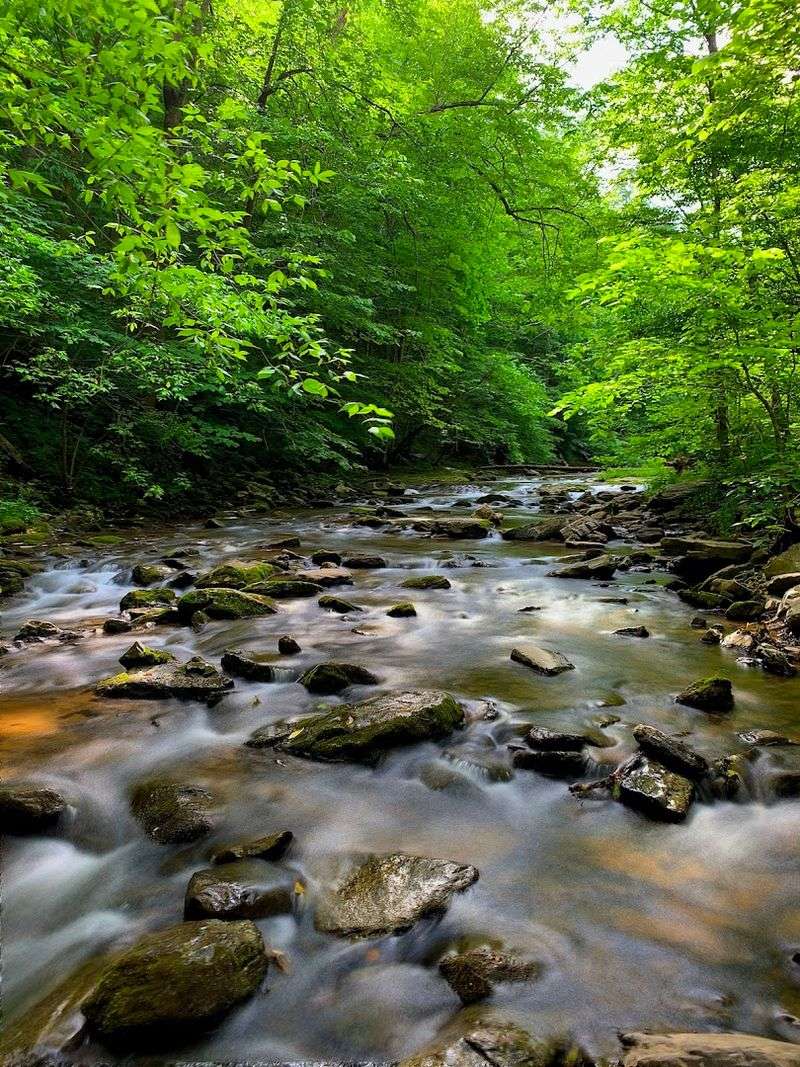
The forest around Lace Falls is alive in a way that surprises most first-time visitors. Hardwood trees like oak, hickory, and maple form a thick canopy above the Cedar Creek Trail.
Walking under that canopy on a hot summer day feels like nature turned on its own air conditioning.
Wildflowers pop up along the trail edges depending on the season. Spring brings trillium, wild violets, and various ferns pushing up through the leaf litter.
The plant diversity here reflects the rich soil conditions created by centuries of limestone weathering.
Wildlife is everywhere if you pay attention. Deer are commonly spotted in the meadow areas and along quieter trail sections.
Visitors have also reported seeing turtles, butterflies, and various bird species throughout the park on a single visit.
Cedar Creek itself supports aquatic life beneath its clear, shallow surface. Crayfish and small fish are visible in the calmer pools near the trail.
The creek stays cool year-round thanks to the shaded gorge it flows through.
Snakes are present in the park, though most species here are harmless. Black rat snakes and garter snakes are the most common sightings.
Staff recommends watching where you step, especially around rocky areas and near the creek bank. The biodiversity here is a big reason why conservation programs continue to prioritize this park.
Trail Options And Hiking Difficulty Levels
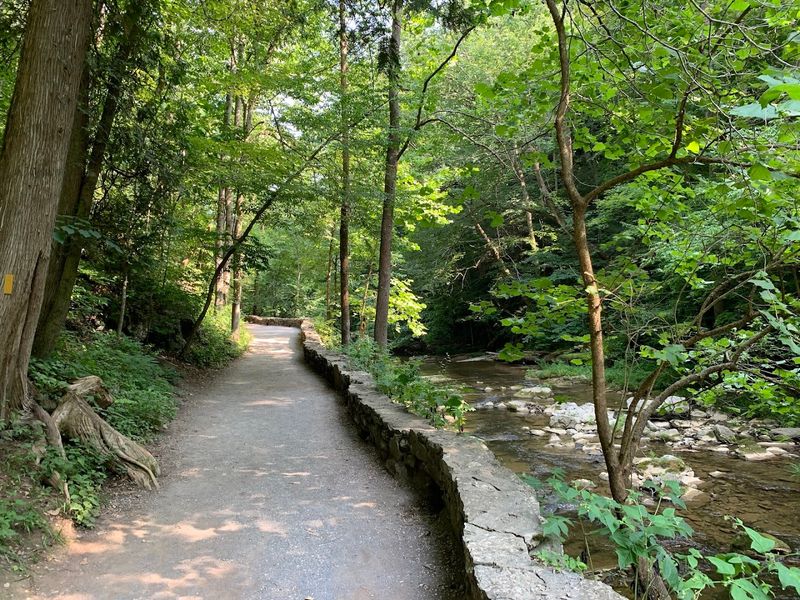
Natural Bridge State Park has over 10 miles of trails, which means you are not locked into just one experience. The Cedar Creek Trail is the most popular route and runs just under a mile one-way from the visitor center to Lace Falls.
It is mostly flat, wide, and accessible for most fitness levels.
The trail surface along Cedar Creek shifts between paved sections and packed gravel. One thing to prepare for is the staircase at the start.
Exactly 137 steps lead down from the visitor center, and yes, they feel steeper on the way back up.
For those wanting more of a challenge, the Buck Hill Trail and Blue Ridge Trail push into higher elevation terrain. These routes reward hikers with panoramic views of the James River valley and surrounding mountains.
The Skyline Trail is a loop option that delivers quiet solitude and wide-open mountain vistas.
Dogs on leashes are welcome on all park trails, which makes this a solid option for pet owners. Benches are placed at regular intervals along the main trail for rest breaks.
Staff can also arrange transportation down the entrance stairs for visitors with mobility challenges.
The park charges a small admission fee per person for the Cedar Creek Trail area. Additional trails outside that section may require a separate vehicle fee at the trailhead.
The variety here means both casual walkers and serious hikers leave satisfied.
Photography Tips For Capturing Scenic Beauty
Natural Bridge State Park is a photographer’s playground, but a few smart moves will make your shots stand out. The 215-foot limestone arch is best photographed from directly below, looking straight up.
Morning light filters into the gorge first, so arriving early gives you softer, more even exposure.
Lace Falls photographs best after a good rain. The water volume increases significantly, and the multi-tiered cascade becomes much more dramatic.
Dry spells can reduce the flow to a trickle, which is worth checking before you plan a dedicated photography trip.
The Cedar Creek Trail offers constant foreground interest. Use the creek reflections, mossy rocks, and overhanging branches to frame your wider landscape shots.
A polarizing filter helps cut glare off the water surface and makes colors pop.
Natural Bridge State Park is also a designated International Dark Sky Park. That designation means nighttime photography here is exceptional.
Star trails and Milky Way shots above the limestone arch are genuinely rare and stunning compositions to attempt.
For wildlife photography, patience near the meadow edges early in the morning pays off. Deer and birds tend to move through those areas before the crowds arrive.
A longer zoom lens helps you capture animals without disturbing them. The fall foliage season adds brilliant color contrast to any shot along the gorge trail, making October a particularly rewarding month to visit with a camera.
Seasonal Changes And Their Effects On Landscape
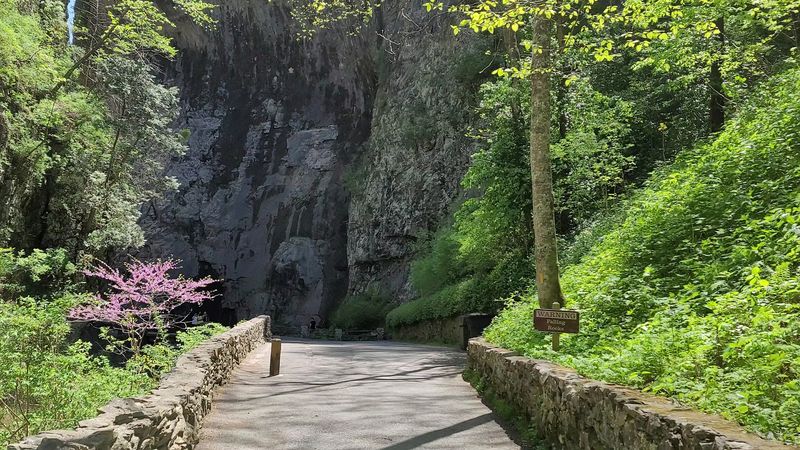
Every season at Natural Bridge State Park delivers a completely different visual experience. Spring is arguably the most energetic time here.
The forest wakes up fast, wildflowers blanket the trail edges, and Cedar Creek runs high from snowmelt and spring rains.
Summer brings dense green canopy cover that shades the Cedar Creek Trail almost completely. The gorge stays noticeably cooler than the surrounding landscape.
Families with kids tend to flood the park during summer months, so weekday visits are smarter if you prefer fewer crowds.
Fall is when the park transforms into something almost cinematic. The hardwood trees along the gorge walls shift into deep reds, oranges, and yellows.
Photographers specifically plan trips around peak foliage, which typically hits in mid to late October in this part of Virginia.
Winter offers a quieter version of the park that most people overlook. The bare trees open up views of the limestone formations that are hidden by leaves during warmer months.
A light snow on the natural bridge and surrounding cliffs creates a striking visual that feels completely different from any other season.
Lace Falls changes personality with the seasons, too. High water after heavy rain makes the falls roar and spread wide across the limestone face.
Late summer dry spells can reduce the flow considerably, so timing your visit after a wet stretch is the best strategy for seeing the waterfall at its most impressive.
Picnic Areas And Family Friendly Amenities
Natural Bridge State Park does a solid job of making sure families have what they need for a full day out. The visitor center is the main hub, and it is well-stocked with trail maps, snacks, ice cream, and park merchandise.
Clean restrooms are available at the visitor center and at the lower gift shop near the trailhead.
Picnic areas give families a comfortable place to eat and take a break between trail segments. The open meadow sections near the park provide natural gathering spots.
Benches are scattered throughout the Cedar Creek Trail corridor, so you are never far from a place to sit down.
Parking is free at the visitor center, which is a nice bonus. RV parking is also available, making this accessible for road-trippers doing longer journeys down Interstate 81.
Leashed dogs are welcome throughout the park, including inside visitor buildings. That is a genuinely family-friendly policy that many parks skip.
Kids tend to love the combination of the cave, the waterfall, and the massive arch, since each stop along the Cedar Creek Trail feels like its own discovery.
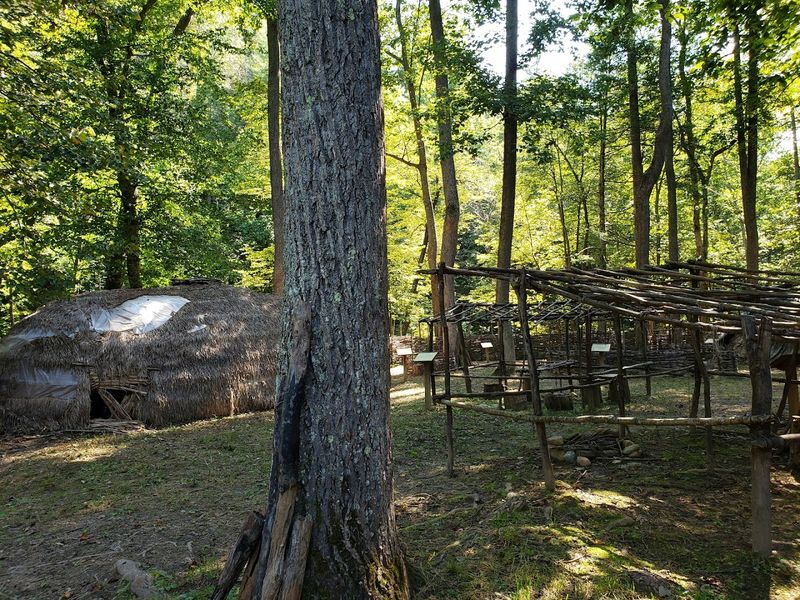
Staff are consistently described as helpful and friendly, which adds to the overall experience. The Native American village along the trail offers living history programs that make the walk educational as well as scenic.
Families with curious kids will find plenty of conversation starters here.
Conservation Efforts Protecting The Environment
Natural Bridge State Park exists today largely because of a well-timed conservation push. The Virginia Conservation Legacy Fund acquired ownership of the Natural Bridge property in 2013.
Virginia officially established the state park in 2016, shifting management from private hands to public stewardship.
The park holds a National Historic Landmark designation, which adds a layer of federal protection to the geological features.
That status means the natural arch and surrounding landscape are subject to preservation standards that go beyond typical state park regulations. It is a meaningful distinction for a site this old and this significant.
The International Dark Sky Park designation is another conservation win worth highlighting. Protecting the night sky requires managing light pollution in and around the park.
That kind of environmental awareness signals a broader commitment to preserving the full natural experience, not just the daytime scenery.
Trail maintenance is ongoing, with staff keeping the Cedar Creek Trail accessible and safe year-round. The paved and gravel surfaces reduce erosion from foot traffic in the high-use corridor.
Interpretive plaques along the trail educate visitors about the geology, history, and ecology of the area without being preachy about it.
The Monacan tribe considers Natural Bridge a sacred site, and the park honors that relationship through cultural programming. The Native American village along the trail offers living history demonstrations.
That collaboration between state park management and Indigenous communities reflects a conservation philosophy that includes human history alongside environmental protection.
Local History And Cultural Significance
The history layered into Natural Bridge State Park stretches back centuries before European explorers ever showed up. The Monacan tribe called the natural arch the Bridge of God and considered it a sacred place.
That spiritual connection predates every other chapter in this site’s long story.
John Howard became one of the first European explorers to document the bridge in 1742. George Washington surveyed the area in 1750 and reportedly carved his initials into the limestone wall.
Thomas Jefferson visited in 1767 and was so impressed that he purchased 157 acres of the surrounding land in 1774.
Jefferson considered Natural Bridge equal in beauty to Niagara Falls, which is high praise from someone who had seen a lot of the world. He hired Patrick Henry, a freed enslaved man, as caretaker of the property in 1817.
That detail adds a complicated but important human dimension to the site’s history.
After Jefferson’s death, the property passed through private ownership for nearly two centuries. A large hotel operated on the grounds for much of the 20th century.
The site earned National Historic Landmark status in 1998, recognizing its geological and cultural importance at the federal level.
Virginia established Natural Bridge State Park officially in 2016, finally bringing the site under public ownership. The transition preserved access for everyone while adding conservation protections.
Interpretive signs along the Cedar Creek Trail walk visitors through the full timeline, making the history feel present rather than distant.