
This Huge Colorado Thrift Store Is Known For Designer Finds Under $10 In 2026
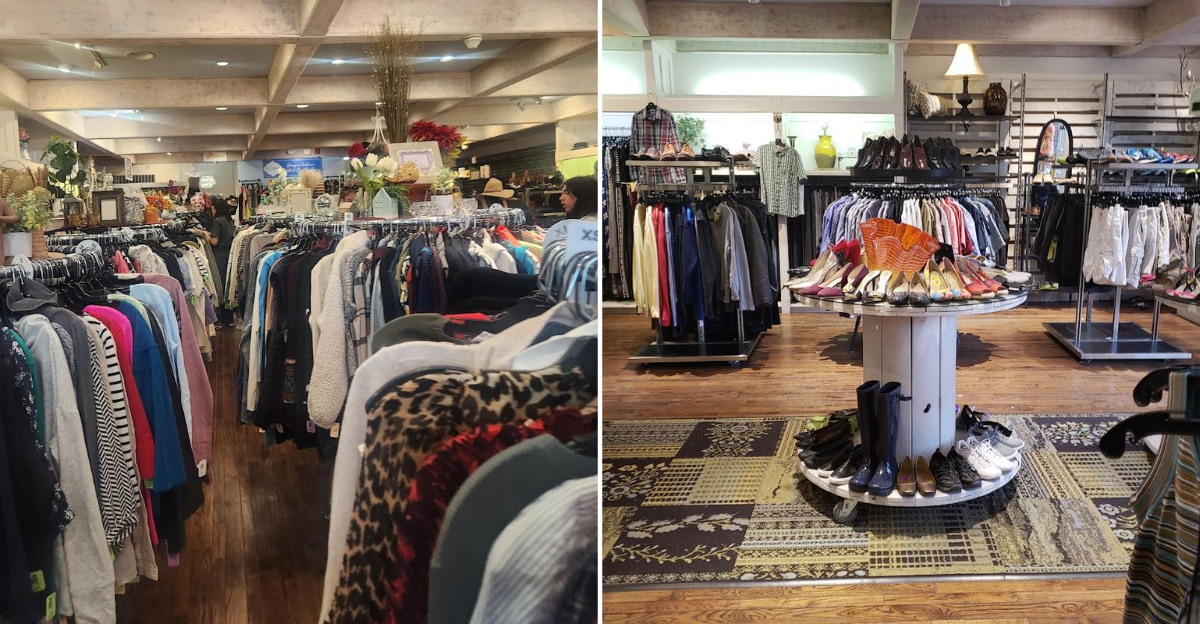
Designer labels at single digit prices have a way of making a thrift store feel less like a shop and more like a competition. Regulars arrive with a strategy and the kind of focused energy usually reserved for more serious pursuits.
Casual browsers either adapt quickly or surrender the best finds to someone who came far more prepared. The inventory turns over fast enough that no two visits ever produce the same floor.
That unpredictability is precisely what keeps the parking lot full and the aisles moving at a pace that discourages hesitation.
Colorado has quietly produced one of the most rewarding thrift experiences in the country, and this store sits at the center of that reputation.
A designer find at this price point does not require luck so much as timing and persistence. Those who have mastered both will confirm that this store delivers more consistently than anywhere else worth the drive.
Tips For Spotting Authentic Designer Pieces
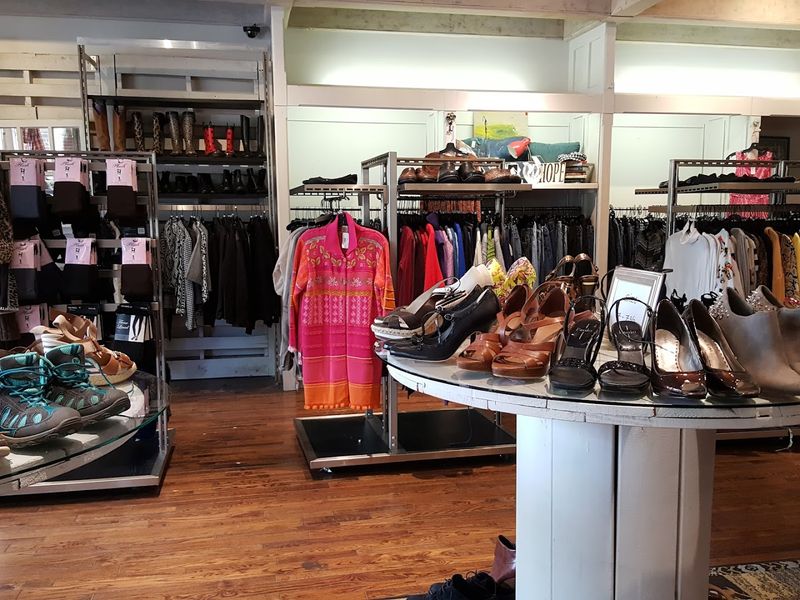
Authentic designer pieces have specific details that fakes simply cannot copy well.
Start by checking the stitching on any garment. Real designer items have tight, even stitches with no loose threads.
The lining inside a jacket or blazer should feel smooth and substantial. Cheap imitations often use thin, scratchy lining material that bunches up easily.
Look at the hardware on bags and shoes. Authentic brands use heavy metal zippers and clasps.
Lightweight, plastic-feeling hardware is a red flag every time. Logos should be centered and symmetrical, never slightly off or blurry.
Check the font on interior labels carefully. Designer brands are obsessive about their typography.
Any slight variation in letter spacing or font weight can signal a knockoff. Serial numbers and date codes on leather goods are also worth verifying online before you commit to a purchase.
Fabric weight matters a lot, too. Designer clothing uses higher-grade materials that drape differently than fast fashion.
Hold the garment up to the light. Quality wool, silk, and cashmere have a distinct texture that feels immediately different in your hands.
Trust that instinct when you feel it.
At Deja Blue Boutique, located at 303 University Blvd, Denver, CO 80206, the staff hand-picks inventory from Goodwill donation centers across Colorado. That process alone filters out a lot of the clutter you find at regular thrift stores.
How To Evaluate The Quality Of Thrifted Clothing
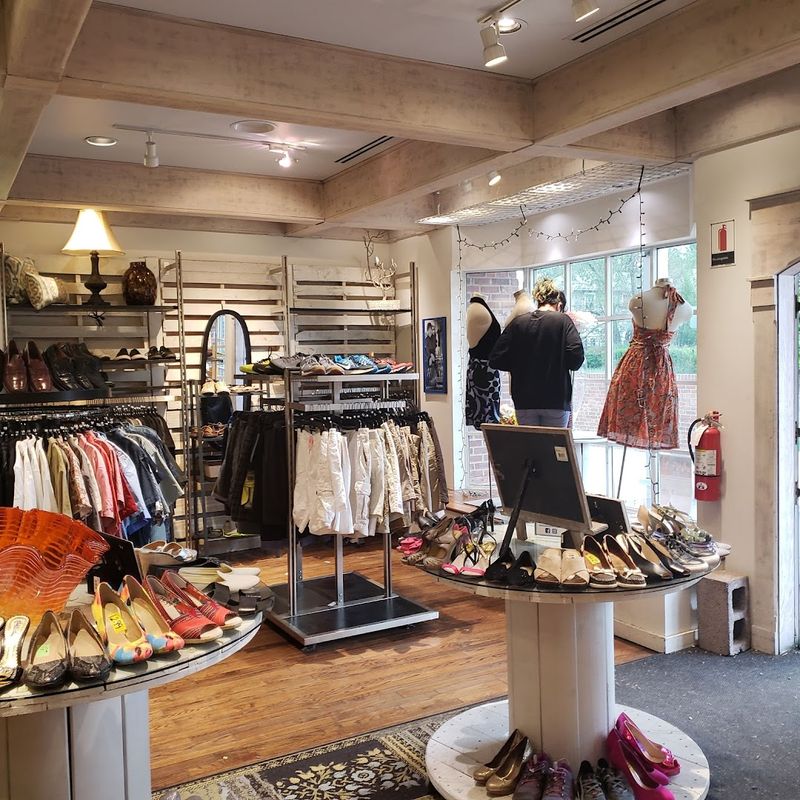
Quality thrifted clothing tells its own story if you know where to look. Fabric condition is the first thing worth checking before anything else.
Run your fingers along the surface and feel for pilling, thinning spots, or rough patches. Those signs mean the garment has had a long, hard life already.
Check every seam carefully. Seams on quality clothing sit flat and hold their shape under light tension.
Pull the seam gently with both hands. If it gaps or the stitching looks strained, that piece probably will not last much longer.
Armhole seams and shoulder seams take the most stress during wear.
Zippers and buttons deserve attention, too. Test every zipper on a jacket or pair of pants right there in the store.
A sticky or misaligned zipper is expensive to replace and annoying to live with. Buttons should be firmly attached with no loose threads around the base.
Look for stains in natural light whenever possible. Overhead store lighting can hide discoloration that becomes obvious outside.
Check collar areas, underarms, and cuffs specifically. Those spots absorb oils and sweat over time and can be nearly impossible to fully remove.
Smell the garment before purchasing. Musty or chemical odors sometimes linger even after washing.
A faint neutral smell is totally fine. Strong odors are a sign that the item needs serious intervention before it belongs anywhere near your closet.
Trust your nose on this one.
Best Times Of Year To Shop For Deals
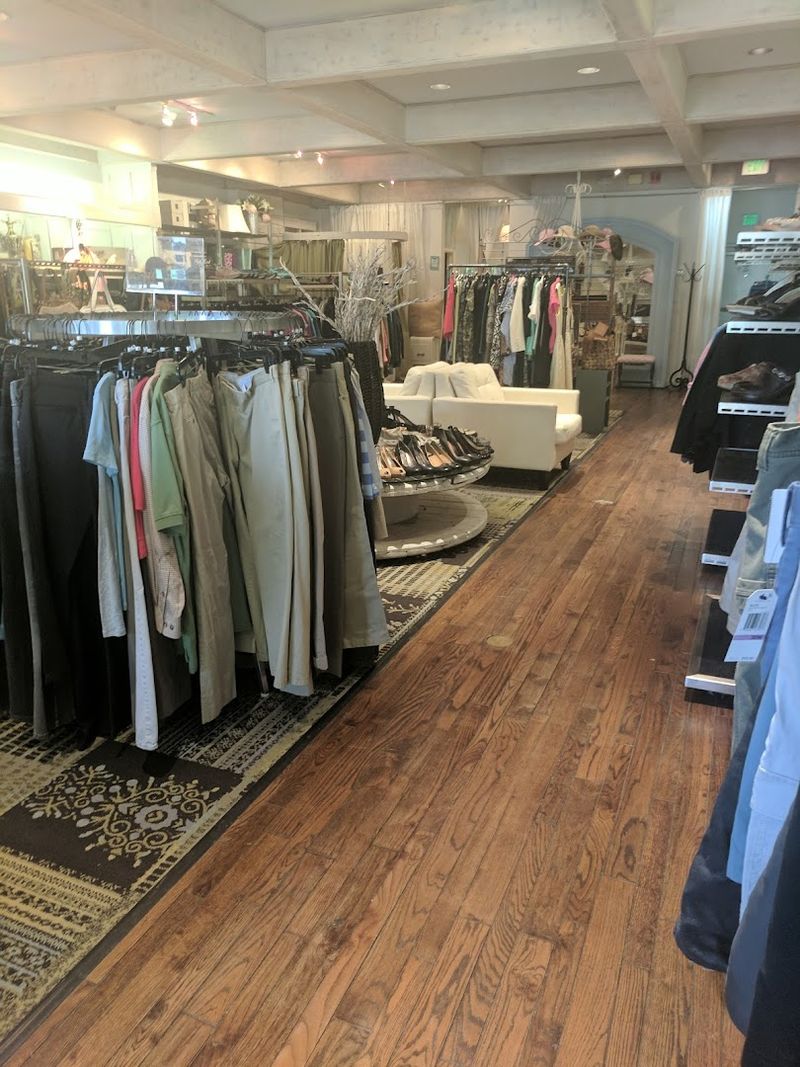
Timing your visits to Deja Blue Boutique can make a real difference in what you spend. The boutique runs weekly color tag sales that knock 50% off specific items.
Showing up right when a new color rotation starts means you get first pick of the discounted rack before other shoppers clear it out.
Mondays tend to bring fresh inventory since donations processed over the weekend get sorted and priced quickly. Early in the week is genuinely a good time to visit if you want the widest selection.
The store opens at 10 AM every day, so arriving right at opening gives you the cleanest shot at new arrivals.
Certain days offer automatic discounts for military personnel, seniors, and teachers. Those discounts apply on specific days of the week, so it is worth calling ahead at 303-996-5668 to confirm the current schedule.
Some exclusions apply, but the savings are real when you qualify.
Post-holiday seasons are productive for designer finds. January and February bring a surge of donations as people clear out closets after the holidays.
Spring cleaning season, around March and April also pushes high-quality donations into circulation. Shoppers who visit regularly during those months consistently score the best finds.
The summer months slow down slightly in terms of donation volume. Fall brings another wave as people swap out seasonal wardrobes.
Visiting across different seasons keeps your options open and your wardrobe rotating with fresh pieces all year long.
Ways To Style Designer Finds On A Budget
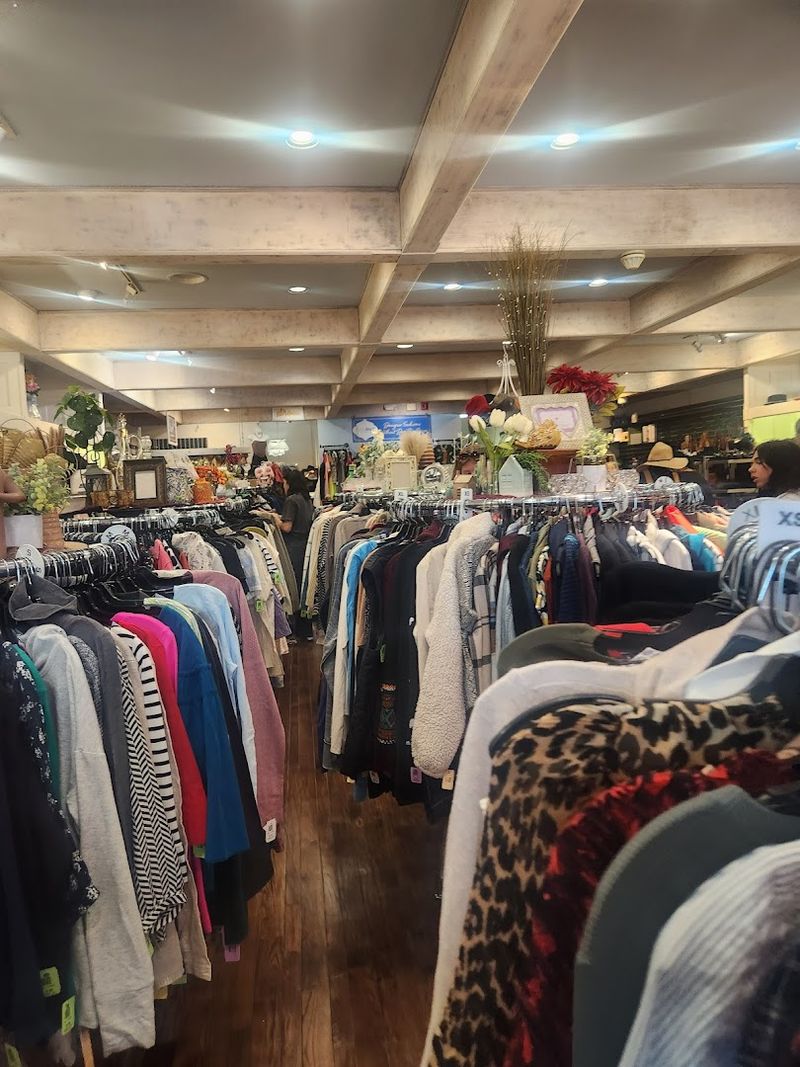
Scoring a designer piece at Deja Blue is only half the fun. Styling it well without spending more money is where the real creativity kicks in.
One strong designer item can anchor an entire outfit built around affordable basics. Think of it as the anchor piece that elevates everything else around it.
A Brooks Brothers blazer pairs effortlessly with simple dark jeans and a plain white tee. That combination looks polished without trying too hard.
Ralph Lauren knits work the same way, layered over a basic collared shirt. The designer piece does the heavy lifting while the rest stays simple and inexpensive.
Mixing high and low is the whole point of thrift styling. Wear a Versace scarf with a plain black dress from anywhere.
The scarf becomes the focal point immediately. Accessories from designer labels are often the most affordable finds at boutique thrift stores and have the biggest visual impact per dollar spent.
Color coordination helps a lot when mixing thrifted pieces with everyday wardrobe staples. Stick to a consistent color palette across the outfit.
That approach makes even mismatched brands look intentional and put together. Three colors maximum per outfit is a reliable rule that always works.
Tailoring is an underrated budget move. A blazer that fits perfectly after a minor alteration still costs far less than buying new.
Fit transforms the look of any garment more than the brand name ever could. Prioritize fit above everything else when shopping for thrifted designer pieces.
Understanding The History Behind Popular Designer Labels
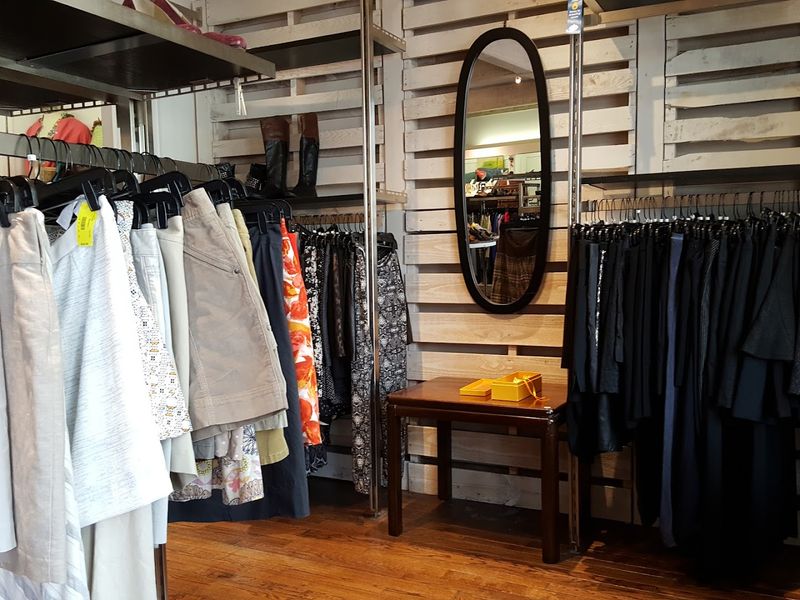
Designer labels carry decades of history inside every stitch. Knowing that history makes thrifting those pieces feel more meaningful.
Chanel was founded in 1910 by Gabrielle Bonheur Chanel, who revolutionized women’s fashion by prioritizing comfort over corsets. Finding a Chanel piece anywhere is a connection to over a century of fashion history.
Fendi started in Rome in 1925 as a leather and fur shop. The brand became globally iconic when Karl Lagerfeld joined in 1965 to modernize their designs.
His influence shaped Fendi’s identity for over five decades. Spotting a Fendi piece at a boutique thrift store is genuinely rare and worth knowing the story behind it.
Ralph Lauren launched in 1967 with a line of wide neckties and grew into one of America’s most recognizable lifestyle brands. The brand built its identity around classic American style with a preppy, aspirational aesthetic.
Brooks Brothers goes back even further, founded in 1818, making it the oldest men’s clothier in the United States.
Versace was founded in 1978 by Gianni Versace in Milan. The brand became synonymous with bold prints, vibrant colors, and unapologetic glamour.
Each of these labels represents a distinct design philosophy that has influenced mainstream fashion for generations.
Understanding a label’s heritage helps you recognize authentic pieces faster. It also gives you a deeper appreciation for what you are holding.
History adds real value to thrifted finds beyond just the price tag on the rack.
Secrets For Negotiating Prices At Thrift Stores
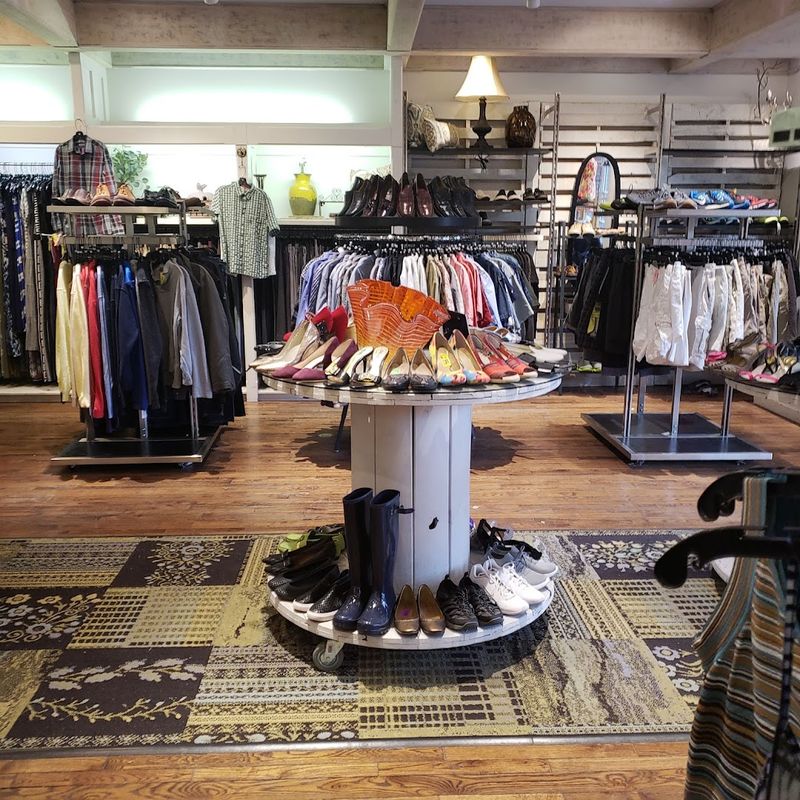
Negotiating at thrift stores is not as awkward as it sounds. Most shoppers do not realize that some flexibility exists, especially on items with visible wear or minor damage.
Pointing out a small flaw respectfully and asking if there is any room on the price is a completely normal conversation to have.
The worst answer is no.
At Deja Blue Boutique, the pricing follows a Good, Better, Best structure based on brand, condition, and value. That system means prices are set with intention.
Understanding that framework helps you make a smarter case when asking about adjustments. Referencing the item’s condition directly is more effective than just saying the price feels high.
Weekly color tag sales are the built-in negotiation at this boutique. Waiting for the right color tag to go on sale is a strategic move that requires no awkward conversation at all.
Fifty percent off a designer piece is a significant discount that requires zero negotiation skills.
Bundling items sometimes opens a door for a small discount at independent thrift shops. At Goodwill-operated locations, bundling discounts are less common since pricing is standardized.
Focus your energy on sale days and eligible discount days instead of bundling strategies here.
Being a regular visitor builds familiarity with the staff. Friendly, consistent shoppers sometimes hear about upcoming sales before they are posted publicly.
Show up often, be pleasant, and pay attention. That combination works better than any negotiation tactic at a boutique thrift store.
Caring For Vintage And Delicate Fabrics
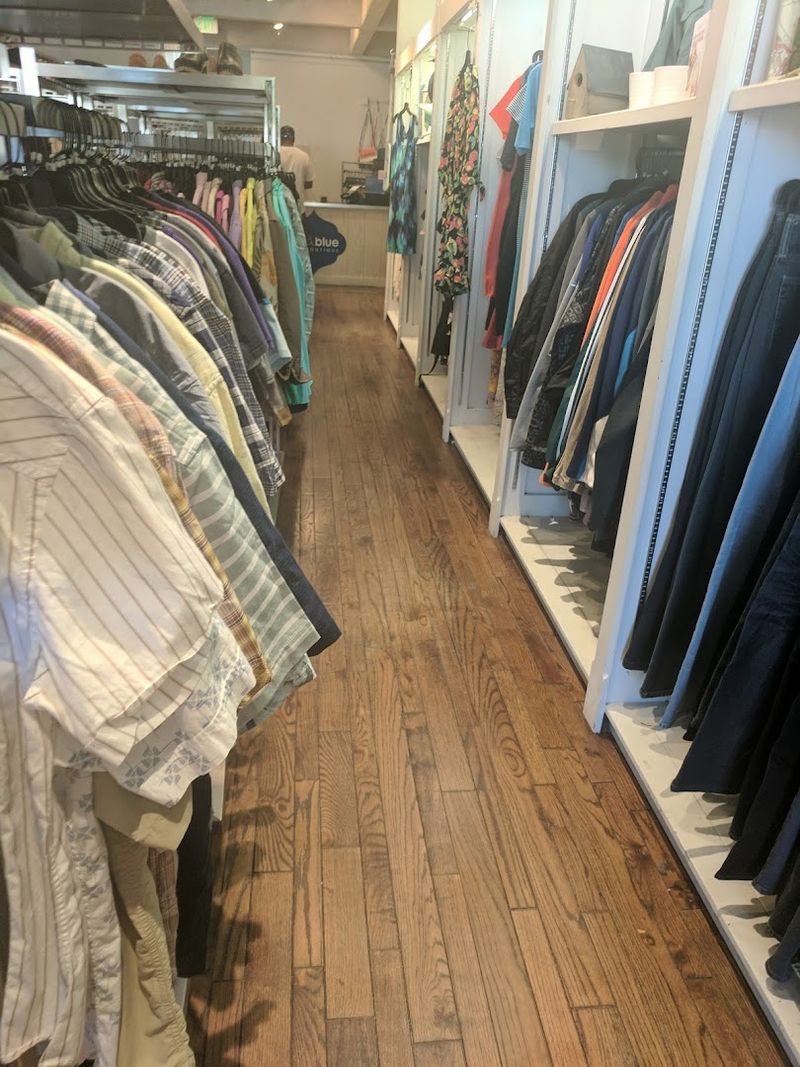
Vintage fabrics require a completely different approach than modern machine-washable clothing. Silk, cashmere, wool, crepe, and linen all have specific needs that regular laundry cycles will destroy quickly.
Getting the care right extends the life of a thrifted designer piece by years. That makes the investment worth every cent.
Hand washing is the safest method for the most delicate fabrics. Use cold water and a small amount of gentle detergent designed specifically for delicates.
Submerge the garment and swish it slowly without wringing or twisting. Aggressive agitation breaks down fibers over time and causes irreversible damage to vintage weaves.
Wool items should never go in a dryer. Lay them flat on a clean towel to air dry in their natural shape.
Hanging wet wool causes it to stretch unevenly and permanently distort. A sweater dried flat retains its original dimensions and keeps its structure intact for years of continued wear.
Silk is particularly sensitive to heat and sunlight. Store silk pieces folded in a cool, dark drawer rather than hanging in direct light.
Prolonged sun exposure causes silk to yellow and weaken the fibers. Cedar sachets in storage drawers help repel moths without the harsh chemical smell of mothballs.
Dry cleaning is the right call for structured vintage blazers and heavily lined garments. Check the care label before attempting any home cleaning method.
When the label is missing or illegible, err on the side of professional cleaning to protect the garment properly.
Benefits Of Shopping Sustainably Through Thrift Stores
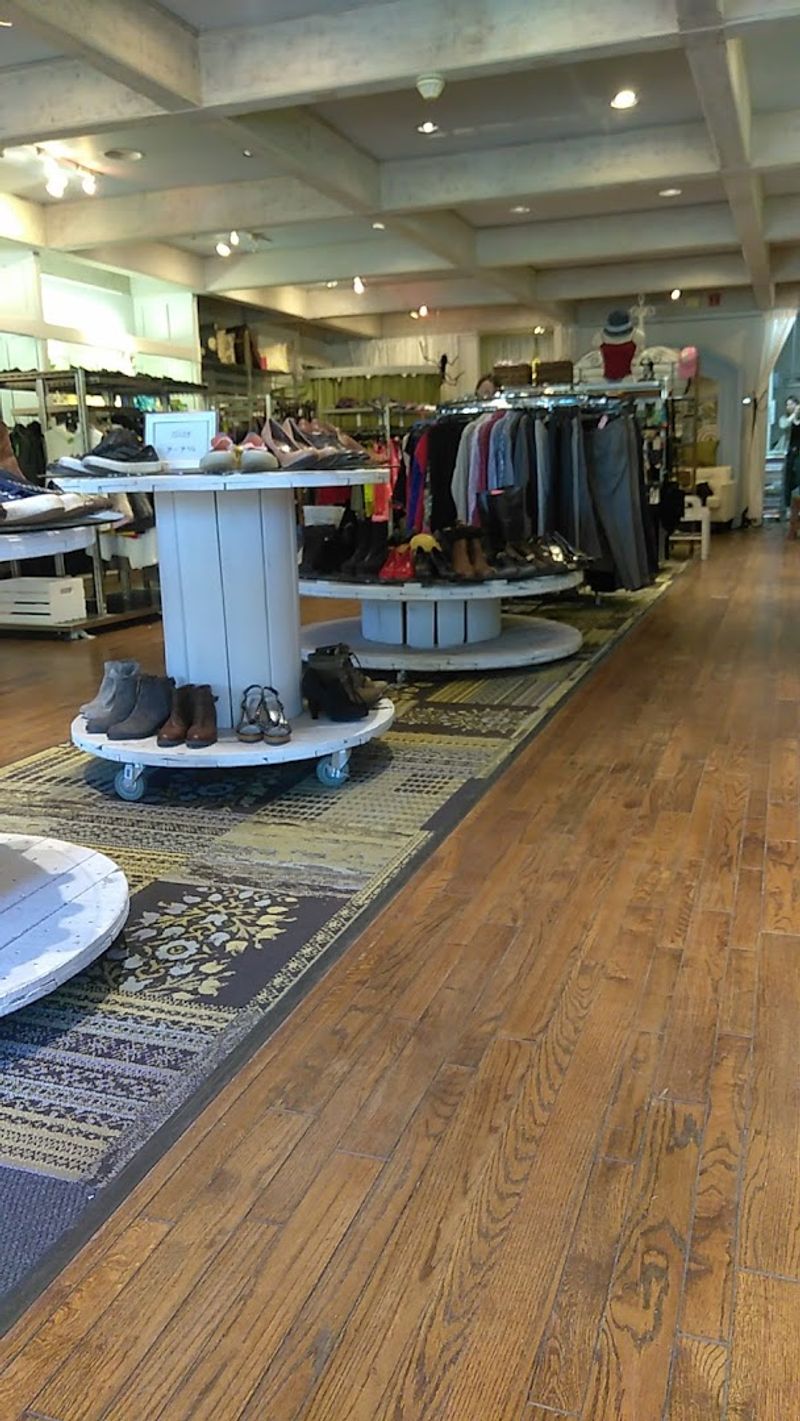
Shopping at Deja Blue Boutique does more than save money. Every purchase directly supports Goodwill of Colorado’s community programs.
Those programs provide free job training, education, and home heating bill assistance to tens of thousands of Coloradans every year. Ninety cents of every dollar spent stays in the community doing real work.
The environmental impact of thrift shopping is genuinely significant. The fashion industry is one of the largest sources of global waste and pollution.
Choosing secondhand clothing keeps garments out of landfills and reduces the demand for new production. One thrifted purchase avoids the water usage, emissions, and chemical processing required to manufacture a new item.
Circular fashion is a growing movement that treats clothing as a resource rather than a disposable product. Buying secondhand participates directly in that circular economy.
It extends the useful life of garments that would otherwise end up discarded. Designer pieces especially deserve a second life given the quality and craftsmanship built into them originally.
Deja Blue sources its inventory from donations collected at other Goodwill locations across Colorado. That hand-picking process means items are evaluated for quality before hitting the floor.
The result is a more curated selection that reflects real value rather than random chance.
Sustainable shopping also encourages a more intentional relationship with clothing. Buying less but buying better leads to a wardrobe that actually gets used.
Quality over quantity is a principle that thrift boutiques like this one make genuinely accessible to everyday shoppers on any budget.