
This Quiet Wisconsin Town Offers Fish Boils, Scenic Waters And A Step Back In Time
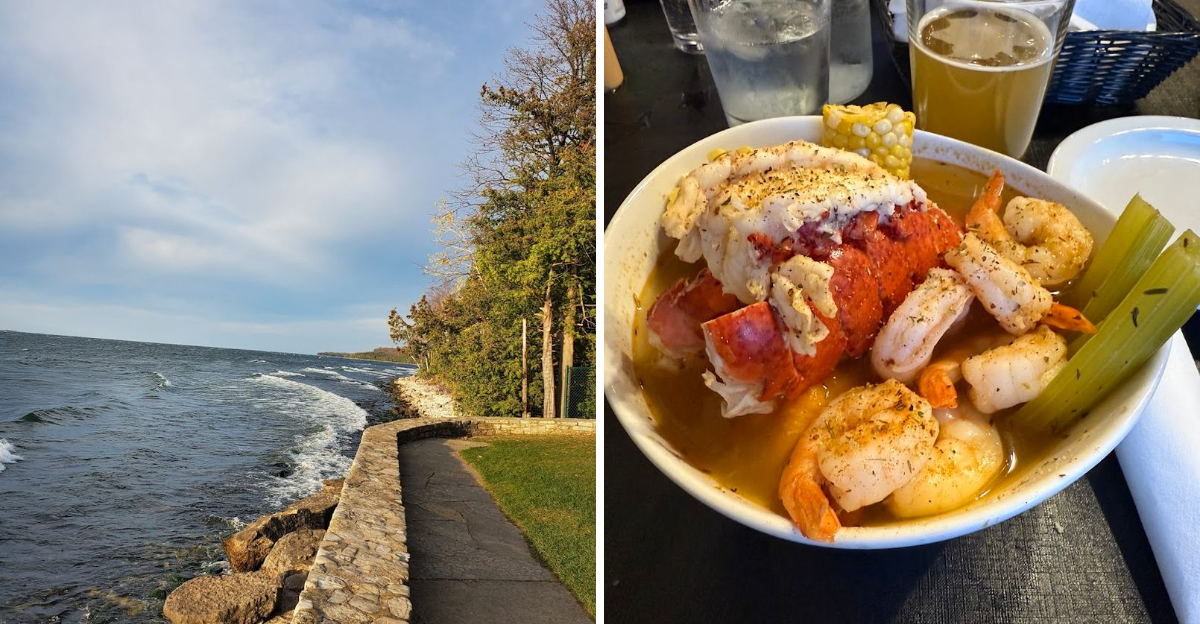
A slower weekend can do a lot for your mood. Wisconsin has a lakeside village where the best plans are simple ones: watch the harbor, wander past small shops, grab a good meal, and let the day move without checking the clock every few minutes.
Fish boils are part of the tradition, but the appeal goes beyond what is on the plate. There is something easy about the whole place.
You notice the boats, the water, the old buildings, and the way people seem happy to take their time. Nothing feels staged or overdone.
It is the kind of getaway that reminds you how nice it can be to slow down and actually enjoy where you are.
Fish Creek Is One Of Door County’s Most Beloved Waterfront Stops
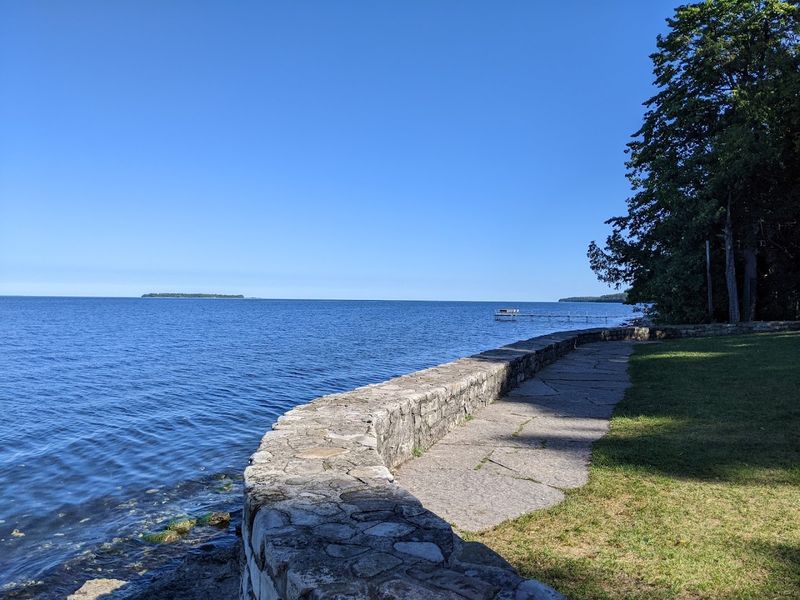
Fish Creek has earned its reputation not through aggressive marketing but through decades of delivering exactly what it promises. The village sits tucked along the shoreline of Green Bay, its buildings arranged in a way that feels both intentional and organic.
People return year after year because the place does not reinvent itself with every season.
The waterfront anchors everything here. Shops, restaurants, and galleries face the harbor, and the layout encourages walking rather than driving.
There is no sprawl, no strip malls, and no confusion about where the center of town begins or ends.
Visitors often describe Fish Creek as the Door County experience distilled to its essence. It offers access to natural beauty without the isolating remoteness of some northern destinations.
The village remains functional, not frozen in time, and that balance keeps it from feeling like a theme park version of itself.
The Fish Boil Tradition Gives Dinner A Little Local Theater
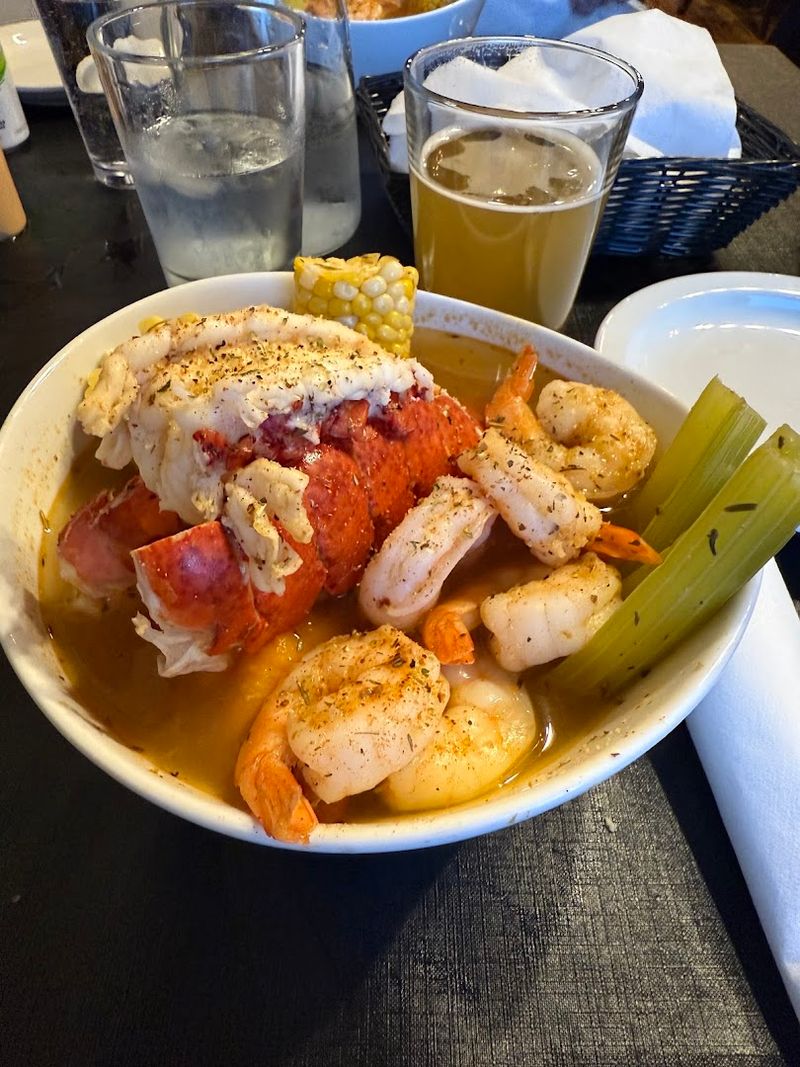
Few culinary traditions carry the theatrical weight of a proper Door County fish boil. The ritual involves a massive kettle set over an open fire, filled with lake water, potatoes, onions, and whitefish.
The finale arrives when kerosene gets tossed onto the flames, causing a dramatic boil-over that sends fish oils cascading over the edge of the pot.
This is not fine dining. It is communal eating with a performance attached, and the spectacle draws crowds who gather around the fire pit to watch the process unfold.
The chef narrates each step, building anticipation before the controlled explosion of flame and steam.
What makes the fish boil endure is its refusal to take itself too seriously. The meal itself is simple, the fish mild and flaky, the potatoes soft and buttery.
Cherry pie typically follows, because this is Wisconsin and dessert matters. The whole experience leans into regional identity without becoming a caricature of it.
Pelletier’s Keeps The Classic Fish Boil Experience Right In Town
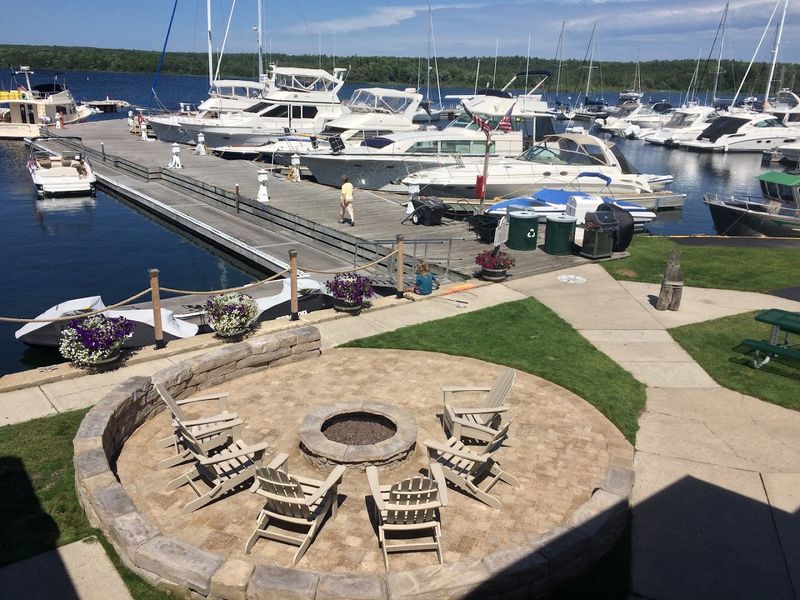
Pelletier’s has been serving fish boils since the tradition took hold as a tourist draw, and the restaurant has refined the process without stripping away its rough edges. Located right in the heart of Fish Creek, the venue offers both the show and the meal in a setting that feels appropriately casual.
The outdoor fire pit sits near the entrance, visible from the street, and the schedule runs like clockwork during the summer months. Reservations are recommended, not because the place is exclusive, but because tables fill quickly once word spreads that the evening’s boil is underway.
Inside, the dining room maintains a straightforward approach to hospitality. The menu expands beyond fish boils to include other regional staples, but most people come for the main event.
The staff handles the crowds with efficiency, and the atmosphere remains relaxed even when the place is packed. Pelletier’s understands its role in the local ecosystem and plays it well.
The Harbor Makes Fish Creek Feel Calm The Moment You Arrive
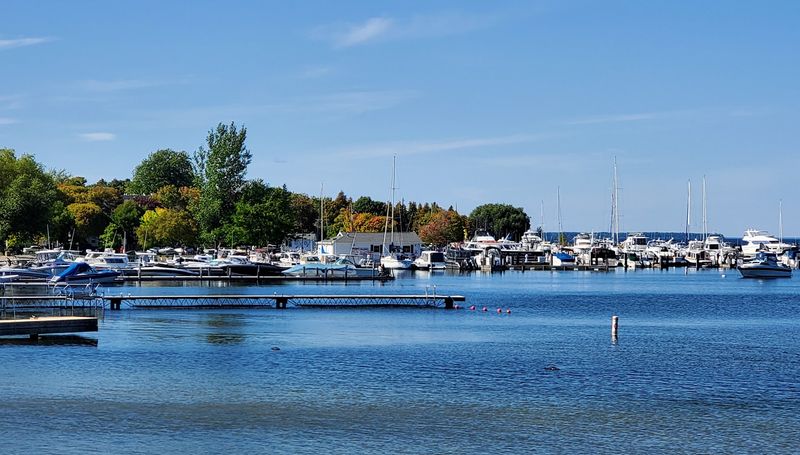
Harbors set the tone for waterfront towns, and Fish Creek’s does its job with understated grace. The marina holds a modest collection of boats, mostly sailboats and small recreational craft, and the water stays calm enough that reflections hold steady on clear mornings.
There is no industrial noise, no commercial fishing fleet, just the quiet lapping of waves against hulls and docks.
Walking along the waterfront provides a natural reset for visitors who arrive wound tight from highway driving. The pace here discourages rushing.
Benches face the water at intervals, and people actually use them, sitting for long stretches without checking phones or planning the next activity.
The harbor also serves as a visual anchor for the village. Most of Fish Creek’s commercial activity happens within a few blocks of the water, and the layout ensures that views of the bay appear around corners and between buildings throughout the downtown area.
Sunset Park Gives Visitors One Of The Best Evening Views On The Bay
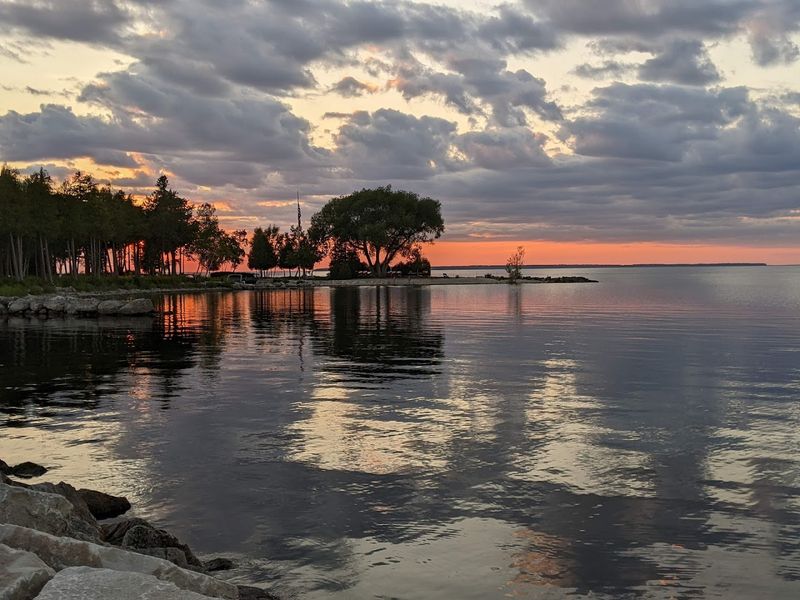
Sunset Park lives up to its name with the kind of reliability that makes planning an evening visit easy. The park occupies a prime piece of shoreline just north of the main harbor area, and the western exposure means the sun drops directly into Green Bay from this vantage point.
Families spread blankets on the grass, kids use the playground, and couples claim benches well before the sky begins its color shift.
The park itself is simple. There are no elaborate gardens or sculptures, just open lawn, a few trees for shade, and a clear sightline to the water.
That simplicity works in its favor because nothing competes with the main attraction.
On summer evenings, the park fills with a mix of tourists and locals, and the atmosphere remains quietly convivial. People share the space without crowding it, and the sunset provides a natural endpoint to the day that feels earned rather than manufactured.
Peninsula State Park Sits Right Next Door With Trails And Scenic Overlooks
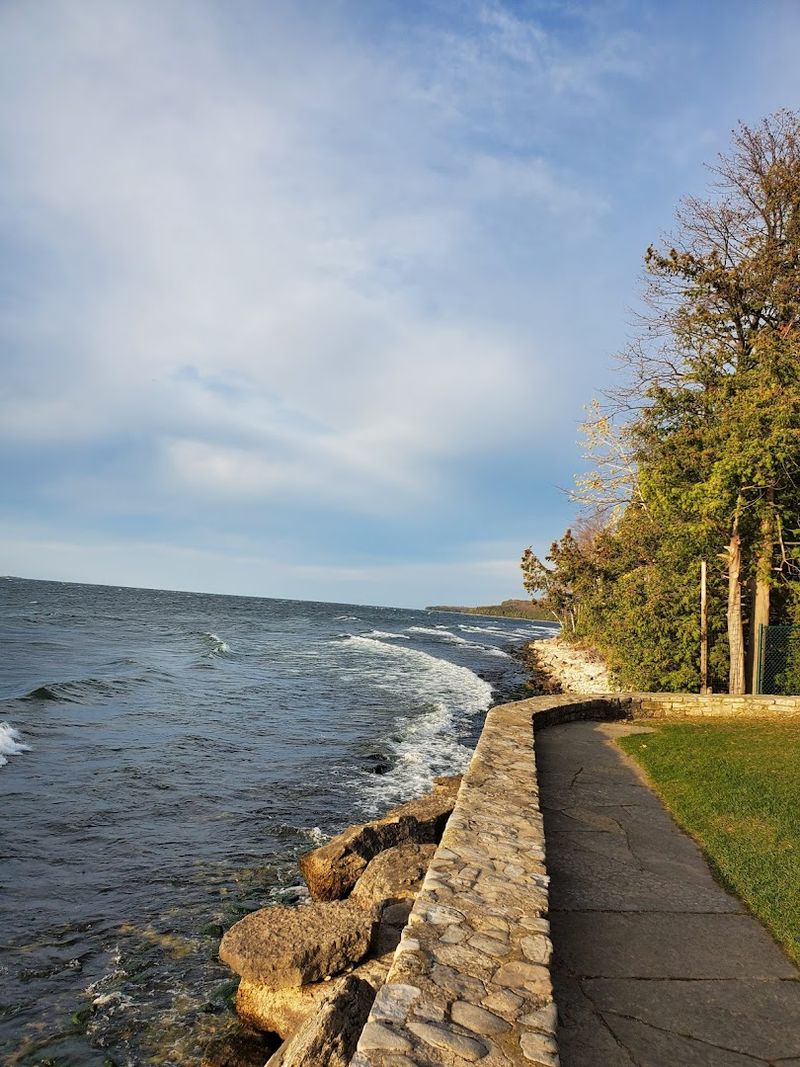
Peninsula State Park borders Fish Creek to the north, and the proximity means visitors can shift from village life to wilderness hiking in less than five minutes. The park covers nearly four thousand acres of wooded bluffs, rocky shoreline, and meadows that bloom with wildflowers in late spring.
Trails range from easy lakeside walks to steep climbs that reward effort with expansive views.
Eagle Bluff stands out as one of the park’s signature overlooks. The climb involves some effort, but the payoff includes a sweeping view of Ephraim, Eagle Harbor, and the islands scattered across the bay.
On clear days, the visibility extends far enough to make out details on distant shorelines.
The park also contains a golf course, campgrounds, and a historic lighthouse, giving visitors options beyond hiking. But the trail system remains the main draw, offering enough variety to satisfy both casual walkers and serious hikers looking for elevation and distance.
The Sunset Trail Is Perfect For An Easy Walk Or Bike Ride
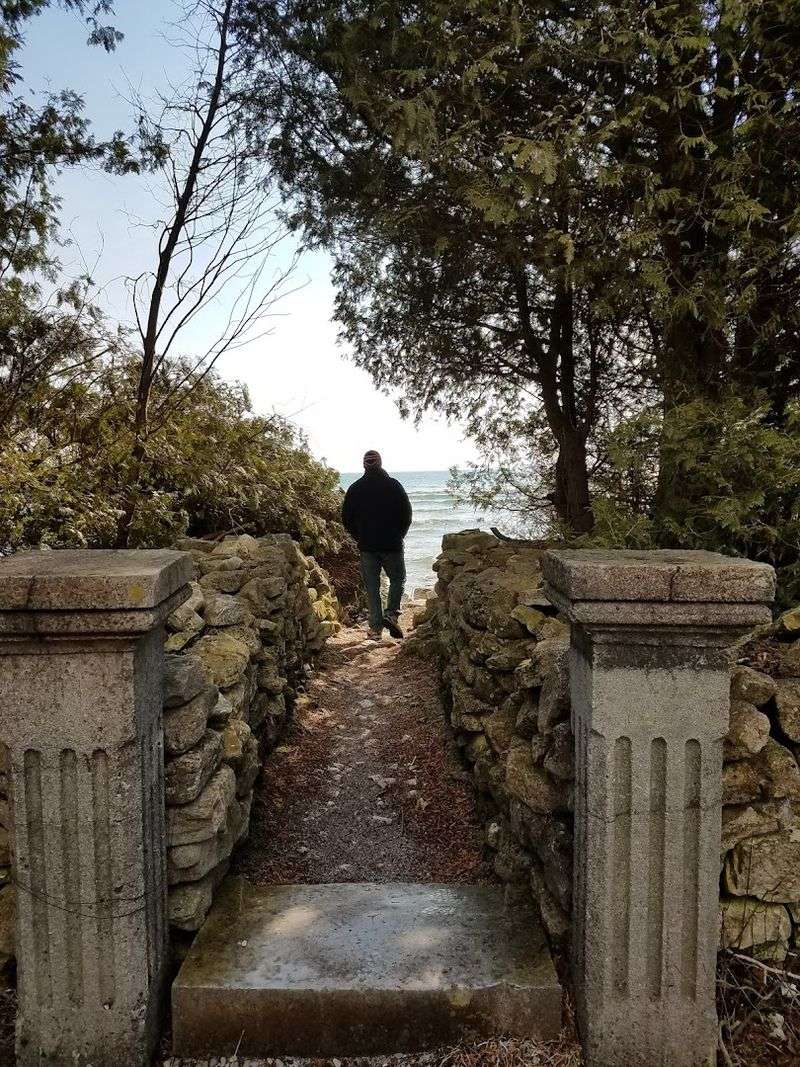
The Sunset Trail connects Fish Creek to Ephraim via a paved path that follows the shoreline for much of its length. Bikers and walkers share the route, and the grade stays gentle enough that families with young children manage it without complaint.
The trail runs roughly four miles one way, making a round trip feasible for most fitness levels.
What makes the trail particularly appealing is its separation from Highway 42. Instead of competing with car traffic, users move through stretches of woods and open meadow, with occasional views of the bay appearing between trees.
The path surface is smooth, well maintained, and wide enough to accommodate two-way traffic without tension.
Bike rentals are available in Fish Creek, and many visitors use the trail as a low-stakes introduction to the area’s geography. The route provides a sense of accomplishment without demanding athletic prowess, and the scenery changes enough to keep the journey interesting from start to finish.
The Alexander Noble House Adds A Real Step Back In Time
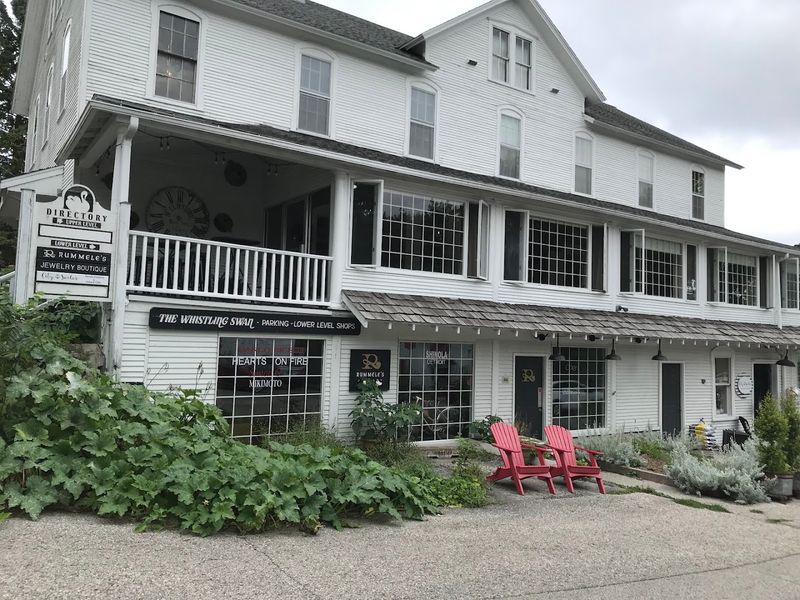
The Alexander Noble House sits on a quiet corner in Fish Creek, a white clapboard structure built in the late nineteenth century by one of the area’s early settlers. The house now operates as a small museum, maintained by the Door County Historical Society, and it offers a glimpse into the domestic life of the region’s founding families.
Inside, the rooms are furnished with period pieces, and the displays focus on the practical details of frontier living rather than grand historical narratives. Visitors see kitchens outfitted with cast iron stoves, bedrooms with simple wooden furniture, and parlors arranged for entertaining in an era before electricity or central heating.
The house is not a major attraction in the conventional sense. It draws modest crowds, and tours are self-guided with interpretive signage providing context.
But for those interested in local history, the Noble House delivers an authentic connection to Fish Creek’s past without the embellishments that often accompany historic sites.
Historic Streets And Old Buildings Give The Village Its Timeless Feel
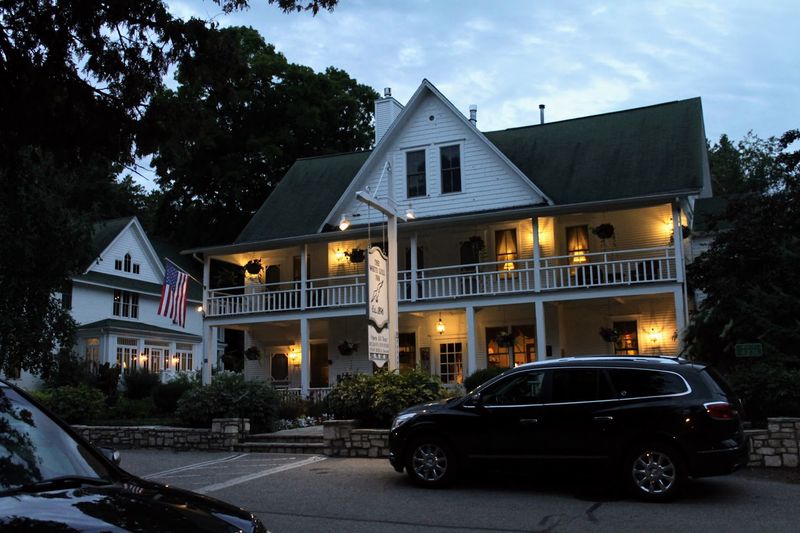
Fish Creek’s downtown retains much of its original architectural character, and the preservation feels organic rather than forced. Buildings date back to the late eighteen hundreds and early nineteen hundreds, and while many have been updated inside, the exteriors maintain their period details.
Wood siding, pitched roofs, and front porches create a visual consistency that ties the streetscape together.
The village has avoided the modernization that flattened many small Wisconsin towns during the mid-twentieth century. There are no concrete block storefronts, no aluminum siding, and no attempts to disguise historic structures behind contemporary facades.
The result is a downtown that photographs well but also functions as a real commercial district.
Walking these streets provides a sense of continuity with the past that is becoming rare in American small towns. The scale remains human, the sidewalks wide enough for comfortable strolling, and the buildings close enough to the street to create a sense of enclosure without claustrophobia.
Local Shops Make Downtown Fish Creek Easy To Wander For Hours
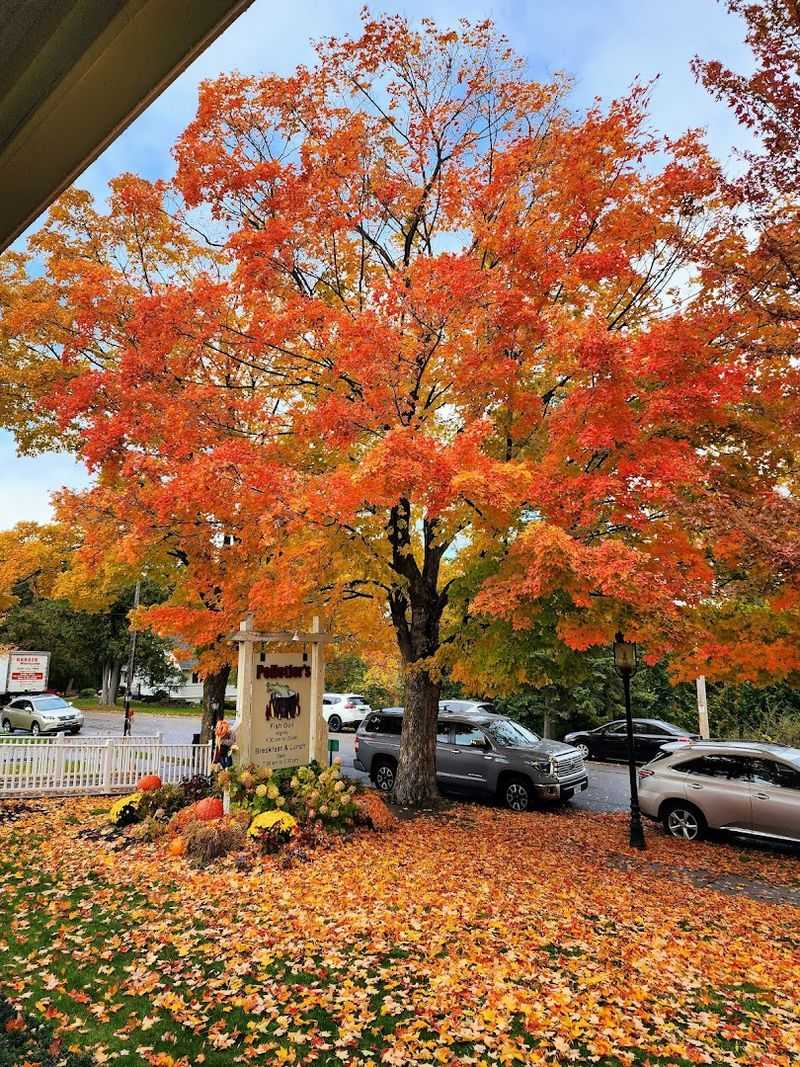
Fish Creek’s retail district leans heavily toward local ownership, and the shops reflect the tastes and interests of people who live here year-round rather than seasonal vendors chasing quick sales. Galleries display work by regional artists, bookstores stock titles with Wisconsin connections, and gift shops curate items that go beyond the standard souvenir fare.
The browsing experience unfolds at a leisurely pace. Stores are small enough that you can take in the full inventory without feeling overwhelmed, and staff members tend to be knowledgeable about their products.
There is no hard sell, no pressure to buy, just the opportunity to look and consider.
The concentration of shops within a few blocks makes wandering easy. You can move from one storefront to the next without getting back in the car, and the variety ensures that different members of a group will find something of interest.
The retail experience here supports the overall village atmosphere rather than dominating it.