
A Hidden Tennessee Ridge Trail Where You Can Walk For Hours Without Seeing Another Person
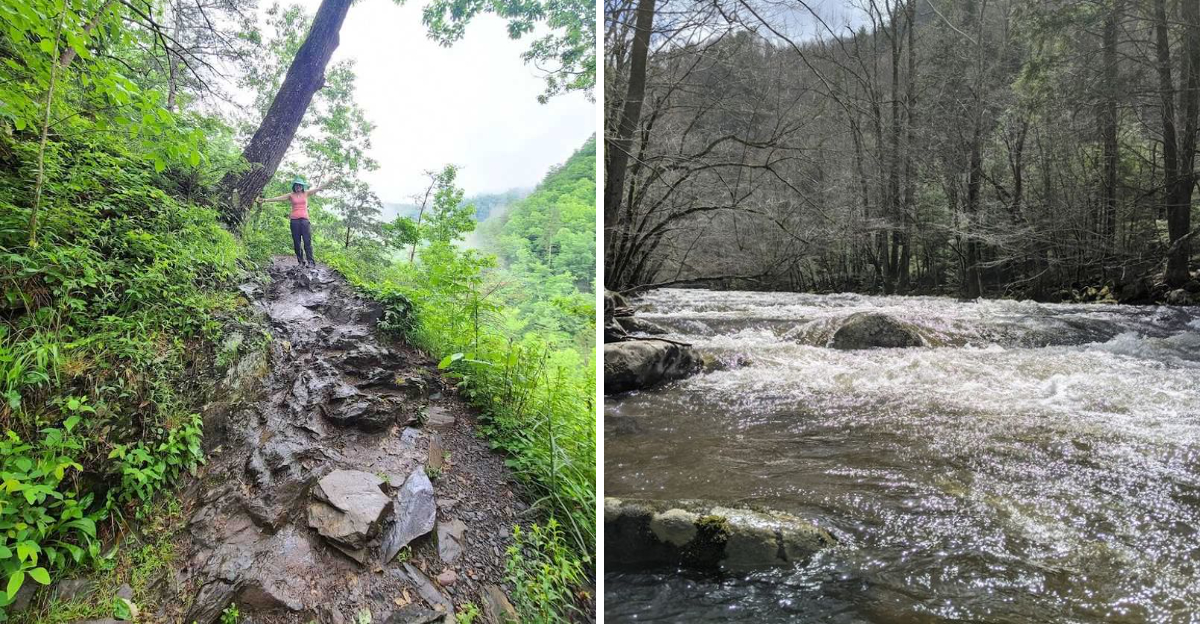
Some trails are made for the crowd. This one is not.
Deep in Tennessee, there is a ridge trail that most people have never heard of, and the ones who have tend to keep quiet about it. The path stretches on for miles through forest and open ridge, with nothing but trees, sky, and the occasional sound of wind moving through the leaves.
No crowds. No noise. Just you and the trail ahead. It is the kind of place that reminds you what hiking is actually supposed to feel like.
If you have been looking for a trail where solitude is practically guaranteed, Tennessee just delivered exactly that.
The Steady Climb That Earns You Every View
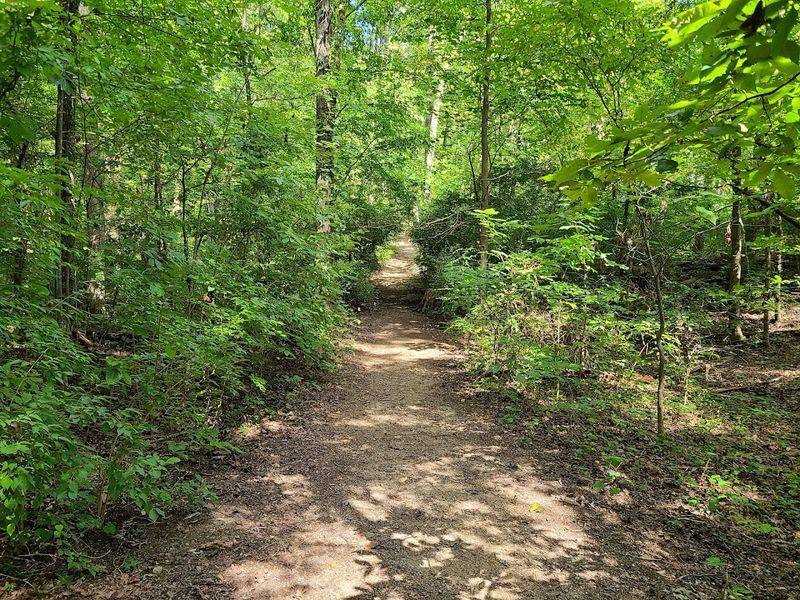
Nobody walks this trail without feeling it in their legs. The first 2.5 miles deliver a sustained uphill climb that gains roughly 1,200 feet in elevation. There is no easing into it gradually. The trail commits to the ascent early, and so must you.
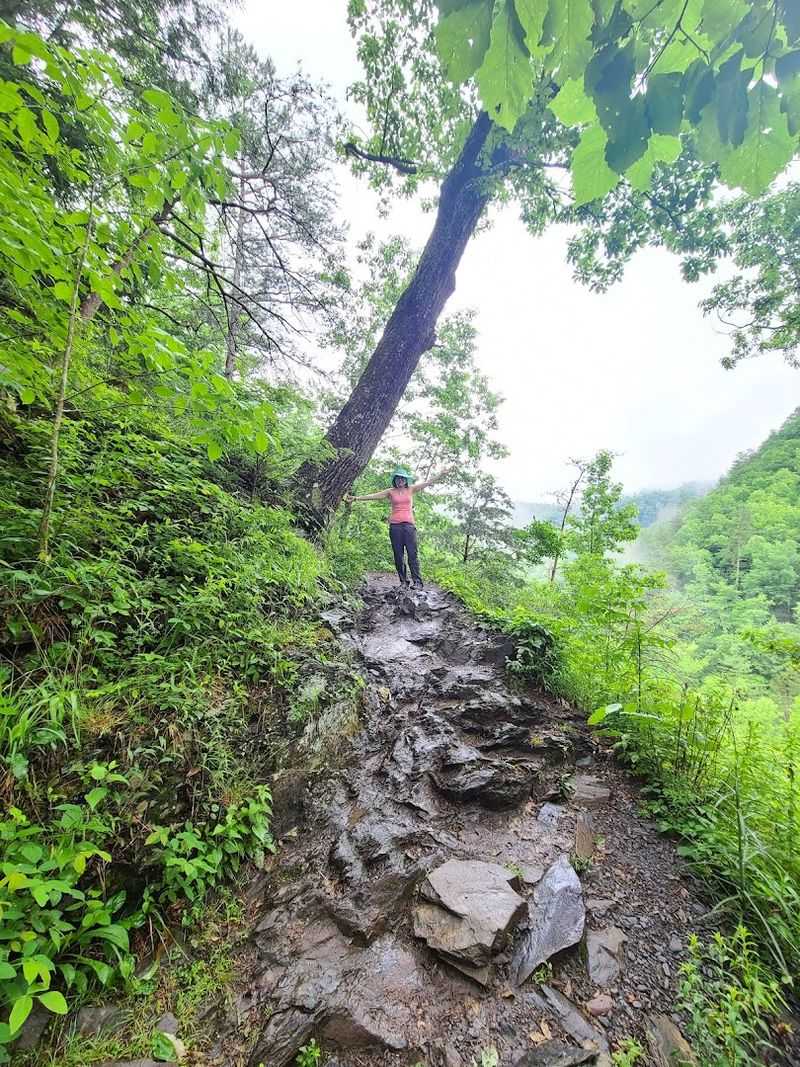
Roots and rocks are constant companions along the lower section, so footwear matters. Hikers who have shown up in sneakers have regretted it, especially after rain, when the dirt path turns slick and footing becomes a real conversation.
Trekking poles are genuinely useful here, not just for appearances. The effort, however, pays dividends. As the trail gains height, the forest character begins to shift.
The dense lower woodland gives way to more open stretches where light filters through differently and the ridge line starts to reveal itself. The total elevation gain for the full 8.1-mile out-and-back round trip reaches approximately 1,524 feet.
That number sounds manageable on paper, but the concentration of that gain in the early miles means the trail demands respect. Plan the ascent for cooler morning hours when the air is fresher and the pace feels more sustainable.
Where The Trail Begins And Why The Trailhead Matters
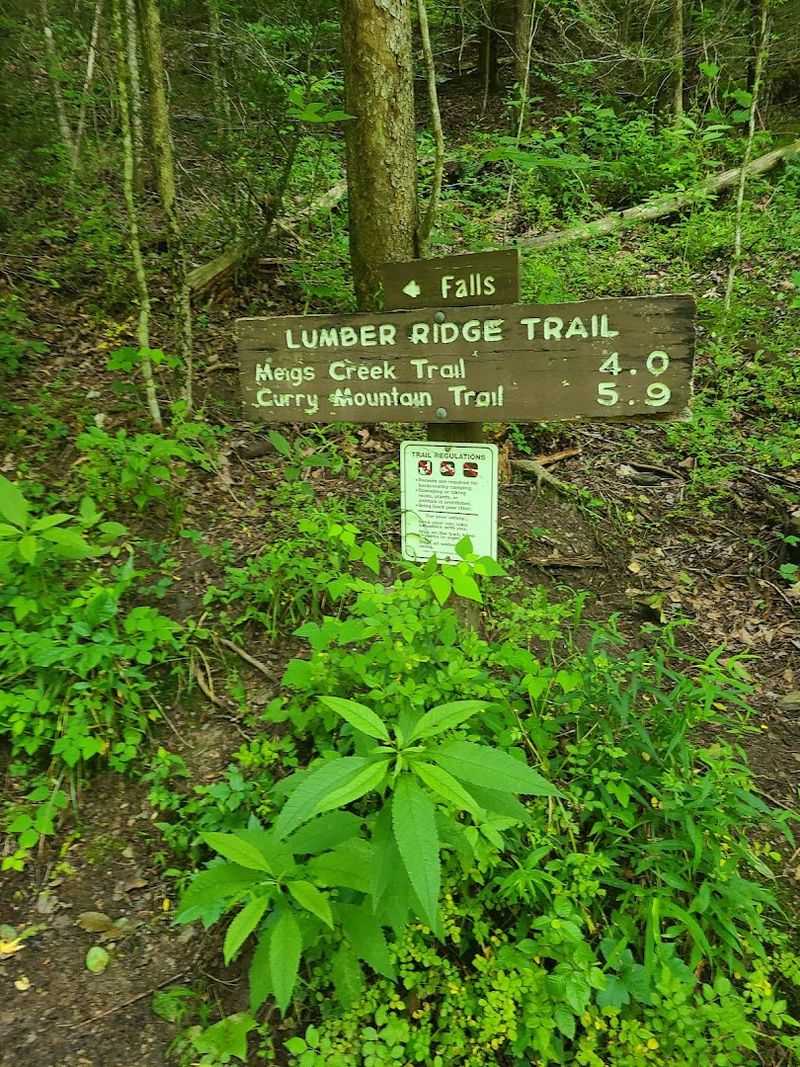
Most hikers underestimate the importance of a good starting point. At Lumber Ridge Trail, the trailhead sets the tone for everything that follows.
Located along Tremont Environmental Education Center Rd in Townsend, TN 37882, the trailhead sits at the Great Smoky Mountains Institute at Tremont, an area historically known as Walker Fields.
Parking is straightforward, and the signage near the trailhead is clear enough for first-timers. One important detail worth knowing early: almost immediately after the first trail sign, a branch veers right toward Spruce Flats Falls.
For Lumber Ridge, you continue straight or bear left. Missing that split has sent more than a few hikers on an unintended detour.
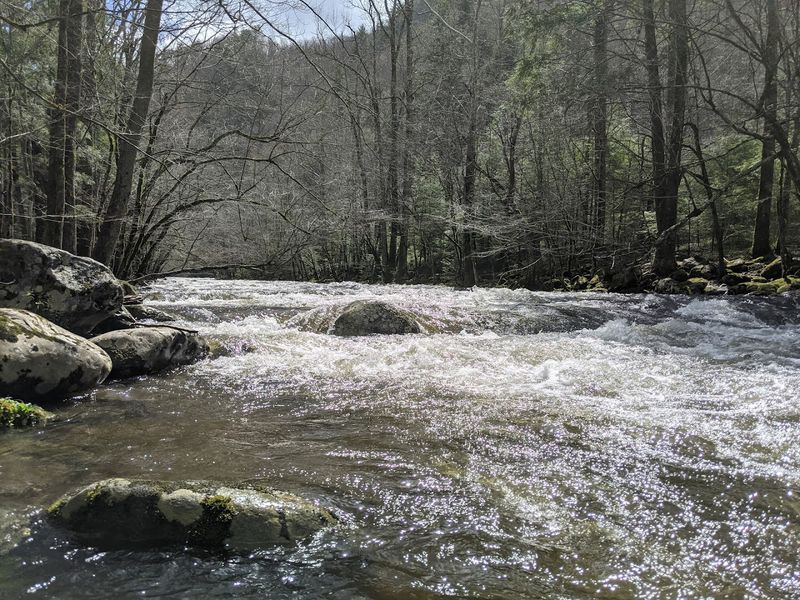
The surrounding area at the trailhead already feels removed from the outside world. Tall trees line the entry, and the sound of Middle Prong Little River travels alongside the initial path.
Starting early in the morning gives you the best chance of having the entire corridor to yourself. The Great Smoky Mountains Institute nearby also offers educational programs, making this a trailhead with genuine character rather than just a parking lot and a sign.
Ridge Top Solitude That Feels Almost Rare Anymore
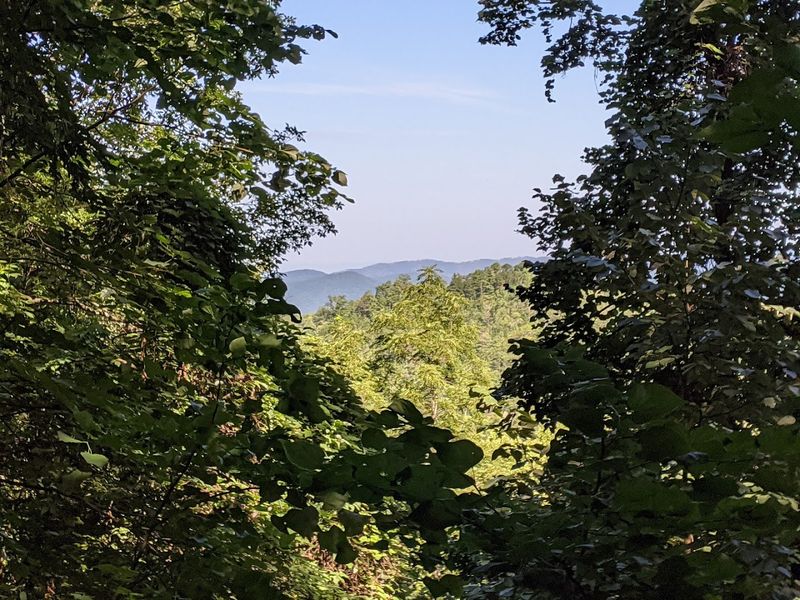
Once you reach the upper sections of Lumber Ridge, the trail changes personality entirely. The aggressive climbing gives way to a more measured ridge walk, and the forest opens into the kind of calm that most people only read about.
Hikers consistently describe this trail as rarely crowded, and that reputation holds up on even moderately busy park weekends.
The ridge top passes through stands of oaks and huckleberry shrubs, with the occasional mountain view appearing between tree gaps. Fall is particularly rewarding, when the leaf canopy thins and sightlines extend further across the surrounding ridges.
In summer, the shade is generous, though the heat can still build if you linger too long on exposed sections.
Wildlife sightings are common at this elevation. Deer move quietly through the understory, squirrels are a near-constant presence, and black bear activity has been reported along this corridor.
The combination of genuine solitude and active wildlife makes the ridge section feel like a different world from the crowded valley trails just a few miles away.
For anyone who has grown frustrated with shoulder-to-shoulder hiking, Lumber Ridge offers a credible alternative with real rewards at the top.
The Forest Changes As You Walk And That Is The Point
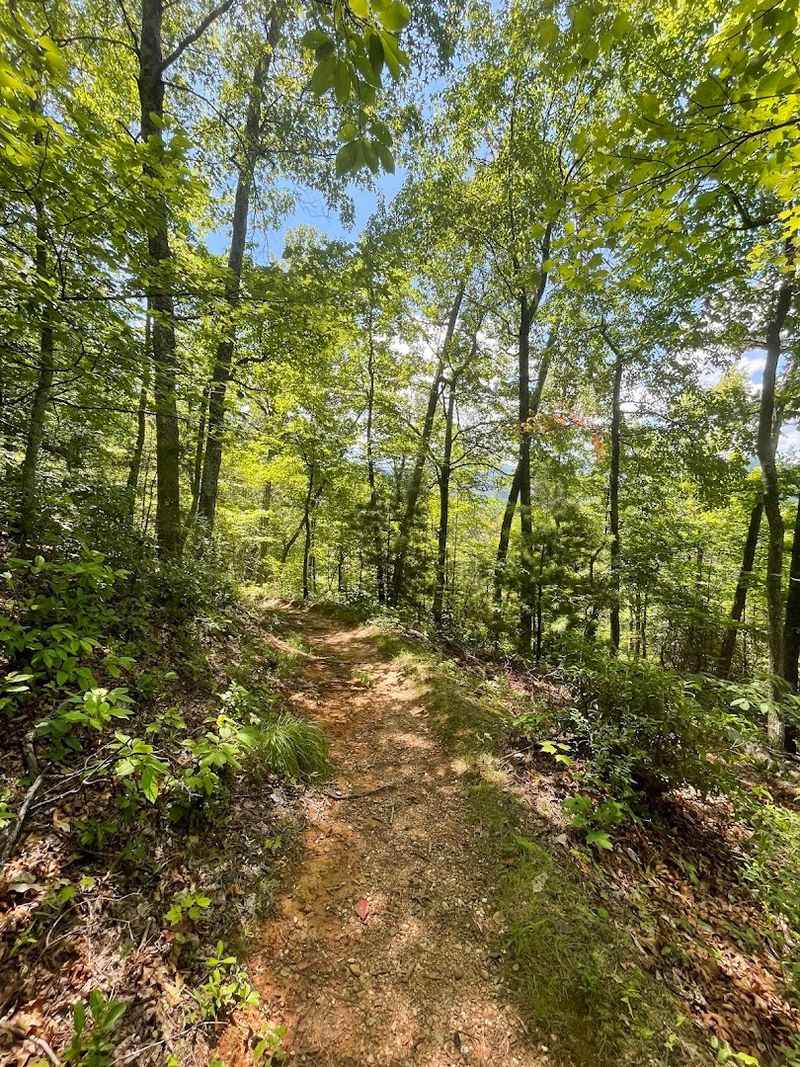
One of the more understated pleasures of this trail is how the forest composition shifts as elevation changes. The lower sections move through cove hardwood groves, rich with tulip poplars, hemlocks, and a dense green understory.
As the trail climbs, the vegetation transitions into pine-oak woodland with a drier, more open character.
This ecological layering is not accidental. The Great Smoky Mountains contain some of the most biologically diverse forest in North America, and Lumber Ridge passes through several distinct plant communities within a single hike.
Paying attention to those transitions turns the walk into something more than exercise. It becomes a quiet lesson in how elevation and aspect shape what grows where.
Huckleberry shrubs appear with increasing frequency near the ridge top, and their presence signals that you have left the lower cove environment behind. In late spring and early summer, their small blooms add color to the trail margins.
The seasonal shifts also affect the animal life visible along the path. Spring brings migrating songbirds moving through the canopy, while autumn draws animals focused on fattening up before winter.
The forest along Lumber Ridge is never static, and returning in different seasons reveals a genuinely different trail each time.
Buckhorn Gap And The Trails That Wait Beyond It
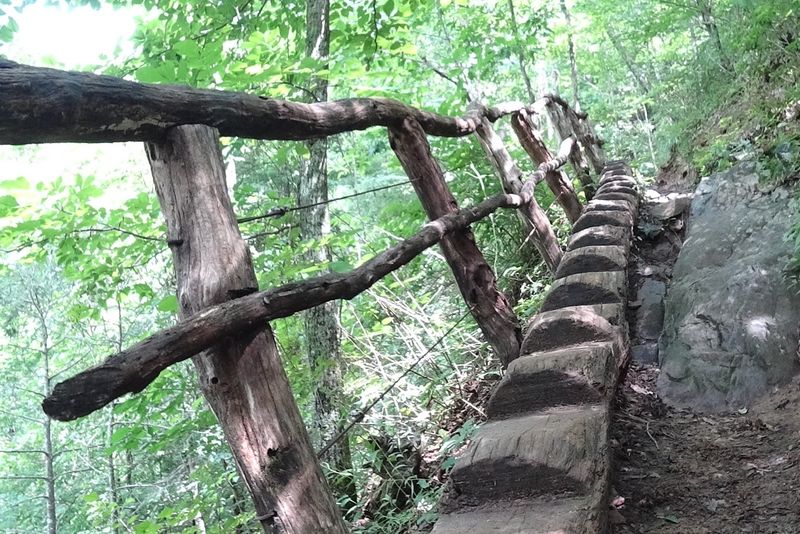
At the far end of the out-and-back route, Lumber Ridge Trail terminates at Buckhorn Gap.
This intersection is where the trail meets both the Meigs Creek Trail and the Meigs Mountain Trail, opening options for hikers who want to extend their day or plan a longer loop through the backcountry.
Buckhorn Gap itself is a quiet saddle in the ridge, and the junction feels like a genuine backcountry crossroads rather than a managed park feature.
There are no amenities, no benches, and no signage beyond what the park service has posted at the intersection. The simplicity is part of the appeal.
For most day hikers, Buckhorn Gap serves as the natural turnaround point on the 8.1-mile round trip. Taking a break here before heading back is worthwhile.
The gap catches breezes that do not reach the sheltered lower trail, and the relative openness of the area provides a sense of arrival that the wooded ridge walk does not always offer.
Those interested in a loop option can connect via a manway toward Spruce Flats Falls, though that route requires solid navigation skills and comfort with unmarked terrain. The gap rewards the effort of reaching it with a sense of genuine accomplishment.
Spruce Flats Falls And The Loop Option Worth Considering
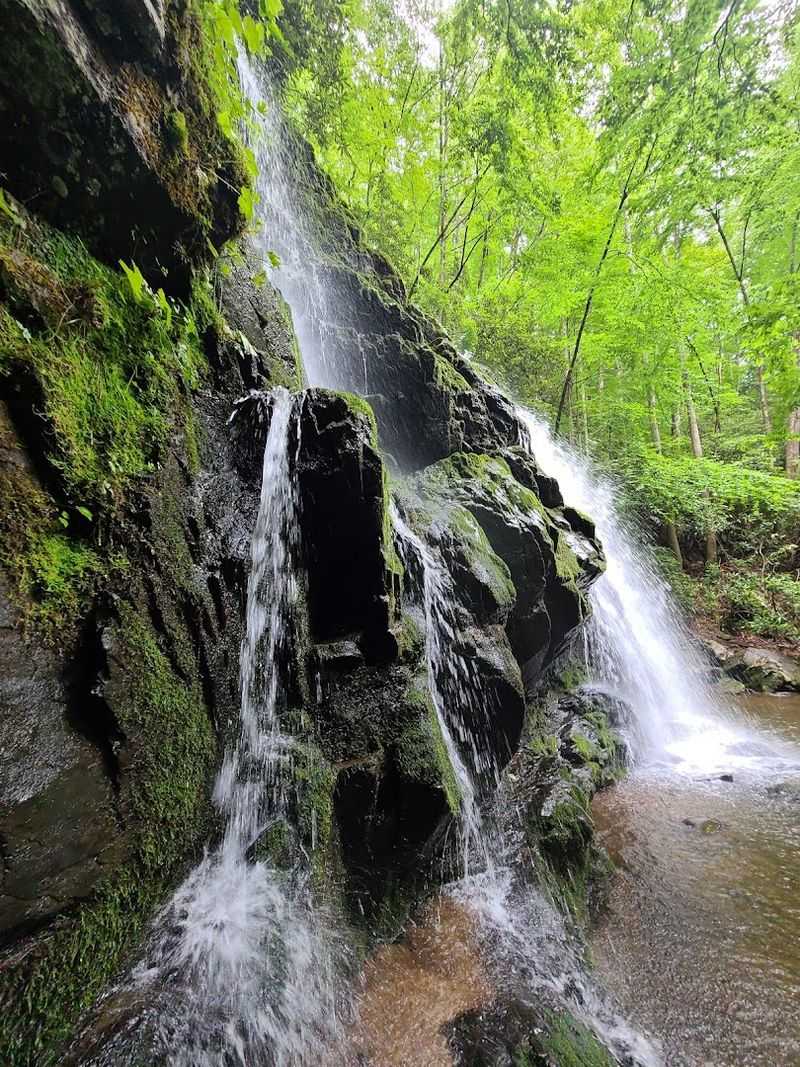
Not every hiker on the Lumber Ridge trailhead is headed for the ridge. A significant number come specifically for Spruce Flats Falls, a waterfall accessible via the branch trail that splits off almost immediately after the trailhead sign.
The falls sit roughly one mile in, making the round trip to them approximately two miles total. The waterfall itself has earned consistent praise from visitors. Reviews describe it as beautiful, worth the climb, and far less busy than comparable falls elsewhere in the park.
The approach involves uphill terrain, roots, and rocks, so the short distance does not mean easy. After rain, the path to the falls becomes noticeably slippery, and walking sticks or poles are a practical choice rather than an optional one.
For those interested in a longer adventure, a loop can be constructed by combining the Spruce Flats Falls approach with the Lumber Ridge Trail and a connecting manway.
One hiker’s account describes navigating this loop through snow in January, crossing multiple mountain streams and fallen logs before reaching the ridge top at 4.3 miles.
The loop is rewarding but demands careful attention to navigation, particularly after the fifth or sixth switchback where the correct route requires a deliberate left turn onto less obvious terrain.
Wildlife Along The Trail And What To Expect
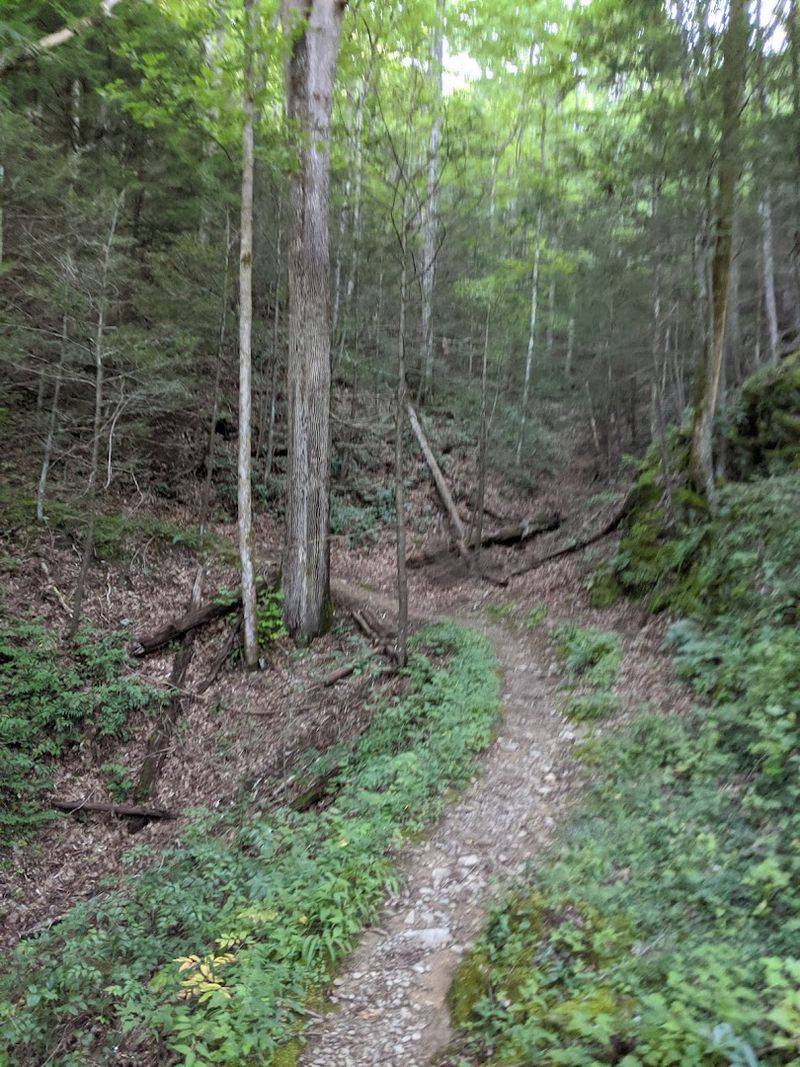
Lumber Ridge Trail passes through habitat that supports a wide range of animal life, and the low foot traffic along most of the route means wildlife encounters happen more frequently here than on busier park trails.
Deer are the most commonly spotted animals, often seen grazing near the trail edges or moving through the understory with calm indifference to passing hikers.
Black bears are present throughout this section of the park, and sightings along the ridge corridor are not unusual. Standard bear safety practices apply: carry bear spray if you have it, make noise while hiking through dense vegetation, and store food properly if you plan to stop for a meal.
The bears in Great Smoky Mountains National Park are wild animals, not attractions, and should be treated with appropriate distance and respect.
Squirrels are essentially everywhere on this trail, and their activity provides a reliable background soundtrack to the hike. Bird life is particularly rich during spring migration, when warblers and thrushes move through the canopy in numbers.
The huckleberry shrubs near the ridge top attract additional wildlife during fruiting season, creating natural feeding areas that observant hikers can watch quietly from the trail without disturbing the animals present.
Practical Preparation Before You Hit The Trailhead
Arriving at Lumber Ridge Trail without adequate preparation turns a rewarding hike into an uncomfortable one. The trail is rated strenuous, and the elevation gain in the first 2.5 miles confirms that rating quickly.
Water is the most critical supply to carry, especially during summer months when heat builds along the exposed upper ridge.
Reviewers have specifically noted that starting as early as possible in the day makes a meaningful difference in warm weather. The trail has no shade guarantee on the upper sections, and afternoon heat in Tennessee summers can make pushing through the final miles genuinely difficult.
A 6:00 or 7:00 AM start gives you cooler temperatures and better odds of wildlife sightings during the morning active period.
Footwear should be proper hiking boots, not trail runners or sneakers, particularly if there is any chance of recent rainfall. The rocky and root-covered sections of the lower trail become hazardous when wet.
A paper map or downloaded offline map is worth carrying since cell service in this part of the park is unreliable.
The National Park Service website at nps.gov/grsm has current trail conditions and any relevant closures. Checking that resource the day before your hike is a straightforward habit that prevents unnecessary surprises at the trailhead.
Why This Trail Stands Apart From Everything Else Nearby
The Great Smoky Mountains National Park draws millions of visitors each year, yet Lumber Ridge Trail manages to remain genuinely quiet. That distinction is not accidental.
The trailhead location along Tremont Environmental Education Center Rd sits off the main tourist corridors, and the strenuous nature of the climb filters out casual day-trippers looking for an easy loop.
What remains is a trail that rewards preparation and commitment with something increasingly rare in a heavily visited national park: actual solitude.
The ridge top forest has the kind of atmosphere that makes you slow down and pay attention rather than rush toward the next viewpoint. The views, when they appear, feel earned rather than delivered.
People return to Lumber Ridge because it delivers what it promises. The hike is hard enough to matter, long enough to satisfy, and quiet enough to restore whatever the week before it took from you.
For anyone looking for a trail in the Smokies that still feels like a discovery rather than a destination, Lumber Ridge is the answer that has been sitting there quietly the whole time.