
Nobody Talks About The Lost Town Hiding Inside One Of Wisconsin’s Most Visited State Parks
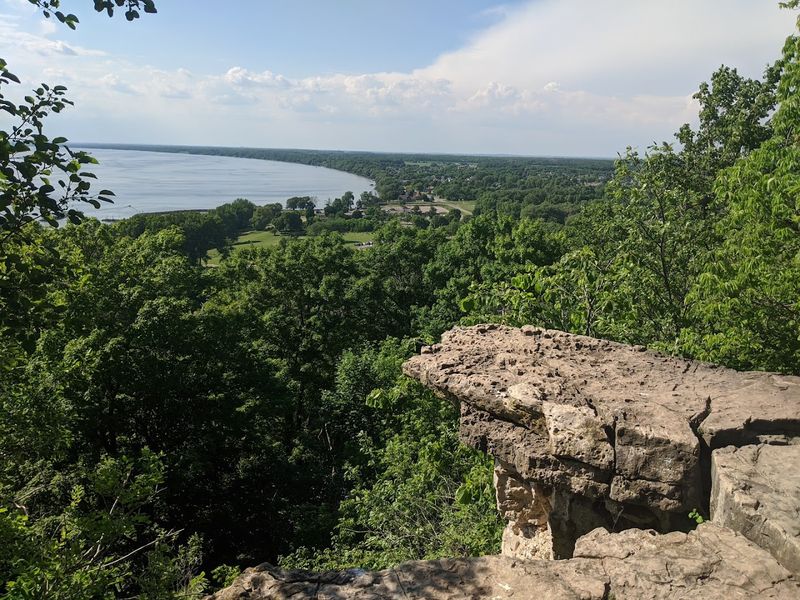
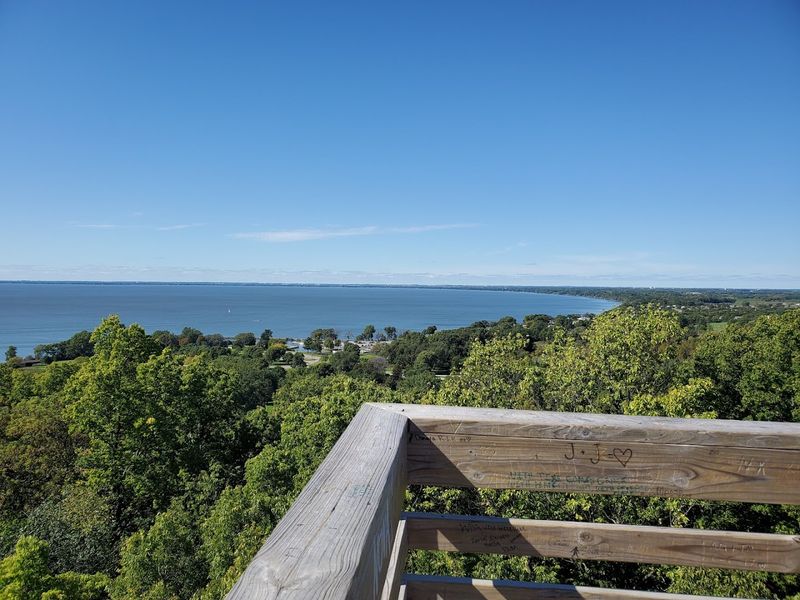
A walk along limestone cliffs can feel like a simple day outside until the ground starts telling a different story. One of Wisconsin’s most visited state parks brings people in with Lake Winnebago views, wooded trails, beach time, and overlooks that make every photo look better than planned.
Yet behind all that beauty sits a rougher past. Long before hikers followed the paths, workers lived here, raised families, hauled stone, and kept a small company town moving.
Houses, a store, a tavern, and daily routines once filled this land. Now only pieces remain, easy to miss if you are not looking closely. That makes the park feel less like a pretty stop and more like a quiet mystery.
The Park Was Once Home To A Small Company Town
Before High Cliff became a state park in 1956, the land supported a bustling community built entirely around industry. Families lived, worked, and raised children on these same grounds where hikers now walk.
The town existed solely to support the limestone quarry operation that dominated the cliff face.
Life revolved around the rhythms of the quarry. Workers woke to the sound of dynamite blasts and spent their days extracting stone from the earth.
Their children played in the shadows of the kilns while mothers tended small gardens between the company-owned houses.
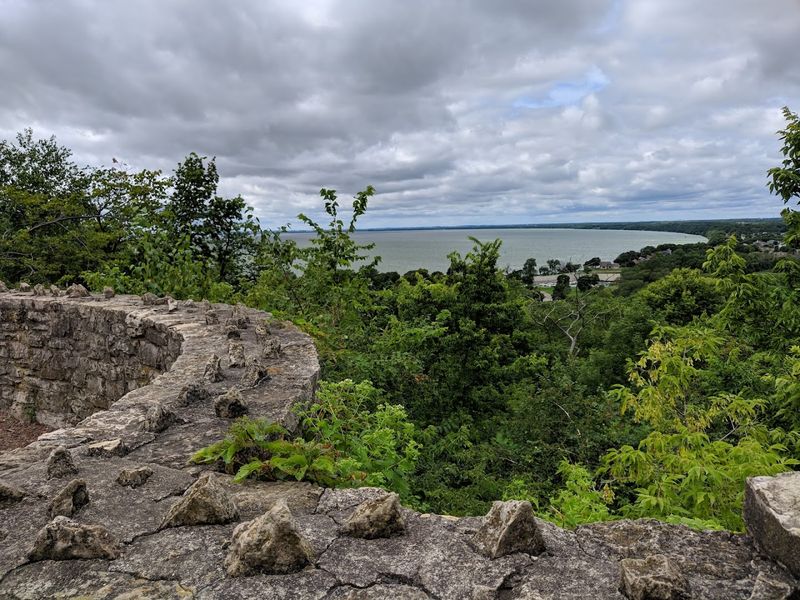
Today at N7630 State Park Rd, Sherwood, WI 54169, visitors can still find traces of this vanished settlement. Stone foundations peek through the forest floor.
Overgrown paths once connected homes to the general store and work sites, now reclaimed by nature but still visible to those who know where to look.
The Lost Town Grew Around A Busy Limestone Operation
Limestone proved to be the foundation of everything here. The massive deposit along the cliff created opportunity in a region hungry for building materials.
Entrepreneurs recognized the value locked inside the rock and built an entire operation to extract it.
Workers arrived from surrounding areas and distant countries, drawn by steady employment. The quarry operated year-round, with only the harshest winter weather slowing production.
Stone dust filled the air as crews broke apart the cliff face piece by piece.
The operation transformed the landscape completely. What had been a natural escarpment became an industrial site with buildings, machinery, and roads carved into the terrain.
The company controlled everything from housing to supplies, creating a self-contained world where the quarry was both employer and landlord, shaping every aspect of daily existence for the families who called this place home.
Sixteen Worker Houses Once Stood Inside Today’s Parkland
Sixteen modest homes once lined the paths through what is now forest and recreation area. These structures provided shelter for the quarry workers and their families, simple buildings constructed with efficiency rather than comfort in mind.
Each house followed a similar design, creating a uniform appearance across the settlement.
Families adapted these basic dwellings into homes through sheer determination. Women hung curtains in the windows and planted vegetables in small plots.
Children claimed corners of shared bedrooms and played in the narrow spaces between buildings.
The houses stood until the quarry closed, then gradually fell into disrepair. Some were dismantled for salvage materials.
Others simply collapsed under the weight of time and weather. Now only stone foundations and cellar holes mark where families once gathered around dinner tables, celebrated holidays, and built lives in the shadow of the limestone cliff.
The Old General Store Is One Of The Last Pieces Still Standing
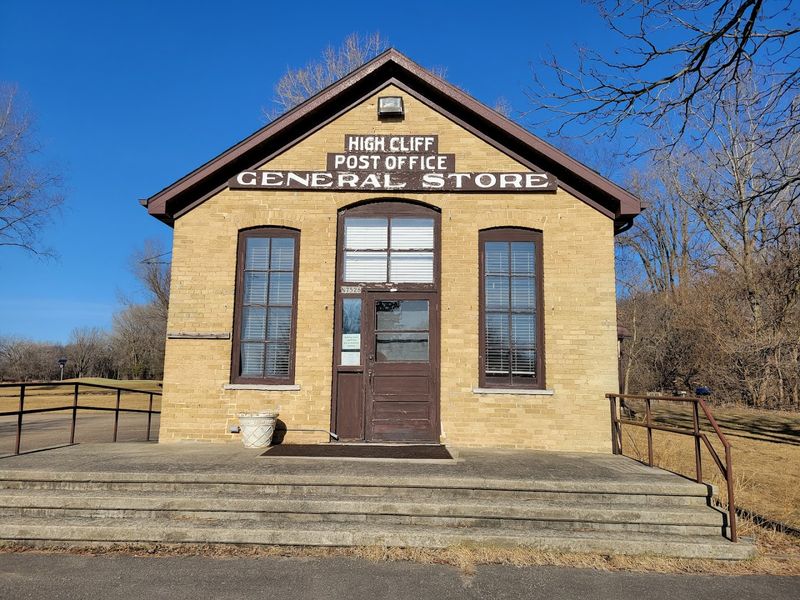
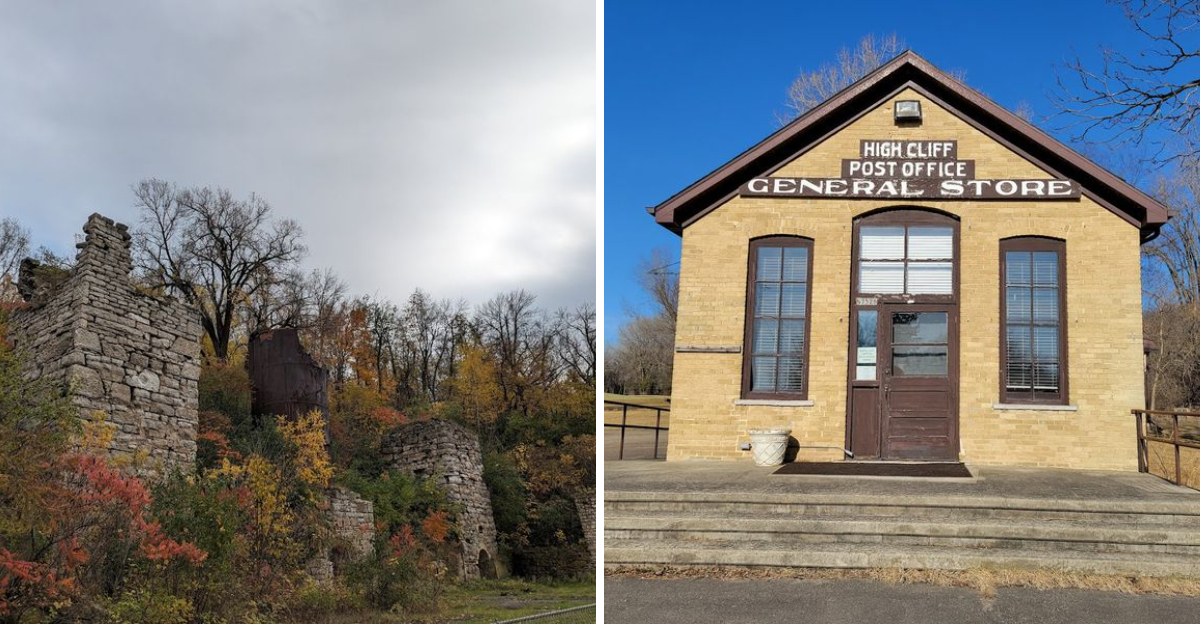
Among the few survivors of the vanished town, the old general store remains as a tangible link to the past. This building served as the commercial heart of the community, where workers purchased necessities and exchanged news.
The store stocked everything from food staples to work clothes, eliminating the need for residents to travel to distant towns.
Families gathered here on payday to settle accounts and stock their pantries. The storekeeper knew every customer by name and extended credit when times grew difficult.
Children pressed their noses against the glass cases, eyeing penny candy and small treasures.
The structure has weathered decades of abandonment better than most. Its walls still stand, though the shelves are long empty and the floorboards groan underfoot.
Visitors who find it today can imagine the bustle of a Saturday afternoon when the store was the social center of this isolated community.
Lime Kiln Ruins Are The Most Visible Clue To The Town’s Past
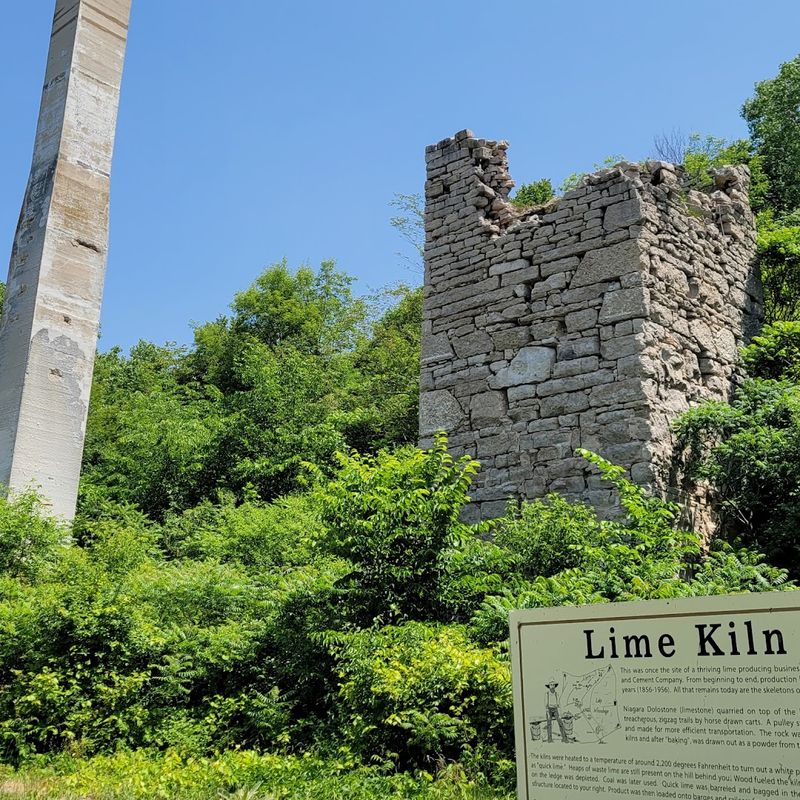
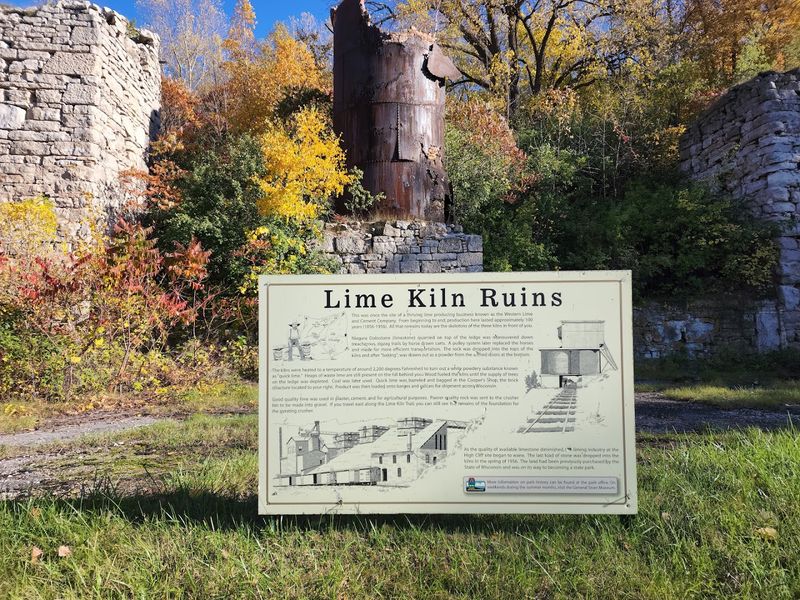
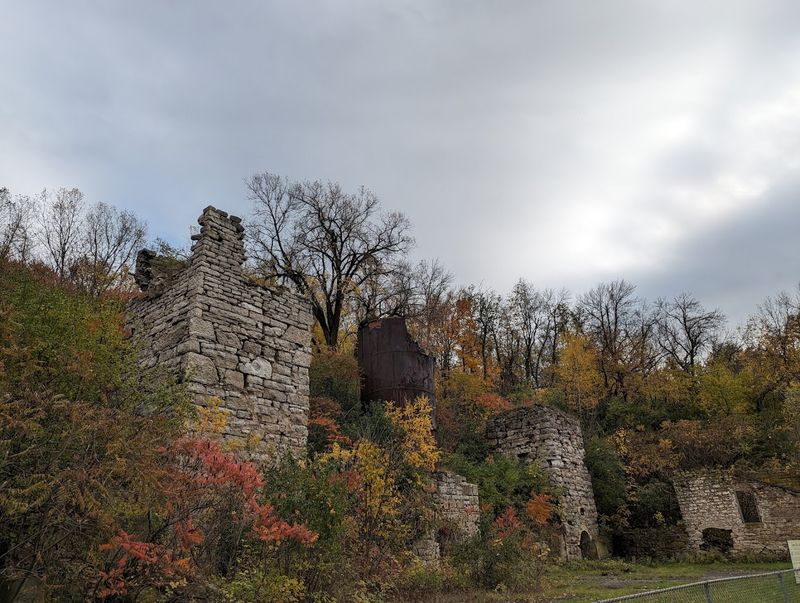
The lime kilns stand as the most dramatic remnants of the industrial operation. These massive stone structures converted limestone into quicklime through intense heat, a process that ran continuously during peak production years.
The kilns were built directly into the hillside, using the natural terrain to aid the loading and firing process.
Workers fed crushed limestone into the top while maintaining fires that reached extreme temperatures. The chemical transformation inside produced quicklime, a valuable product used in construction, agriculture, and manufacturing.
Smoke and heat poured from the kilns day and night.
Today the ruins draw curious hikers who stumble upon them along the trails. The stone walls still show scorch marks from decades of burning.
Arched openings that once glowed with firelight now frame views of the surrounding forest, creating an eerie contrast between industrial past and natural present.
Workers Used Dynamite To Break Limestone From The Cliff
Explosives were essential to the quarry operation. Workers drilled holes into the cliff face, packed them with dynamite, and retreated to safe distances before detonation.
The blasts echoed across Lake Winnebago, announcing the beginning of each workday to anyone within earshot.
Experienced powder men handled the dangerous work of setting charges. They calculated the placement and amount of explosives needed to fracture the stone without destroying its usability.
Mistakes could prove fatal, and accidents occasionally reminded everyone of the risks involved.
After each blast, crews moved in to clear the broken limestone. They sorted the stone by size and quality, discarding unusable fragments and loading the best pieces for processing.
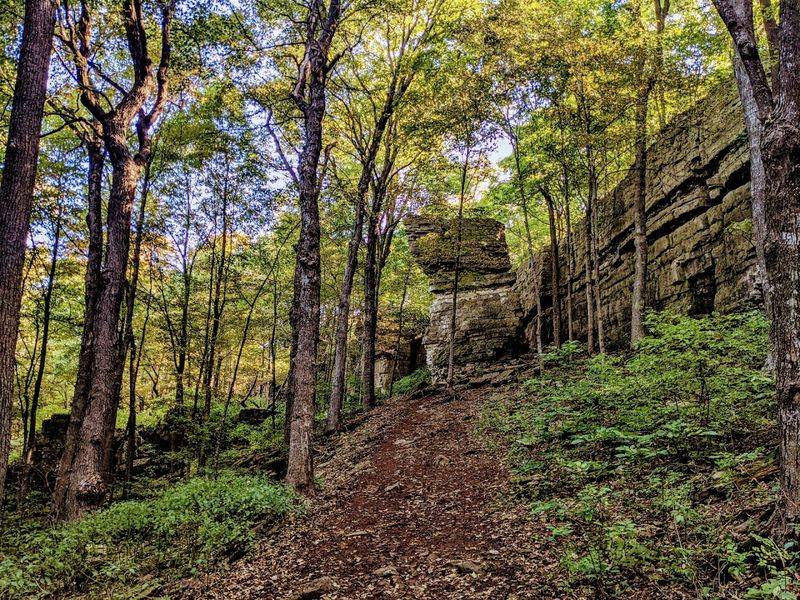
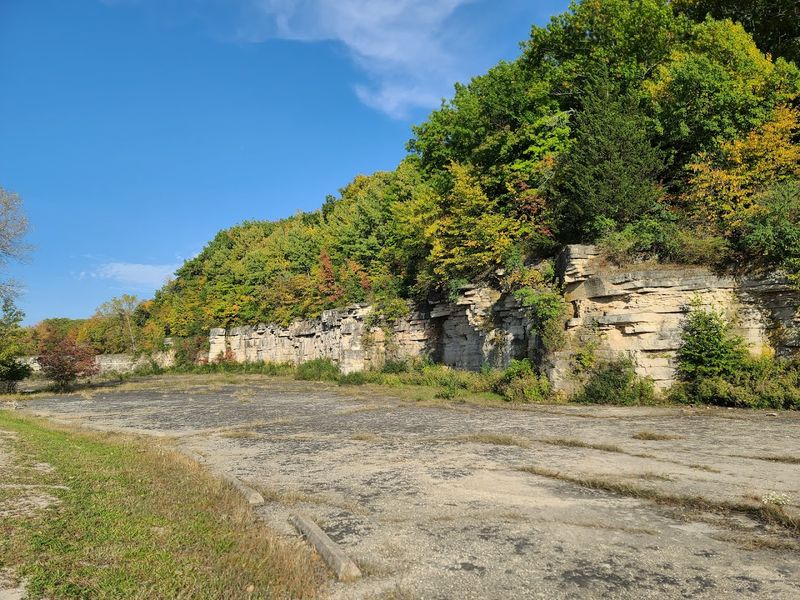
The cliff face gradually receded under this relentless assault, leaving the dramatic escarpment visible today as evidence of decades of explosive quarrying that literally reshaped the landscape one blast at a time.
Horses Hauled Stone Before Trucks Took Over In The 1940s
For the first decades of operation, horses provided all the hauling power. Teams of sturdy draft animals pulled wagons loaded with limestone from the quarry to the kilns and processing areas.
The work was grueling, and the horses needed constant care to remain productive.
Teamsters developed close bonds with their animals, understanding that their livelihood depended on keeping the horses healthy and strong. The barn was as important as any other structure in the town.
Feed bills represented a significant operating expense for the company.
Motorized trucks arrived in the 1940s, transforming the operation almost overnight. The vehicles could haul larger loads more quickly and required less daily maintenance than living animals.
The horses were sold off or retired, marking the end of an era. This shift to mechanical power increased productivity but also eliminated jobs, changing the character of the workforce and the community itself.
The Lime Made Here Was Shipped Across The Midwest
The finished lime product traveled far beyond Wisconsin. Railroads carried it to construction sites, farms, and factories throughout the Midwest.
Farmers used it to improve soil quality. Builders mixed it into mortar and plaster.
Manufacturers incorporated it into various industrial processes.
The quality of High Cliff lime earned a solid reputation among buyers. The limestone deposit here contained the right mineral composition to produce a superior product.
Orders arrived regularly, keeping the kilns burning and the workers employed through changing economic conditions.
Shipping logistics required careful coordination. Workers packed the lime into barrels and bags, loaded them onto wagons, and transported them to railroad connections.
The constant flow of product outward and supplies inward connected this remote settlement to the broader commercial world, making the quarry town an important node in regional trade networks despite its isolated location.
The Town Had A Store Post Office Telegraph Office And Tavern
Despite its small size, the town developed the essential services that marked any proper settlement. The post office connected residents to the outside world, delivering letters from distant relatives and newspapers from larger cities.
The telegraph office allowed urgent messages to travel instantaneously, a marvel of modern communication for its time.
The tavern served as the unofficial social club for off-duty workers. Men gathered there after long shifts to share drinks, complaints, and stories.
The establishment offered one of the few recreational outlets in a community dedicated almost entirely to work.
These businesses operated in addition to the general store, creating a small commercial district. Together they provided the practical and social infrastructure that transformed a collection of worker houses into a functioning community where people could conduct business, socialize, and maintain connections beyond the quarry gates.
Many Workers Were Recent Immigrants Building A Life Around The Quarry
Immigration patterns shaped the character of the workforce. Men arrived from Europe seeking opportunity in America and found it in the demanding work of the limestone quarry.
They brought different languages, customs, and traditions to this small Wisconsin settlement.
Families followed once the men established themselves and secured steady employment. Children grew up speaking English at school while hearing their parents’ native languages at home.
The community became a patchwork of cultures united by shared labor and common challenges.
The quarry offered these newcomers a foothold in their adopted country. The work was hard and the living conditions modest, but it provided wages and stability.
Many families saved money earned here to eventually purchase farms or start businesses elsewhere, using the quarry town as a stepping stone to broader American dreams while leaving behind their stories in the landscape.