
10 Minnesota Towns Where Record-High Property Taxes Are Pushing Residents Out
That bill is more than paper, and it can feel heavy fast. What happens when a familiar town starts feeling harder to afford year after year?
For many homeowners, the answer is not simple, and that is what makes this story hit close to home. Families are checking budgets, retirees are reviewing savings, and longtime residents are wondering what comes next.
This is not just about numbers on a statement. It is about comfort, community, and the tough choices people face when staying put begins to feel less certain.
Across Minnesota, these towns show how quickly a place can become more expensive than expected. The question now feels painfully personal: how much can people stretch before they finally have to move?
1. Duluth, Minnesota
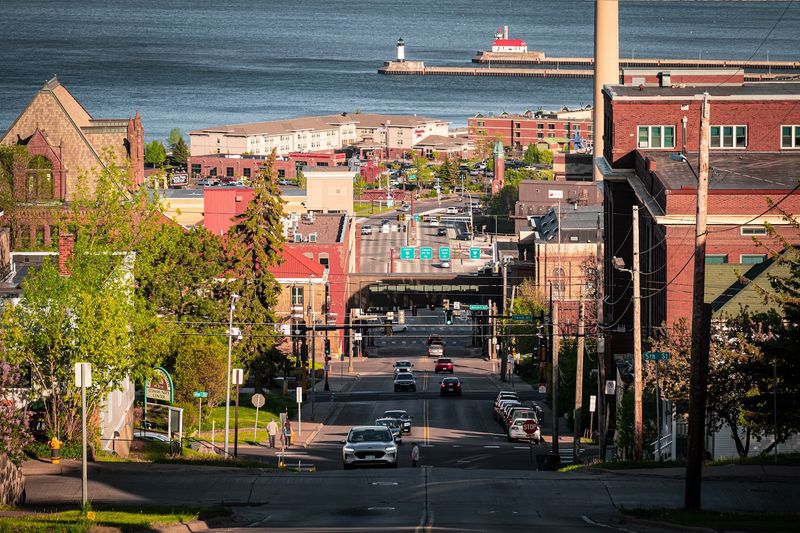
Perched along the western tip of Lake Superior, Duluth is one of Minnesota’s most recognizable cities. The views are stunning, the history runs deep, and the community has always had a proud, hardworking spirit.
But right now, many Duluth homeowners are facing something that is harder to admire: a property tax bill that keeps growing.
Duluth has been dealing with rising assessments tied to increased home values and a city budget stretched by aging infrastructure. Duluth’s desirable location on Lake Superior and rising demand for housing have contributed to higher assessed values in recent years.
For longtime residents, especially retirees on fixed incomes, that spike in value does not translate into extra cash. It just means a bigger bill.
Local families have reported significant increases in recent assessment cycles. The city has also faced pressure from school district levies and county-level tax increases, which pile onto the base rate.
Young families who moved to Duluth for its affordability a decade ago are now reconsidering their options.
The frustration is real and growing. Residents love the city, the parks, and the lakefront lifestyle, but financial pressure has a way of changing conversations around the dinner table.
If you are planning a visit or considering a move, Duluth is still worth exploring.
2. Edina, Minnesota
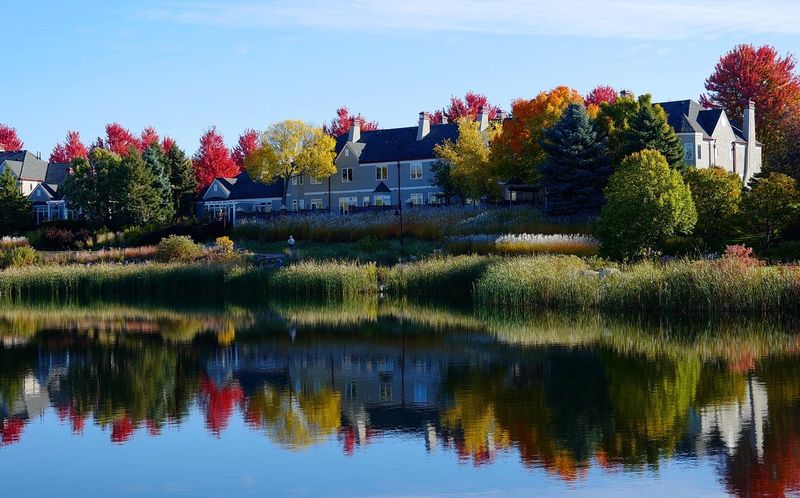
Edina has long carried a reputation as one of the most affluent suburbs in the Twin Cities metro area. The schools are highly rated, the shopping along 50th and France is well-known, and the homes are beautiful.
But that prestige comes with a price tag that keeps getting higher every year.
Property taxes in Edina have been climbing steadily, driven by rising home valuations and increased levies from both the city and Hennepin County. A home that was assessed at $500,000 just a few years ago may now be valued significantly higher, and the tax bill follows right along.
For residents who have lived in Edina for decades, the increases can feel disconnected from any visible improvement in services.
Some empty nesters and retirees who built their lives in Edina are now quietly selling and heading to lower-tax communities or even leaving Minnesota altogether. Some longtime residents have noted the tension between the city’s reputation for quality of life and the rising cost of maintaining a home there.
Younger buyers are also feeling it. A high purchase price plus a steep annual tax bill makes Edina a tough financial commitment, even for dual-income households.
It is a city worth seeing, with great parks and walkable neighborhoods.
3. Minnetonka, Minnesota
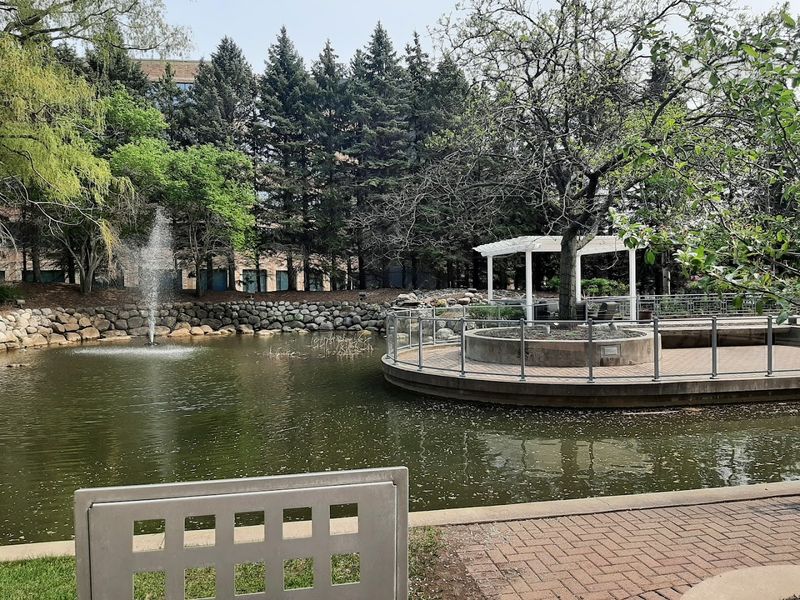
Life near the water has always come at a premium, and Minnetonka is no exception. This western Twin Cities suburb sits close to the famous Lake Minnetonka and has attracted families who want space, good schools, and a quieter pace than downtown Minneapolis.
The trade-off, increasingly, is a property tax bill that leaves residents doing a double take.
Minnetonka’s residential property values have surged in recent years, partly because of its desirable location and partly because of broader market trends across the metro. When values go up, assessments follow, and so do tax bills.
The city has also seen levy increases tied to infrastructure projects and rising service costs. For many homeowners, the annual statement feels like a moving target.
Families who bought in Minnetonka expecting stable costs have found themselves recalculating their budgets year after year. Some have decided to relocate to communities with lower tax rates, even if it means a longer commute or smaller lot.
Seniors who paid off their mortgages years ago now face a different kind of monthly pressure.
Minnetonka still offers beautiful trails, excellent parks, and a strong sense of community. It is genuinely worth a visit if you have never explored this part of Minnesota.
4. Rochester, Minnesota
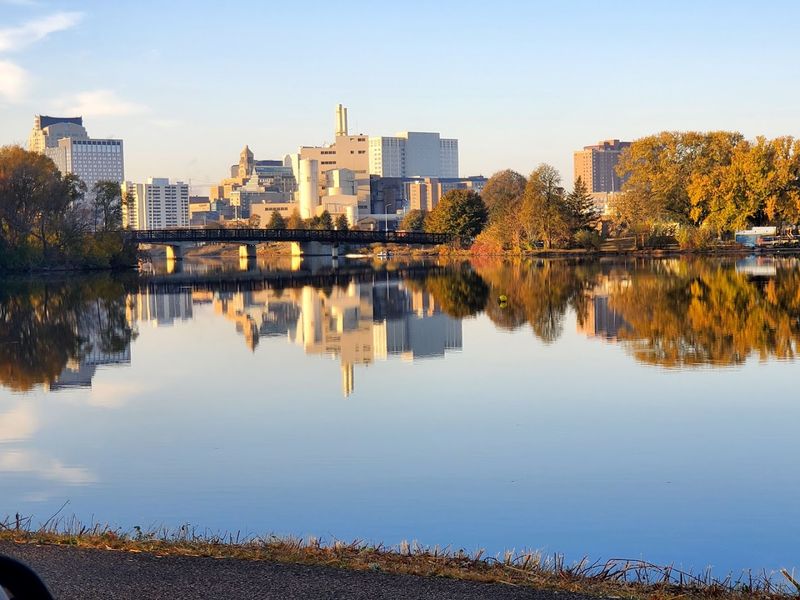
Rochester is best known as the home of the Mayo Clinic, one of the most respected medical institutions in the world. That global recognition has brought growth, development, and a booming real estate market.
It has also brought property tax increases that are catching long-term residents off guard.
As Rochester has grown, so has the demand for housing. Home values have climbed sharply, and city and county levies have followed suit.
Olmsted County has seen some of the most consistent assessment increases in southern Minnesota, and Rochester homeowners are absorbing the impact. Even modest homes in older neighborhoods are now assessed at values that would have seemed unthinkable ten years ago.
For residents who are not employed by Mayo or one of the city’s healthcare-adjacent industries, the financial math is getting harder. A nurse, a teacher, or a small business owner living in Rochester may earn a solid income but still find that rising taxes are outpacing their raises.
The pressure is especially sharp for retirees who chose Rochester for its services and stability.
Rochester is still a fantastic place to visit. The city has excellent restaurants, a vibrant downtown, and the kind of Midwestern friendliness that makes you feel welcome immediately.
5. Stillwater, Minnesota
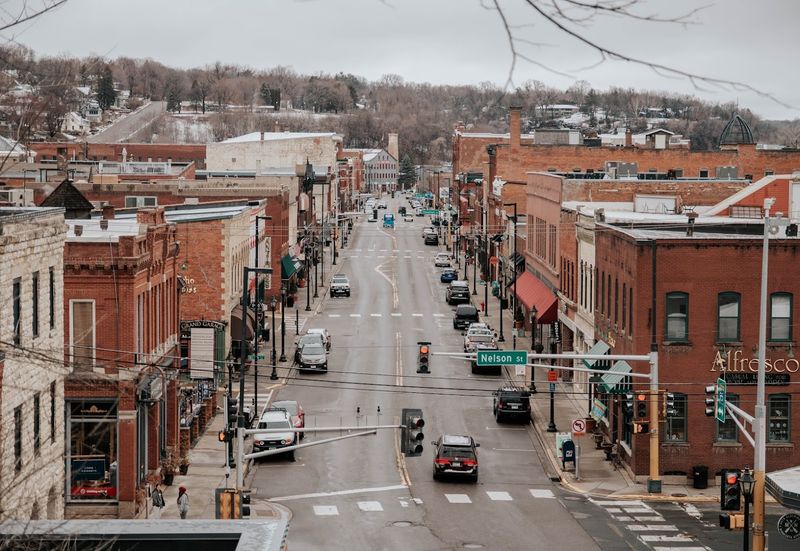
Few towns in Minnesota have as much charm packed into a single main street as Stillwater does. Sitting right on the St. Croix River, this historic city has Victorian architecture, a lively arts scene, and a calendar full of events that draw visitors from across the region.
But underneath all that charm, homeowners are facing a financial reality that is harder to enjoy.
Stillwater’s appeal has made it one of the most in-demand communities in the eastern Twin Cities metro. That demand has pushed property values up significantly, and tax assessments have kept pace.
Washington County levies, combined with city and school district increases, have created a tax environment that many residents describe as unsustainable.
Some residents have noted that neighboring Wisconsin communities across the river offer different tax structures, and that comparison comes up increasingly in local conversations. That kind of cross-state migration is a real trend, and it reflects just how serious the situation has become for budget-conscious homeowners.
Long-time residents feel a particular sting. They watched Stillwater grow from a quiet river town into a popular destination, and now they are wondering if they can afford to stay and enjoy what it has become.
The city is absolutely worth a trip.
6. Woodbury, Minnesota
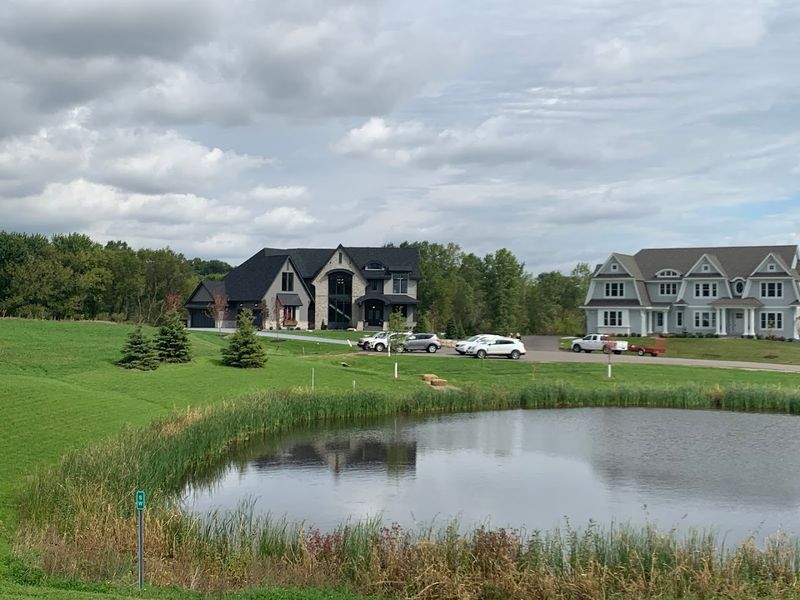
Woodbury has spent the last two decades growing at a remarkable pace. New neighborhoods, well-maintained parks, and top-rated schools have made it one of the most popular communities in the eastern Twin Cities metro.
It has consistently ranked among the best places to live in Minnesota. But fast growth brings fast-rising costs, and property taxes in Woodbury are now a major topic of conversation among residents.
Washington County, where Woodbury sits, has seen some of the steepest levy increases in the state. New infrastructure, expanding school programs, and rising service demands all contribute to the pressure.
For homeowners who bought in Woodbury expecting a stable suburban life, the annual tax statement can deliver an unwelcome surprise.
Young families are particularly vocal about the issue. Many chose Woodbury specifically because it offered newer homes at relatively accessible prices compared to closer-in suburbs.
Now, with taxes rising alongside home values, the monthly cost of living in Woodbury is starting to rival neighborhoods they originally considered too expensive.
There is still a lot to love here. The trail system is excellent, the community events are well-organized, and the city genuinely feels alive.
If you are curious about what all the fuss is about, come and see for yourself.
7. White Bear Lake, Minnesota
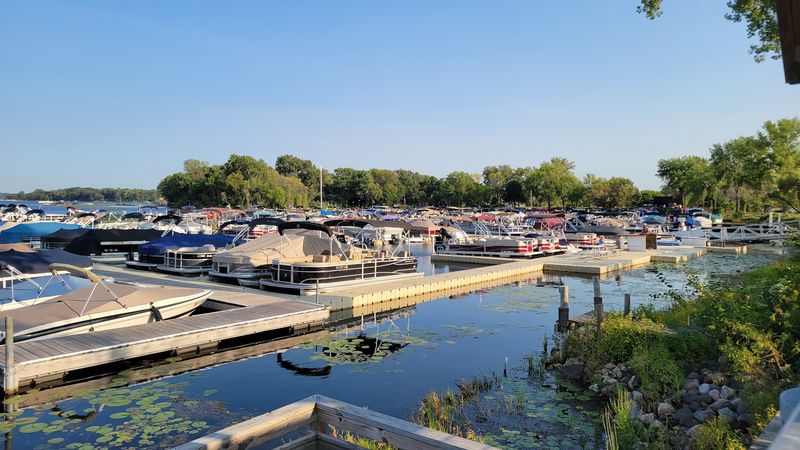
There is something undeniably appealing about living on a lake in Minnesota, and White Bear Lake has delivered that dream to generations of families. The town wraps around one of the most popular recreational lakes in the Twin Cities area, offering boating, fishing, and a small-town feel just minutes from the metro.
Lately, though, the financial side of that dream has gotten complicated.
Property values around White Bear Lake have climbed steadily as demand for lakeside living continues to grow. Ramsey County assessments have followed, and city levies have added to the overall burden.
Homeowners who bought modest homes near the lake years ago are now sitting on properties assessed far above what they originally paid, with tax bills to match.
For retirees and older residents who have lived on the lake for decades, the increases feel deeply unfair. They are not selling their homes or cashing in on rising values.
They are just trying to stay in the community they built their lives around. Some have been forced to sell simply because the annual tax burden became too much to manage on a fixed income.
White Bear Lake is still a wonderful place to spend a weekend. The downtown area has great shops and restaurants, and the lake itself is beautiful in every season.
8. Wayzata, Minnesota
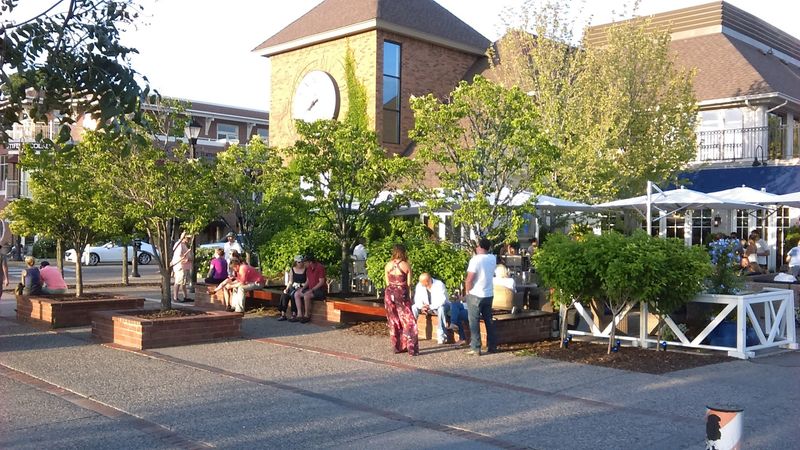
Wayzata sits right on the shores of Lake Minnetonka and carries a reputation as one of the most picturesque small towns in the Twin Cities metro. The downtown strip is walkable and lined with boutiques and cafes, and the lakefront promenade draws visitors on warm summer days.
But for the people who actually live here year-round, the cost of staying has become a serious concern.
Property taxes in Wayzata are among the highest in Hennepin County, driven by sky-high home valuations and consistent levy increases at the city, county, and school district levels. The median home value in Wayzata is well above the state average, which means even a modest percentage increase in the tax rate translates into a large dollar amount for homeowners.
Some residents have described receiving tax bills that increased by thousands of dollars in a single year, with little explanation beyond a higher assessed value. For families stretching their budgets to live in this desirable community, those kinds of jumps are hard to absorb.
A few longtime residents have reluctantly decided to sell and move to more affordable areas of the state.
Wayzata is absolutely worth a visit if you enjoy beautiful scenery and a relaxed lakeside atmosphere. The town is small but full of personality.
9. Excelsior, Minnesota
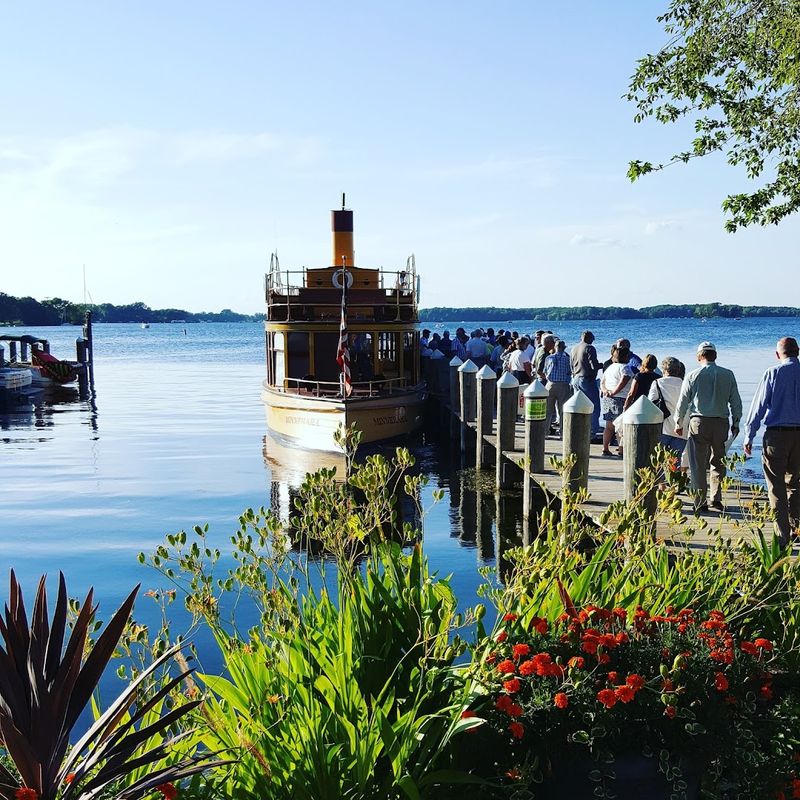
Excelsior has a storybook quality that is hard to put into words. The downtown is lined with historic storefronts, the streets are shaded by mature trees, and the whole town sits right on the southern shore of Lake Minnetonka.
It feels like a place that time treated kindly. But property taxes here are anything but gentle, and they are reshaping who can afford to call Excelsior home.
Like its neighbors along Lake Minnetonka, Excelsior has seen dramatic increases in home valuations over the past several years. Hennepin County assessments have pushed tax bills higher, and the city’s small size means that even modest infrastructure needs require significant levy increases per household.
Residents have reported annual tax increases that outpace both inflation and local wage growth.
The community has a strong sense of identity and a fiercely loyal population. Many residents have been here for decades and have no desire to leave.
But the financial pressure is forcing difficult conversations. Some families are selling homes that have been in their possession for generations, simply because holding onto them has become too costly.
For visitors, Excelsior offers one of the most enjoyable day trips in the metro area. The waterfront park, the charming shops, and the small-town energy make it a genuinely refreshing stop.
10. Grand Marais, Minnesota
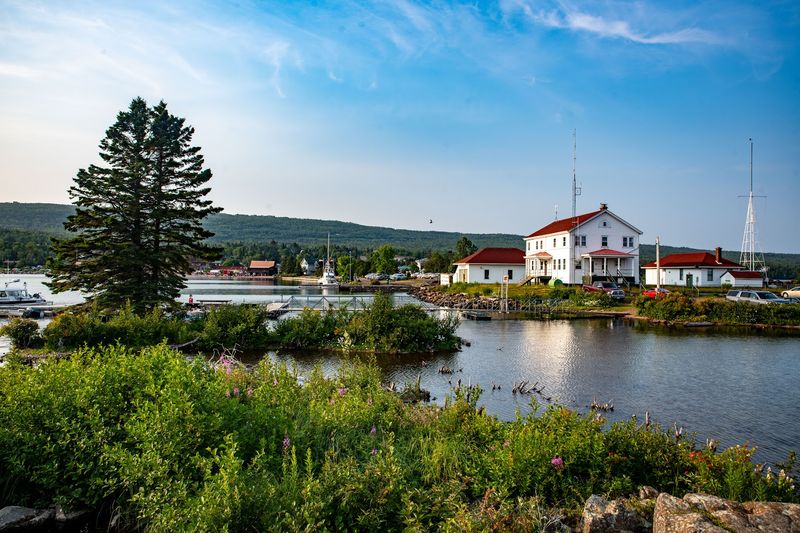
Grand Marais sits at the edge of the world, or at least it feels that way. Perched on the North Shore of Lake Superior in Cook County, this small town of around 1,300 people has one of the most dramatic natural settings in all of Minnesota.
Artists, hikers, and travelers have been drawn here for generations. But the people who live here year-round are now facing a financial challenge that threatens the town’s close-knit character.
Cook County has seen sharp increases in property assessments, driven largely by the surge in vacation home purchases and short-term rental activity along the North Shore. When vacation home demand pushes up assessed values across a community, full-time residents see higher tax bills regardless of whether they participate in the short-term rental market.
For families and retirees who have lived in Grand Marais for years, the increases feel out of step with local incomes and the realities of living in a remote community. Remote communities like Grand Marais already carry higher costs of living, and rising property assessments add another layer of financial pressure for year-round residents.
Grand Marais is one of Minnesota’s most rewarding destinations and absolutely deserves a place on your travel list. Head to the harbor and take it all in.