
Experience Close Encounters With Capybaras At This Unique North Carolina Animal Haven
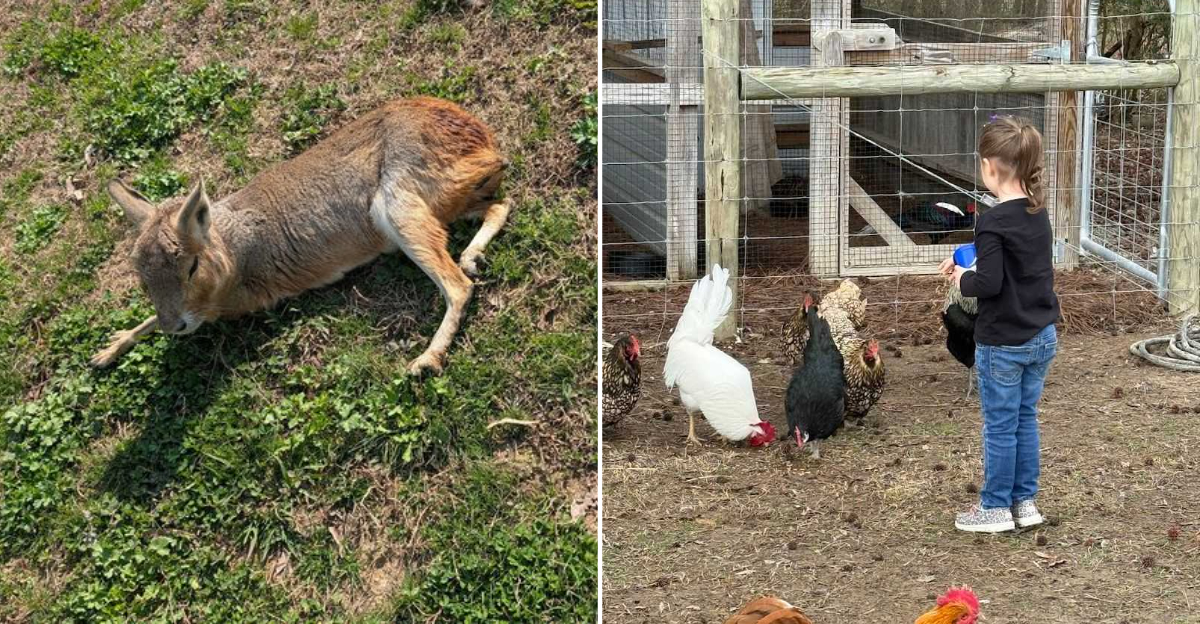
Somewhere in North Carolina, a capybara is having a better afternoon than most people currently sitting in traffic. These oversized, impossibly calm creatures have a way of making every human problem feel temporarily irrelevant.
An animal haven built around close encounters operates on a different principle than a standard zoo visit. The distance between visitor and animal collapses entirely, and what replaces it is something closer to a genuine introduction.
Capybaras do not perform or startle or demand anything from the people crouching beside them. They simply exist at their own unhurried frequency, which turns out to be exactly what most visitors needed without knowing it.
Getting within arm’s reach of an animal this unique and this unexpectedly gentle tends to reorder the afternoon entirely. Plans made before arrival rarely survive the first few minutes inside this place intact.
Capybara Habitat And Behavior Insights
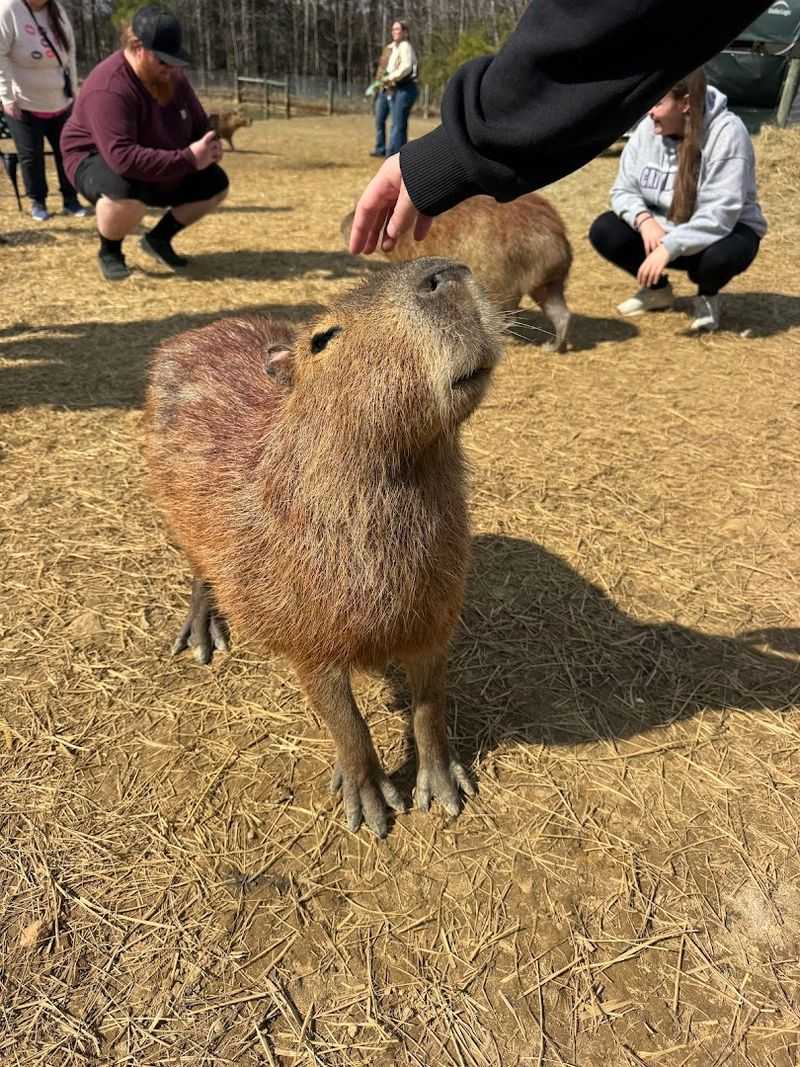
Capybaras are surprisingly chill. They spend most of their time near water, grazing, socializing, and doing very little in a hurry.
At Liberty Acres, the capybaras live near a pond that suits their semi-aquatic lifestyle perfectly. The habitat is designed to mirror the South American wetlands from which they naturally come.
These animals are the largest rodents on Earth. An adult capybara can weigh up to 140 pounds, which is wild when you first see one waddling toward you.
They are herbivores, meaning they eat grasses, aquatic plants, and vegetables. The sanctuary provides a diet that keeps them healthy and active.
Watching them interact is genuinely fascinating. They communicate through purring, barking, and whistling sounds.
They are highly social creatures and live in groups, which is why Liberty Acres keeps multiple capybaras together. One of the resident capybaras is even named Oscar, and yes, he is as charming as the name suggests.
The enclosure gives them room to roam, swim, and graze freely. Visitors can observe natural capybara behaviors without barriers getting in the way.
You can find Liberty Acres Animal Haven and Equine Rescue at 8790 Sylvan Rd, Liberty, NC 27298. It is well worth the drive from anywhere in the state.
Interaction Opportunities And Safety Tips
Feeding a capybara from your hand is one of those experiences that sounds quirky until you actually do it. Liberty Acres offers scheduled Animal Encounters that let visitors get up close with the capybaras at the pond.
You can feed them, pet them, and spend real time with these calm, curious animals.
The capybara encounter requires booking through the sanctuary website. Spots fill up fast, especially on weekends.
General admission does not automatically include access to the capybara enclosure, so planning is essential. The encounter costs around $75 per person with a two-person minimum.
Safety during the encounter is straightforward. Staff members are present throughout the entire experience.
They guide you on how to approach the animals calmly and how to offer food correctly. Capybaras are not aggressive, but they are large and strong, so following staff instructions matters.
Wearing closed-toe shoes is a smart move. The grounds near the pond can get muddy, especially after rain.
Bringing a change of shoes is honestly a good call. The encounter lasts long enough to feel meaningful without feeling rushed.
If you want extra time with the capybaras, purchasing additional veggie cups is a great option. The animals respond enthusiastically to food, and that enthusiasm makes for some memorable moments you will talk about for a while.
Conservation Efforts Supporting Native And Exotic Species
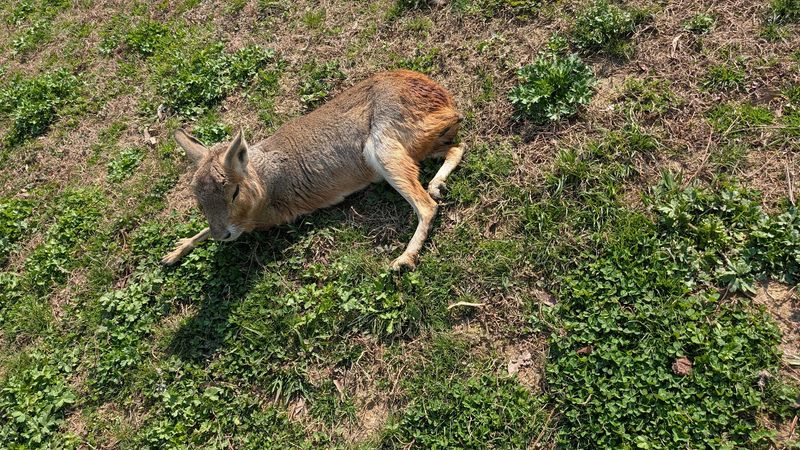
Liberty Acres is not just about cute capybara photos. The sanctuary operates with a genuine mission to rescue, rehabilitate, and provide permanent homes for animals that have nowhere else to go.
Many of the residents were injured, orphaned, or surrendered by previous owners who could not care for them.
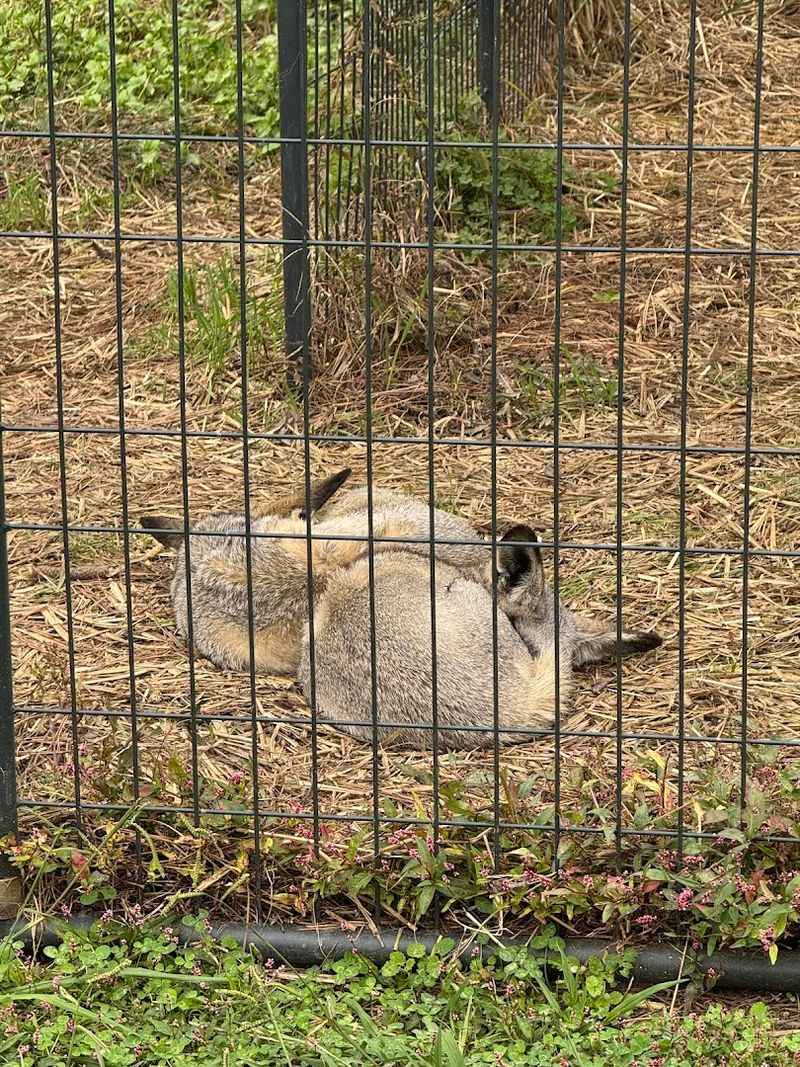
The 60-acre property houses an impressive mix of native and exotic species. Zebras, kangaroos, sloths, lemurs, fennec foxes, monkeys, and various reptiles all live here alongside farm animals like mini horses, donkeys, and chickens.
Each animal has a story, and the staff knows those stories well.
Conservation at Liberty Acres means more than just keeping animals fed. It means creating enriching environments, providing proper veterinary care, and educating the public about why these animals matter.
The sanctuary was founded by Alison Peeler and her daughter, both of whom are deeply committed to animal welfare.
The haven also accepts domestic animals that need refuge. Opossums and various bird species round out the resident population.
Every animal receives care tailored to its specific needs and natural behaviors. Supporting a place like this by visiting or booking an encounter directly funds ongoing rescue operations.
Conservation does not always look like a documentary. Sometimes it looks like a zebra grazing peacefully on a North Carolina farm, and that is worth celebrating.
Seasonal Variations In Capybara Activity Patterns
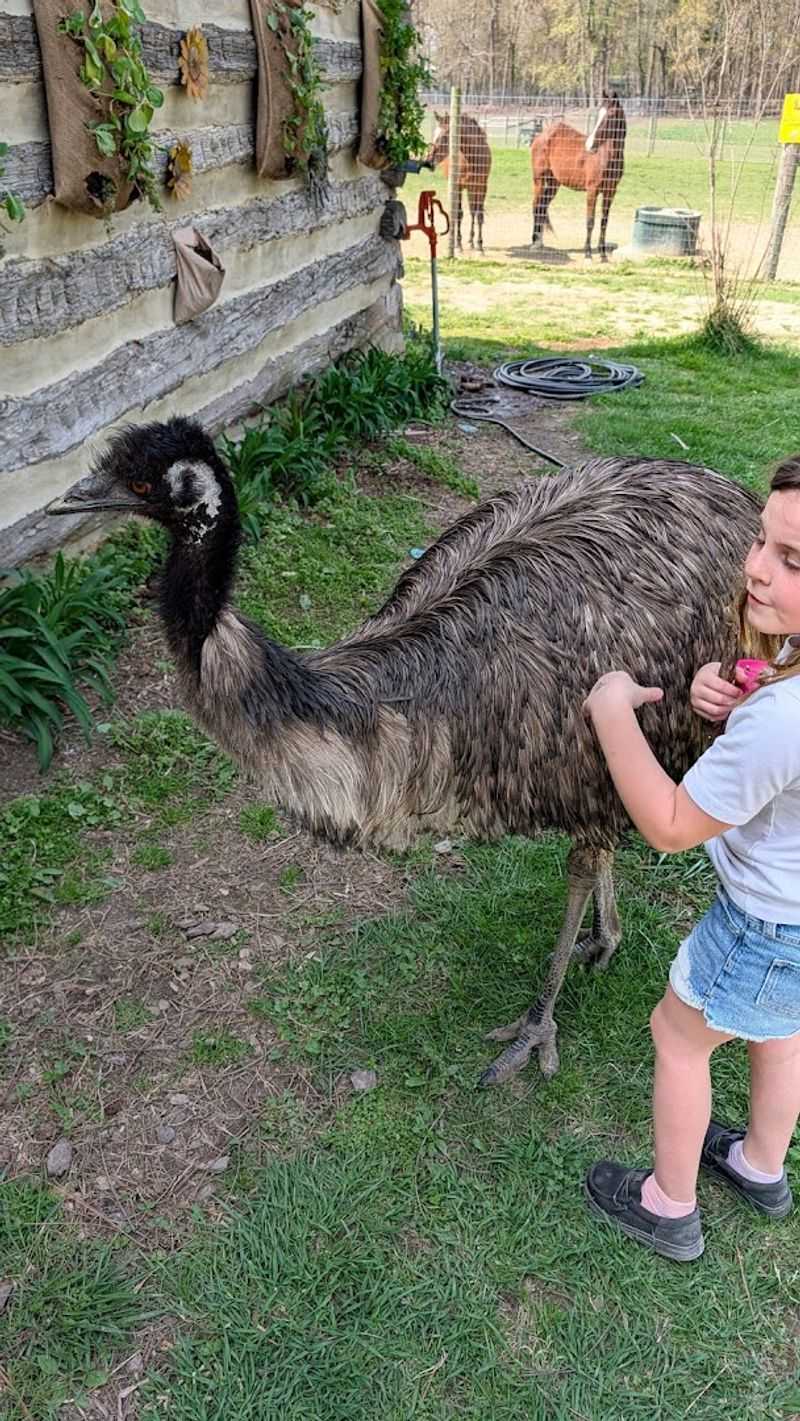
Capybaras behave differently depending on the season, and visiting Liberty Acres at the right time can shape your whole experience. During warmer months, the capybaras are more active near the pond.
They swim, graze, and socialize at a noticeably livelier pace. Summer visits tend to show off their playful side.
Fall is surprisingly popular for capybara encounters at the sanctuary. The cooler weather keeps the animals comfortable and alert.
One past seasonal event even let visitors carve pumpkins alongside the capybaras, which is exactly as delightful as it sounds. The sanctuary has a history of creating themed experiences around holidays and seasons.
Winter visits are still worthwhile, though capybaras slow down a bit in the cold. They tend to huddle together more and spend less time in the water.
Their social bonding behaviors become more visible during these months, which is actually interesting to observe. Staff keep them warm and well-fed regardless of the weather.
Spring brings renewed energy across the entire sanctuary. Baby animals sometimes appear during this season, adding extra excitement for visitors.
The grounds also look their best when everything is green and blooming. Checking the Liberty Acres website before your visit is always a smart move.
Seasonal events and special encounter options are announced there first. Planning around a themed event can turn a good visit into a genuinely unforgettable one.
Educational Programs And Visitor Engagement
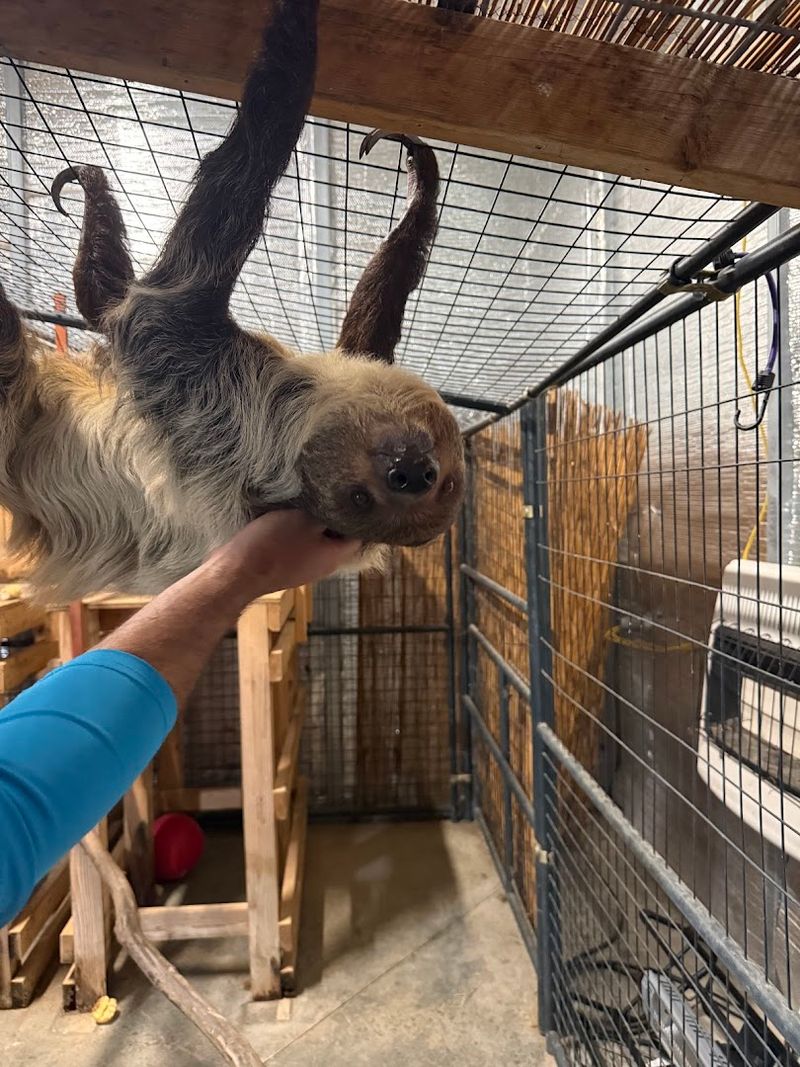
Learning about animals is way more fun when the animals are right in front of you. Liberty Acres offers educational experiences that go beyond just walking around and looking.
Staff members actively engage visitors with information about each species, their origins, behaviors, and conservation status. It does not feel like a lecture.
It feels like a conversation.
The sanctuary offers private tours and VIP experiences that include guided access to the animals. During these tours, guides share stories about individual animals and explain how each one ended up at Liberty Acres.
That personal connection makes the educational content stick in a way that textbooks rarely achieve.
Scavenger hunts are available for younger visitors. They add a layer of interactive fun while sneaking in real learning about the animals on the property.
Gem mining is another activity that keeps kids engaged between animal encounters. The variety of activities means there is always something to do.
There is also the Capybara Birthday Party option, where guests can celebrate with capybaras and a zookeeper present. That is a genuinely unique party idea that most kids will never forget.
General admission runs on Saturdays and Sundays, typically from 10 AM to 4 PM, with no appointment needed for basic entry. The educational value packed into a single visit here is honestly impressive for a sanctuary of this size.
Behind The Scenes Care And Feeding Practices
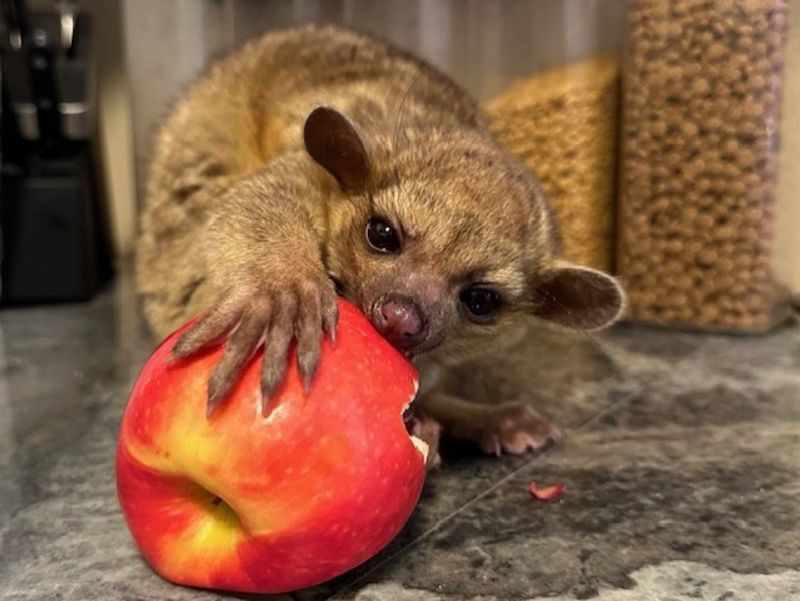
What happens before visitors arrive is where the real dedication shows. The staff at Liberty Acres starts each day with feeding routines, health checks, and enclosure maintenance for every animal on the property.
Capybaras alone require a carefully managed diet of fresh grasses, hay, and vegetables to stay healthy.
Feeding schedules are consistent and species-specific. Capybaras graze throughout the day, so their enclosure always has access to appropriate vegetation.
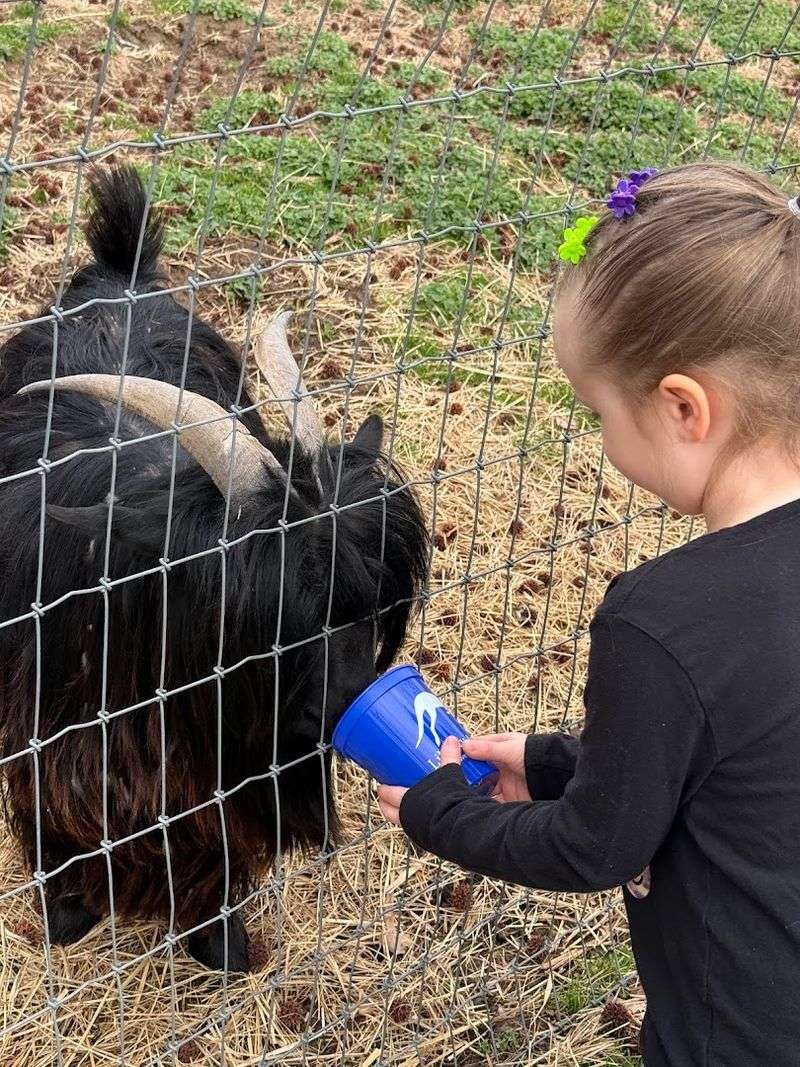
During encounters, visitors offer supplemental veggie cups to the animals. Those cups are prepared by staff to ensure the food is safe and appropriate for capybara digestion.
The cleanliness of the enclosures is something multiple visitors notice immediately. Staff maintains each area regularly, which reflects the sanctuary’s overall commitment to animal welfare.
Clean environments reduce stress for the animals and create a more enjoyable visit for guests at the same time.
Veterinary care is part of the routine, too. Each animal receives health monitoring appropriate to its species.
Exotic animals like capybaras require specialized knowledge that the Liberty Acres team has clearly developed over time. The founder, Alison Peeler, and her daughter built this operation from the ground up with animal well-being as the core priority.
That intentionality shows in every detail, from the food preparation to the design of the living spaces. Visiting here means supporting that level of care directly.
Unique Features Of Capybara Social Structures
Capybaras are not loners. They live in groups called herds, typically ranging from 10 to 20 individuals in the wild.
At Liberty Acres, the capybaras live together in a way that reflects this natural social structure. Watching them interact with each other is genuinely one of the highlights of any visit.
Within the herd, there is always a dominant male. He communicates his status through scent marking and vocalizations.
The other members of the group reinforce social bonds through grooming, playing, and resting together. Capybaras are remarkably tolerant of each other, which makes their group dynamics peaceful to observe.
They also get along surprisingly well with other species. In the wild, capybaras are known to coexist with birds that perch on their backs.
At the sanctuary, their relaxed temperament makes them approachable for visitors, too. Their calm energy is part of what makes the encounter experience so enjoyable.
Baby capybaras are cared for collectively within the group. Adults show protective behaviors toward younger members, which is endearing to watch.
The social intelligence of capybaras is underestimated by most people who have never seen them up close. A visit to Liberty Acres changes that perspective fast.
Seeing these animals interact naturally, on their own terms, in a space designed for their comfort, is a genuinely eye-opening experience that goes well beyond what any nature documentary can deliver.
Photography Tips For Capturing Wildlife Moments
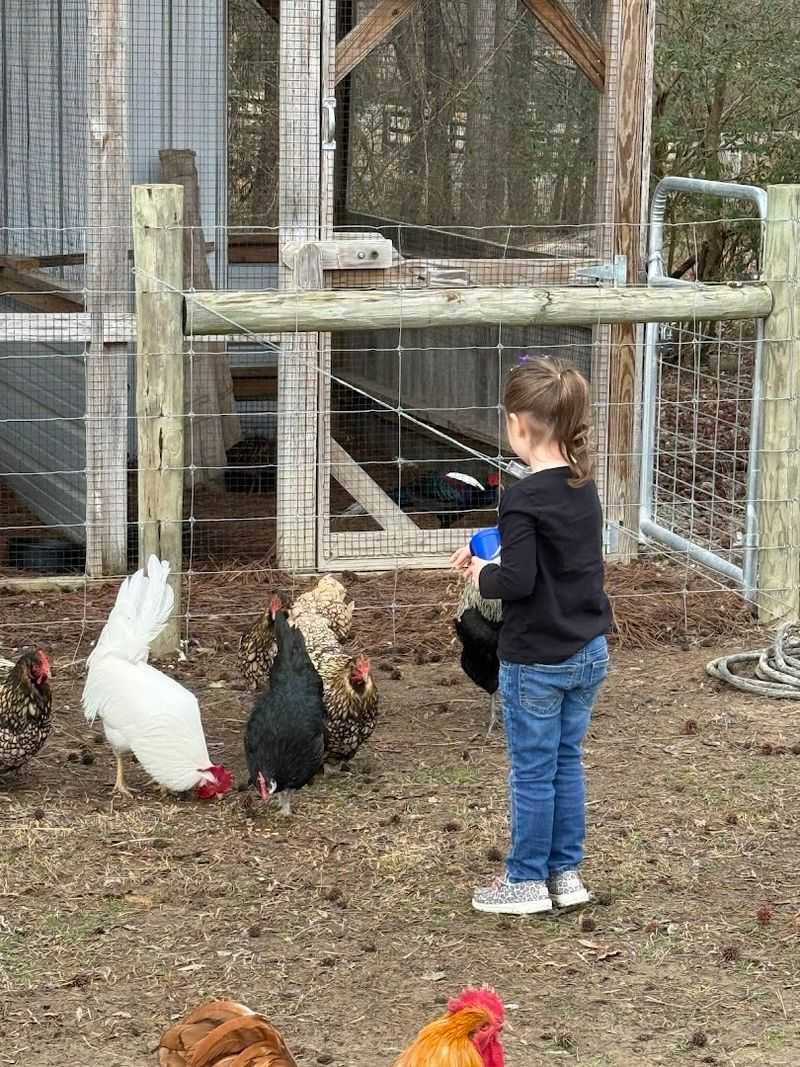
Getting good photos at Liberty Acres is totally achievable with a little planning. The capybara encounter gives you proximity, which is already a huge advantage.
Natural light near the pond is best in the morning when the sun is lower and softer. Midday light can be harsh and flatten the texture of the animals’ fur.
Patience is your best camera setting. Capybaras move slowly, but they do move.
Waiting for them to turn toward you or lift their heads creates far more interesting shots than chasing them around. Burst mode on your phone or camera helps capture the exact moment they make eye contact.
Get low. Shooting from ground level or near ground level puts you at the capybara’s eye line.
That perspective makes photos feel immersive and personal rather than just documentary. It also helps blur the background, which makes the animal pop in the frame.
Avoid using flash around the animals. It startles them and disrupts their calm behavior.
Natural light is always the better option anyway. A wide-angle shot near the pond captures the habitat context, while a close-up of their face highlights their surprisingly expressive eyes.
If you visit during a seasonal event, props and decorations in the background add fun visual interest to your shots. Liberty Acres is genuinely one of the most photogenic sanctuaries in North Carolina, and the animals cooperate more than you might expect.