
This Wisconsin Restaurant Serves Home Cooking Inside An 1848 Schoolhouse And The Recipes Are Just As Timeless
Grabbing dinner inside a building older than the Civil War is not your average Tuesday plan. Wisconsin still has places where history is not locked behind glass. It is under your chair, in the walls, and somewhere near the smell of fresh bread.
One minute you are ordering comfort food, the next you are wondering how many schoolkids once sat in that same room trying not to get caught whispering. That is the charm here. The food keeps the mood going with the kind of home cooking people actually crave, not tiny portions with a leaf on top.
Think hearty plates, old-fashioned recipes, and a setting that makes lunch feel like a story your grandparents would tell twice.
The Restaurant Sits Inside A Historic One Room Schoolhouse
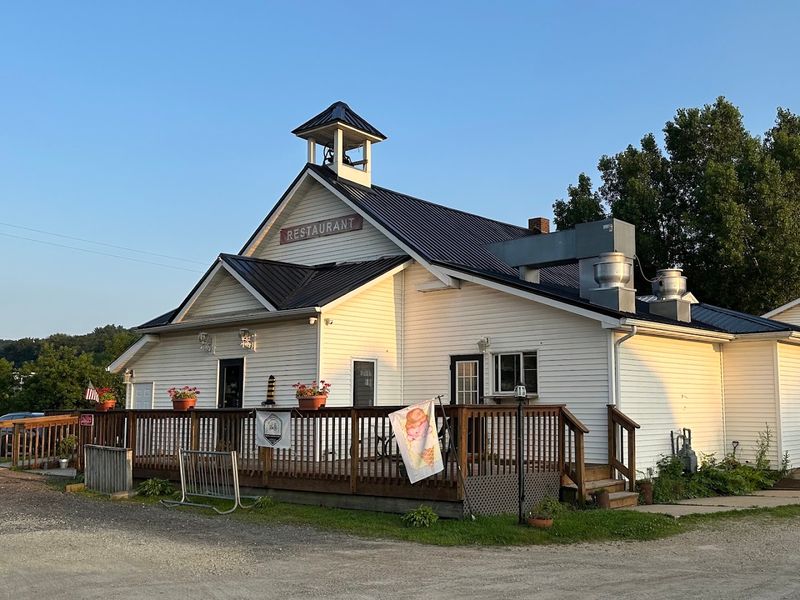
Built in 1848, this genuine one-room schoolhouse served students for over a century before closing its doors as an educational institution. The structure stood vacant for years until visionary owners recognized its potential as something more than abandoned architecture.
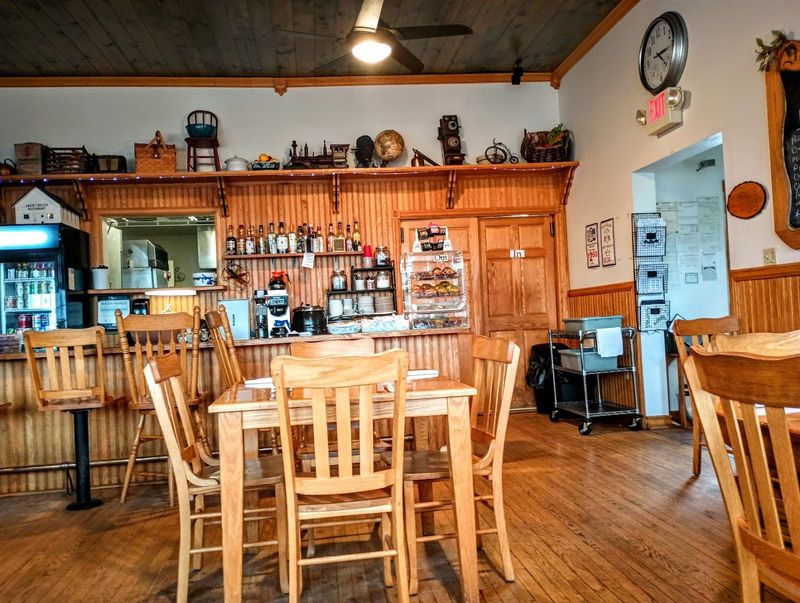
Restoration efforts preserved the original character while transforming the space into a functioning restaurant. Original hardwood floors still creak underfoot, and the dimensions of the single room create an intimate dining atmosphere that modern buildings cannot replicate.
Located at 26147 WI-71 in Wilton, Dorset Valley Schoolhouse Restaurant maintains its schoolhouse silhouette from the roadside. Guests can still ring the authentic school bell before entering, a detail that delights children and adults alike.
The conversion respects the past while serving present-day appetites with skill and warmth.
The Building Gives Dinner A Built In Sense Of Nostalgia
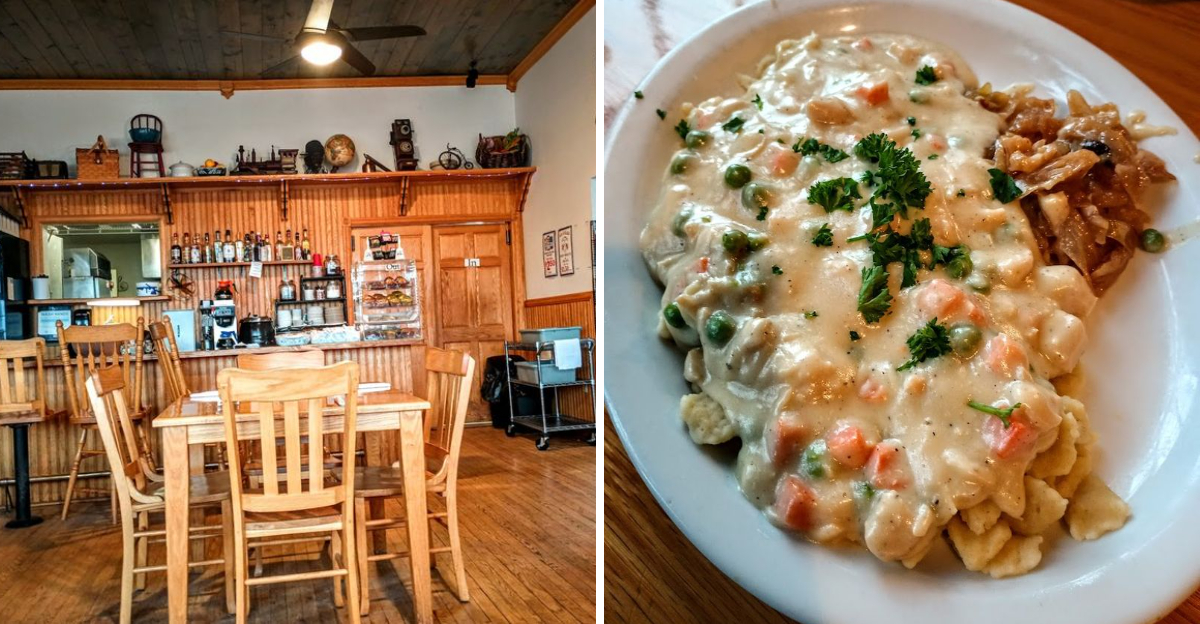
Chalkboards still hang on walls where multiplication tables once appeared daily. The compact dimensions force strangers to dine closer together than typical restaurants allow, creating accidental conversations between neighboring tables that feel refreshingly human.
Vintage touches appear throughout without crossing into theme park territory. The owners understood that authenticity requires restraint, so decorative elements enhance rather than overwhelm the experience.
Natural light filters through original windows, casting the same patterns that illuminated spelling lessons generations ago.
Dinner here carries emotional weight beyond the meal itself. Grandparents share memories of their own schoolhouse days while younger guests absorb history through atmosphere rather than textbooks.
The space triggers collective memory even for those who never attended rural schools, tapping into cultural nostalgia for simpler educational eras.
Homestyle Cooking Is The Whole Point Of The Menu
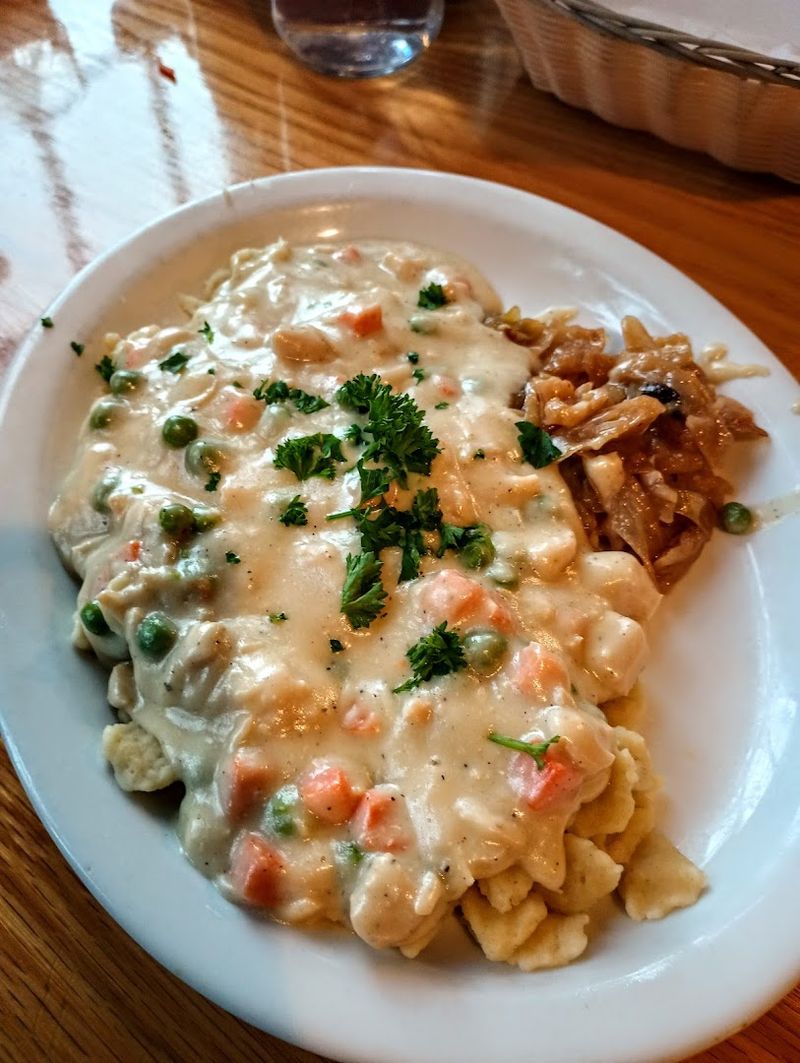
Fancy techniques and molecular gastronomy have no business here. The kitchen focuses on recipes that grandmothers perfected through repetition rather than culinary school innovation.
Meatloaf, pot roast, fried chicken, and similar staples dominate the offerings because these dishes represent genuine comfort food traditions.
Portions arrive generous without being ridiculous, sized for people who work physical jobs or bike long distances. Flavors lean toward familiar rather than adventurous, prioritizing execution over experimentation.
The kitchen understands that homestyle cooking succeeds through consistency and care rather than surprise.
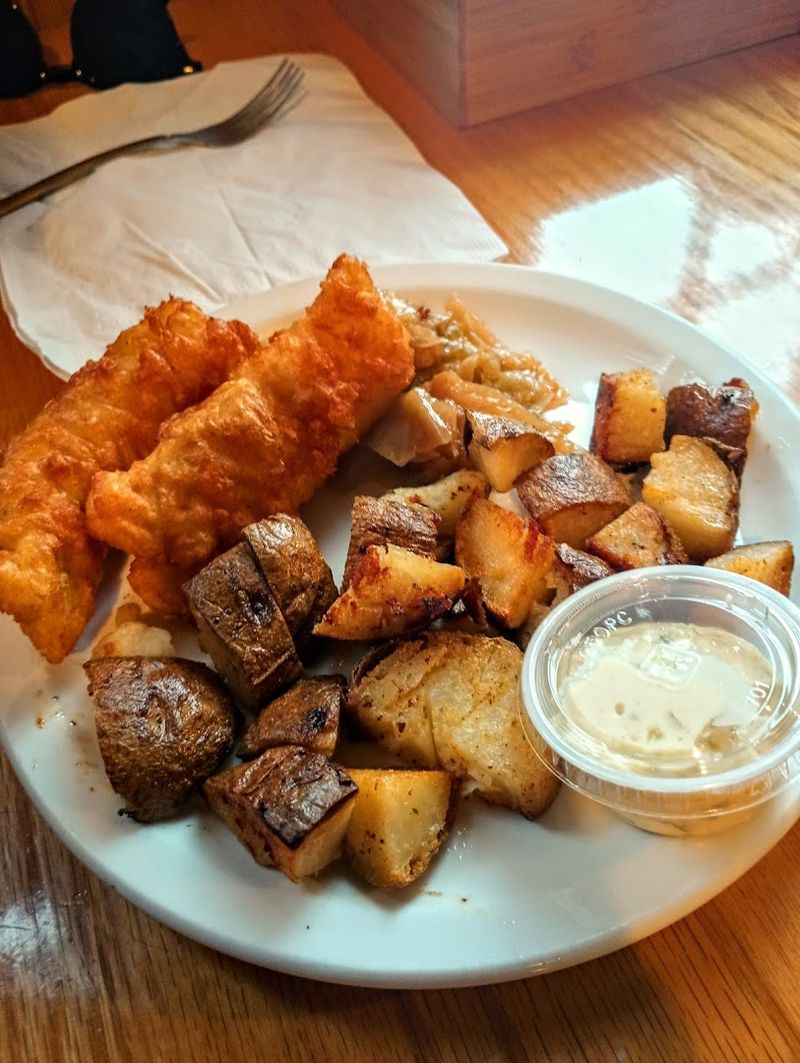
Menu items change with seasons and availability, reflecting how home cooks actually operate. Friday nights bring fish fry traditions, while Saturday evenings feature prime rib preparations.
This rhythm mirrors family dinner patterns from decades past, when certain meals anchored specific days of the week.
Fresh Local Produce Helps Keep The Food Simple And Honest
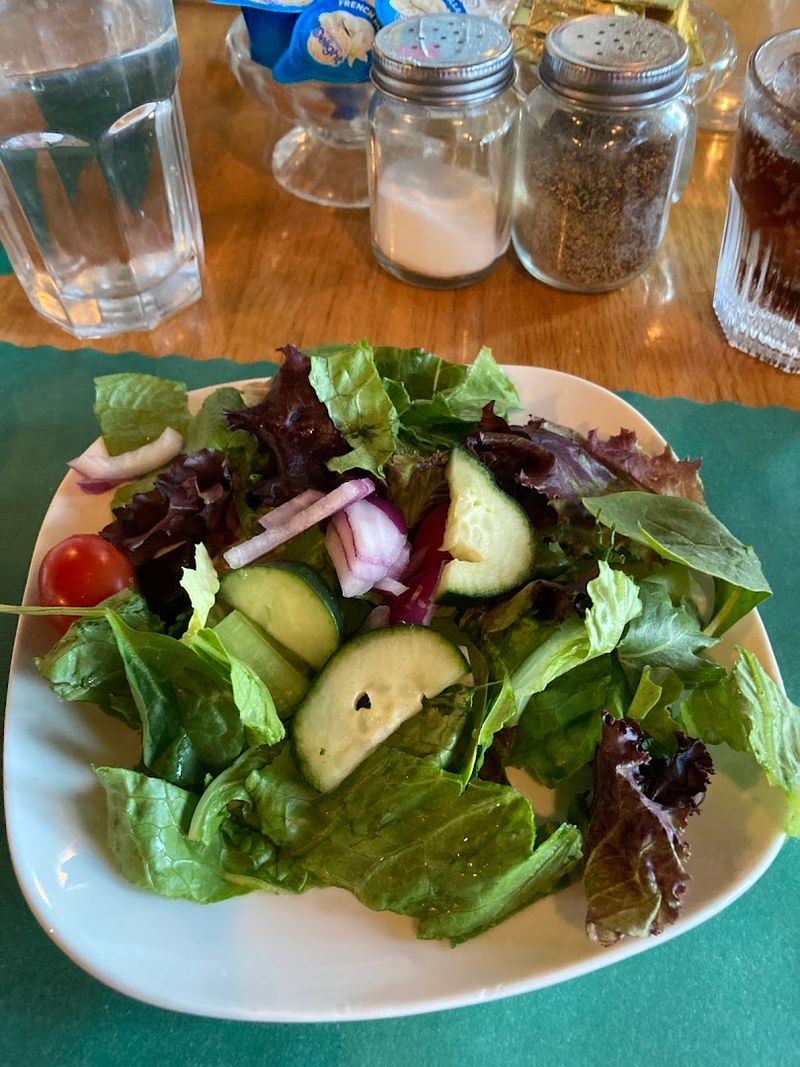
Surrounding farms supply much of what appears on plates, shortening the distance between soil and table. Tomatoes taste like actual tomatoes rather than watery supermarket imposters.
Cucumbers arrive crisp, lettuce shows genuine freshness, and seasonal vegetables rotate based on what local growers harvest.
This approach requires flexibility since nature dictates availability rather than distributor catalogs. The kitchen adapts daily specials around what arrives fresh, a practice that demands skill and creativity from cooks.
Simplicity becomes possible when ingredients carry inherent flavor rather than requiring heavy manipulation.
Salads benefit most obviously from local sourcing. The iceberg lettuce, tomatoes, onions, and cucumbers that compose garden salads deliver flavor that reminds diners why these combinations became classics.
Honest ingredients need little embellishment beyond quality preparation and thoughtful presentation on the plate.
The Restaurant Raises Its Own Beef For Hamburgers
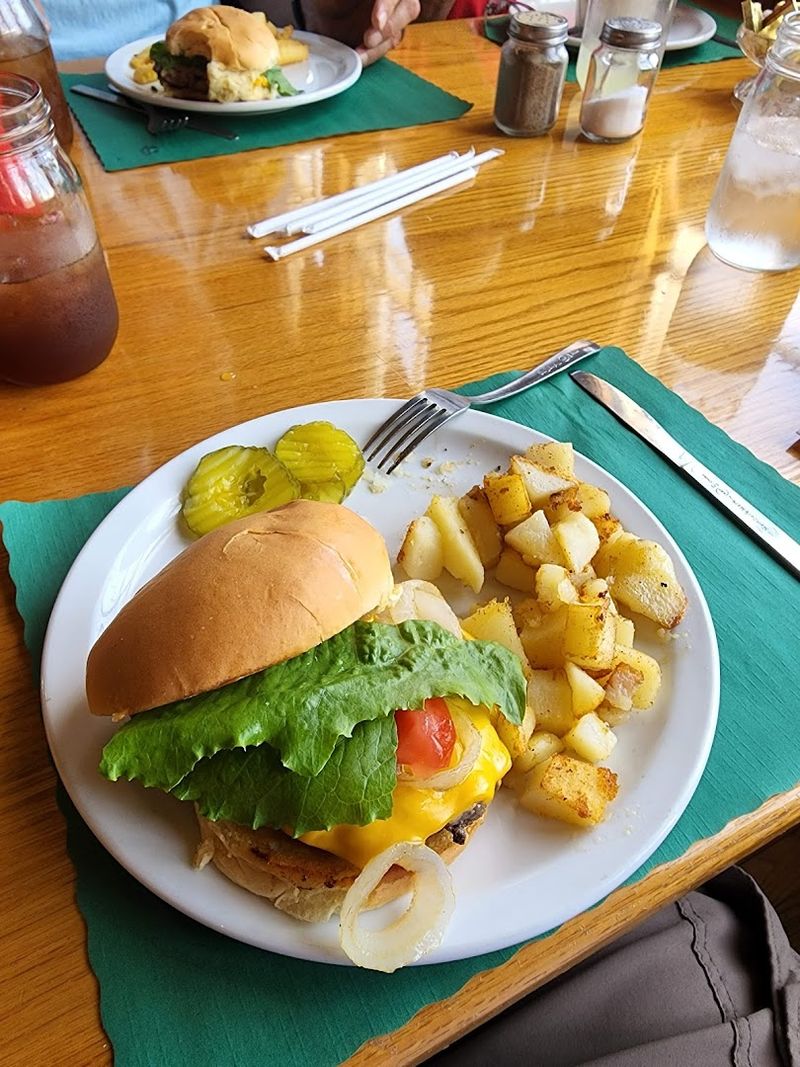
Raising cattle specifically for restaurant hamburgers represents commitment that most establishments avoid. The process requires land, knowledge, time, and resources that buying from distributors eliminates.
Yet the resulting burger quality justifies every bit of extra effort involved.
Beef flavor intensifies when animals graze local pastures and receive proper care throughout their lives. The meat carries richness that factory-farmed alternatives cannot match, creating hamburgers that taste genuinely different from chain restaurant versions.
Customers notice the quality immediately upon first bite.
Hamburger steak also appears on the menu, prepared with the same house-raised beef. The kitchen cooks patties to proper temperatures, allowing natural juices to remain rather than drying out the meat.
Toppings include mushrooms and onions that complement rather than mask the beef’s inherent flavor, showcasing the protein’s quality.
Old School Recipes Shape The Sauces Gravies And Soups
Reuben soup stands out as an unexpected specialty that converts skeptics into enthusiasts. The concept sounds unusual until the first spoonful proves that traditional Reuben sandwich flavors translate beautifully into soup form.
Rich broth carries corned beef, sauerkraut, and Swiss cheese elements into warming liquid comfort.
Gravies follow techniques that prioritize flavor development over convenience. Pan drippings, proper roux preparation, and patient simmering create sauces with depth that packet mixes cannot approximate.
These accompaniments elevate simple proteins into memorable main courses through careful attention to foundational cooking methods.
Chili receives similar treatment, balancing spices and ingredients according to recipes refined through countless batches. The kitchen avoids shortcuts that compromise texture or flavor, understanding that soups and sauces often determine whether meals feel homemade or institutional.
Consistency across batches demonstrates kitchen discipline and recipe respect.
Homemade Pies And Cakes Make Dessert Feel Mandatory
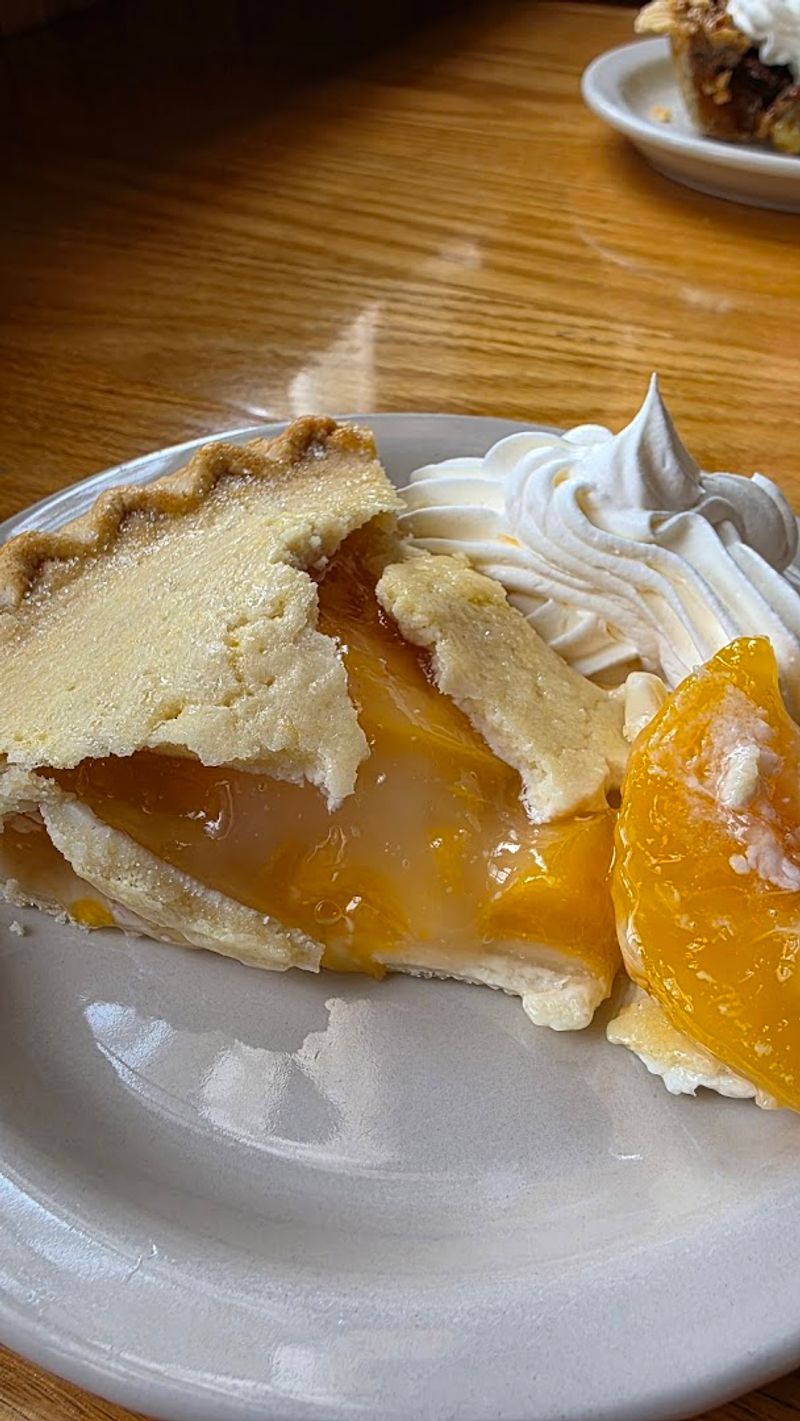
Skipping dessert here constitutes poor decision-making. Pies rotate based on seasonal fruit availability and baker inspiration, with apple and hickory varieties earning particular praise.
Crusts achieve proper flakiness without greasiness, while fillings balance sweetness against fruit acidity or nut richness.
Cakes receive equal attention, baked fresh rather than ordered frozen from suppliers. The kitchen maintains standards that match competent home bakers rather than settling for commercial convenience.
Pistachio muffins and peanut butter cookies expand options beyond traditional pie selections.
Portion sizes acknowledge that diners often feel full after main courses, so slices arrive generous but not overwhelming. Taking pie home becomes common practice, with guests purchasing whole pies or extra slices for later consumption.
The affordability surprises visitors accustomed to inflated dessert pricing at other establishments.
Fresh Baked Bread Rolls And Buns Add To The Old Fashioned Feel
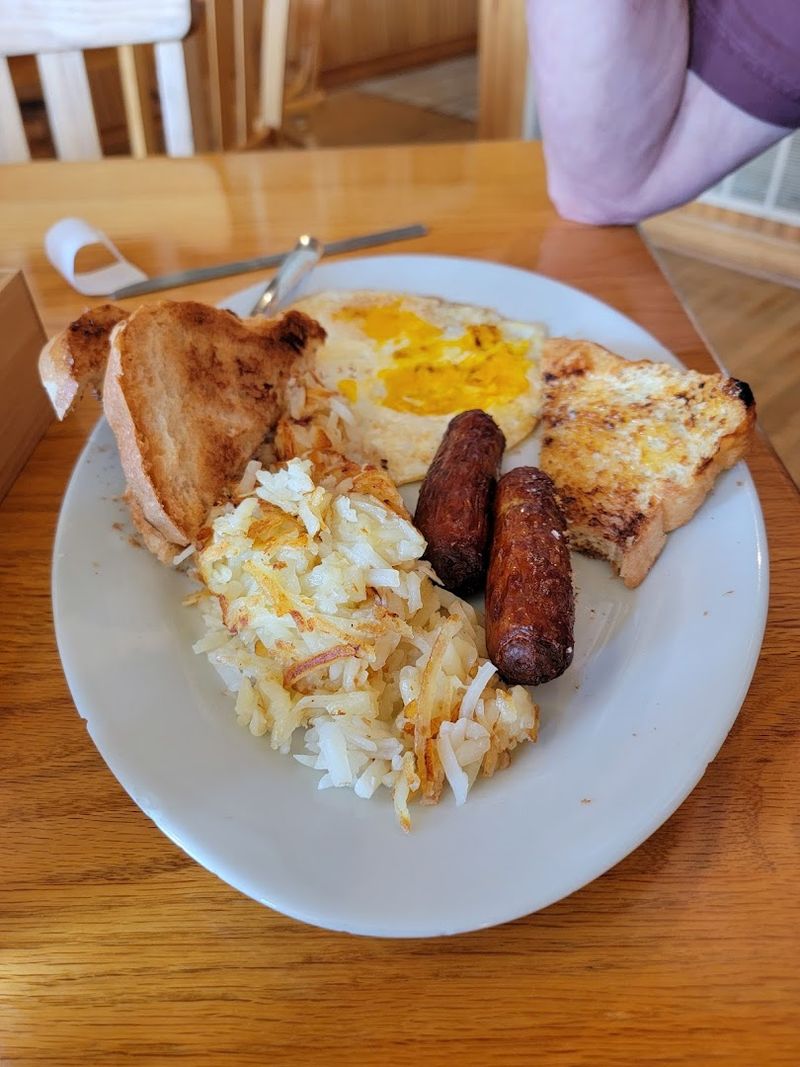
Bread arrives warm with honey butter that melts into soft interiors. The kitchen bakes rolls, buns, and bread daily rather than relying on par-baked products that merely require reheating.
This commitment to scratch baking extends meal preparation time considerably but transforms ordinary bread service into something memorable.
Hamburger buns receive particular attention since they directly impact burger quality. Proper buns complement rather than compete with fillings, maintaining structural integrity without becoming soggy or falling apart mid-bite.
The texture and flavor enhance sandwiches rather than serving as mere edible containers.
Breakfast benefits equally from fresh baking, with bread quality elevating toast and sandwich offerings. The yeast aroma that fills the dining room during baking hours triggers appetites and reinforces the homemade atmosphere.
Guests notice these details even when they cannot articulate exactly why the food tastes better here.
The Amish Country Setting Makes The Drive Part Of The Experience
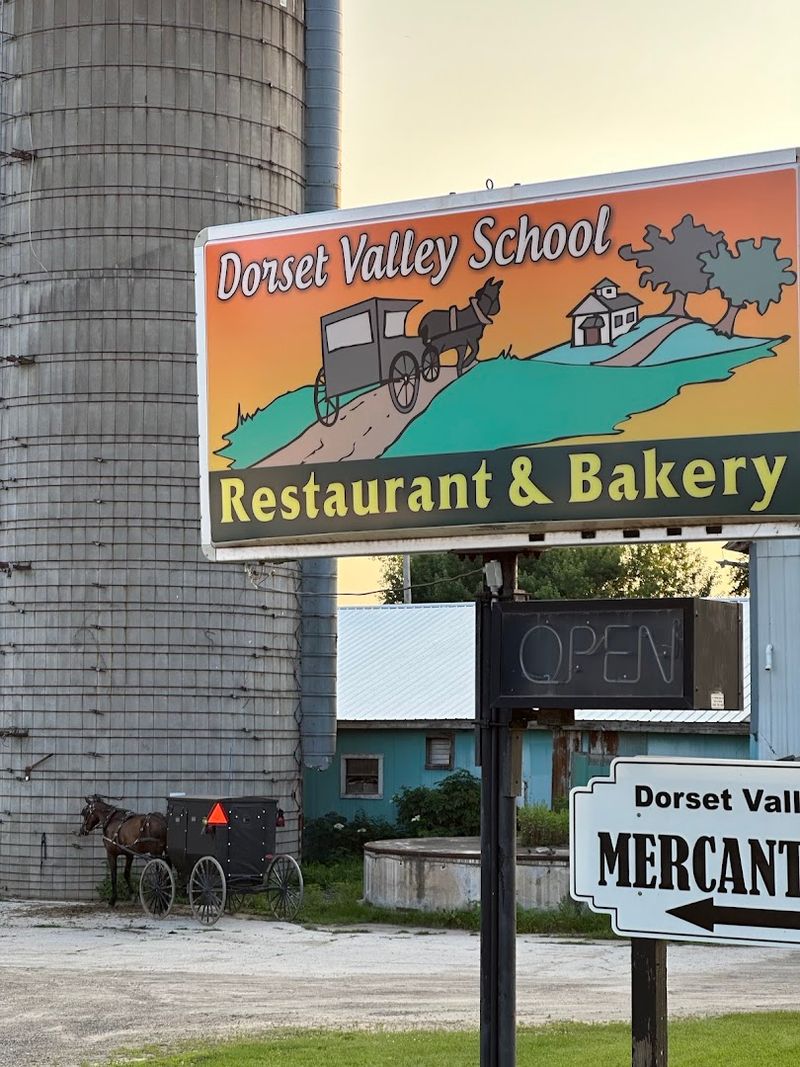
Reaching the restaurant requires driving through genuinely rural Wisconsin landscape rather than suburban sprawl. The journey passes working farms, open fields, and occasional horse-drawn buggies that remind visitors they have left ordinary commercial zones behind.
This geographic separation from urban areas enhances the destination feeling.
Alpacas graze in adjacent pastures, providing entertainment for children and adults between courses or while waiting for tables. The mercantile next door offers local products and handmade goods that extend the visit beyond just dining.
These surrounding elements create a fuller experience than restaurants located in standard commercial districts.
Distance from Interstate 90 remains manageable for travelers willing to exit briefly from highway monotony. The rural setting filters out customers seeking fast food convenience, selecting instead for those who appreciate slower-paced meals and authentic atmosphere.
Geography becomes part of the restaurant’s identity and appeal.
Its Location Beside The Sparta Elroy Bike Trail Brings In Hungry Travelers
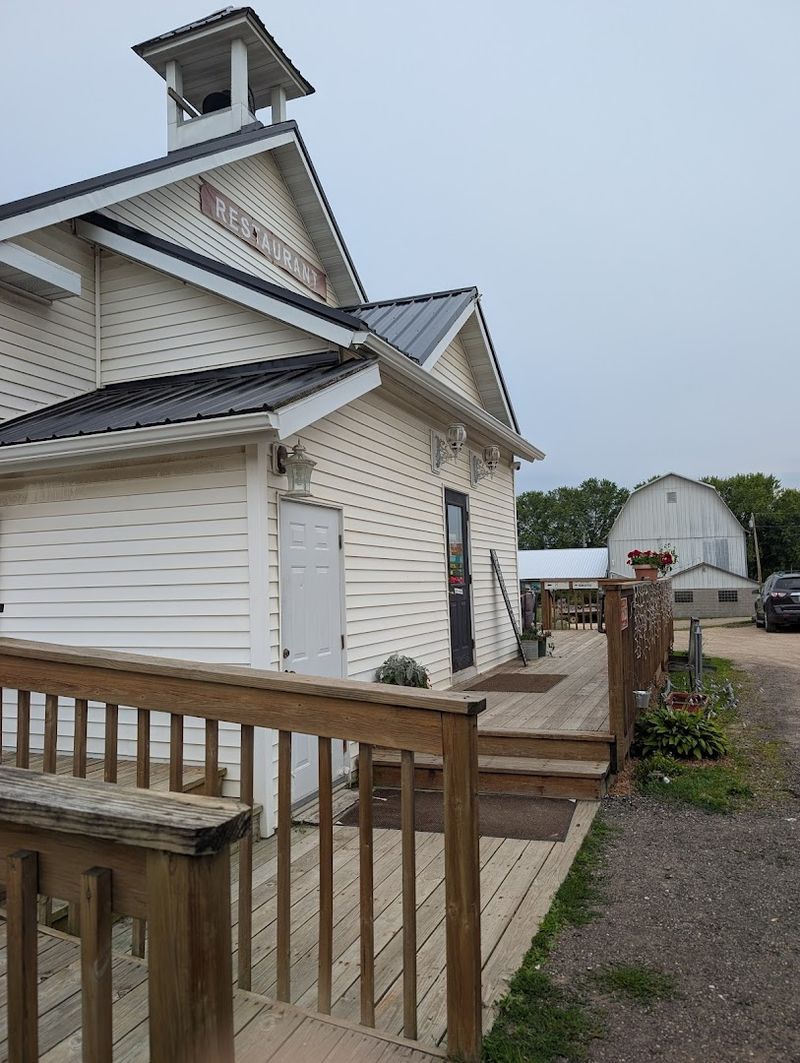
The Sparta Elroy bike trail attracts cyclists covering significant distances who arrive genuinely hungry rather than casually peckish. This customer base appreciates substantial portions and calorie-dense comfort food that fuels continued riding.
The restaurant’s proximity to the trail creates natural synergy between recreation and refueling.
Motorcycle riders also discover the location during solo adventures through Wisconsin backroads. The combination of historic building, quality food, and rural setting appeals to travelers seeking authentic experiences rather than chain restaurant predictability.
Parking accommodates both bicycles and motorcycles without issue.
Trail traffic brings seasonal variation to customer patterns, with warmer months delivering higher volumes of active travelers. The restaurant adapts to these fluctuations while maintaining food quality and service standards.
Being a trail destination enhances visibility and draws customers who might otherwise never venture this far from main highways for a meal.