
This Little-Known Wisconsin Park Made History As The First Tribal National Park In The U.S.
Long before highway signs pointed travelers toward Lake Superior, this northern Wisconsin shoreline already had stories written into its trees, water, and old footpaths. Here is the wild part: the park made national history in 2012, yet it still feels like a place you could almost miss if you drove too fast.
Created by the Red Cliff Band of Lake Superior Chippewa, it protects forest, beach, and ancestral ground without turning any of it into a loud attraction. Walking here feels different.
The lake moves beside you, the woods stay quietly here around every bend, and the history does not sit behind glass. It is under your shoes. Go slowly. Listen closely. Places like this do not announce themselves twice.
The Park Made History In 2012
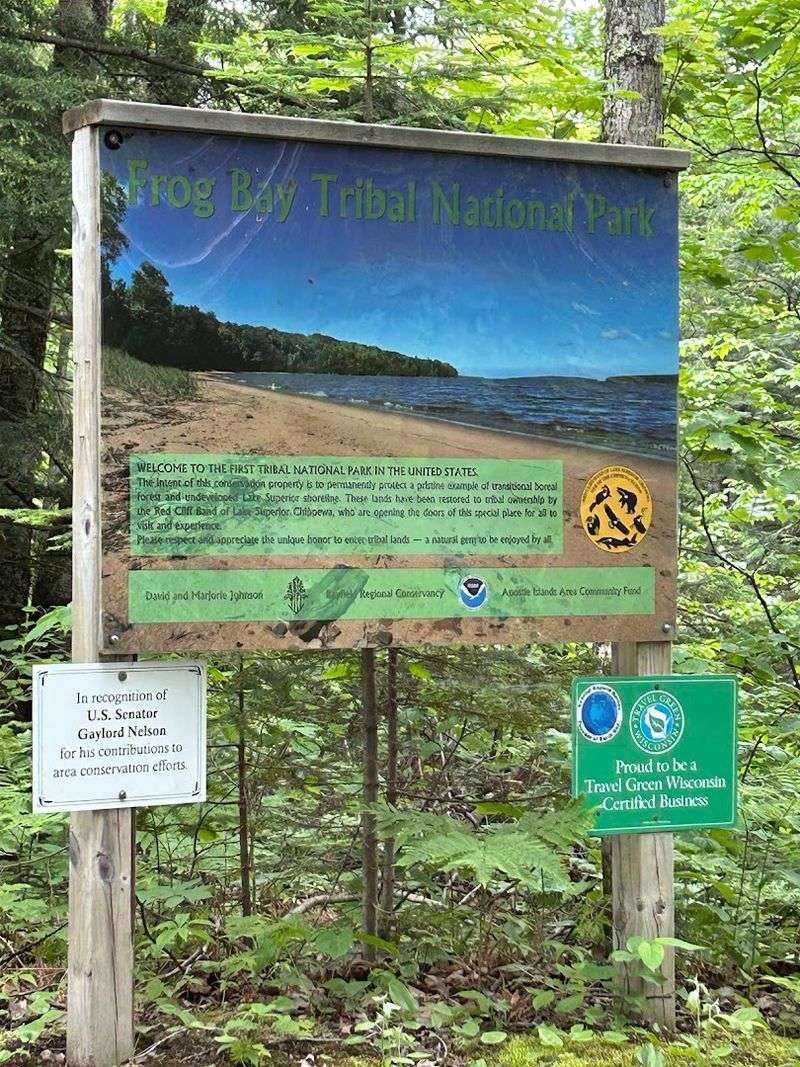
Most Americans think of Yellowstone or Yosemite when they hear the words national park. But in 2012, a small community in northern Wisconsin introduced something entirely different.
The Red Cliff Band of Lake Superior Chippewa opened Frog Bay Tribal National Park that year, creating a new category of protected land. This designation marked the first time a Native American tribe established and managed a national park on their own terms.
The significance extends beyond mere labels. By creating this park, the Red Cliff Band demonstrated that Indigenous communities could lead conservation efforts without federal oversight or interference.
Located near Bayfield at 92060 Frog Bay Road, the park represents a shift in thinking about who protects land and why. Visitors walking these trails today enter a space where tribal sovereignty and environmental stewardship merge into something genuinely groundbreaking for American conservation history.
It Was Created By The Red Cliff Band Of Lake Superior Chippewa
The Ojibwe people have lived along Lake Superior for centuries, long before state boundaries divided their homeland. The Red Cliff Band of Lake Superior Chippewa holds deep connections to these forests and waters.
Creating Frog Bay represented more than purchasing land. The tribe reclaimed stewardship of territory their ancestors knew intimately, bringing traditional ecological knowledge back to conservation practices.
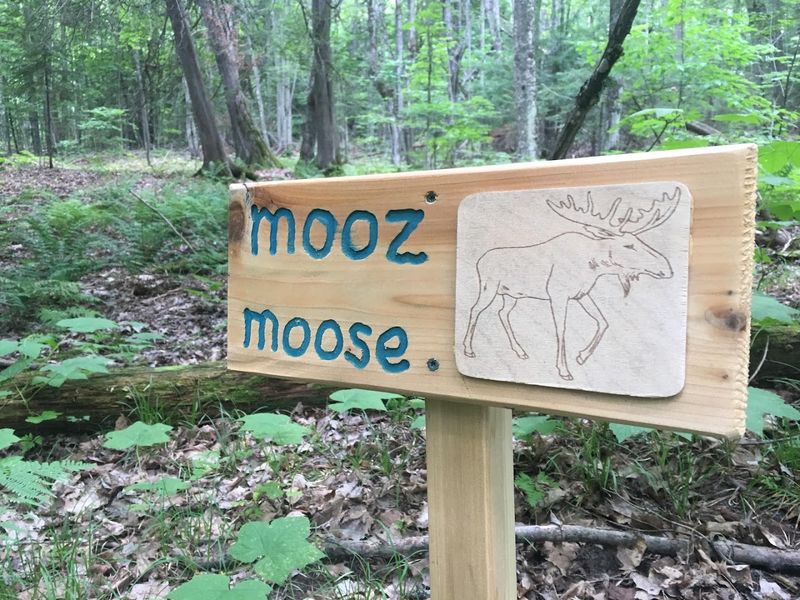
Tribal members designed the trail system and interpretive materials themselves. Signs along the paths share both scientific names and Ojibwe words for plants and animals, teaching visitors two ways of understanding the forest.
This approach differs sharply from typical park management. Rather than following federal guidelines, the Red Cliff Band applied their own cultural values and environmental priorities.
The result feels personal and purposeful, a landscape managed by people whose history runs through every acre of soil and shoreline.
This Is Not A Federal Park And That Makes Its Story Even More Interesting
Federal national parks operate under the Department of the Interior with standardized rules and funding. Frog Bay follows a completely different model.
The Red Cliff Band owns, manages, and maintains this park independently. No federal agency dictates hours, activities, or conservation methods.
This autonomy allows the tribe to blend traditional practices with modern land management.
Funding comes from tribal resources and donations rather than congressional appropriations. Visitors find a simple donation box near the trailhead, a humble system that works because the community stays invested in preservation.
The independence carries profound meaning. By establishing a tribal national park outside the federal system, the Red Cliff Band proved that Indigenous nations could protect landscapes without surrendering control.
Other tribes have watched this experiment closely, considering similar projects on their own lands. What started in Wisconsin might inspire a new generation of tribally managed conservation areas across North America.
The Land Was Reclaimed After Once Belonging To The Red Cliff Reservation
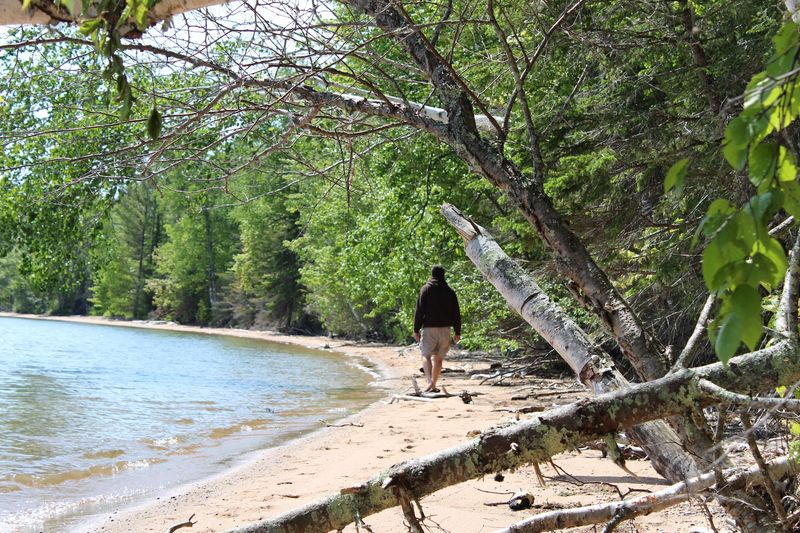
American history includes countless stories of Native lands lost through treaties, sales, and seizures. Frog Bay represents a rare reversal of that pattern.
The property originally belonged to the Red Cliff Reservation before passing into private hands decades ago. Through patient negotiation and careful planning, the tribe reacquired this shoreline and forest.
Reclaiming land carries emotional weight beyond property transactions. For the Red Cliff Band, bringing Frog Bay back under tribal stewardship meant healing a historical wound and reconnecting with ancestral territory.
The tribe chose to designate the reclaimed land as a park rather than developing it commercially. This decision prioritized conservation and public access over potential revenue, demonstrating a commitment to environmental values.
Visitors walking through Frog Bay today witness the results of that choice, experiencing a landscape restored to the people who understand it best.
The Park Protects One Of Wisconsin’s Rarest Boreal Forest Landscapes
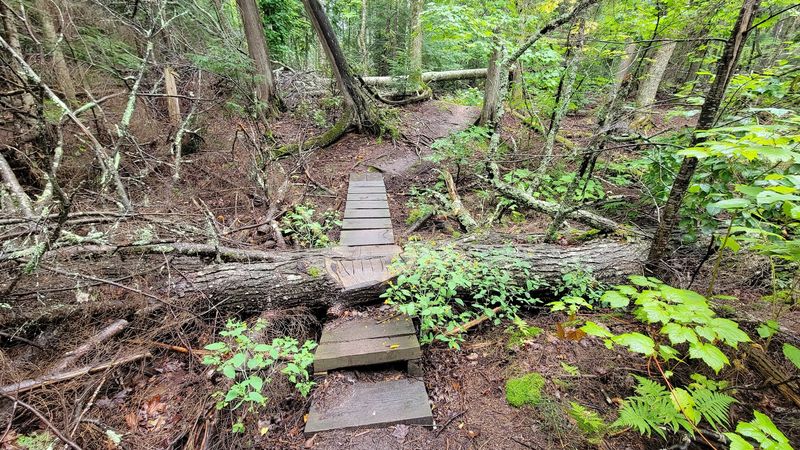
Wisconsin sits at the southern edge of the boreal forest biome, that vast band of coniferous woodland stretching across Canada. Frog Bay preserves a pocket of this northern ecosystem.
Boreal forests support species adapted to cold climates and short growing seasons. Spruce, fir, and cedar dominate here, creating a distinctly different atmosphere than the hardwood forests found farther south in Wisconsin.
The rarity makes protection critical. As climate patterns shift, these southern boreal remnants face increasing pressure.
Frog Bay provides refuge for plants and animals that might otherwise disappear from the region.
Walking through the forest, visitors notice the thick moss carpeting, the cool shade even on warm days, and the particular quiet that conifer forests hold. This landscape feels more like northern Ontario than typical Wisconsin woodlands, a biological outlier worth preserving for future generations to study and experience.
The Trail System Leads Visitors Through Forest Before Reaching Lake Superior
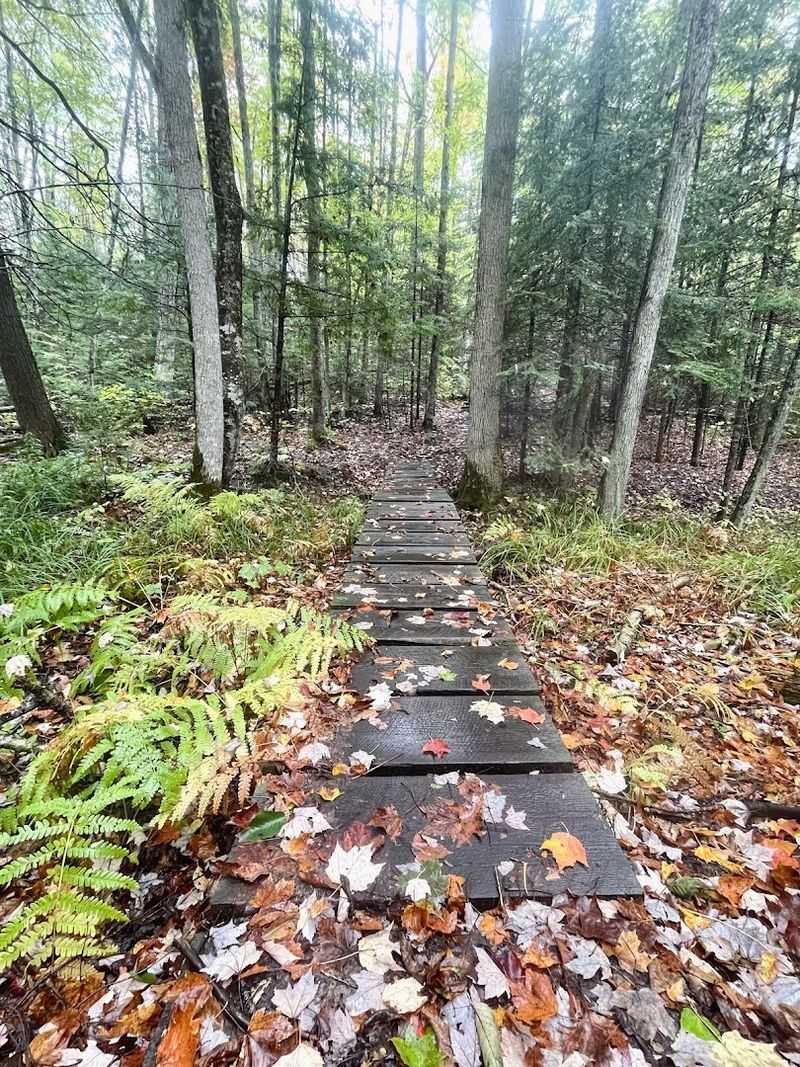
Three trails of varying difficulty wind through Frog Bay, each offering different perspectives on the landscape. The longest route covers about two miles and requires navigating roots, ravines, and elevation changes.
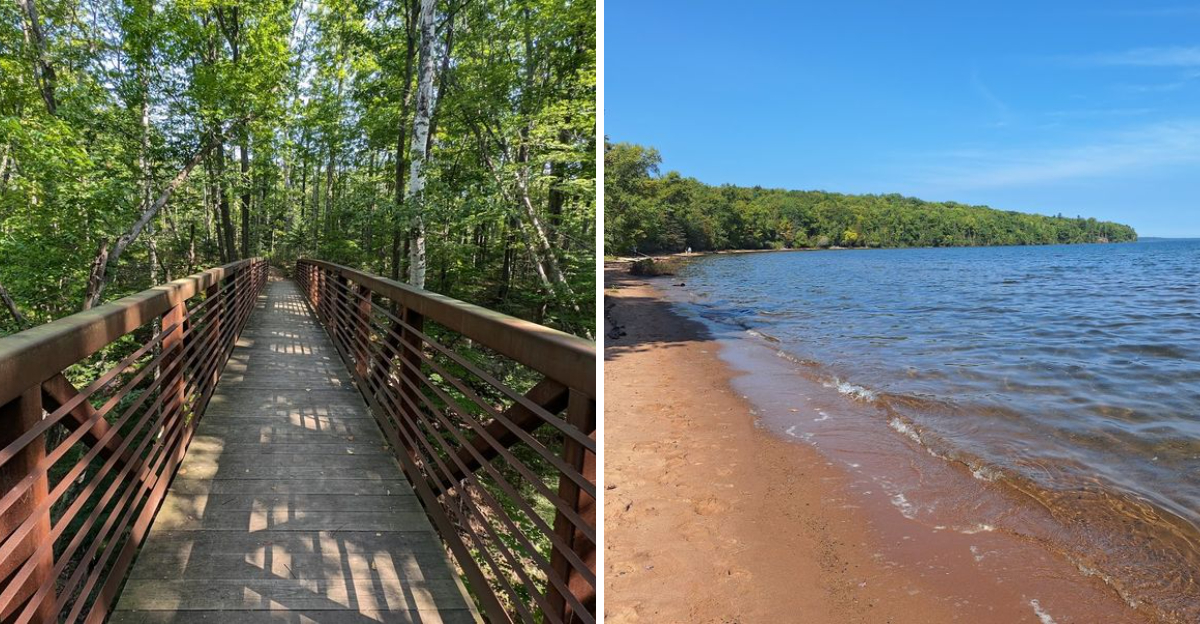
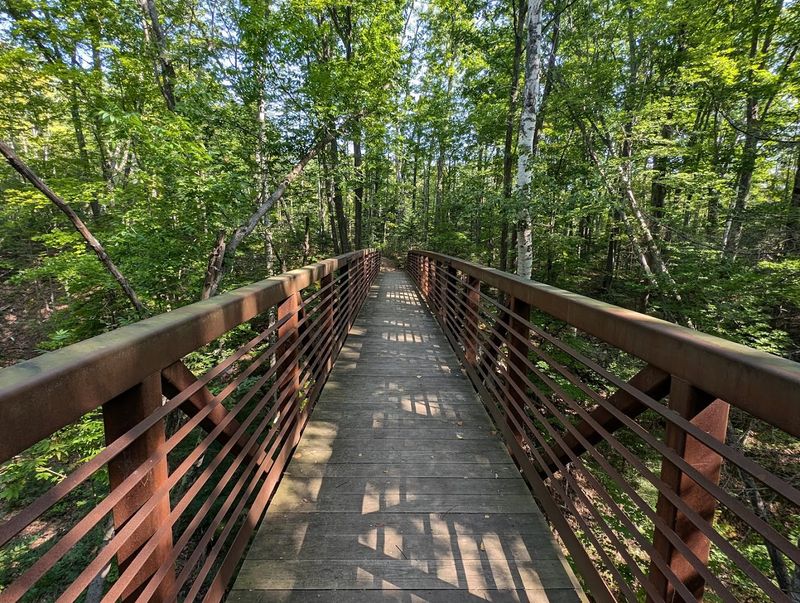
Hikers start in thick forest where the canopy blocks much of the sky. The path meanders naturally, following the contours of the land rather than imposing a straight route.
Wooden boardwalks cross wetter sections, protecting both hikers and sensitive wetland areas.
Educational signs appear periodically, identifying trees and explaining ecological relationships. The bilingual labels teach visitors Ojibwe words alongside English names, adding cultural depth to the nature walk.
The trails eventually converge as they approach Lake Superior. The forest gradually opens, light increases, and the sound of waves becomes audible.
This progression from dense woodland to open shore creates a sense of journey, making the beach arrival feel earned rather than immediate.
A Quiet Sandy Beach Waits At The End Of The Walk
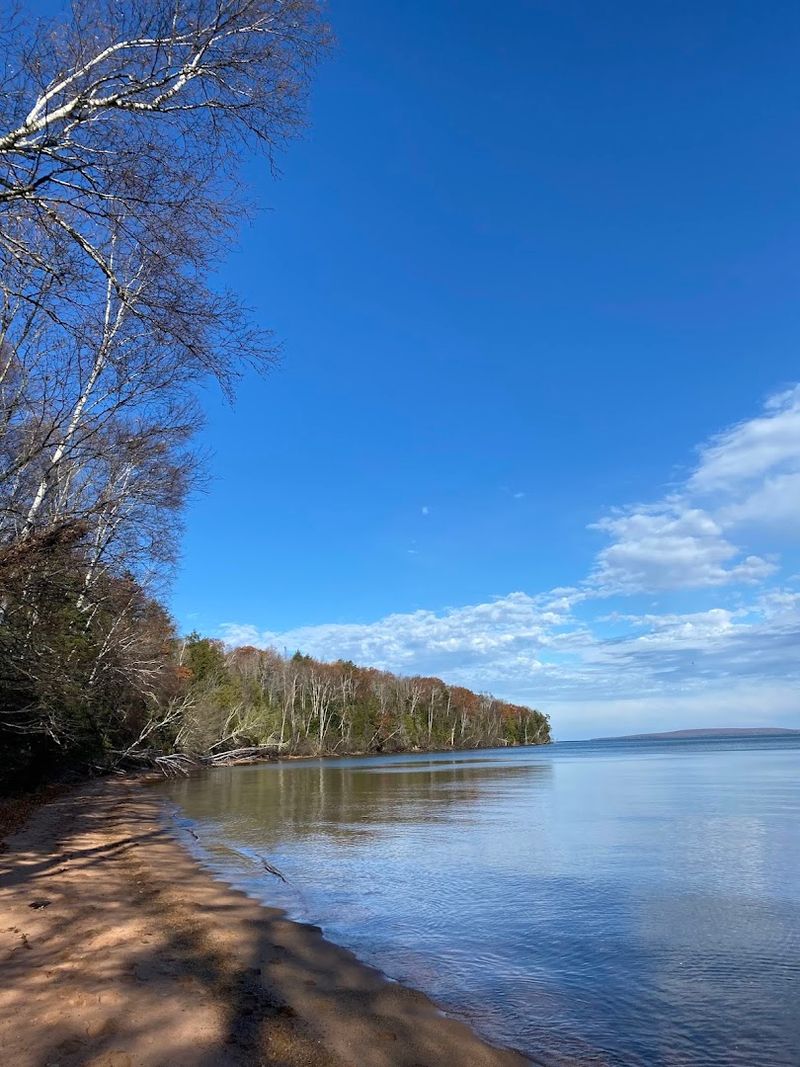
After hiking through forest, visitors emerge onto a small beach that feels genuinely secluded. Sand stretches along the shoreline, soft and light-colored, meeting the cold waters of Lake Superior.
The beach sees far fewer visitors than popular spots in Bayfield or the Apostle Islands. On many days, hikers find themselves completely alone with the waves.
This solitude feels increasingly rare along developed shorelines.
Lake Superior’s water remains bracingly cold even in summer, but the shallow areas near shore warm enough for wading. Driftwood scattered along the beach provides natural seating for those content to watch the water and rest after the hike.
The quiet here runs deep. Without road noise or commercial activity, the beach offers only natural sounds: waves, wind, occasional bird calls.
This peaceful atmosphere rewards the effort required to reach it, providing a contemplative space that feels protected from the busier world beyond the forest.
Visitors Can See Five Apostle Islands From The Shore
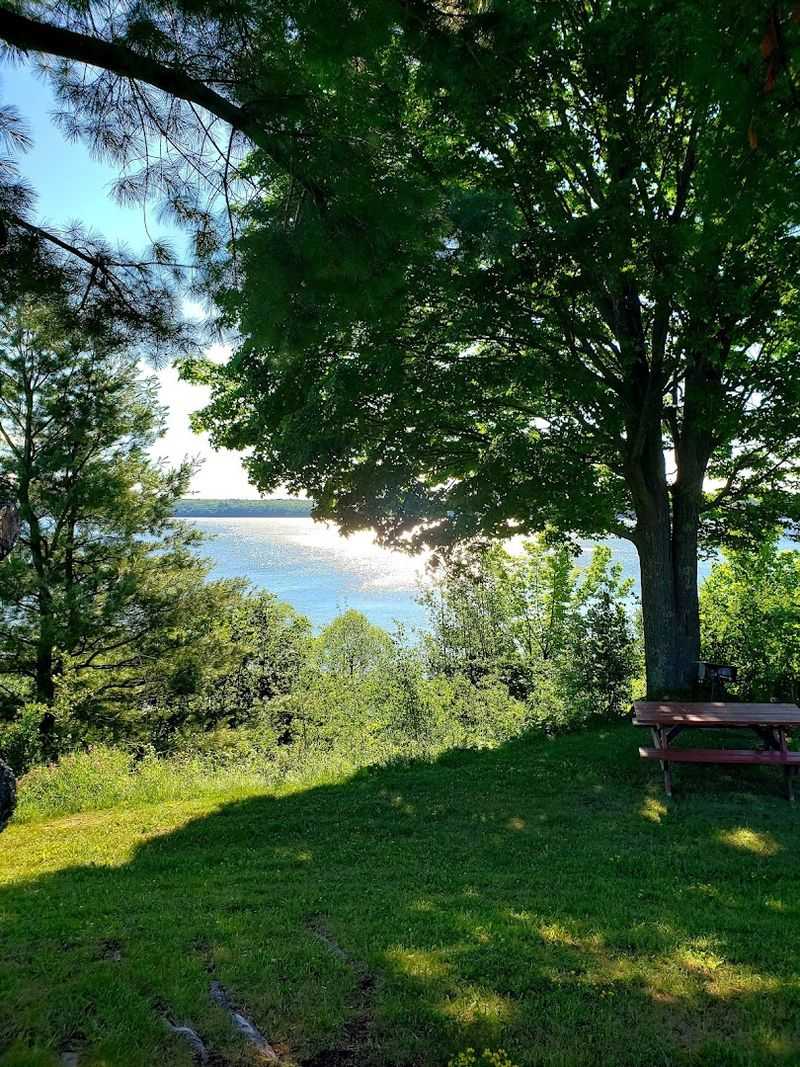
Standing on Frog Bay beach and looking north across Lake Superior, five of the Apostle Islands appear on the horizon. These forested islands create a layered view across the water.
The Apostle Islands National Lakeshore protects twenty-one islands and twelve miles of mainland shore. From Frog Bay, visitors see several of these islands without needing a boat, gaining perspective on the archipelago’s scale and distribution.
On clear days, the islands stand out distinctly against the sky. When fog rolls in, they fade to ghostly silhouettes.
Weather transforms the view constantly, making each visit different.
The connection between Frog Bay and the Apostle Islands runs deeper than visual. The Red Cliff Band has historical and cultural ties to several islands.
Viewing them from this tribal park adds layers of meaning, linking the protected shoreline to the broader landscape that Indigenous people have navigated and stewarded for generations.
Frog Bay Protects Nearly 4000 Feet Of Undeveloped Lake Superior Shoreline
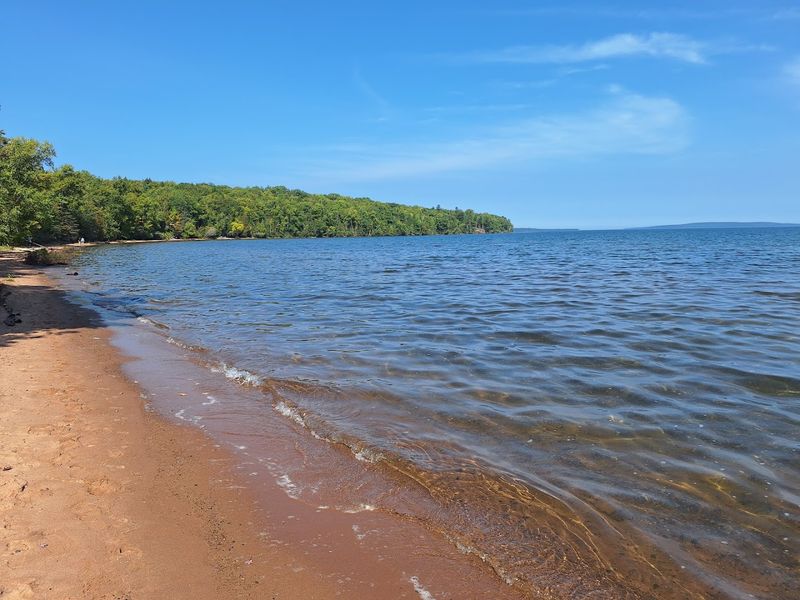
Lake Superior’s southern shore faces constant development pressure. Vacation homes, resorts, and marinas consume shoreline at a steady pace.
Frog Bay preserves nearly 4,000 feet of coast in its natural state.
Undeveloped shoreline provides critical habitat for fish, birds, and other wildlife. Natural beaches and forests filter runoff before it reaches the lake, maintaining water quality.
These ecological functions disappear when development replaces natural landscapes.
The protected shoreline also offers scientific value. Researchers can study natural processes here without the complications that development introduces.
This baseline data helps scientists understand how Lake Superior ecosystems function and respond to environmental changes.
For visitors, the undeveloped character creates a rare experience. Walking this shore feels like stepping back in time, seeing Lake Superior as it existed before modern settlement transformed most of the coast.
The Red Cliff Band’s decision to keep this shoreline wild benefits both the ecosystem and future generations of visitors.
The Larger Conservation Area Covers About 300 Acres
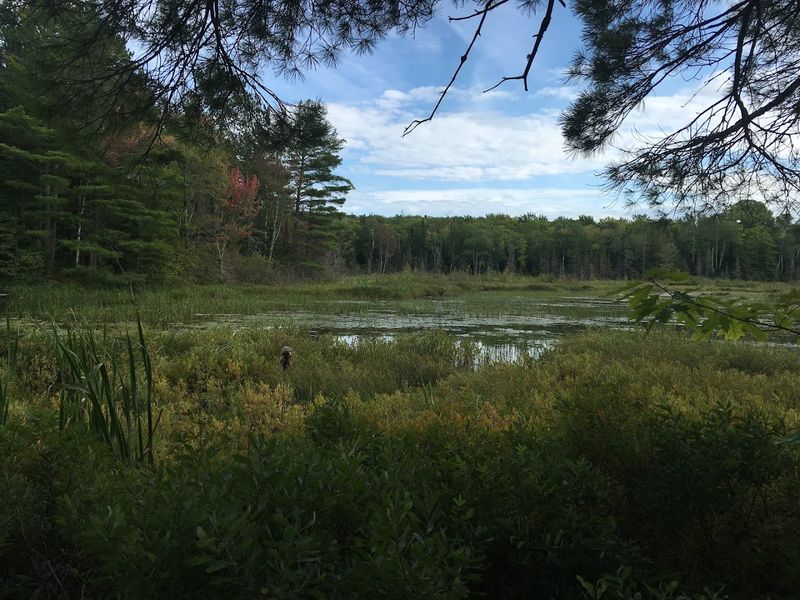
The visible park represents only part of the protected territory. The full Frog Bay conservation area encompasses approximately 300 acres of forest, wetland, and shoreline.
This larger protected zone provides space for wildlife to move, breed, and feed without human interference. Animals need more than narrow trail corridors; they require connected habitats where ecological processes can function naturally.
The 300 acres also protect the watershed feeding into Lake Superior. Forests filter rainwater and snowmelt, preventing erosion and pollution from reaching the lake.
This upstream protection benefits water quality across a much broader area.
Managing this much land requires ongoing effort and resources. The Red Cliff Band maintains trails, monitors ecological health, and controls invasive species across the entire conservation area.
Visitors see only the trails and beach, but the tribe’s stewardship extends throughout the property. This comprehensive approach to land management reflects traditional values about caring for entire landscapes rather than isolated parcels.