
The Secret California Seafood Market Where Fresh Catch Keeps Customers Coming Back
A seafood market serious enough to build a loyal following operates on a logic that has nothing to do with location or signage. This California spot proved that argument by filling its customer base before most people in the surrounding area knew it existed.
The fish arriving here does not sit long enough to lose anything worth keeping. Turnover this fast is not a coincidence but a standard the market set for itself and has never walked back.
Regulars time their visits around the delivery schedule with the kind of precision usually reserved for more consequential appointments. Showing up at the right moment produces something that justifies the planning entirely.
Fresh catch at this quality level converts casual shoppers into weekly fixtures without requiring any persuasion beyond the first purchase.
California has no shortage of seafood options, and this market still managed to make itself irreplaceable among the people who found it.
Daily Catch Variety And Quality
Fresh seafood hits different when it comes straight off a working dock. At the Saturday Morning Fish Market, variety is the whole point.
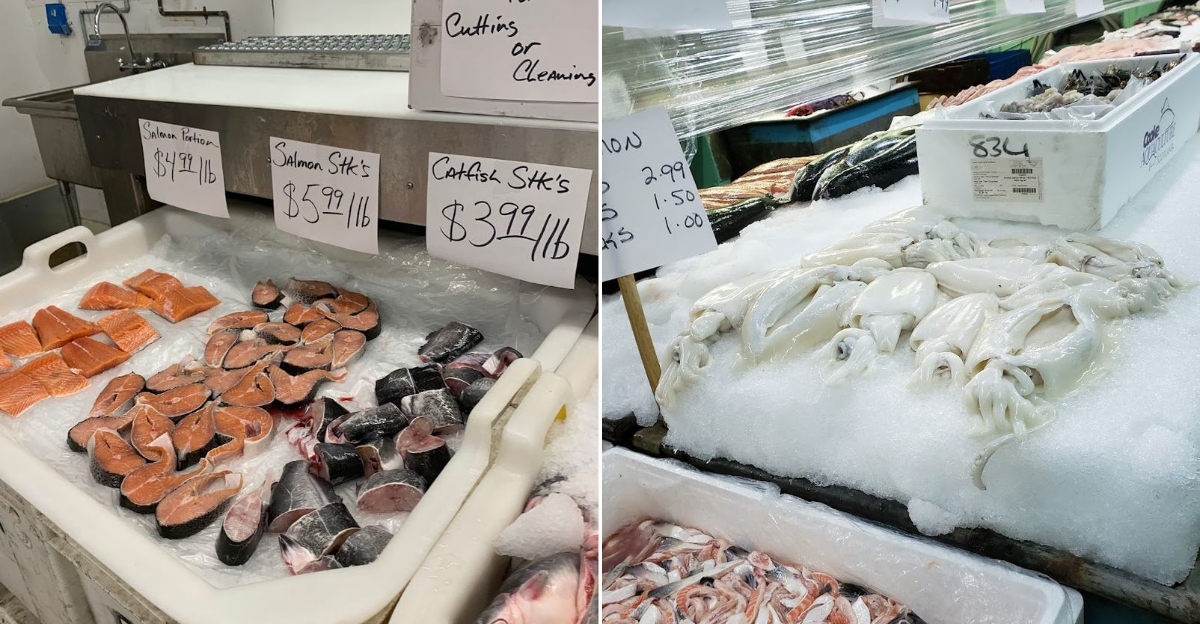
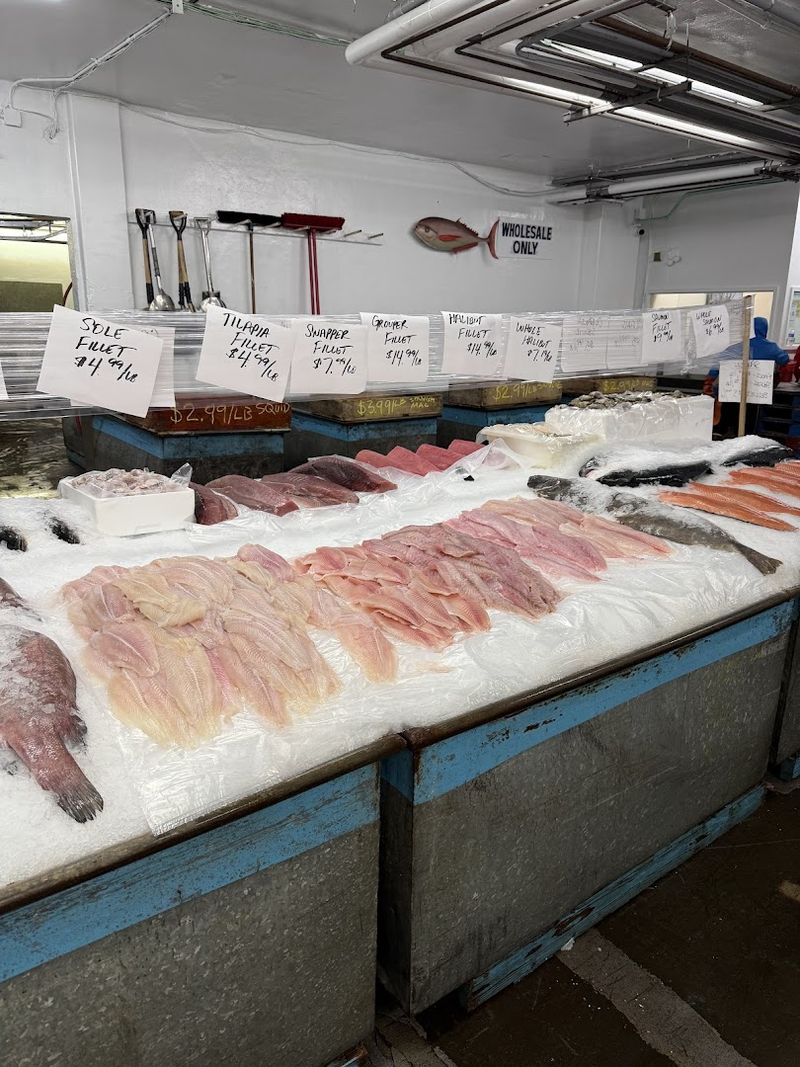
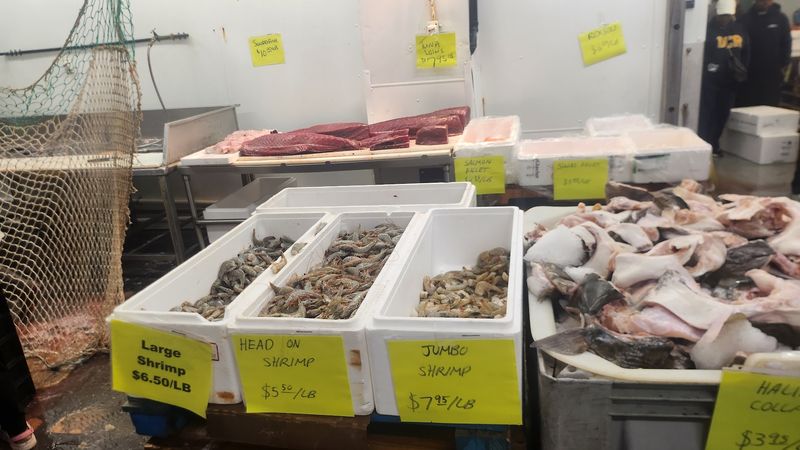
You will find tuna, salmon, halibut, snapper, albacore, sardines, mackerel, shrimp, squid, scallops, clams, oysters, lobster, and even baby octopi.
The market operates along a block-long loading dock on Signal Place near 22nd Street. Wholesale fish companies open their bays to the public every Saturday.
You are buying at the source, not from a middleman.
Multiple vendor bays line the dock, so you can walk around and compare what each one has. The middle bay tends to carry the widest selection.
Prices are lower than most retail markets, which makes the early wake-up call completely worth it.
Bring cash because no cards are accepted here. Bring an ice chest too, because you will almost certainly buy more than planned.
Free crushed ice is usually available on-site.
The floors and dock area can get wet, so wear boots or waterproof shoes. Photography inside the fish warehouses is discouraged out of respect for the vendors.
The market runs from roughly 2 AM to 6 AM, and the best selection goes fast.
Find it at 2200 Signal Pl, San Pedro, CA 90731. Arriving by 1:30 AM gives you a real advantage over the crowd.
Sustainable Fishing Practices Explained
Wholesale fish markets like this one sit right at the front end of the supply chain. That short path from boat to buyer matters more than most people realize.
Fewer stops mean less time in transit and less environmental cost from packaging and transport.
The vendors at the Saturday Morning Fish Market source directly from commercial fishing operations. Local Southern California waters produce many of the species sold here.
Albacore, sardines, mackerel, and squid are all commonly caught nearby.
Buying locally caught fish supports California fishing fleets that follow state and federal regulations. Those rules exist to protect fish populations and keep ocean ecosystems balanced.
When you buy here, you are participating in a shorter, more accountable food system.
Seasonal availability also plays a role in how sustainable this market feels. Not every fish is available every week.
That rotation reflects what is actually running in local waters rather than what was shipped from overseas.
Wild-caught fish from regulated fisheries tend to have a lower environmental footprint than many farmed alternatives. The market gives buyers direct access to those catches.
You know what you are getting and roughly where it came from.
Supporting markets like this one keeps local fishing communities viable. It also reduces reliance on imported seafood, which often travels thousands of miles before reaching a store shelf. That is a win on multiple levels.
Seasonal And Shellfish Highlights
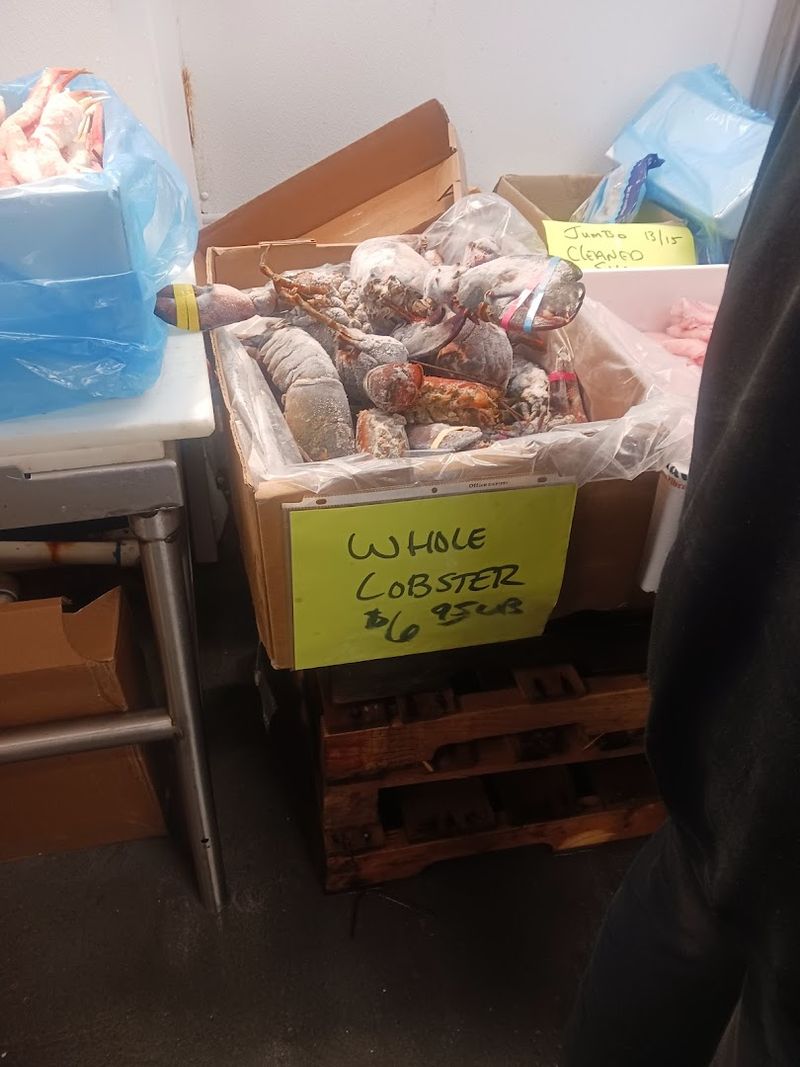
Shellfish is where this market really shines. Live crab, lobster, clams, oysters, scallops, and mussels show up regularly on the dock.
The selection shifts depending on what is in season, which keeps things interesting every visit.
California spiny lobster is a local favorite and appears here when the season is running. It has a sweeter, firmer meat than Maine lobster.
If you have never tried it, this market is a great place to start.
Dungeness crab also makes appearances during its season, which typically runs from late fall through winter. It is one of the most popular shellfish on the West Coast for good reason.
The flavor is rich without being overpowering.
Oysters and clams are great raw bar options if you have the tools at home to shuck them. Both are also excellent grilled or steamed.
Buying them fresh here makes a noticeable difference in flavor compared to pre-packaged options.
Scallops and mussels round out the shellfish lineup. Green mussels are a crowd favorite and cook up beautifully with garlic and broth.
They are also among the more affordable items at the market.
Squid is another highlight worth mentioning. California market squid is harvested locally and sold here fresh.
It is perfect for calamari, stir-fry, or grilling whole. Seasonal variety keeps regulars coming back to see what is new each week.
Tips For Selecting Fresh Seafood
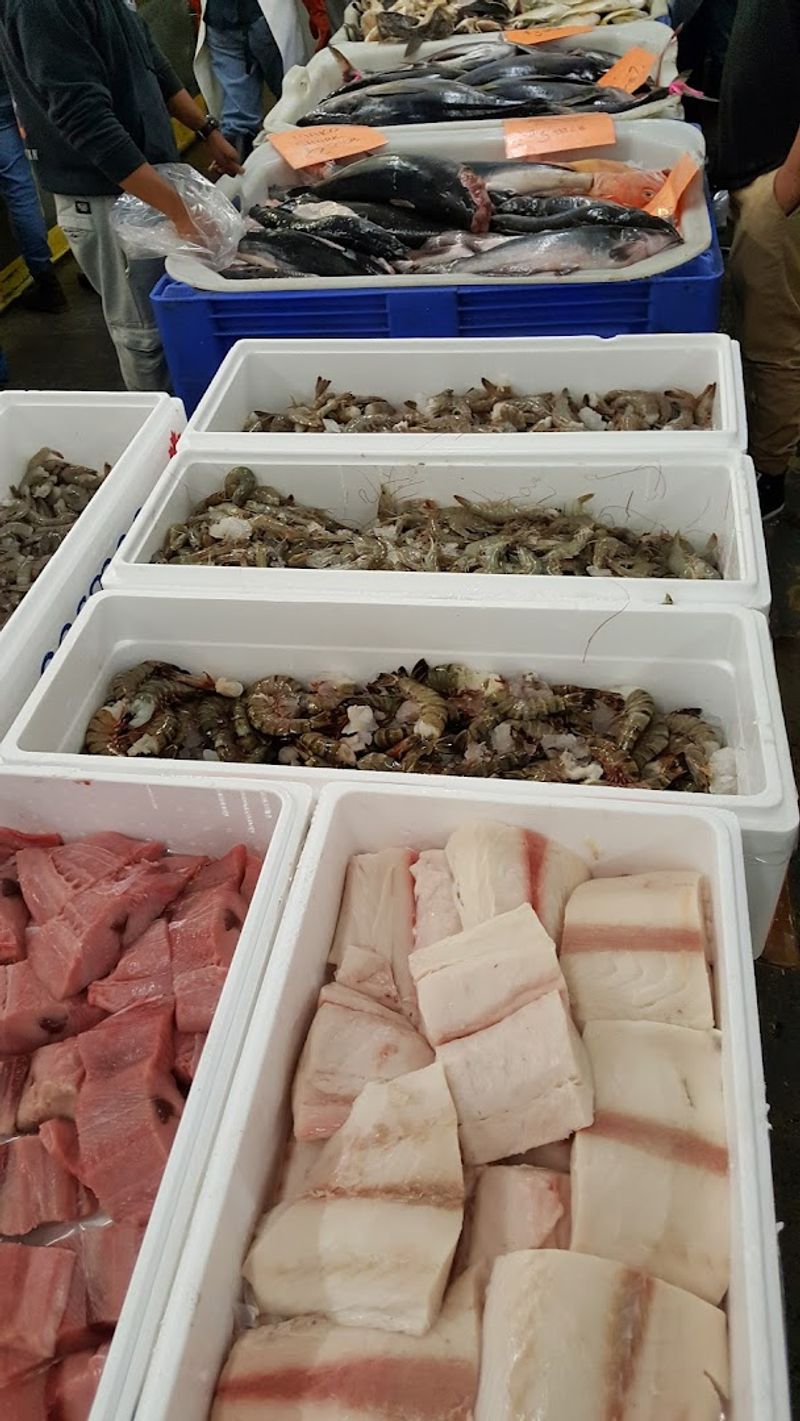
Knowing how to pick good fish saves you from a disappointing dinner. The eyes are your first clue.
Fresh fish have clear, bright, slightly bulging eyes. Cloudy or sunken eyes mean the fish has been sitting too long.
Gills should be bright red or pink, not brown or gray. Take a look if the fish is whole and the gills are visible.
That color tells you a lot about how recently it was caught.
Smell matters more than most people think. Fresh fish should smell like the ocean, clean and mild.
A strong, sour, or ammonia-like smell is a red flag, no matter how good the price looks.
The flesh should feel firm when pressed. It should spring back rather than leave a dent.
Soft or mushy texture usually means the fish has been stored too long or thawed and refrozen.
For shellfish like shrimp, look for intact shells that have a translucent appearance. Avoid any that look discolored or have black spots along the edges.
Fresh shrimp should have almost no smell at all.
At the Saturday Morning Fish Market, arriving early gives you the best shot at premium picks. The top-quality items move fast, especially whole fish and large shrimp.
Bringing a small flashlight can also help you inspect items better in the pre-dawn dock lighting.
Health Benefits Of Eating Fresh Seafood
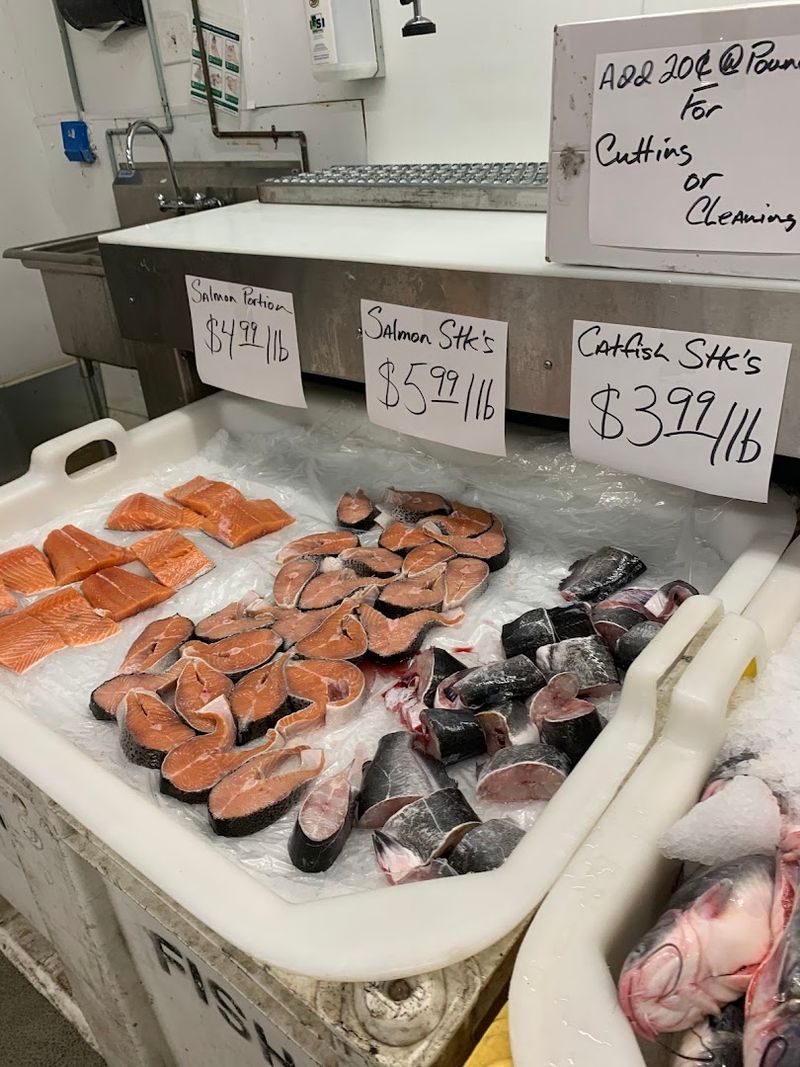
Fresh seafood is one of the most nutrient-dense foods you can eat. Fish like salmon, tuna, and halibut are loaded with omega-3 fatty acids.
Those healthy fats support heart health, brain function, and reduced inflammation.
Protein is another major benefit. A single serving of fish can deliver 20 to 25 grams of high-quality protein.
That protein helps build and repair muscle, keeps you full longer, and supports healthy metabolism.
Shellfish bring their own set of nutritional perks. Oysters are one of the highest natural sources of zinc, which supports immune function.
Shrimp and crab are low in calories but high in protein and several key minerals.
Eating fish regularly has been linked to lower rates of heart disease. The American Heart Association recommends eating fish at least twice a week.
Getting fresh catch from a market like this one makes hitting that goal much easier.
Fresh seafood also tends to have fewer additives than processed or pre-packaged options. No extra sodium, no preservatives, no mystery ingredients.
You get the actual food without all the extras.
Kids benefit too. Omega-3s support brain development in children and adolescents.
Introducing fresh fish early builds healthy eating habits that stick. A Saturday morning trip to the market can actually double as a fun and educational outing for the whole family.
Culinary Uses For Different Types
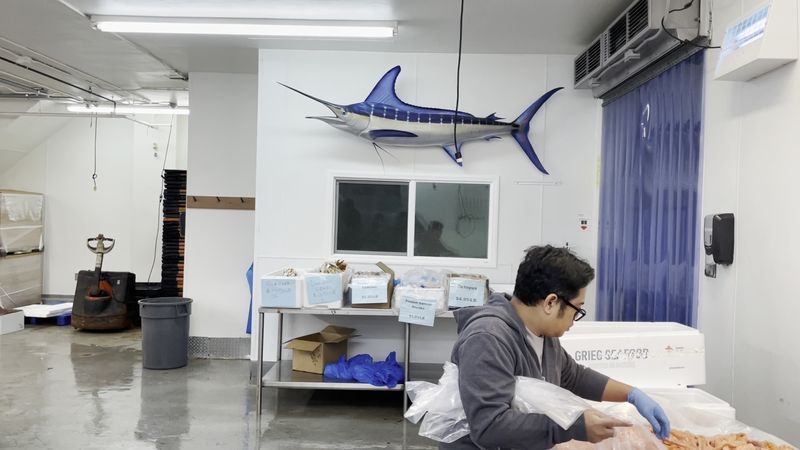
Different fish call for different cooking approaches, and knowing that makes a huge difference. Halibut is firm and mild, which makes it great for baking, pan-searing, or grilling.
It holds its shape well and pairs nicely with citrus or herb butter.
Salmon is one of the most forgiving fish to cook at home. You can roast it, pan-fry it, or even cook it in foil on the grill.
The fat content keeps it moist even if you slightly overcook it.
Tuna steaks are best treated like a steak. Sear them hot and fast in a cast-iron pan.
Medium-rare in the center gives you the best texture and flavor without drying it out.
Snapper and sea bass are excellent for whole fish preparations. Roasting a whole fish with garlic, herbs, and olive oil is simple and impressive.
The bones actually help keep the meat moist during cooking.
Squid is incredibly versatile. Slice it into rings for calamari, stuff it whole for a baked dish, or grill it quickly over high heat.
Overcooked squid gets rubbery, so keep the cook time short.
Shrimp is probably the easiest protein to work with in the kitchen. It cooks in minutes and works in pasta, tacos, stir-fry, or on skewers.
Buying it fresh from the market and cooking it the same day is a game-changer for flavor.
How To Store Seafood For Maximum Freshness
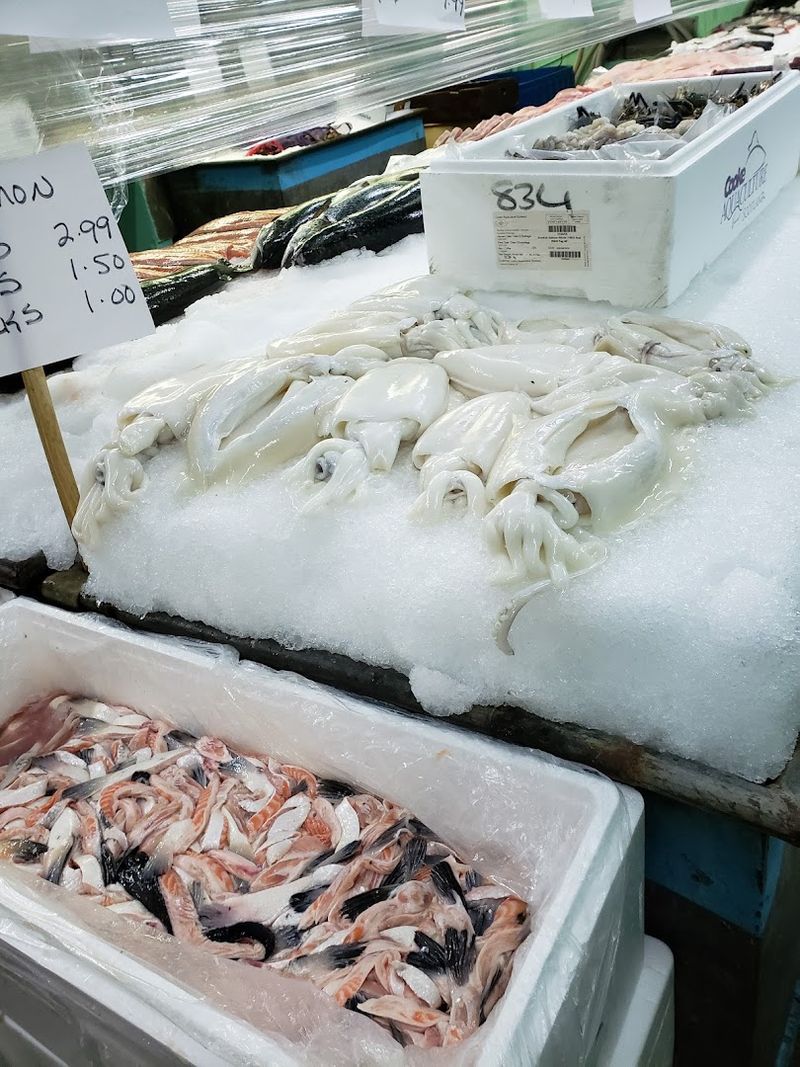
Getting your seafood home in good shape starts at the market. Bring a well-insulated ice chest and load it up before you leave.
The Saturday Morning Fish Market typically provides free crushed ice, so use it generously.
Once home, keep fish in the coldest part of your refrigerator. The ideal temperature is between 32 and 38 degrees Fahrenheit.
Placing fish on a bed of ice inside a container in the fridge extends freshness by a day or two.
Whole fish and fillets should ideally be cooked within one to two days of purchase. The fresher the fish when you buy it, the longer that window.
Buying early at the market gives you the freshest starting point possible.
For shellfish like clams and oysters, keep them alive until you cook them. Store them in a bowl covered with a damp cloth in the fridge.
Never seal them in an airtight bag because they need to breathe.
Shrimp and squid freeze well if you are not cooking them right away. Rinse, pat dry, and seal them in a freezer bag with as much air removed as possible.
Properly frozen shrimp can last up to three months without major quality loss.
Label everything with the date before it goes in the freezer. It sounds simple, but it is easy to forget what has been in there.
Good storage habits mean less waste and better meals every time.
Local Community Impact And Support
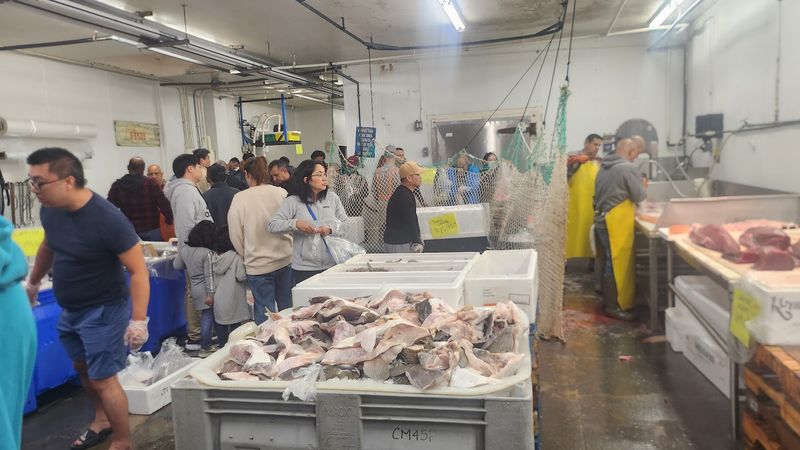
The Saturday Morning Fish Market is more than a place to buy fish. It is a San Pedro institution that connects the working waterfront to the people who live nearby.
Fishing families, small restaurant owners, and regular households all show up on the same dock.
San Pedro has a deep commercial fishing history tied to the Port of Los Angeles. Markets like this one keep that tradition alive and visible.
Without public access like this, most people would never see how local seafood actually gets to their table.
Small restaurant owners from across Southern California come here to source fresh products at fair prices. Buying direct from wholesalers keeps their food costs lower.
Those savings often get passed on to diners at neighborhood spots throughout the region.
The market also serves as an informal community gathering point. Regulars recognize each other in line and swap cooking tips.
There is a social energy here that no grocery store seafood counter can replicate.
Families bring their kids to show them where real food comes from. Watching whole fish get processed and packed is a hands-on lesson in food literacy.
It is the kind of experience that sticks with you for years.
Supporting this market keeps local fishing operations economically viable. Every purchase made here flows back into the fishing community of San Pedro.
That is a meaningful ripple effect from one early Saturday morning trip.