
Wisconsin Has A Stunning State Park Most People Drive Right Past
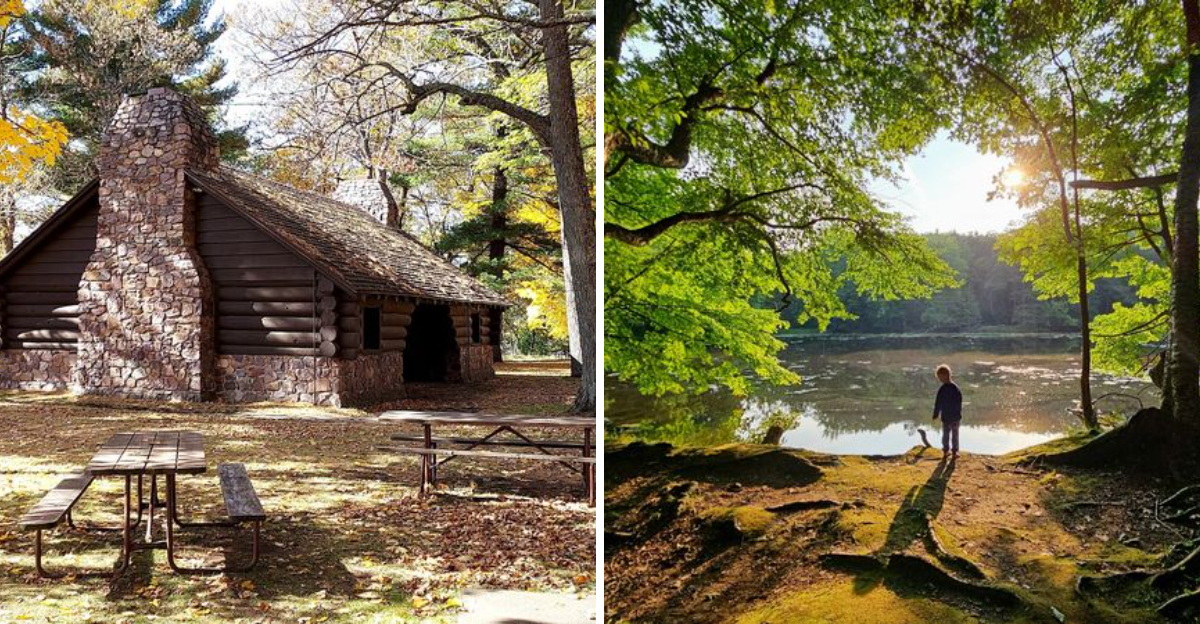
Highway 64 has a funny way of making this corner of Wisconsin look ordinary, at least until you turn off and the road starts giving up its secrets. Behind the trees waits a 1,300-acre island park where two rivers shake hands and completely change the mood.
The Fisher and Chippewa create skinny channels, quiet lagoons, and backwaters that make the whole place feel built for slow paddles and nosy wandering. You can walk under leafy cover, launch a canoe, claim a campsite near the water, or just watch the river do its thing.
Plenty of people keep driving. That is their mistake. Take the turn. The water, trails, and quiet are waiting just past the trees, where drivers miss it.
The Park Sits Where Two Wisconsin Rivers Meet
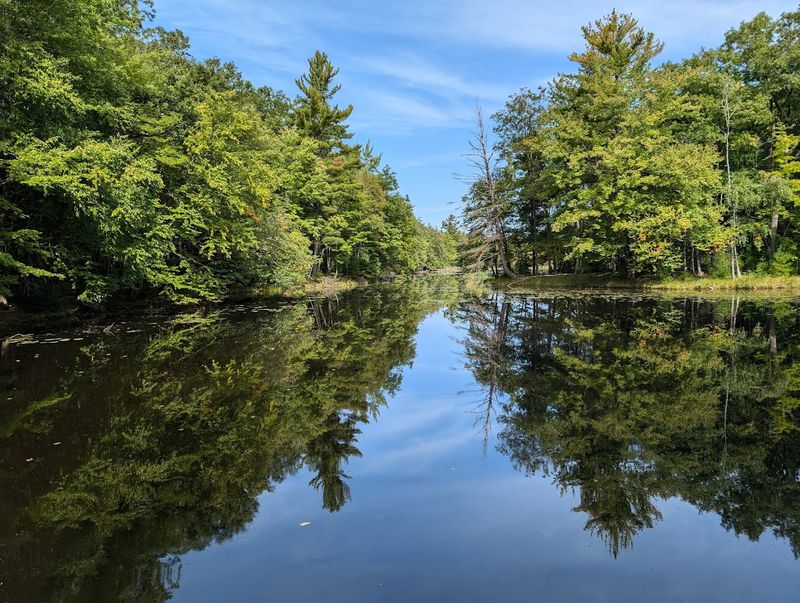
The Fisher River flows into the Chippewa River at the heart of Brunet Island State Park, creating a natural junction that defines the entire landscape. These two waterways carve out channels and lagoons around the island, giving the park its distinctive shape.
The convergence happens quietly, without dramatic rapids or waterfalls, but the result is a network of calm waters that paddlers and anglers appreciate.
Standing near the confluence, you can watch the current shift as the rivers combine. The water stays gentle enough for beginners but offers enough movement to keep things interesting.
This meeting point also attracts wildlife, from herons fishing along the banks to turtles sunning on fallen logs.
The park’s location at 23125 255th St in Cornell puts it within easy reach of Highway 64, yet the rivers create a buffer that makes the island feel isolated. That combination of accessibility and seclusion is rare in Wisconsin state parks.
A Whole Island Gives This State Park Its Quiet Charm
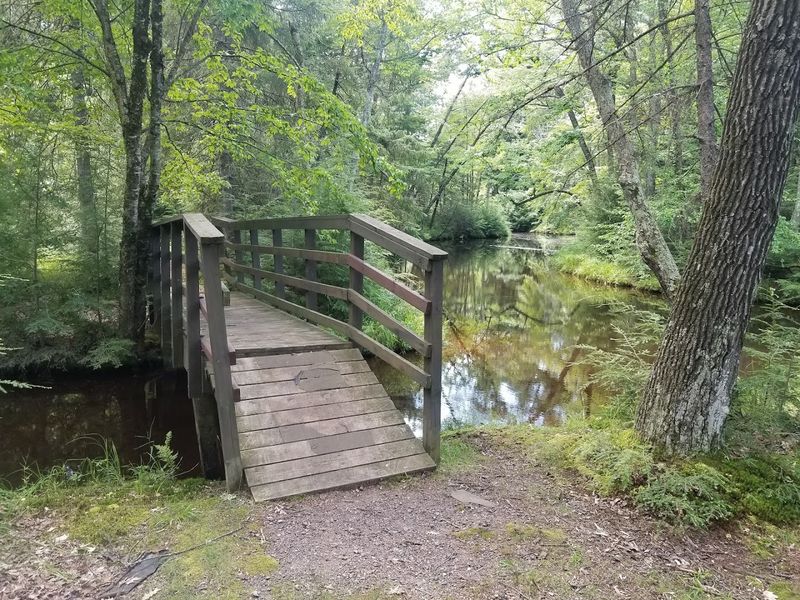
Brunet Island State Park occupies an entire island, and that geography creates a sense of separation from the mainland. The moment you cross the bridge onto the island, the atmosphere shifts.
Roads curve through thick woods, and the sound of water is never far away. The island layout keeps crowds dispersed across different areas, so even on busy weekends, pockets of quiet remain.
The island itself is roughly 187 acres, surrounded by water on all sides. This natural boundary limits access points and keeps the park feeling contained.
Trails loop through the interior, while the shoreline offers dozens of spots to sit and watch the water.
The isolation also affects the wildlife. Deer move freely across the island, and chipmunks are bold enough to approach campsites.
Birds use the island as a stopover during migration, making spring and fall particularly active seasons for birdwatching.
The Lagoons And Channels Make It Feel Like A Paddler’s Secret
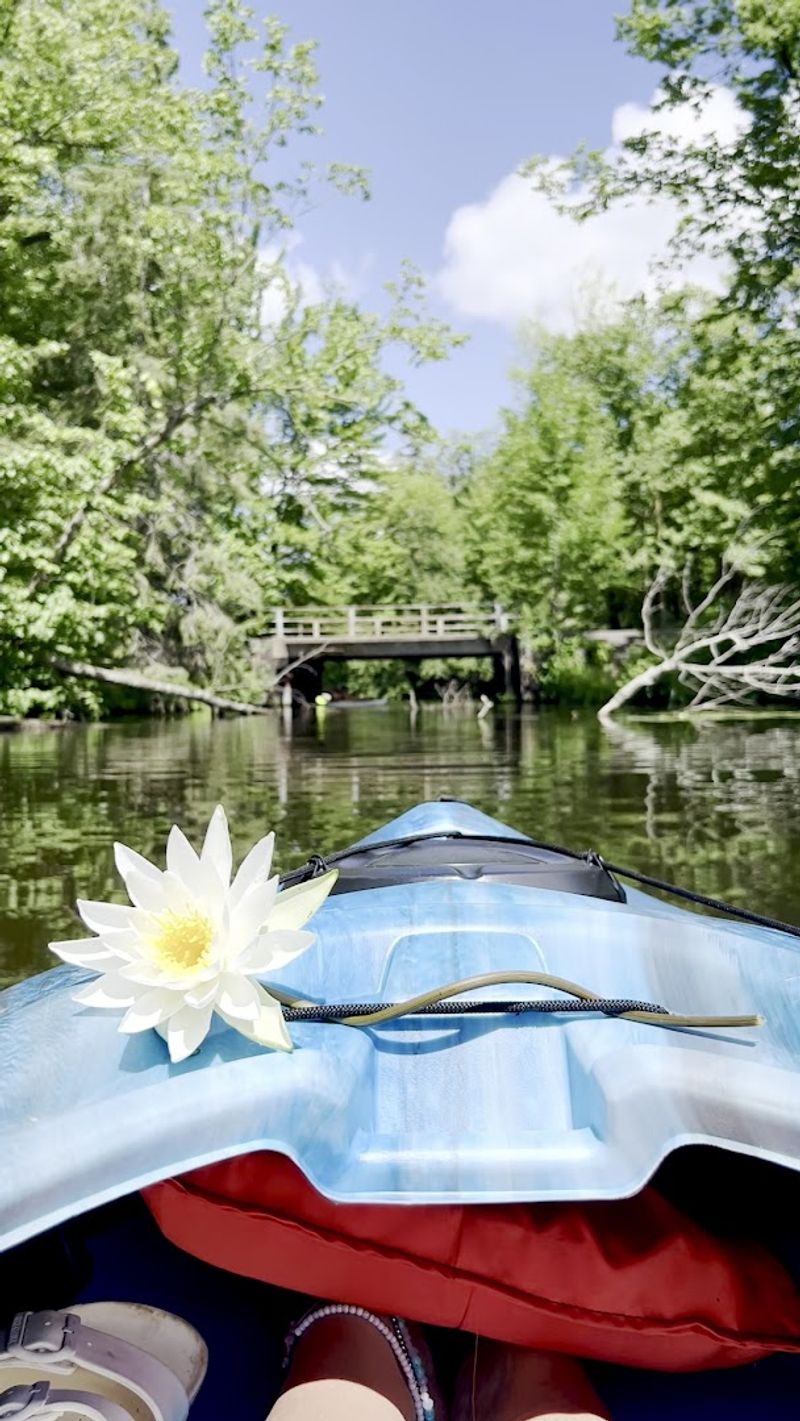
The water around Brunet Island is not just open river. Lagoons and narrow channels branch off from the main flow, creating hidden corners that feel like private discoveries.
These backwaters stay calm even when the main river picks up speed, making them ideal for paddlers who want to explore without fighting current. Some channels are wide enough for two kayaks to pass comfortably, while others require single-file navigation.
The lagoons hold different ecosystems than the main river. Lily pads float in clusters, and aquatic plants grow thick near the edges.
Fish hide in these shallows, and herons hunt along the margins. Paddling into these areas feels like entering a separate world, quiet and slow.
The park does not advertise these spots heavily, so many visitors stick to the main waterways. That leaves the lagoons open for those willing to explore beyond the obvious routes.
Canoes And Kayaks Are The Best Way To See Its Calmer Side
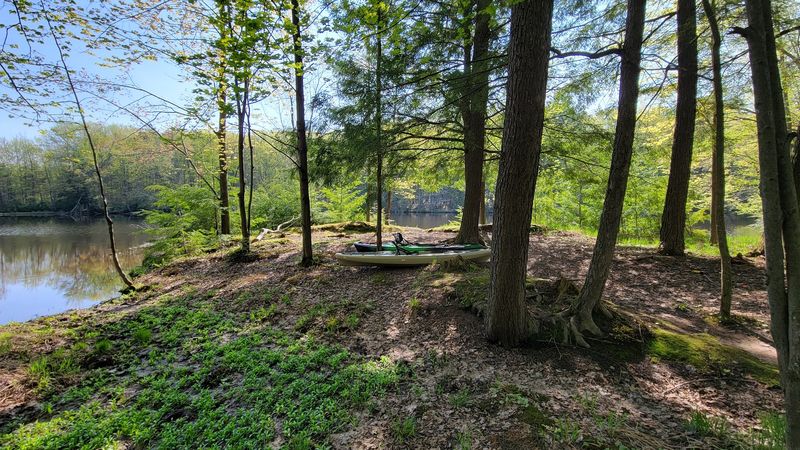
Motorboats are allowed in some areas of Brunet Island State Park, but the real experience happens from a canoe or kayak. The shallow channels and lagoons are too narrow for larger boats, so paddlers get exclusive access to the quietest parts of the park.
Rentals are available through the Friends of Brunet Island group, which operates out of the park office during peak season.
Paddling here does not require advanced skills. The current stays gentle in most areas, and the layout offers plenty of spots to pull over and rest.
Beginners can stick to the lagoons, while more experienced paddlers can explore the river sections. Either way, the water stays calm enough that you can focus on the scenery instead of fighting the current.
Bringing your own kayak gives you more flexibility to explore at your own pace. Launch points are easy to find, and many campsites sit close enough to the water that you can launch directly from your site.
The Landscape Was Shaped By The Last Ice Age
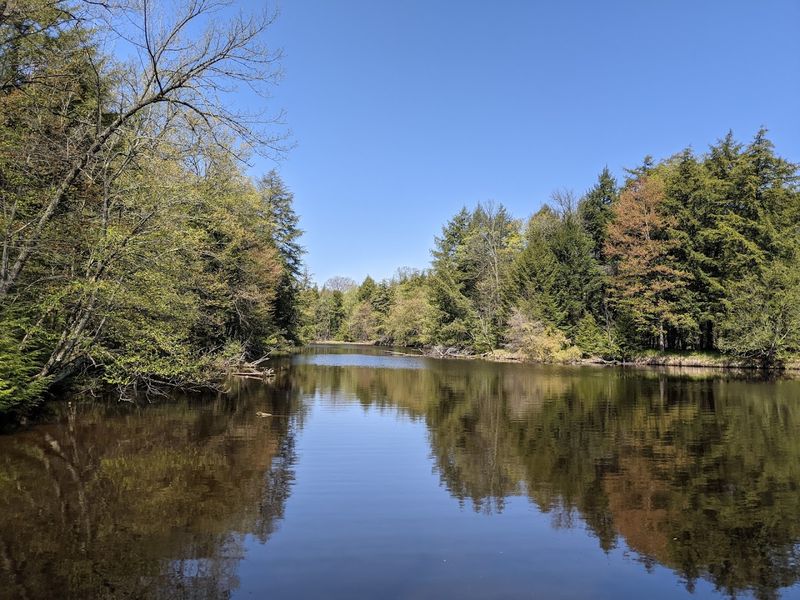
The terrain at Brunet Island State Park carries the fingerprints of the last glacial period, which ended roughly 10,000 years ago. The glaciers that covered this part of Wisconsin carved out the river valleys and deposited the sandy soil that now supports the park’s forests.
The relatively flat topography reflects the way ice smoothed the land as it advanced and retreated.
The rivers themselves follow paths shaped by glacial meltwater. As the ice receded, massive volumes of water flowed south, cutting channels that eventually became the Fisher and Chippewa Rivers.
The island formed where these channels converged, creating a high point surrounded by water.
The vegetation reflects this glacial history as well. The park holds a mix of deciduous and coniferous trees, a combination typical of Wisconsin’s transition zone between northern and southern forest types.
The sandy soil drains quickly, which favors certain plant species over others.
The Old Abe State Trail Starts Right From The Park
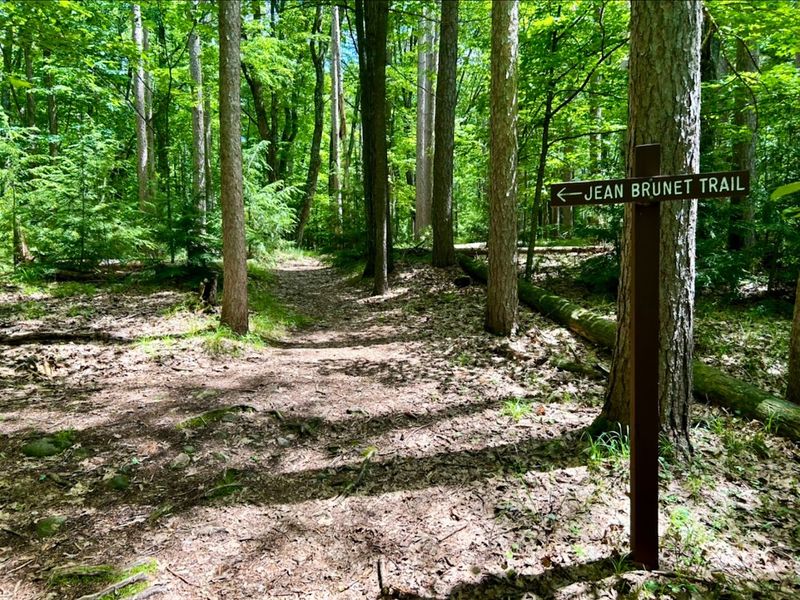
The Old Abe State Trail runs for 20 miles between Cornell and the town of Brunet, and one of its access points sits right at Brunet Island State Park. This paved trail follows an old railroad corridor, which means the grade stays flat and easy to ride.
Cyclists use it for long-distance rides, while walkers appreciate the smooth surface and the shade from overhanging trees.
The trail connects the park to Cornell, making it possible to bike into town for supplies or a meal. The distance is short enough that families with younger kids can manage the round trip without much trouble.
The trail also passes through farmland and small woodlots, offering a different perspective on the region than the park itself provides.
During winter, the trail gets used for cross-country skiing and snowshoeing. The flat terrain and maintained surface make it accessible for beginners, and the scenery stays interesting even when the trees are bare.
The Campgrounds Give Visitors Two Very Different Ways To Stay
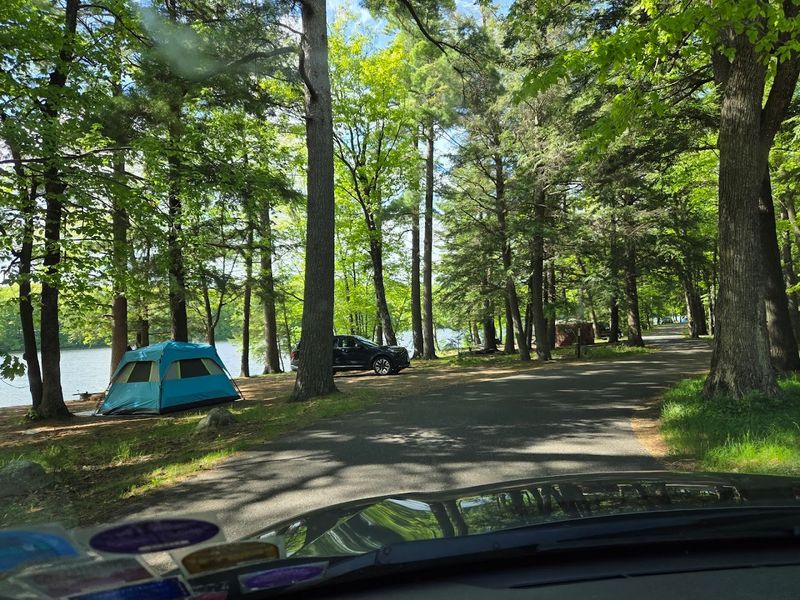
Brunet Island State Park divides its camping into two distinct loops, and each offers a different experience. The south loop provides electrical hookups, paved roads, and nearby shower facilities, making it the choice for RV campers and those who want modern conveniences.
Sites here are well-maintained and easy to access, with level parking pads and mowed grass.
The north loop takes a different approach. No electricity, no showers, just pit toilets and water spigots scattered throughout.
Sites here sit closer to the water, and many offer direct access for launching kayaks or fishing from shore. The lack of amenities keeps this loop quieter, attracting tent campers and those who prefer a more rustic setup.
Both loops book up quickly during summer weekends, so advance reservations are necessary. The park operates from 6 AM to 11 PM daily, and quiet hours are enforced to maintain the peaceful atmosphere that draws people here.
Many Campsites Put You Close To The Water
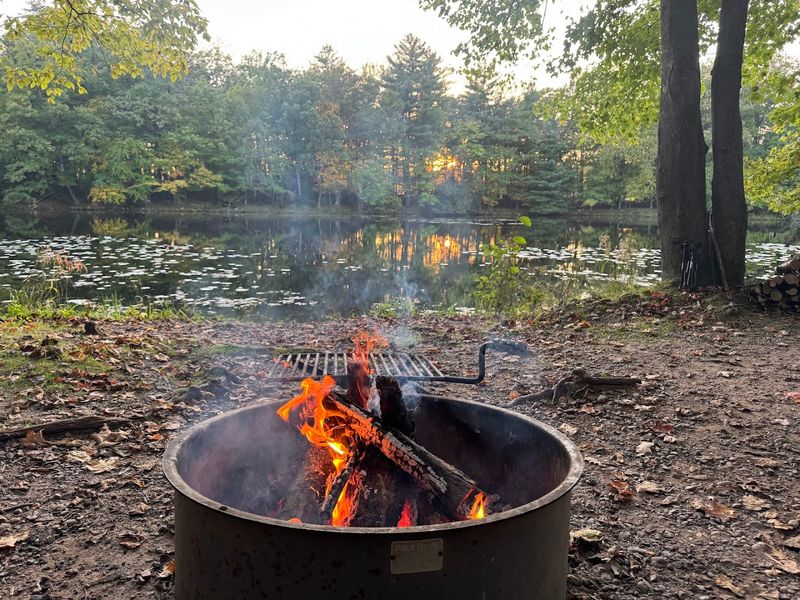
One of the defining features of Brunet Island State Park is how many campsites offer direct water access. In the north loop especially, sites line the shore, giving campers the ability to fish, swim, or paddle without leaving their spot.
Some sites sit on narrow peninsulas, with water on three sides, creating a sense of being surrounded by the river.
The proximity to water changes the camping experience. Mornings start with mist rising off the surface, and evenings bring the sound of fish jumping.
Herons and kingfishers hunt along the banks, and turtles bask on logs just offshore. The water also cools the air on hot days, making these sites more comfortable than those inland.
Sites vary in size and privacy, so it pays to check the campground map before booking. Some spots offer thick vegetation between neighbors, while others are more open.
Either way, the water remains the main attraction.
The Park Has A History That Goes Back To The 1930s
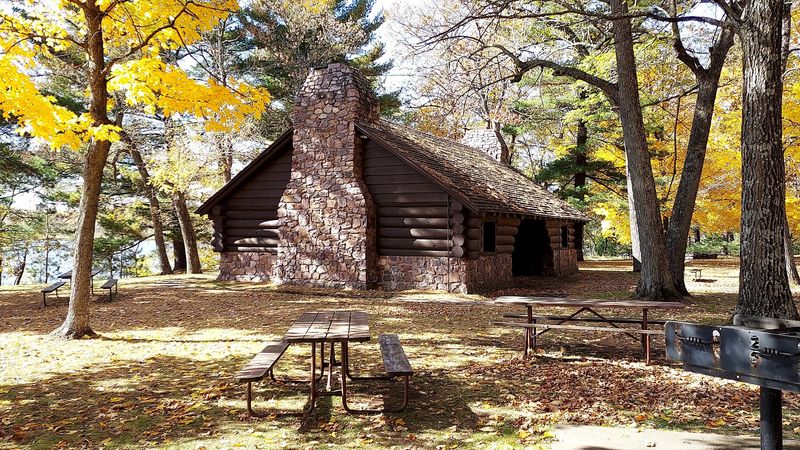
Brunet Island State Park was developed during the 1930s by the Civilian Conservation Corps, a New Deal program that put unemployed men to work on public projects across the country. The CCC built roads, cleared trails, and constructed the basic infrastructure that still serves the park today.
Some of the stone and timber work from that era remains visible, particularly in the older buildings and bridges.
The park was named after Jean Brunet, a French-Canadian fur trader who operated in the region during the early 1800s. Brunet established a trading post near the confluence of the Fisher and Chippewa Rivers, recognizing the strategic importance of the location.
His presence in the area predates the state park by more than a century.
The park officially opened in 1941, making it one of Wisconsin’s older state parks. Over the decades, facilities have been updated and expanded, but the core layout remains true to the original CCC design.
It Feels Peaceful Because The Water Breaks The Park Into Little Worlds
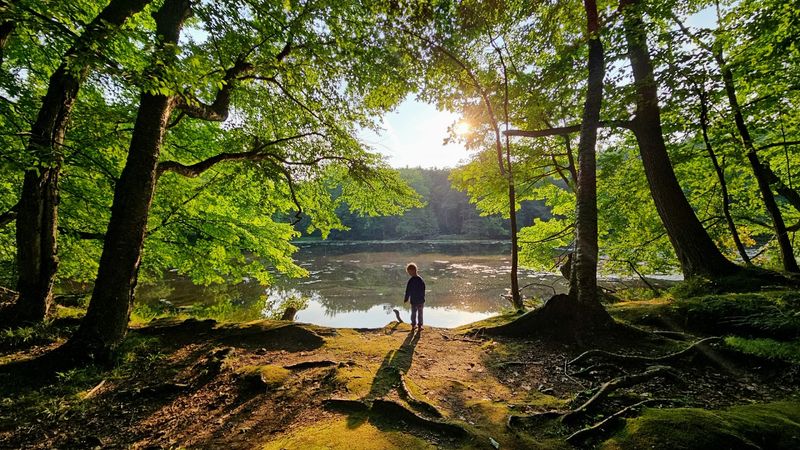
The network of rivers, lagoons, and channels at Brunet Island State Park creates a natural fragmentation that keeps different areas feeling separate. A group camping on one peninsula might never see the people camping just across the water.
The trails wind through the woods, connecting these little pockets, but the water remains the dominant feature, dividing the park into distinct zones.
This layout prevents the crowded feeling that can plague popular state parks. Even when the campgrounds fill up, the island absorbs the visitors, spreading them out along the shoreline and into the interior trails.
The water also acts as a sound barrier, muffling conversations and campfire noise so that each site feels more private.
The effect is cumulative. The more time you spend at Brunet Island, the more you notice the way the landscape creates these small, self-contained spaces.
It is a design that encourages quiet and introspection, qualities that set this park apart from busier destinations.