
Rhode Island’s Littlest Town Has A Secret That Is Hard To Look Away From
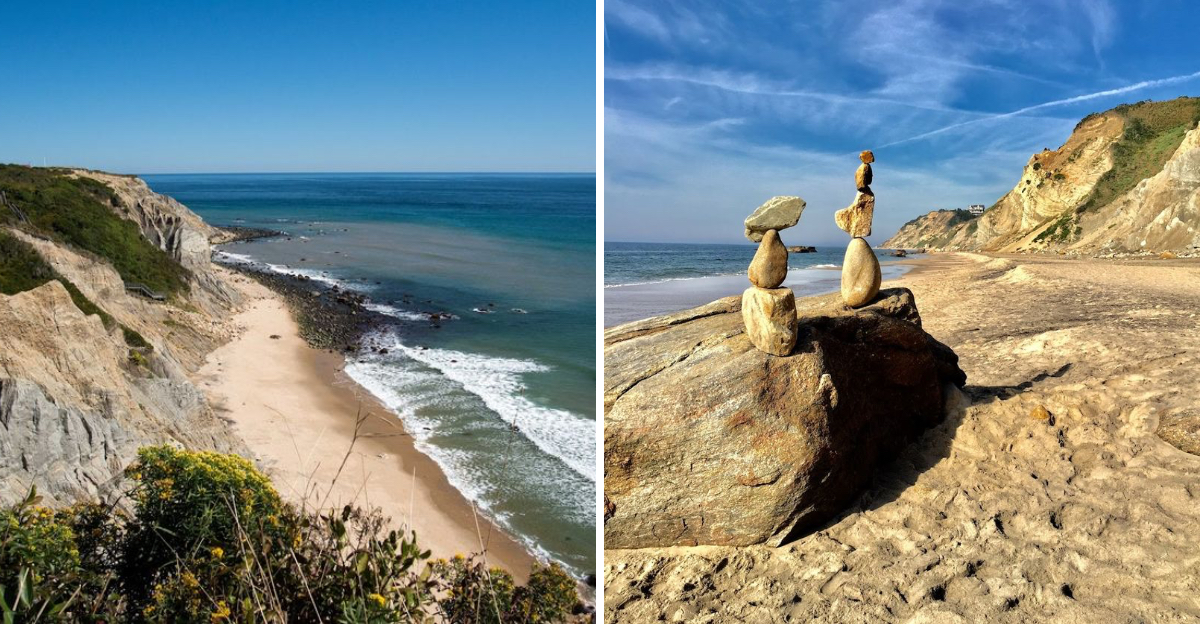
Block Island does not give itself away easily. You cross open water by ferry, Rhode Island’s shore fades behind you, and you already know this place runs by different rules.
Then the bluffs come into view. Clay cliffs above the Atlantic, carved by glaciers and reshaped by every storm since.
The overlook drops away below your feet into a stretch of wild ocean that fills the whole horizon. There is a wooden staircase, a secluded cove below, a lighthouse that had to be moved to survive.
And a history so fierce it is carved into the very name of the land. Rhode Island is full of coastline.
Nothing compares to this scale, this silence, this particular edge-of-the-world feeling. Plan the ferry crossing and give yourself a full day.
The Cliffs That Change Everything You Expected From A Small Island
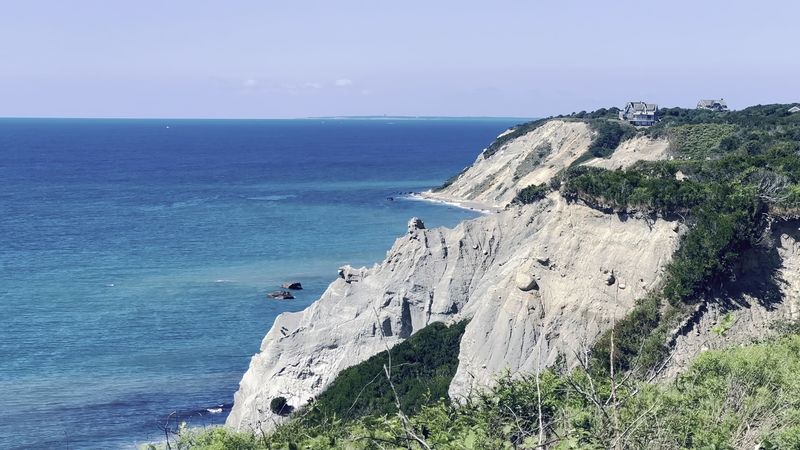
Clay, wind, and time built something extraordinary here. The Mohegan Bluffs rise around 150 feet above the Atlantic Ocean along Block Island’s southern shore, forming a wall of layered glacial deposits that shift color in different light.
These cliffs are made of clays, sands, and gravels left behind by glaciers thousands of years ago. Natural erosion from waves, rain, and wind continuously reshapes them.
No two visits ever look quite the same.
On a clear day, the view stretches far enough to spot Montauk Point on Long Island, New York. That kind of visibility is rare and quietly thrilling.
Standing at the overlook, the ocean fills the entire horizon.
Rhode Island has plenty of coastline, but nothing else compares to this scale and height. The bluffs feel almost out of place on such a small island.
That contrast is exactly what makes them unforgettable.
Getting To Block Island Is Part Of The Adventure
Block Island does not connect to the mainland by bridge or road. The only way in is by ferry or small aircraft.
That separation is part of what keeps the island feeling special.
Most visitors take the ferry from Point Judith, Rhode Island, which is the most popular and frequent route. Service also runs from New London, Connecticut.
The ride across Block Island Sound takes roughly an hour from Point Judith.
Once on the island, getting around requires some planning. Mopeds, bicycles, and taxis are common options.
The Mohegan Bluffs sit about a seven-minute drive from the main ferry port, or a 15 to 20-minute bike ride across rolling terrain.
That short journey across the water sets the mood before the cliffs even come into view. Rhode Island’s ferry routes are well-established and run regularly during the warmer months.
Arriving on the island already feels like stepping somewhere different, and the bluffs reward that effort generously.
The Wooden Staircase That Earns Its Reputation
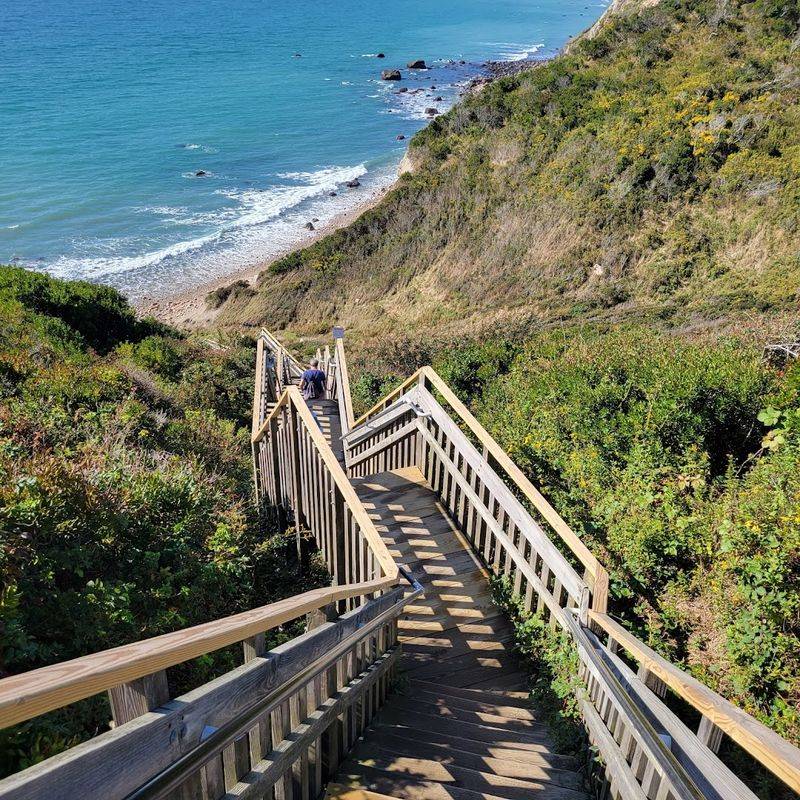
About 141 wooden steps lead from the bluff top down toward the beach below. That number sounds manageable until the climb back up.
The staircase is steep, exposed, and worth every step.
Descending, the view opens wider with each level. The ocean spreads out ahead while the cliff face rises on both sides.
It feels like the staircase was designed specifically to build anticipation.
Visitors should wear proper footwear. Hiking shoes or sturdy sneakers grip the steps far better than sandals.
The handrail is there for a reason, and using it is genuinely smart rather than cautious.
As of mid-2024, the lowest section of the staircase and the path directly to the beach remain closed due to erosion-related safety concerns. The bluff-top overlook and parking area stay fully accessible.
Before planning a full descent, checking current conditions is a practical step that saves disappointment.
The workout on the way back up surprises most people. Pack water and give the climb the respect it deserves.
A Battle That Gave These Bluffs Their Name
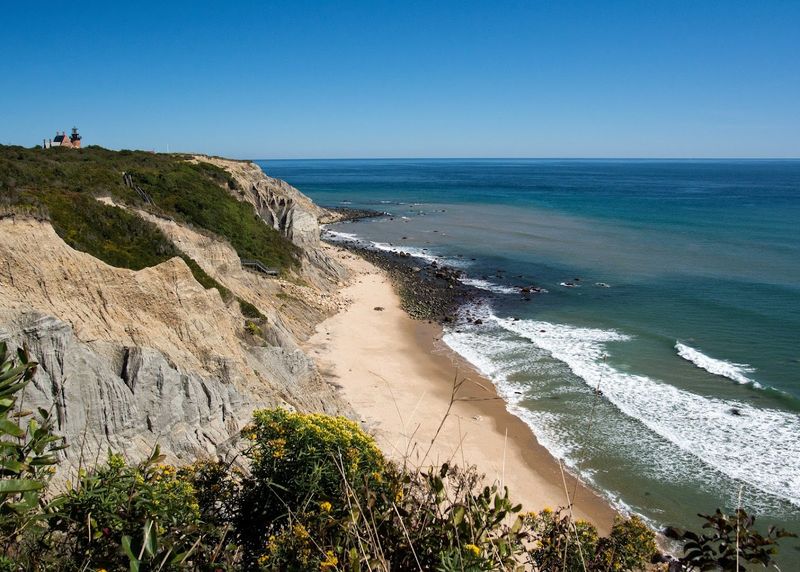
Around 1590, something fierce happened at the edge of these cliffs. The indigenous Manisseans, the original people of Block Island, faced a raiding party from the Mohegan tribe.
Outnumbered but determined, they drove roughly 40 invaders over the cliff edge.
That confrontation gave the bluffs their name. It is a name earned through resistance and survival, not marketing or tourism branding.
A commemorative plaque at the overlook marks the event for visitors who want to pause and reflect.
The Narragansett people originally called this island Manisses, meaning “little god’s island.” Long before Rhode Island existed as a state, this land held deep cultural significance. The bluffs were witness to that history.
Knowing the backstory changes how the landscape feels. Those cliffs are not just a pretty backdrop.
They carry a memory that stretches back more than four centuries, and the plaque makes sure that memory does not quietly disappear.
What Waits At The Bottom Of Those Steps
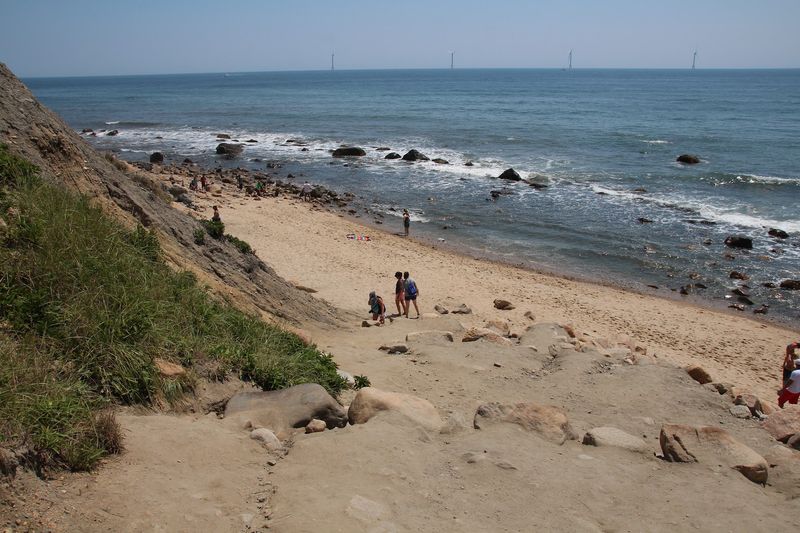
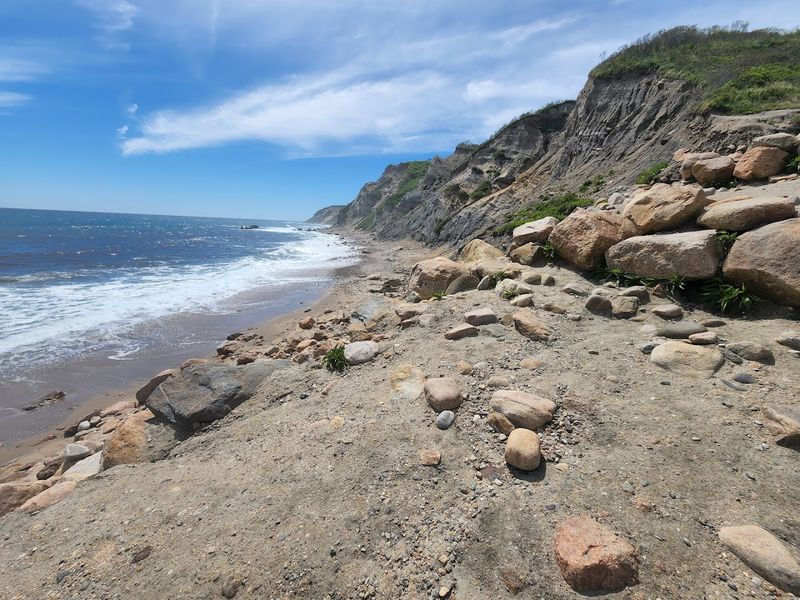
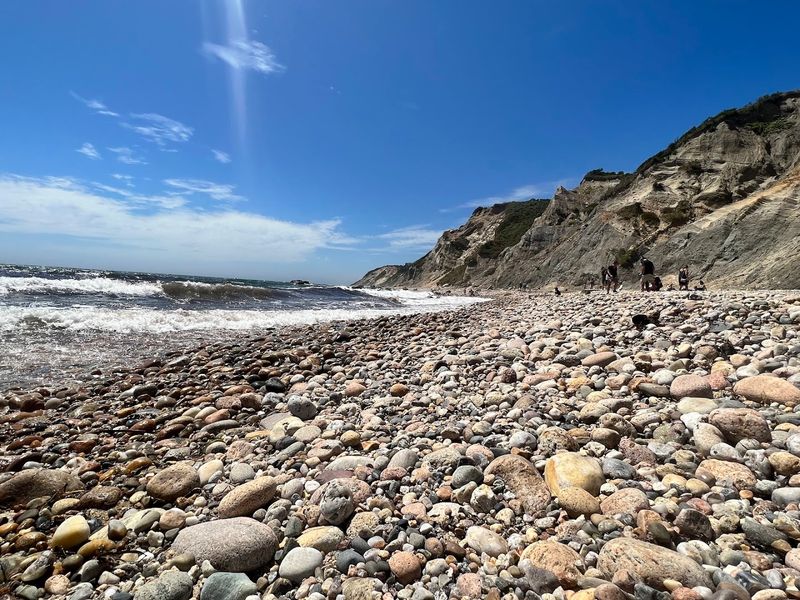
At the base of the staircase sits Corn Cove, a rugged and secluded stretch of rocky shoreline framed by the towering bluffs. It feels genuinely removed from the rest of the world.
The waves here hit hard against the rocks with real force.
Swimming is not recommended due to strong currents and a rocky shoreline. This is a place for sitting, watching, and listening rather than splashing around.
The sound of waves against layered clay cliffs is something worth experiencing slowly.
Bringing a packed lunch and settling in for a while is a popular choice. The atmosphere rewards patience.
Those who rush back up miss the quiet magic that settles over the cove when the crowds thin.
The beach is clean, raw, and unpretentious. No vendors, no amenities, no distractions.
Just ocean, rock, and sky in equal measure. It is the kind of place that makes Rhode Island’s natural coastline feel genuinely wild rather than curated for postcards.
The Southeast Lighthouse Stands Watch Over The Bluffs
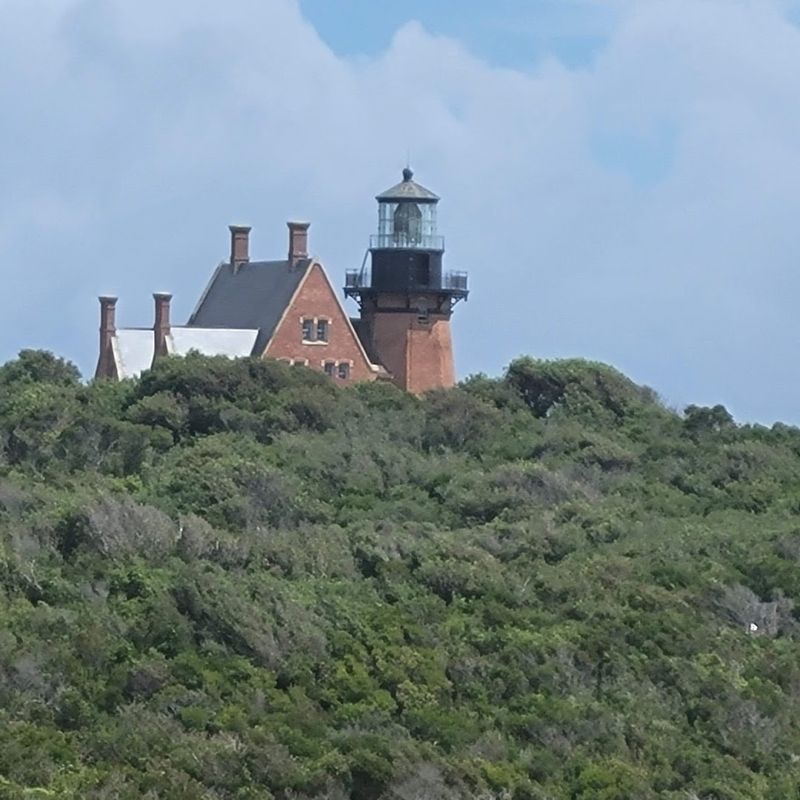
Right at the edge of the bluffs stands the Southeast Lighthouse, a National Historic Landmark with a story that rivals the cliffs themselves. Built between 1873 and 1875, it guided ships safely past Block Island’s treacherous southern shore for over a century.
By the early 1990s, erosion had crept dangerously close to the structure’s foundation. In 1993, engineers relocated the entire lighthouse approximately 300 feet inland to save it from the retreating cliff edge.
The move was a significant engineering achievement and drew national attention.
The lighthouse still functions as an active aid to navigation today. Its red brick tower and Gothic Revival architecture make it one of the most photographed structures in Rhode Island.
Standing near it while looking south over the Atlantic is a layered experience, history and nature occupying the same frame.
Visiting the bluffs without acknowledging the lighthouse nearby would mean missing half the story. The two landmarks share the same dramatic stage and complement each other perfectly.
The View From The Top That Stops People Cold
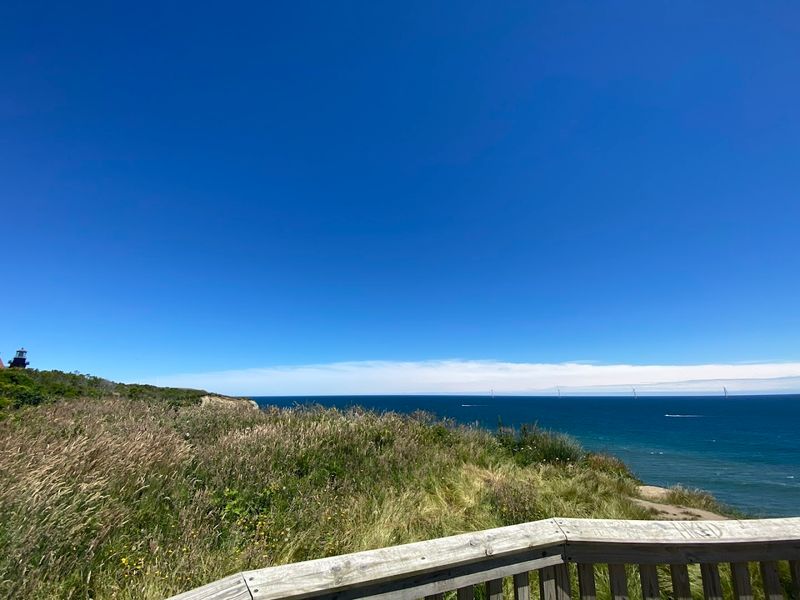
Not everyone can manage the staircase descent. That is completely fine, because the view from the top is extraordinary on its own terms.
The overlook sits directly above the cliff edge with the full Atlantic spread out below.
On clear days, Montauk Point on Long Island floats on the horizon. Wind turbines dot the offshore waters to the south.
The scale of open ocean visible from this single spot feels almost disorienting in the best possible way.
A small parking area sits adjacent to the overlook. Arriving early in the morning tends to mean fewer people and calmer light.
The bluffs face south and east, making morning visits particularly rewarding for the quality of natural light.
Rhode Island’s coastline offers many beautiful views, but few match this elevation and unobstructed perspective. Bringing binoculars adds another layer to the experience.
The overlook is accessible without the physical demands of the staircase, making it welcoming for a wide range of visitors.
How Block Island Earned Its Unusual Nickname
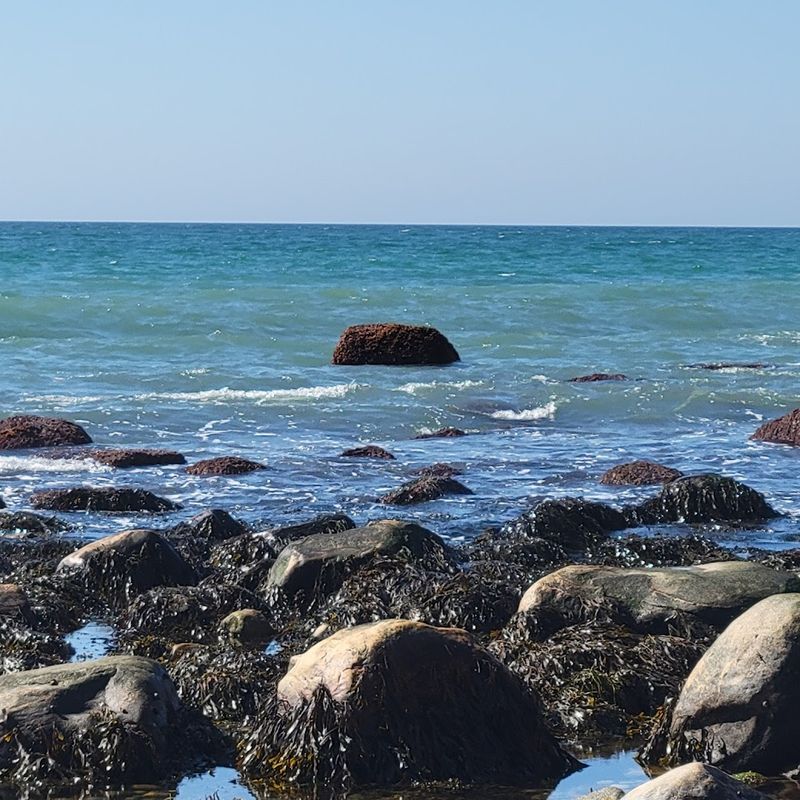
Block Island sometimes gets called the Bermuda of the North. That nickname sounds like marketing until the island actually comes into view.
Rolling green hills, clear blue water, and dramatic coastal formations give it a character unlike anywhere else in New England.
The island spans roughly seven miles long and three miles wide. Within that compact space, it holds over 300 freshwater ponds, more than 17 miles of coastal beaches, and over 30 miles of walking trails.
More than 43 percent of the island’s land is preserved open space.
New Shoreham was incorporated in 1672, making it one of Rhode Island’s oldest towns. Its year-round population sits around 1,000 people.
Summer months bring between 15,000 and 20,000 daily visitors, a surge that transforms the island’s quiet rhythm dramatically.
The Mohegan Bluffs anchor the island’s southern identity. They are the visual centerpiece of everything Block Island promises.
Few places in Rhode Island manage to pack this much natural character into such a small footprint.
What To Wear And Bring Before Heading Out
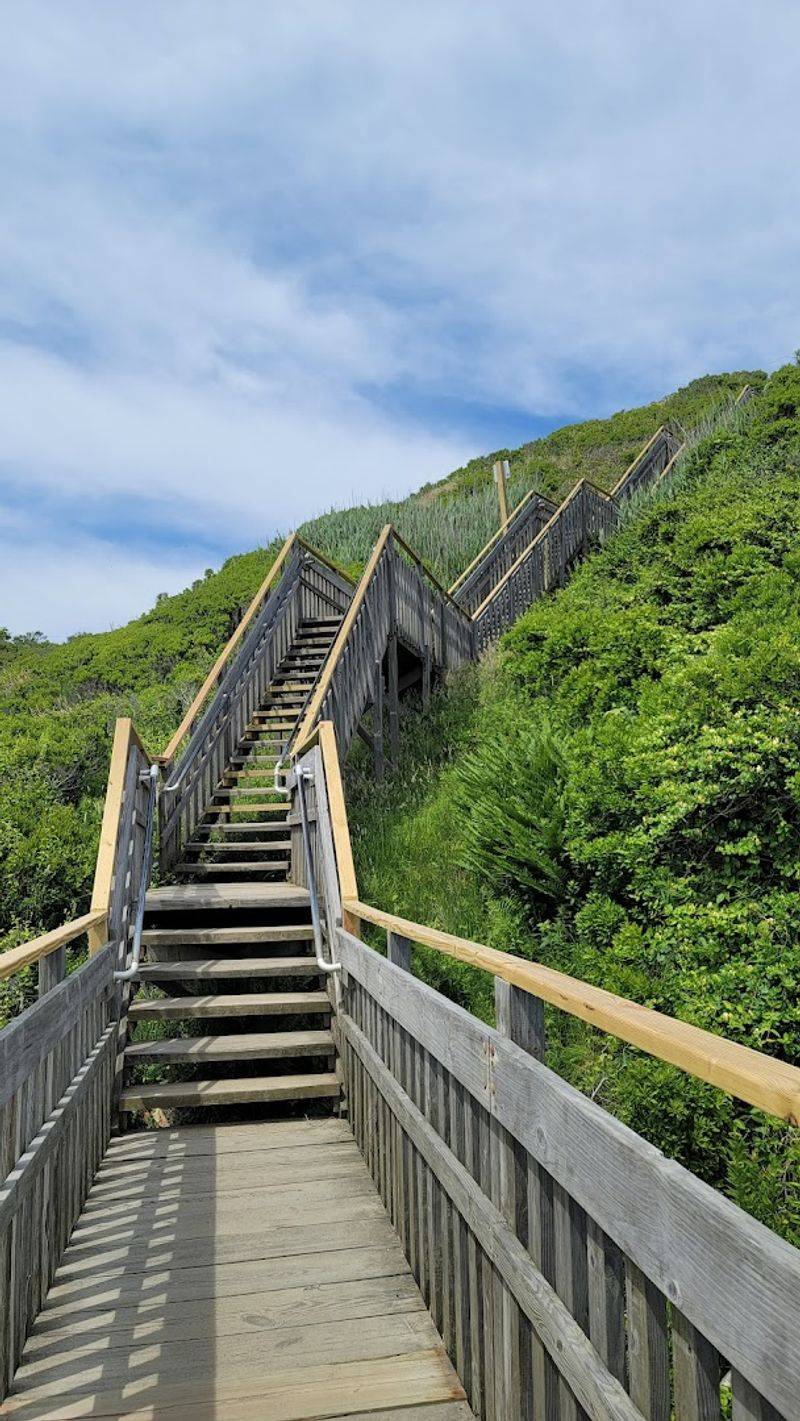
Preparation makes a real difference at the bluffs. The terrain is not punishing, but it rewards visitors who show up ready.
Footwear is the single most important consideration before stepping onto the staircase.
Hiking shoes or sneakers with solid grip are strongly recommended. Sandals and flip-flops create real problems on the wooden steps and rocky terrain at the base.
The rocks at the bottom of the staircase require careful footing even in good conditions.
Sunscreen and water matter more than most people anticipate. The overlook and staircase offer very little shade.
On warm days, the climb back up the steps raises heart rates quickly, and dehydration sneaks up fast in the open sun.
A light backpack with snacks and a water bottle makes the whole experience more comfortable. Packing a picnic for the beach area is a popular and practical idea.
The address at 121 Mohegan Trail, New Shoreham, RI 02807 sits close to the ferry port, making a quick supply stop before arriving entirely feasible.
The Best Time Of Year To Make The Trip
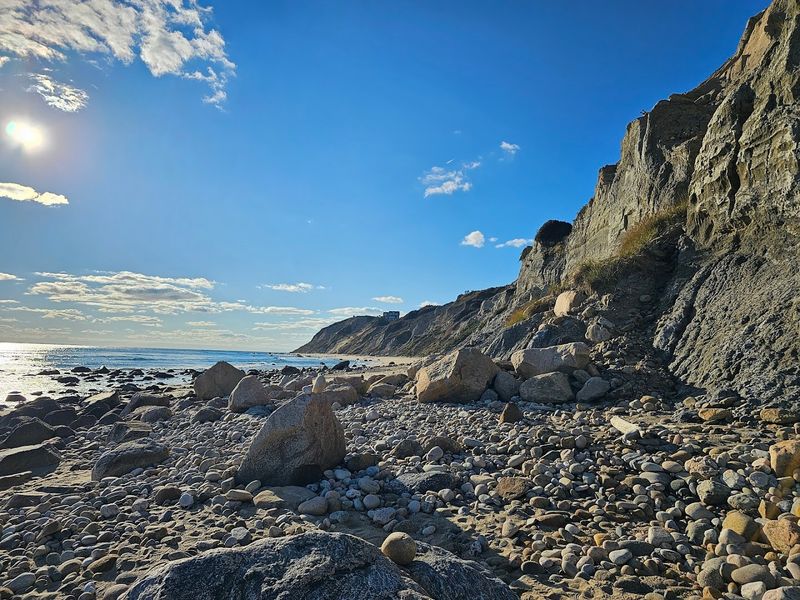
Summer is peak season on Block Island, and the bluffs reflect that. July and August bring the largest crowds and the longest ferry lines.
The views do not diminish with company, but the solitude does.
Late spring and early fall offer a compelling alternative. The weather stays mild, the ferry still runs regularly, and the overlook tends to hold far fewer visitors.
September in particular delivers clear skies and warm enough temperatures for a full outdoor day.
Morning arrivals consistently outperform afternoon visits. Taking the first available ferry and heading straight to the bluffs means reaching the overlook before the midday rush.
The light is softer and the atmosphere noticeably calmer.
Winter access exists but requires checking ferry schedules carefully, as service reduces significantly in the off-season. Rhode Island winters can bring harsh winds along the exposed bluff edge.
For most visitors, the window between late May and mid-October delivers the most rewarding experience with the least logistical friction.
Getting Around The Island Once You Arrive
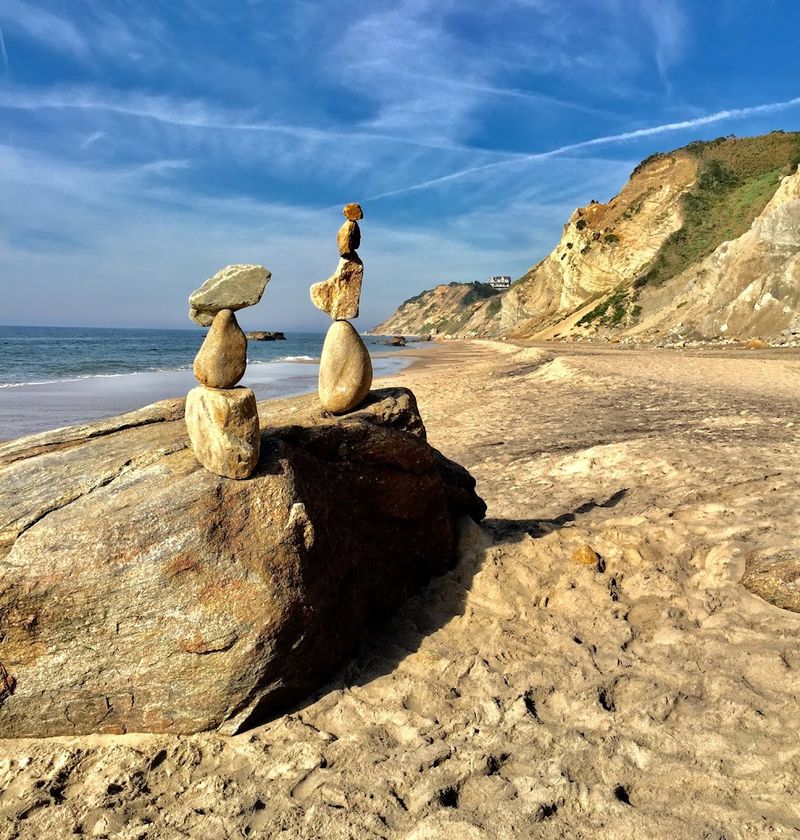
Block Island runs on a small-scale transportation ecosystem. Cars can technically come over on the ferry, but most visitors skip that and rent something local instead.
Mopeds are the most popular choice by a wide margin.
Rental companies operate near the main ferry landing. A moped puts the entire island within easy reach.
The bluffs sit roughly seven minutes away by road, and the route passes through genuinely pretty countryside.
Bicycles are another strong option for those comfortable with moderate hills. The terrain is rolling rather than flat, so a bit of fitness helps.
The bike ride to the bluffs takes between 15 and 20 minutes from the port area.
Taxis and rideshare-style services also operate on the island during peak season. Parking at the bluffs is limited, so arriving early or using a moped or bike avoids the frustration of a full lot.
The island rewards slow, exploratory travel rather than rushing between stops.
Why This Small Cliff On A Tiny Island Stays With You
Some places linger in memory long after the visit ends. The Mohegan Bluffs have that quality.
The combination of height, history, and raw ocean exposure creates something that photographs cannot fully capture.
Standing at the overlook, the scale of the Atlantic feels personal rather than abstract. The cliffs drop away beneath your feet while the horizon stretches further than seems possible from such a small island.
That contrast between smallness and vastness is the whole point.
New Shoreham is the smallest town in Rhode Island by every measurable count. It has under 800 permanent residents and fits inside roughly ten square miles.
Yet it holds one of the most arresting natural landmarks on the entire East Coast.
The bluffs do not need embellishment or superlatives. They simply exist at the edge of a quiet island, doing what they have done for thousands of years, holding their ground against the ocean and offering anyone willing to make the crossing a view that is genuinely hard to walk away from.