
This Beautiful Wyoming Fishing Spot Has Been Quietly Kept Off Maps By Locals For Years
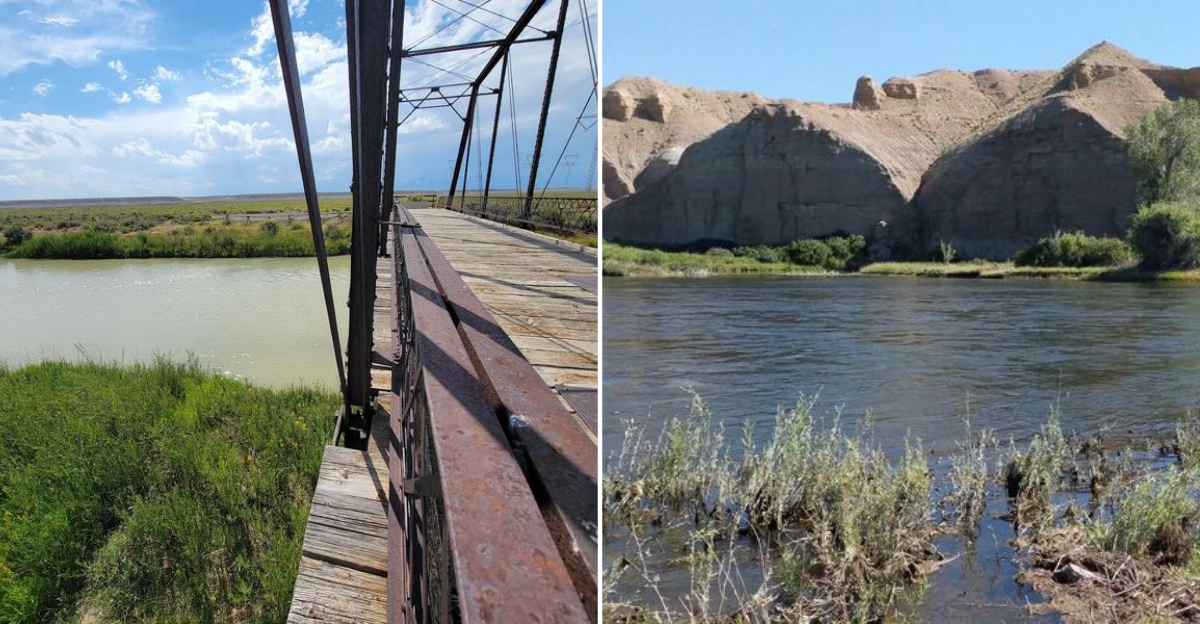
Locals do not share this one easily, and when they do, the directions come with an unspoken expectation attached. Wyoming has a fishing spot so deliberately kept quiet that finding it through any official channel remains essentially impossible.
The water here produces the kind of morning that experienced anglers describe in careful, understated terms. Precision in language that suggests they are still deciding how much to reveal.
No signage points toward it, no trail app lists the access route, and no weekend crowd has ever quite discovered the path in. That absence is not accidental.
A fishing spot this carefully protected carries a particular quality that popularity would immediately begin to erode. The locals understood that early, made a quiet collective decision, and have been keeping their word about it ever since.
Fish Species And Their Habitats
The Green River inside Seedskadee National Wildlife Refuge is home to some seriously impressive fish. Brown trout are the stars here, and many of them push well past 20 inches.
Rainbow trout and cutthroat trout also share these waters, giving anglers a real variety to target.
Mountain whitefish are common throughout the river, too. They are not always the glamour fish, but they put up a decent fight.
In the fall, kokanee salmon make their run through the refuge, which is a rare and exciting sight in Wyoming waters.
Each species tends to favor different parts of the river. Brown trout love deeper pools and undercut banks with slower current.
Rainbows and cutthroats prefer riffles and faster runs where oxygen levels stay high. Whitefish hang near gravel beds and feed along the bottom most of the year.
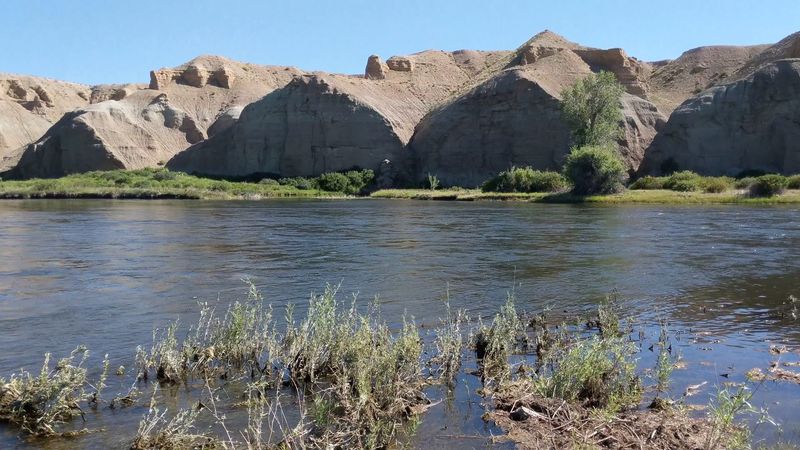
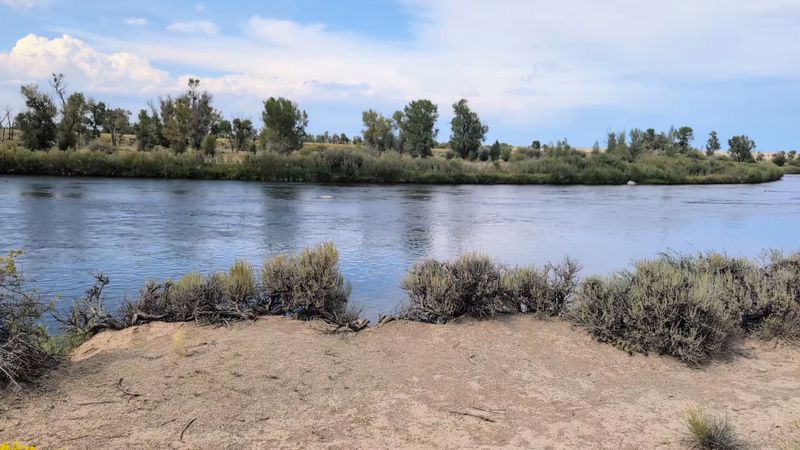
The river habitat itself is rich and healthy. Riparian vegetation along the banks provides shade and insect activity.
That insect life feeds the fish, which is why dry fly fishing works so well here during warmer months. The refuge is located in southwestern Wyoming.
Seasonal Fishing Patterns And Tips
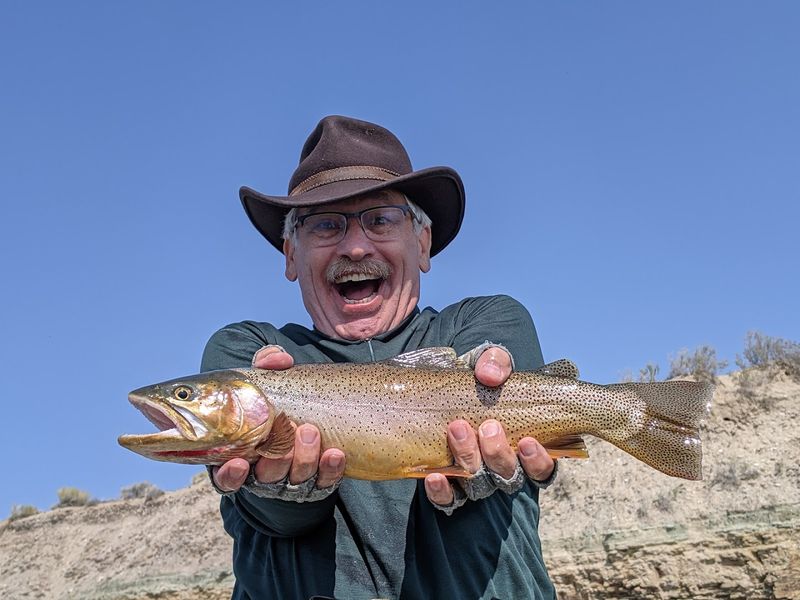
Spring is one of the best times to fish Seedskadee. Water temperatures rise slowly after snowmelt, and trout become more active as insect hatches begin.
Early spring fishing tends to reward patience, but the payoff is often a big brown trout that has been sitting deep all winter.
Summer brings consistent hatches and longer days. Caddis and mayfly activity peaks during June and July.
Mornings and evenings are the most productive windows, since midday heat pushes fish into deeper, cooler water. Lighter tippets and smaller flies work better during summer when fish get picky.
Fall is a favorite season for serious anglers. Kokanee salmon move through, and brown trout go into pre-spawn feeding mode.
They get aggressive and territorial, which means bigger strikes and more action on streamers. The scenery also turns golden, which makes every cast feel like a postcard moment.
Winter fishing is quieter, but the refuge stays open. Cold water slows fish metabolism, so slow presentations near the bottom are most effective.
Midges become the primary food source, and tiny nymph patterns produce consistently. The crowds disappear completely, which is honestly a big bonus all on its own.
Fishing Techniques For Success
Artificial flies and lures are the only legal options on the 25-mile special regulation stretch of the Green River within the refuge. No bait fishing is allowed there.
That rule actually helps keep the fish healthy and the experience quality high for everyone who shows up prepared.
Dry fly fishing is exciting when hatches are happening. Matching the hatch matters more here than at crowded tailwaters.
Spend a few minutes watching the water before you tie anything on. Identifying what insects are active will save you a lot of frustration and lost fish.
Nymphing is the most consistently productive technique throughout the year. Weighted nymph rigs drifted along the bottom cover a lot of water efficiently.
Strike indicators help detect subtle takes, especially in slower pools where fish feed without much movement. Czech nymphing also works well in faster runs.
Streamer fishing shines during fall and early spring. Big articulated patterns in brown, olive, or black draw aggressive strikes from territorial brown trout.
Strip the fly with irregular pauses to mimic an injured baitfish. Drift boats and rafts let you cover more water and reach stretches that wading anglers simply cannot access from the bank.
Local Wildlife That Shares The Waters
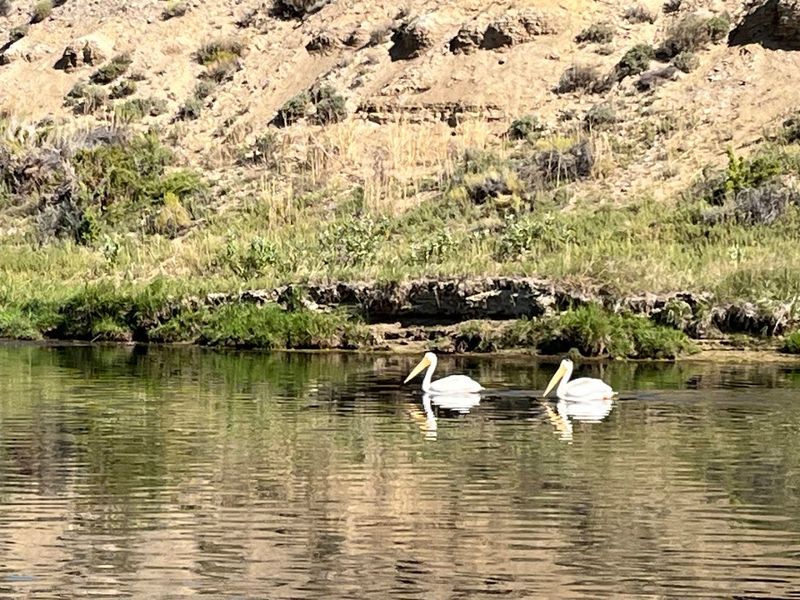
Fishing at Seedskadee means sharing the river with a remarkable cast of wildlife. Bald eagles nest along the Green River corridor, and spotting a pair with an eaglet nearby is something you will talk about for years.
Osprey are also common, and watching them dive for fish is both impressive and slightly competitive.
River otters patrol the same pools you are fishing. They are playful and curious, and they are very good at their job.
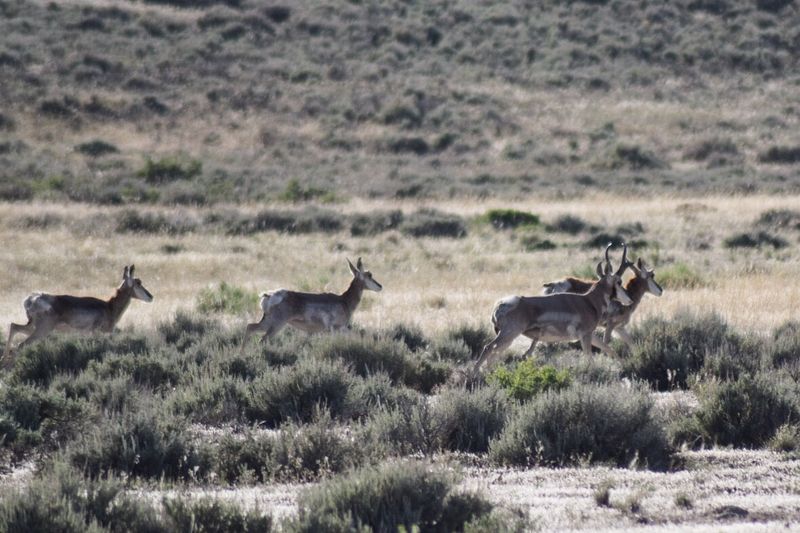
Moose wade through shallow sections, especially in the early morning. Pronghorn graze along the banks, and mule deer appear at dusk near the water’s edge.
Trumpeter swans are one of the refuge’s signature species. They winter here in large numbers, and seeing them glide across calm water is genuinely stunning.
Pelicans also gather on sandbars mid-river, which looks completely out of place in Wyoming but is absolutely real.
Sage grouse sometimes flush from the brush along the road to the river. Harriers hunt low over the sagebrush flats.
The variety of wildlife makes every trip feel like a bonus nature documentary on top of a fishing trip. Even if the fish are not biting, there is always something worth watching along the banks.
Conservation Efforts Preserving The Refuge
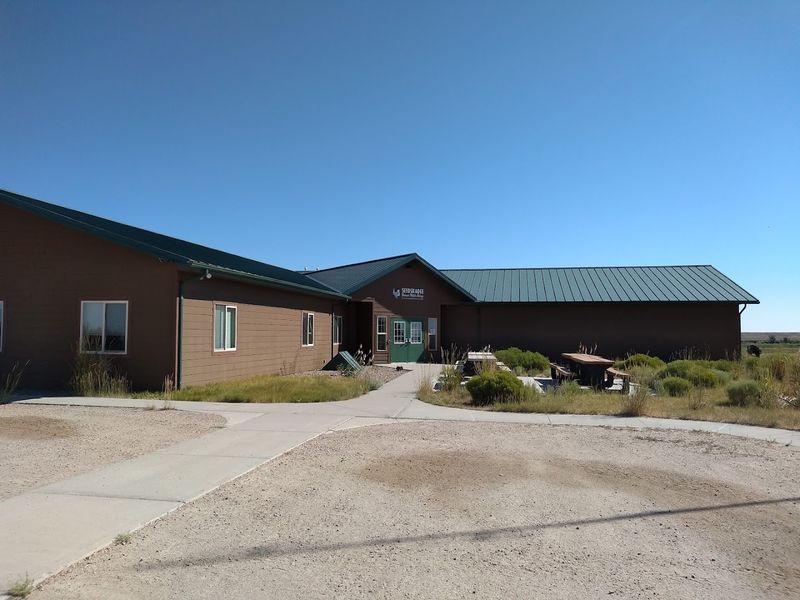
Seedskadee National Wildlife Refuge was established in 1965 by the U.S. Fish and Wildlife Service.
Its primary mission is protecting and managing habitat for migratory birds and other wildlife along the Green River. The name itself comes from a Shoshone word meaning river of the prairie hen, which is a nice nod to the region’s history.
The special fishing regulations on the 25-mile stretch of the Green River are a direct conservation tool. Restricting anglers to artificial flies and lures only and allowing just one trout over 20 inches per day protects the trophy trout population.
All other trout must be released immediately, which keeps the fishery strong year after year.
Habitat restoration is ongoing throughout the refuge. Riparian vegetation projects help stabilize banks and improve water quality.
Native plant restoration reduces erosion and supports the insect communities that feed the fish. These behind-the-scenes efforts are why the fishing quality remains high despite steady angler pressure.
The refuge also works to protect nesting habitat for Trumpeter swans and other priority bird species. Wetland management projects control water levels in key areas throughout the year.
Conservation here is not just about fish. It is about maintaining a complete and functioning ecosystem that benefits every species using the Green River corridor.
Best Times Of Day To Fish
Early morning is the most productive window at Seedskadee without question. Trout move into shallower water to feed as light levels are still low.
Hatches often begin right around dawn, and fish are less cautious before full daylight arrives. Getting to the water before sunrise is worth every minute of lost sleep.
Late evening runs a close second for consistent action. As shadows stretch across the river, surface feeding picks back up.
Spinner falls, and caddis activity often peaks in the last hour of light. Fishing into dusk during the summer months can produce some of the biggest strikes of the entire day.
Midday fishing slows down significantly during summer. Fish drop into deeper, cooler water and become reluctant to rise.
That said, midday can still work well with nymphs fished deep along the bottom. Overcast days are the exception, since cloud cover keeps surface temperatures lower and fish more active throughout the full day.
Spring and fall shift the timing slightly. Cooler air temperatures mean fish stay active longer into the morning.
On cold fall days, the best action sometimes does not start until mid-morning when water temps climb a few degrees. Paying attention to water temperature is one of the most underrated habits any angler can build at this refuge.
Gear Recommendations For Wyoming Waters
A 9-foot, 5-weight fly rod is the standard recommendation for the Green River at Seedskadee. It handles everything from small dry flies to medium streamers without any issues.
If you plan to throw big articulated streamers in the fall, stepping up to a 6-weight gives you more power and less fatigue during long casting days.
Waders are essential here. The Green River runs cold even in summer, and wet wading is uncomfortable for most of the year.
Breathable chest waders with wading boots that have felt or rubber soles work well on the slippery river bottom. A wading staff is worth bringing if you plan to cross any of the deeper runs.
Drift boats, canoes, and rafts are the recommended watercraft for floating the refuge. Four boat ramps provide access along the river.
Motors are strongly discouraged, and personal watercraft are completely prohibited. A drift boat lets you cover serious mileage while keeping your presentation natural and your approach quiet.
For flies, carry a solid selection of caddis, mayfly, and midge patterns in sizes 14 through 20. Pheasant tail nymphs, hare’s ear nymphs, and elk hair caddis cover most situations.
A few large streamers in olive and brown round out the box for fall fishing. Sunscreen, polarized glasses, and a good hat complete the kit for a full day on Wyoming water.
Safety Guidelines For Remote Fishing Spots
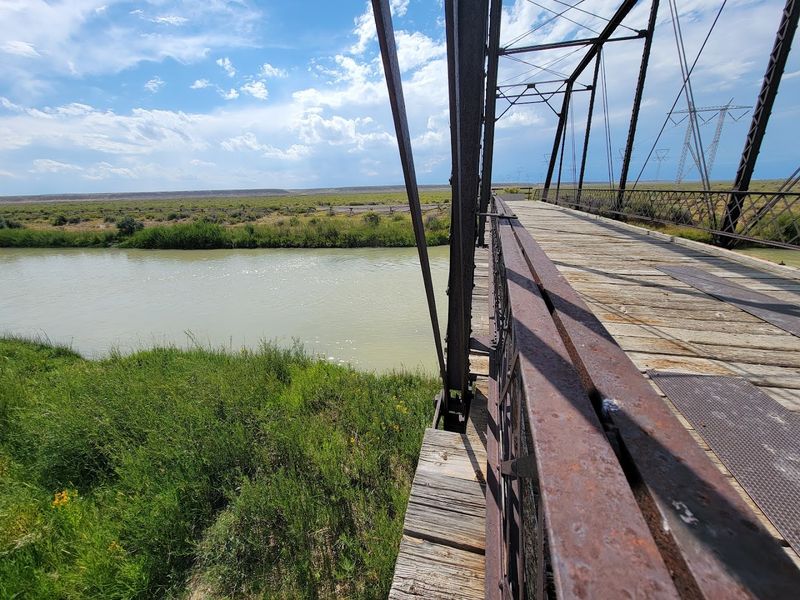
The Green River inside Seedskadee moves fast in places. The current is swift and the bottom is uneven, which makes wading more technical than it looks from the bank.
Never cross a run that makes you uncomfortable. The river has no mercy for overconfidence, and cold water shock is a real risk even in warmer months.
Cell service is limited or nonexistent throughout much of the refuge. Carrying a paper map or downloaded offline map on your phone is a smart move before you head out.
A GPS device adds another layer of security when you are floating or hiking far from the boat ramps. Tell someone where you are going and when you plan to return.
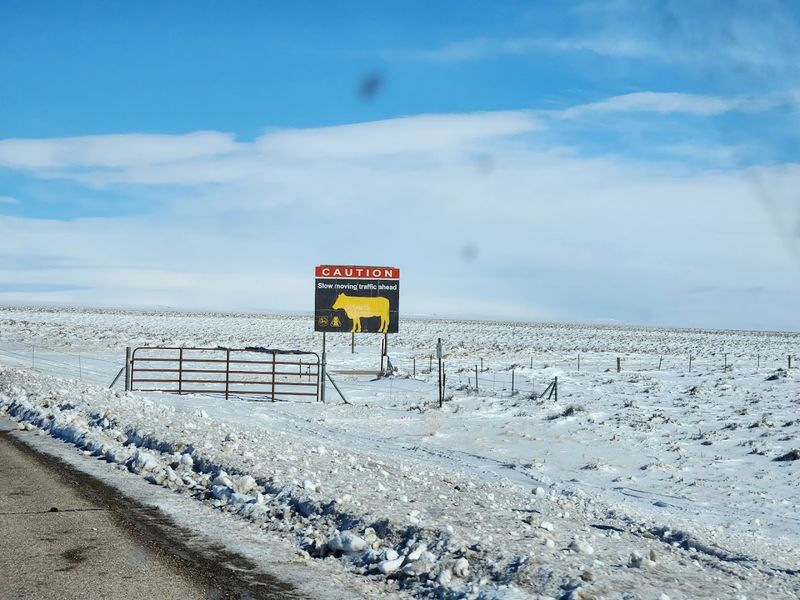
Vehicle access is limited to designated refuge roads only. Driving off-road is not permitted, and some gravel roads can become impassable after rain.
A topo map with GPS coordinates helps navigate the refuge’s road system, which is not always intuitive for first-time visitors. Give yourself extra travel time to reach fishing access points.
Wildlife encounters are real here. Moose can be unpredictable near the water, especially cows with calves.
Keep a respectful distance from all wildlife and never approach nesting birds. Carrying a basic first aid kit, extra water, and emergency snacks is standard practice for any remote fishing destination in Wyoming.
Preparation makes the whole experience more enjoyable and a lot safer.