
This Wisconsin Windmill Museum Will Transport You Straight To The Dutch Countryside
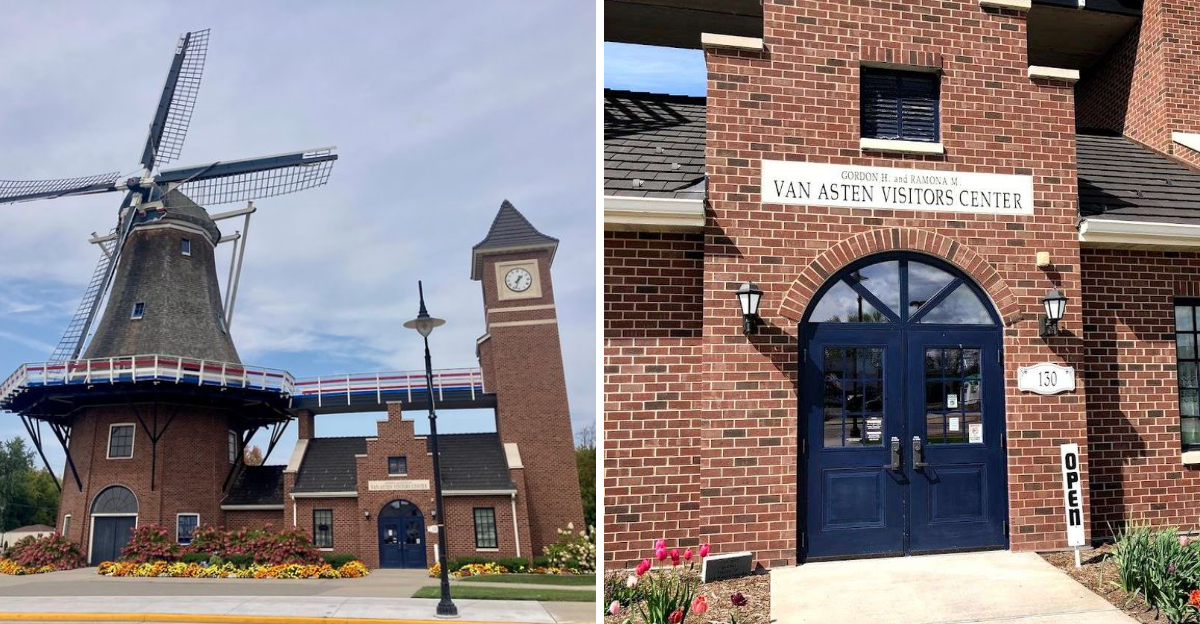
Standing proudly along Main Street in Little Chute, Wisconsin, a towering windmill rises more than 100 feet into the sky, turning grain into flour just as it would have done centuries ago in the Netherlands.
This authentic Dutch structure was built in Holland and shipped across the Atlantic Ocean, piece by piece, before being reassembled in the heart of Wisconsin’s Fox Valley. The windmill now serves as both a working museum and a living testament to the Dutch immigrants who settled this region in the 1800s.
Visitors who step through its doors find themselves transported to another time and place, surrounded by artifacts, family histories, and the rhythmic turning of wooden gears powered entirely by wind.
Dutch Windmill In The Heart Of Wisconsin
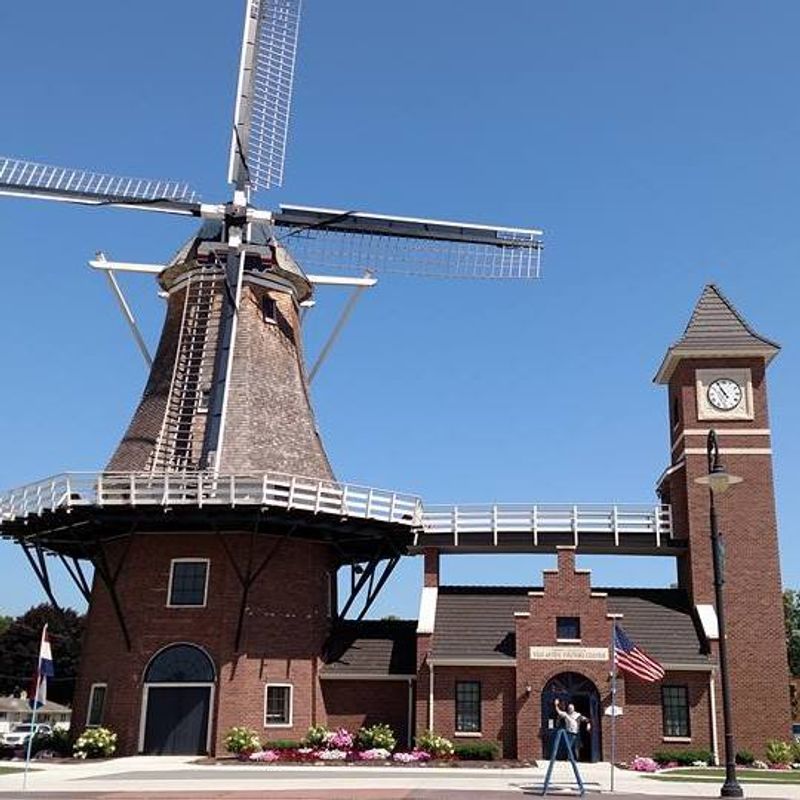
A fully operational windmill commands attention from every angle in downtown Little Chute, offering something most American towns cannot claim. The structure functions exactly as windmills did in the Netherlands during the 19th century, grinding grain when conditions allow.
Located at 130 W Main St, it stands as the centerpiece of the community and draws visitors from across the Midwest who want to witness this remarkable piece of living history.
The building operates from Wednesday through Saturday, welcoming guests between 11 AM and 3 PM. Volunteers lead tours that explain both the mechanical ingenuity of the windmill and the cultural significance it holds for the area.
Parking is plentiful in the surrounding downtown area, making access simple for families and solo travelers alike.
The windmill represents more than just an architectural curiosity. It serves as a bridge between continents and centuries, connecting modern Wisconsin to the Dutch heritage that shaped this region’s identity and continues to define its character today.
The Windmill Was Built In The Netherlands Before Coming To Wisconsin
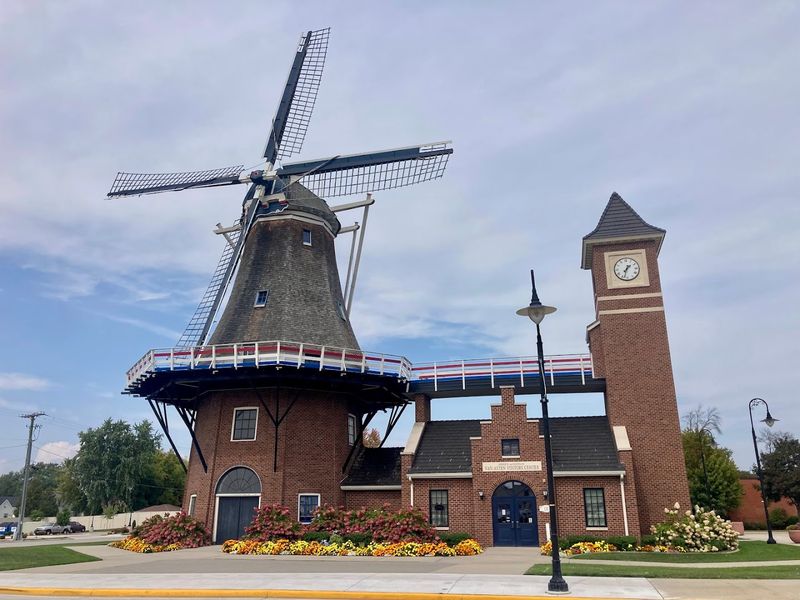
Craftsmen in the Netherlands constructed this windmill using traditional tongue and groove techniques that have been passed down through generations of Dutch builders. Every beam, every joint, every wooden component was shaped and fitted in Holland before the entire structure was disassembled for its transatlantic journey.
The authenticity of the construction cannot be overstated, as this is not a replica or recreation but an actual Dutch windmill that once stood on European soil.
After completion, workers carefully marked and cataloged each piece for shipping across the ocean. The voyage brought hundreds of components to Wisconsin, creating logistical challenges that required precise planning and documentation.
Reassembly in Little Chute demanded expertise from specialists who understood the intricate engineering principles embedded in Dutch windmill design.
This origin story adds profound depth to any visit. Standing inside the structure means occupying space within a building that truly belongs to two continents, two cultures, and two communities separated by thousands of miles but united by shared appreciation for craftsmanship and heritage.
Its Design Comes Straight From 1850s North Brabant Windmills
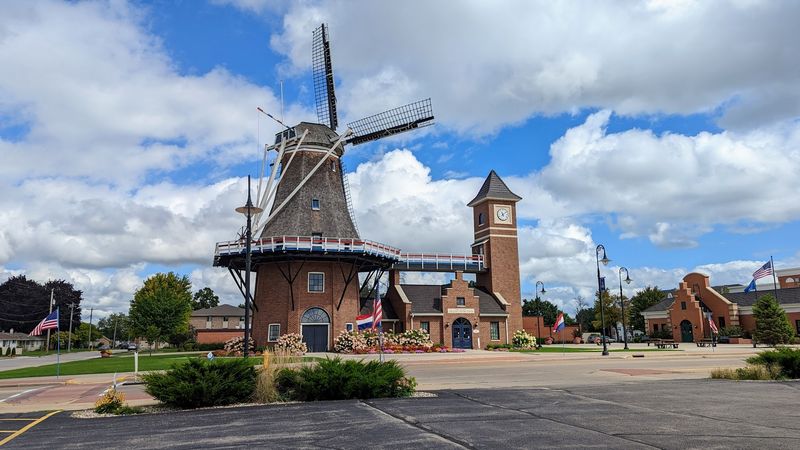
North Brabant, a province in the southern Netherlands, produced distinctive windmill designs during the mid-1800s that balanced functional efficiency with structural elegance. The Little Chute windmill faithfully reproduces this regional style, incorporating design elements specific to that time and place.
Architectural historians recognize these features immediately, from the proportions of the tower to the configuration of the sails and the internal arrangement of milling equipment.
During the 1850s, Dutch engineers had refined windmill technology to remarkable levels of sophistication. These structures could harness even modest breezes and convert wind energy into mechanical power with impressive reliability.
The North Brabant style emphasized durability and practical operation, qualities that remain evident in the Wisconsin version.
Visitors familiar with European windmills often express surprise at how accurately this building captures the essence of its Dutch predecessors. The attention to period-appropriate details extends from major structural components down to smaller fixtures and fittings, creating an experience that feels genuinely transported from another era and another continent entirely.
Visitors Can Watch Wind Power Turn Grain Into Flour
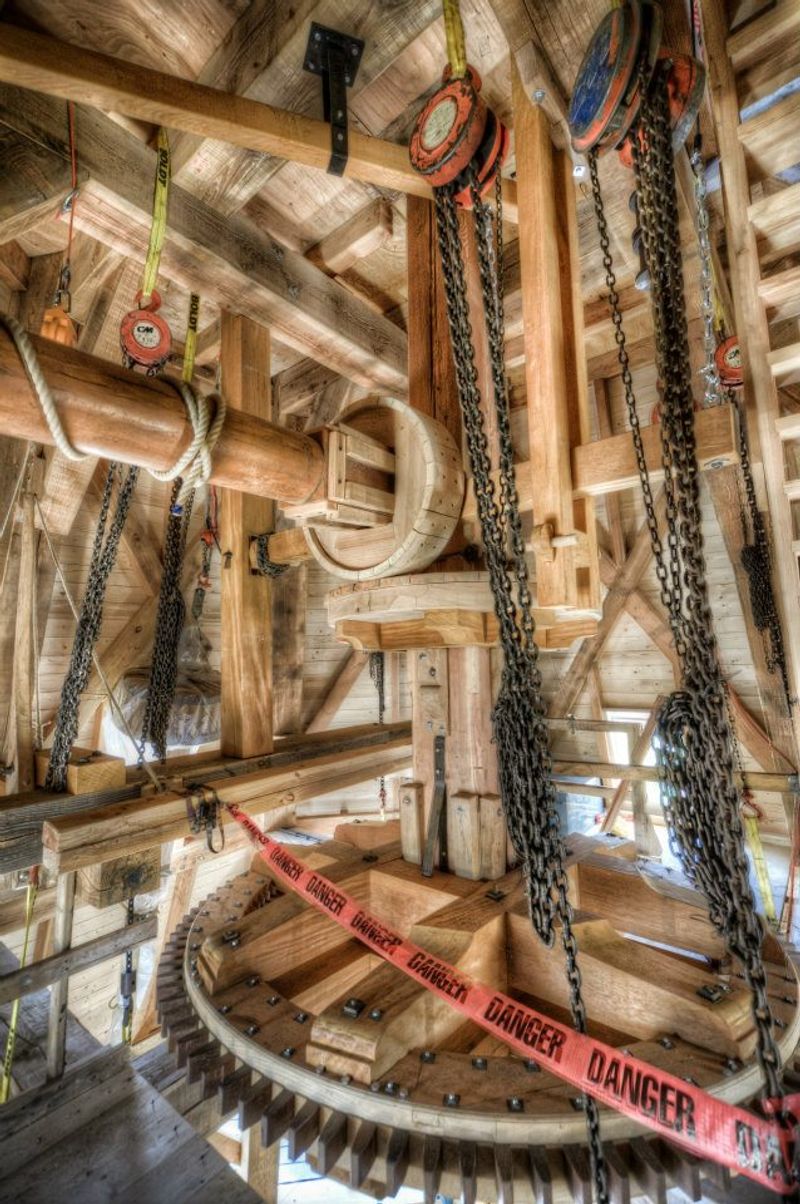
When wind conditions cooperate, the windmill demonstrates its original purpose by actually grinding grain into usable flour. Massive wooden gears engage and turn, transferring energy from the rotating sails down through the structure to the millstones below.
The process unfolds with mechanical precision, producing sounds and movements that have accompanied grain milling for centuries across Europe and America.
Tour guides explain each stage of the milling operation, helping visitors understand how wind speed gets converted into rotational force. The millstones themselves weigh hundreds of pounds and must be positioned with exacting accuracy to produce flour of consistent quality.
Adjustments to the sails allow operators to control speed and power output based on changing weather conditions.
Watching this ancient technology in action provides perspective on how communities once depended on renewable energy sources for essential food production. The flour produced during demonstrations connects visitors directly to agricultural traditions that sustained generations of Dutch settlers in Wisconsin and reminds modern audiences of the ingenuity embedded in pre-industrial engineering solutions.
The Museum Celebrates Little Chute’s Deep Dutch Roots
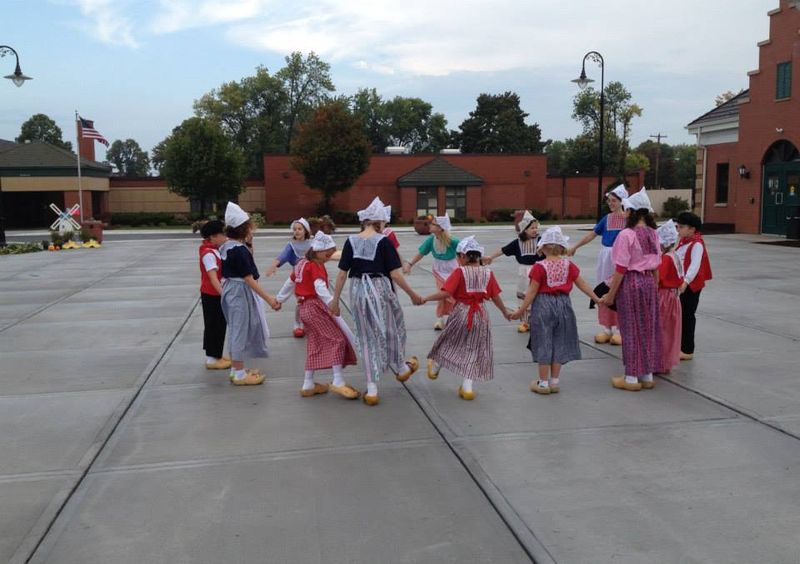
Dutch immigrants began arriving in the Little Chute area during the mid-1800s, seeking farmland and economic opportunities in America’s expanding frontier. These settlers brought their language, customs, religious practices, and agricultural knowledge to Wisconsin, establishing communities that maintained strong cultural ties to the Netherlands.
The windmill museum preserves and presents this immigration story through carefully curated exhibits and interpretive materials.
Displays throughout the facility document the challenges and triumphs of Dutch settlement in the Fox Valley region. Photographs show early farms, churches, and businesses established by immigrant families.
Personal items and household goods illustrate daily life in these transplanted Dutch communities, while maps trace migration patterns and settlement locations.
Understanding this historical context transforms the windmill from a curious architectural specimen into a powerful symbol of cultural persistence and adaptation. The structure honors the courage of families who crossed an ocean to build new lives while maintaining connections to their ancestral homeland through traditions, institutions, and structures like this remarkable windmill that bridges two worlds.
The Windmill Stands More Than 100 Feet Tall Over Main Street
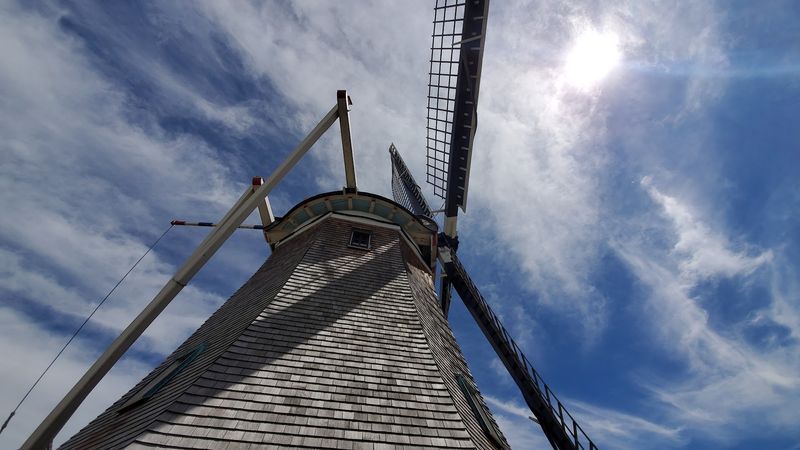
Rising to a height of more than 100 feet, the windmill dominates the Little Chute skyline and serves as a visual landmark visible from considerable distances. The vertical scale impresses first-time visitors who may have underestimated the structure’s true dimensions.
From street level, the windmill’s sails sweep through an enormous arc, creating a sense of motion and power that photographs cannot fully capture.
The building’s prominent position on Main Street ensures that it functions as the town’s most recognizable feature and gathering point. Local businesses, municipal buildings, and residential neighborhoods all orient themselves in relation to this towering structure.
The windmill has become synonymous with Little Chute itself, appearing on promotional materials, postcards, and community logos.
Climbing to the upper levels during a tour provides perspective on both the windmill’s construction and the surrounding landscape. Views extend across the Fox River valley, revealing the agricultural terrain that attracted Dutch settlers generations ago and continues to define the region’s character and economy in the present day.
The Visitor Center Adds History Beyond The Windmill Itself
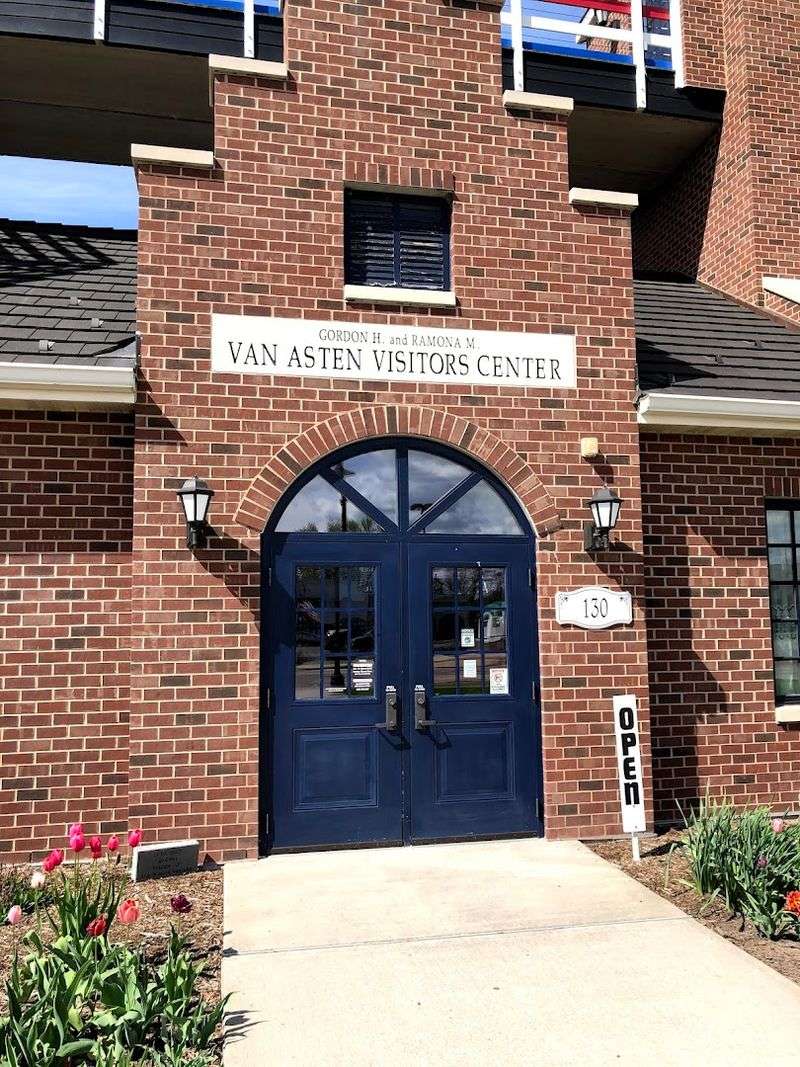
Adjacent to the windmill, a dedicated visitor center expands the educational experience with exhibits that explore broader themes of Dutch culture, immigration, and regional development. The center provides climate-controlled space for artifacts that cannot be displayed within the windmill itself, including delicate textiles, documents, and photographs requiring protection from temperature fluctuations and humidity.
Interactive displays engage younger visitors while providing depth for adults interested in detailed historical information. Timelines trace the evolution of Little Chute from wilderness to settlement to modern community.
Maps show connections between Wisconsin’s Dutch population and specific regions in the Netherlands, helping visitors understand the geographic origins of local families.
Staff and volunteers in the visitor center answer questions, sell tickets for windmill tours, and operate a small gift shop featuring Dutch-themed items and locally produced goods. The building serves as the entry point for most visitors, orienting them to the site’s significance before they ascend into the windmill itself for the guided tour that brings history to life through direct experience with authentic architecture and machinery.
Dutch Artifacts Help Bring The Village’s Heritage To Life
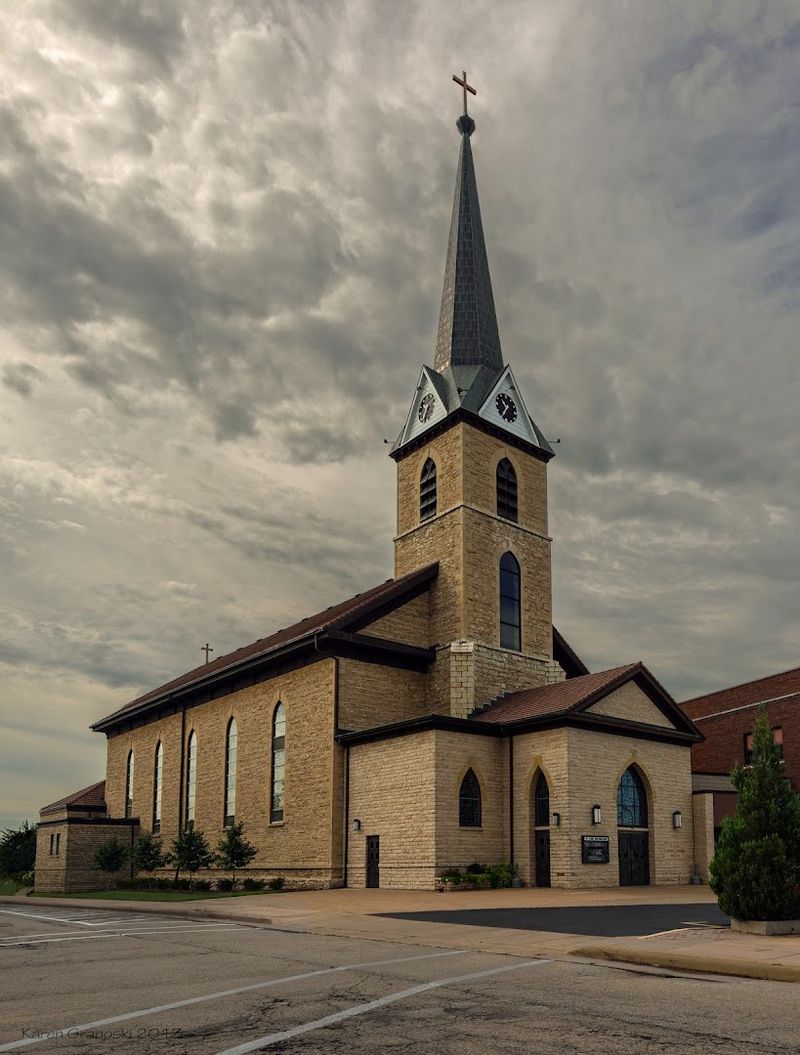
Wooden clogs, traditional costumes, household implements, and religious items from the Netherlands fill display cases throughout the facility, offering tangible connections to Dutch daily life across different historical periods. These artifacts represent both the possessions immigrants carried to America and items acquired later to maintain cultural traditions in their new homeland.
Each object tells a story about values, craftsmanship, and the practical realities of life in Dutch communities.
Particularly striking are the textiles, including examples of traditional dress that showcase the distinctive regional variations found across the Netherlands. Different provinces developed unique costume styles, and these variations persisted among immigrant communities in Wisconsin.
Kitchen implements, farming tools, and religious texts round out the collection, demonstrating the full spectrum of material culture.
Tour guides often incorporate artifact discussions into their presentations, using specific objects to illustrate broader points about immigration, adaptation, and cultural preservation. Visitors frequently express appreciation for these concrete examples that make abstract historical concepts feel immediate and real, transforming a museum visit into a genuine encounter with the past and its continuing influence on present-day Little Chute.
The Genealogy Archive Connects Visitors To Dutch Family History
Researchers with Dutch ancestry find valuable resources in the museum’s genealogy archive, which contains records documenting families who settled in the Little Chute area and surrounding Fox Valley communities. Birth records, marriage certificates, church membership rolls, and cemetery documentation help individuals trace their family lines back to specific villages in the Netherlands.
The archive has facilitated countless family reunions and heritage trips as Americans discover their Dutch roots.
Volunteers with expertise in genealogical research assist visitors in navigating the available records and suggest additional resources for further investigation. Many people arrive with only fragments of family history and leave with substantially expanded knowledge of their ancestors’ lives, migrations, and contributions to their adopted homeland.
The emotional impact of these discoveries often surprises visitors who did not expect such personal connections during a simple museum visit. Finding a great-great-grandfather’s name in a church register or discovering photographs of ancestral farmsteads creates powerful moments of recognition and belonging that extend the museum’s mission beyond education into the realm of personal identity and family continuity across generations and continents.
The Windmill Makes Downtown Little Chute Feel Like A European Village
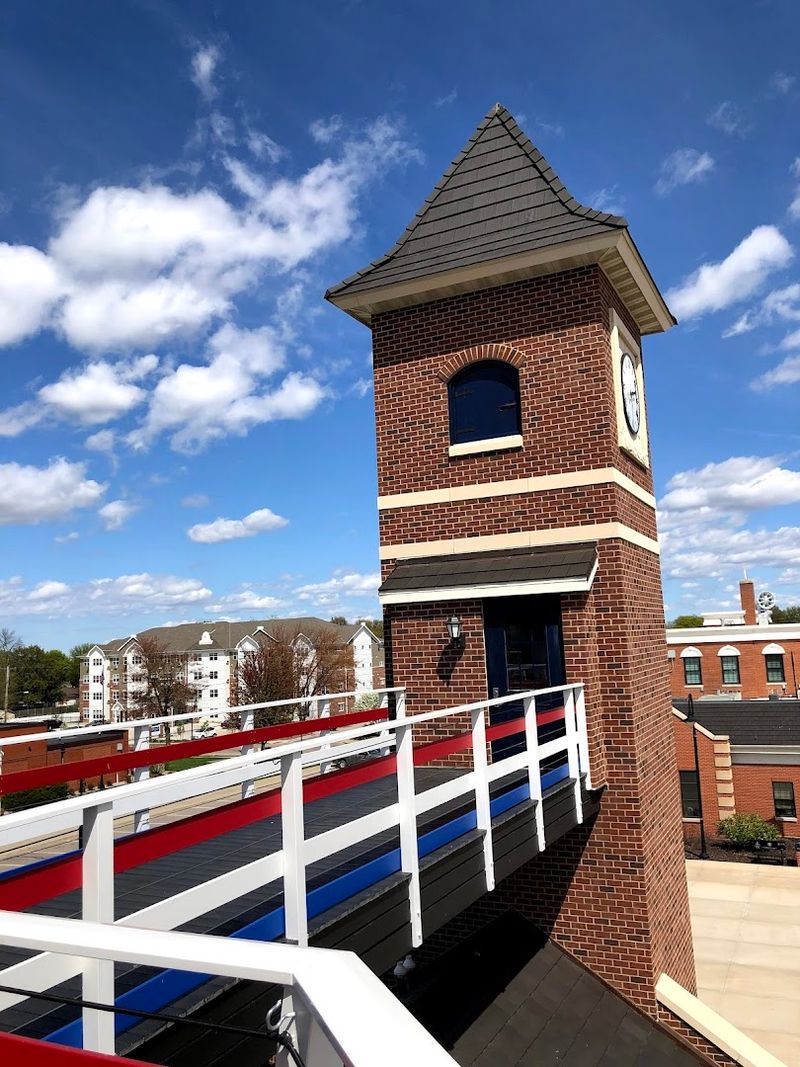
Walking through downtown Little Chute with the windmill as backdrop creates an atmosphere distinctly different from typical American small towns. The structure’s presence evokes European village squares where windmills anchored community life and served as gathering points for commerce and social interaction.
Local businesses embrace this character, and the overall effect transports visitors to a place that feels both American and Dutch simultaneously.
The windmill’s influence extends beyond mere aesthetics to shape community identity and civic pride. Residents reference the structure constantly, use it as a meeting point, and incorporate it into celebrations and festivals throughout the year.
The building has become inseparable from the town’s self-image and marketing efforts.
Tourists often remark on the unexpected pleasure of discovering this European atmosphere in the middle of Wisconsin. The windmill succeeds in its mission not simply by existing as a museum piece but by actively shaping the character and feel of its surroundings, creating a distinctive sense of place that honors the past while enriching the present-day experience of everyone who visits or calls Little Chute home.