
This North Fork, New York Beach Hides Five Shipwrecks You Can Walk To At Low Tide
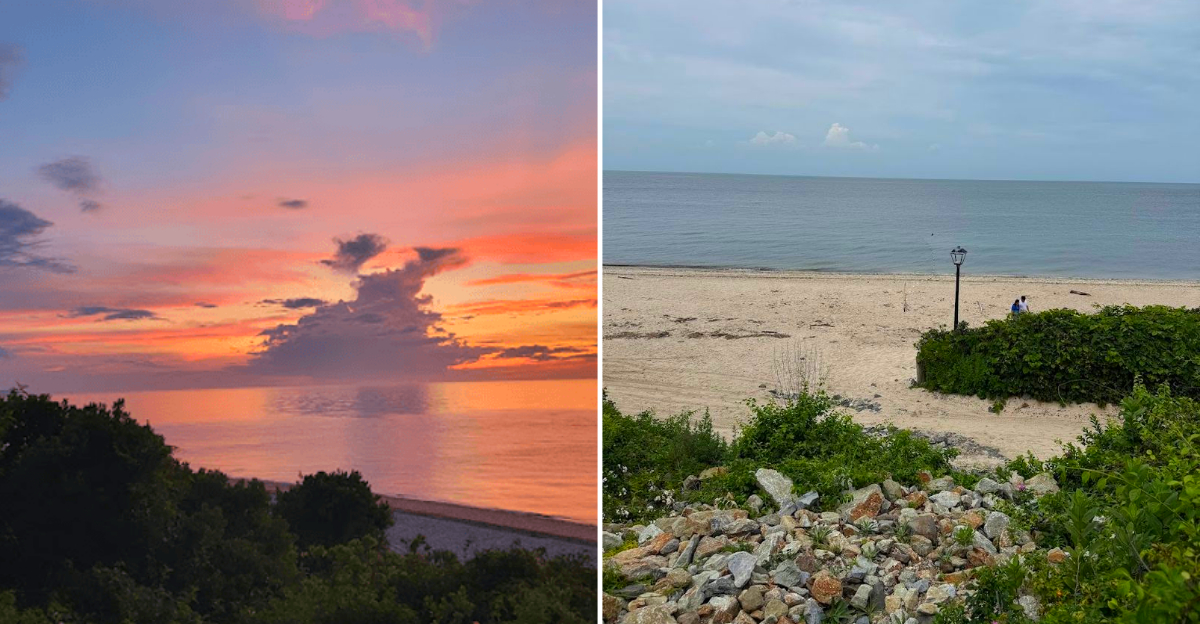
Low tide turns this quiet North Fork shoreline into something far stranger than a regular beach day.
Along a lesser-known stretch of New York’s Long Island coast, the water pulls back enough to reveal the weathered remains of five wooden shipwrecks resting in the shallows.
They are not behind glass, fenced off, or explained through a museum label. You can walk near them, study the ribs of old vessels, and feel how much history is still hiding under ordinary waves.
The timing matters, so waterproof shoes and a careful eye make the visit better. Come too late, and the tide starts taking the story back.
Come at the right moment, and this beach feels like a maritime mystery, a coastal walk, and a history lesson all rolled into one.
A Shoreline With Serious Secrets
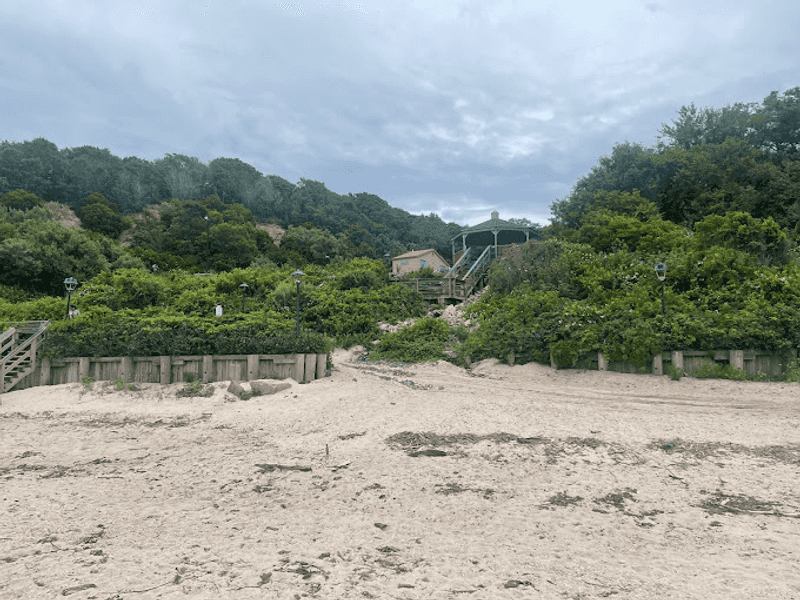
Not every beach earns its reputation with a postcard view. Some earn it with history buried just beneath the surface.
Along a quiet stretch of the Long Island Sound, the tide pulls back twice a day to reveal something most beachgoers never expect to find: the bones of five old ships slowly returning to the earth.
The setting itself is striking. Calm, greenish water meets a wide sandy shore, and the air carries that particular mix of salt and stillness that only shows up far from city noise.
Locals know this spot for its peaceful atmosphere and unhurried pace.
What makes it truly special is the layering of experience. You get a proper beach day and a genuine slice of maritime history in the same afternoon.
The wooden beams rise from the sand like ancient sculptures, draped in emerald moss and rough barnacles. Waves have shaped them into something almost artistic.
Few beaches in the entire Northeast can offer that kind of double feature. The whole scene feels like finding a hidden chapter in a book you thought you already knew.
The Long Island Sound itself adds to the atmosphere in a way that the ocean-facing South Shore beaches simply cannot replicate.
The Sound’s calmer, shallower waters give the whole coastline a more intimate quality, and the views across to Connecticut on a clear day create a sense of geographic scale that makes the beach feel connected to something larger than a single afternoon outing.
Reeves Beach Is The Real Deal
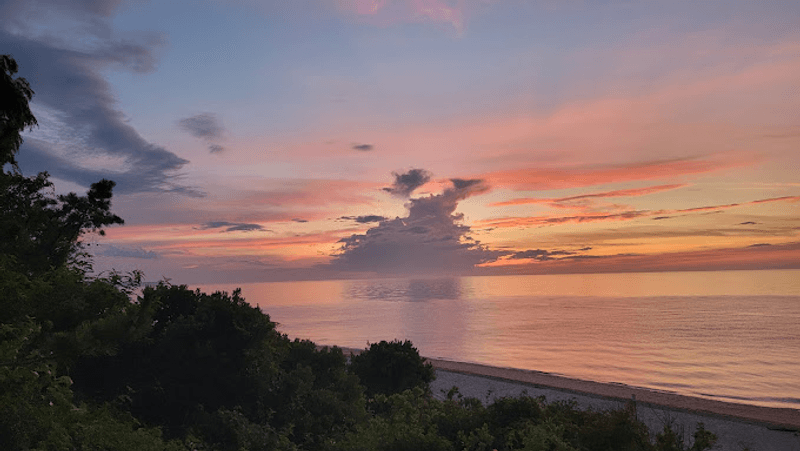
Reeves Beach sits on Park Road in Baiting Hollow, Riverhead, NY 11933, and it carries the kind of low-key charm that rewards people who actually seek it out. There are no resort hotels nearby.
No overpriced beachside stands. Just a clean, well-kept stretch of Long Island Sound shoreline that locals have quietly treasured for years.
The beach earns high marks for its calm waters and relaxed atmosphere. Families come here to sunbathe, wade, and breathe.
The crowd is friendly and the pace is slow in the best possible way. Parking requires a town permit between mid-April and mid-November, so plan accordingly before you make the trip.
What sets Reeves Beach apart from the dozens of other North Fork spots is that extra layer of discovery waiting just down the shore. A ten-minute walk west from the beach steps brings you to the waterline where five old ships rest in various states of dignified ruin.
New York has no shortage of beautiful beaches, but very few come with a built-in treasure hunt attached. Reeves Beach genuinely delivers on both fronts without asking you to choose between them.
Riverhead Town manages the beach and keeps the facility genuinely well-maintained, which is not always guaranteed at lesser-known public beaches across Long Island.
The permit requirement during peak season is straightforward to navigate online ahead of your visit, and the relative barrier it creates helps keep the crowd at a size that preserves the relaxed energy the beach has built its reputation on.
Plan early and the logistics handle themselves.
WWI Freighters Turned Breakwater
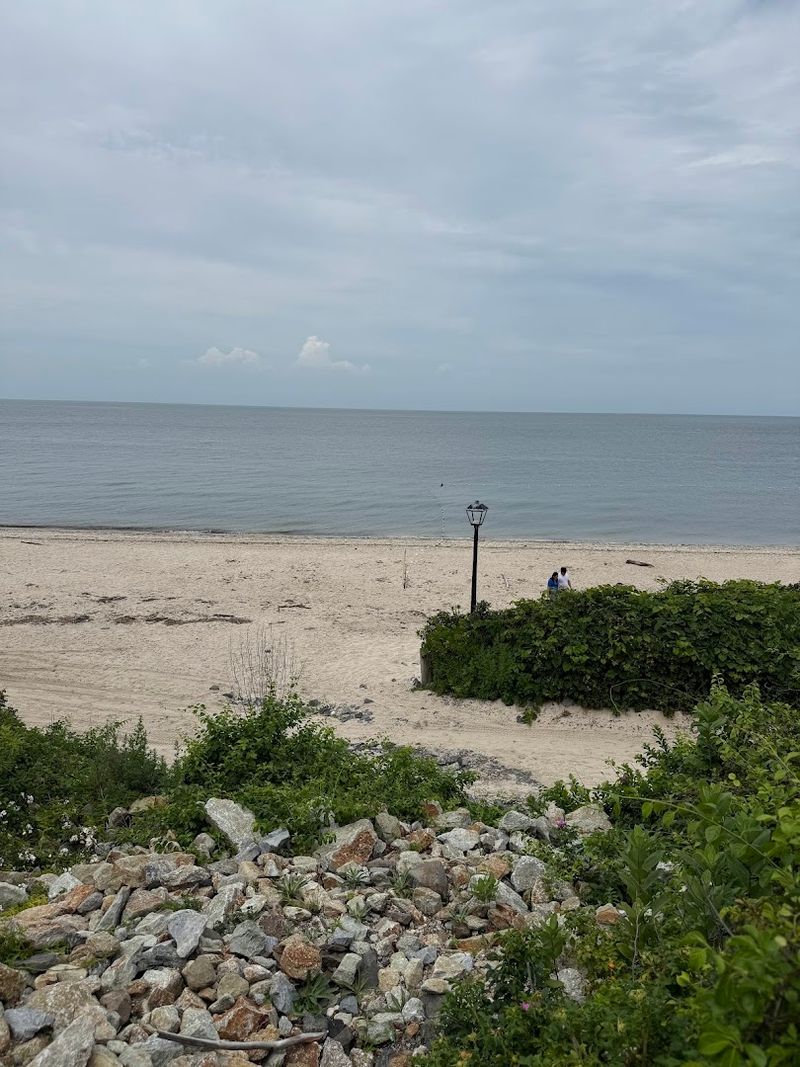
Five wooden Merchant Marine freighters from the World War One era now rest along the shoreline at Reeves Beach. They were not lost at sea in any dramatic fashion.
Instead, they were put to work one final time in the 1930s when a local business intentionally sank them to create a breakwater for a sand mining operation along the North Fork coast.
The plan made practical sense at the time. Old ships, already past their working years, could serve as barriers against wave erosion while the mining operation extracted sand from the shore.
It was resourceful, if nothing else. The problem came when the sand itself turned out to be poor quality, making the entire venture commercially worthless.
The mining operation folded, and the ships were left behind. Two fires in the 1940s finished what the waves had started.
A 1943 blaze, possibly sparked by workers using a blowtorch to salvage iron and steel, burned a significant portion of the structures. A second fire in 1947 brought them down to the waterline.
What remains today are the heavy wooden ribs and beams that proved too stubborn to burn completely, now half-buried in sand and dressed in moss.
The Merchant Marine vessels used in this operation were part of a massive fleet built rapidly during World War One to support Allied supply lines across the Atlantic.
By the 1930s, hundreds of these wooden ships had outlived their commercial usefulness, and repurposing them as breakwaters or landfill was a common solution along the Eastern Seaboard.
The North Fork operation was far from unique in concept, but the accidental preservation of these particular hulls makes Baiting Hollow genuinely rare.
Low Tide Is Your Golden Ticket
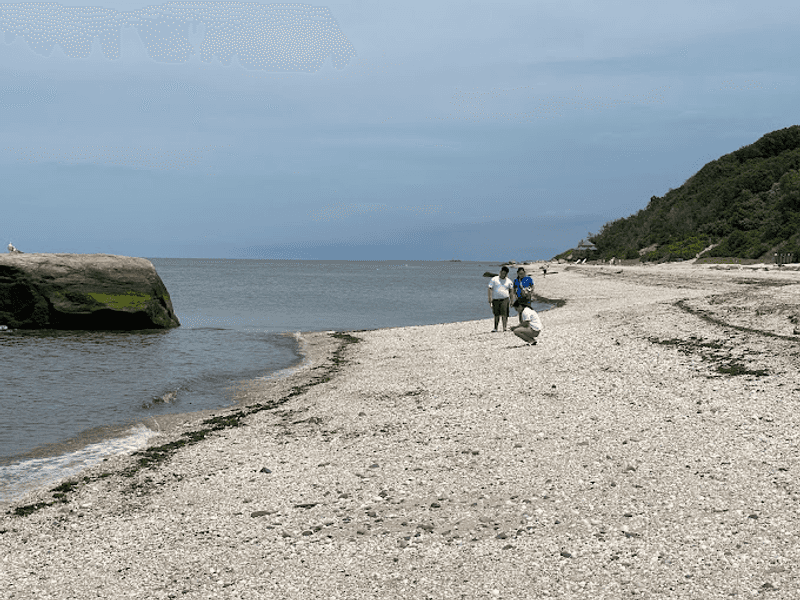
Timing is everything at Reeves Beach if the shipwrecks are your main destination. The wrecks, known locally as the Friar’s Head Wrecks, become most visible and walkable only when the tide pulls back far enough to expose the sand around them.
Show up at high tide and you might catch just a few dark shapes lurking below the surface.
Checking a tide chart before you go is genuinely worth the two minutes it takes. Low tide creates a wide, firm strip of wet sand that lets you walk right up to the wooden structures without wading.
The wreck site sits roughly a ten-minute walk west from the beach steps, so comfortable footwear matters too. Water shoes or sturdy sandals handle the terrain well.
Wind and shifting sand can also affect visibility from one visit to the next. On some days the beams stand tall and dramatic.
On others, sand has drifted to cover sections that were exposed the week before. That unpredictability actually adds to the experience rather than taking away from it.
Every visit to this stretch of New York shoreline offers a slightly different version of the same fascinating scene, which gives you a perfectly good reason to come back again.
Several free tide chart apps and websites cover the Baiting Hollow area specifically, and pulling one up the night before your visit takes less than a minute. The difference between arriving at the right moment and missing the wrecks entirely is genuinely significant.
Aim for the hour immediately following low tide when the sand is fully exposed but still firm enough for comfortable walking without sinking. That window rewards the visitor who planned ahead.
What The Wrecks Look Like Up Close
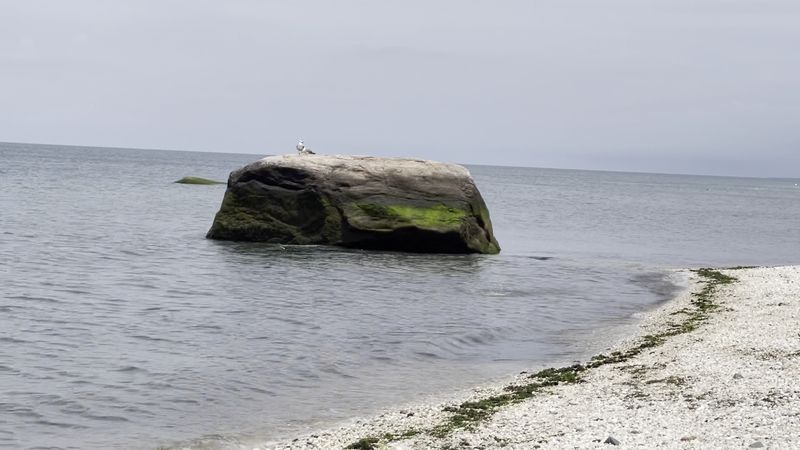
Getting close to the wrecks for the first time is a genuinely memorable moment. The scale surprises most visitors.
The wooden beams are thick, heavy, and clearly built to last, which is probably why they are still here after nearly a century of wave action, fire, and salt exposure. They rise from the sand at odd angles, like the ribs of some enormous creature that simply decided to lie down and stay.
Emerald green moss blankets much of the wood, and barnacles have claimed every surface the moss missed. The texture is rough and layered, almost geological in appearance.
At certain times of day, when the light hits the water at a low angle, the whole scene takes on a quality that feels genuinely surreal.
Standing among the five wrecks, spread along the shoreline, it is easy to understand why locals are quietly proud of this spot. There is nothing quite like it along the New York coast.
The combination of maritime history, natural beauty, and sheer accessibility makes the Friar’s Head Wrecks an experience that sticks with you long after the sand has dried from your shoes. Bring a camera and give yourself extra time because you will not want to rush this one.
Photographers who shoot the wrecks at golden hour consistently produce images that look almost impossible to believe were taken on Long Island.
The combination of warm light, dark weathered wood, green moss, and calm Sound water creates a composition that requires almost no editorial intervention to look extraordinary.
Early morning visits before other beachgoers arrive offer the same quality of light with the added bonus of having the entire scene completely to yourself for a stretch.
Make A Full Day Of It On The North Fork
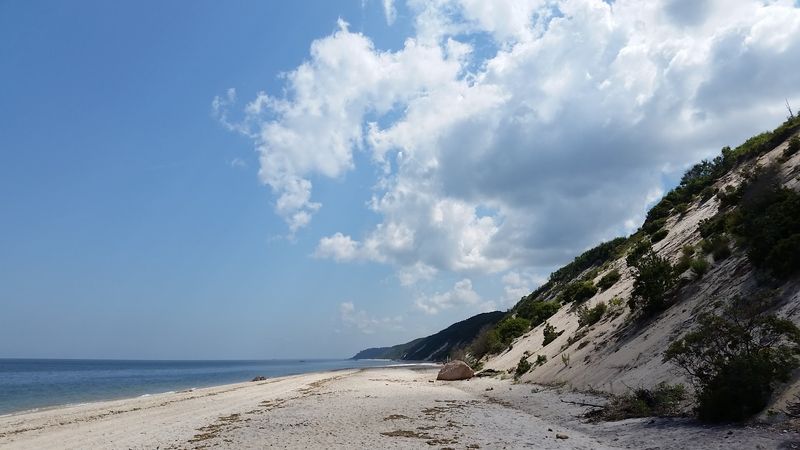
Reeves Beach sits in Baiting Hollow, which puts it in one of the most quietly beautiful stretches of Long Island’s North Fork country.
The surrounding Riverhead area offers enough to turn a shipwreck walk into a genuinely full afternoon without any forced itinerary.
Lavender farms, farm stands, and vineyards line the backroads within a short drive of the beach, and the North Fork’s relaxed agricultural character pairs naturally with the unhurried pace that Reeves Beach already sets.
Sound Avenue running parallel to the Sound is one of the most scenic agricultural corridors in all of New York State, connecting farm stands, breweries, and small local businesses in a way that makes aimless driving feel genuinely productive.
Fox Hollow Farms with its sunflower maze sits along this same stretch, and the combination of a morning shipwreck walk at low tide followed by an afternoon through the farm country makes for an itinerary that requires almost no planning and delivers something genuinely memorable.
Late summer and early fall are the sweet spot for the whole region.
The light on Long Island Sound in September does something extraordinary to the water, and the wrecks look their most dramatic against an October sky with the tide pulling back in the late afternoon.