
10 Peaceful Towns In Nevada Where You Can Live Happily, And Debt-Free
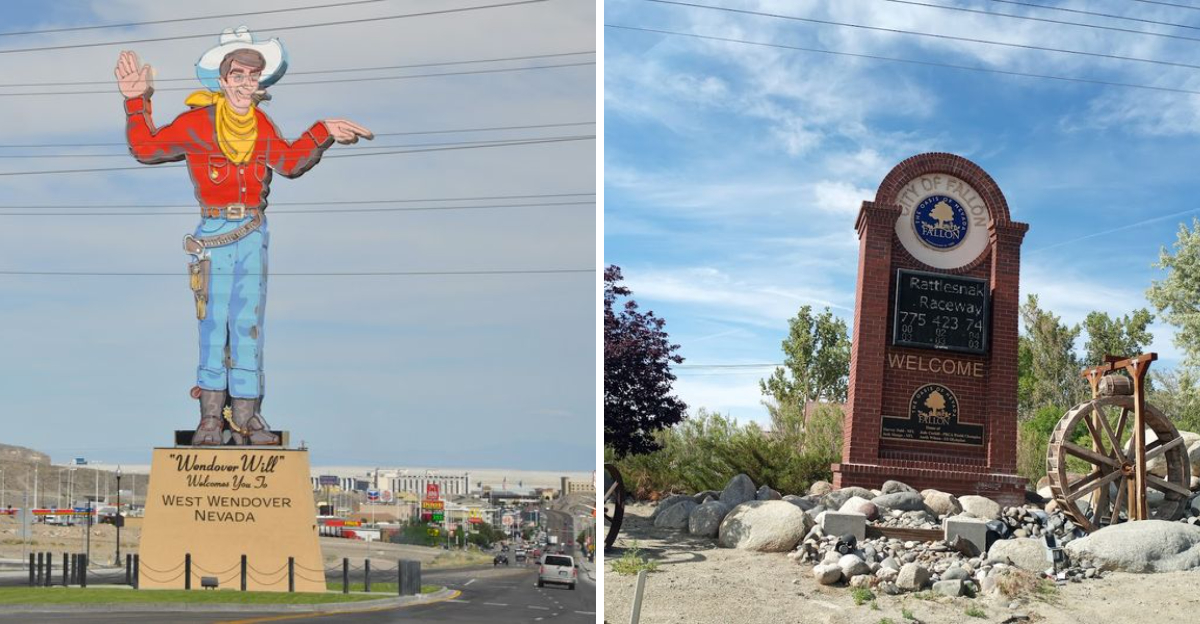
Vegas gets the postcards, the concerts, and the wild weekend stories, but quieter Nevada towns have their own kind of pull.
The pace feels easier. Rent and home prices can be kinder, errands do not swallow half the day, and neighbors may know your truck before they know your name. That kind of life matters when every bill feels louder than it should.
Out here, a slower morning can still come with mountain views, desert sunsets, diner coffee, and enough space to breathe. You do not need a neon skyline to feel rich.
Sometimes the real win is a small town where your money stretches, your shoulders drop, and home feels simple again.
1. Ely
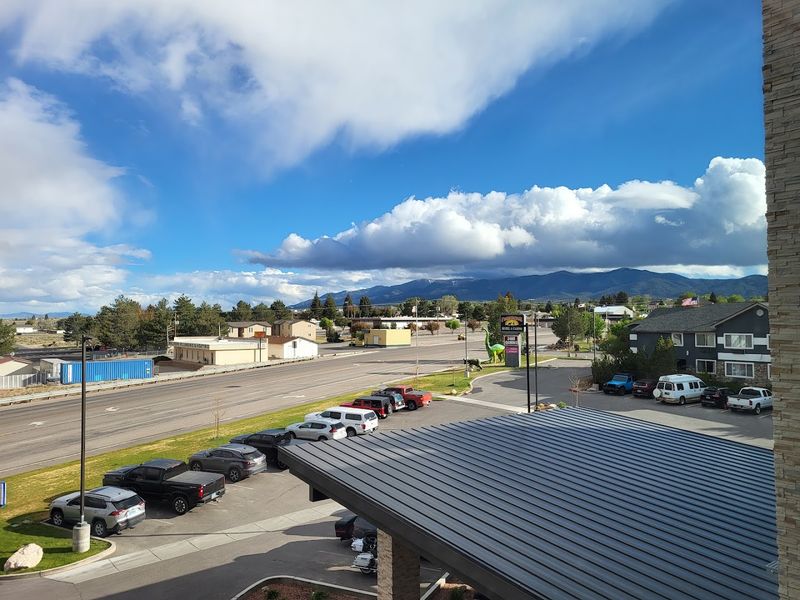
Picture yourself waking up to mountain views every single morning without a mortgage payment crushing your budget. Ely sits in White Pine County, surrounded by peaks that touch the clouds and open spaces that stretch for miles.
The median home price here hovers around $150,000, making homeownership actually achievable instead of some distant fantasy.
This former mining town has reinvented itself as a haven for people seeking simplicity. The population stays under 4,000, so you’ll recognize faces at the grocery store and coffee shop.
Local festivals bring everyone together, and the Nevada Northern Railway Museum offers a glimpse into the past that feels refreshingly real.
Cost of living runs about 15% below the national average. Utilities stay reasonable because extreme temperatures are rare compared to southern Nevada.
Groceries, gas, and everyday expenses won’t drain your wallet like they would in bigger cities.
Jobs exist in healthcare, education, and tourism, though many residents work remotely or run small businesses. The pace here encourages saving money rather than spending it.
No fancy restaurants tempt you every block, and entertainment often means hiking trails or stargazing instead of expensive nights out that leave you broke by payday.
2. Carlin
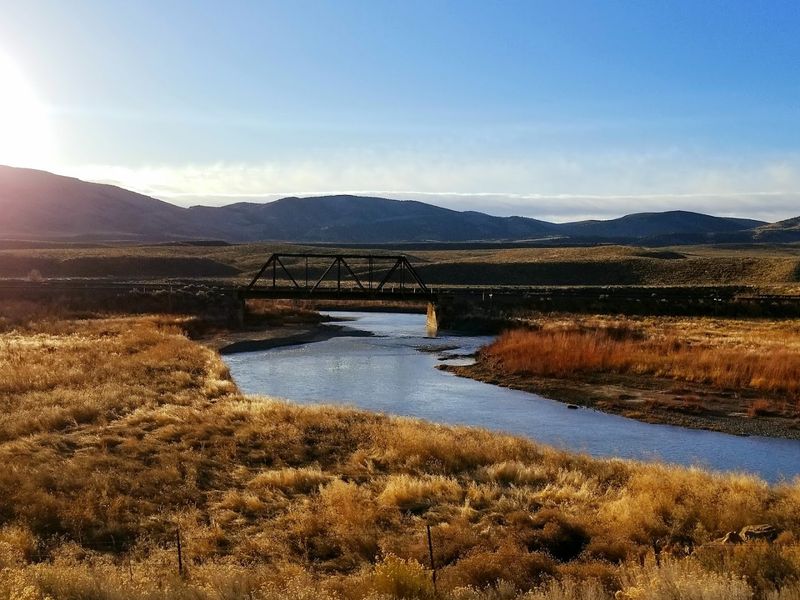
Railroad history runs through Carlin’s veins, and affordability runs through its housing market. With fewer than 2,500 residents, this Elko County town offers homes starting around $120,000.
You could actually pay off a house here in ten years instead of spending three decades enslaved to a bank.
The town sprouted along the Humboldt River back when trains were the lifeline of the West. Today, it maintains that unpretentious character that makes saving money feel natural.
People here drive older cars without shame, shop at thrift stores without embarrassment, and find joy in potluck dinners instead of overpriced restaurants.
Mining operations nearby provide steady employment, and the commute to Elko takes just twenty minutes for those seeking more job options. Property taxes stay low enough that you won’t feel punished for owning land.
Utility bills rarely shock you, and there’s no homeowners association demanding fees for maintaining standards nobody asked for.
Entertainment costs almost nothing because nature provides the backdrop. Fishing, hiking, and camping become your weekend activities instead of mall trips that empty your wallet.
Kids grow up understanding the value of a dollar because consumerism hasn’t infected every corner of daily life here.
3. Laughlin
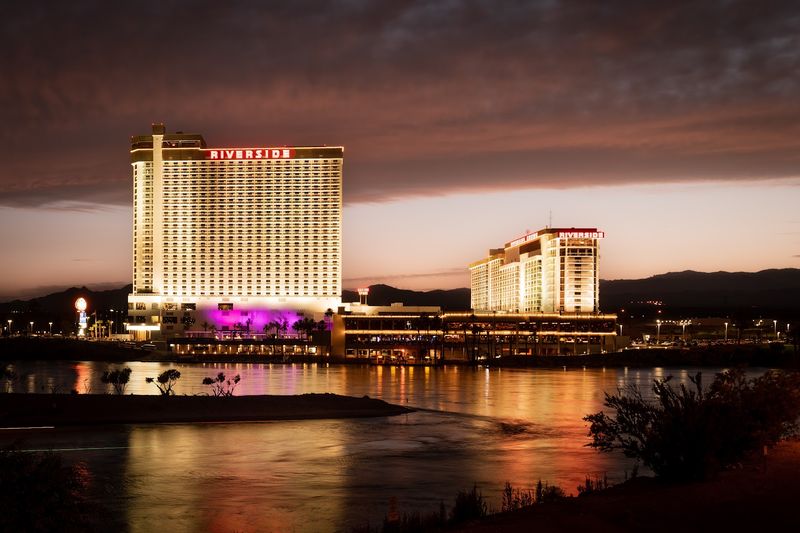
Right along the Colorado River sits a town that defies expectations about Nevada living costs. Laughlin attracts retirees and young families alike because housing remains shockingly affordable despite the riverside location.
Condos and houses sell for $150,000 to $200,000, and rental options abound for those not ready to buy.
Casinos line the riverfront, but they’re not the reason most residents choose this town. The real draw comes from year-round sunshine, low property taxes, and a cost of living that runs 10% below the national average.
Nevada’s lack of state income tax means your paycheck actually belongs to you instead of disappearing into government coffers.
Healthcare facilities serve the community well, and jobs in hospitality, retail, and service industries stay plentiful. The population hovers around 7,500, keeping things manageable without feeling isolated.
Grocery stores, pharmacies, and basic services exist without the premium pricing found in tourist-heavy areas.
River activities provide free entertainment most of the year. Kayaking, fishing, and walking trails along the water cost nothing but time.
The climate allows outdoor living that reduces heating and cooling bills compared to harsher environments. Neighbors tend toward friendliness because everyone shares the same appreciation for affordable desert life without pretension.
4. Pahrump

Just an hour from Las Vegas sits a valley where sanity and savings coexist beautifully. Pahrump sprawls across Nye County with about 40,000 residents who chose affordability over city chaos.
Homes here average around $250,000, which sounds high until you realize comparable properties in Las Vegas cost twice that amount.
The town lacks the glitz of its famous neighbor, and that’s precisely the point. No state income tax combines with lower property taxes to keep more money in your pocket each month.
Groceries, gas, and utilities run cheaper than urban areas, and you won’t face constant temptation to spend on things you don’t actually need.
Jobs exist in healthcare, retail, and small businesses, though many residents commute to Las Vegas for higher-paying positions while enjoying lower living costs at home. The desert landscape offers hiking, off-roading, and exploring without admission fees or parking charges.
Death Valley National Park sits close enough for weekend adventures that cost almost nothing.
Community events bring people together without requiring expensive tickets or fancy attire. Local farmers markets, town festivals, and school activities create connection without commercialism.
The pace here encourages building savings accounts instead of credit card debt, and neighbors actually know each other’s names instead of just waving from luxury cars they can’t really afford.
5. Yerington
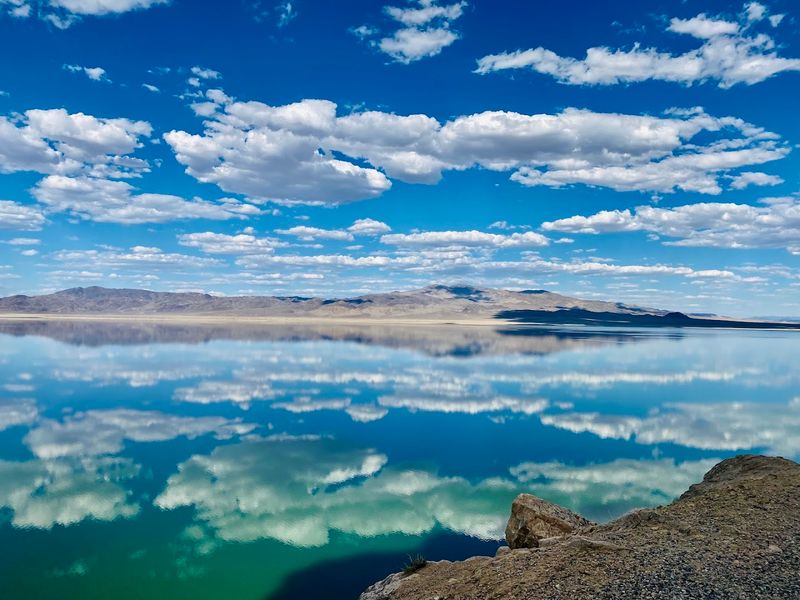
Agriculture still matters in Yerington, where Lyon County’s farming heritage keeps the town grounded in reality instead of speculation. Population stays around 3,000, and home prices hover near $180,000 for properties with actual yards instead of postage-stamp lots.
Space costs less here because land hasn’t become a commodity traded by investors who never set foot in the place.
The Walker River flows nearby, providing irrigation for farms and beauty for residents who appreciate water in the desert. Cost of living runs significantly below state and national averages, making it possible to live on modest incomes without constant financial anxiety.
Property taxes stay reasonable, and utility costs remain manageable because the climate doesn’t swing to brutal extremes.
Jobs in agriculture, education, and local government provide stability rather than excitement, which suits people tired of economic rollercoasters. Small businesses thrive because residents actually support local shops instead of driving hours to big-box stores.
The downtown area maintains its historic character, and nobody’s trying to turn it into something trendy that prices out longtime residents.
Recreation centers around outdoor activities that cost nothing. Fishing, hiking, and community sports keep families entertained without subscription fees or expensive equipment.
Kids ride bikes without parents panicking about traffic, and neighbors still borrow tools instead of buying duplicates they’ll use once.
6. Hawthorne
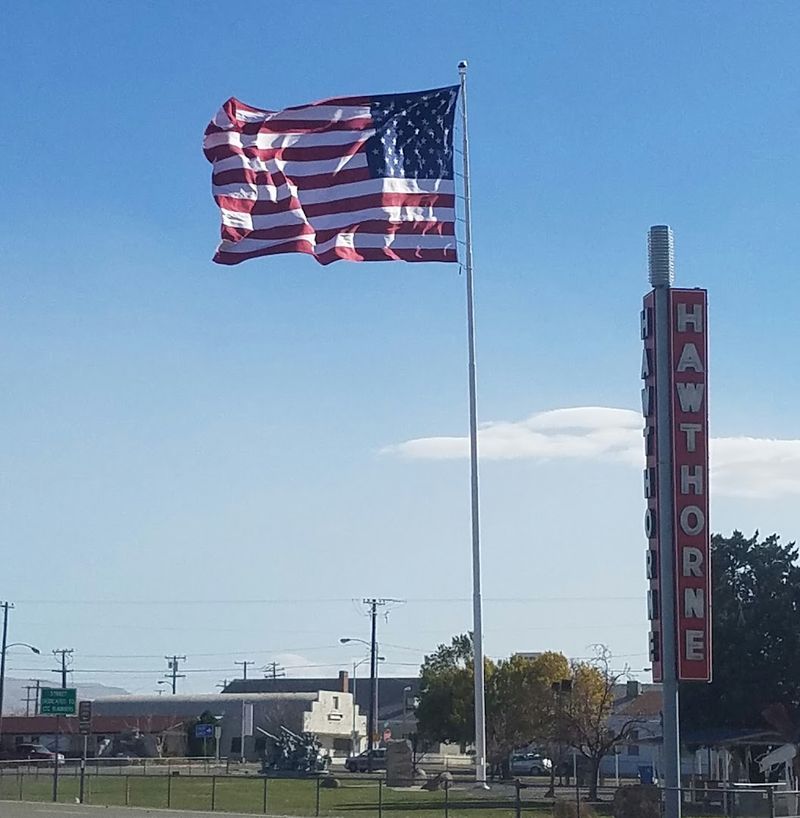
Military history echoes through Hawthorne, home to the Hawthorne Army Depot and fewer than 3,000 civilians who appreciate quiet living. Houses sell for around $130,000, and rent rarely exceeds $800 monthly for decent places.
This Mineral County seat proves you don’t need six figures to own property in Nevada.
Walker Lake sits just south of town, offering fishing, boating, and scenic views without resort prices or crowded beaches. The military presence provides economic stability without the boom-bust cycles that plague mining towns.
Jobs on the depot pay decent wages, and civilian positions in town cover basic services that keep the community functioning.
Living costs stay low because there’s nowhere to waste money. No shopping malls tempt you with sales on things you don’t need.
No trendy restaurants drain your budget on overpriced small plates. Entertainment means potlucks, high school sports, and conversations with neighbors who’ve lived here for decades.
The desert surroundings offer solitude for those seeking escape from overcrowded cities where anonymity costs a fortune. Property taxes won’t shock you, and utilities stay affordable because infrastructure remains simple and functional.
People here drive vehicles until they actually die instead of trading up every three years to impress strangers at stoplights who don’t care anyway.
7. Winnemucca
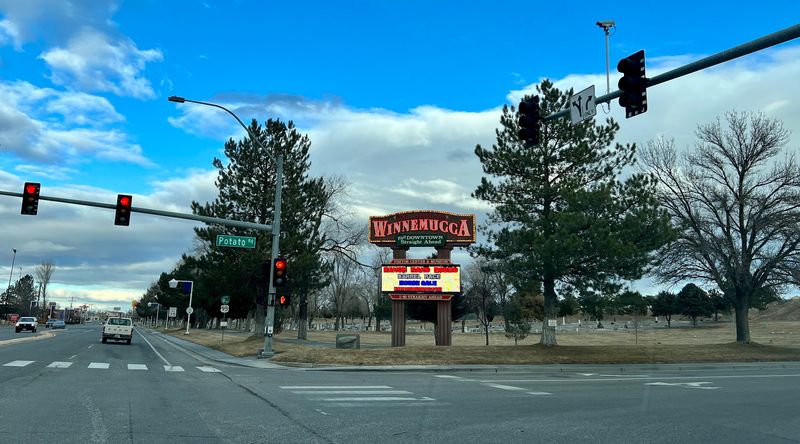
Ranching and mining built Winnemucca, and practicality keeps it running today. This Humboldt County hub of about 8,000 people offers homes averaging $220,000, which buys actual space instead of cramped quarters.
The cost of living runs about 8% below the national average, and Nevada’s tax structure means you keep more of what you earn.
Interstate 80 runs through town, connecting residents to Reno and Salt Lake City without forcing them to live in expensive urban areas. Jobs exist in mining, ranching, healthcare, and education, providing steady employment without the corporate ladder stress that ages people prematurely.
Local businesses still matter here because chains haven’t completely taken over yet.
The Basque community adds cultural richness through festivals and restaurants that serve authentic food at reasonable prices. Downtown maintains its historic character, and nobody’s trying to gentrify it into something unrecognizable.
People actually talk to each other at the grocery store instead of staring at phones while grabbing overpriced organic products they can’t pronounce.
Outdoor recreation costs nothing beyond gas money. Camping, hunting, fishing, and exploring ghost towns provide entertainment that builds memories instead of debt.
Kids learn work ethic on ranches and farms instead of expecting participation trophies for showing up. The pace here allows saving money to feel natural instead of impossible.
8. Elko
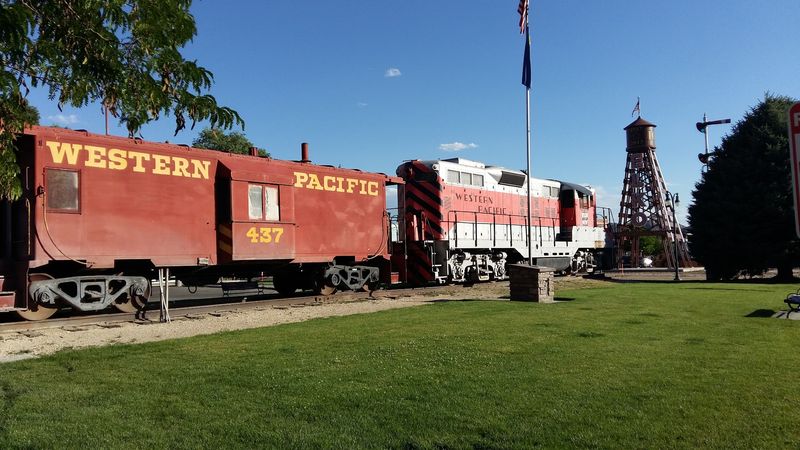
Gold mining powers Elko’s economy, and affordability powers its appeal for people seeking financial freedom. With about 20,000 residents, this northeastern Nevada town offers more amenities than tiny villages without the crushing costs of Reno or Vegas.
Homes average around $280,000, and mining jobs pay well enough to make homeownership realistic within a few years instead of never.
The Cowboy Poetry Gathering attracts visitors annually, celebrating Western heritage without corporate sponsorship or inflated ticket prices. Downtown features casinos, restaurants, and shops that serve locals first and tourists second.
Property taxes stay reasonable, and the cost of living runs slightly below the national average despite mining industry wages.
Jobs in mining, healthcare, education, and retail provide options beyond a single industry. Great Basin College offers education without requiring students to mortgage their futures for degrees.
The Ruby Mountains rise nearby, offering skiing, hiking, and camping that rival famous resorts without the price tags that make your bank account weep.
Community matters here because people actually stay instead of constantly moving for the next opportunity. Kids attend schools where teachers know their names, and neighborhoods maintain stability because homeownership rates stay high.
Entertainment often means potlucks, rodeos, and high school football instead of expensive nights out that leave you wondering where your money went.
9. Fallon
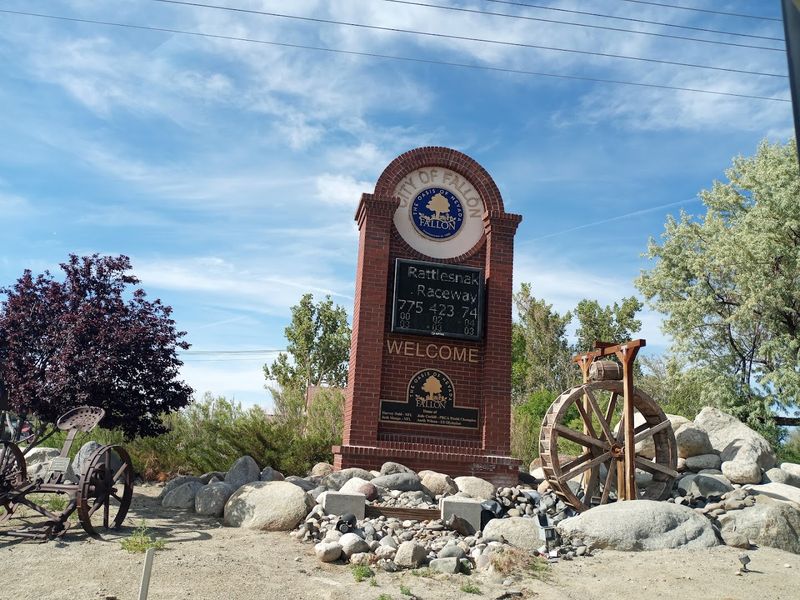
Naval Air Station Fallon anchors this Churchill County town of roughly 9,000 people who enjoy military stability without military housing costs. Homes sell for around $240,000, and the agricultural heritage keeps the community grounded in reality instead of speculation.
Cost of living stays about 5% below the national average, and Nevada’s tax benefits apply here just like everywhere else in the state.
The Navy presence provides jobs and economic stability without overwhelming the town’s character. Local farms still produce crops, and farmers markets offer fresh produce at prices that don’t require a second mortgage.
Downtown maintains small-town charm, and chain stores haven’t completely erased local businesses yet.
Lahontan Reservoir sits nearby, offering boating, fishing, and water sports without resort fees or parking charges. The desert surroundings provide space for off-roading, hiking, and exploring without crowds or admission costs.
Kids grow up with room to roam instead of being confined to expensive playgrounds designed by committees.
Property taxes stay manageable, and utilities don’t spike dramatically because the climate remains moderate by Nevada standards. Jobs exist beyond the military base in agriculture, education, healthcare, and retail.
People here value saving money over impressing neighbors, and conversations focus on substance instead of showing off purchases nobody can actually afford but everyone pretends they can.
10. West Wendover
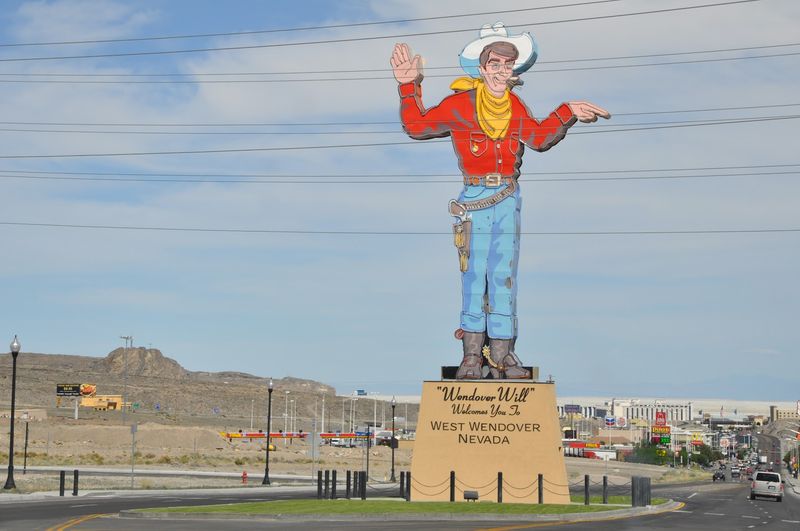
Straddling the Nevada-Utah border, West Wendover offers casino employment without Las Vegas prices. Population hovers around 4,400, and homes sell for roughly $180,000, proving border towns can provide affordability instead of just truck stops.
The cost of living runs about 12% below the national average, and Nevada’s lack of state income tax benefits residents who work on this side of the line.
Casinos provide jobs in hospitality, gaming, and entertainment without requiring residents to live in expensive tourist zones. The town serves travelers on Interstate 80 while maintaining a community identity separate from highway commerce.
Local schools, parks, and services function without the chaos of larger cities where infrastructure can’t keep pace with population growth.
The Bonneville Salt Flats lie just across the border, offering otherworldly landscapes for photography, racing events, and exploration that costs nothing but gas money. Desert surroundings provide hiking and off-roading opportunities without permits or fees that government agencies love to impose.
Entertainment often means community events and outdoor activities instead of expensive attractions designed to separate tourists from their money.
Property taxes stay low, and utility costs remain reasonable because the town hasn’t overbuilt infrastructure chasing growth that may never come. Neighbors know each other because the population stays stable, and people actually wave instead of pretending nobody else exists.
The pace here allows financial breathing room that feels impossible in cities where everything costs twice what it should.