
This Utah Road Trip Blends Ancient Ruins, Waterfalls, And Some Of The World’s Most Dramatic Skies
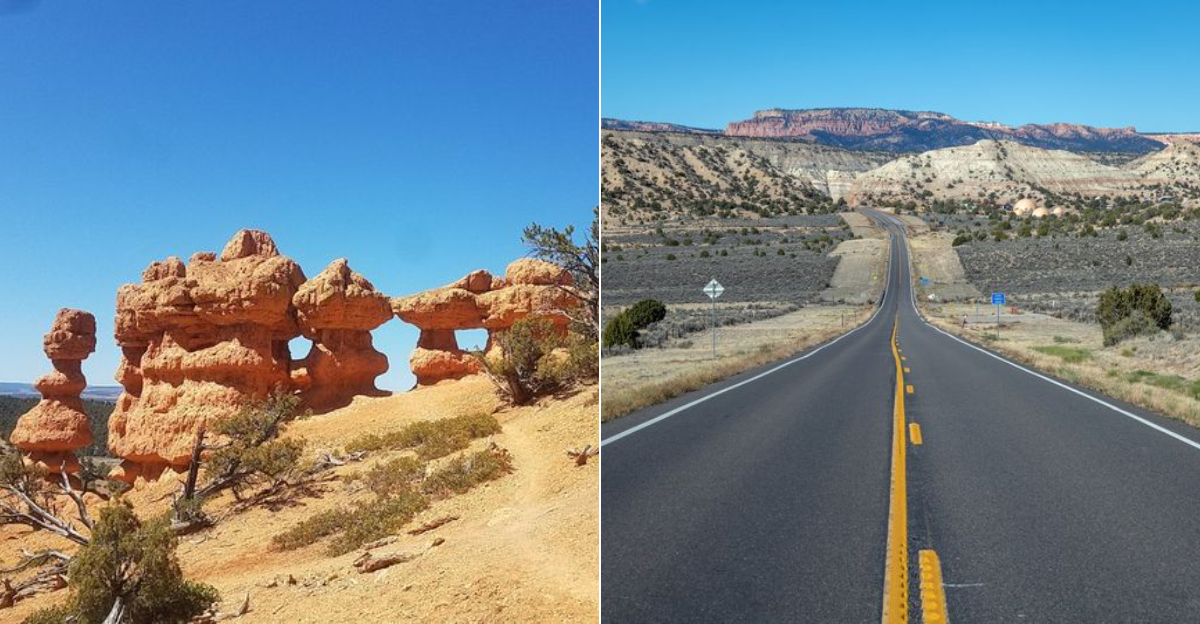
The best desert drives do more than connect one stop to the next. In Utah, this legendary route packs ancient ruins, canyon cliffs, waterfalls, fruit orchards, stone spires, and starry skies into one unforgettable road trip.
The scenery keeps changing fast enough to make rushing feel impossible. Who could pass old village sites, narrow ridge roads, swimmable water, and dark-sky parks without pulling over again and again?
This is the kind of route that turns every pause into part of the adventure. One moment feels quiet and ancient, the next feels wide open and wild.
Give the drive more time than the map suggests. Utah makes this journey feel like a moving postcard with surprises waiting far beyond every bend.
Anasazi State Park Museum
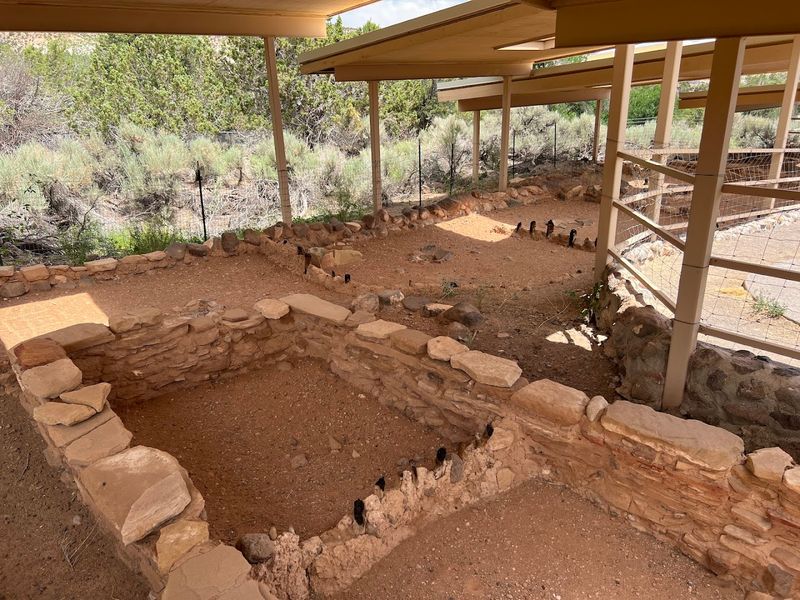
Imagine standing where people lived over 900 years ago. The Anasazi State Park Museum in Boulder, Utah, puts you face to face with one of the most fascinating ancient communities ever found west of the Colorado River.
This was once a thriving village. Archaeologists believe up to 200 people called the Coombs Site home between A.D. 1050 and 1200.
That is almost a thousand years of history sitting right under your feet.
Walking the paved paths here feels surprisingly personal. You pass about 30 excavated rooms, a partially restored pit house, and a replicated six-room dwelling that shows you exactly how these people built their lives.
The museum holds over 1,000 artifacts recovered from the site. Pottery, tools, and everyday objects tell quiet stories about a community that simply figured things out without modern technology.
Have you ever wondered what it would feel like to hold history in your hands? The exhibits here get you pretty close to that feeling.
Kids and adults both leave here with wide eyes. Plan to spend at least an hour exploring.
The site is open most days, but check hours before you visit since schedules can vary by season.
Lower Calf Creek Falls Hike
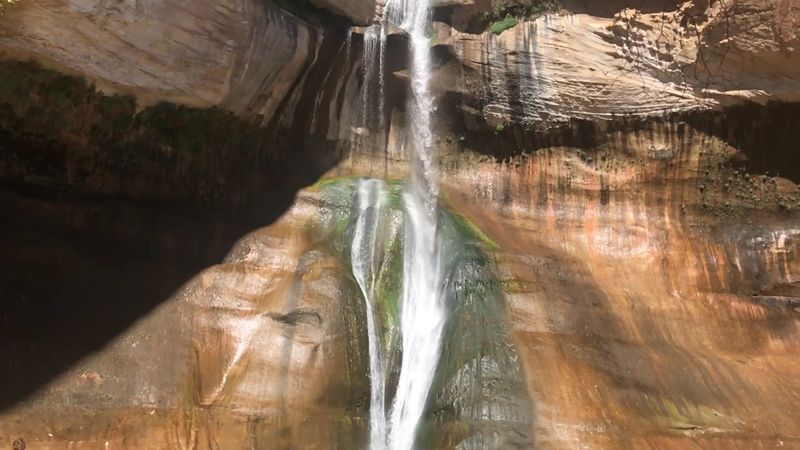
A 6-mile round trip hike that ends with a 126-foot waterfall cascading into a turquoise pool sounds like a reward worth earning. Lower Calf Creek Falls delivers exactly that and then some.
The trail follows a sandy canyon path lined with cottonwood trees and towering sandstone walls. It is moderate in difficulty, meaning most reasonably active visitors can handle it with good shoes and enough water.
Along the way, keep your eyes on the canyon walls. Ancient petroglyphs are etched into the rock, left behind by the people who traveled this land long before roads existed.
Can you imagine what stories those symbols are telling?
Stone granaries, used by ancient people to store food, are also visible from certain points on the trail. These small structures cling to cliff faces and blend into the rock like they were always meant to be there.
The falls themselves are a full payoff. Cold, clear water drops into a pool perfect for cooling off after the hike.
Swimming is allowed, so bring a towel.
This hike sits inside Grand Staircase-Escalante National Monument, right off Scenic Byway 12. Parking fills up fast in summer, so an early morning start is your smartest move.
Check trail conditions before heading out, especially after heavy rain.
Grand Staircase-Escalante National Monument
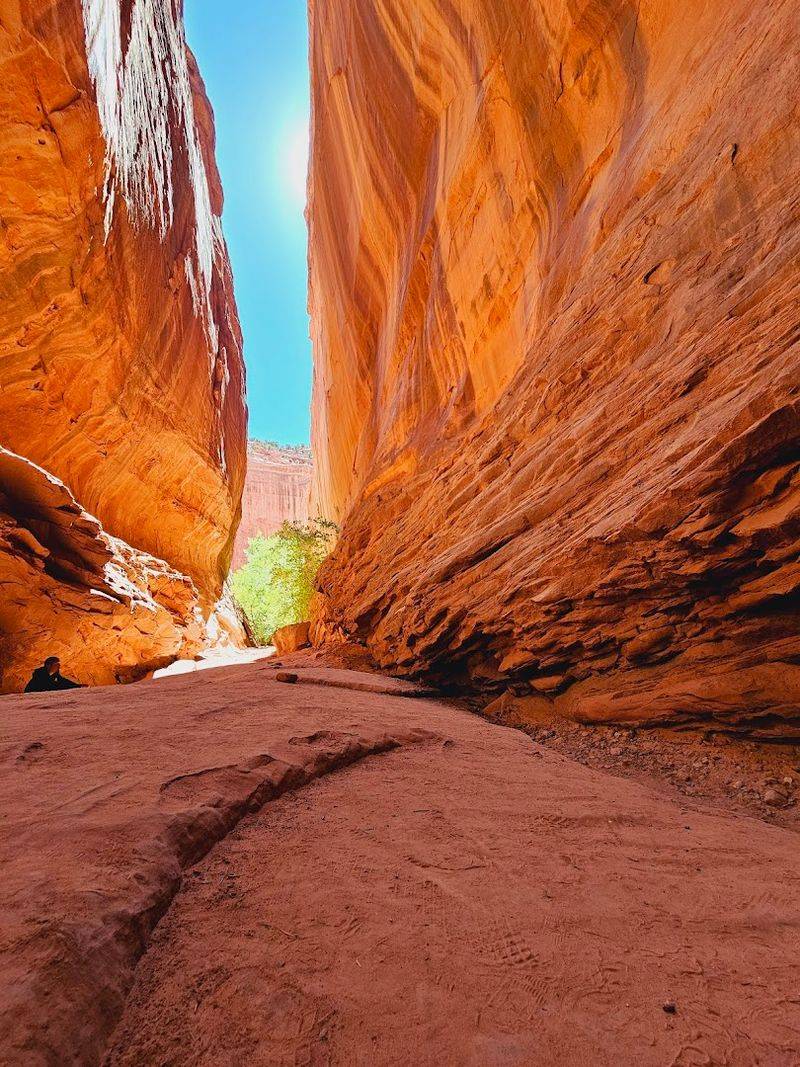
Few places on Earth make you feel as wonderfully small as Grand Staircase-Escalante National Monument. This is one of the largest national monuments in the United States, covering nearly 1.9 million acres of canyon country in southern Utah.
The landscape shifts constantly as you move through it. Coral pink sand dunes, slot canyons, ancient petrified wood, and towering mesas appear around every bend.
It is like the land cannot decide which kind of beautiful to be, so it chose all of them.
Hikers, photographers, and geology fans are all equally obsessed with this place. Trails range from easy walks to serious backcountry adventures that require preparation and navigation skills.
What kind of explorer are you?
Ancient ruins are scattered throughout the monument. Some require a bit of off-road effort to reach, but that journey makes the discovery feel earned and genuinely exciting.
The monument is also famous for its fossil record. Paleontologists have uncovered dinosaur bones, ancient fish, and prehistoric plants here, making it one of the richest fossil sites in North America.
Cell service is limited inside the monument, so download maps before you go. Visitor centers in Escalante and Cannonville are great starting points for trip planning.
Entrance is free, and the monument is open year-round.
Bryce Canyon National Park Dark Skies
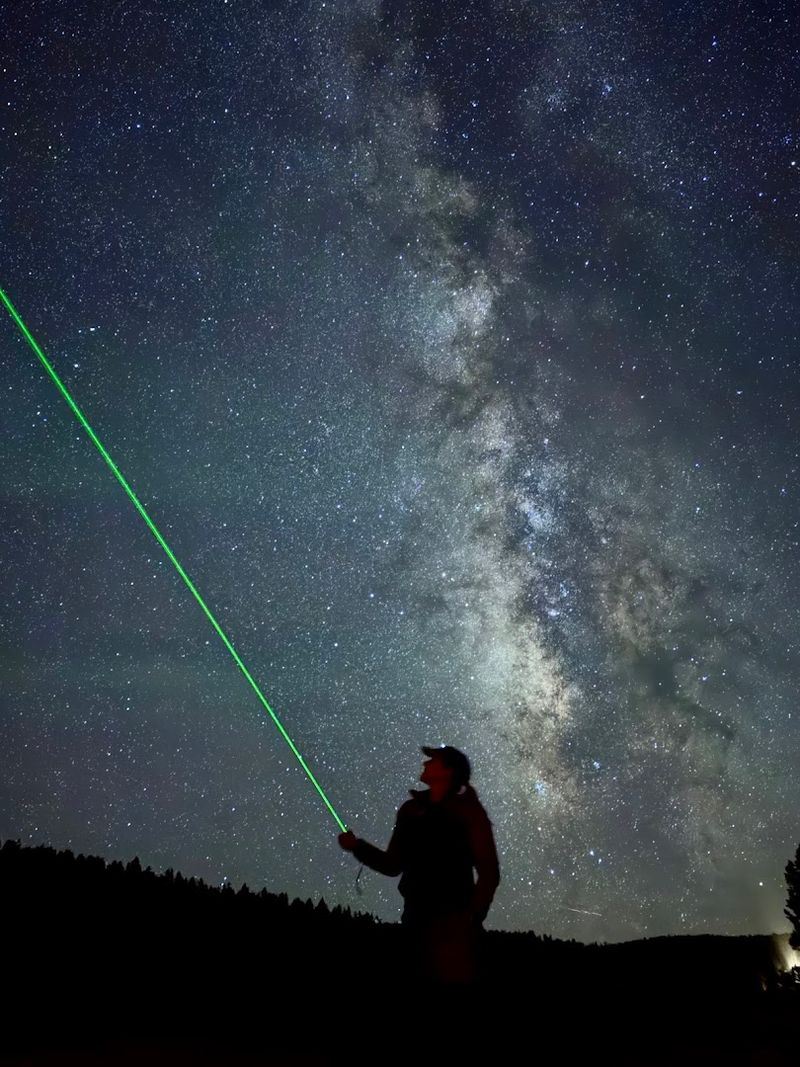
Bryce Canyon does not just look spectacular during the day. After sunset, it transforms into one of the best stargazing destinations on the entire planet.
Designated as an International Dark Sky Park, Bryce Canyon sits at elevations between 8,000 and 9,000 feet with almost zero light pollution nearby. On a clear night, the Milky Way stretches across the sky like a glowing river above the hoodoos.
Rangers lead astronomy programs throughout the year, pointing out constellations and explaining what you are seeing. These programs are free with park admission and genuinely unforgettable.
When was the last time you stared at the sky and felt completely amazed?
The annual Astronomy Festival draws visitors from around the world every summer. Telescopes are set up, experts give talks, and the whole atmosphere buzzes with curiosity and wonder.
Even without a program, simply standing at the canyon rim after dark and looking up is enough. The silence, the cool air, and the overwhelming number of visible stars create a moment that is hard to describe and impossible to forget.
Bryce Canyon is accessible from Scenic Byway 12 via Highway 63. The park is open every day of the year.
Arrive before sunset to catch the dramatic color shift on the hoodoos before the stars take over the show.
Capitol Reef National Park Gold Sky
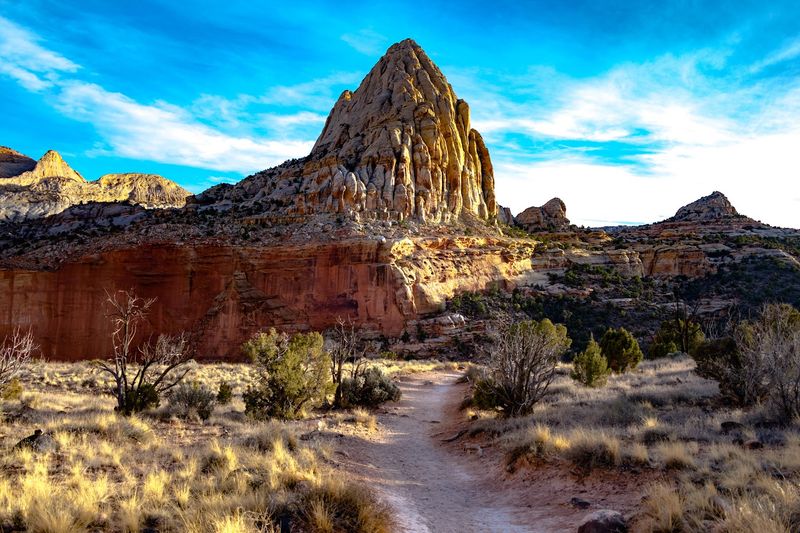
Capitol Reef National Park wears its Gold Level International Dark Sky Park status like a badge of honor. And honestly, one look at the night sky here and you will understand why it earned that top rating.
The park sits near Torrey, Utah, at the eastern end of Scenic Byway 12. Light pollution here is so minimal that the Milky Way appears on most clear nights without any equipment at all.
Just your eyes and the sky.
Torrey itself is a designated dark sky community. Some accommodations in the area even offer rooms with skylight domes so you can fall asleep watching the stars rotate overhead.
That is not a travel perk you find everywhere.
During the day, Capitol Reef offers its own dramatic visuals. The Waterpocket Fold, a nearly 100-mile long wrinkle in the Earth’s crust, cuts through the park and creates some of the most surreal geology in the American Southwest.
Fruit orchards planted by pioneer settlers still grow inside the park. In season, visitors can pick their own apples, peaches, and cherries.
How many national parks let you do that?
The park is open year-round. Nights in spring and fall offer the clearest skies and the most comfortable temperatures for stargazing.
Pack layers because desert nights cool down fast regardless of the season.
Kodachrome Basin State Park
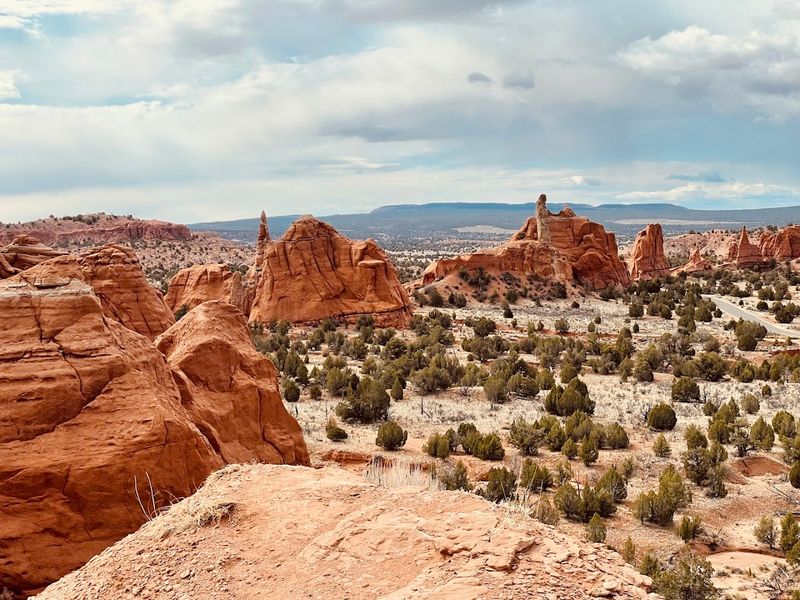
The name alone is enough to spark curiosity. Kodachrome Basin State Park was named by the National Geographic Society in 1948 after the famous color film, and the landscape absolutely justifies that comparison.
Located a short drive off Scenic Byway 12, this park is packed with 67 monolithic sandstone chimneys rising from the desert floor. These formations, called sand pipes, are found in very few places on Earth.
Scientists still debate exactly how they formed.
Astrophotographers consider Kodachrome Basin one of their favorite locations in all of Utah. The park holds International Dark Sky Park designation, meaning the night sky here is seriously impressive.
Those stone chimneys look almost alien when lit by starlight.
Daytime is equally rewarding. Hiking trails wind through colorful canyon scenery that shifts between red, orange, cream, and deep burgundy depending on the light.
Have you ever watched sandstone glow at golden hour? It is worth rearranging your entire schedule for.
Horse riding is available through a local outfitter, offering a classic Western way to explore the terrain. Camping is also an option, with sites that put you right in the middle of the basin overnight.
The park is open daily. It is a relatively uncrowded alternative to nearby national parks, which means more space and more peace for everyone willing to make the short detour.
Scenic Byway 12 Landscape Drive
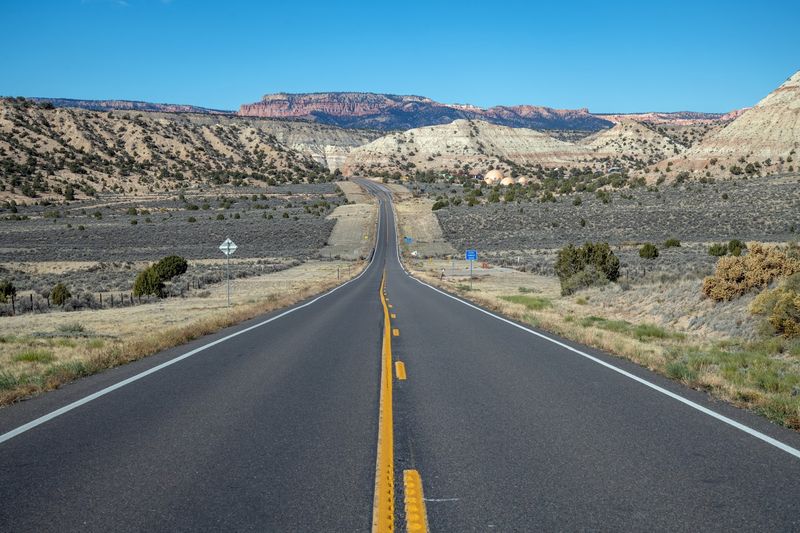
Some roads are just roads. Scenic Byway 12 is something else entirely.
This 122-mile All-American Road connects Panguitch to Torrey and is consistently ranked among the most scenic drives in the United States.
The byway earns that reputation mile by mile. It crosses the spine of the Aquarius Plateau, drops into slot canyon country, rolls through the town of Boulder, and passes through red rock formations that look like they belong on another planet.
One of the most dramatic sections is called the Hogsback. The road narrows to a ridge with steep drop-offs on both sides, and the views stretch for dozens of miles in every direction.
Gripping the steering wheel a little tighter is completely normal here.
The drive changes personality with every season. Spring brings wildflowers and snowmelt waterfalls.
Summer turns the mesas golden. Fall adds rust and amber tones to the canyon walls.
Winter coats the higher elevations in snow and quiet. Which version sounds best to you?
Small towns along the route, like Escalante and Boulder, offer local food, supplies, and a chance to talk with people who actually live in this landscape every day. Those conversations are often the best souvenirs.
There is no single best way to drive Byway 12. Stop often, pull over for views, and resist the urge to rush.
This road rewards the curious and patient traveler every single time.
Cedar Breaks National Monument
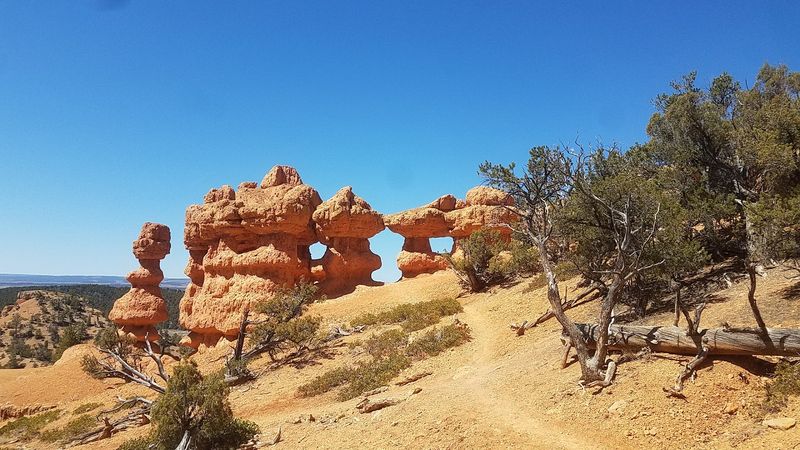
Cedar Breaks National Monument sits over 10,000 feet above sea level, making it one of the highest viewpoints accessible by road in all of Utah. The view from the rim is the kind that makes people go completely quiet.
The amphitheater here spans more than three miles wide and drops 2,000 feet deep. The colors inside shift between lavender, coral, amber, and white depending on the time of day and the angle of the sun.
Photographers call it a dream. Everyone else just calls it stunning.
Cedar Breaks is also an International Dark Sky Park, adding another layer to its appeal. The high elevation means thinner atmosphere and even clearer views of stars and planets.
On a moonless night, the sky here is absolutely extraordinary.
Wildflower season in July and August transforms the meadows surrounding the monument into a carpet of color. Over 200 species of wildflowers bloom during this short window, drawing nature lovers and photographers from across the country.
The monument is not directly on Scenic Byway 12, but it is close enough to include as a day trip from the byway. Have you ever stood on a mountain rim and watched a thunderstorm roll across a valley below you?
Cedar Breaks gives you that chance.
The monument is typically open from late spring through early fall due to heavy winter snowfall. Always check road and weather conditions before making the trip up to the rim.