
This Historic Wisconsin Mansion Feels Frozen In The Most Beautiful Way
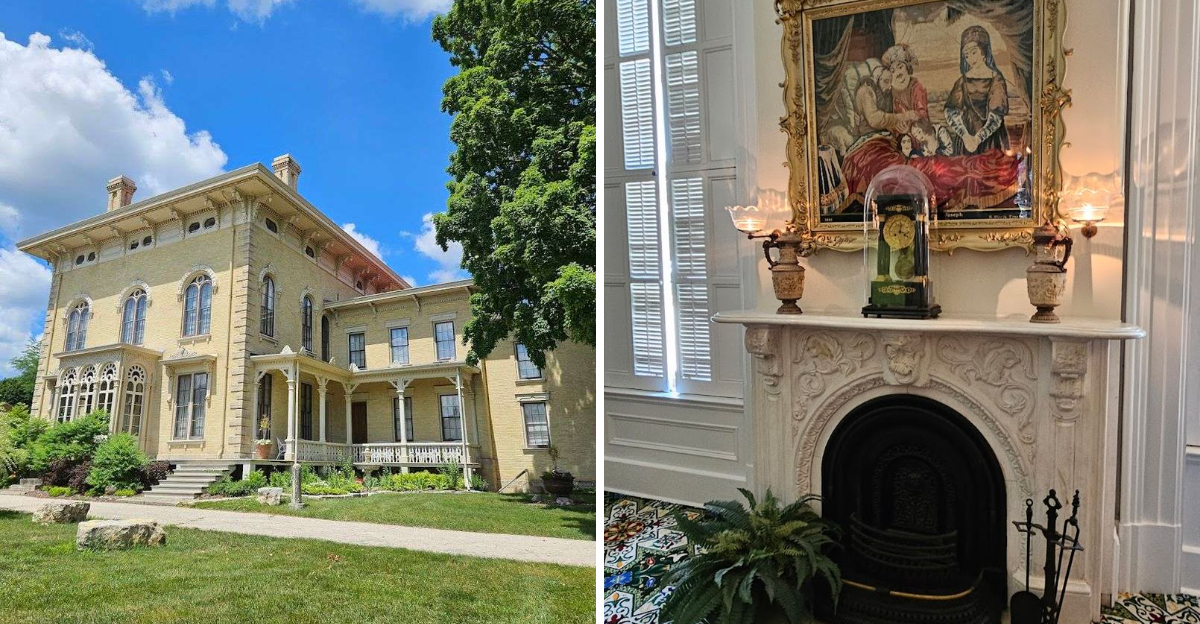
Old houses can feel quiet at first, but this one seems ready to talk. In Wisconsin, a grand mansion still carries the mood of the 1800s through its rooms, staircases, and carefully kept details.
The furniture feels settled, not staged. The walls hold family stories. Each level gives visitors another glimpse of a life built around formal visits, polished wood, and slow afternoon routines. Nothing about the tour feels rushed, which is part of the charm.
You move from room to room and start noticing tiny things, like old fixtures, worn steps, and the way sunlight lands on antique pieces. For history lovers, this house makes the past feel close, personal, and surprisingly easy to imagine for a moment.
The Mansion Was Built Before The Civil War
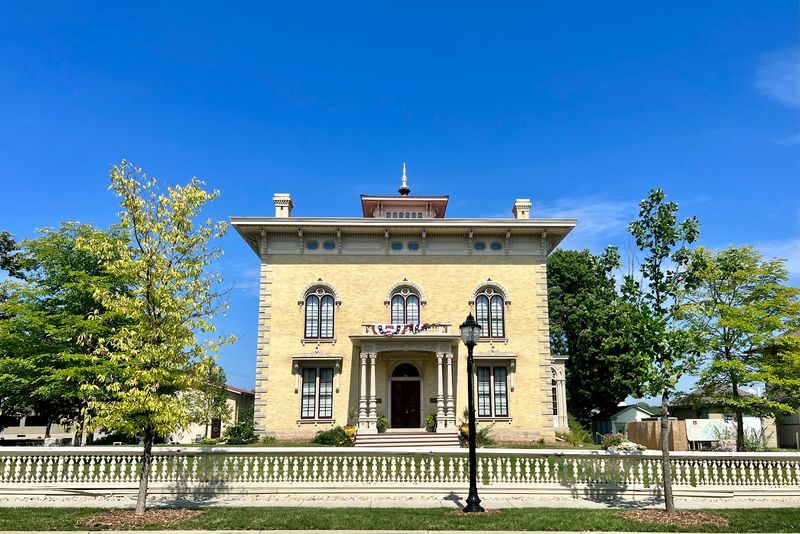
Construction on this impressive home finished in 1857, just four years before the nation split apart. William Tallman, who commissioned the building, wanted something that would announce his success to everyone who passed by.
The house took shape during a period when Janesville was growing rapidly, and wealthy businessmen competed to build the finest residences.
Brick by brick, workers created a structure that would outlast them all. The timing matters because the mansion represents the optimism and prosperity of the pre-war years.
Families like the Tallmans believed in progress and invested heavily in their homes, never imagining the conflict that would soon tear the country in two.
The house stands at 440 N Jackson St as a monument to that confident era. Every room reflects the tastes and expectations of people who lived before everything changed.
The building survived the war, the decades that followed, and countless social transformations while maintaining its original character.
Abraham Lincoln Stayed Here Before He Became President
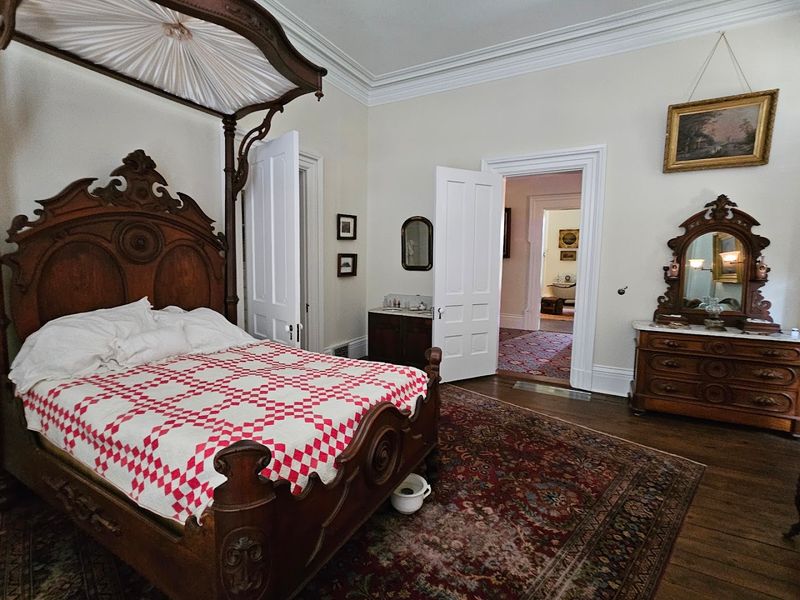
In October 1859, Abraham Lincoln arrived in Janesville to give a speech supporting the Republican cause. William Tallman, a fellow Republican and admirer, invited Lincoln to stay overnight at his new mansion.
Lincoln accepted, spending the night in a guest room that has since become one of the most significant spaces in the house.
The future president walked these hallways, sat in these chairs, and slept in a bed that still occupies the same room. At the time, Lincoln was a lawyer and politician from Illinois, not yet the towering figure of American history.
His visit connected this Wisconsin home to the national story in a way that few private residences can claim.
The room where Lincoln slept remains carefully preserved. Visitors standing in that space can imagine the tall, lanky lawyer preparing for bed, perhaps thinking about the speech he had just delivered.
That single night transformed the Tallman house into a landmark.
The House Still Holds More Than 75 Percent Original Furnishings
Most historic houses lose their original contents over time. Families sell pieces, donate items, or simply watch things disappear through generations of change.
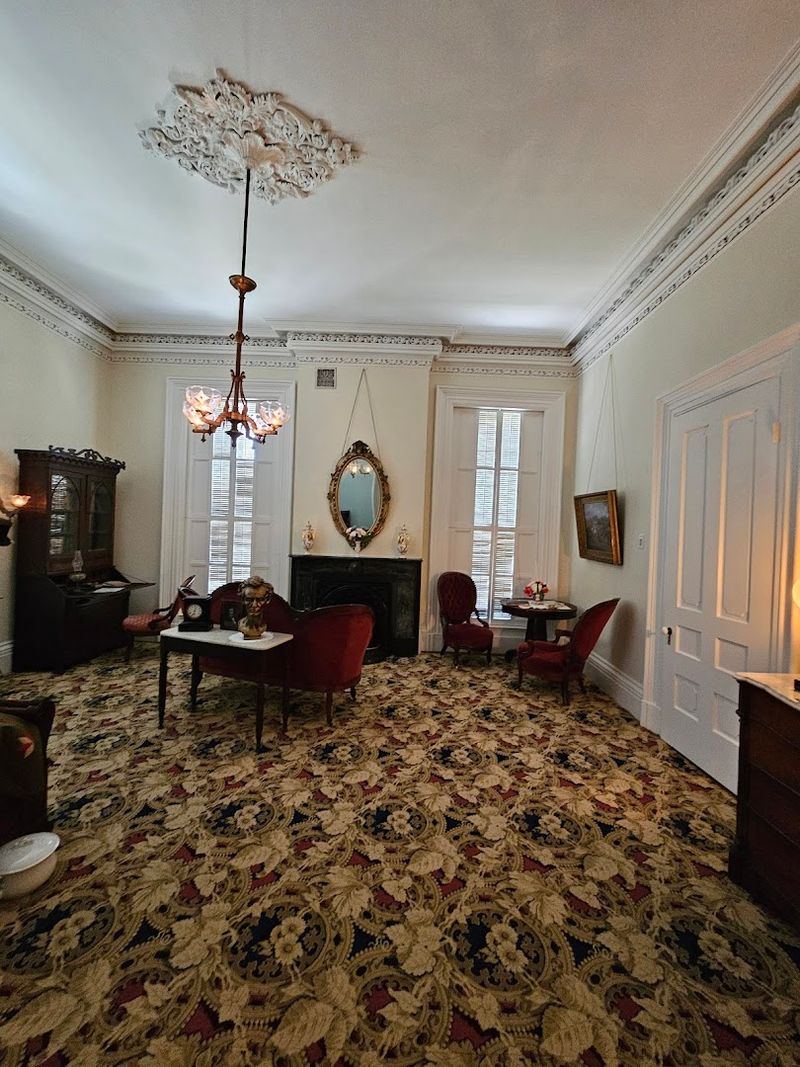
The Lincoln-Tallman Museum escaped that fate remarkably well. More than three-quarters of everything you see inside belonged to the Tallman family and has remained in these rooms since the 1850s and 1860s.
The sofas in the parlor, the dining table where the family ate, the beds where they slept, and even many smaller decorative objects never left. This extraordinary preservation happened because the house eventually became a museum rather than continuing as a private home.
The furniture tells the story of Victorian taste and wealth without requiring much imagination from visitors.
Stepping from room to room, you encounter the actual objects that the Tallmans touched and used daily. The chairs are not reproductions.
The carpets are not modern replacements. Everything feels genuinely frozen in time because it actually is.
The Italianate Architecture Makes The Mansion Feel Grand
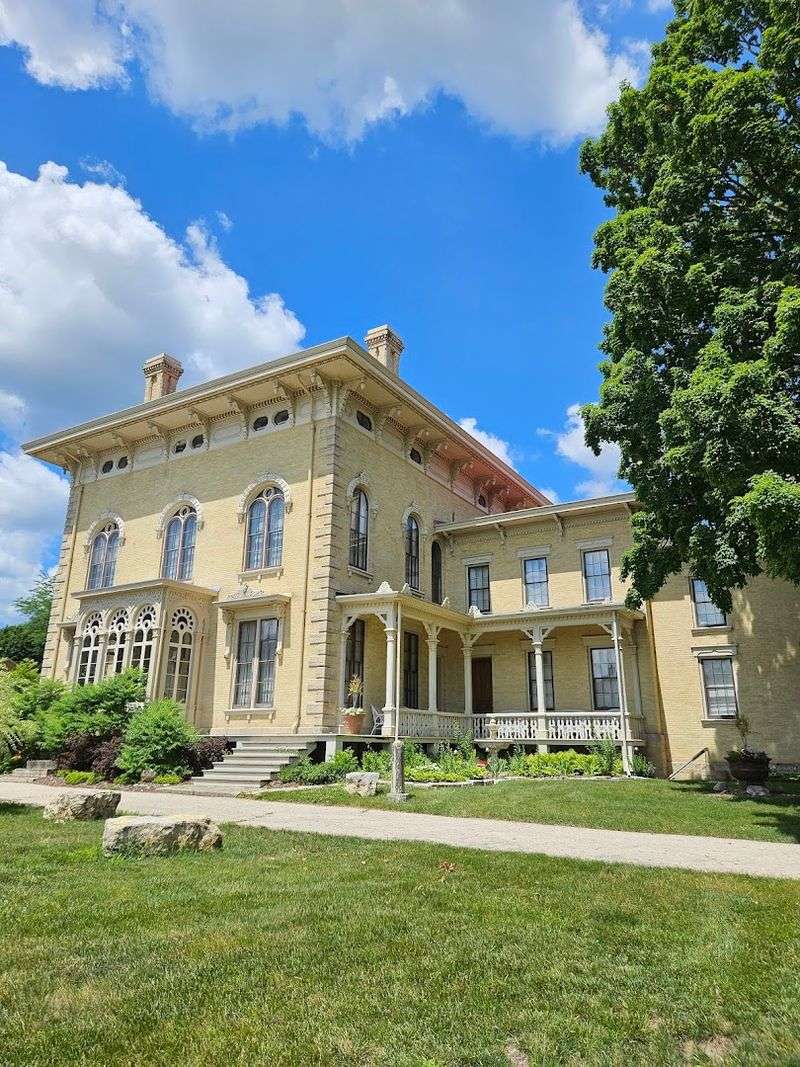
William Tallman chose the Italianate style for his mansion, a design that was sweeping through American cities in the mid-1800s. This architectural fashion borrowed elements from Italian villas, creating homes that looked sophisticated and worldly.
The style featured tall windows, decorative brackets under the roofline, and a general sense of vertical elegance that made buildings appear larger and more impressive than they actually were.
The Tallman house demonstrates all these characteristics beautifully. The windows stretch upward, bringing light into high-ceilinged rooms.
The exterior ornamentation shows craftsmanship and attention to detail that modern construction rarely matches. Every design choice served to announce that the owner had both money and taste.
Walking around the outside, you can appreciate how the architecture commands attention without shouting. The proportions feel balanced and pleasing.
The style has aged remarkably well, looking elegant rather than dated even after more than 160 years.
William Morrison Tallman Was A Lawyer And Abolitionist
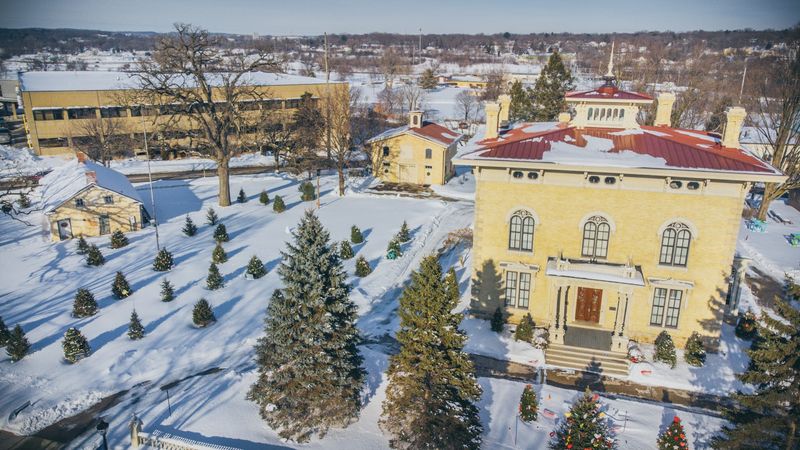
The man who built this mansion was more than just a wealthy lawyer. William Tallman believed passionately in the abolition of slavery and used his position to support that cause.
He helped found the Republican Party in Wisconsin and worked alongside others who opposed the expansion of slavery into new territories. His invitation to Lincoln was not just social courtesy but a political act connecting two men who shared similar convictions.
Tallman’s legal practice brought him prosperity, and he invested that success into his home and his principles. The house reflects both his wealth and his values.
He hosted political discussions, sheltered travelers, and participated actively in the debates that would eventually lead to war.
His legacy extends beyond the building itself. Tallman represented a class of Northern businessmen who put their money and influence behind the antislavery movement.
The mansion stands as a monument to that commitment as much as to Victorian architecture.
The Rooms Show How A Wealthy Victorian Family Lived
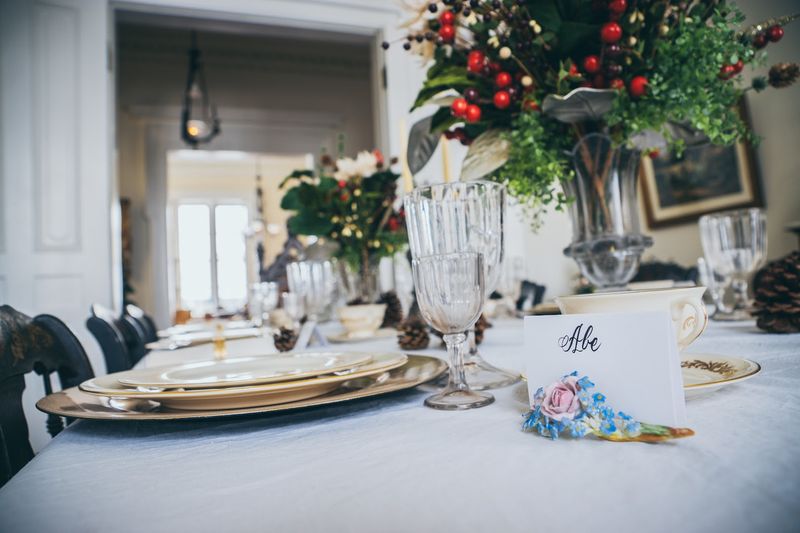
Each room in the mansion serves as a window into daily life for a prosperous family in the 1860s. The formal parlor, where guests were received, displays the finest furniture and decorations.
The dining room, with its long table and elegant place settings, shows where the family gathered for meals. The bedrooms upstairs reveal the private spaces where family members slept and dressed.
Victorian families organized their homes with strict ideas about public and private spaces. Certain rooms were meant for entertaining, others for family use only.
Servants moved through different areas than the family did. The house layout reflects all these social rules and expectations.
Walking through the mansion, you learn not just what wealthy Victorians owned but how they lived. The arrangement of furniture, the separation of spaces, and the presence of specific objects all tell stories about daily routines, social customs, and family relationships that shaped life in that era.
Five Levels Take Visitors From Basement To Cupola
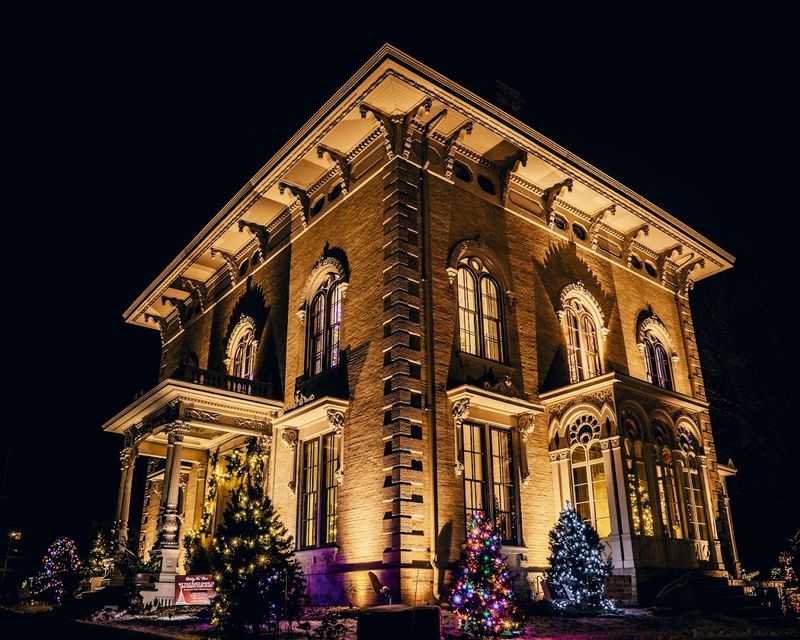
The mansion extends vertically through five distinct levels, each serving different purposes. The basement held storage and work areas where much of the household labor happened.
The main floor contained the public rooms where the family entertained guests and conducted daily life. The second floor housed bedrooms and private family spaces.
Above that, the third floor provided additional rooms, possibly for servants or children. Finally, the cupola at the very top offered views across Janesville and served as a lookout point.
Victorian homes often included these tower rooms, which provided ventilation and light while giving the building a distinctive silhouette.
Tours take visitors through all five levels, creating a complete picture of how the house functioned. Each floor reveals different aspects of Victorian life.
The vertical journey through the building becomes a journey through social hierarchy, with the most public and formal spaces at ground level and increasingly private or utilitarian areas above and below.
The Details Make The House Feel Beautifully Preserved
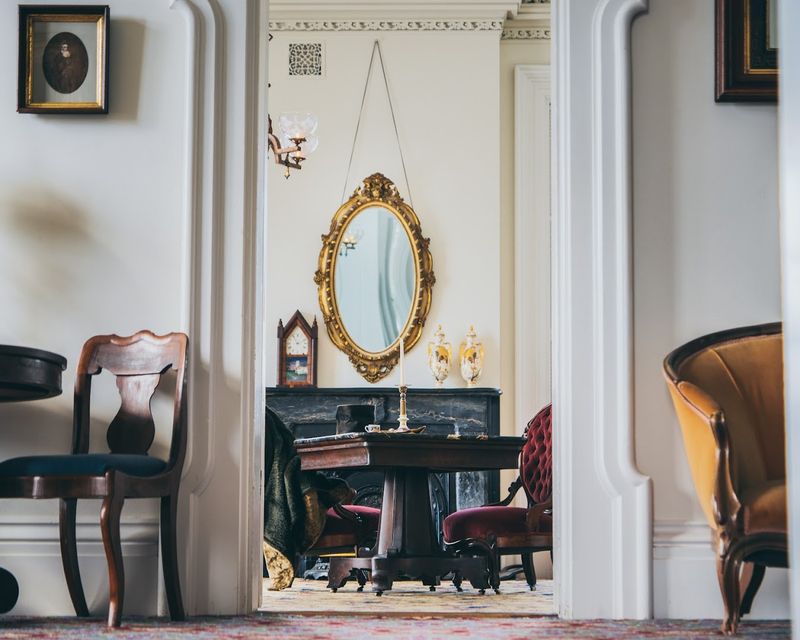
Small things make the difference between a restored building and a truly preserved one. The wallpaper patterns in several rooms remain original or match historical designs exactly.
The woodwork shows the hand of skilled craftsmen who carved decorative elements that machines could never replicate. Door handles, light fixtures, and even the painted finishes on walls maintain their historical accuracy.
These details accumulate to create an atmosphere of authenticity that visitors sense immediately. Nothing feels fake or approximated.
The colors might seem darker or more intense than modern taste prefers, but they reflect Victorian preferences accurately. The patterns on fabrics and papers look genuinely old because many of them are.
Museum staff have worked carefully to maintain these details rather than replacing them with modern alternatives. That commitment to preservation means the house offers a genuine experience of the past.
Every surface, every corner, every decorative element contributes to the feeling that time stopped here sometime around 1865.
Guided Tours Bring The Tallman Family Story To Life
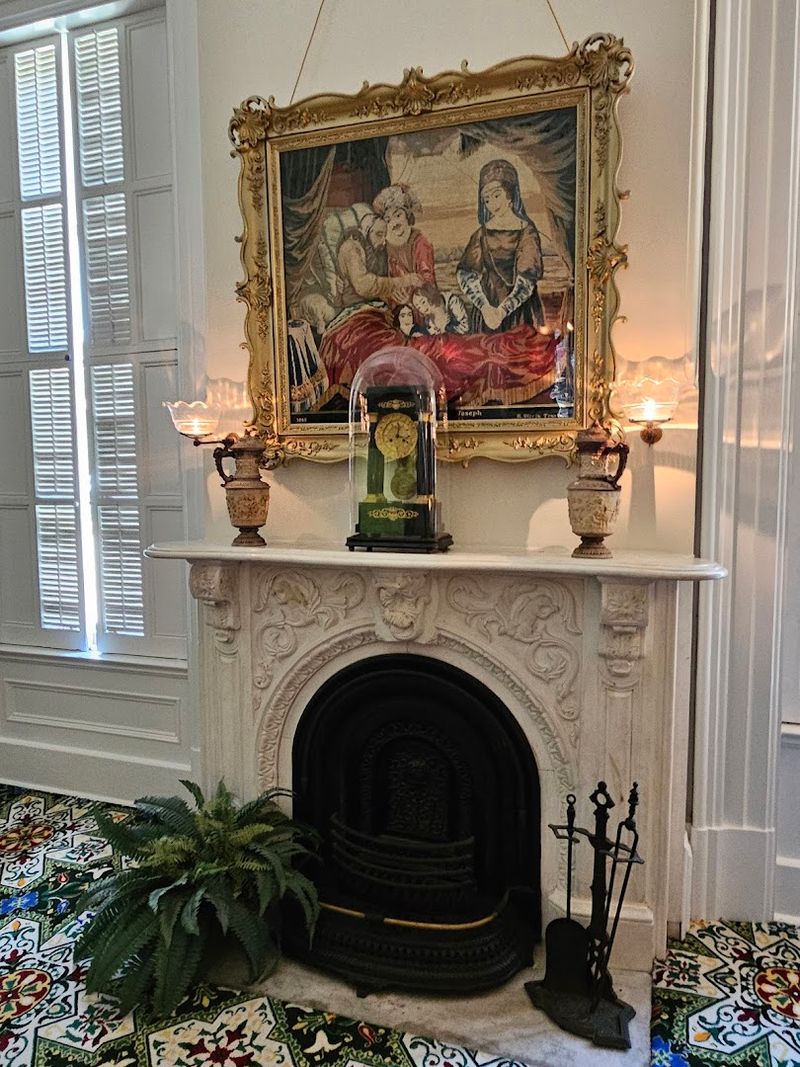
The mansion offers guided tours led by knowledgeable staff who understand both the building and the people who lived in it. These guides do more than recite facts about furniture and architecture.
They tell stories about the Tallman family, their guests, their daily routines, and their place in American history. The tour becomes a narrative rather than just a walk through old rooms.
Guides explain how the family used different spaces, what social customs governed their behavior, and how national events affected their lives. They point out specific objects and explain their significance.
They answer questions and help visitors understand the connections between this one house and the larger story of the Civil War era.
The human element transforms the experience. Without the stories and explanations, the house would be impressive but somewhat distant.
The tours create connections between past and present, helping visitors understand the Tallmans as real people rather than historical abstractions.
The Museum Feels More Like A Time Capsule Than A Display
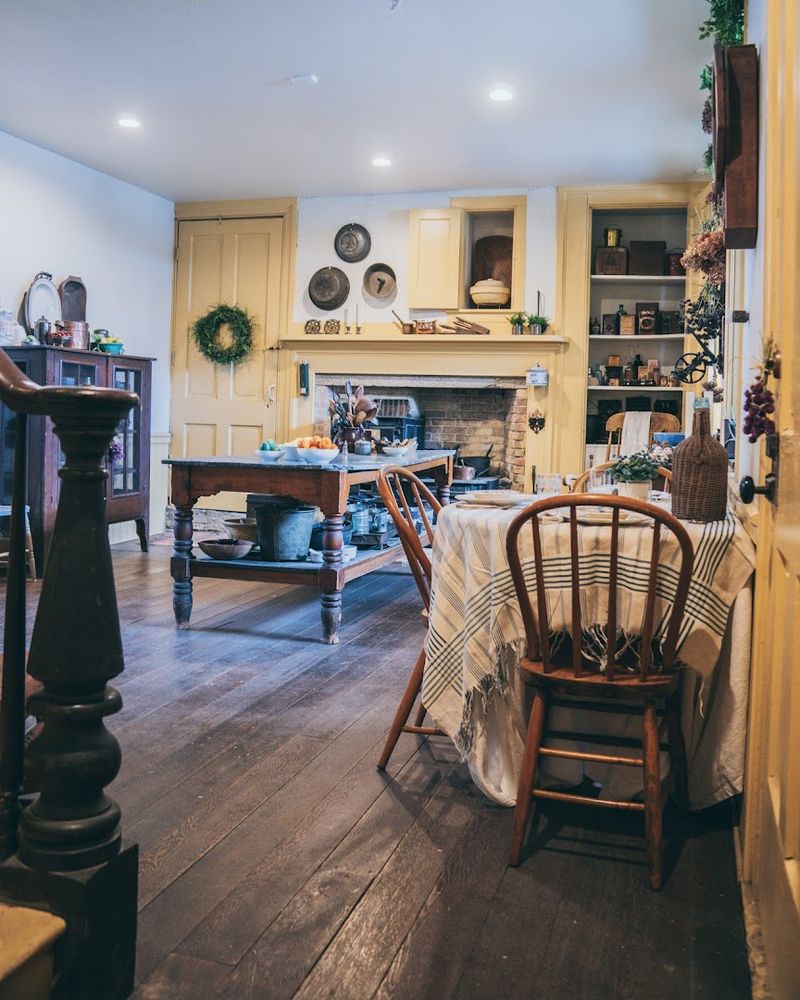
Many museums arrange historical objects in cases or behind ropes, creating obvious barriers between visitors and the past. The Lincoln-Tallman Museum takes a different approach.
The rooms remain arranged as they would have been when the family lived here. Furniture sits in conversational groupings.
Decorative objects occupy mantels and tables. Everything suggests that the family might return at any moment.
This arrangement creates an unusual intimacy with history. Visitors do not just observe the past from a distance but enter into it.
The house does not feel like an exhibit but like a home temporarily emptied of its inhabitants. That sense of presence makes the experience powerful and memorable.
The time capsule quality comes from the combination of original furnishings, careful preservation, and thoughtful presentation. The museum staff have resisted the urge to modernize or sanitize.
They have kept the house as close to its historical state as possible, allowing visitors to experience the 1860s as directly as anyone can in the 21st century.