
Ride This Historic Steam Train In Colorado For An Unforgettable Mountain Adventure
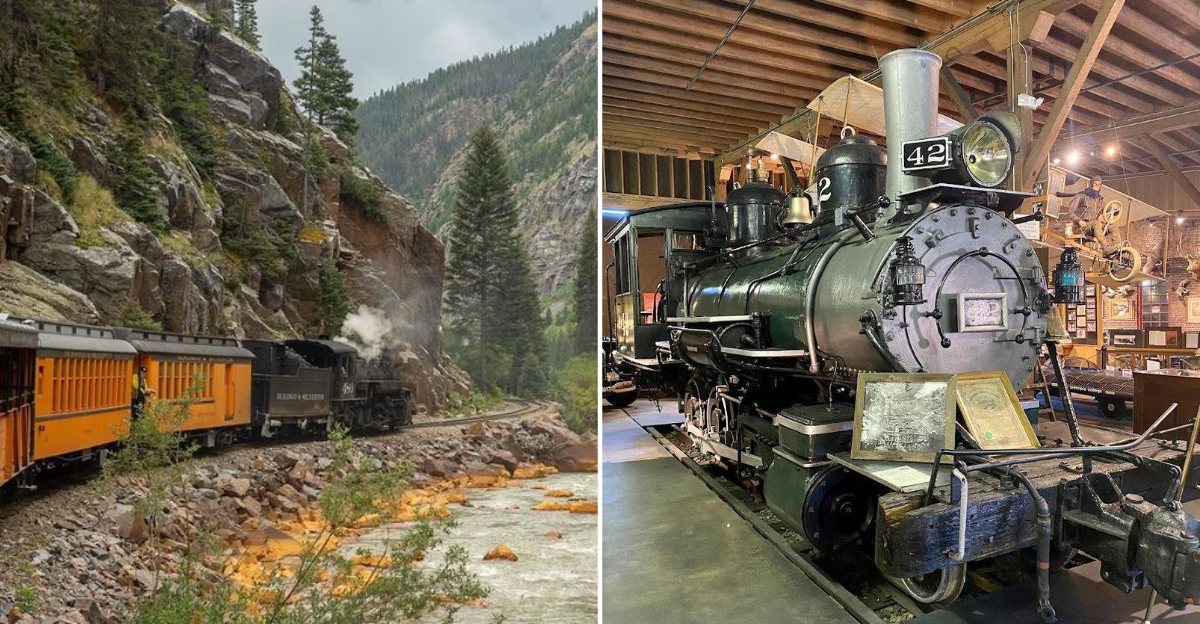
Steam rising against a mountain backdrop has a way of making the twenty-first century feel temporarily optional. The sensation begins the moment the whistle sounds and the wheels start turning.
The route winds through terrain that a car could never properly access, revealing views that exist specifically because of the railway built to reach them. Passengers spend most of the ride with their faces pressed against the glass.
Every detail aboard reflects an era that modern transportation left behind entirely. Wooden seating, vintage fixtures, and the particular rhythm of a steam engine working its way up a grade nobody builds roads through anymore.
Colorado mountains offer no shortage of memorable ways to experience them, but few match the specific magic of arriving by rail. This train turns transportation into the destination itself, and most passengers disembark already planning their return trip.
History And Legacy Of Steam Train Travel
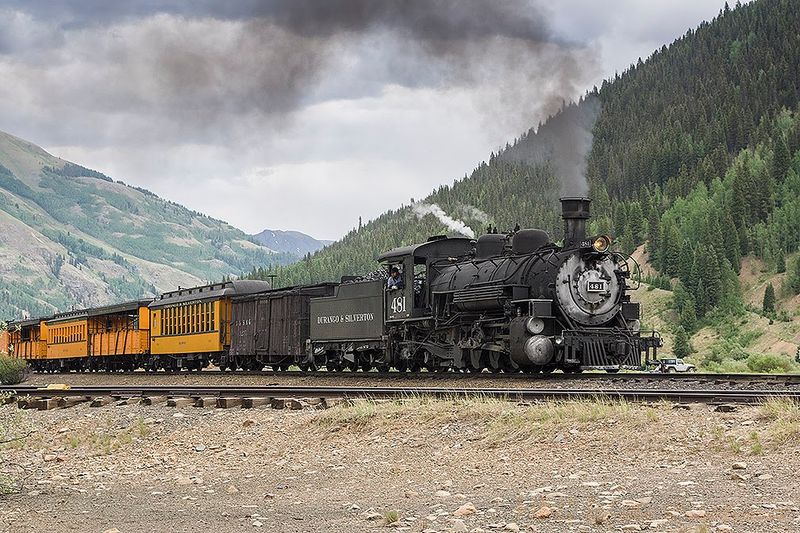
Back in 1881, the Denver and Rio Grande Railroad reached Durango and began laying track toward some of the most rugged terrain in Colorado. By July 1882, the line had reached Silverton.
The mission was simple: haul silver and gold ore out of the San Juan Mountains. That original purpose built a railroad that has never stopped running since.
The Durango and Silverton Narrow Gauge Railroad was designated a National Historic Landmark in 1961. It was also named a National Historic Civil Engineering Landmark in 1968.
Over its long history, the line transported an estimated $300 million worth of precious metals.
After World War II, the railroad shifted its focus toward tourism. The famous Silverton train service launched in 1947 and never looked back.
Hollywood even came calling, with films like Butch Cassidy and the Sundance Kid using this very route as a backdrop.
The tracks are three feet apart, a narrow gauge chosen specifically to handle sharp mountain curves. That detail alone is a small engineering story worth knowing.
You can find the railroad at 479 Main Ave, Durango, CO 81301.
Scenic Mountain Landscapes Along The Route
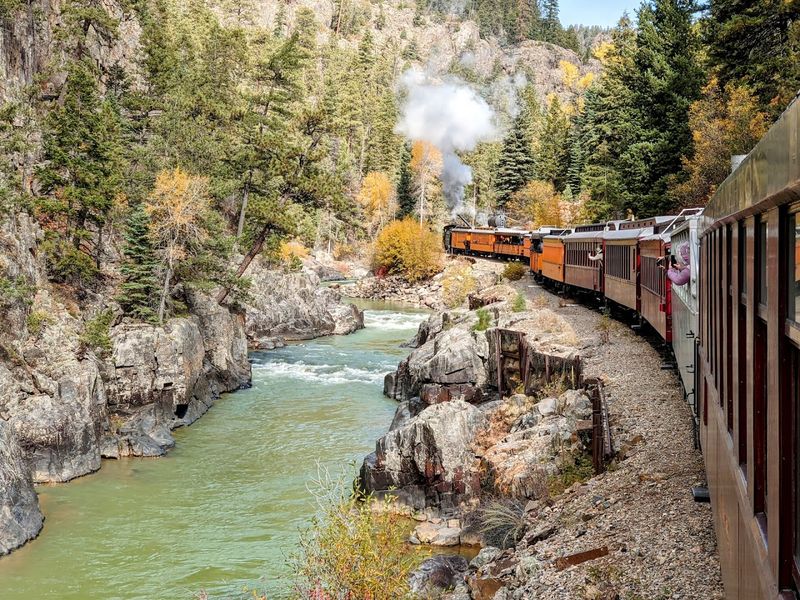
The 45.2-mile route between Durango and Silverton delivers mountain scenery that no highway can match. The train follows the Animas River, one of the last free-flowing rivers in the entire western United States.
Canyon walls rise sharply on both sides, framing every view like a painting.
The route climbs nearly 3,000 feet in elevation from Durango to Silverton. You will pass fertile farmlands, old stagecoach roads, and a dramatic stretch called the Highline.
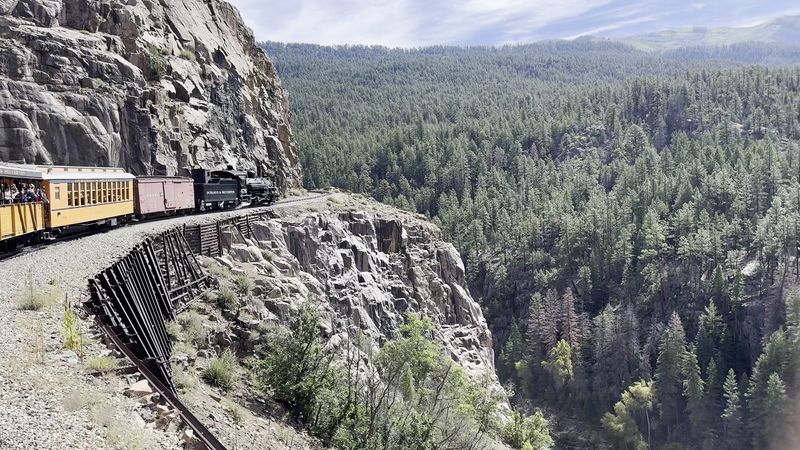
That section hugs a narrow rock shelf cut right into the canyon wall, hundreds of feet above the river below.
The train crosses the Animas River five times during the journey. Peaks exceeding 14,000 feet appear in the distance, often capped with year-round snow.
Part of the route between Rockwood and Silverton passes through a designated wilderness area with zero road access.
Sitting on the right side of the train heading toward Silverton gives you the best canyon views. The left side has its moments too, so do not stress about it.
Either way, the landscape does not quit for the entire 3.5-hour trip north.
Wildlife Watching Opportunities From The Train
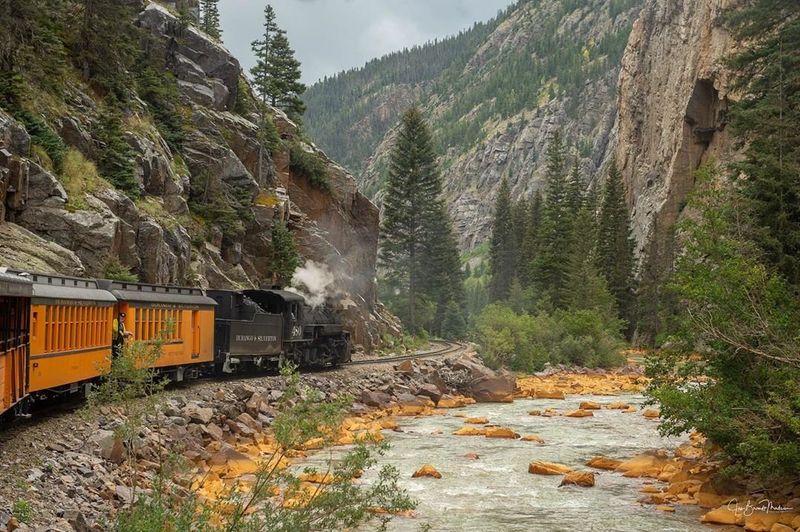
Wildlife watching from a slow-moving train is genuinely one of the best ways to spot animals in the wild. The train travels at roughly 20 miles per hour, which is slow enough to actually see what is happening outside the window.
No scrambling for binoculars while driving a car down a mountain road.
The Animas River corridor and surrounding San Juan wilderness are home to elk, bighorn sheep, mule deer, and black bears. Passengers riding the winter route have spotted elk herds moving through snow-covered meadows.
The gondola cars put you completely in the open air, which makes spotting animals even easier.
Deer are a common sighting near the end of the journey around Silverton. Bighorn sheep tend to appear on rocky canyon walls, which is exactly where you would expect them to be.
Keep your eyes on the cliffs and riverbanks, not just the mountain peaks.
Early morning departures tend to offer better wildlife sightings since animals are most active at dawn. The wilderness section between Rockwood and Silverton is completely roadless, meaning these animals rarely encounter humans outside of train passengers.
That makes every sighting feel extra rewarding and surprisingly personal.
Engineering And Design Of Historic Steam Engines
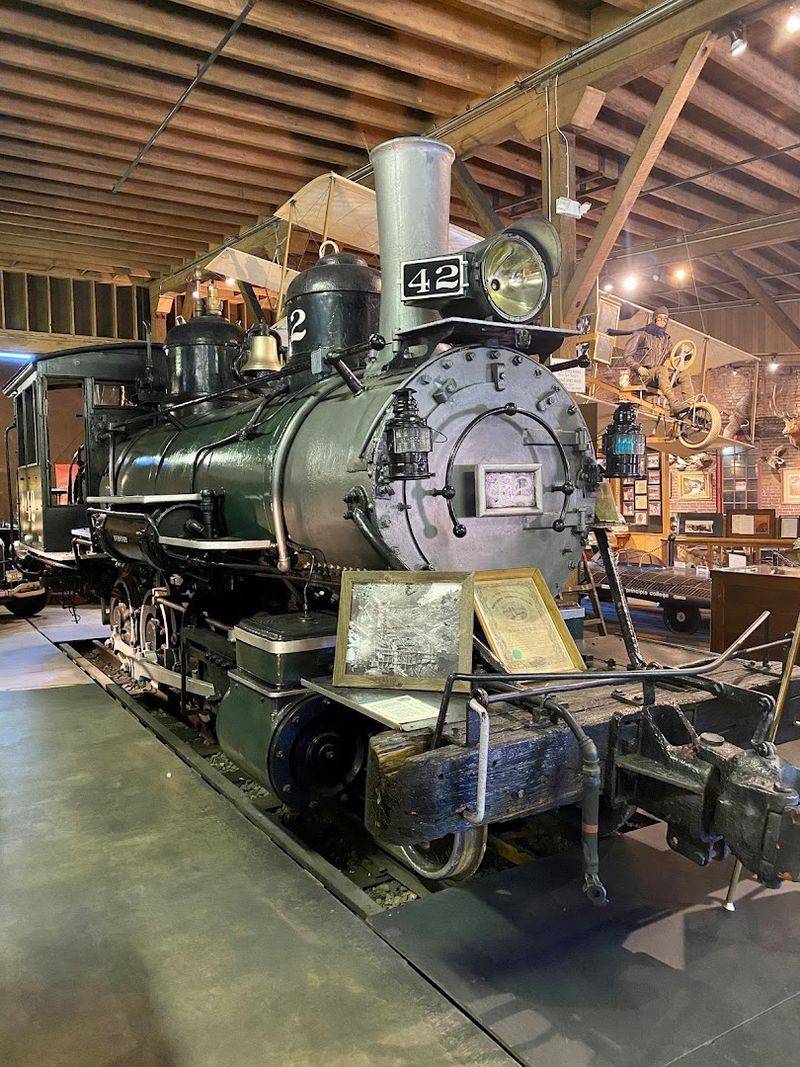
These locomotives are not replicas. Several of the coal-fired steam engines still running on this railroad date back to 1923 and 1925.
They have been maintained, restored, and kept operational for over a century, which is a serious engineering achievement worth appreciating.
The narrow gauge design, with rails set just three feet apart, was a calculated choice. Standard gauge tracks could not handle the sharp curves and steep grades of the San Juan Mountains.
Narrow gauge equipment is lighter and more nimble, making it ideal for rugged high-altitude terrain.
Coal is shoveled into the firebox to heat water into steam, which then drives the pistons that turn the wheels. The whole system is loud, smoky, and completely mechanical.
Standing near the locomotive when it gets moving is a sensory experience that no diesel engine can replicate.
The on-site museum at the Durango depot displays machinery and railroad history in detail. You can get a close look at how these engines were built and why they lasted so long.
The museum entrance is free, making it a great add-on before or after your ride without any extra cost.
Seasonal Changes Affecting The Train Experience
Summer and winter rides on this railroad feel like two completely different adventures. The full 45.2-mile Durango-to-Silverton route runs from May through October, when canyon walls are green and the Animas River runs full.
Wildflower season in July turns the mountain meadows into something almost unreal.
Winter brings a shorter route, with trips running to Cascade Canyon on select dates from late November through early May. Snow blankets the canyon walls and the surrounding peaks, giving the whole ride a quiet, almost cinematic atmosphere.
The heated cars become especially popular during cold months for obvious reasons.
Fall colors along the Animas River corridor are worth planning a trip around. Aspen groves turn gold and orange, and the contrast against the dark canyon rock is sharp and vivid.
October is one of the most visually rewarding months to ride before the full route closes for the season.
Special seasonal events add extra reasons to visit at different times of the year. The holiday season brings themed rides, including THE POLAR EXPRESS, which is a big hit for families.
Summer hikers and backpackers also use the Wilderness Access Train to reach remote trailheads that have no road access whatsoever.
Passenger Amenities And Comfort Onboard
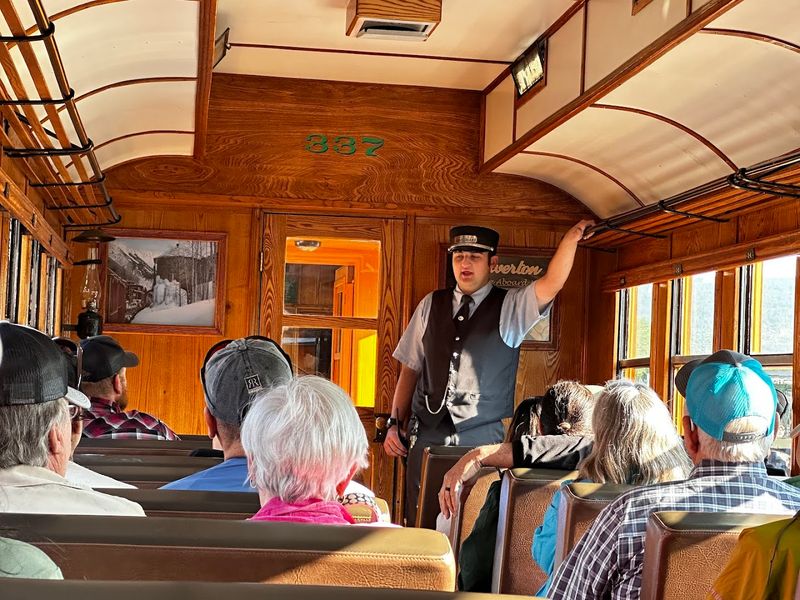
Choosing the right car can make or break your experience on this train. Open-air gondola cars put every passenger in an outward-facing bench seat, meaning everyone gets a direct view with nothing blocking them.
No windows, no glare, just pure canyon air and mountain scenery.
Glass-roofed cars offer a more sheltered ride while still letting natural light pour in from above. First class and presidential car options include access to outdoor observation platforms at the rear of the train.
Those platforms are genuinely the best spots for photos and fresh air during the journey.
A concession car sells food and drinks onboard, though packing your own snacks is a smart move for budget-conscious riders. Restrooms are available in the coach areas, and one car includes a wheelchair-accessible restroom with lift service.
The railroad has made real efforts to make the experience accessible for passengers with different mobility needs.
The round trip to Silverton takes about 9.25 hours total, including a two-hour layover in town. Some passengers choose to ride the train one way and take the return bus, which cuts the day shorter.
Either way, planning ahead for comfort makes the long journey genuinely enjoyable from start to finish.
Safety Measures And Preservation Efforts
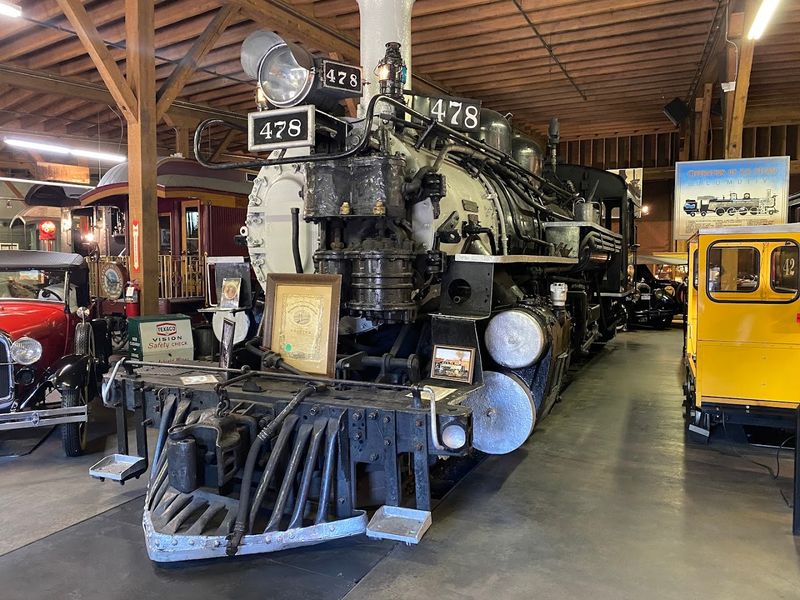
Running a coal-fired steam railroad through mountain wilderness requires serious safety protocols. The railroad operates under federal oversight and maintains its locomotives and rolling stock with consistent care.
Conductors and crew are trained, experienced, and present throughout every journey from departure to return.
Preservation is built into the railroad’s daily operations. The locomotives dating from the 1920s are not museum pieces sitting behind glass.
They are actively maintained, inspected, and operated according to safety standards that keep passengers and crew protected on every run.
The route passes through designated wilderness, which means environmental care is also part of the mission. The railroad works to minimize its impact on the Animas River corridor and surrounding public lands.
That balance between operating a historic railroad and protecting a fragile ecosystem is an ongoing and deliberate effort.
The on-site museum at the Durango depot documents the preservation history of the railroad in detail. Visitors can see restored equipment and learn how these machines have been kept running for over a century.
National Historic Landmark status adds an extra layer of accountability that pushes the railroad to maintain its heritage with genuine standards and long-term commitment.
Photography Tips For Capturing Mountain Views
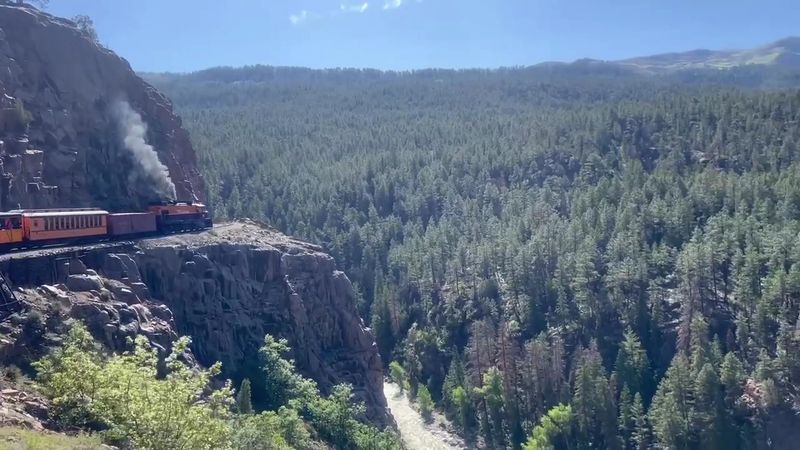
The train moves at about 20 miles per hour, which sounds slow until you realize how fast a canyon wall disappears from frame. Anticipating shots before they arrive is the key skill to develop on this ride.
Ask a conductor where the best visual moments happen along the route, because they know every bend and opening by heart.
Wide-angle lenses work well here since the canyon scenery is broad and layered. You can always crop tighter in editing, but a narrow lens will miss the full scale of what surrounds you.
The Highline section, where the train hugs a cliff hundreds of feet above the river, is one of the most dramatic stretches to capture.
Open gondola cars give photographers a clear, unobstructed shooting angle in every direction. Enclosed cars mean competing with window glare and glass reflections, which can ruin otherwise solid shots.
If photography is a priority, the gondola car is the obvious choice regardless of weather conditions.
Morning light on the canyon walls is soft and warm, making the early departure worthwhile for anyone serious about images. The Animas River reflects sky color beautifully during golden hour conditions near the end of the return trip.
Shooting in burst mode during the Highline section gives you the best chance of catching a clean, perfectly framed shot.