
Enjoy A Classic 16 Oz Prime Rib Dinner Special At This Virginia Restaurant For Only $30 Every Monday
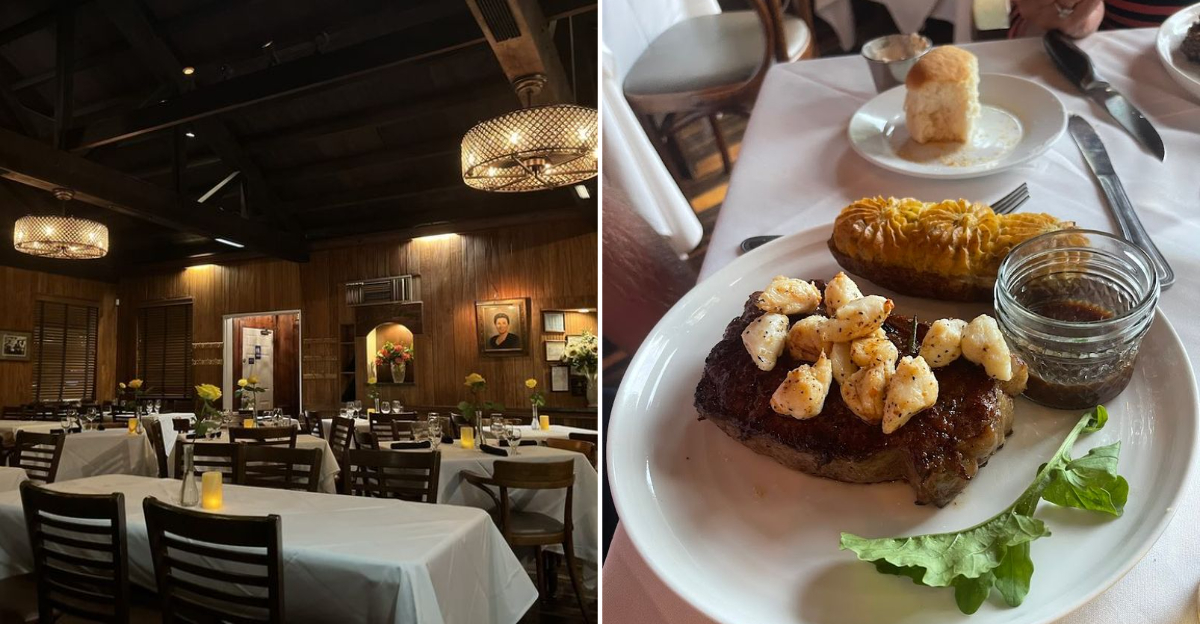
Virginia Beach has no shortage of great places to eat, but every so often a spot comes along that makes you stop and say, wait, I need to tell everyone about this. Steinhilber’s Restaurant has been around since 1939, and it still draws crowds for a very good reason.
Monday nights there are something special, with a prime rib dinner that hits all the right notes. If you love a classic, well-prepared meal in a setting that feels both relaxed and refined, this is the kind of place worth planning your week around.
Prime Rib Cut Quality And Selection
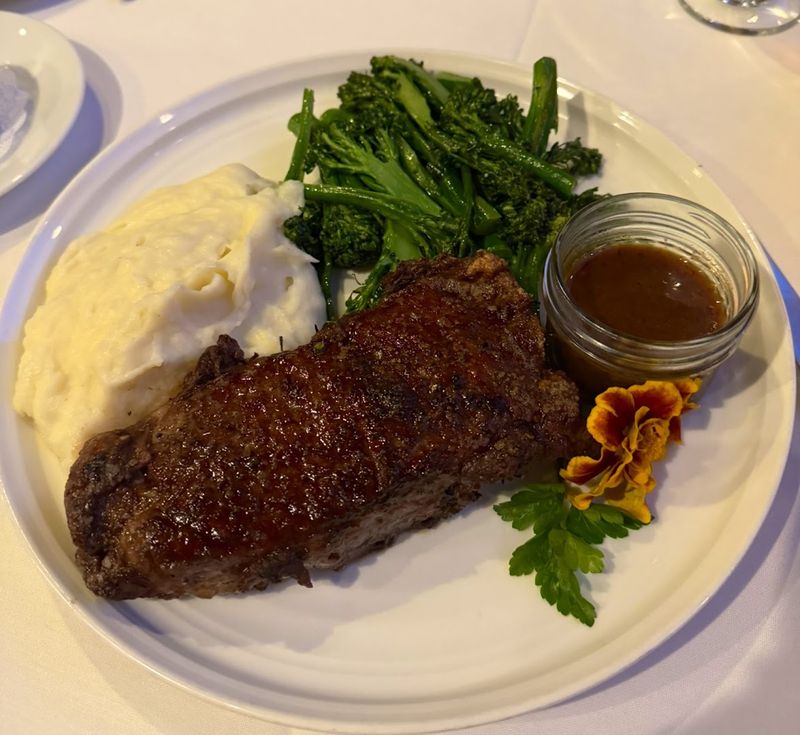
Not every cut of beef deserves the spotlight, but prime rib absolutely does. At Steinhilber’s Restaurant, the prime rib is the kind of cut that serious meat lovers talk about.
The 16-ounce option gives you a substantial portion. It is not a thin slice pretending to be a meal.
Prime rib comes from the rib section of the cow, specifically ribs six through twelve. This area does less work than other muscles, which means the meat stays tender and well-marbled.
Good marbling equals flavor. That fat running through the meat melts during cooking and keeps everything juicy.
Steinhilber’s has been serving American classics since 1939. A restaurant that old knows how to pick quality beef.
The selection process matters more than most people realize. You want meat with consistent color, firm texture, and visible fat distribution throughout.
The 10-ounce option is also available for those who want a slightly lighter portion. But the 16-ounce cut is where the real experience lives.
It gives you enough meat to enjoy every stage of the meal without rushing.
You can find Steinhilber’s Restaurant at 653 Thalia Rd, Virginia Beach, VA 23452. Dinner on Mondays runs from 4:00 PM to 9:00 PM.
Plan and arrive ready to enjoy something worth the drive.
Cooking Methods For Prime Rib Excellence
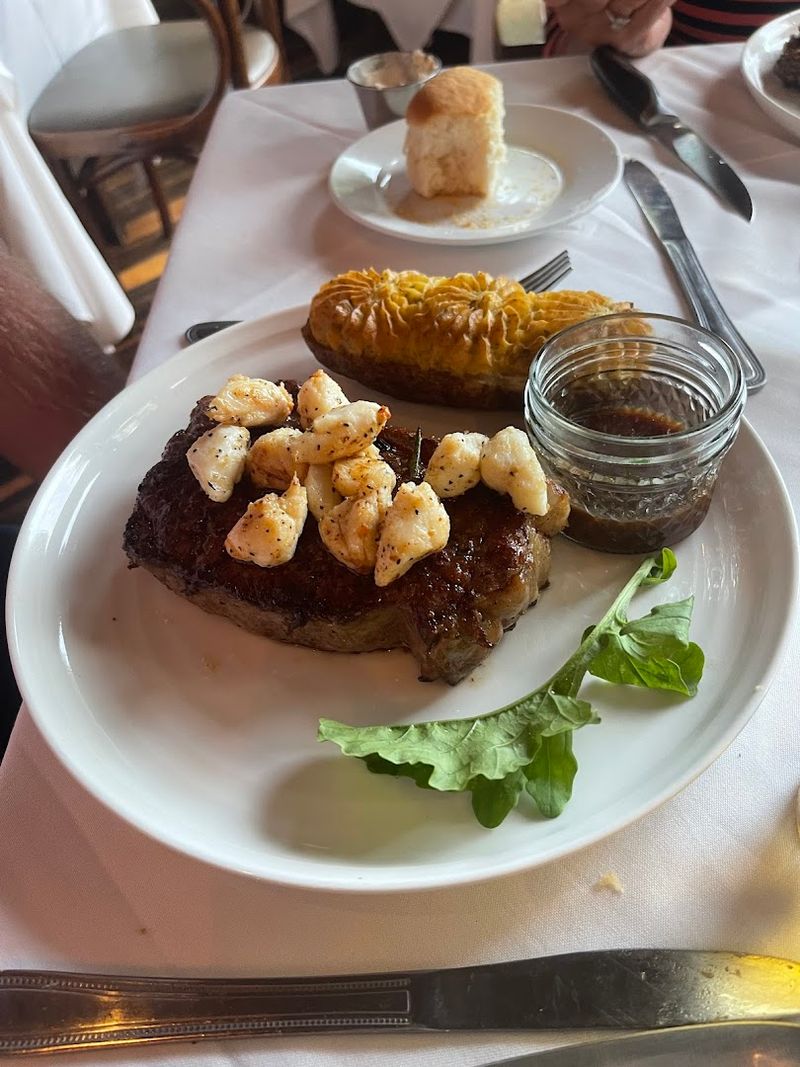
Cooking prime rib correctly is both a science and a craft. The method used directly affects how the final product tastes and feels.
Steinhilber’s has had decades to perfect this. A restaurant open since 1939 does not keep its reputation by cutting corners in the kitchen.
The most respected approach for prime rib is low and slow roasting. This means cooking at a lower temperature for a longer period of time.
It allows the internal temperature to rise gradually. The result is even doneness from edge to center.
High-heat searing is often used at the start or finish. A quick blast of intense heat creates a flavorful crust on the outside.
That outer crust locks in moisture and adds a satisfying texture contrast. Crunchy outside, tender inside.
That combination is hard to beat.
Resting the meat after cooking is just as important as the roasting itself. When prime rib comes out of the oven, the juices need time to settle back into the fibers.
Cutting too soon sends all that flavor running onto the plate instead of staying in the meat.
Temperature monitoring is critical throughout the process. A properly calibrated meat thermometer removes all guesswork.
Medium-rare is the most popular choice for prime rib. It sits around 130 to 135 degrees Fahrenheit and delivers the best balance of tenderness and flavor.
Essential Side Dishes To Pair With Prime Rib
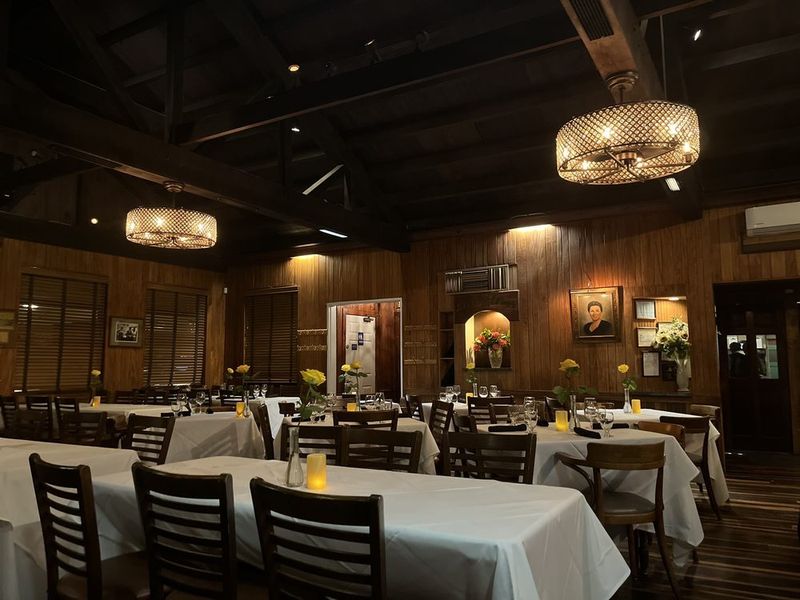
Prime rib is the star, but the right side dishes make the whole meal shine brighter. Choosing sides is not just about filling the plate.
It is about balance, contrast, and making sure every bite works together. Steinhilber’s has a menu built around this kind of thoughtful pairing.
Creamy mashed potatoes are a classic companion for a reason. The smooth, rich texture softens the bold flavors of the beef.
A little butter and seasoning go a long way. This side has been on American dinner tables for generations and still earns its place every time.
Roasted vegetables bring color and a slightly caramelized flavor that cuts through the richness of the meat. Asparagus, Brussels sprouts, or broccolini all work well.
Steinhilber’s has featured broccolini on its menu, and it pairs nicely with beef without overwhelming the main course.
A wedge salad or Caesar salad before the main course is a smart move. Cold, crisp lettuce with a tangy dressing resets the palate.
It prepares your taste buds for the richer flavors coming next. Steinhilber’s offers both options as starter salads with dinner.
Au jus is the traditional dipping sauce for prime rib. It is simply the natural juices from the roast, seasoned and served warm.
Horseradish cream is another popular addition. Together they add layers of flavor that elevate every single bite of the meal.
Perfect Seasonings And Marinades For Prime Rib
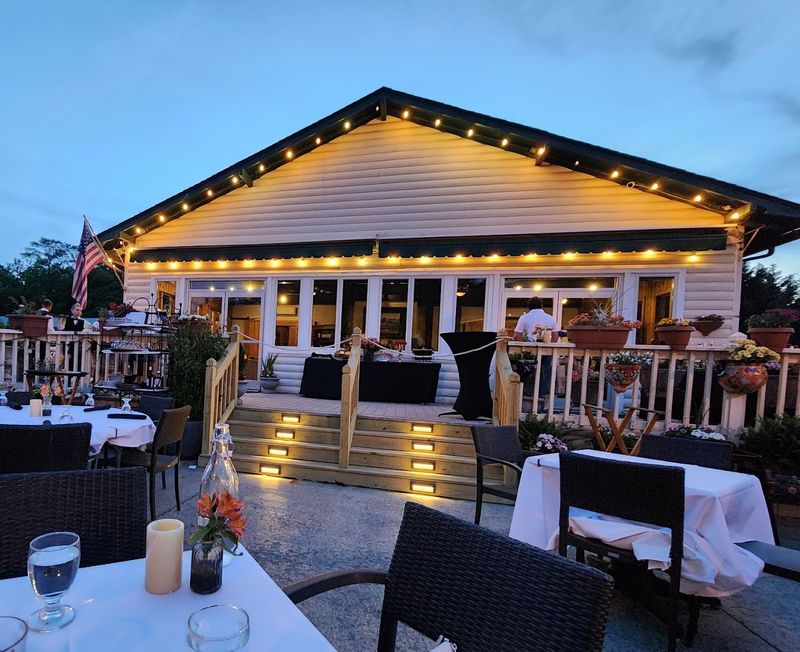
The seasoning on a prime rib can make or break the entire experience. Good beef does not need a long list of ingredients to taste incredible.
It needs the right ones applied the right way. Steinhilber’s has built its reputation on food that tastes intentional and well-prepared.
A classic prime rib rub starts with coarse salt and cracked black pepper. These two alone can do serious work.
Salt draws out moisture and then pulls it back in, seasoning the meat deeply. Black pepper adds a mild heat and earthy note that complements the beef beautifully.
Garlic is the next essential ingredient. Fresh minced garlic pressed into the surface of the roast adds a sharp, savory layer.
As it roasts, garlic mellows and sweetens slightly. That transformation adds depth without overpowering the natural flavor of the meat itself.
Fresh herbs like rosemary and thyme are traditional choices for prime rib. Rosemary has a bold, piney aroma that pairs well with beef.
Thyme is more subtle and earthy. Together they create a herb crust that smells incredible before you even take a bite.
Marinating prime rib is less common than dry rubbing because the cut is already flavorful on its own. However, a short marinade with olive oil, Worcestershire sauce, and garlic can add extra moisture and complexity.
Applying the seasoning the night before allows everything to penetrate deeper into the meat.
Non-alcoholic Food Pairings For A Friendly Tasting Experience
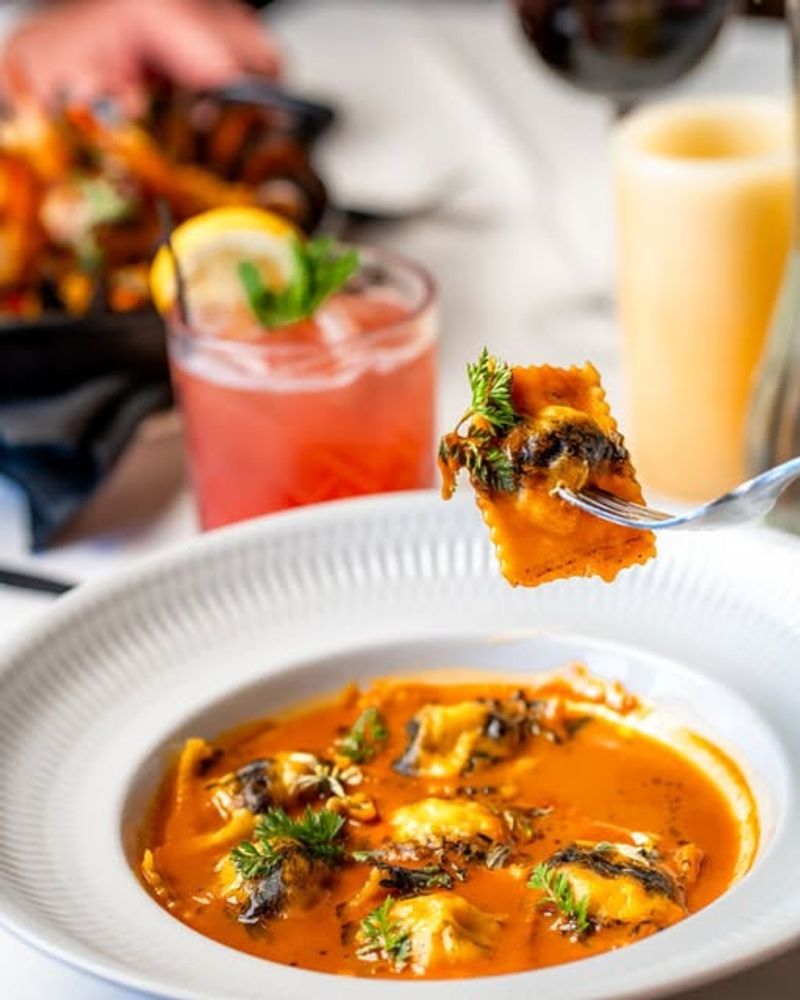
Great food deserves a great drink alongside it. Thoughtful non-alcoholic options have come a long way in recent years.
The right beverage can enhance a prime rib dinner just as effectively as anything else on the table.
Sparkling water with a twist of lemon or lime is a simple but effective choice. The carbonation cuts through the fat in the beef.
The citrus adds a bright note that refreshes the palate between bites. It is clean, light, and lets the food remain the focus throughout the meal.
Cranberry juice mixed with sparkling water creates a tart, effervescent drink that pairs beautifully with rich, fatty cuts of beef. The acidity cuts through the richness in a way that makes sense and tastes better than most people expect the first time they try it.
Dark grape juice carries deep, complex flavor notes that complement red meat surprisingly well. Served chilled in a nice glass, it feels like a proper dining experience from start to finish.
Steinhilber’s has a full dining atmosphere that makes every beverage feel appropriate. The setting from 1939 lends itself to slow, intentional meals.
Taking time to enjoy a well-paired drink alongside your prime rib is part of what makes the evening feel complete and memorable.
History And Popularity Of Prime Rib Dinners
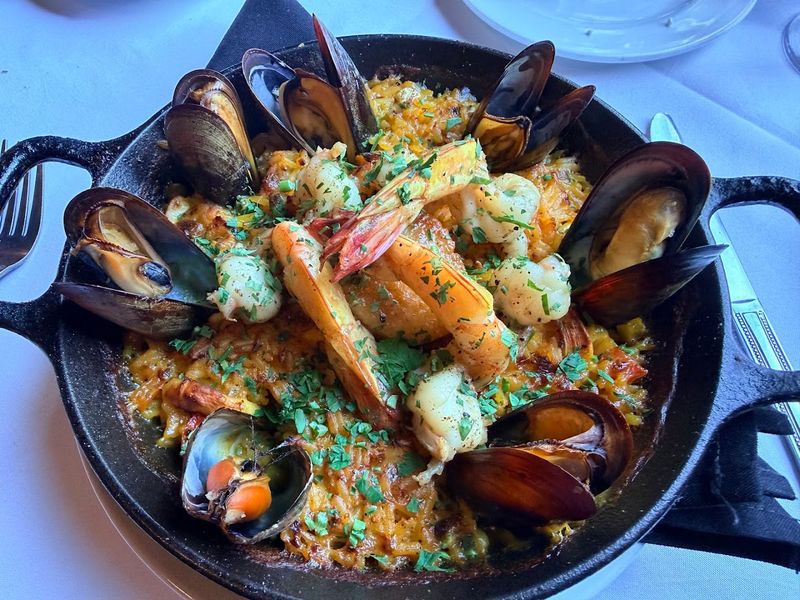
Prime rib has been a centerpiece of American dining for well over a century. It carries a sense of occasion that most other cuts simply cannot match.
When someone orders prime rib, they are not just ordering dinner. They are participating in a long tradition of celebratory, classic American eating.
The dish traces its roots back to old English standing rib roasts. British nobility served large rib roasts at feasts and formal gatherings.
When the tradition crossed the Atlantic, American restaurants adopted it enthusiastically. By the mid-20th century, prime rib was a staple of upscale dining rooms across the country.
Steinhilber’s opened in 1939, right in the middle of that golden era for American restaurant culture. The restaurant was built during a time when dining out meant something.
Dressing up, taking your time, and ordering something impressive was the whole point of the evening.
Monday night specials became popular as a way for restaurants to draw steady business on traditionally slower evenings. Offering prime rib on a Monday creates a reason to go out mid-week.
It turns an ordinary night into something worth looking forward to all weekend long.
Today, prime rib dinners remain popular because they deliver a consistent, satisfying experience. People know what they are getting.
The ritual of a properly carved, well-seasoned prime rib still carries the same appeal it had decades ago. Steinhilber’s understands this and keeps the tradition alive.
Tips For Making The Most Of Dinner Specials
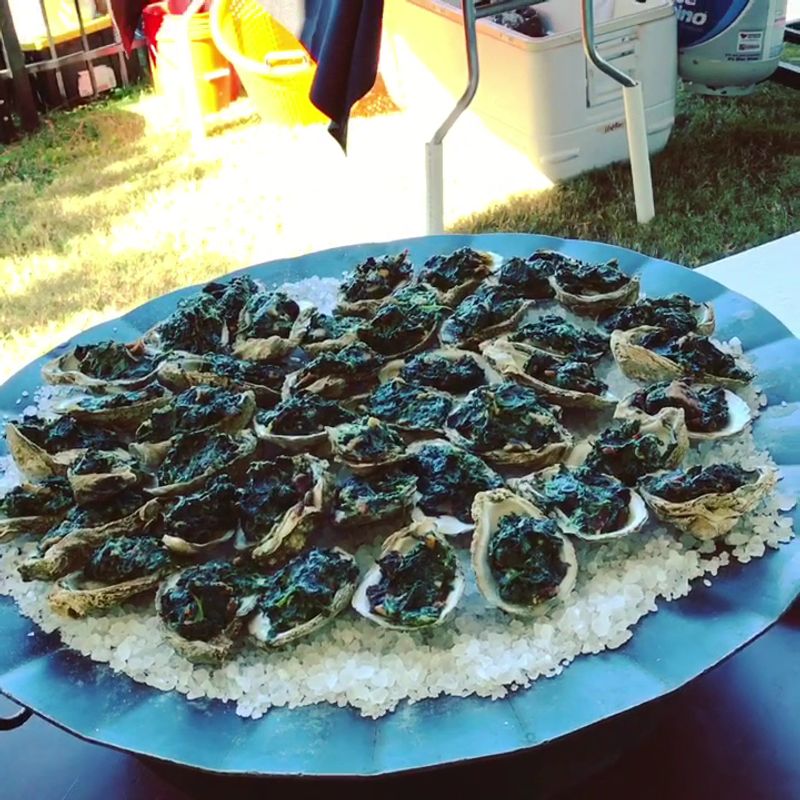
Dinner specials are one of the best deals in the restaurant world. They give you access to quality food at a price that does not require a second thought.
Knowing how to approach them makes the whole experience better. Steinhilber’s Monday prime rib offering is a perfect example of a special worth planning around.
Arrive early when you can. Popular dinner specials attract steady traffic throughout the evening.
Getting there closer to opening means shorter waits and a more relaxed pace. Steinhilber’s opens for dinner at 4:00 PM on Mondays.
That early window is a great opportunity to settle in without the rush.
Make a reservation if the restaurant accepts them. Steinhilber’s is a well-established spot with consistent demand.
Calling ahead or booking online removes the uncertainty from your evening. You walk in knowing your table is ready and your night is already off to a good start.
Read the menu before you go. Knowing what else is available helps you decide on sides, starters, and desserts without feeling rushed at the table.
Steinhilber’s menu includes salads, seafood appetizers, and a strong dessert selection. Planning ahead means you enjoy every course instead of scrambling through choices.
Bring the right company. A dinner special at a classic restaurant like Steinhilber’s is best shared.
Whether it is a date night, a birthday, or just a good Monday, the experience doubles in value when someone across the table is equally excited about the meal.
How To Identify Fresh Prime Rib Meat
Freshness in prime rib is not something you want to guess about. The quality of the raw meat directly determines how good the final dish will be.
Restaurants that take their beef seriously start with sourcing. Steinhilber’s track record over more than eight decades suggests they understand this principle well.
Color is the first thing to check when evaluating fresh prime rib. High-quality, fresh beef should be a deep, vibrant red.
A dull brownish tone can indicate the meat has been sitting too long. Bright color signals proper handling and recent processing from a reliable supplier.
The fat on a prime rib should be white or creamy in appearance. Yellow fat can be a sign of older meat or improper storage conditions.
The fat cap on the outside of the roast should feel firm to the touch. Soft or greasy fat texture is not a good sign.
Marbling is the internal fat running through the muscle tissue. More marbling generally means more flavor and better texture after cooking.
USDA Prime is the highest grade, followed by Choice. Most quality restaurants source from these upper tiers to ensure consistency in every plate they serve.
Smell is a reliable indicator that never lies. Fresh prime rib has a clean, mild beef scent.
Anything sharp, sour, or off-putting means the meat should not be on your plate. Restaurants with high ratings and long histories prioritize freshness because their reputation depends entirely on it.