
10 Connecticut Communities With Noticeable Population Decline Linked To Property Taxes
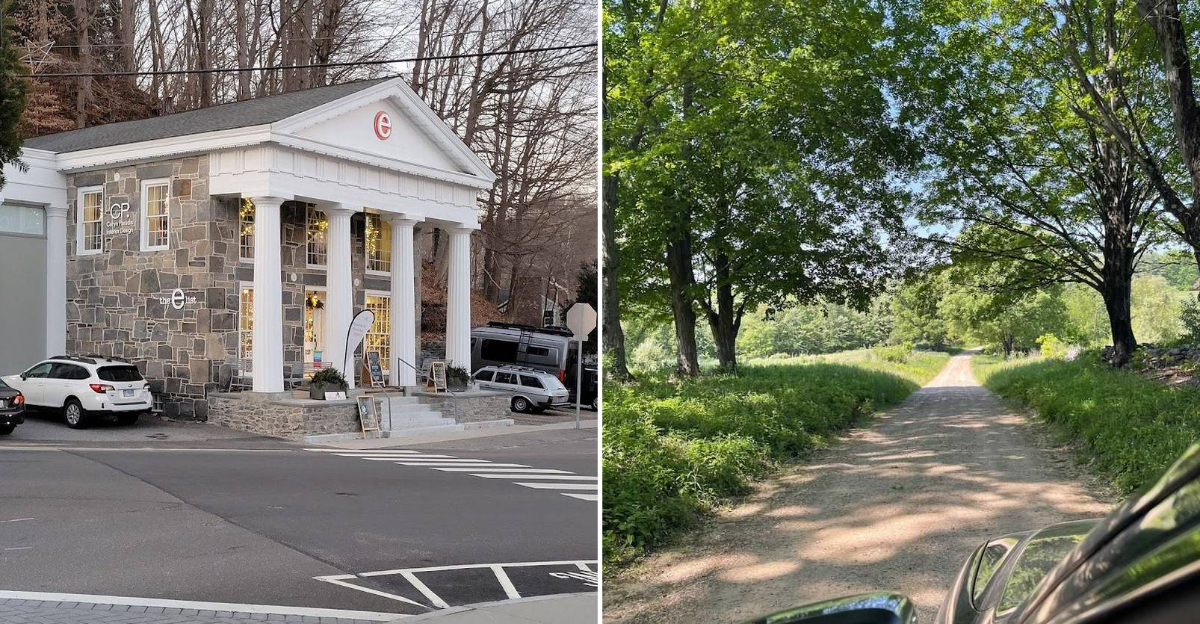
Population numbers rarely shrink without a clear reason behind the trend. Property taxes are the reason showing up most consistently across these Connecticut communities.
The decline did not happen suddenly. It built year over year, as rising bills outpaced what local incomes could comfortably absorb.
Longtime residents describe the departures with a specific kind of sadness, watching familiar faces leave for towns where the math works better. Each move chips away at something the community cannot easily replace.
Tax burdens carry consequences that extend well beyond a single household budget. These communities are experiencing that ripple effect directly, with shrinking populations serving as the clearest evidence of a problem still searching for a solution.
1. Canaan
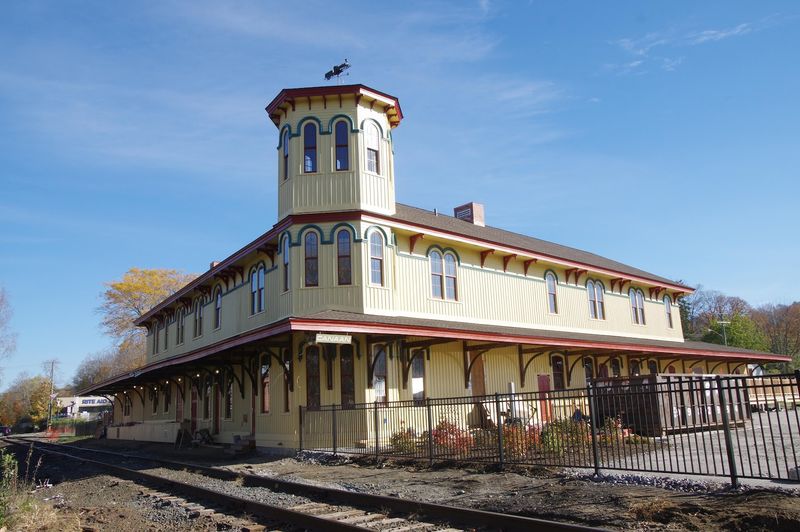
Canaan posted the sharpest population drop on this list, losing 12.5% of its residents between 2010 and 2020. That’s a big deal for a small town.
When one in eight neighbors disappears over a decade, you notice it.
Canaan sits in Litchfield County, one of the most scenic corners of Connecticut. Rolling hills, old barns, covered bridges nearby.
The kind of place people dream about living in. So why are they leaving?
Property taxes keep climbing even as local services stay flat. Many long-time residents, especially retirees on fixed incomes, say the math simply stops working.
You love the town but can’t afford to stay.
The Housatonic River runs right through the area, and outdoor lovers genuinely adore it here. Hiking, fishing, and quiet country roads are all part of the deal.
But charm doesn’t pay the tax bill.
Younger families aren’t rushing in to replace those who leave. The housing stock is older, and the cost of upkeep adds another layer on top of already steep taxes.
It becomes a cycle that’s hard to break.
Local officials have tried to address budget concerns, but with the overwhelming majority of local revenue coming from property taxes, options are limited. There’s not much room to maneuver.
State funding formulas often leave smaller towns like Canaan at a disadvantage.
The community still has a real heart. Neighbors know each other.
Local events bring people together. But the financial pressure is real, and it’s reshaping who actually sticks around.
2. Somers
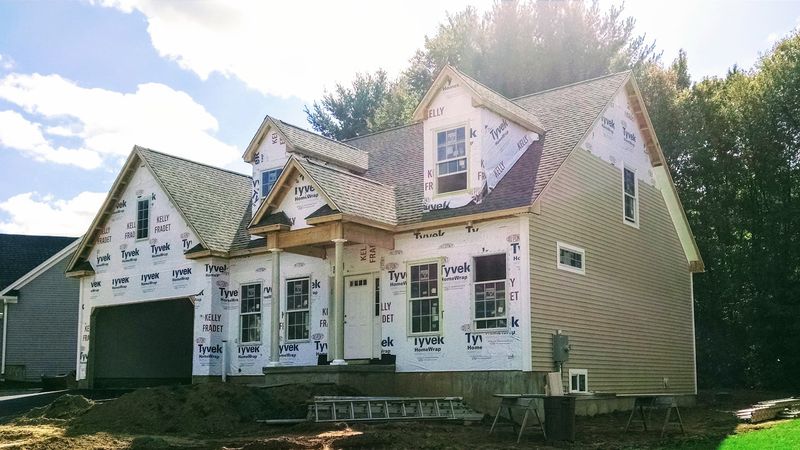
Somers dropped 10.4% in population over that same decade. For a town that once had a stable, tight-knit community, that’s a noticeable shift.
People weren’t just moving across town. They were leaving the state entirely.
Tolland County towns like Somers often get overlooked in conversations about Connecticut’s tax crisis. But residents here feel it just as sharply as anyone in a bigger city.
Property assessments keep rising, and so do the mill rates.
There’s a fascinating and somewhat grim piece of history here. Somers has long been home to state correctional facilities, and for years those institutions were major employers.
When the Northern Correctional Institution closed in 2021, economic ripple effects followed. Job loss and tax pressure make for a rough combination.
The town has a genuinely rural feel with open farmland and quiet neighborhoods. Families who grew up here often describe it with real affection.
But affection doesn’t cover a tax bill that’s grown by hundreds of dollars year over year.
Retirees have been especially vocal about the burden. Many spent decades building equity in their homes, only to find that staying put costs more than they budgeted for.
Moving to Florida or the Carolinas starts looking practical rather than just appealing.
Younger buyers aren’t flooding in either. Limited job opportunities nearby and high carrying costs make the math tough.
A house is only a good deal if you can actually afford to keep it.
Somers still has good schools and a strong sense of community pride. Those things matter.
But pride alone won’t reverse a decade of outmigration.
3. Winchester
This place lost 9.1% of its population between 2010 and 2020. The town, which includes the village of Winsted, has a rich industrial history that feels increasingly distant.
What’s left is a community wrestling with economic change and a tax structure that doesn’t make staying easy.
Winsted was once a manufacturing hub. Clock factories, hosiery mills, and textile operations once employed thousands.
That era is long gone, but the property tax obligations tied to maintaining aging infrastructure remain. Someone has to pay for it, and that someone is the homeowner.
Mad River Park and the surrounding green spaces give Winchester a genuinely outdoorsy personality. The area around Highland Lake is legitimately beautiful.
It draws visitors, but visitors don’t pay property taxes. Residents do.
Longtime homeowners describe a creeping frustration. Their home values haven’t exactly skyrocketed, but their tax bills have.
That disconnect is one of the most common complaints you hear across Connecticut’s declining towns.
Young professionals who might otherwise find Winchester charming often do the math and move on. Remote work has opened up options, but it’s also made it easier to choose a lower-tax state.
Connecticut competes against states that actively court new residents.
Local government has made efforts to attract development and revitalize downtown Winsted. Progress is slow but real.
A few new businesses have opened, and there’s genuine community energy. But reversing population trends takes more than optimism.
Winchester’s story is one Connecticut is telling in a lot of its smaller towns right now. The bones are good.
The finances are complicated.
4. Bozrah
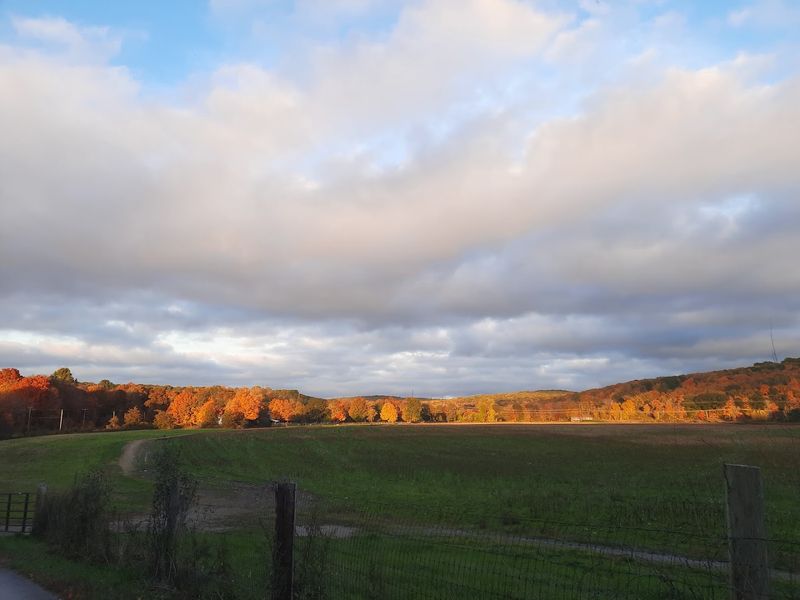
Bozrah is one of those towns most Connecticut residents couldn’t place on a map without help. It’s small, quiet, and rural.
And between 2010 and 2020, it lost 7.5% of its population. For a town with only a few thousand residents, that’s significant.
New London County towns like Bozrah often rely heavily on residential property taxes because there’s very little commercial development to share the load. That means homeowners carry an outsized share of the municipal budget.
Every year, that share seems to get a little heavier.
The town has a genuinely peaceful character. Farms, forests, and small roads that feel like they exist outside of time.
People who live here often say they moved for the quiet. The problem is that quiet places still have loud tax bills.
Bozrah doesn’t have a flashy downtown or a major employer. It’s a bedroom community in the truest sense.
Residents commute elsewhere to work and return home to a place that feels far removed from urban stress. That’s the appeal.
But it comes at a cost.
When retirees hit fixed incomes and do the math, Bozrah becomes harder to justify. Smaller towns sometimes have higher effective tax rates than people expect, partly because the cost of services gets spread across fewer taxpayers.
That’s just basic math, and it stings.
Younger families considering the area often find that limited local amenities, combined with high property costs, push them toward towns with more to offer. It’s not that Bozrah lacks charm.
It just lacks the economic ecosystem to offset the tax burden.
The community still has loyal, long-rooted residents who wouldn’t trade it.
5. Chaplin
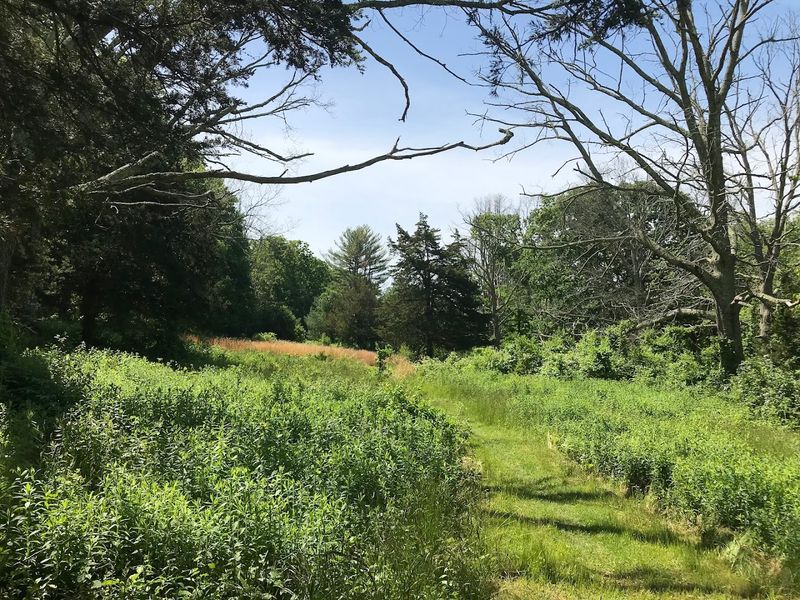
Chaplin recorded a 6.7% population drop over the decade, which is striking for a town that already has a very small base. Lose a few hundred people from a small community, and the character of the whole place shifts.
Neighbors notice empty houses. Schools feel the enrollment dip.
Windham County is one of Connecticut’s most economically challenged regions. Chaplin sits right in the middle of it.
Property values haven’t kept pace with what residents are being asked to pay in taxes. That mismatch frustrates people in a very personal way.
There’s something genuinely beautiful about Chaplin. The Natchaug River flows through town, and the state forest nearby is a real gem for hikers and nature lovers.
It’s the kind of setting that should attract people. The tax reality complicates that attraction.
Most residents have to commute significant distances for work. There’s no major employer in town.
That means fuel costs, car maintenance, and time all pile on top of the property tax burden. It adds up faster than people expect.
Many who’ve left Chaplin haven’t gone far. Some moved to neighboring states where property tax rates are more manageable.
Others downsized to smaller properties within Connecticut. Either way, Chaplin’s headcount keeps shrinking.
Local officials work hard to keep services running with limited budgets. But when 98.5% of local revenue comes from property taxes and the population base is declining, every budget cycle becomes a balancing act.
Cut services or raise rates. Neither option is popular.
Chaplin still has a loyal core of residents who genuinely love the rural lifestyle. That loyalty is real.
6. Montville
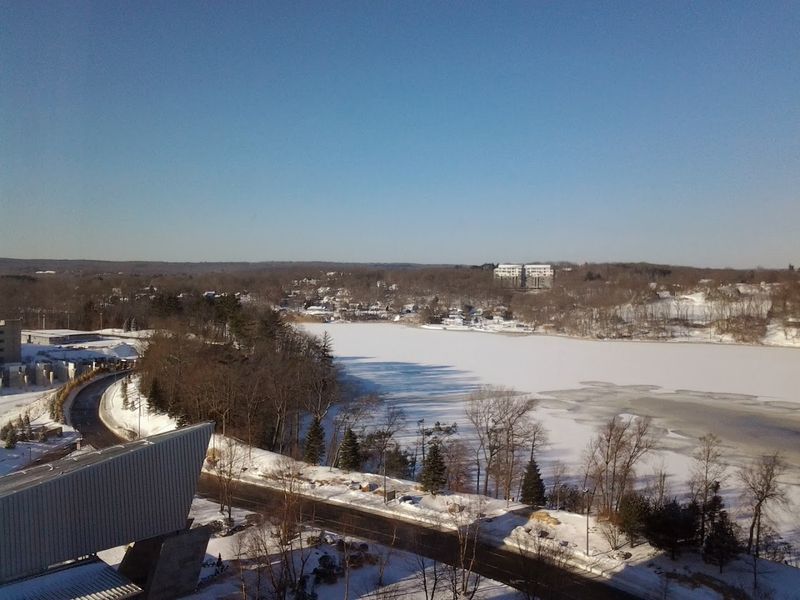
This spot saw a 6.1% population decline between 2010 and 2020. It’s a town with a split personality in the best way.
Part suburban, part rural, and home to the Mohegan Tribe, whose reservation brings a unique cultural dimension. But even that economic engine hasn’t insulated residents from property tax pressure.
New London County has been struggling economically for years. The decline of the defense industry and shifting employment patterns hit the region hard.
Montville felt those tremors. When jobs leave an area, residents eventually follow.
The Mohegan Sun casino is nearby and draws millions of visitors annually. You’d think that would help the local economy in a big way.
And it does to some extent. But municipal tax structures mean the average homeowner still carries a heavy load.
Older neighborhoods in Montville have homes that need updating, and that costs money on top of the annual tax bill. Buyers look at the total cost of ownership.
When that number climbs past a certain point, they look elsewhere. That’s just human nature.
Families who grew up here describe a genuine sense of community. Youth sports leagues, local events, and neighbors who actually know each other.
That social fabric is worth something real. But it doesn’t show up on a tax statement.
Younger residents in their late twenties and thirties are particularly mobile. Remote work has made geography less of a constraint.
Connecticut’s tax environment makes it easier to justify a move to a lower-cost state. Montville is losing exactly the demographic it needs to grow.
The town still has real potential, and local leaders are working on it.
7. Chester
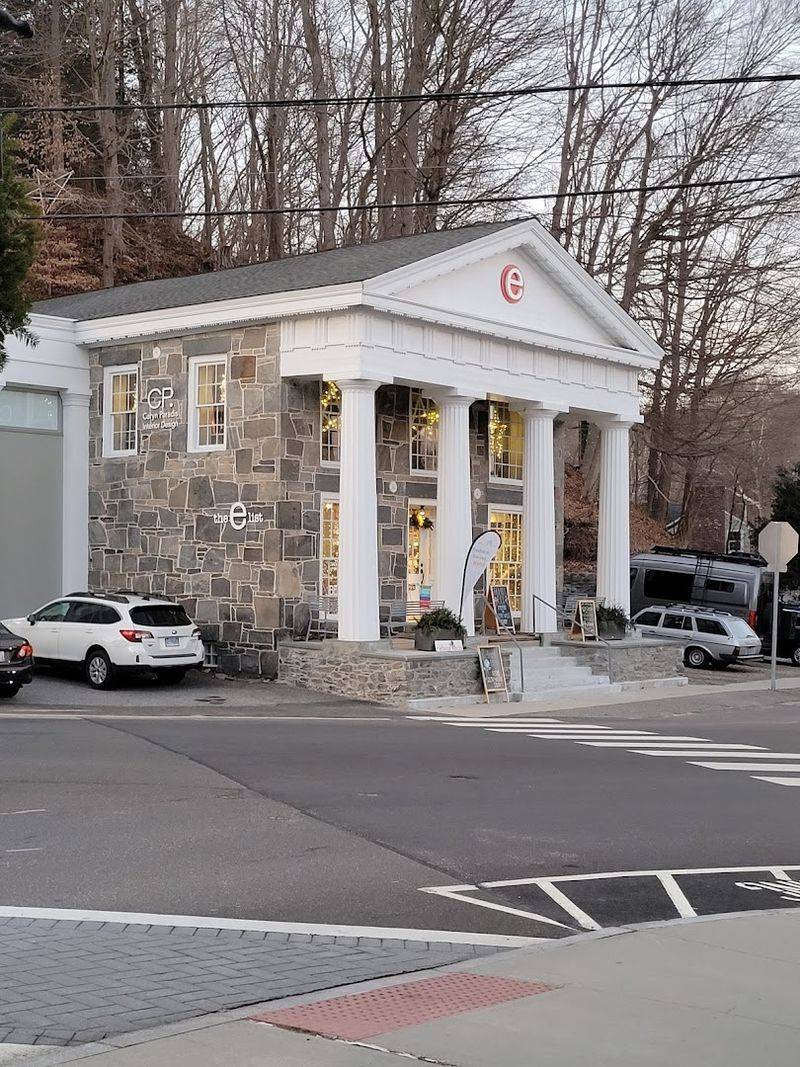
Chester dropped 6.1% in population over the decade, which surprises people who know the town. It’s genuinely lovely here.
The kind of place that shows up on lists of Connecticut’s most charming villages. Art galleries, a beloved local theater, and a tight community vibe.
So what’s the catch?
Middlesex County property taxes are no joke. Chester is a small town with limited commercial tax base, which means residential property owners absorb the bulk of municipal costs.
That’s a familiar pattern across Connecticut, and Chester is no exception.
The Connecticut River runs nearby, and the scenery is legitimately postcard-worthy. Chester is the kind of place where people visit for a weekend and immediately start fantasizing about living there.
The reality of the tax bill tends to cool that fantasy pretty quickly.
Artists and creative types have long been drawn to Chester’s character. It has a real bohemian energy for such a small New England town.
But creative careers don’t always come with salaries that absorb steep property taxes comfortably. Many have moved on reluctantly.
Retirees who bought homes here years ago often find themselves in a tough spot. The home is worth more than they paid, but so is everything else.
Selling and moving to a lower-tax state becomes a rational financial decision, even if it’s an emotional one.
Chester’s downtown remains vibrant and walkable by Connecticut standards. Local businesses have real character, and the community supports them.
But foot traffic from day-trippers doesn’t replace the tax revenue from permanent residents who’ve moved away.
There’s still a lot to love about Chester. The challenge is making the finances work long-term.
8. North Branford
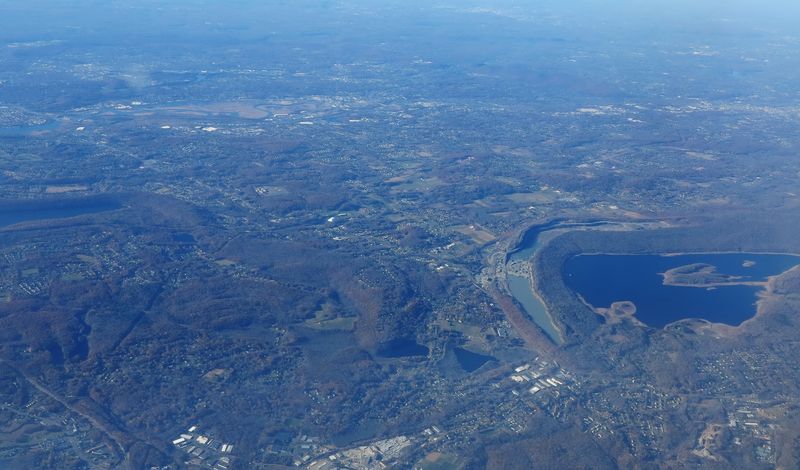
North Branford experienced a 6.0% population decrease between 2010 and 2020. It’s a New Haven County suburb with a reputation for good schools and quiet streets.
That sounds like a recipe for stability. But even suburbs with strong fundamentals aren’t immune to Connecticut’s property tax pressure.
The town has a mostly residential character with limited commercial development. That means the tax burden falls squarely on homeowners.
Mill rates in New Haven County have been climbing for years, and North Branford residents have felt every uptick.
People who grew up here often describe it fondly. Little League games, neighborhood block parties, the kind of community that sounds almost nostalgic.
That culture is real and worth something. But nostalgia doesn’t offset a tax bill that’s grown significantly over a decade.
Empty nesters have been a particularly mobile group. Once the kids are grown and the school district appeal fades, staying in a large home with a large tax bill becomes harder to justify.
Many have moved to smaller properties or left Connecticut entirely.
The town is close enough to New Haven and Branford to offer some commuting convenience. That helps with employment access.
But it also means residents compare costs to neighboring towns constantly. That comparison doesn’t always favor North Branford.
New residents do move in, but the pace hasn’t matched the pace of departures. That’s the core issue.
When outflow consistently outpaces inflow, population trends go in one direction. North Branford has been living that math for a decade now.
Local officials are aware of the trend and working on economic development strategies. Progress takes time.
9. Morris
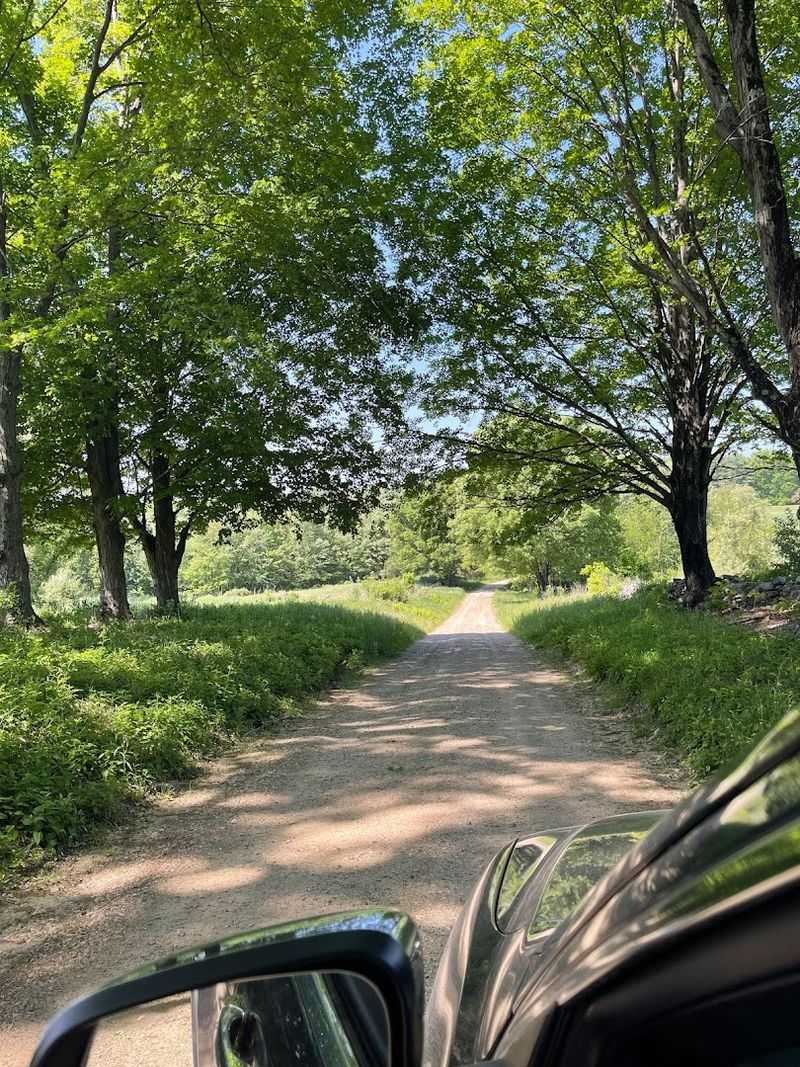
Recording a 5.5% population drop over the decade is not something to be proud of. This tiny Litchfield County town has a lot of natural beauty and very little commercial development.
That combination makes for a wonderful place to visit and a financially challenging place to own property.
Bantam Lake is the largest natural lake in Connecticut, and it sits right in Morris’s backyard. Waterfront property here is genuinely coveted.
But waterfront property also carries some of the highest assessed values and, therefore, the steepest tax bills. Beauty and burden come as a package deal.
Litchfield County has long attracted wealthy second-home buyers and weekenders from New York. That drives property values up across the board, which is great for sellers but rough for year-round residents on middle incomes.
The tax bill reflects those elevated assessments, whether you use the lake or not.
Year-round residents often feel caught between two worlds. They live in a place that’s priced for affluence but don’t necessarily have the income to match.
The gap between what Morris looks like and what it costs to live there is real and widening.
Young families rarely put Morris at the top of their list. There’s limited employment nearby, the school system is small, and the cost of entry is high.
Those factors combine to make the town’s demographic future uncertain.
Retirees who own property outright still face the annual tax calculation. When that bill grows faster than Social Security adjustments, the math starts pointing south.
Literally south, in many cases, toward states with no income tax and lower property levies.
Morris has an irreplaceable natural character. The question is whether that’s enough to reverse the trend.
10. Enfield
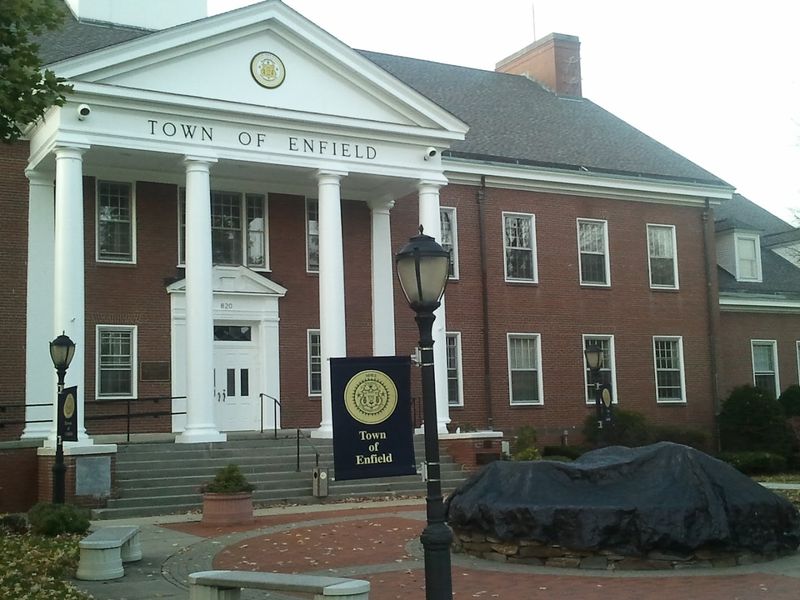
Enfield lost 5.6% of its population between 2010 and 2020. For a town of its size in Hartford County, that’s a meaningful number.
Enfield isn’t a tiny rural hamlet. It’s a real suburb with history, amenities, and a location that should theoretically keep it competitive.
Yet people keep leaving.
The town sits right on the Massachusetts border, which creates a very specific kind of tension. Residents can literally see a neighboring state with different tax structures from their front yards.
That proximity makes comparison shopping for a home location very easy. And Connecticut often loses that comparison.
Enfield has a strong manufacturing and industrial history. Companies like Lego once had a significant presence here.
When major employers downsize or relocate, the ripple effects on local tax revenue and employment are long-lasting. The town is still working through those effects.
The Enfield Rapids on the Connecticut River are genuinely spectacular. Few people know about this natural feature, and that’s a shame.
The outdoor recreation opportunities along the river corridor are real assets. But scenic beauty doesn’t reduce your mill rate.
Younger residents who are just starting often find that the math of homeownership in Enfield is tighter than expected. Property taxes add hundreds of dollars per month to the cost of carrying a mortgage.
That changes what’s affordable in a hurry.
Older homeowners have watched their tax bills grow steadily while their retirement income stays relatively flat. The decision to sell and move becomes less about wanting to leave and more about financial survival. That’s a tough place to be.
Enfield still has genuine community pride and engaged residents.