
Discover 8 Historic Maryland Communities On A Scenic One Day Road Trip Adventure
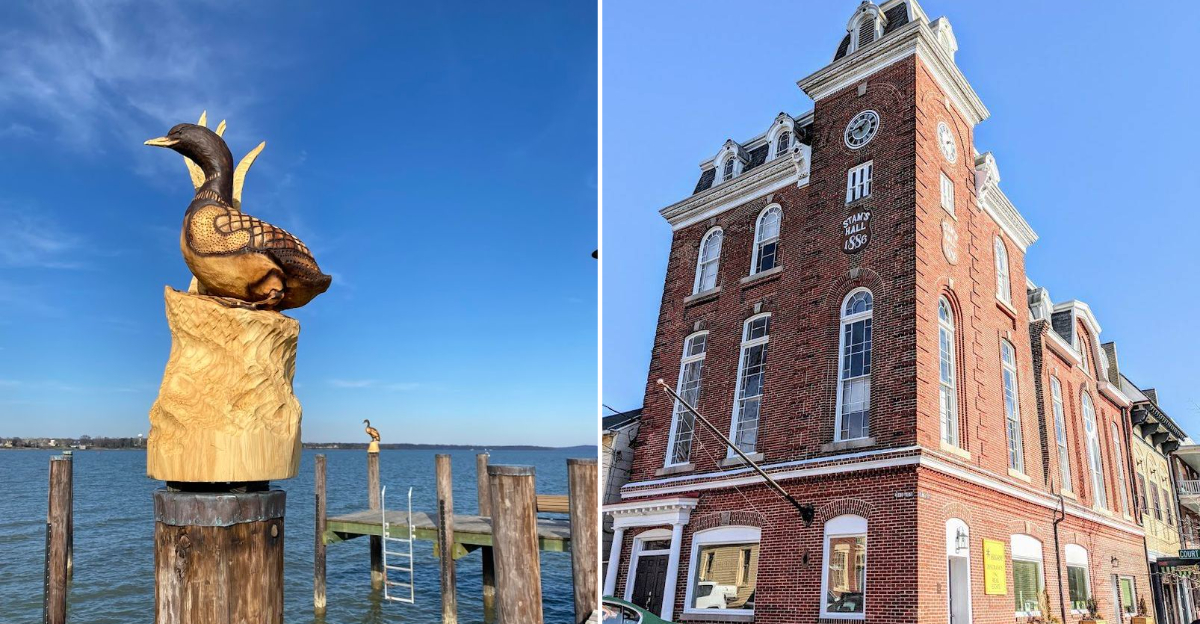
Maryland is one of those states that quietly holds centuries of American history without making a big fuss about it. From mountain towns to waterfront communities, every bend in the road leads to somewhere worth stopping.
I have driven through a lot of these places, and honestly, each one surprised me in the best way. Pack some snacks, charge your phone, and get ready for a one-day road trip that covers eight historic Maryland communities you will not want to miss.
1. Colonial Annapolis Historic District
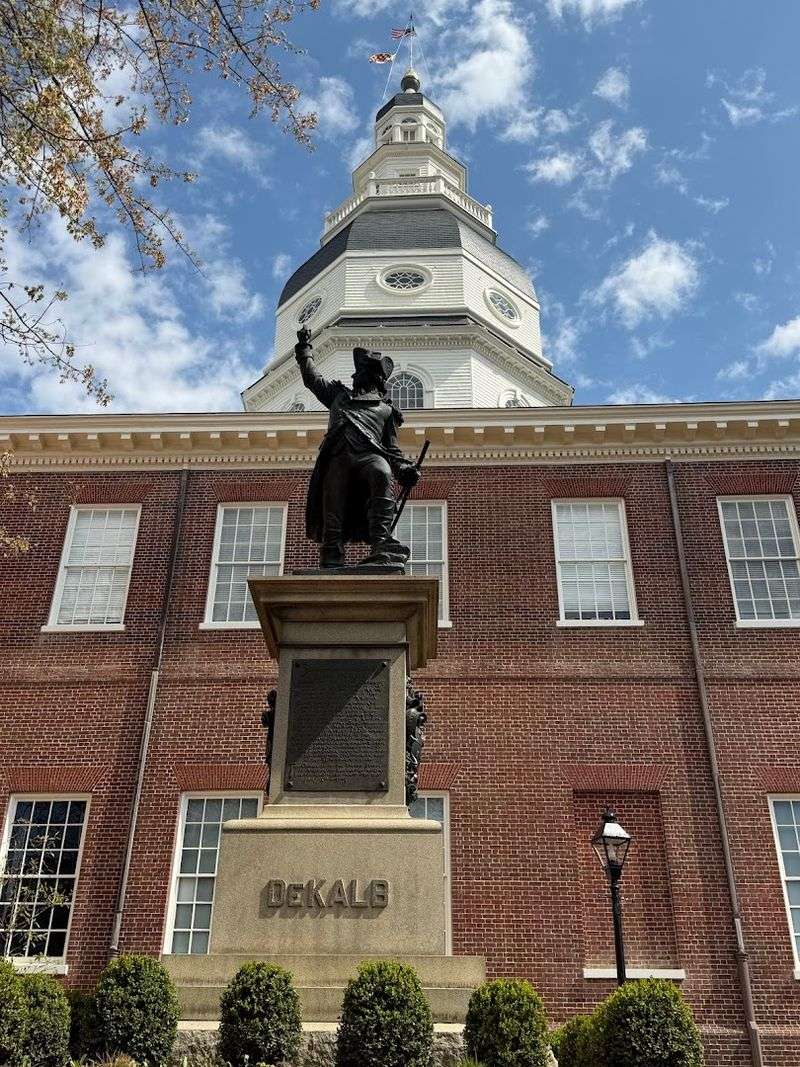
The Maryland State House in Annapolis is the oldest state capitol still in continuous legislative use in the country. That fact alone should get you excited before you even park the car.
History is literally baked into every street corner here.
Walking through the Colonial Annapolis Historic District feels like someone pressed pause on the 18th century. The brick sidewalks are uneven in the best way.
Georgian architecture lines the streets without apology.
Maryland Avenue is a great starting point for exploring. Shops and galleries sit inside buildings that have been standing since before the American Revolution.
It is wild to think about who walked these same paths.
The Maryland State House is where George Washington resigned his commission as commander of the Continental Army in 1783. That moment changed the direction of American democracy.
You can stand in the exact room where it happened.
The waterfront area along City Dock buzzes with energy throughout the day. Boats bob in the harbor while locals and visitors move around the market area.
The whole scene is genuinely charming without feeling staged.
St. Anne’s Church, founded in 1692, anchors Church Circle with quiet authority. The current building dates to the mid-1800s but the congregation is much older.
History runs deep in every stone.
Annapolis also has a strong Naval history tied to the United States Naval Academy, which sits right in the city. You can tour parts of the campus and visit the museum there.
It adds a completely different layer to the visit.
Plan to spend at least a couple of hours just wandering. The best discoveries happen when you turn down a random alley.
2. Ellicott City Historic District
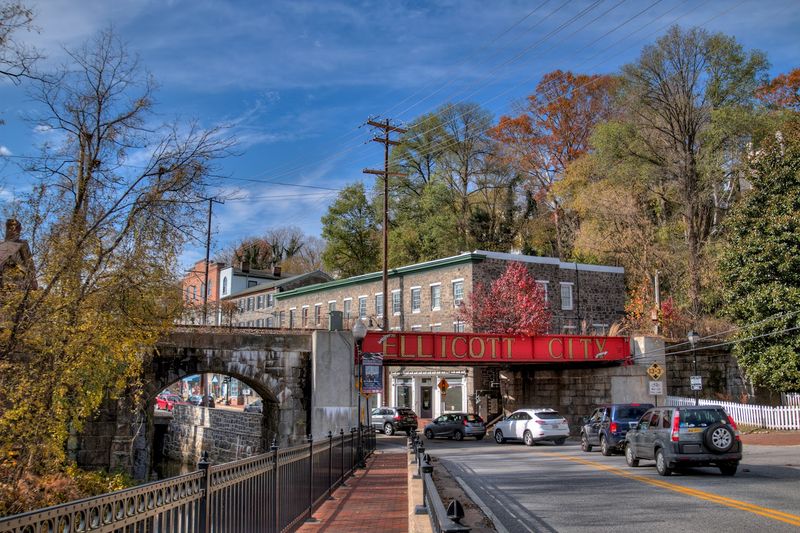
Ellicott City sits inside a narrow river valley, and the whole town looks like it was carved directly into the hillside. Stone buildings stack up along Main Street in a way that feels almost theatrical.
It is one of those places that photographs beautifully but looks even better in person.
The town was founded in 1772 by the Ellicott brothers, who were Quaker millers from Pennsylvania. They built flour mills along the Patapsco River and basically created a small industrial hub.
That industrial spirit shaped everything you see today.
The B&O Railroad Museum Ellicott City Station sits at the bottom of Main Street and deserves your full attention. It is the oldest surviving railroad terminus in the United States, built in 1830.
Trains used to pull right up to where you are standing.
Main Street climbs steeply uphill and is lined with antique shops, independent boutiques, and cozy restaurants. Every building seems to have a story attached to it.
Some of the structures date back to the late 1700s.
The Patapsco River runs alongside the historic district, adding a natural backdrop to all the old stonework. The area has faced serious flooding over the years, but the community keeps coming back stronger.
Resilience is basically the town motto.
Local historians lead walking tours that reveal details most visitors completely miss. Hidden staircases, old mill foundations, and Civil War connections pop up around every corner.
It is the kind of tour where you keep saying wow out loud.
Ellicott City has a creative energy that pairs well with its historical roots. Artists, makers, and small business owners have set up shop here.
The combination works really well.
3. Frederick
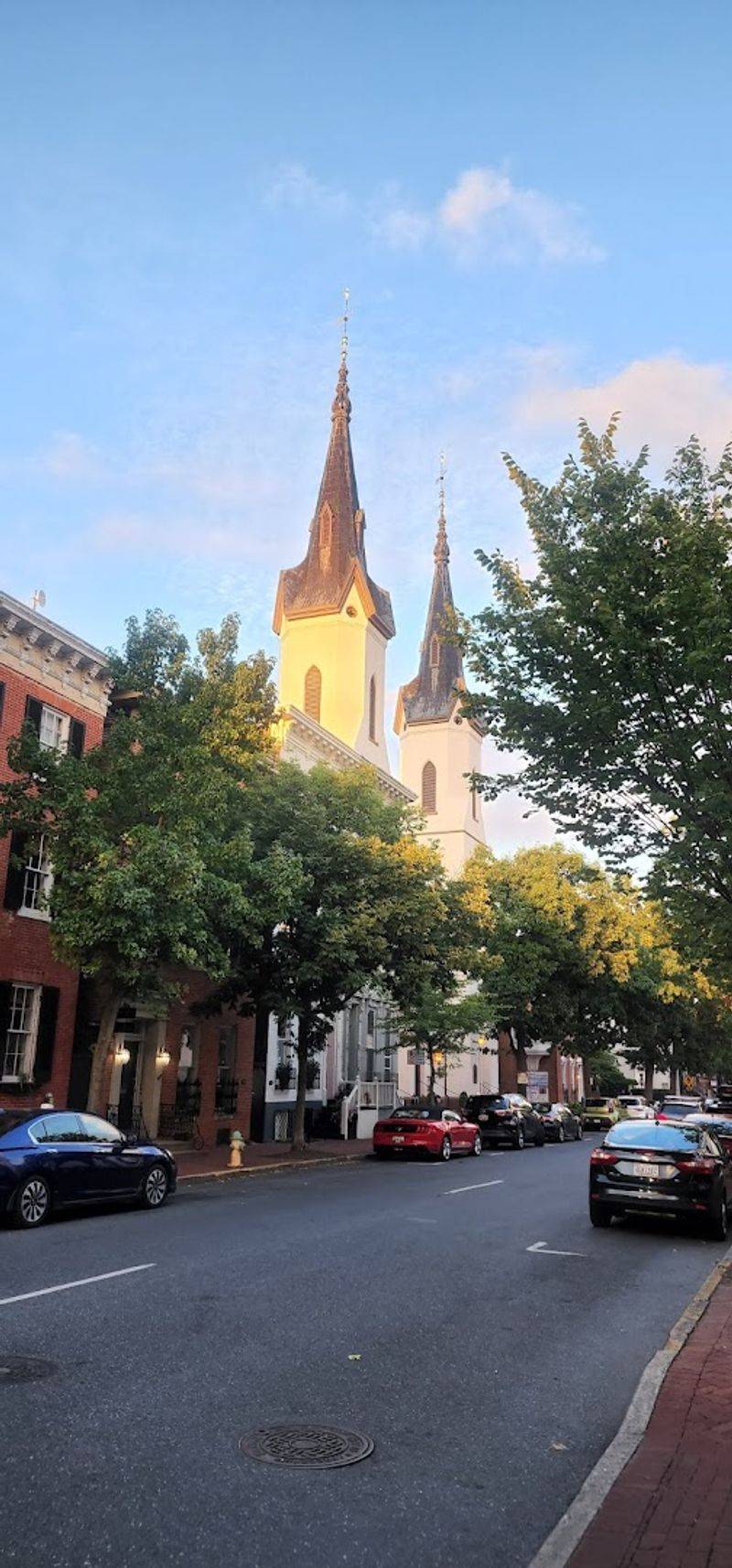
Frederick might be the most underrated city in all of Maryland, and I say that with full confidence. The downtown area is packed with well-preserved 19th-century buildings, independent shops, and genuine character.
It does not feel like a tourist trap because it is not one.
Market Street is the heart of the city, and it delivers on every level. Independent bookshops share the block with vintage stores, local eateries, and art galleries.
You could spend hours just browsing without a plan.
Frederick has deep Civil War roots that show up all over the city. The National Museum of Civil War Medicine is located right downtown and covers medical history during the war in fascinating detail.
It is more compelling than it sounds, I promise.
Barbara Fritchie, who reportedly waved a Union flag at Confederate troops marching through Frederick in 1862, is one of the city’s most celebrated historical figures. Her story became a famous poem by John Greenleaf Whittier.
A replica of her home sits along Carroll Creek.
Carroll Creek Linear Park runs through the heart of downtown and makes for a perfect afternoon stroll. Murals, sculptures, and small bridges line the waterway.
The whole setup is surprisingly beautiful for a city park.
Mount Olivet Cemetery holds the graves of Francis Scott Key and Barbara Fritchie, among other notable Marylanders. It is a genuinely moving place to visit, especially if you know the stories.
History feels very personal here.
Frederick also hosts a lively arts scene with galleries and live music venues scattered throughout downtown. The city manages to be both historic and current at the same time.
4. Chestertown Historic District
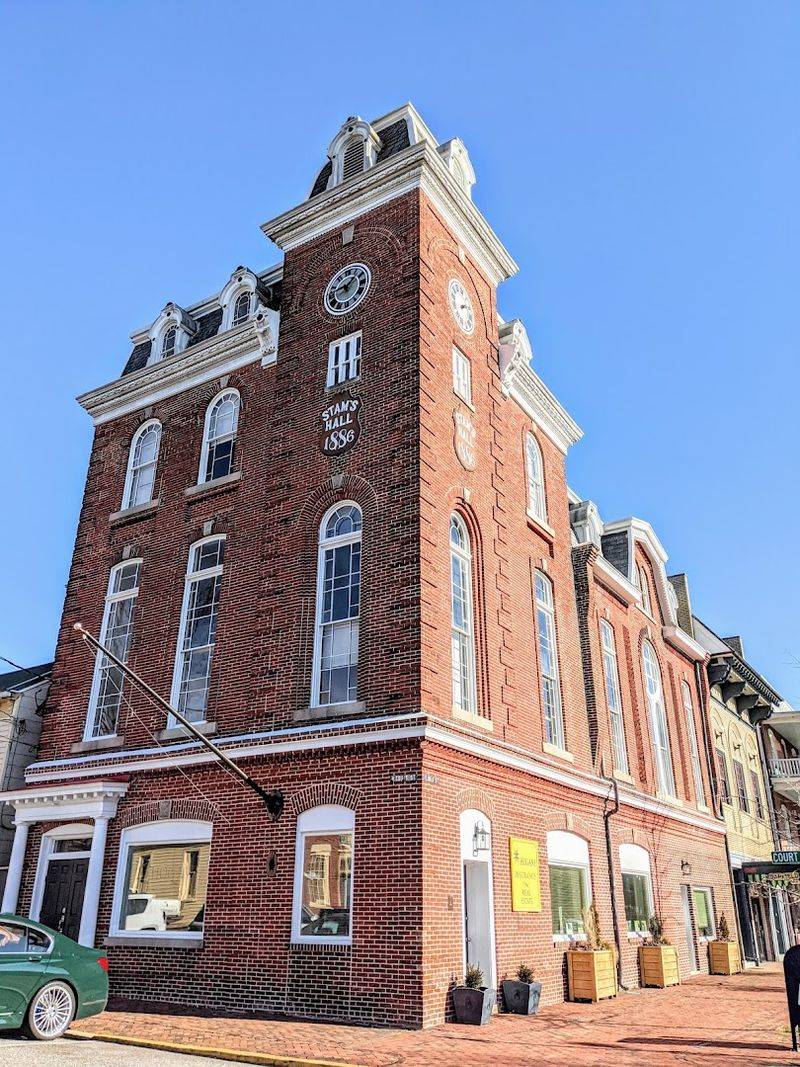
Chestertown sits along the Chester River on Maryland’s Eastern Shore, and it carries itself with a kind of quiet elegance that is hard to fake. Georgian and Federal-style homes line the riverfront streets in near-perfect condition.
The whole district looks like a living architectural textbook.
The town was established in 1706 and served as a major colonial port during the 18th century. Wealthy merchants built grand homes along Water Street, many of which still stand today.
Walking past them gives you a genuine sense of how prosperous this town once was.
Chestertown had its own tea party in 1774, about a year after the famous one in Boston. Colonists boarded the brigantine Geddes and threw its tea cargo into the Chester River.
The town celebrates this act of rebellion every May with a full festival.
Washington College, founded in 1782 and named with George Washington’s personal permission, sits right in town. It is one of the oldest colleges in the country.
The campus adds an academic energy to the historic atmosphere.
Market Street in Chestertown is lined with independent bookshops, antique dealers, and local cafes. It is part of the Chesapeake Country Scenic Byway, which makes it a natural stop on any Eastern Shore road trip.
The pace here is noticeably slower, and that is a compliment.
The Chestertown Historic District is also a great launching point for exploring nearby Rock Hall and the Eastern Neck National Wildlife Refuge. Nature and history are equally accessible from here.
That kind of variety keeps the day interesting.
Sunsets over the Chester River from Water Street are genuinely stunning. Bring a camera or just sit and watch.
5. Havre De Grace Historic District
Havre de Grace almost became the capital of the United States. It lost that vote by a single ballot.
So yes, you are visiting a place that came incredibly close to being the most important city in the country.
The town sits where the Susquehanna River meets the Chesapeake Bay, and that location gives it a waterfront atmosphere that is hard to match. The promenade along the bay is one of the nicest walking paths in the entire state.
Views stretch out in every direction.
The Concord Point Lighthouse, built in 1827, is the oldest publicly accessible lighthouse on the Chesapeake Bay. It is also one of the longest continuously operated lighthouses on the entire East Coast.
Standing next to it at the water’s edge is a genuine highlight of the visit.
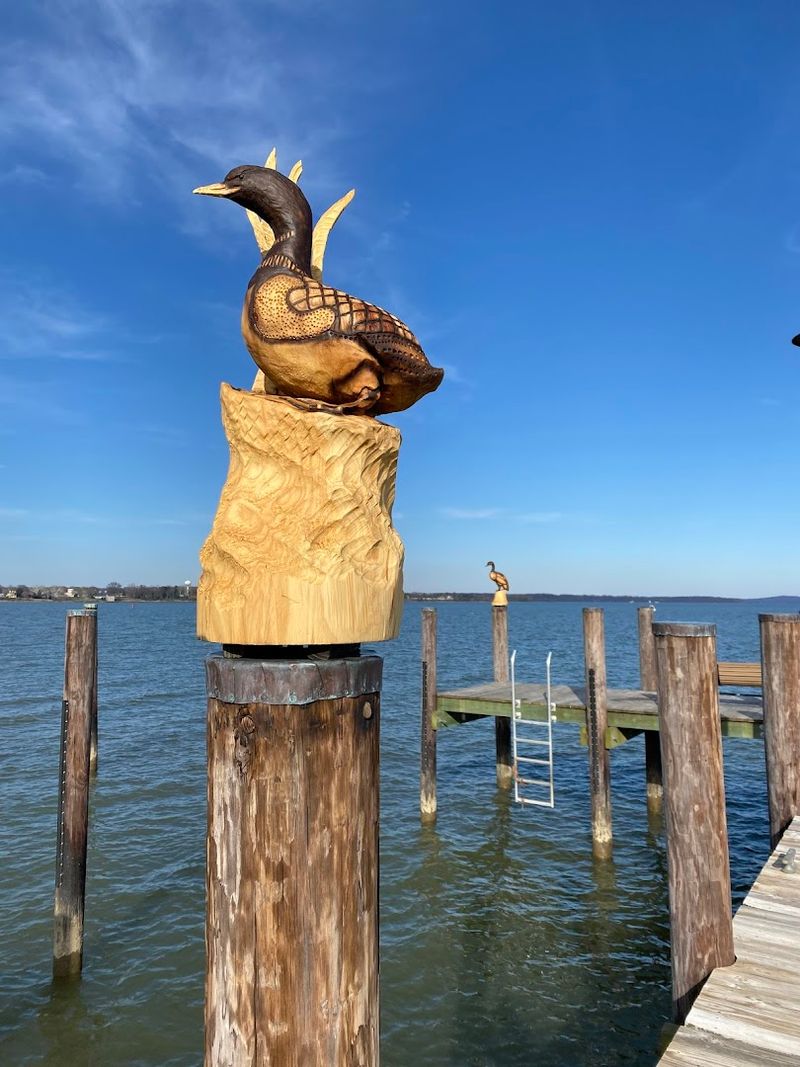
Havre de Grace is officially known as the Decoy Capital of the World, which is a title earned through generations of waterfowling tradition. The Decoy Museum downtown showcases hand-carved wooden decoys that are truly impressive works of folk art.
Some of them are museum-quality sculptures.
The town has a rich Revolutionary War and War of 1812 history. British forces attacked and burned much of Havre de Grace in 1813.
The community rebuilt and has never forgotten that story.
A Lafayette Trail brochure, available locally, guides visitors on a three-mile loop through the historic district. It connects major landmarks and gives context to everything you see.
Even without the brochure, the streets are easy and enjoyable to explore on foot.
The combination of lighthouse, waterfront, folk art, and colonial history makes this stop genuinely hard to leave. Give yourself extra time here.
6. Leonardtown Center
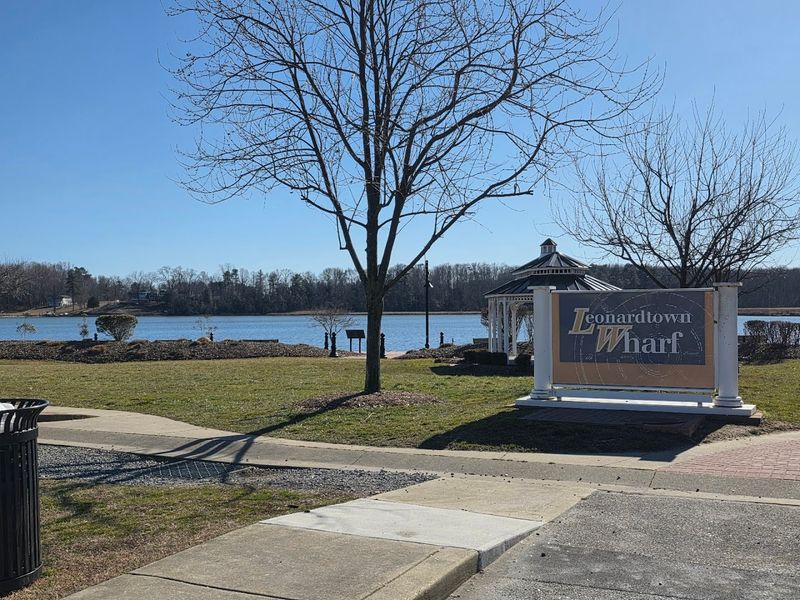
Leonardtown is the kind of small town that rewards people who actually stop instead of just driving through. The historic town square anchors everything, and it has the kind of unhurried energy that makes you want to slow down.
Southern Maryland has a different rhythm, and Leonardtown is the best example of it.
The town serves as the county seat of St. Mary’s County, one of the oldest counties in the United States. St. Mary’s County was established in 1637, just three years after Maryland was founded as a colony.
That kind of timeline puts things in perspective fast.
Tudor Hall, a historic mansion that overlooks the town square, was built around 1744 and served as a prominent family home for generations. It later became the county jail and courthouse.
The building has had quite a varied career for its age.
The Old Jail Museum on the square gives visitors a look into local history through artifacts, documents, and exhibits. It is a small but well-curated space that covers everything from colonial life to the tobacco trade.
St. Mary’s County history is genuinely fascinating.
Leonardtown’s downtown square hosts seasonal farmers markets and community events throughout the year. Local vendors set up around the historic courthouse green, creating a lively and welcoming atmosphere.
The community pride here is obvious and infectious.
The nearby Breton Bay waterfront adds a scenic dimension to any visit. Kayaking, fishing, and simply watching the water are all popular options.
Southern Maryland’s waterways are part of what makes this region so distinct.
Leonardtown is also a short drive from Historic St. Mary’s City, Maryland’s first colonial capital. Pairing both stops makes for a rich afternoon in Southern Maryland.
7. New Market
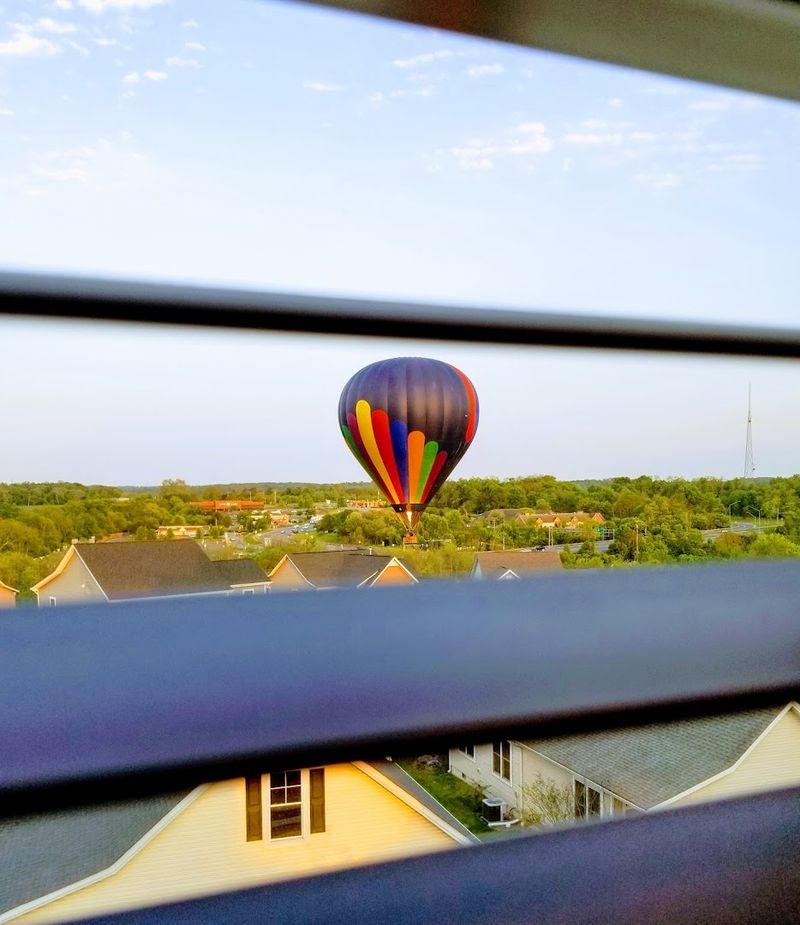
This place bills itself as the Antique Capital of Maryland, and after one walk down Main Street, you will not argue with that claim. The entire town is essentially one long stretch of antique shops housed inside beautifully preserved 19th-century buildings.
It is a treasure hunter’s paradise.
The town was founded in 1793 and developed along the National Road, which was America’s first federally funded highway. Travelers and traders passed through here constantly during the early 1800s.
That foot traffic shaped the commercial character of the town from the very beginning.
Main Street in New Market is only about a quarter mile long, but it packs in an impressive number of antique dealers. Each shop has its own personality and specialization.
One might focus on American folk art while another is stacked floor to ceiling with vintage furniture.
The Federal and Greek Revival architecture along Main Street is remarkably intact. Many buildings have been standing since the early 1800s and have been lovingly maintained.
Walking the street feels like a genuinely immersive historical experience without the museum formality.
New Market is a quiet town, and that quietness is part of the appeal. There are no chain stores here.
No fast food signs interrupting the streetscape. Just old buildings, good finds, and the occasional cat sitting in a shop window.
The surrounding Frederick County countryside adds a pastoral backdrop to the whole experience. Rolling farmland and open sky frame the town on all sides.
It is a lovely setting for a slow afternoon drive.
Serious antique collectors plan multiple visits because the inventory rotates constantly. First-timers usually leave with something unexpected and wonderful.
8. Downtown Cumberland Historic District
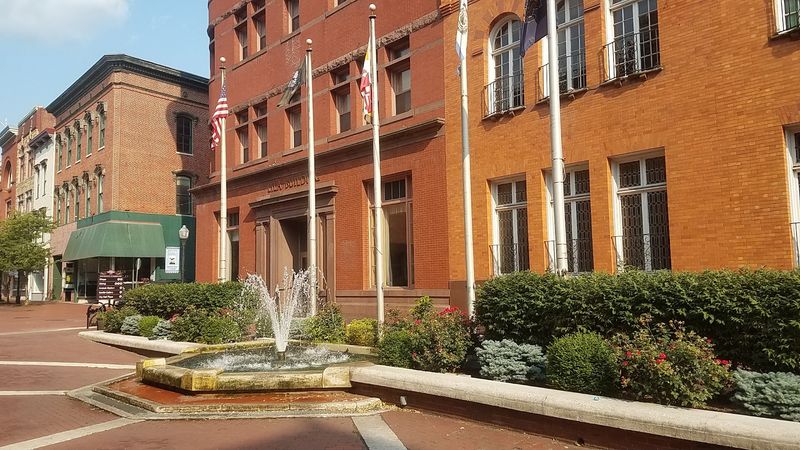
Cumberland sits deep in the Allegheny Mountains, and the scenery on the drive in is reason enough to make the trip. The city itself carries the weight of American transportation history in a way that few places can match.
Every corner tells a story about movement, commerce, and ambition.
The Western Maryland Scenic Railroad departs from Cumberland Station and winds through mountain terrain that is genuinely spectacular. The historic station building itself is worth admiring before the train even moves.
It is one of the most photogenic spots in Western Maryland.
Cumberland is the eastern terminus of the Great Allegheny Passage trail and also sits along the C&O Canal National Historic Park towpath. Both trails attract cyclists and hikers from across the country.
The outdoor recreation here is world-class by any measure.
George Washington used Cumberland as a military base during the French and Indian War. A small log cabin known as George Washington’s Headquarters still stands near the train station.
It served as his command post in 1794 during the Whiskey Rebellion as well.
The Historic National Road, also known as the Baltimore National Pike, runs directly through Cumberland. This was America’s first major improved road, connecting the East Coast to the interior of the country.
Cumberland was a critical waypoint on that route.
The Gordon-Roberts House, a stunning Victorian mansion once owned by a C&O Railroad baron, is now a museum. The interior is filled with period furnishings and tells the story of Cumberland’s railroad prosperity.
It is one of the finest historic house museums in Maryland.
Baltimore Street in the historic district has a walkable charm that surprises most first-time visitors. The mountain backdrop makes every photo look like a postcard.