
This Tennessee State Park Has River Views Meadow Trails And More Than 220 Bird Species
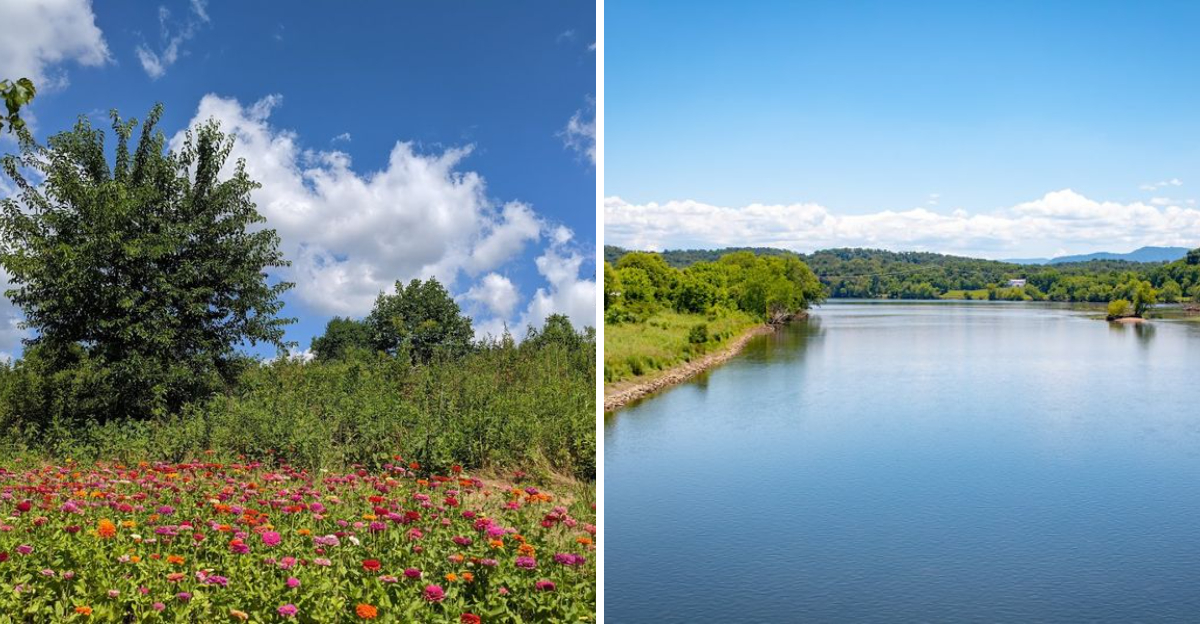
A quiet river gives an ordinary walk a reason to slow down. In Tennessee, one state park brings together broad water views, open meadows, and busy birdlife along trails that feel easy to love.
Bring binoculars, or just bring patience, because the sky and trees rarely stay still here. Herons may glide low near the water.
Songbirds flash through the grasses. Hawks circle overhead while the path bends past fields, woods, and peaceful overlooks.
More than 220 bird species have been recorded here, which gives every visit a little suspense. You never know what will appear next.
The park also works well for easy hiking, slow nature walks, and calm afternoons away from noise. It is simple, scenic, and full of small moments that make people stop, look closer, and keep walking.
The French Broad River Views That Stop You Mid-Step
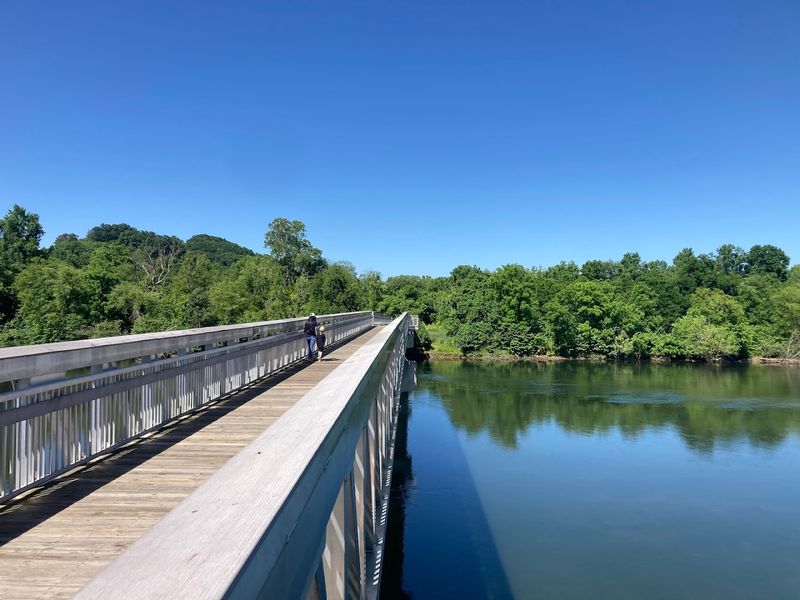
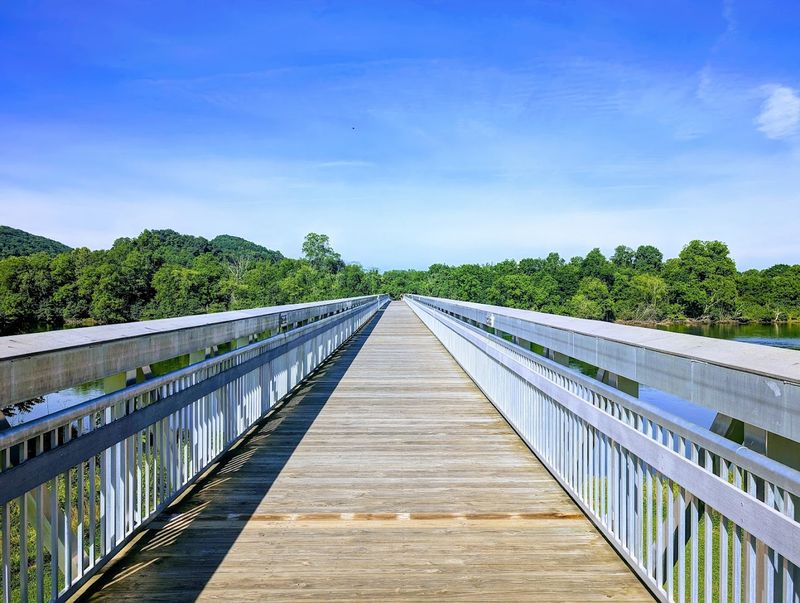
Standing at the pedestrian bridge over the French Broad River, it becomes clear why this park draws people back season after season.
The river moves with quiet authority beneath you, wide and deliberate, framed by rolling hills and open farmland that stretch toward the horizon.
On early mornings, a faint mist drifts up from the water, carrying the faint outline of the Smoky Mountains in the distance.
The bridge itself is a genuine highlight. It spans a wide section of the river and features viewing balconies where you can pause and watch Bald Eagles circle overhead or Purple Martins dart beneath the structure collecting insects.
Anglers appreciate that the French Broad River supports over 50 species of fish, making it one of the more productive stretches of water in East Tennessee.
A canoe and kayak launch gives paddlers direct access to the river, adding another layer to what the park offers. The park sits roughly 19 miles east of Knoxville.
The river views here are not a backdrop. They are the main event, and they reward anyone willing to arrive before the rest of the world wakes up.
Meadow Trails That Wind Through Surprising Habitats
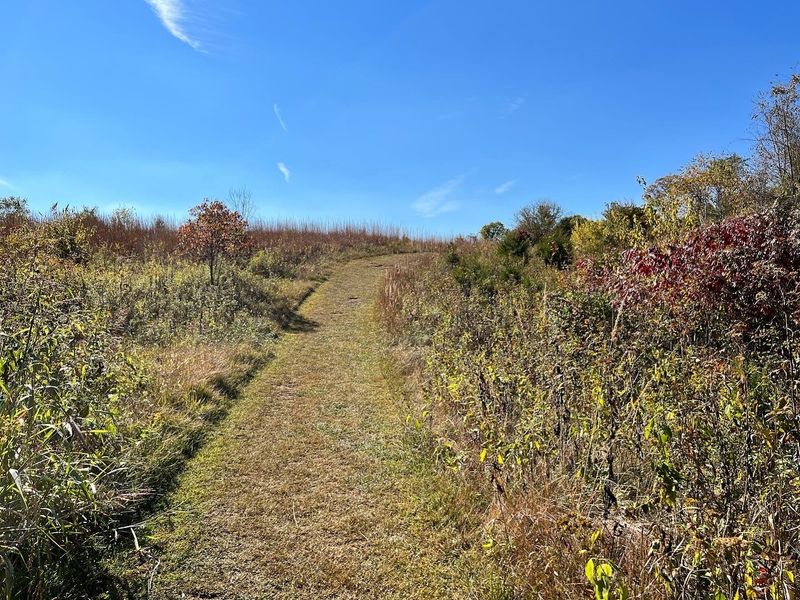
More than 8 miles of natural trails spread across the park, and no two feel quite the same.
One moment you are moving through open grassland thick with summer wildflowers, and the next you are skirting the edge of a wetland where Red-winged Blackbirds announce themselves from every cattail.
The terrain shifts constantly, and that variety is exactly what makes a full day here feel worthwhile.
The mowed meadow trails are particularly satisfying to walk. They are wide enough to move comfortably, flat enough for most fitness levels, and surrounded by native grasses that attract butterflies and insects in generous numbers.
From June through September, wildflowers bloom across the fields, with July bringing a standout display of sunflowers that genuinely surprises first-time visitors.
A 1.2-mile paved greenway runs through the park as well, offering a smooth, accessible option for those who prefer a firmer surface.
The trails pass through wooded sections, wind along the riverbank, and cross open hilltops with views that stretch far beyond the park boundaries.
Each trail has its own personality, and spending time on several of them in a single visit gives a fuller picture of just how varied this landscape truly is.
Over 220 Bird Species And The Stories Behind Them
The number 220 sounds impressive on paper, but standing in the middle of a sunlit meadow here with binoculars and a field guide, it starts to feel like an understatement.
Seven Islands State Birding Park at 2809 Kelly Ln in Kodak occupies a prime position along a major migratory corridor, which means the species list shifts with the seasons.
Spring and fall migrations bring waves of warblers, shorebirds, and raptors that stop over to rest and feed.
Approximately 75 species nest within the park boundaries, giving resident birds a stable presence year-round. Northern Bobwhite calls drift across the grasslands in summer.
Pileated Woodpeckers announce themselves from the tree line with unmistakable volume. Eastern Meadowlarks perch on fence posts at the field edges, singing with an earnestness that feels almost theatrical.
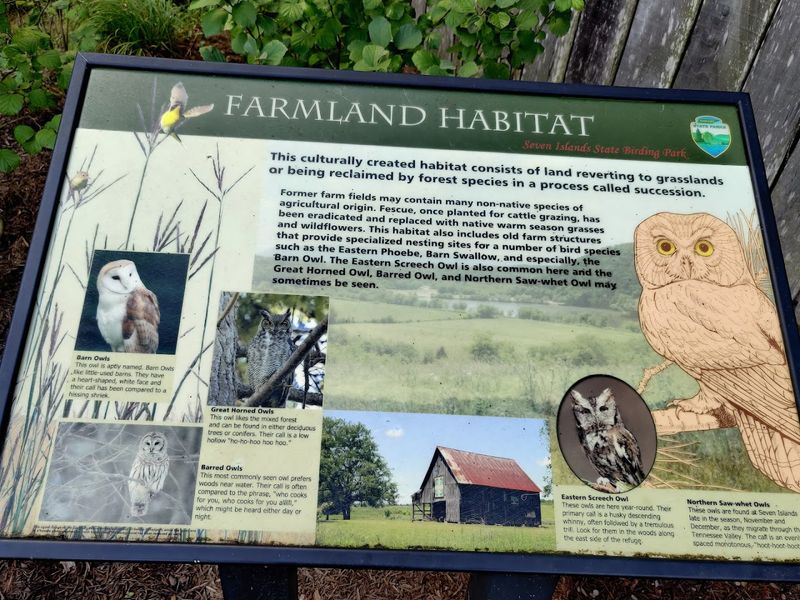
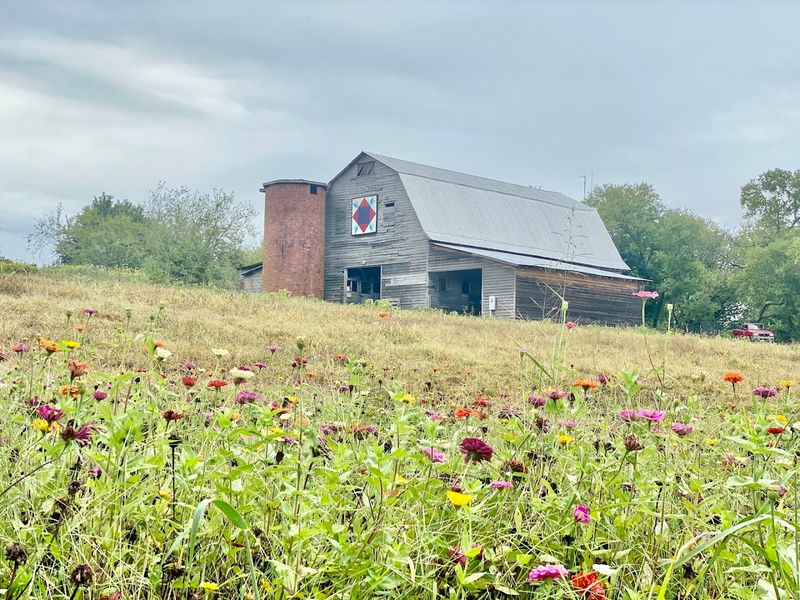
Old barns scattered across the property serve as roosting and nesting sites for Barn Owls, which adds a layer of ecological texture that most parks simply do not have.
Bald Eagles are spotted with enough regularity that they no longer cause a full stop on the trail, though they still deserve one.
For serious birders and curious newcomers alike, this park delivers a genuine and sustained encounter with avian life at a scale that is difficult to find elsewhere in the state.
Tennessee’s Only Dedicated State Birding Park
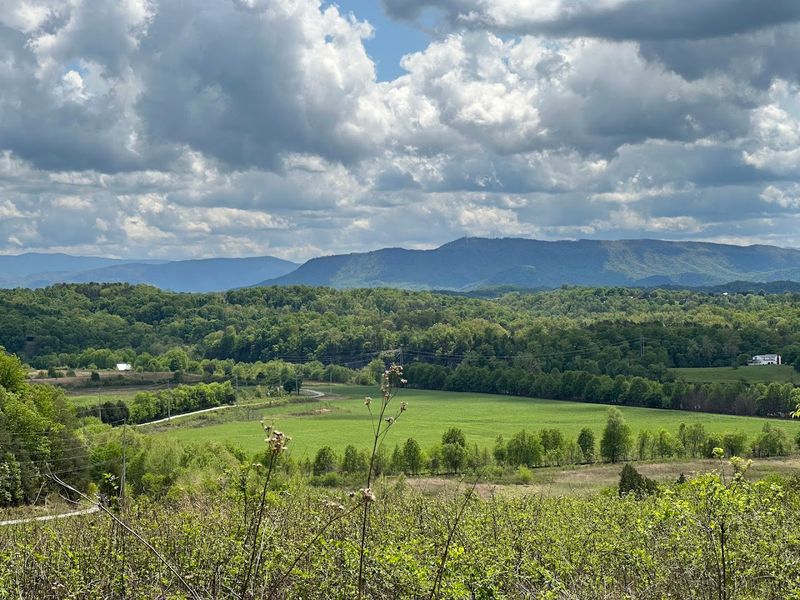
In July 2014, Seven Islands officially became Tennessee’s 56th State Park, and with that designation came a distinction that still holds today: it is the only state park in Tennessee dedicated specifically to birding.
That focus shapes everything about the experience, from the habitat management decisions made by park staff to the interpretive signage placed along the trails.
The park functions simultaneously as a wildlife refuge, a research site, and an educational center. Ranger-led programs run throughout the year, covering topics from medicinal plants to bird identification.
The old barn near the parking area serves as an orientation point, housing educational materials about bird species and habitat types found within the park. It is one of those details that sets a thoughtful tone before you even reach the first trail.
Covering 416 acres along the French Broad River, the park manages its land with a clear purpose: support biodiversity and give birds the habitat conditions they need to thrive. That commitment shows in the results.
The species count continues to grow, and the park attracts researchers and educators alongside casual visitors.
For a state with no shortage of beautiful parks, this one occupies a category entirely its own, built around a single, well-executed idea.
Wildlife Beyond Birds That Fills Every Corner Of The Park
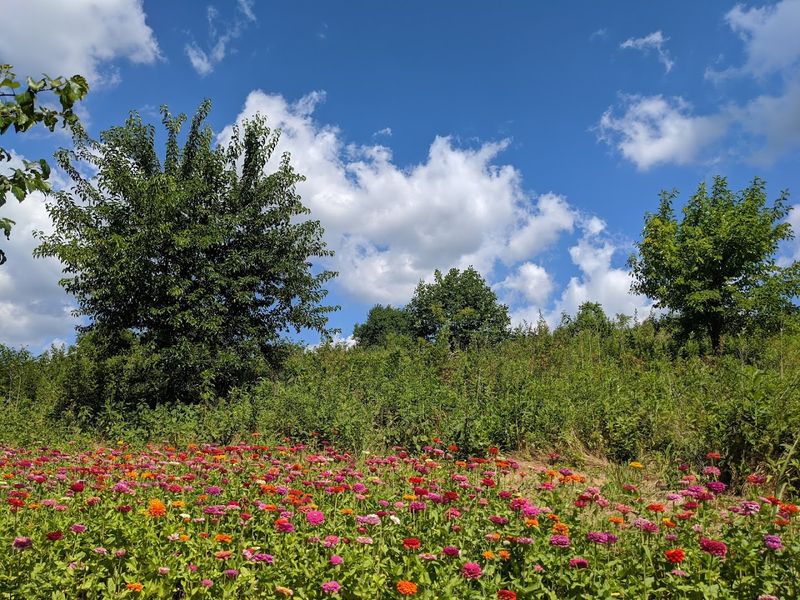
Birding may be the headline, but the supporting cast at this park is equally compelling. White-tailed deer move through the meadows with a calm that suggests they have made peace with human presence.
Multiple visitors have reported deer grazing within 20 feet of the trail, completely unbothered, going about their morning routines as if the hikers simply do not register as a concern.
Rabbits appear near the field edges in the early hours. Turtles sun themselves on logs along the river.
Butterflies work the wildflower patches with focused efficiency, and dragonflies patrol the wetland margins with the same energy.
The French Broad River itself supports a thriving fish population, which in turn supports the herons, ospreys, and kingfishers that work the shallows throughout the day.
This density of wildlife is not accidental. The park manages its 416 acres to support multiple habitat types simultaneously, which creates the conditions for a wide range of species to coexist.
Grasslands transition into woodlands, which give way to wetlands and then riverbank. Each zone attracts its own community of animals.
A single afternoon walk through several trail sections can yield encounters that feel genuinely varied rather than repetitive, which keeps the experience fresh across multiple visits.
Accessible Amenities That Welcome Every Kind Of Visitor
Accessibility at state parks can be an afterthought. Here, it clearly was not.
The 1.2-mile paved greenway runs all the way to the bridge over the French Broad River, providing a smooth, even surface that works well for wheelchairs, mobility aids, and strollers.
Viewing areas along the route are designed to accommodate visitors with limited mobility without separating them from the experience.
Accessible picnic tables are positioned at multiple points along the trail, and restrooms are available near the parking area. The parking lot itself is paved and spacious, with easy entry through the old barn that doubles as an educational stop.
A small playground gives younger visitors something to engage with, and the bird’s nest structure near the trailhead has become a favorite photo spot for families.
Dogs are welcome on leash throughout the park, which adds to the relaxed, inclusive atmosphere. The park opens at 7 AM daily and closes at 9 PM, giving early risers and evening walkers both a viable window.
Admission is free, which removes one of the last remaining barriers to a genuinely high-quality outdoor experience. For a park this well-maintained and thoughtfully designed, free entry is a remarkable offering.
Paddling And Fishing On The French Broad River
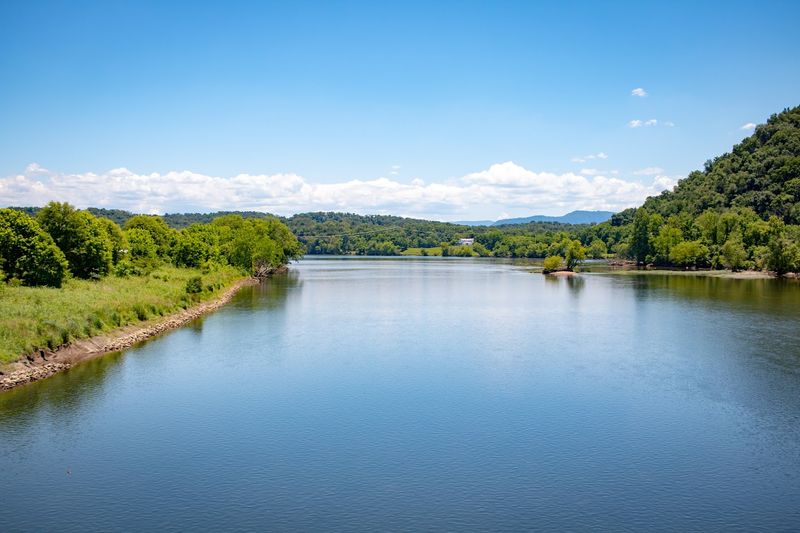
Not everyone who visits Seven Islands comes for the birds. The French Broad River has its own draw, and the park provides a dedicated canoe and kayak launch that makes river access straightforward.
Paddlers can put in and work their way along a stretch of river that feels genuinely remote despite being less than 20 miles from Knoxville. The surrounding hills and wooded banks give the water a quiet, unhurried character.
Anglers have long appreciated this section of the river. With over 50 species of fish recorded in the French Broad, the variety available to a patient fisherman is considerable.
Smallmouth bass, rock bass, and various catfish species are among the more commonly targeted catches, and the river’s clean, moving water supports healthy populations year-round.
From the water, the park takes on a different perspective entirely.
The pedestrian bridge becomes a landmark above you rather than beneath your feet, and the riverbanks reveal herons, kingfishers, and Bald Eagles that are easier to observe from a low, quiet vessel than from a trail above the waterline.
The combination of paddling, fishing, and bird observation from the water creates an experience that complements the trail system rather than duplicating it, making the river a genuine second chapter to any visit.
Seasonal Highlights That Change The Park With Every Visit
One of the quieter pleasures of returning to this park across different months is discovering how dramatically the landscape shifts.
July brings the most talked-about seasonal moment: a broad sweep of sunflowers blooms across the fields, drawing pollinators, seed-eating birds, and photographers in equal measure.
It is the kind of display that earns the park social media attention it probably does not need but certainly deserves.
From June through September, wildflowers of various species cycle through the meadows in succession, keeping the fields colorful and biologically active for months rather than weeks.
Spring migration, roughly March through May, fills the park with warblers and other songbirds moving through in numbers that can make a single morning feel like a birding highlight of the year.
Fall migration reverses the flow and brings its own roster of species, including raptors that gather in impressive concentrations.
Winter visits have their own quiet appeal. The bare trees open up sightlines that summer foliage obscures, making it easier to spot owls, sparrows, and wintering ducks along the river.
The park operates year-round, and each season offers a genuinely different experience rather than a diminished version of the one before it. Returning visitors often say no two trips feel the same.
Educational Programs And Ranger-Led Experiences Worth Planning Around
The interpretive side of this park runs deeper than most visitors initially expect. Ranger-led programs cover a broad range of topics, and the calendar fills with events that appeal to different interests and age groups.
A medicinal and edible plant foraging tour, for example, moves through the same trails you might walk independently but transforms the experience entirely by naming and contextualizing what grows alongside the path.
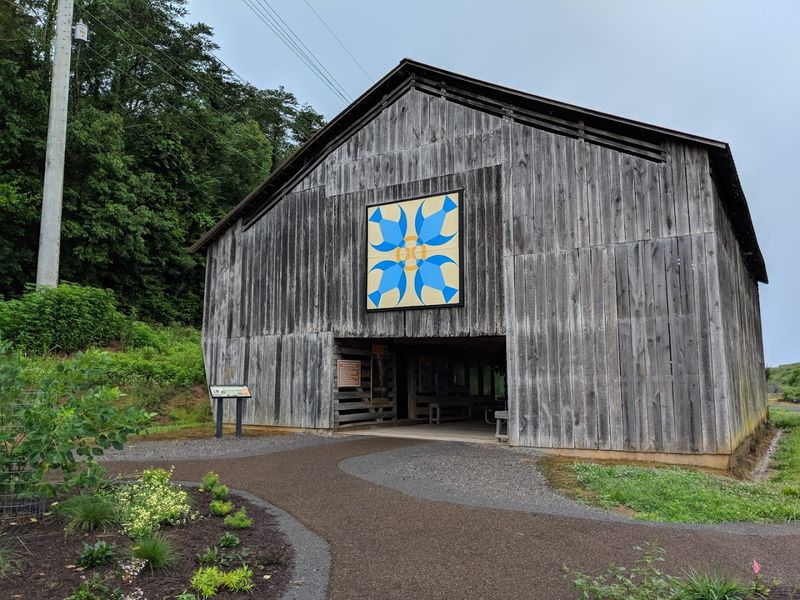
The old barn near the entrance serves multiple functions. It acts as a gathering point for educational sessions, houses bird identification resources, and provides a passport stamp for those collecting state park stamps across Tennessee.
The barn gives the park a grounded, working-farm quality that feels appropriate given the agricultural landscape the park was carved from and continues to reference in its design.
School groups, families, and individual learners all find something useful in the programming here.
The park’s role as a research and demonstration site for habitat management means that some programs go beyond recreation into genuine conservation education.
Checking the park’s event calendar before visiting is worth the effort, particularly during spring and fall when migration-focused walks and talks are scheduled to coincide with peak bird activity.
The park can be reached at 888-867-2757 or through tnstateparks.com/parks/seven-islands.