
A Thousand-Year-Old City Rises Out Of The Flat Delta Farmland Along This Quiet Mississippi Highway
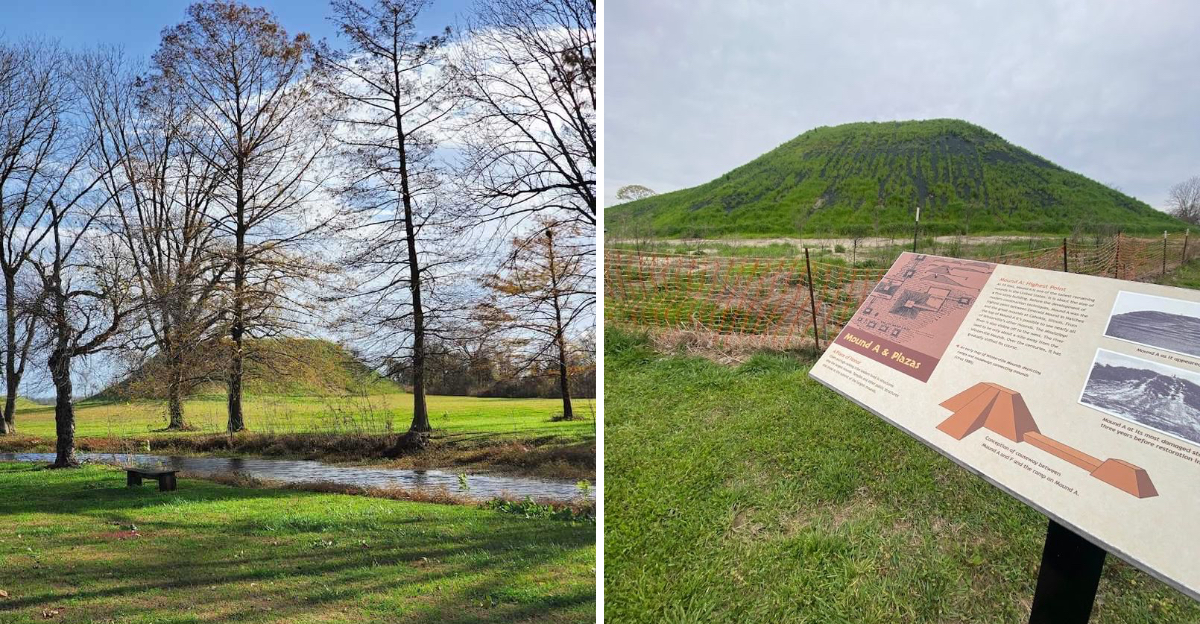
Flat farmland does not usually hide a lost city this large. Mississippi keeps this one waiting in open fields anyway.
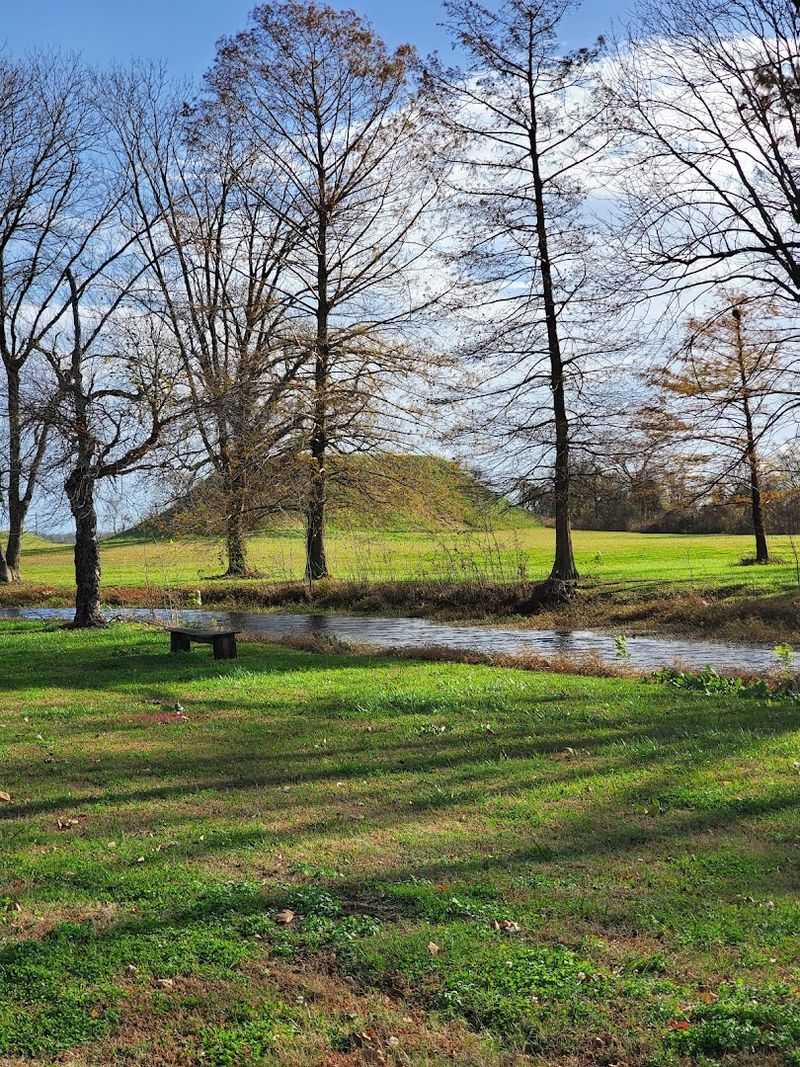
Earthen mounds rise straight out of the soil, built entirely by hand centuries ago. No machines, no animals, just baskets of dirt carried one load at a time.
One mound climbs higher than almost anything built for miles around, a feat that stopped generations in their tracks. A trail of interpretive signs and worn walking paths makes it easy to explore on foot without a single guide.
Early morning light throws long shadows across the earthworks, turning a quiet field into something cinematic. Mississippi holds a layered history that most people never learn in school.
A quiet stretch of highway like this deserves a slow detour next time the Delta calls.
The Ancient City That Refuses To Stay Hidden
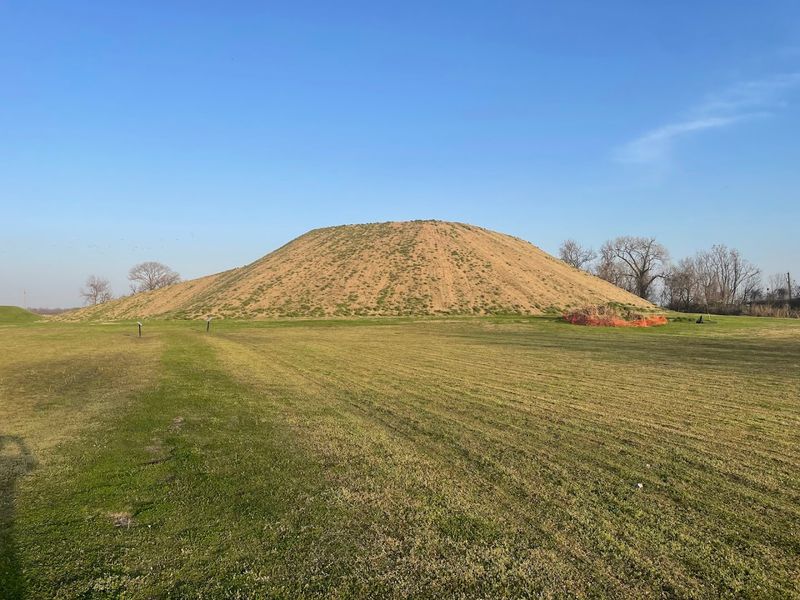
Flat land has a way of making everything taller. That is exactly the effect you get when Winterville Mounds comes into view from Mississippi Highway 1.
These earthworks were built entirely by hand. Community members carried soil in baskets, layer by layer, over many generations.
The result is a ceremonial city that dominated the Yazoo-Mississippi River Delta for nearly five centuries.
At its peak, Winterville was a major hub for politics, religion, and trade. High-ranking leaders lived atop the mound summits in sacred structures.
The general population spread across family farmsteads throughout the surrounding Delta basin, traveling to the mounds for ceremonies and celebrations.
The site originally contained 23 mounds. Today, 12 large platform mounds and two expansive plazas remain intact within the 42-acre park.
The mounds predominantly rose between 1200 and 1250 AD. Standing among them, it is easy to feel the weight of what was once built here, slowly, deliberately, with extraordinary purpose.
Mound A and The Staggering Scale of Ambition
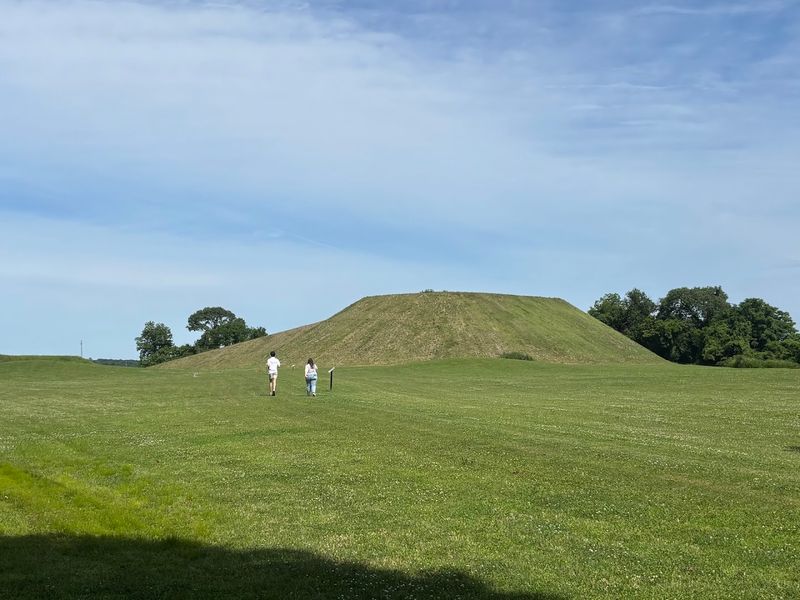
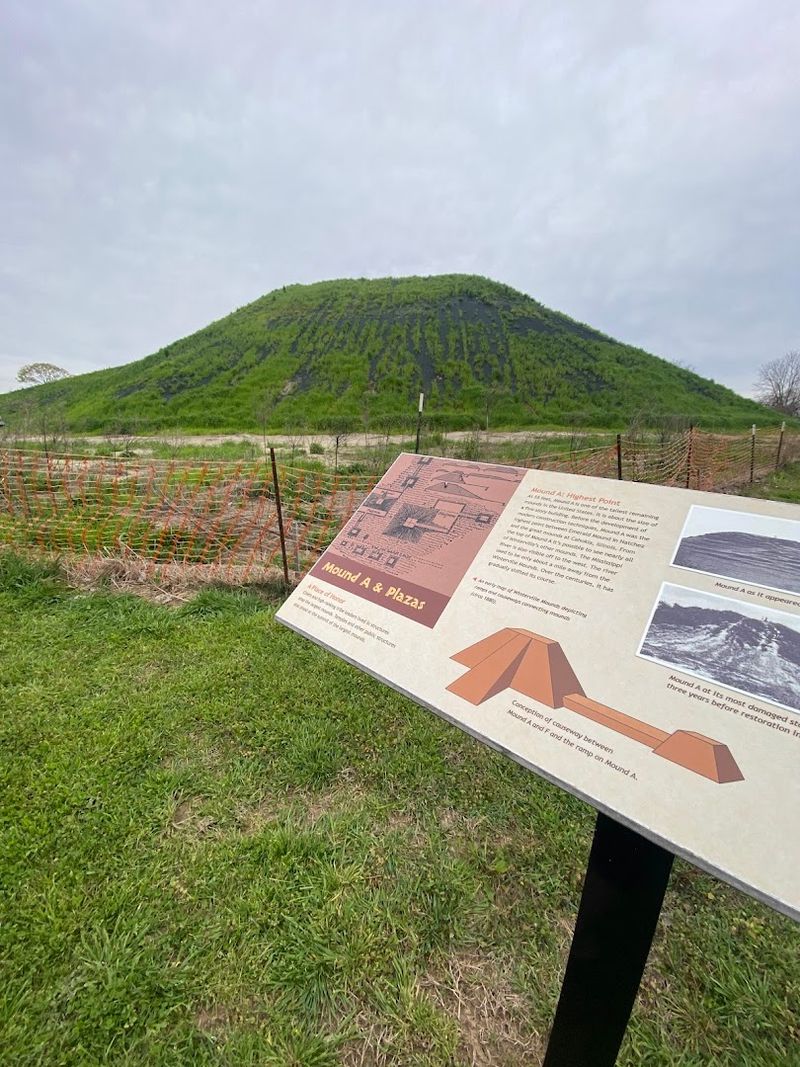
Mound A is the kind of thing that stops you mid-step. It stands 55 feet tall, a rectangular platform mound that dominates the flat Mississippi landscape with quiet authority.
It holds the title of the tallest mound between Natchez, Mississippi, and Cahokia, Illinois. That is a remarkable geographic stretch.
No other earthwork in that corridor comes close to matching its scale.
Archaeological evidence points to a major fire in the late 1300s that destroyed the sacred structure sitting on Mound A’s summit. After the fire, no new mounds were constructed or maintained at the site.
The population gradually declined, and by A.D. 1450, Winterville was largely abandoned.
Currently, Mound A is barricaded due to ongoing erosion repair efforts, so climbing it is not possible. Still, standing at its base and looking up gives a powerful sense of the engineering ambition behind its construction.
The sheer volume of soil moved by hand alone is staggering to consider.
Where Ceremony, Trade, and Community Collided
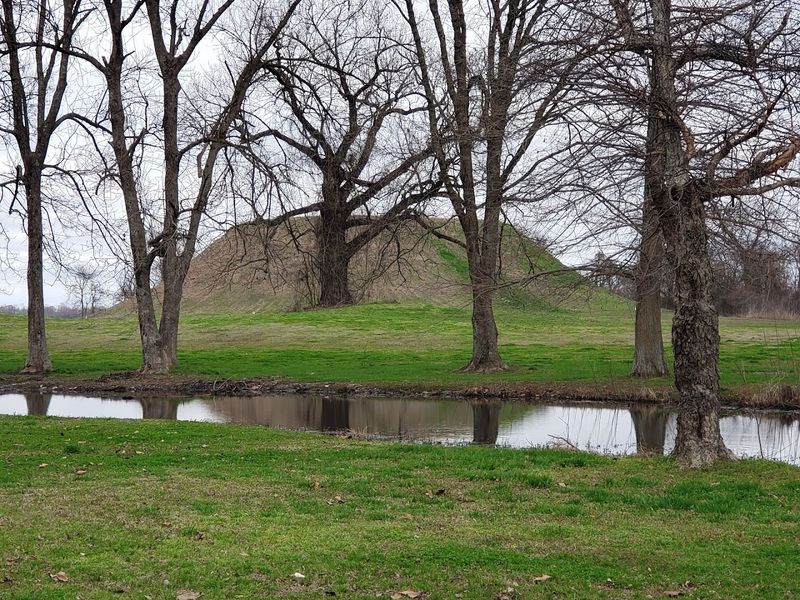
Picture thousands of people converging on a single location for festivals, trade, and sacred rituals. That was the pulse of daily life connected to Winterville Mounds for roughly 450 years.
The site functioned as a communal gathering place for the surrounding Delta population. Families who lived on dispersed farmsteads across the Yazoo-Mississippi basin would travel to the mound center for special events.
The mounds were not just monuments. They were living stages for civic and spiritual life.
Structures on the mound summits served as temples and elite residences. These buildings were periodically burned and rebuilt in a ritual cycle common to Mississippian cultures.
Each rebuild represented renewal, not destruction.
The ancestors of the Natchez people engineered this entire social system from the ground up, quite literally. The site reflects a complex society with organized leadership, shared belief systems, and long-distance trade connections.
Winterville was not an isolated outpost. It was a regional powerhouse that shaped life across a wide stretch of the Mississippi Delta.
What Washington County Holds Beneath Its Surface
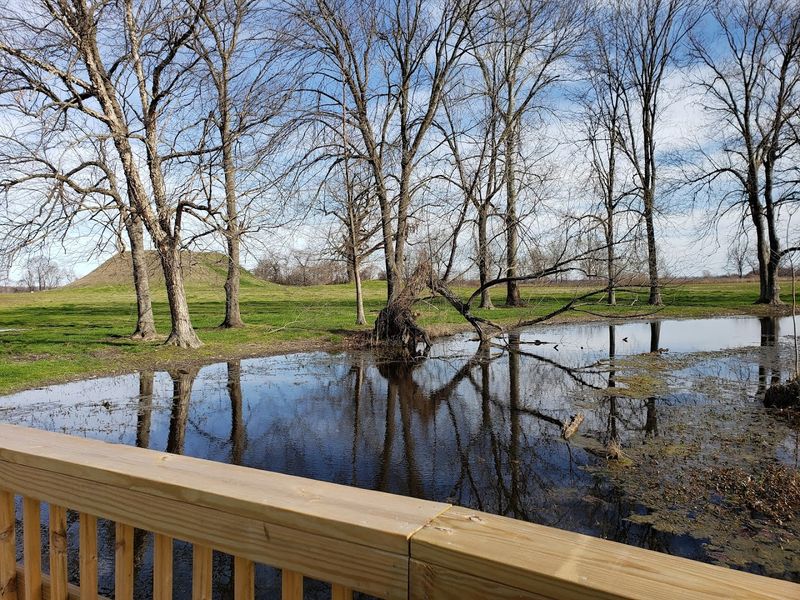
Washington County, Mississippi, does not always get credit for its archaeological depth. Most travelers pass through heading toward Greenville without realizing what sits just north of the city along Highway 1.
The Winterville Mounds site at 2415 MS-1, Greenville, MS 38703 is managed by the Mississippi Department of Archives and History. That agency oversees the preservation and long-term care of the 42-acre park.
Entry to the grounds is free and open to the public daily from dawn to dusk.
Mississippi has a layered history that stretches far beyond the Civil War and the blues music legacy. The Winterville site is proof that complex civilizations flourished in this state long before European contact.
The land here carries stories that go back more than a thousand years.
Recent improvements to the park include new landscaping, refurbished picnic areas, a new pedestrian overpass, and updated outdoor signage. These upgrades make the grounds more navigable and visitor-friendly, even while the on-site museum remains closed for renovation and future exhibit interpretation.
The Museum Situation and What To Expect On Arrival
First things first: the on-site museum is currently closed for renovation and future exhibit interpretation. That surprises some visitors who make the drive expecting indoor displays.
The good news is that the grounds themselves are the real attraction.
A brochure box outside the museum building offers printed guides to help visitors navigate the site. These self-guided materials are practical and informative.
They point out each mound, explain the site layout, and give historical context that would otherwise require a live guide.
Outdoor signage throughout the park has been recently updated. Informational boards explain the significance of each mound and the culture that built them.
The site reads almost like an open-air classroom, spread across 42 acres of quiet Delta land.
Photography at the site is excellent, especially in the early morning when long shadows stretch across the mound faces. Visiting within a couple of hours of sunrise gives the landscape a dramatic, almost cinematic quality.
The flat terrain around the mounds makes the earthworks look even more imposing against the wide Mississippi sky.
The Mississippi Mound Trail and Bigger Picture Connections
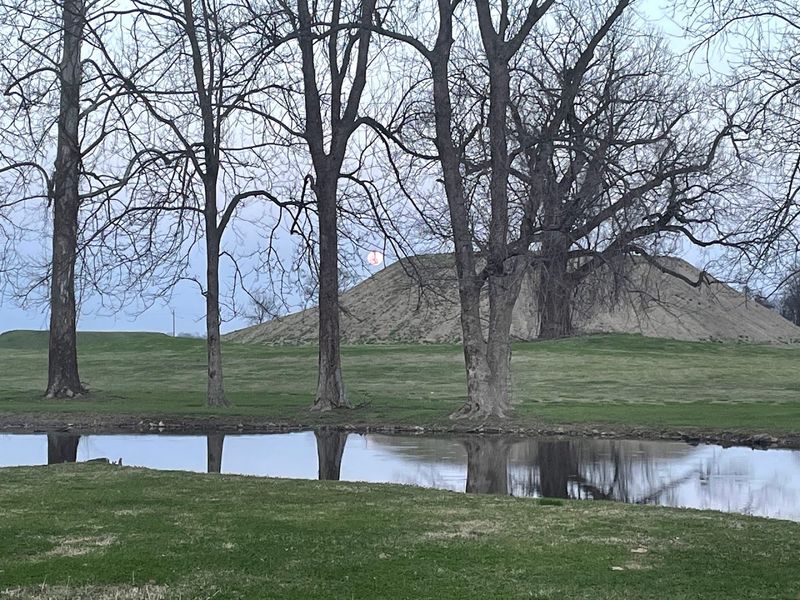
Winterville is not a standalone stop. It sits within a broader network of significant earthen mound sites across Mississippi, connected by the Mississippi Mound Trail.
The trail links visitors to multiple Mississippian-era sites across the state, each with its own character and history. Winterville ranks among the largest and most significant stops on the entire trail.
Its National Historic Landmark designation reflects that status officially.
Traveling the Mississippi Mound Trail turns a single site visit into a much larger cultural journey. Visitors can trace the spread of Mississippian civilization across the state, comparing mound sizes, plaza layouts, and site histories from one location to the next.
For road-trippers already moving through the Delta region, adding Winterville to the itinerary requires minimal detour. The site sits directly on Highway 1, which is itself a historic route running parallel to the Mississippi River.
The combination of river history, Delta blues culture, and ancient earthworks makes this stretch of Mississippi one of the most culturally dense corridors in the American South.
Ongoing Archaeology and What The Ground Still Keeps Secret
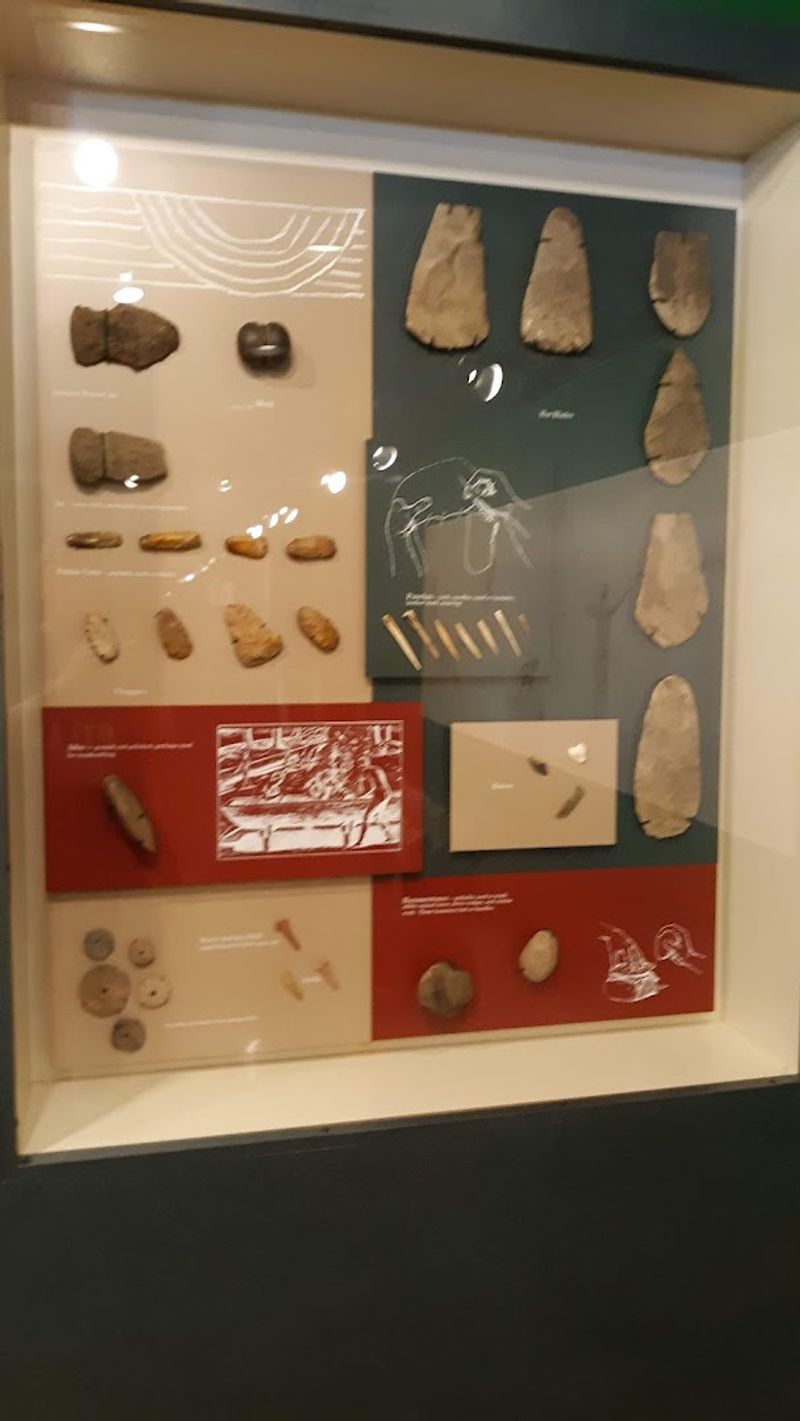
The story of Winterville Mounds is still being written. Ongoing archaeological excavations at the site continue to reveal new information about the people who built and used this remarkable place.
Each dig season adds detail to what researchers already know. Soil layers hold clues about construction sequences, ritual burning cycles, and population shifts.
Artifacts recovered from the site paint a picture of a sophisticated society with organized leadership and wide trade networks.
The fire that destroyed the structure on Mound A in the late 1300s is one of the most significant events documented archaeologically. After that event, no new mound construction took place.
The site continued to see use, but the community that had sustained it for centuries gradually dispersed.
Some mounds at the site are currently fenced off, likely due to a combination of erosion prevention measures and active field work. Visitors may notice these restricted areas during a walk through the grounds.
Rather than a frustration, think of it as evidence that the site is still actively teaching researchers something new about ancient Mississippi.
Planning Your Visit To This Quiet Corner of Mississippi History
Getting to Winterville Mounds is straightforward. The site sits directly on Mississippi Highway 1, just north of Greenville, in Washington County.
Parking is available right off the highway, and the transition from road to historic site takes about thirty seconds.
The grounds are free to enter and open daily from dawn to dusk. No reservation is needed.
Comfortable walking shoes are a smart choice since the terrain involves grass paths and moderate inclines around the mound bases.
Mornings offer the best light for photography and the coolest temperatures for walking. The Delta heat can build quickly in warmer months, so carrying water is a practical idea.
The site has refurbished picnic areas, making it a reasonable spot for a rest break during a longer road trip.
For anyone traveling through Mississippi with an interest in Native American history, pre-Columbian cultures, or simply the unexpected weight of ancient places, Winterville Mounds delivers something rare. It is quiet, unhurried, and completely free.
The Delta farmland stretches out in every direction, and the mounds rise above it all, patient and permanent.