
Explore The Famous New Hampshire Antique Barn Where Every Corner Holds A Hidden Treasure
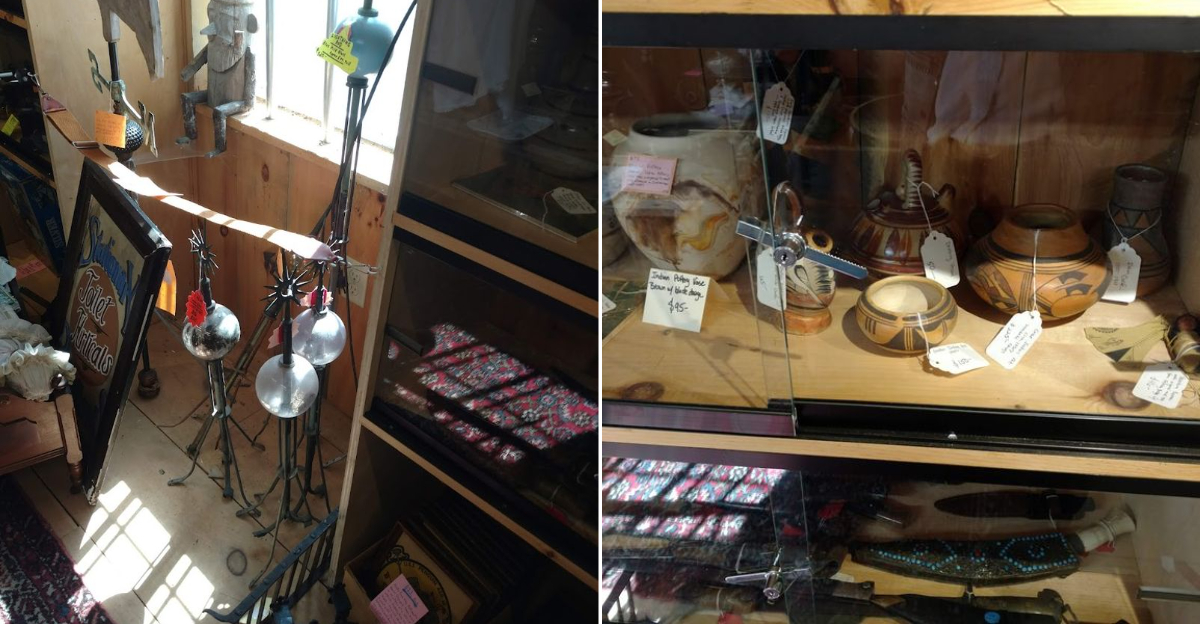
Antique barns operate on the principle that the best find is always one corner further than the last stop. This New Hampshire destination takes that principle seriously across a space that consistently delivers on the promise.
Furniture, collectibles, and objects that resist easy categorization share the same floor in an arrangement that rewards patience and punishes a short attention span. Every visit produces something the previous one never uncovered.
Regulars develop a route through the space that they defend with quiet conviction. First timers abandon any system within the first fifteen minutes and discover that instinct works considerably better anyway.
A barn this well stocked surviving as a genuine destination rather than a tourist novelty requires consistency that most antique spaces never quite manage to maintain.
This one has held that standard long enough to earn the word famous without any argument from the people who know it best.
History Of Firebird Farm Antiques In New Hampshire
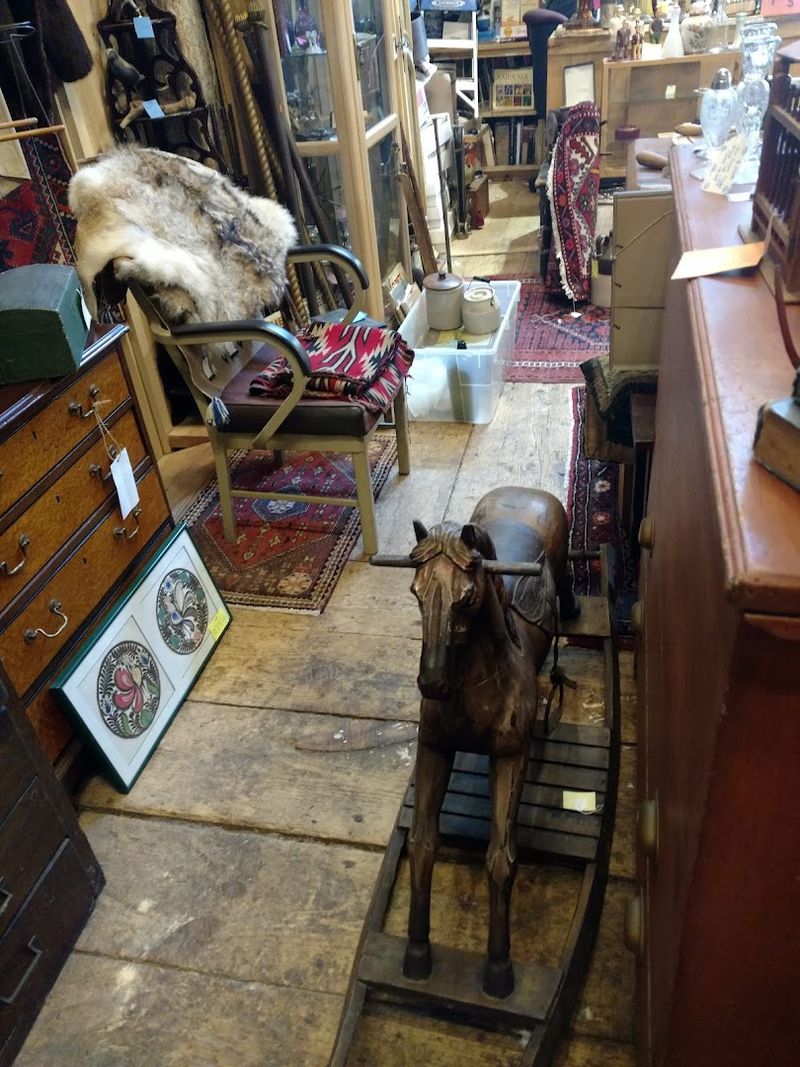
This spot opened its doors in 2008, right inside a beautifully preserved mid-1800s barn.
Owners Brian and Stephanie Fischer did not stumble into antiques by accident. Stephanie grew up exploring New England-style antiques alongside her mother.
That early exposure built a real eye for quality pieces with genuine history behind them.
Brian brings a different but equally rich background. He has owned Ear Craft Music since 1974, which gave him a sharp sense for spotting rare and original items.
Together, they built Firebird Farm Antiques into a destination worth driving across the state to visit.
The barn itself spans two and a half levels of carefully curated inventory. It sits adjacent to the Fischer family home, surrounded by landscaped garden areas with rock formations that feel almost as old as the antiques inside.
Before opening the barn, Brian and Stephanie sold through co-ops to test the waters. That experience sharpened their buying instincts and helped them build relationships with sellers from New England to the Midwest and beyond.
Southern New Hampshire has a long tradition of antique culture, and this barn fits right into that story. It is not a polished showroom.
It is an authentic, lived-in space where history feels present in every corner. The barn sits at 46 North River Road, Lee, NH 03861, along New Hampshire’s well-known Antique Alley Route.
Types Of Vintage Items To Expect At Firebird Farm Antiques
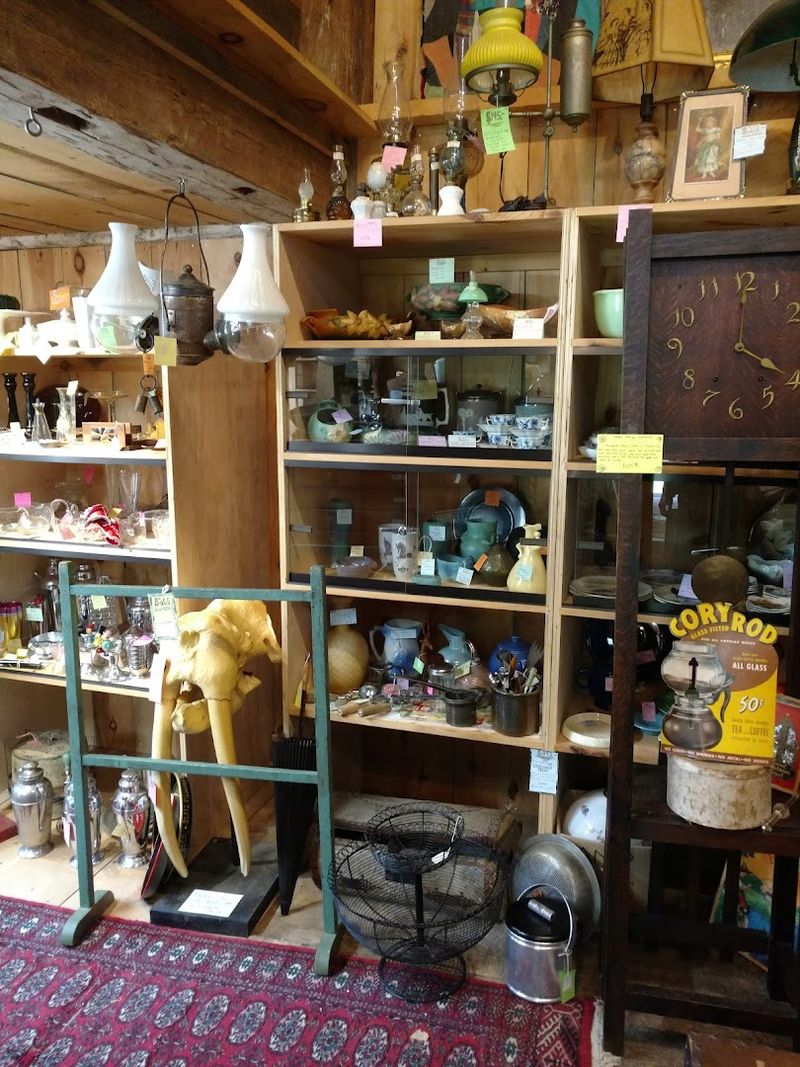
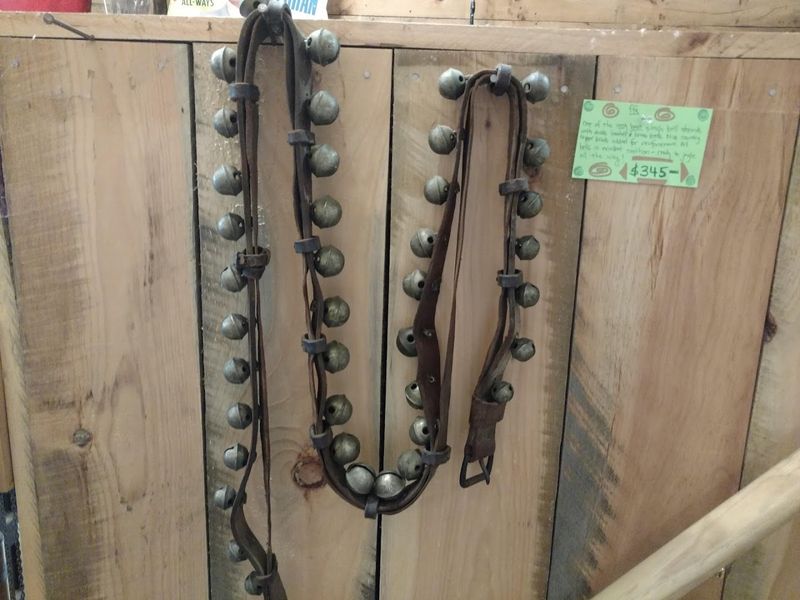
Entering Firebird Farm Antiques feels like opening a time capsule that covers three centuries at once. The inventory spans items from the 1700s all the way through the 1970s, which is a wide range to find under one roof.
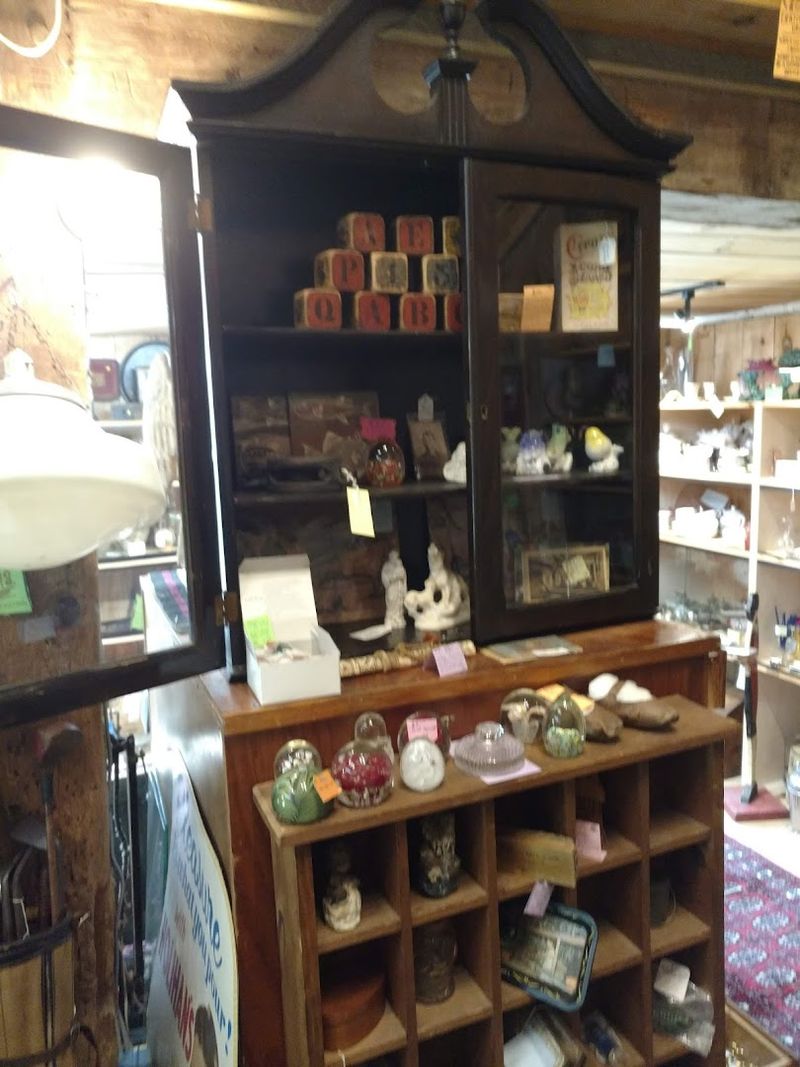
Antique signs are a standout category here. Old advertising signs line the walls with bold graphics and faded paint that no reproduction can fake.
They pull you in immediately and set the tone for the whole space.
Country furniture fills the floor with solid, well-worn pieces. Quilts hang and fold in ways that show real craftsmanship from earlier American generations.
Each one tells a story about the hands that made it.
Shaker items appear throughout the collection. Clean lines and honest construction define Shaker design, and finding genuine pieces here is a real treat for collectors who know what to look for.
Costume jewelry and silver jewelry sit alongside antique scrapbooks and ephemera. Mid-Century Modern pieces add a slightly different visual energy to the mix.
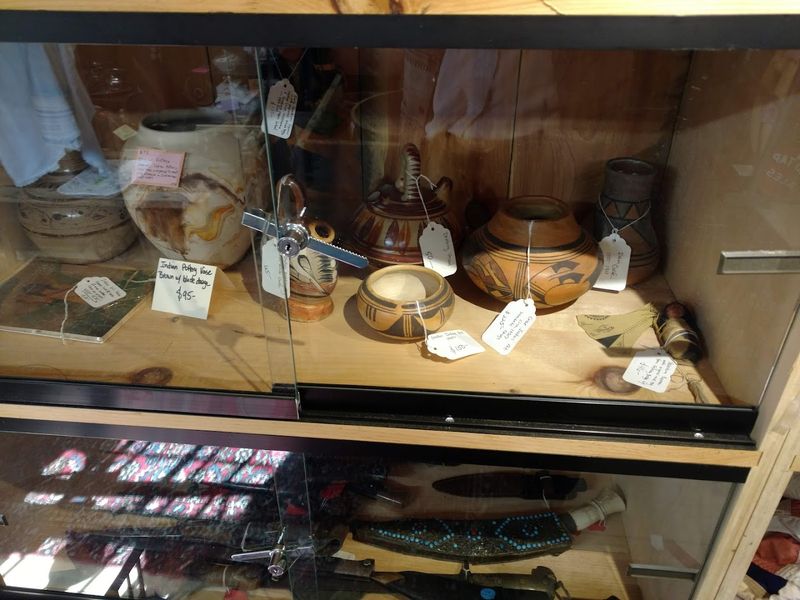
Stoneware and pottery round out the collection with earthy, tactile appeal.
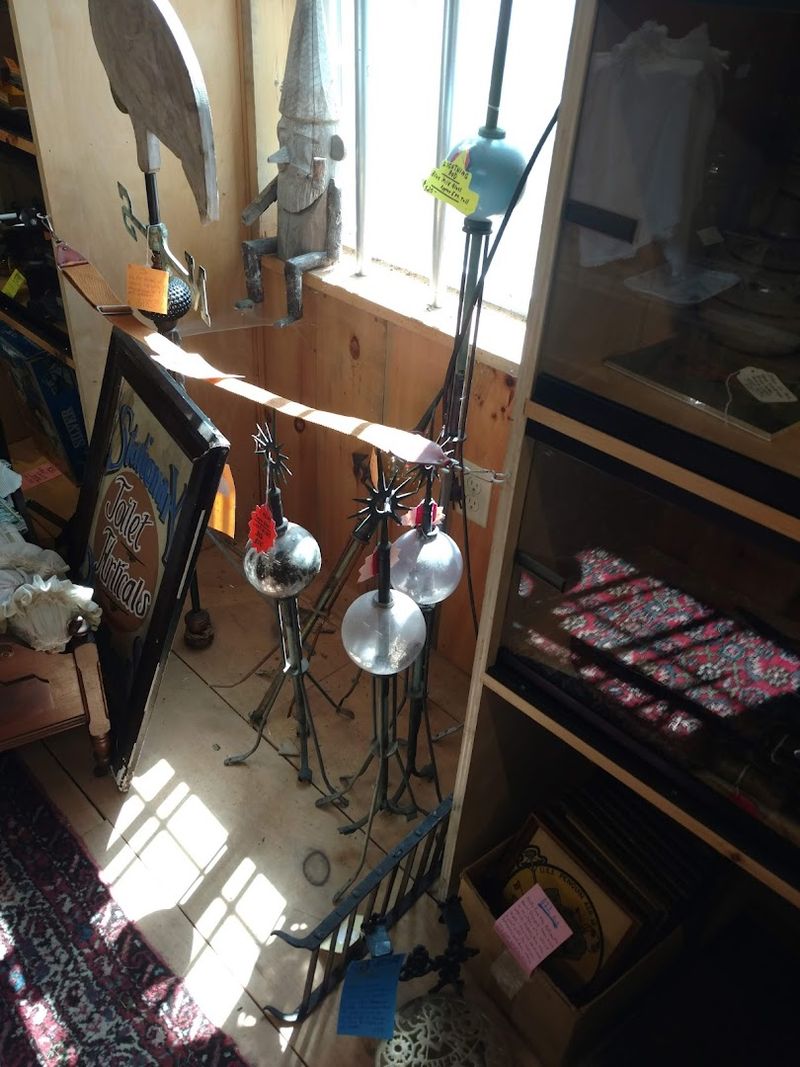
Curiosities are everywhere, too. Vintage toys appear in unexpected corners.
The owners describe the atmosphere as a quirky curiosity-cabinet experience, and honestly, that description is accurate. Every visit surfaces something different from the last.
Tips For Spotting Valuable Collectibles At Antique Barns
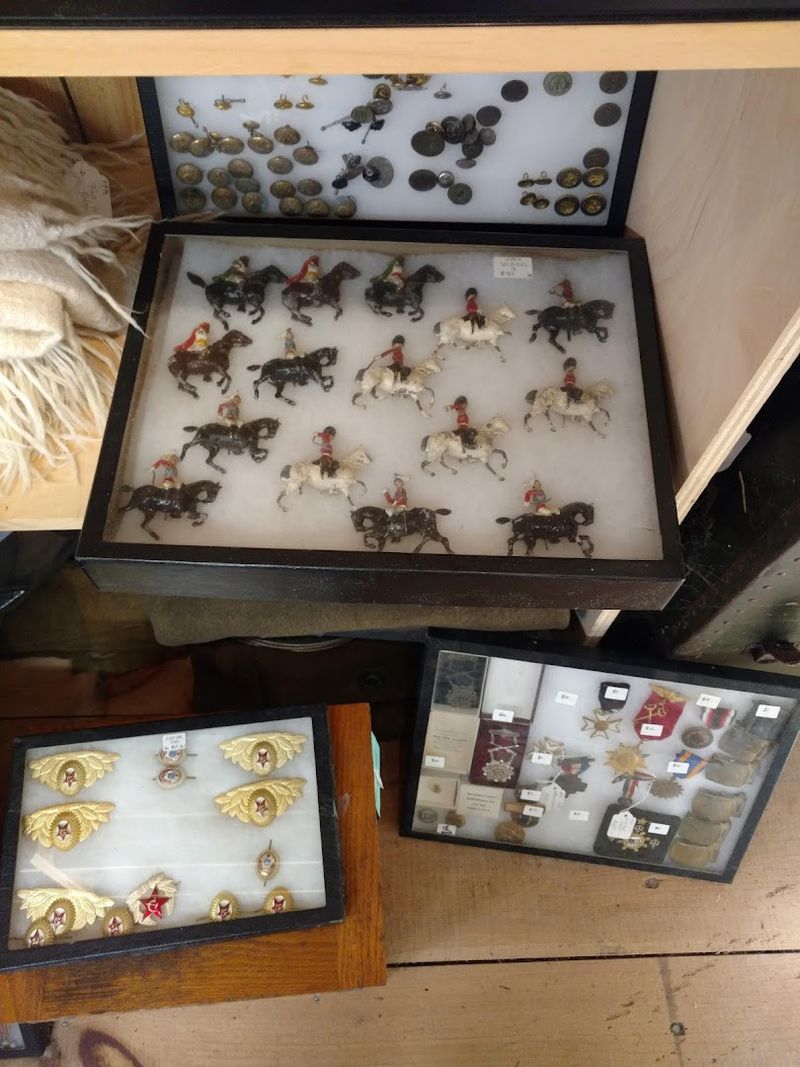
Learning to spot a valuable collectible takes practice, patience, and a willingness to look closer than everyone else. At Firebird Farm Antiques, the inventory rewards the careful observer every single time.
Start with the condition. A piece does not have to be perfect, but it should show honest wear rather than damage.
Chips, cracks, and repairs all affect value in different ways depending on the category.
Original surface matters enormously for antique furniture and signs. Refinished or repainted pieces lose a significant portion of their collector value.
Look for patina that developed naturally over decades rather than something applied artificially.
Maker marks are your best friend. Pottery, silver, and stoneware often carry stamps or impressed marks from their makers.
Learning to read those marks opens up a whole new layer of information about age and origin.
For vintage advertising signs, lithography quality and original mounting hardware are key indicators. Signs with their original frame or hanging hardware are worth more than stripped versions.
Color vibrancy also signals better preservation.
Quilts and textiles require a different eye. Look at stitching density and pattern consistency.
Hand-stitched pieces have slight irregularities that machine work cannot replicate. That human irregularity is actually a sign of authenticity.
Ask questions freely. The owners at Firebird Farm Antiques are knowledgeable and enjoy sharing what they know.
Good dealers are a resource, not just a transaction.
Best Times To Visit Antique Barns Like Firebird Farm Antiques
Timing your visit to Firebird Farm Antiques makes a real difference in what you find and how you feel about the whole experience. The barn operates seasonally from May through September, open Thursdays through Sundays from 12 PM to 5 PM.
Early in the season, around May and June, the inventory feels freshest. Winter buying trips mean new items hit the floor right as the barn opens for the year.
Serious collectors know to show up early in the season for first picks.
Mid-summer brings a different energy. The blueberry operation on the farm runs from mid-July through September, so you can actually pick fresh organic blueberries while visiting the barn.
That combination is genuinely hard to beat on a Saturday afternoon.
Fall visits carry their own charm. New Hampshire in September is visually stunning, and the drive along North River Road through the surrounding landscape feels like a reward on its own.
The barn atmosphere shifts slightly cooler and cozier.
Weekday visits on Thursdays and Fridays tend to be quieter. You get more time to browse without competition from weekend crowds.
That extra breathing room helps when you want to examine pieces carefully.
Arriving closer to opening at noon gives you the best selection before other shoppers arrive. Popular items move quickly, especially vintage signs and MCM pieces.
Plan your route along Antique Alley to maximize the whole day.
Preservation Techniques For Antique And Vintage Pieces
Bringing home an antique from Firebird Farm Antiques is exciting. Keeping it in good condition for decades requires knowing a few straightforward preservation basics that most new collectors overlook.
Light is one of the biggest threats to antique textiles and paper items. Quilts, scrapbooks, and ephemera fade quickly under direct sunlight or harsh artificial light.
UV-filtering glass and indirect lighting protect color and fiber integrity over time.
Humidity control matters just as much for wooden furniture and stoneware. Wood expands and contracts with moisture changes, which eventually causes cracking and joint failure.
Keeping indoor humidity steady between 45 and 55 percent prevents most of that damage.
Never use modern furniture polish on antique wood. Many commercial products contain silicone or petroleum compounds that penetrate the wood and make future restoration nearly impossible.
A light application of paste wax is far safer and more reversible.
For antique advertising signs, avoid cleaning with water or chemical solvents. Dry dusting with a soft brush preserves the original paint surface.
Moisture causes rust on tin signs and lifts paint layers on cardboard lithographs.
Silver jewelry and costume pieces need separate storage. Silver tarnishes faster when stored alongside other metals.
Anti-tarnish strips in a sealed container slow the oxidation process significantly without any chemical contact with the piece itself.
Vintage toys, especially painted cast iron, benefit from a thin coat of paste wax as well. It seals the surface against humidity without altering the appearance of the original paint.
Stories Behind Popular Vintage Pieces At Firebird Farm Antiques
Every piece inside Firebird Farm Antiques arrived from somewhere real. Old advertising signs once hung in general stores, gas stations, and barbershops across New England.
They were not made to last forever, which makes the surviving examples genuinely remarkable.
Shaker items carry a particularly layered history. The Shaker communities of New England produced furniture and household goods with an almost spiritual commitment to simplicity and function.
Finding authentic Shaker pieces today requires both knowledge and luck.
American stoneware crocks and jugs from the 1700s and 1800s were everyday working objects. They held salt, lard, pickles, and water in farmhouse kitchens across the country.
The cobalt blue decorations painted on many pieces were added by the potters as a form of personal expression within a practical craft.
Antique quilts often carry family histories that are impossible to fully reconstruct. Fabrics from clothing, feed sacks, and household textiles were cut and pieced together with care.
Each quilt represents hours of labor and a specific moment in American domestic life.
Vintage toys from the early to mid-twentieth century reflect shifting American manufacturing and childhood culture. Cast iron banks, tin wind-up toys, and early pressed steel vehicles document how play evolved alongside industrial production.
Mid-Century Modern pieces from the 1950s and 1960s represent a design revolution. Clean lines, new materials, and optimism about the future shaped everything from lamps to lounge chairs.
Those design ideas still feel fresh today.
How To Authenticate Antique Items Before Buying
Authentication separates a smart purchase from an expensive mistake. At Firebird Farm Antiques, the owners have deep knowledge of their inventory, which already reduces the risk significantly compared to anonymous auction sources.
For furniture, check the construction methods. Hand-cut dovetail joints on drawer corners indicate pre-industrial manufacture.
Machine-cut dovetails with perfectly uniform spacing suggest post-1860s production at the earliest. That difference alone can shift a piece by a century.
Wood shrinkage is another reliable indicator. Antique wooden boards shrink across the grain over time, making round table tops slightly oval and flat panels slightly concave.
Reproductions made from modern dried lumber will not show that natural movement.
Stoneware authentication relies heavily on maker marks, glaze characteristics, and form. Regional pottery traditions produced distinctive shapes and decoration styles.
Knowing which potteries operated in which states during which decades builds a mental reference library that pays off.
For antique signs, examine the printing method. Early lithographed tin signs show slight color registration variations visible under magnification.
Modern reproductions use digital printing processes that produce unnaturally perfect registration and color saturation.
Paper ephemera and scrapbooks can be dated by paper composition. Early papers were made from rag fiber and aged to a warm cream tone.
Wood pulp papers introduced after the 1870s yellow and become brittle much faster.
When in doubt, ask the dealer directly about provenance. Reputable dealers like those at Firebird Farm Antiques document what they know and are honest about what they do not.
Local Artisans And Their Unique Creations At Firebird Farm Antiques
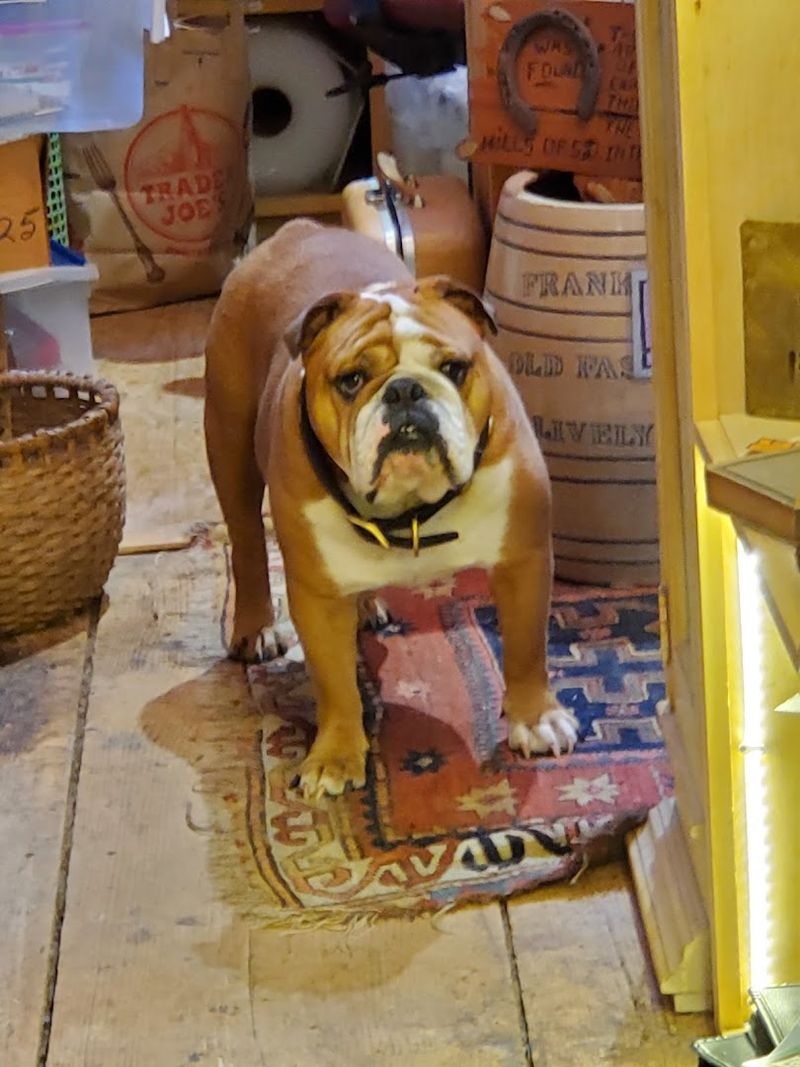
Firebird Farm Antiques does not operate in isolation from the creative community around it. The region has a long tradition of skilled makers whose work shows up in collections like this one, bridging the gap between antique and handcrafted.
New England artisans have historically worked in pottery, woodworking, textile arts, and metalsmithing. Many pieces that now qualify as antiques were made by local craftspeople working within strong regional traditions.
That local origin adds a layer of meaning to the objects themselves.
Silver jewelry at Firebird Farm Antiques reflects both commercial production and individual artisan work.
Handmade silver pieces from New England silversmiths carry hallmarks and construction details that distinguish them from mass-produced alternatives. Learning to read those differences adds real depth to any jewelry collection.
Costume jewelry from mid-twentieth-century American makers represents a different kind of artisan tradition. Designers at companies like Trifari and Miriam Haskell brought genuine craft sensibility to affordable fashion jewelry.
Finding their work at a barn like this is always a good day.
Pottery and stoneware from regional New England potteries document the evolution of American ceramic arts across two centuries. Early utilitarian forms gave way to more decorative work as industrial production took over everyday needs.
The organic blueberry operation at the farm also connects to a broader tradition of New England agricultural craft.
Visiting during blueberry season from mid-July through September adds a living, seasonal dimension to the whole Firebird Farm experience.