
The Locals Who Made These California Beach Towns Worth Visiting Can No Longer Afford To Stay
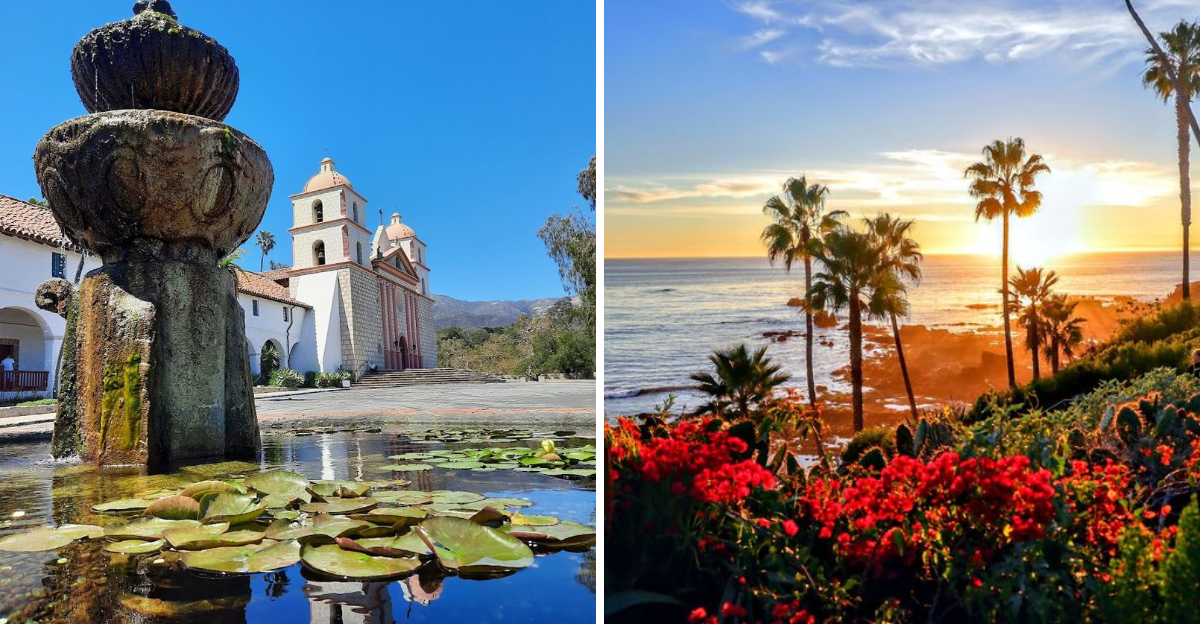
Salt air, sun bleached boardwalks, and cliffside views that stop you mid step. California’s coast has always pulled people in with pure magic.
But a quieter story waits behind every gorgeous sunset. The locals who built these beach towns are being priced out fast.
Surfers, artists, fishermen, and shop owners gave these places their soul. Now their homes are turning into vacation rentals.
You can still find the beaches, the boardwalks, and the golden light everyone talks about. What you might not find much longer are the people who made it all feel real.
California keeps drawing dreamers from everywhere, while these beach towns quietly keep changing. Curious which towns are quietly losing their heart?
There is a lot more happening along this coastline than the postcards show.
1. Malibu
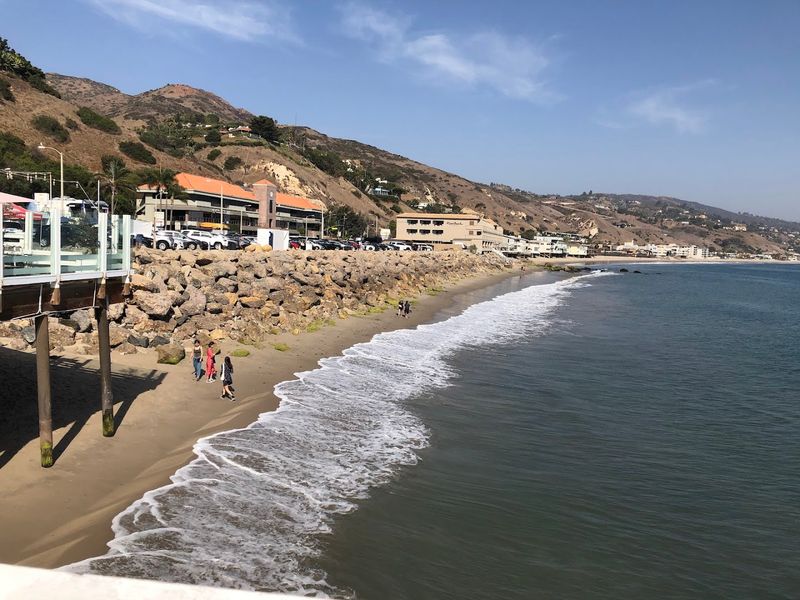
Malibu has always been a place where the ocean sets the mood. Stretching along the Pacific Coast Highway northwest of Los Angeles, this iconic California beach town carries a reputation that goes far beyond celebrity sightings.
For decades, working-class surfers, lifeguards, and local artists called Malibu home. They shaped the laid-back surf culture that made this stretch of coastline famous in the first place.
Now, median home prices here rank among the highest in the entire state, pushing those original residents far inland.
Essential workers who keep Malibu functioning often commute over an hour each way. Teachers, restaurant staff, and first responders simply cannot afford to live near where they work.
The bungalows that once housed working families have been replaced by sprawling estates and luxury vacation rentals.
Visitors still arrive for Zuma Beach, the Santa Monica Mountains, and the legendary surf breaks at Surfrider Beach. The scenery remains stunning.
But the community that gave Malibu its authentic, salty, sun-baked personality is increasingly absent from daily life. What you see now is a beautifully packaged version of something that once ran much deeper.
The people who built this place deserve to stay in it.
2. Carmel-By-The-Sea
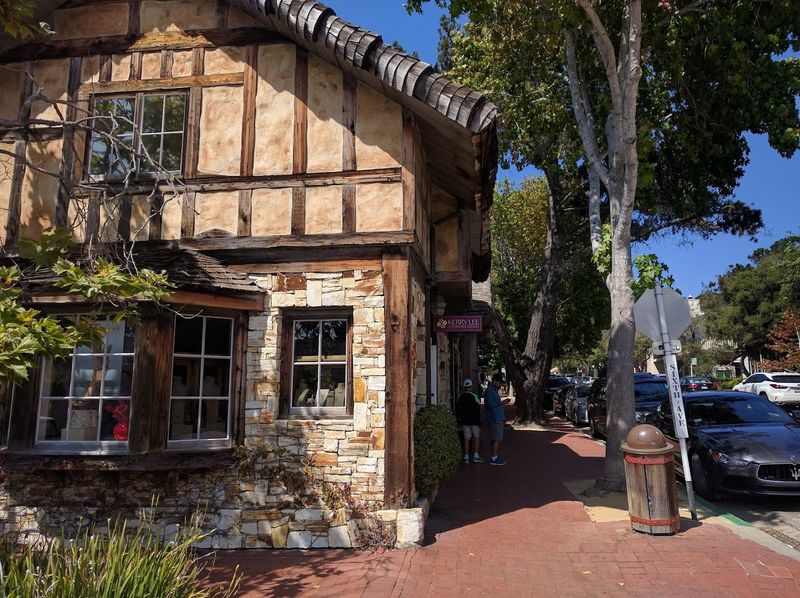
Carmel-by-the-Sea looks like a storybook village, and that has always been part of its appeal. Tucked along the Monterey Peninsula in Central California, its narrow lanes, stone cottages, and cypress-lined paths draw visitors from around the world.
Artists and bohemians originally settled here in the early 1900s precisely because it was quiet, cheap, and beautiful.
Today, Carmel-by-the-Sea is anything but affordable. Property values here are extraordinary, and the full-time residential population has shrunk significantly over recent decades.
The town’s permanent community is largely made up of wealthy retirees and second-home owners. The service workers who maintain hotels, tend gardens, and prepare food commute from Salinas and other inland towns.
That commute can take well over an hour each way. The people powering Carmel’s hospitality economy live nowhere near the town they sustain.
This disconnect is one of California’s coastal affordability problems made visible in a very concentrated way.
The galleries, the white-sand beach, and the dramatic Pebble Beach coastline nearby remain genuinely spectacular. Carmel still delivers on its visual promise.
But the bohemian creative spirit that gave this village its original soul has been effectively priced out of existence. What remains is lovely, polished, and a little quiet in ways that feel more like absence than peace.
3. Santa Cruz
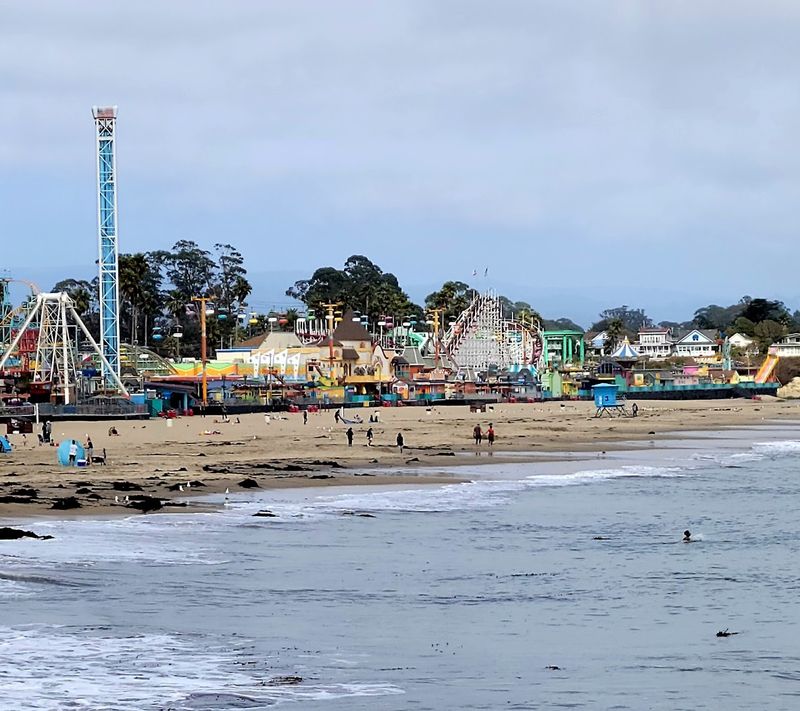
Santa Cruz is the kind of town that used to feel like it belonged to everyone. Surfers, university students, tie-dye vendors, and multigenerational fishing families all coexisted along this rugged Central California coastline.
The Santa Cruz Beach Boardwalk was a gathering place for real locals, not just a tourist attraction.
The tech boom changed everything. Silicon Valley’s expansion pushed high-earning workers northward and southward into surrounding communities, and Santa Cruz absorbed enormous pressure.
Home prices surged dramatically. Longtime renters received eviction notices as landlords converted properties into short-term vacation rentals or sold to investors.
The surf culture here is authentic and deep-rooted. Local shapers, surf instructors, and ocean-focused small businesses defined the town’s personality for decades.
Many of those operators have since relocated inland or left the region entirely.
What makes this particularly striking is how fast it happened. Santa Cruz had a reputation for being slightly more accessible than Southern California coastal towns.
That reputation no longer holds. The community feel that once made the farmers markets, live music spots, and beach bonfires meaningful is under serious strain.
Visitors still find a beautiful, vibrant place. But the people who made it vibrant are increasingly watching from a distance they never chose.
4. Laguna Beach
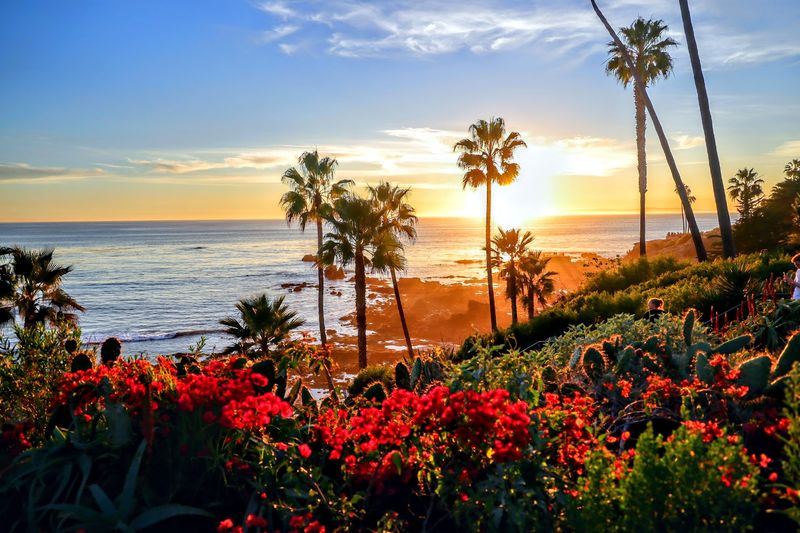
Few places in California carry the artistic identity that Laguna Beach built over a century. Nestled between dramatic cliffs and turquoise coves in Orange County, this small coastal city earned its reputation as a true artist colony.
Painters, sculptors, and photographers settled here because the light was extraordinary and the rent was manageable.
That affordability is long gone. Laguna Beach now ranks as one of the most expensive zip codes in Southern California.
The galleries are still there, but many of the artists who once filled them have been priced out entirely. Cultural displacement has quietly reshaped the town’s identity.
Local festivals like the Pageant of the Masters drew crowds for generations because real community members participated. That community is shrinking.
Service workers who staff the restaurants and boutiques often drive in from cities thirty or forty miles away.
The coves, tide pools, and walking trails remain breathtaking. Visitors still enjoy world-class scenery and outstanding dining.
But Laguna Beach is losing the creative, working-class energy that made it genuinely special. When the people who shaped a place can no longer afford to live there, something irreplaceable walks out the door with them.
That loss is slow, quiet, and very real.
5. Santa Barbara
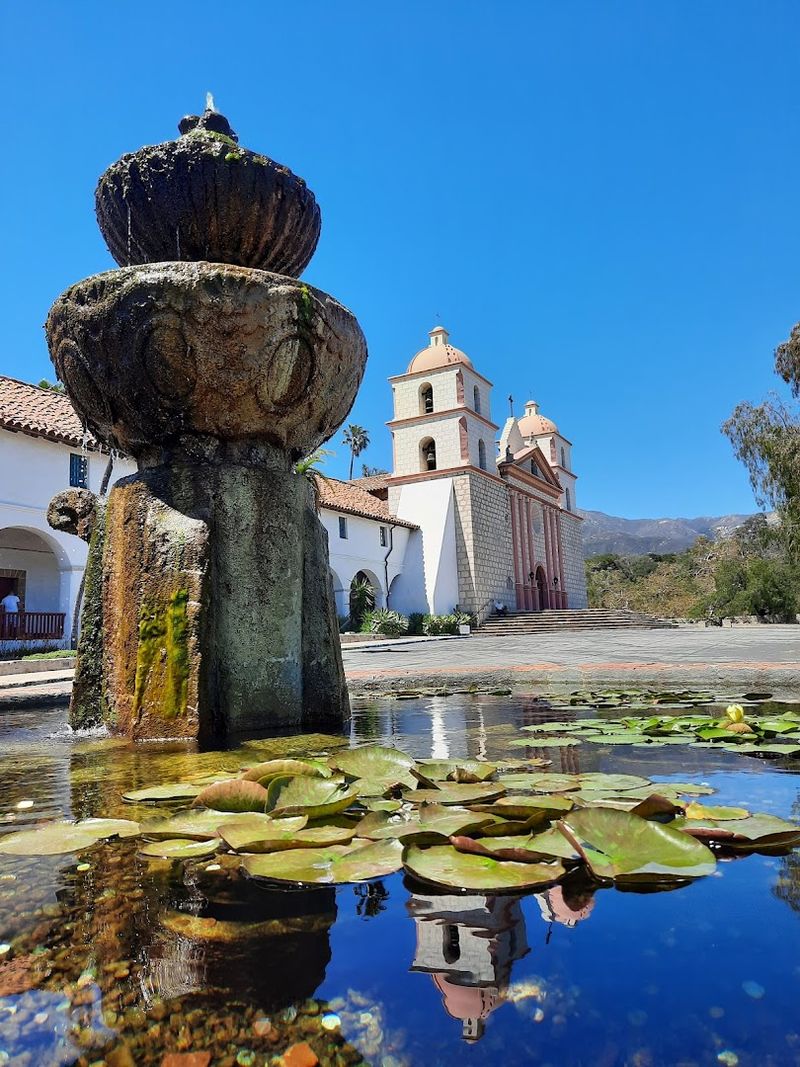
Spanish colonial architecture, red-tiled rooftops, and mountain backdrops make Santa Barbara one of the most visually striking cities on the California coast. Located between the Santa Ynez Mountains and the Pacific Ocean, this city has long attracted visitors seeking beauty and culture.
But behind the postcard scenery, a housing crisis has been quietly hollowing out the local community for years. Santa Barbara has one of the most severe affordability gaps in the entire state.
Long-term residents, including firefighters, nurses, and school employees, are being pushed out at an alarming rate.
The city’s charm was built by generations of working families who ran the shops, fished the harbor, and staffed the local institutions. Many of those families no longer live within city limits.
They commute from Ventura County or further inland, sometimes spending hours on the road each day.
Visitors walking State Street or strolling Stearns Wharf may not notice anything missing. The restaurants are full, the flowers are blooming, and the sunsets are spectacular.
What is harder to see is the absence of the people who gave this place its warmth. Santa Barbara is still worth visiting, but understanding what has been lost makes the experience far more honest.
6. Manhattan Beach, California
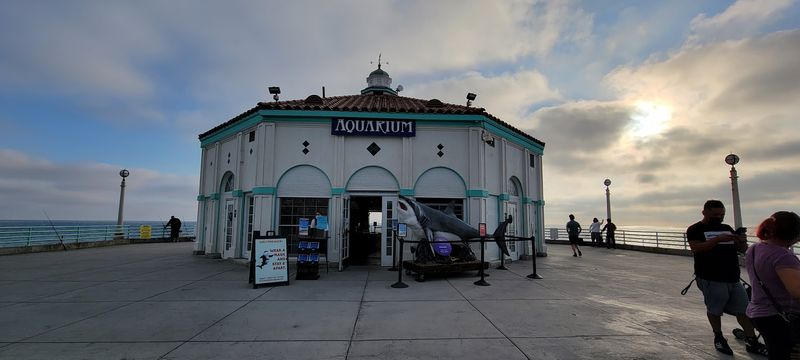
Manhattan Beach has one of the most recognizable piers in California. The iconic roundhouse at the end of the pier, the wide sandy beach, and the famous Strand cycling path made this South Bay community a beloved local destination for generations.
Working-class families, lifeguards, and blue-collar beach lovers shaped its identity long before it became one of the most expensive zip codes in the country.
Median home prices in Manhattan Beach now rank among the highest in Los Angeles County. The bungalows that once housed middle-income families have been systematically replaced by multi-million-dollar custom homes.
Long-term residents who built community here over decades have been squeezed out by market forces they had no power to resist.
The beach volleyball culture here is legendary, and the town still draws serious athletes and spectators. The restaurants along Manhattan Beach Boulevard remain popular.
But the regulars who gave those spots their neighborhood feel are often no longer local.
Service employees who staff the cafes, shops, and hotels frequently travel significant distances to reach their jobs each day. Manhattan Beach delivers a beautiful beach experience.
What it is quietly losing is the working-class backbone that made it feel like a real town rather than an upscale destination. That difference matters more than most visitors realize.
7. Newport Beach
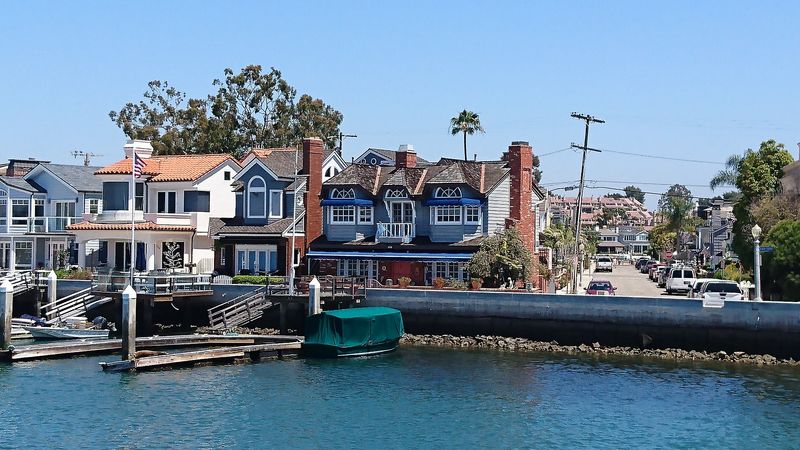
Newport Beach sits at the edge of Orange County with one of the largest small-craft harbors on the entire West Coast. The harbor, the Balboa Peninsula, and the famous Balboa Fun Zone gave this city a layered identity, part working waterfront, part resort destination, and part tight-knit beach community.
That layered identity is shifting fast. Newport Beach has long been one of California’s wealthiest coastal cities, but recent years have brought even sharper housing pressures.
Properties that once served as modest beach cottages for middle-income families now sell for prices far beyond the reach of most Californians.
The fishing community that historically worked the harbor is shrinking. Local boatyards, bait shops, and family-run seafood spots are disappearing, replaced by luxury developments and high-end retail.
The people who maintained the working character of this waterfront cannot afford to live anywhere near it.
Newport Beach still offers stunning sailing, excellent beaches, and a thriving restaurant scene. Visitors enjoy the harbor views and the lively Balboa Island ferry crossing.
But the authentic fishing-town energy that once balanced Newport’s wealth is fading. When working waterfront culture gets priced out, what replaces it tends to look beautiful but feel hollow.
Newport Beach is navigating that exact tension right now.
8. Capitola
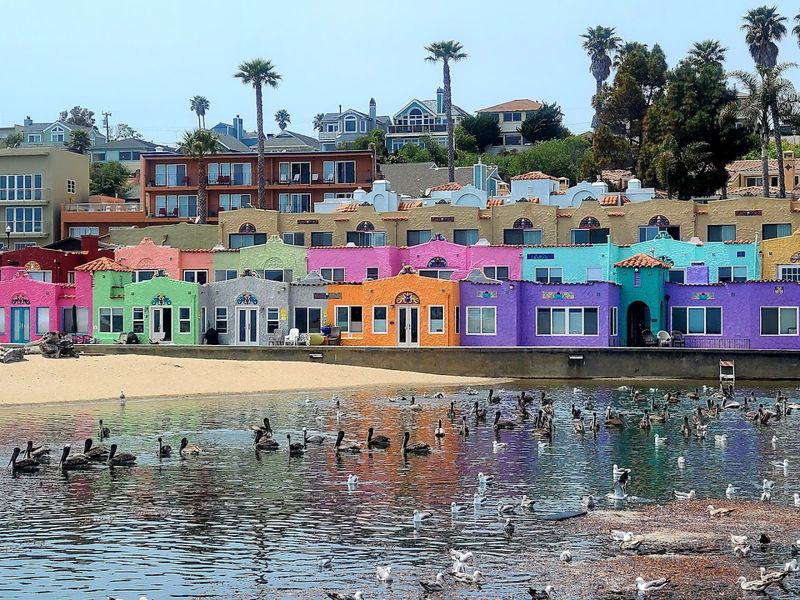
Capitola might be California’s most colorful beach town. The pastel-painted buildings lining the waterfront, the Soquel Creek flowing into Monterey Bay, and the relaxed village atmosphere made this small Santa Cruz County community feel genuinely accessible for decades.
It was the kind of place where families returned summer after summer and neighbors actually knew each other.
That accessibility has eroded sharply. Capitola sits adjacent to Santa Cruz, and the same housing pressures that transformed its neighbor have hit Capitola hard.
Short-term vacation rentals have replaced long-term housing units at a rapid pace. The village’s residential fabric has thinned considerably as a result.
Local fishermen, artists, and small business owners who once formed the backbone of this community have been pushed toward less expensive inland areas. The colorful facades remain, but the people who gave those buildings their story are increasingly absent from the picture.
Visitors still find Capitola irresistible. The beach is beautiful, the village is walkable, and the scenery along the bay is hard to beat.
But affordability here has crossed a threshold that most working families simply cannot meet. Capitola deserves to be experienced, and it also deserves an honest conversation about who gets to call it home.
Right now, that answer is changing in ways that should concern everyone.
9. La Jolla, San Diego
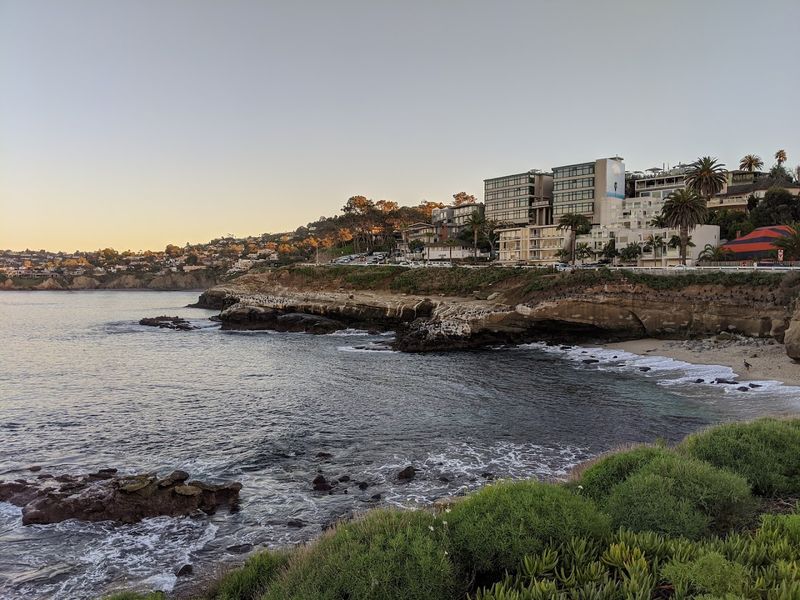
La Jolla is one of those places that photographs perfectly every single time. The sandstone bluffs, the sea caves, the resident sea lion colony at Children’s Pool, and the crystal-clear water of the Pacific make this San Diego neighborhood feel almost unreal.
It has attracted scientists, artists, and ocean lovers for well over a century.
It has also become one of the most expensive neighborhoods in California. La Jolla’s housing market is driven by proximity to UC San Diego, major biotech employers, and relentless demand from high-income buyers.
Longtime residents without significant wealth have been systematically priced out over the past two decades.
The local dive shops, surf rentals, and family-run restaurants that once made La Jolla’s cove area feel neighborhood-specific are under constant pressure. Many have closed or changed hands as property costs rise for commercial tenants too.
Visitors experience world-class snorkeling, stunning coastal trails, and a sophisticated dining scene. La Jolla delivers on every visual expectation.
But the marine biologists, teachers, and working artists who historically made this community intellectually and culturally rich are finding it nearly impossible to remain. What La Jolla risks losing is not its beauty, but its depth.
A community defined only by wealth tends to become very one-dimensional over time.
10. Half Moon Bay
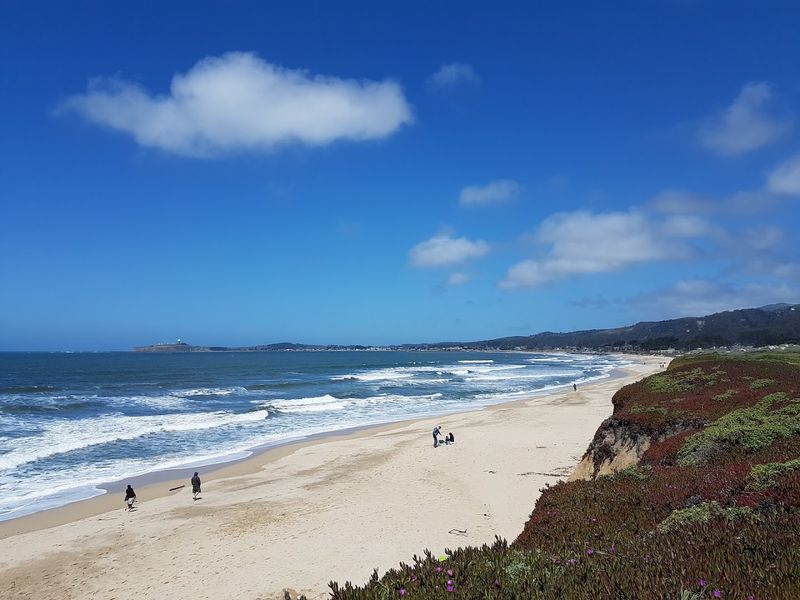
Half Moon Bay sits on the San Mateo County coast about thirty miles south of San Francisco, and it carries a different energy from most California beach towns. Pumpkin farms, artichoke fields, and dramatic surf breaks like Mavericks gave this community a rugged, agricultural identity that set it apart from the polished resort towns further south.
Silicon Valley’s reach has extended here with full force. Remote work flexibility and high tech salaries have pushed buyers into Half Moon Bay who can outbid nearly any local resident.
Home prices have climbed steeply, and the farming families and fishermen who defined the town’s character are facing impossible choices.
The agricultural workers who harvest the crops that make Half Moon Bay’s markets famous often live in severely overcrowded conditions or commute from distant counties. This is one of the starkest examples of how California’s coastal affordability crisis affects not just service workers but entire rural economies.
The coastline here remains wild and spectacular. The annual Pumpkin Festival still draws enormous crowds.
But Half Moon Bay’s identity was never built on luxury. It was built on hard work, sea air, and community.
Losing the people who embodied that identity to an overheated housing market is a loss that no scenic overlook can fully replace.