
This Mississippi Road Trip Passes Through The Roots Of Blues, Gospel, And Rock And Roll
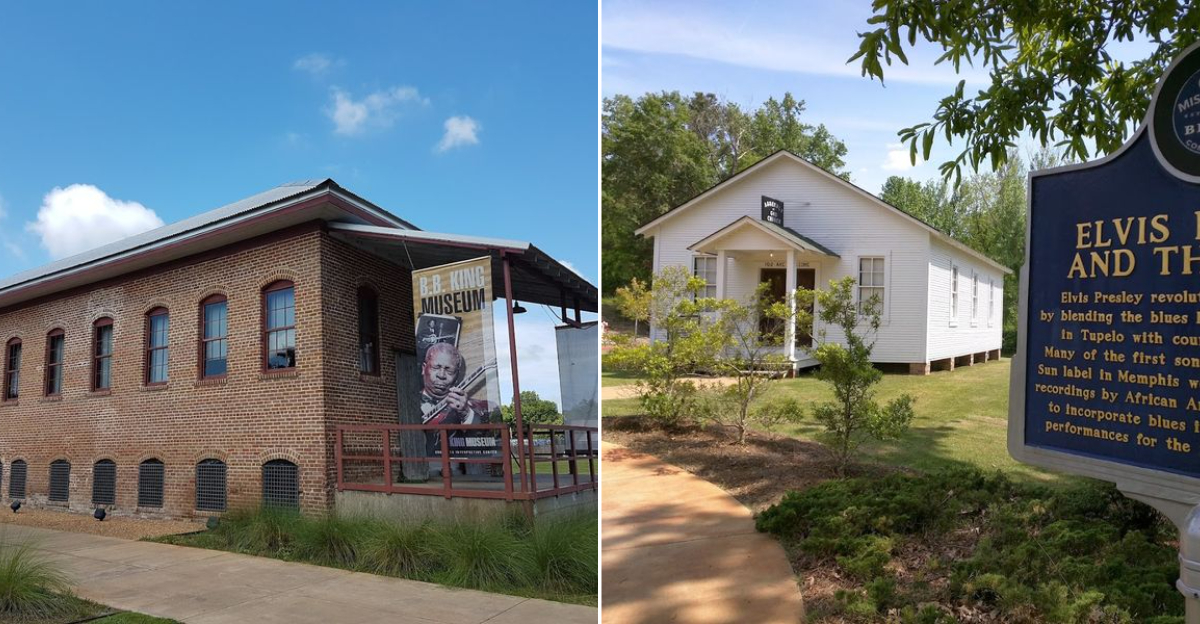
Great road trips do more than show new places. They change the way people hear familiar songs, remember famous voices, and connect the dots between moments that shaped American culture.
Mississippi invites travelers to follow the roots of music through museums, historic landmarks, legendary stages, and small towns where unforgettable sounds first found an audience. Every stop adds another chapter to a story that stretches across generations.
One museum celebrates blues pioneers. Another honors music’s biggest stars.
Along the way, live performances, historic juke joints, and meaningful landmarks keep the journey feeling alive instead of stuck in the past.
There is no wrong place to begin because every mile reveals another connection. Turn up the playlist and hit the road.
Mississippi delivers a music journey that stays with you long after the final stop.
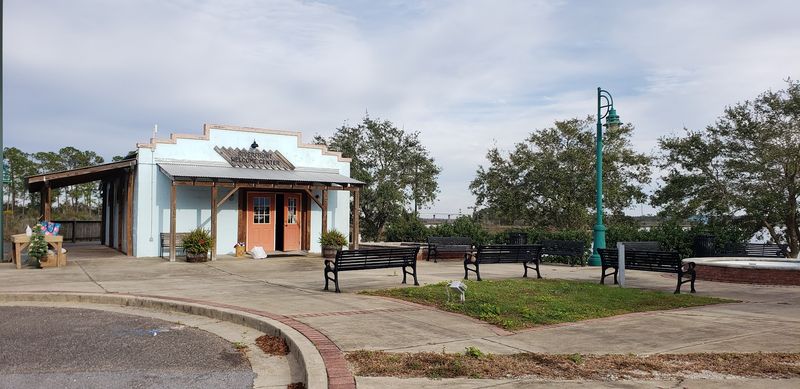
Moss Point Blues Marker
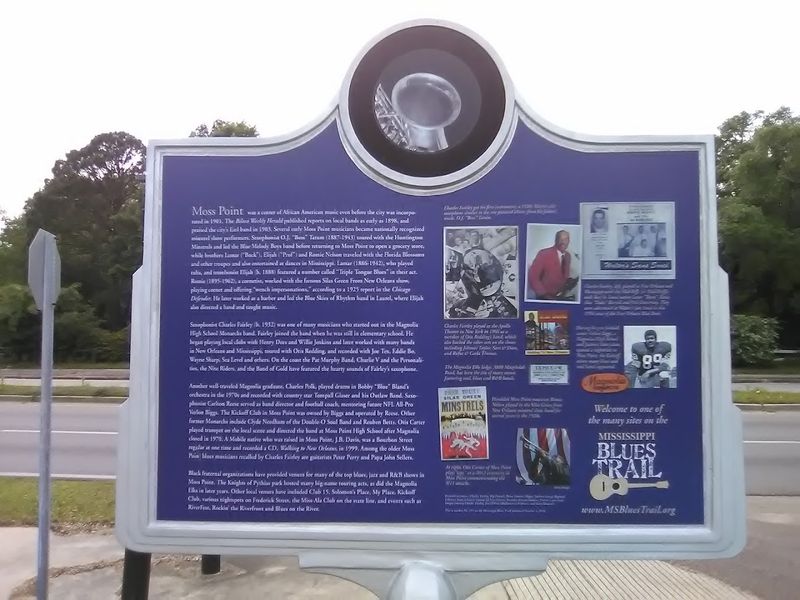
Right on the banks of the Pascagoula River, something special is waiting for you. The Mississippi Blues Trail marker at 5200 Main St, Moss Point, MS 39563 stands as a proud tribute to a town that helped shape American music long before most people knew its name.
Moss Point was a thriving center for African American music even before it officially became a city in 1901. Musicians here were performing, creating, and inspiring others at a time when the world was just beginning to listen.
Can you imagine how much raw talent was flowing through these streets?
Local fraternal organizations like the Knights of Pythias gave musicians a real stage to perform blues, jazz, and R&B. Venues like Club 15 and Solomon’s Place buzzed with energy on Frederick Street.
Those rooms had soul.
Notable names from Moss Point include Charles Fairley, who performed alongside Otis Redding and Guitar Slim. Saxophonist O.J.
Boss Tatum and the Nelson brothers, Romie, Lamar, and Elijah, earned national recognition as minstrel show performers. That is a legacy worth celebrating.
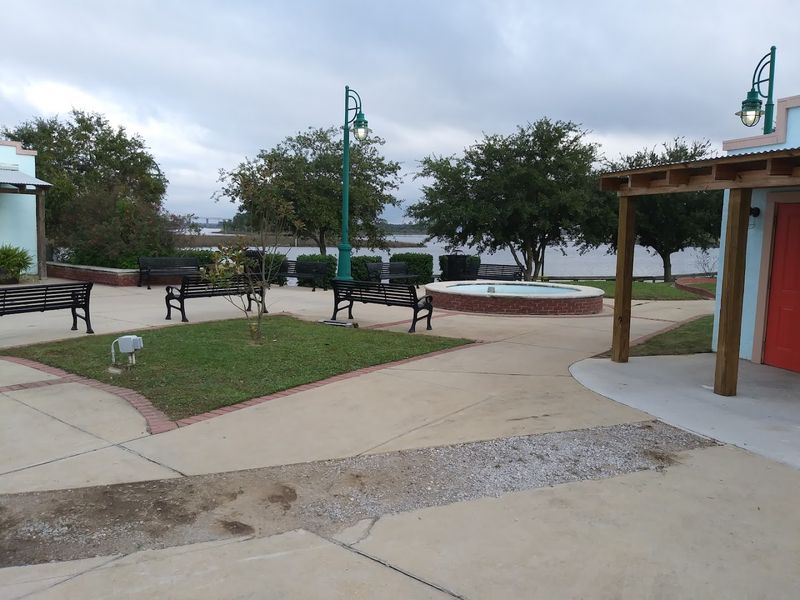
Today the marker sits near a beautiful waterfront park. Families fish here, kids run around, and visitors stop to soak in the river views.
History and fresh air make a surprisingly good combination.
Gateway To The Blues Museum, Tunica
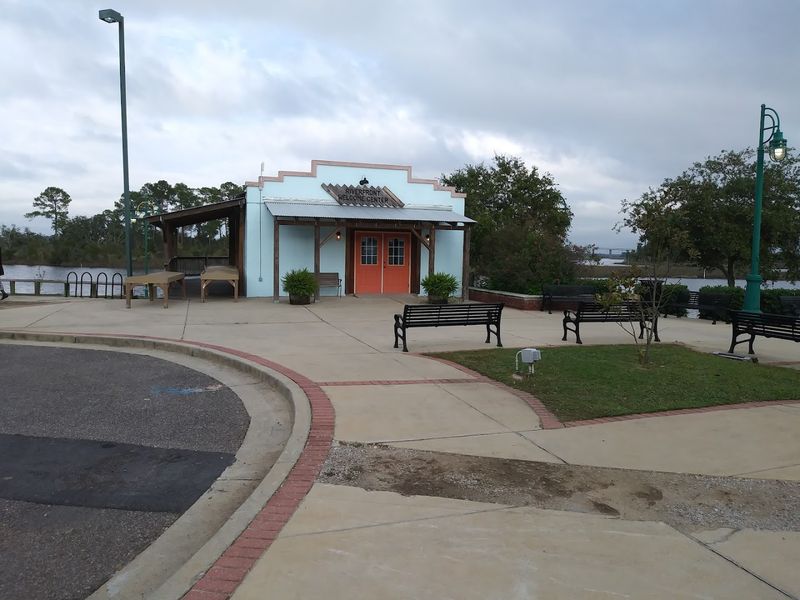
Before the Delta opens up wide, Tunica gives you the perfect warm-up act. The Gateway to the Blues Museum sits right along Highway 61, also known as the legendary Blues Highway, and it sets the tone for everything ahead.
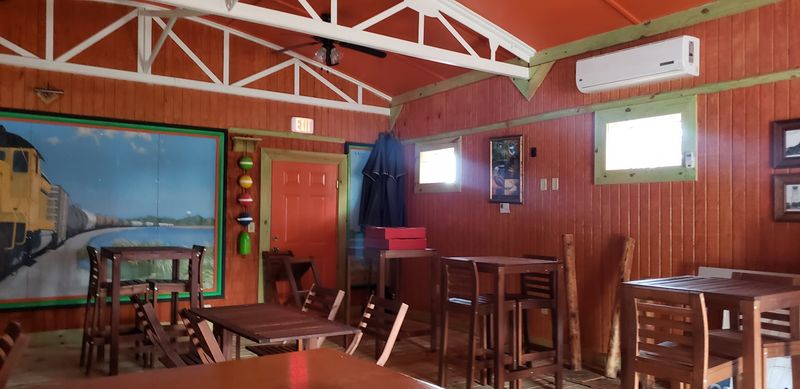
This museum is housed in a restored train depot, which already tells you something about its character. Old bones, new stories.
Inside, you will find exhibits that trace the origins of the blues from the Mississippi Delta soil all the way to the global stages it eventually conquered.
Have you ever wondered what it actually felt like to hear blues music for the very first time? The museum does a brilliant job of putting you right there in that moment.
Photographs, instruments, and recordings bring the past to life in a way that feels personal.
Tunica sits in northern Mississippi, making it a natural first stop on a southbound music road trip. The museum is located at 13625 US-61, Robinsonville, MS 38664.
Check their schedule before visiting, as hours can vary by season.
The surrounding area has its own low-key charm. Flat fields stretch out in every direction, and the sky feels enormous.
That wide-open landscape is exactly the kind of place where the blues had room to breathe and grow into something timeless.
Delta Blues Museum, Clarksdale
Clarksdale is the kind of town that music lovers talk about with a certain reverence. Home to Mississippi’s oldest music museum, the Delta Blues Museum at 1 Blues Alley, Clarksdale, MS 38614 is an absolute must on any serious music road trip.
The museum is set inside the old freight depot of the Clarksdale station, and the building itself has character written all over it. Inside, you will find Muddy Waters’ reconstructed cabin, original instruments, and exhibits that trace how the blues spread from Mississippi to the entire world.
That is a big story for one building to hold.
Do you know what makes Clarksdale feel different from other music towns? It is still alive with sound.
Ground Zero Blues Club, co-owned by actor Morgan Freeman, is located nearby and regularly hosts live performances. The energy here is not preserved behind glass.
It is real and present.
Red’s Blues Club on Sunflower Ave is another local favorite that keeps the tradition going strong. Walking between these spots feels like flipping through chapters of the most important music book ever written.
Plan to spend at least half a day here. The Delta Blues Museum is typically open Monday through Saturday, but confirm hours before your visit.
Clarksdale rewards slow, curious travelers who take the time to look around every corner.
Dockery Farms And GRAMMY Museum, Cleveland
Some places carry a weight that you can feel the moment you arrive. Dockery Farms, located at 229 MS-8, Cleveland, MS 38732, is widely considered the birthplace of the blues.
Charley Patton, one of the founding fathers of Delta blues, lived and performed here.
The old plantation buildings still stand, and a Mississippi Blues Trail marker honors Patton’s legacy on the grounds. Walking around Dockery is like reading the first chapter of a story that eventually became rock and roll.
Does it get more foundational than that?
Just a short drive away in Cleveland, the GRAMMY Museum Mississippi at 800 W Sunflower Rd, Cleveland, MS 38732 offers a completely different kind of experience. This is one of only two GRAMMY Museums in the entire country, and it is packed with interactive exhibits covering all genres of American music.
You can record your own vocals, explore the craft of songwriting, and see real GRAMMY Awards up close. It is hands-on and genuinely fun for all ages.
The museum is open Monday through Sunday, with Sunday hours starting at noon.
Cleveland is a great midpoint on a Delta road trip. Pair Dockery Farms with the GRAMMY Museum and you have a full day that covers both roots and recognition.
That combination is hard to beat anywhere in the country.
B.B. King Museum, Indianola
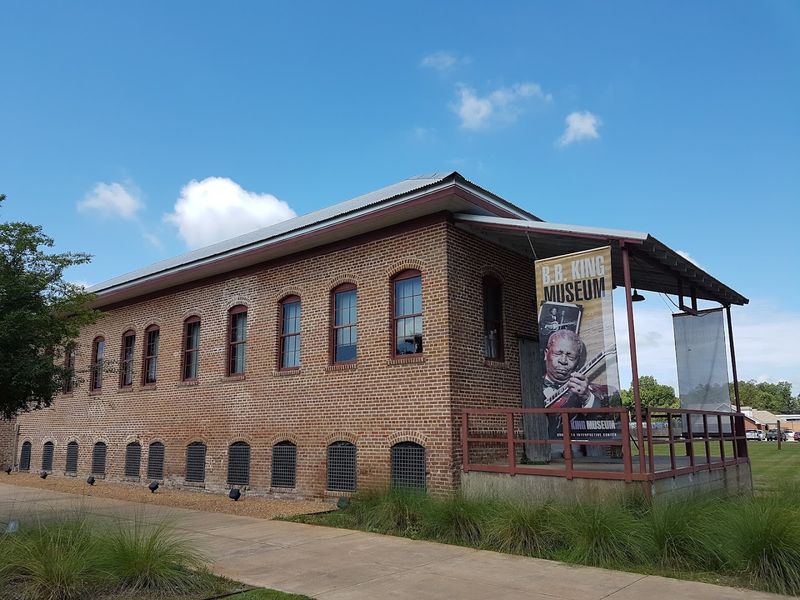
Riley B. King grew up in the Delta, picked cotton in the fields, and went on to become one of the greatest guitarists the world has ever known.
The B.B. King Museum and Delta Interpretive Center at 400 2nd St, Indianola, MS 38751 tells that extraordinary journey from beginning to end.
The museum is built around the cotton gin where King worked as a young man. That detail alone gives the whole experience a grounded, emotional quality that you simply cannot manufacture.
His story started right here on this ground.
Inside, you will find Lucille, his iconic guitar, along with personal photographs, stage costumes, and recordings that span his entire career. The exhibits are beautifully designed and easy to follow.
Are you ready to walk through six decades of blues royalty in one afternoon?
Nearby, a Blues Trail marker stands at Club Ebony, a venue where King performed regularly. The club at 404 Hannah Ave, Indianola, MS 38751 has its own rich history and is worth a look while you are in town.
Indianola is a small, welcoming town that takes pride in its most famous son. The museum is generally open Tuesday through Sunday, but hours may vary by season.
Give yourself plenty of time here because the stories inside have a way of pulling you in deeper than you planned.
Elvis Presley Birthplace, Tupelo
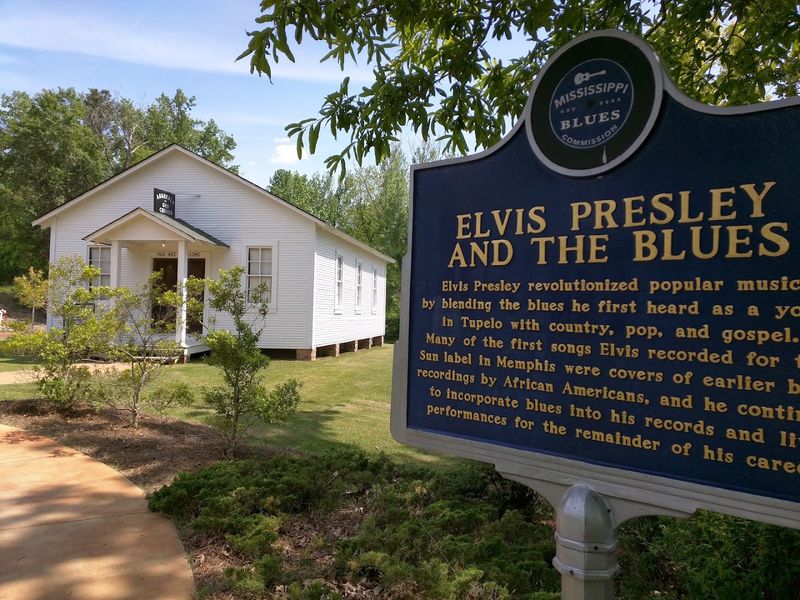
Before Elvis became the King of Rock and Roll, he was just a boy from Tupelo, Mississippi. The Elvis Presley Birthplace and Museum at 306 Elvis Presley Dr, Tupelo, MS 38801 is where that extraordinary story begins, in a tiny two-room house built by his father.
The house has been carefully preserved and is open for tours. Standing inside it, you realize how much distance one person can travel in a single lifetime.
That contrast between the small house and the enormous legacy is genuinely moving.
A Mississippi Blues Trail marker at the nearby Shake Rag community, a historically Black neighborhood in Tupelo, recognizes the musical influences that shaped young Elvis. He grew up listening to gospel and blues in this community, and those sounds never left him.
Can you hear the connection?
The museum next to the birthplace covers his early life in detail. Exhibits include childhood photographs, family history, and recordings from his formative years.
It is a reminder that rock and roll did not appear out of nowhere. It grew from gospel fields and blues front porches.
Tupelo is located in northeastern Mississippi, making it a natural starting point for a northward road trip or a satisfying final stop heading home. The site is typically open daily, but check current hours before visiting.
The grounds are peaceful and worth lingering in.
Bentonia Blues Festival, Blue Front Cafe
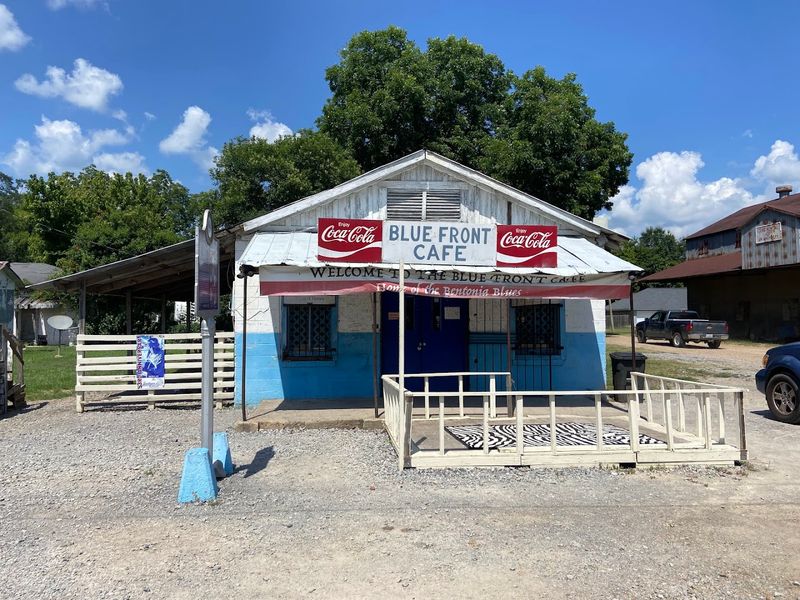
If you want to experience the blues in the most unfiltered way possible, Bentonia is the answer. This tiny Mississippi town is home to the Blue Front Cafe at 100 E Railroad Ave, Bentonia, MS 39040, one of the oldest surviving juke joints in the entire state.
The Blue Front Cafe has been around since the 1930s, and it has the kind of authenticity that no renovation could ever replicate. The wooden walls, the hand-painted signs, and the general sense that time moves differently here all add up to something remarkable.
Is this not exactly what a road trip is supposed to feel like?
Bentonia is also home to its own distinct blues style, sometimes called the Bentonia School. This sound is darker and more haunting than Delta blues, rooted in open minor guitar tunings.
Jack Owens and Skip James are the names most closely associated with this tradition.
Every summer, the Blue Front Cafe hosts the Bentonia Blues Festival on its grounds. Musicians travel from across the region to perform, and the crowd is always a mix of locals and devoted blues fans from around the world.
It is a celebration that feels personal and communal at the same time.
Bentonia sits between Jackson and Yazoo City, making it an easy detour on a north-south route through Mississippi. The cafe is open select days, so check ahead before making the drive out.
Mississippi Gulf Coast Music Heritage
The Mississippi Gulf Coast is where the road trip finds its natural finale. This stretch of southern Mississippi, running through Gulfport, Ocean Springs, and Pascagoula, has its own musical identity that deserves far more attention than it typically gets.
The region has produced notable musicians across blues, R&B, and soul. Jaimoe Johnson, founding member of the Allman Brothers Band, has roots in this area.
That alone tells you the Gulf Coast was sending serious talent out into the world long before anyone was paying close attention.
Ocean Springs, located at the intersection of art and music culture, has a creative energy that feels alive and welcoming. The town at the junction of US-90 and MS-57 is worth a slow afternoon walk.
Local venues and festivals keep live music present throughout the year.
Back in Moss Point, the community celebrates its musical roots through events like Blues on the River and the Levitt AMP Moss Point Music Series. These free and low-cost outdoor events feature blues, soul, gospel, and jazz performed right along the Pascagoula River.
What better way to end a road trip than with live music by the water?
The Gulf Coast connects the inland blues trail to the broader world of American roots music. After covering hundreds of miles of Mississippi history, arriving here feels like the last note of a song played exactly right.