
Discover The Wisconsin Cranberry Marsh That Creates One Of The Most Spectacular Fall Harvest Views
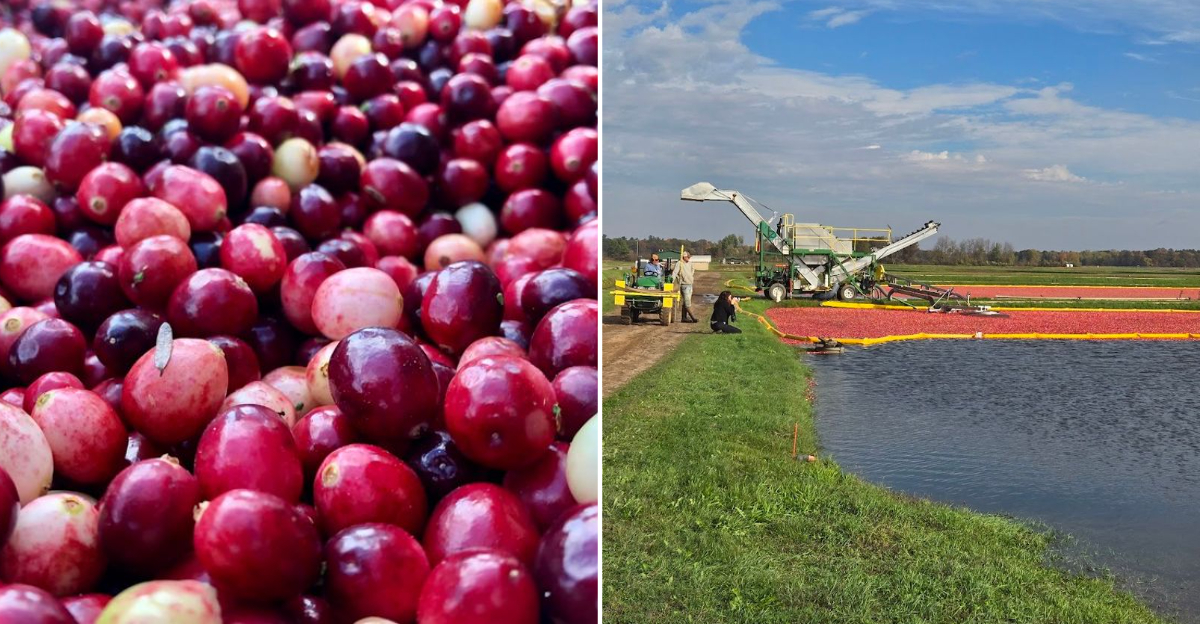
Wisconsin is home to a lot of great things, but nothing quite prepares you for the sight of a flooded cranberry marsh in October. The water turns into what looks like a giant red carpet, and honestly, it is hard not to stop and stare.
Central Wisconsin has been growing cranberries for over a century, and the farms here have perfected the art of the fall harvest. Rooted In Red is one of those rare places where history, nature, and a genuinely cool experience all come together in one spot.
Cranberry Cultivation Techniques In Wisconsin
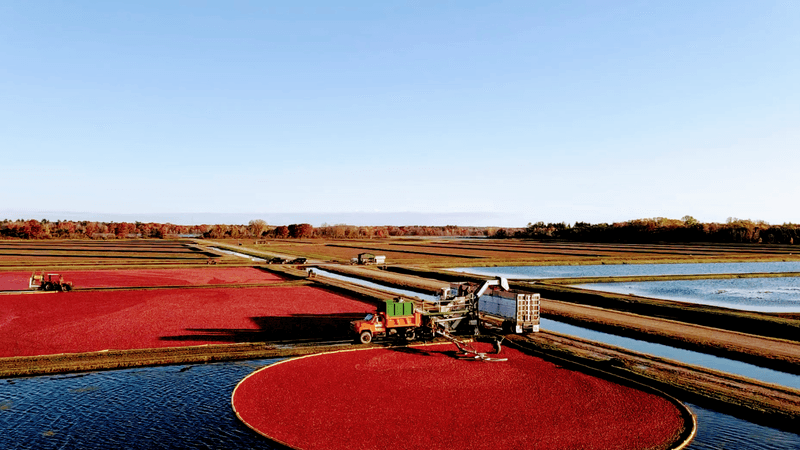
Wisconsin grows more cranberries than any other state in the country. That is not a small achievement.
The craft behind it goes back generations, and at Rooted In Red, five generations of the Biegel family have kept those techniques alive and sharp.
Cranberry growing starts long before the fall harvest you see on the surface. Vines are planted in sandy, acidic soil beds called bogs.
Those bogs are carefully built and maintained to hold water during the harvest flood.
At Rooted In Red, the farm spans roughly 120 acres of active growing land. Each section is managed with precision, from soil health to vine pruning.
The farm is part of the Dempze Cranberry Company, a name tied deeply to Wisconsin Rapids cranberry history.
Wagon tours at the farm walk you through exactly how cultivation works. You learn why the soil matters, how the vines spread, and what makes Central Wisconsin such ideal cranberry country.
The growing season starts in spring and builds toward that iconic October moment.
You can find Rooted In Red at 1060 Center St, Wisconsin Rapids, WI 54494. It sits right along Wisconsin’s scenic Cranberry Highway, a 50-mile route through prime cranberry country.
Seasonal Changes Affecting Cranberry Coloration
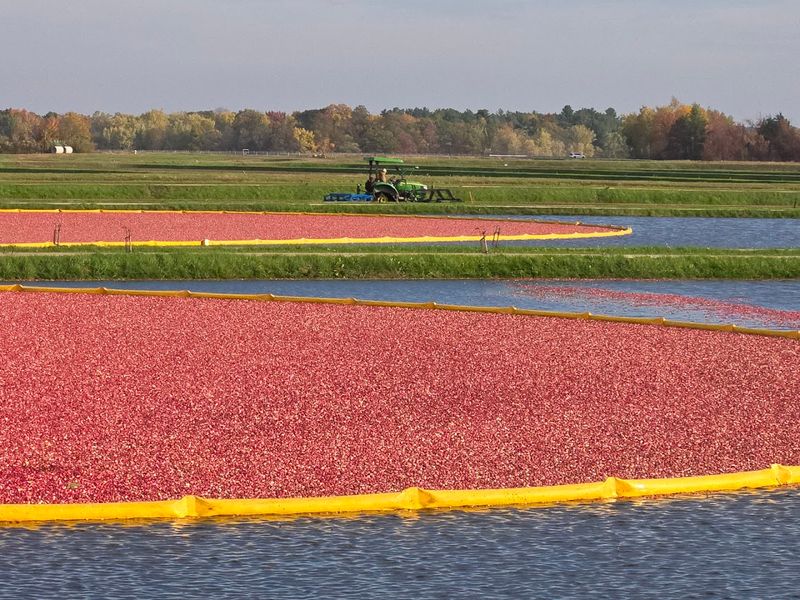
Fall color in Wisconsin is already a big deal. Add a flooded cranberry marsh to that picture, and you get something genuinely jaw-dropping.
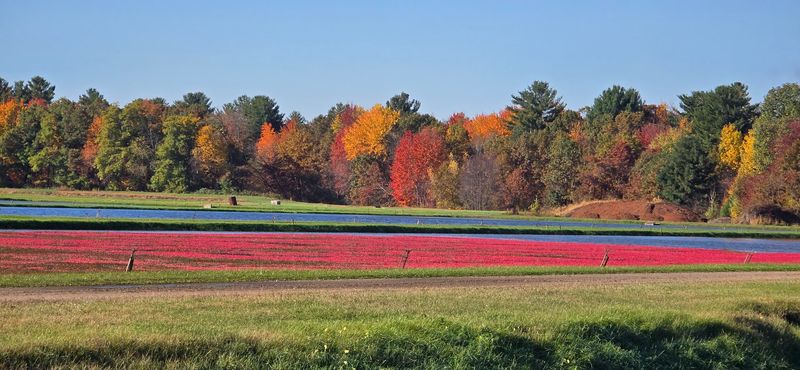
The contrast between the red berries and the golden trees surrounding the bogs is the kind of view that makes people stop their cars on the roadside.
Cranberries do not turn red overnight. The color shift happens gradually through late summer and into fall.
Cooler nights trigger the berries to develop their deep red pigment, called anthocyanin. By late September, the color is building fast.
Peak color on the bogs at Rooted In Red typically hits in mid-October. That is also when the harvest flood happens, covering the bogs with water so the ripe berries float to the surface.
The result is that famous sea of red you see in every fall photo from Wisconsin cranberry country.
Sunlight plays a big role too. Berries that get more direct sun develop richer, deeper red tones.
Cloudy days can slow the color process slightly. But once that October flood happens, the color is already locked in and ready for its big moment.
Visiting during this window is the best decision you can make for a fall outing. The bogs look completely different from any other time of year, and the scenery around them is equally stunning.
Environmental Benefits Of Cranberry Marshes
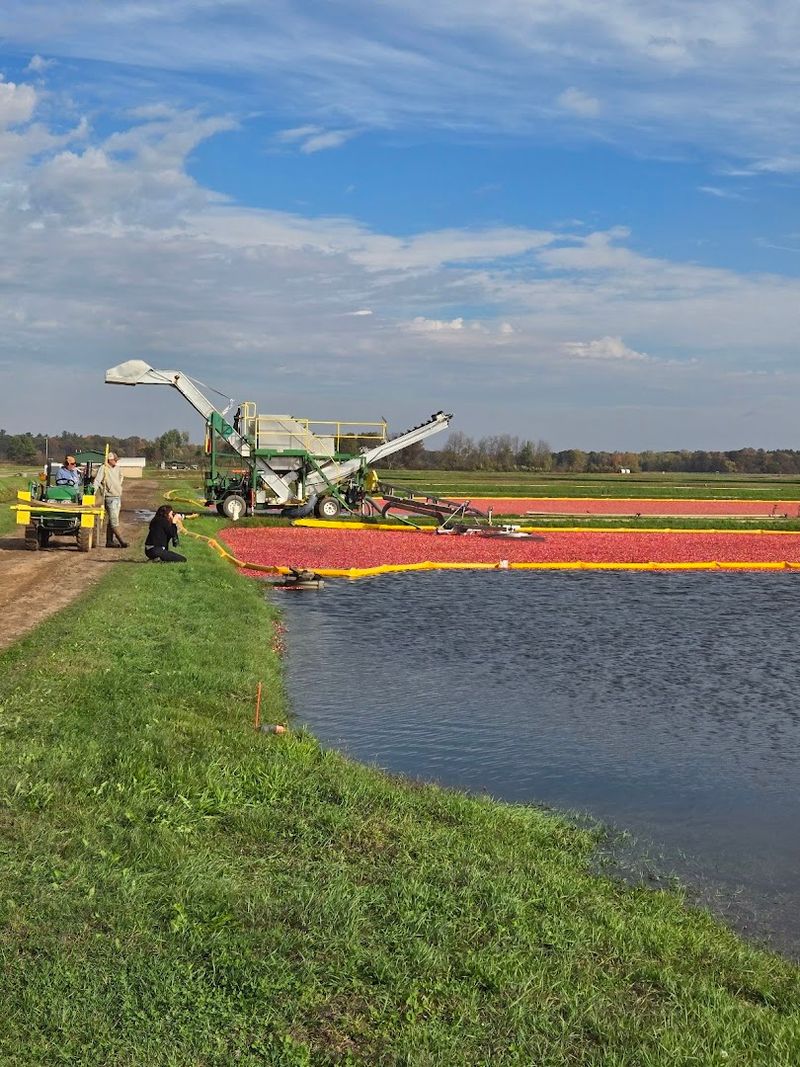
Cranberry marshes do a lot more than produce fruit. They function as working wetland ecosystems that support a wide range of environmental benefits.
At Rooted In Red, the land has been actively farmed for over a century, and the wetland environment around it has stayed remarkably healthy because of careful stewardship.
Wetlands filter water naturally. As water moves through cranberry bogs and surrounding areas, it gets cleaned of sediments and excess nutrients.
That process helps protect local waterways and keeps the broader watershed in better shape.
Carbon storage is another big benefit. Wetland soils hold carbon very effectively, keeping it out of the atmosphere.
Cranberry bogs, because they maintain high moisture levels year-round, are especially good at this. It is an environmental bonus that most visitors never think about while watching the harvest.
The marshes also act as natural flood buffers. During heavy rains, the water-holding capacity of bog land slows runoff and reduces downstream flooding risks.
That is a real benefit for surrounding communities in Central Wisconsin.
Sustainable practices at Rooted In Red include careful water management and responsible use of inputs to protect the land for future generations. The fifth-generation family takes that responsibility seriously.
Farming and environmental care are not opposites here. They work hand in hand, and the results speak for themselves across 120 healthy acres.
The Role Of Water Management In Harvesting
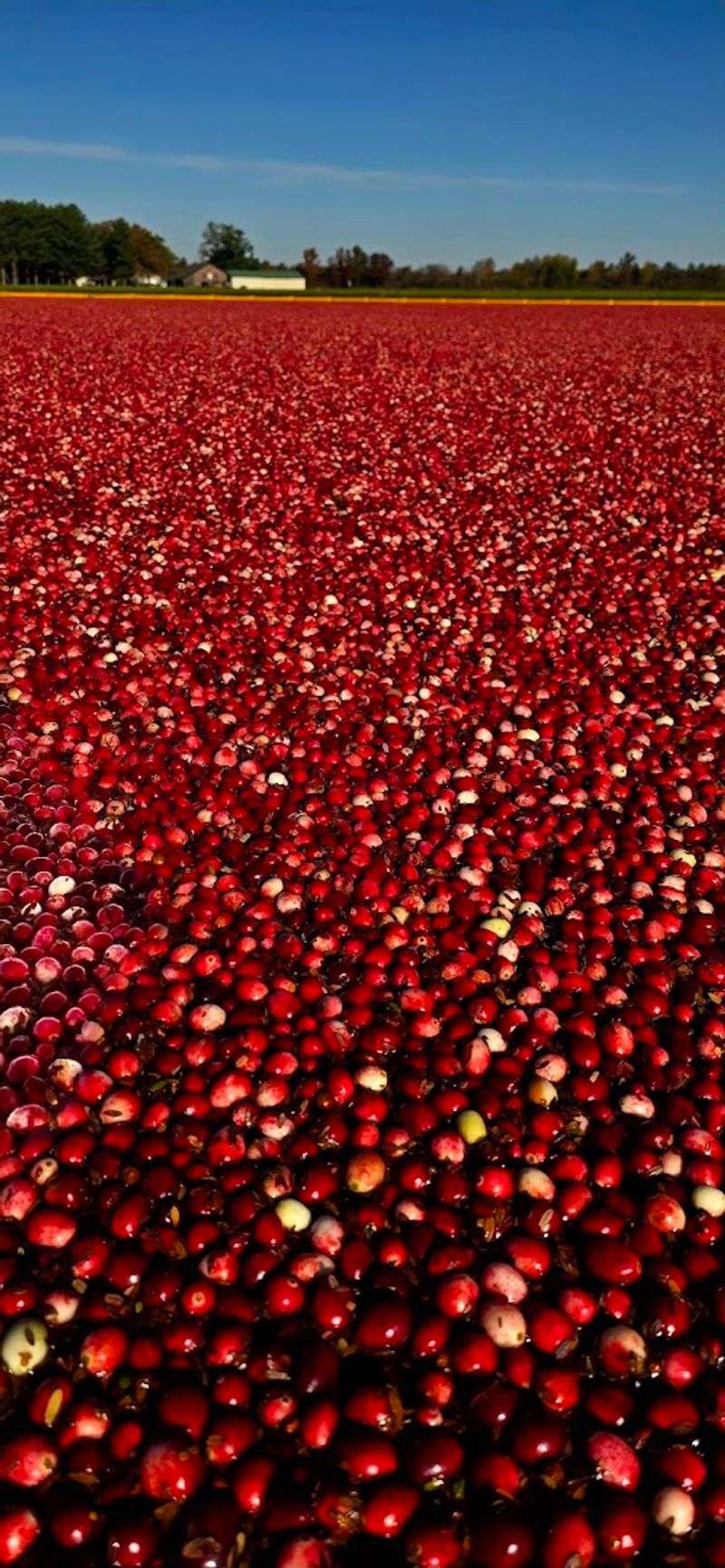
Water is the star of the cranberry harvest show. Without the flood, there is no sea of red.
Managing that water correctly is one of the most critical skills a cranberry farmer has. At Rooted In Red, this knowledge has been refined over five generations.
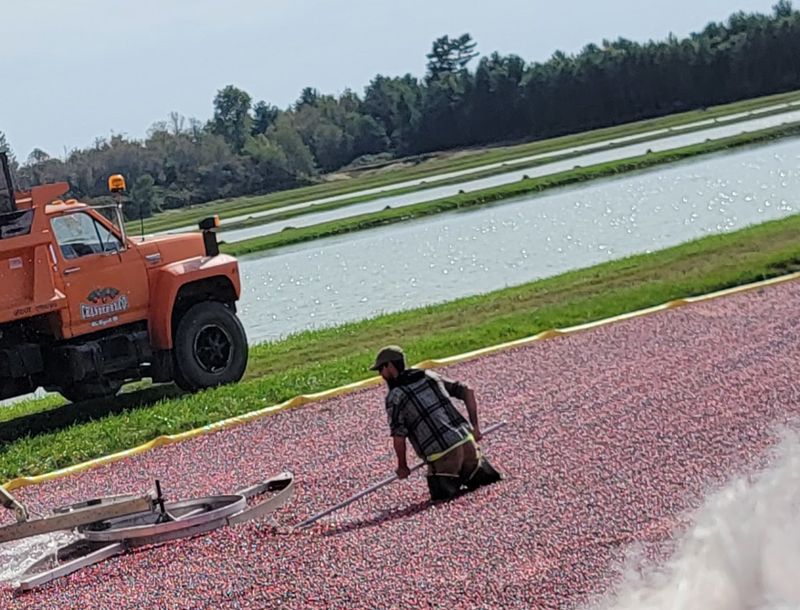
The flooding process begins in late September. Water is pumped into the bogs until the level rises high enough to lift the ripe cranberries off the vines.
Since cranberries have tiny air pockets inside, they float naturally. That is the science behind the iconic harvest image.
Water reel machines, sometimes called egg beaters, churn through the flooded bogs to knock remaining berries loose from the vines. The berries then float freely across the surface, creating that dense red carpet look.
It is efficient and visually spectacular at the same time.
After harvest, the water must be carefully drained and managed. Proper drainage protects the vines and prepares the bogs for winter flooding, which actually shields the vines from freeze damage.
Managing water in all four seasons is a year-round responsibility on a cranberry farm.
Guided tours at Rooted In Red explain this entire water cycle clearly. Visitors get to see equipment up close and understand just how much engineering goes into what looks like a simple red puddle.
It is genuinely impressive when you realize how much work happens below the surface.
Wildlife Interactions In Cranberry Ecosystems
Cranberry marshes attract a surprising variety of wildlife. The wetland habitat created by the bogs provides food, shelter, and water for dozens of species.
At Rooted In Red, the 120 acres of working farmland and surrounding marsh create a natural corridor that wildlife use regularly.
Migratory birds are frequent visitors during the fall harvest season. Shorebirds, ducks, and herons are drawn to the flooded bogs.
The timing of the cranberry harvest lines up almost perfectly with fall bird migration through Central Wisconsin, which makes October visits especially interesting for anyone who enjoys wildlife watching.
Frogs, turtles, and various insects also call cranberry marsh edges home. The moisture-rich environment supports a healthy base of invertebrates, which in turn feed larger animals.
The food web here is more active than most people expect from a farm setting.
White-tailed deer move through the property regularly, especially at dawn and dusk. Sandhill cranes, which are common in Wisconsin, sometimes forage near the bog edges during harvest time.
Spotting one of those tall birds near a sea of red cranberries is a genuinely memorable moment.
Rooted In Red balances active farming with this natural wildlife presence. The farm does not disrupt the wetland ecology unnecessarily.
Instead, the land management practices support both crop production and the surrounding habitat, keeping the ecosystem functioning well season after season.
Nutritional Value And Uses Of Cranberries
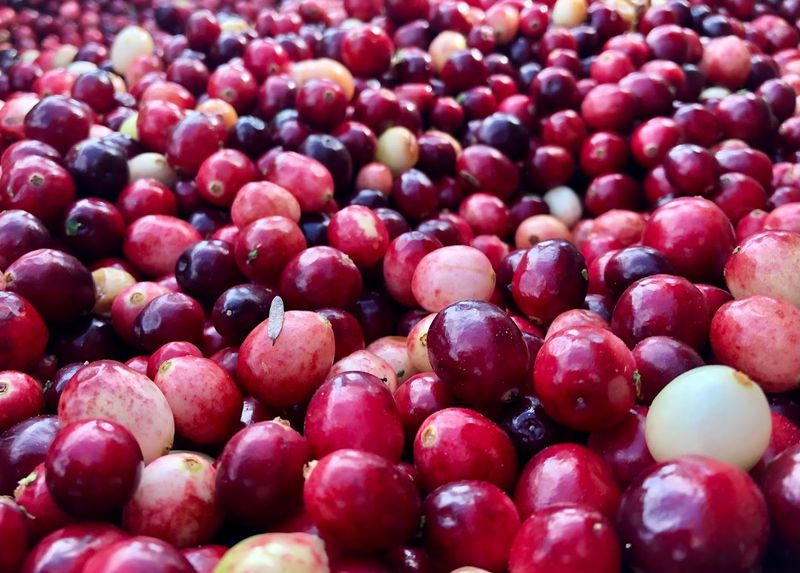
Cranberries pack a serious nutritional punch for such a small berry. They are loaded with antioxidants, vitamin C, and dietary fiber.
They also contain compounds called proanthocyanidins, which have been studied for their potential role in supporting urinary tract health. Not bad for something that grows in a bog.
Fresh cranberries are tart, and that tartness is part of what makes them so versatile in cooking. They work in sauces, baked goods, juices, salads, and even savory dishes.
At Rooted In Red, cranberry recipes are part of the experience, and the farm shop carries products that showcase just how many ways you can use this fruit.
Dried cranberries have become a pantry staple for a lot of households. They add a sweet-tart flavor to trail mix, oatmeal, and grain salads.
The drying process concentrates the flavor and extends shelf life significantly, making them a practical choice year-round.
Cranberry juice is one of the most popular uses globally. Wisconsin cranberries end up in juice products sold across the country and around the world.
The state produces more than half of the entire US cranberry crop, so the reach of these little red berries is enormous.
Visiting Rooted In Red gives you a new appreciation for what goes into every bag of cranberries you pick up at the grocery store. The process is far more involved than most people realize, and the flavor payoff is absolutely worth it.
Traditional Harvest Methods Versus Modern Practices
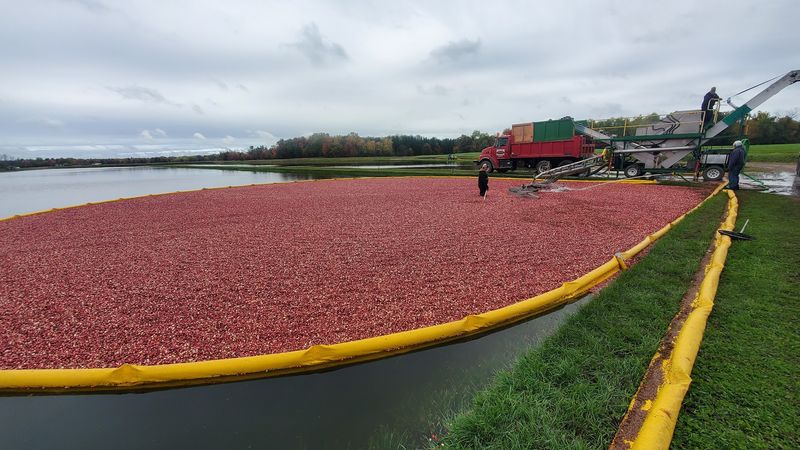
Cranberry harvesting has changed dramatically over the last century. Early methods involved hand-raking the berries from dry bogs, which was slow and labor-intensive.
Workers used wooden scoops to comb through the vines row by row. It took enormous effort to harvest even a small acreage.
Wet harvesting, the method you see today, was developed in the mid-20th century and transformed the industry. Flooding the bogs and using mechanical water reels to agitate the berries off the vines made harvesting far faster and more efficient.
It also created the visually stunning harvest scenes that draw visitors to farms like Rooted In Red every October.
Modern equipment at cranberry farms includes specialized tractors, water management pumps, and harvesting booms that corral the floating berries into collection areas. GPS mapping and soil monitoring technology now help farmers make more precise decisions about water levels and vine health.
The tech side of cranberry farming would surprise most people.
At Rooted In Red, the history of these methods is part of what the tours cover. You hear about how the Biegel family adapted over five generations, adopting new tools while keeping the core values of careful land stewardship intact.
Old and new coexist on this farm in a way that feels natural and intentional.
Watching a modern wet harvest in action from a wagon tour is one of those experiences that genuinely changes how you see a bag of cranberries at the store.
Impact Of Climate On Cranberry Growth Cycles
Climate shapes every phase of the cranberry growing cycle. Cranberry vines need cold winters to go dormant properly.
Without enough cold hours, the plants do not reset correctly for the next growing season. Wisconsin’s winters have historically delivered exactly what cranberry vines need, which is one reason the state became such a dominant producer.
Spring frost is a real threat to cranberry crops. When late frosts hit after the vines start budding, growers flood the bogs again to protect the tender new growth.
That flood acts like a blanket, keeping temperatures around the vines just warm enough to prevent frost damage. It is a clever trick that cranberry farmers have relied on for decades.
Summer heat and rainfall patterns directly affect berry development. Too little rain stresses the vines.
Too much can create disease pressure. Growers monitor weather closely all season and adjust irrigation and drainage accordingly.
At Rooted In Red, this careful attention to climate conditions has kept the farm productive through many seasons of unpredictable weather.
Shifting climate patterns are a growing concern for cranberry farmers across Wisconsin. Warmer winters and more erratic spring weather create new challenges that require adaptation.
Research into more resilient cranberry varieties is ongoing across the industry.
The fifth-generation perspective at Rooted In Red means the Biegel family has watched climate patterns shift over many decades. That long view informs how the farm prepares for the future while honoring the practices that have worked for over a century.