
The Hidden Delaware Bay Beach Where Horseshoe Crabs Continue Their Ancient Shoreline Ritual
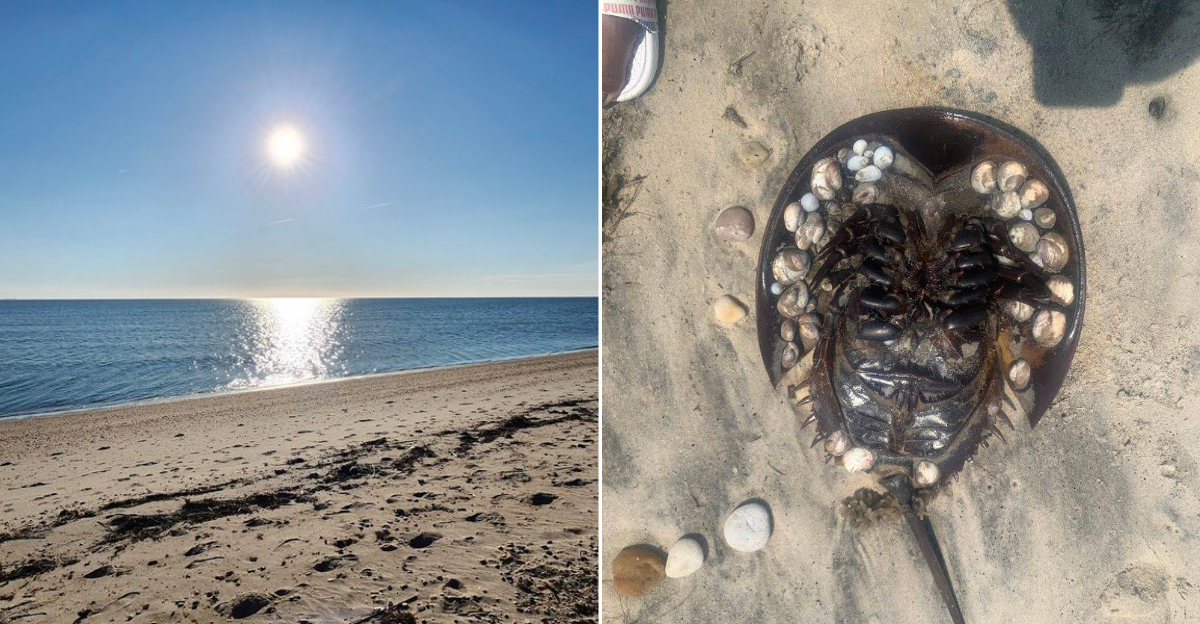
Every spring, a creature that survived every mass extinction returns to this Delaware Bay beach without consulting anyone about the schedule. The horseshoe crab has been keeping this appointment longer than the concept of an appointment existed.
Witnessing it requires nothing beyond showing up at the right tide on the right evening. The crabs do the rest without any awareness of the audience accumulating behind them.
Researchers, photographers, and visitors who stumbled onto the event by accident have all described the same reaction. Something about watching a ritual this ancient on an ordinary stretch of beach produces a stillness that explanation never captures.
Delaware Bay holds this secret modestly, sharing it with those who know the timing. The crabs arrive regardless, indifferent to discovery and committed to a schedule older than memory.
Horseshoe Crab Migration Patterns Along The Shoreline
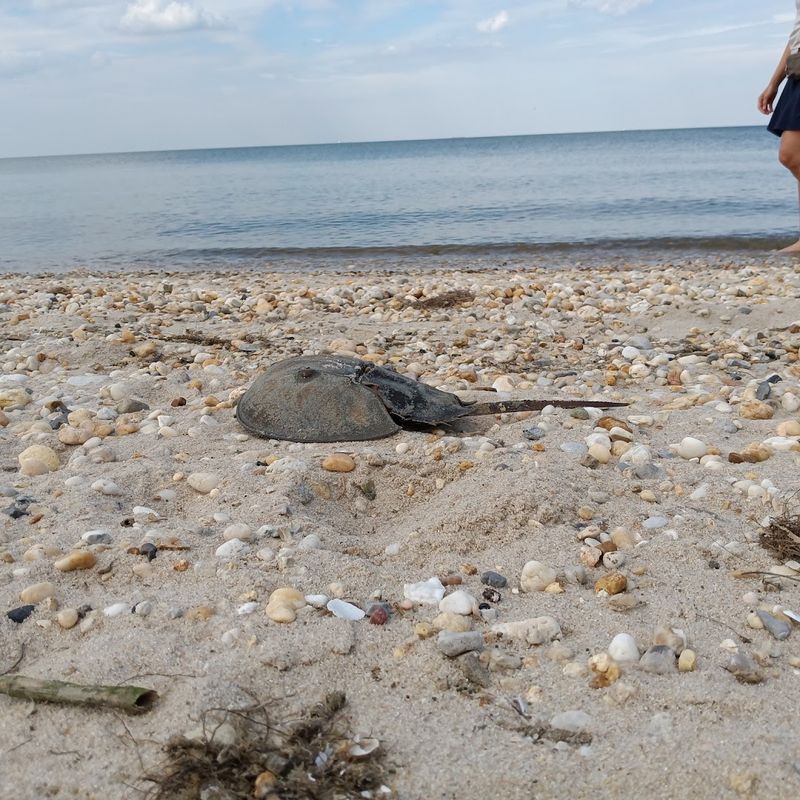
Every May and June, thousands of horseshoe crabs emerge from Delaware Bay and head straight for Slaughter Beach. They have been doing this exact thing for 450 million years.
That is longer than trees have existed on Earth.
The migration peaks around new and full moons. High tides pull the crabs toward shore in massive waves.
Nighttime high tides bring the largest numbers, and the beach practically comes alive after dark.
Female crabs lead the charge. Males attach themselves and follow along for the ride.
Females dig into the sand and deposit thousands of tiny green eggs just below the surface.
Slaughter Beach is officially recognized as one of the highest horseshoe crab spawning areas on the entire planet. The Delaware Bay holds the world’s largest concentration of spawning horseshoe crabs.
That is a fact worth sitting with for a moment.
Visitors can walk along the shoreline and watch this ancient ritual up close. Keeping a respectful distance protects the crabs from unnecessary stress.
The town is located at Slaughter Beach, Delaware 19963, and welcomes curious observers every season.
Horseshoe crabs are not actually crabs at all. They are marine arthropods, more closely related to spiders and scorpions.
Their blue blood is used in medical research to test vaccines for bacterial contamination.
Ecological Importance Of The Bays Shore Habitat
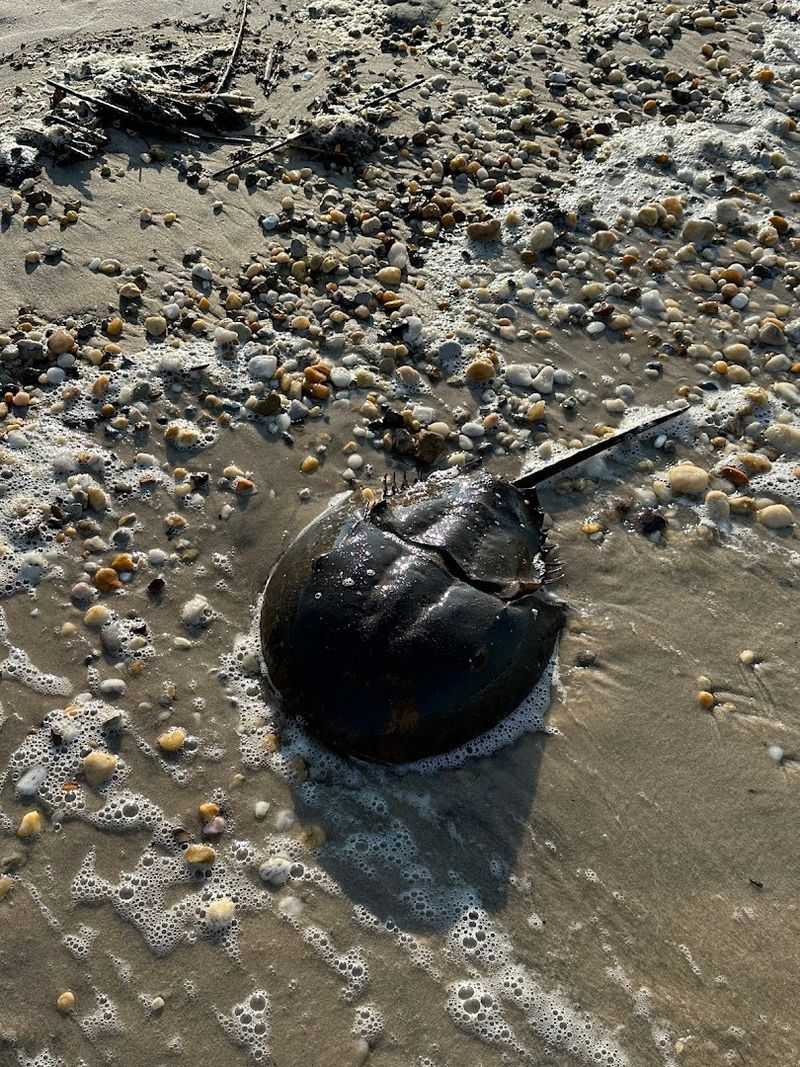
The shoreline at Slaughter Beach is not just pretty to look at. It functions as a critical ecological hub for dozens of species that depend on it for survival.
Remove this habitat, and entire food chains start collapsing.
Horseshoe crab eggs buried in the sand feed massive flocks of migratory shorebirds every spring. The Red Knot, a threatened bird species, relies almost entirely on these eggs during its stop here.
Without enough eggs, Red Knots cannot complete their long migration to the Arctic.
The bay’s shallow waters also support juvenile fish, blue crabs, and various invertebrates. Eelgrass beds and tidal flats filter water and stabilize the seafloor.
These features make the area function like a natural water treatment system.
Slaughter Beach was officially recognized as a Community Wildlife Habitat by the National Wildlife Federation. That recognition reflects years of careful stewardship by residents and conservation groups.
The town takes its ecological role seriously.
The beach itself was declared a Horseshoe Crab Sanctuary on April 12, 2004. The Atlantic Horseshoe Crab became the town’s official symbol on June 12, 2004.
These are not just symbolic gestures. They represent a genuine commitment to protecting what makes this shoreline so valuable.
Healthy coastal habitats like this one absorb storm energy and reduce erosion. They act as natural buffers protecting inland communities from flooding.
Slaughter Beach shows what a protected shoreline can accomplish.
Seasonal Changes Influencing Marine Life Behavior
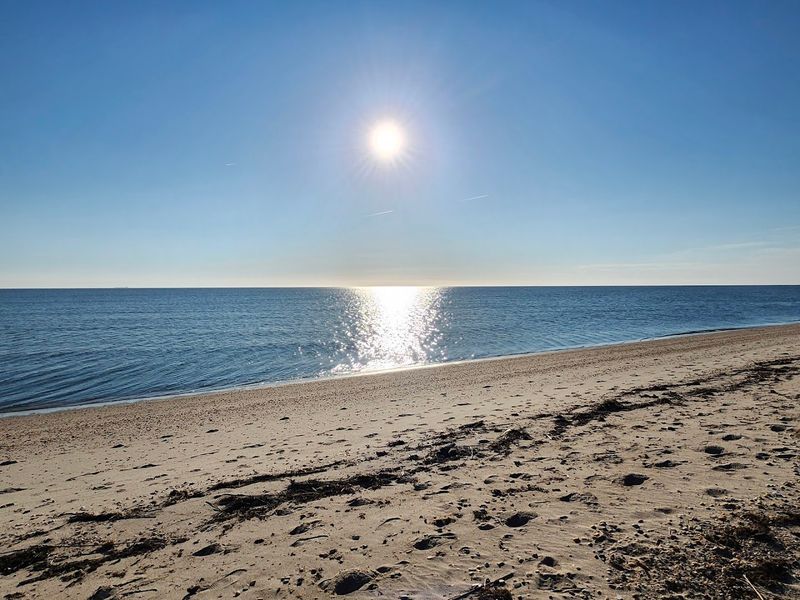
Spring is when Slaughter Beach truly wakes up. Water temperatures rise in May, triggering horseshoe crab spawning activity almost like clockwork.
The beach shifts from a quiet winter retreat to a buzzing ecological event space.
By June, shorebird flocks arrive in staggering numbers. Thousands of Red Knots, Ruddy Turnstones, and Sanderlings descend on the beach to feed.
They eat horseshoe crab eggs with remarkable urgency, bulking up for their Arctic journey.
Summer brings calmer waters and more recreational visitors. Marine life shifts its behavior as temperatures climb higher.
Juvenile fish move into the shallows, and blue crabs become more active along the bay floor.
Fall signals a gradual withdrawal. Migratory birds head south, and horseshoe crabs retreat to deeper waters.
The beach quiets down considerably, offering a completely different but equally peaceful atmosphere.
Winter at Slaughter Beach is raw and windswept. Very few visitors make the trip during these months.
But the ecosystem keeps working beneath the surface, preparing for another spring cycle.
Each season reveals a different layer of what makes this place function. Watching the annual rhythm play out is genuinely fascinating.
Nature here runs on its own schedule, and the beach simply accommodates whatever comes next.
Tidal patterns shift slightly with each season, too. These changes influence where crabs spawn and where birds feed.
Even small tidal variations ripple through the entire food web in noticeable ways.
Conservation Efforts To Protect Fragile Coastal Ecosystems
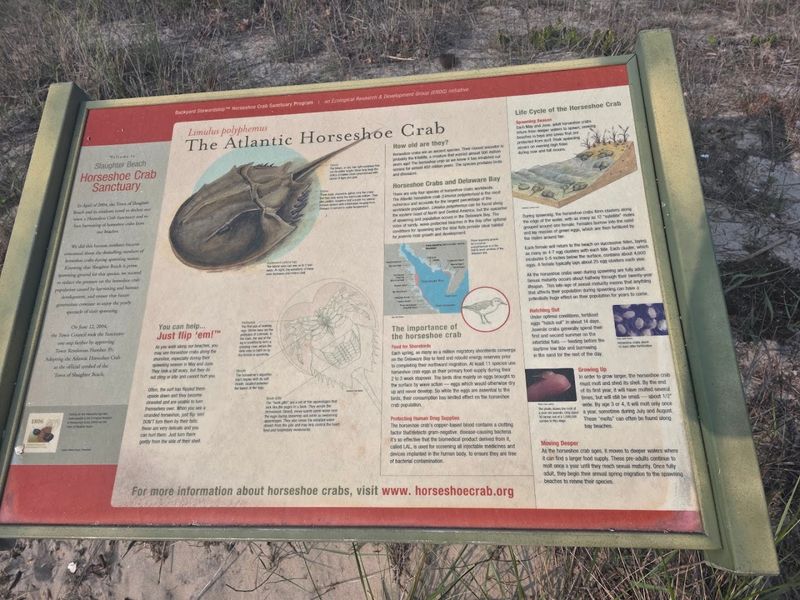
Conservation at Slaughter Beach is active, organized, and community-driven. Groups like the Ecological Research and Development Group, known as ERDG, have worked for decades to protect horseshoe crabs.
Their outreach reaches beachgoers, students, and policymakers.
ERDG runs a program called “Just Flip Em.” It encourages anyone who finds a horseshoe crab flipped upside down on the beach to gently turn it right-side up. Stranded crabs can die from sun exposure surprisingly fast.
One small flip can save a life.
State and federal regulations now limit horseshoe crab harvesting along the Delaware Bay. These rules exist because crab populations declined sharply during the late 20th century.
Bait fishing industries had harvested them in massive quantities.
The DuPont Nature Center sits at the southern end of Slaughter Beach. It serves as an educational hub for visitors wanting to learn about horseshoe crabs and shorebird ecology.
Staff there provide guided programs during peak spawning season.
Volunteer monitoring programs track crab counts each spawning season. Scientists use this data to measure population health over time.
Consistent data collection over many years reveals whether conservation efforts are working.
Beach access rules during spawning season help reduce human disturbance. Visitors are asked to avoid walking directly through spawning areas.
Simple behavioral guidelines make a measurable difference for vulnerable wildlife populations.
Impact Of Tidal Movements On Crustacean Activities
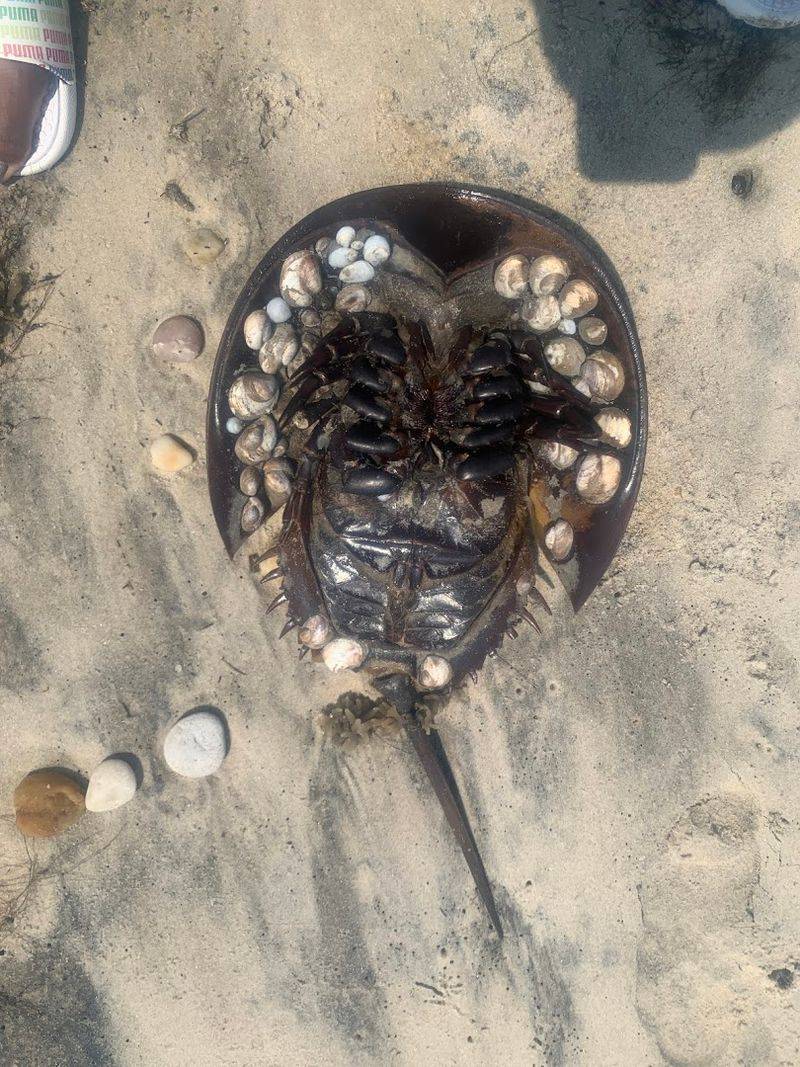
Tides run the show at Slaughter Beach. Horseshoe crabs respond to tidal cycles with remarkable precision.
High tides during new and full moons trigger the most intense spawning activity of the entire season.
When the tide rises, crabs move toward the upper beach zone. Females dig into moist sand just above the waterline.
Males fertilize the eggs externally while still attached to the female.
As the tide recedes, crabs return to deeper water. The eggs remain buried in the sand, incubating for roughly two weeks.
Warmth from the sun and moisture from the sand keep them viable.
Tidal timing also matters for shorebirds. Birds learn to arrive at the beach as tides drop, exposing freshly laid eggs.
This timing allows them to feed with minimal competition from wave action.
Storm surges can disrupt normal tidal patterns significantly. When waves hit harder than usual, eggs get washed out before they hatch.
Severe weather events during spawning season can reduce egg survival rates.
Researchers monitor tidal data alongside crab count data every season. The relationship between tide height and spawning density is well-documented.
Higher tides consistently produce higher spawning numbers along this stretch of bay.
Understanding tidal influence helps managers predict peak spawning windows. That information guides when to open beach access and when to ask visitors to stay back.
Tides are, quite literally, the calendar this ecosystem runs on.
Historical Significance Of Ancient Marine Species
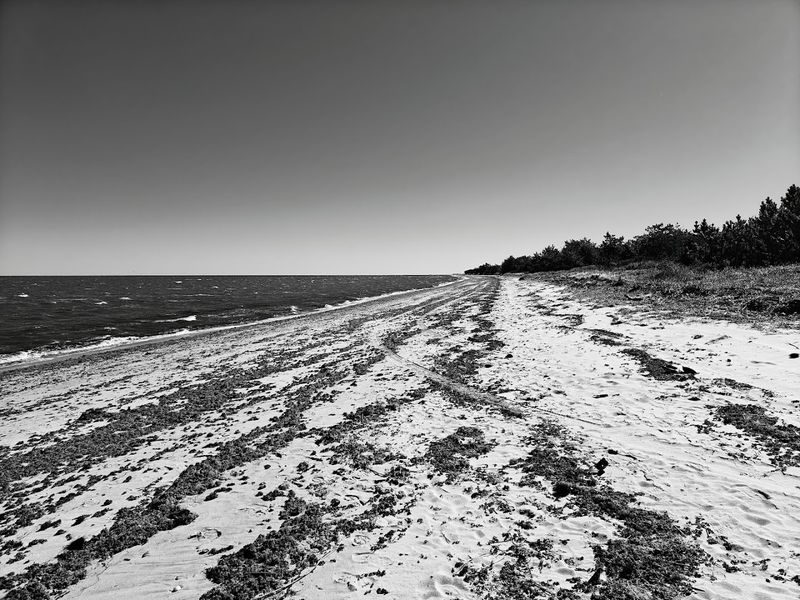
Horseshoe crabs are living fossils. That phrase gets used loosely sometimes, but here it genuinely applies.
These animals have remained virtually unchanged for at least 450 million years. They predate dinosaurs by roughly 200 million years.
Slaughter Beach itself has historical roots going back to 1681. The town is one of the older settlements in Sussex County, Delaware.
Its connection to the bay and its marine life runs deep through local history.
Horseshoe crabs are not crustaceans in the traditional sense. They belong to the class Merostomata and are closer relatives of spiders, scorpions, and ticks.
Their evolutionary lineage is one of the longest unbroken lines in animal history.
Their blue blood contains a compound called Limulus Amebocyte Lysate, or LAL. Medical companies use LAL to detect bacterial endotoxins in vaccines and surgical equipment.
Every injectable medication you have ever received was likely tested using horseshoe crab blood.
Ancient fossils of horseshoe crabs found worldwide look nearly identical to the ones crawling Slaughter Beach today. Evolution simply had no reason to change what already worked so well.
That is a remarkable statement about biological efficiency.
Delaware Bay became a critical reference point for understanding horseshoe crab biology and population dynamics. Scientists from around the world travel here to study these animals.
Slaughter Beach sits at the center of that global research conversation.
The Role Of Sandy Beaches In Supporting Wildlife Reproduction
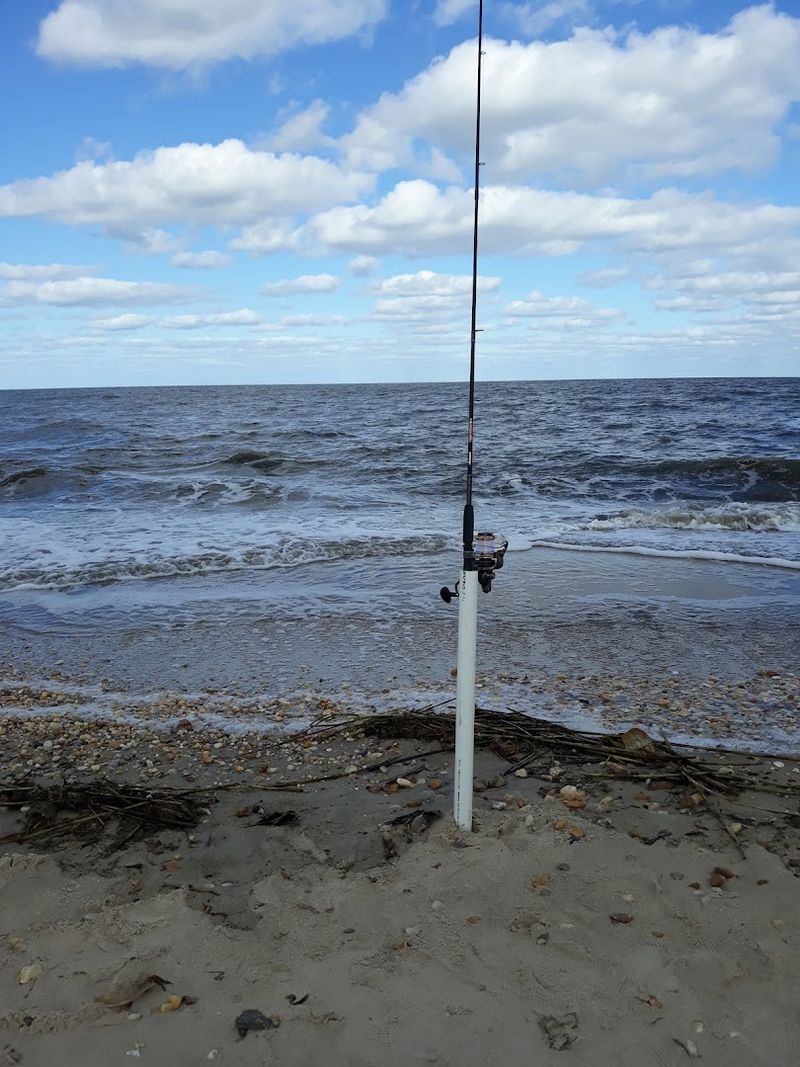
Sandy beaches serve a very specific biological function at Slaughter Beach. The loose, warm, oxygen-rich sand creates ideal incubation conditions for horseshoe crab eggs.
Without the right sand texture, egg survival drops significantly.
Female horseshoe crabs prefer the upper beach zone just above the high tide line. That area stays moist but not saturated.
It offers the right balance of warmth and humidity for developing eggs.
Each female lays between 60,000 and 120,000 eggs per season across multiple nesting visits. Most of those eggs never hatch.
They become food for shorebirds, fish, and other beach invertebrates before development is complete.
The sheer volume of eggs produced compensates for this high loss rate. Evolution built in a massive surplus to ensure enough eggs survive.
It is a numbers game that has worked for hundreds of millions of years.
Sandy beaches also provide nesting habitat for diamondback terrapins along parts of the Delaware Bay shoreline. These turtles dig into the sand above the tide line to lay their own eggs.
Multiple species share the same beach real estate for reproduction.
Beach erosion threatens this reproductive function directly. As shorelines narrow, suitable nesting zones shrink.
Less available beach means fewer successful nesting events for multiple species simultaneously.
Protecting the physical structure of Slaughter Beach matters as much as protecting the animals themselves. Sand is not just scenery here.
It is infrastructure for an entire reproductive ecosystem that depends on its presence.
Community Initiatives Promoting Environmental Awareness
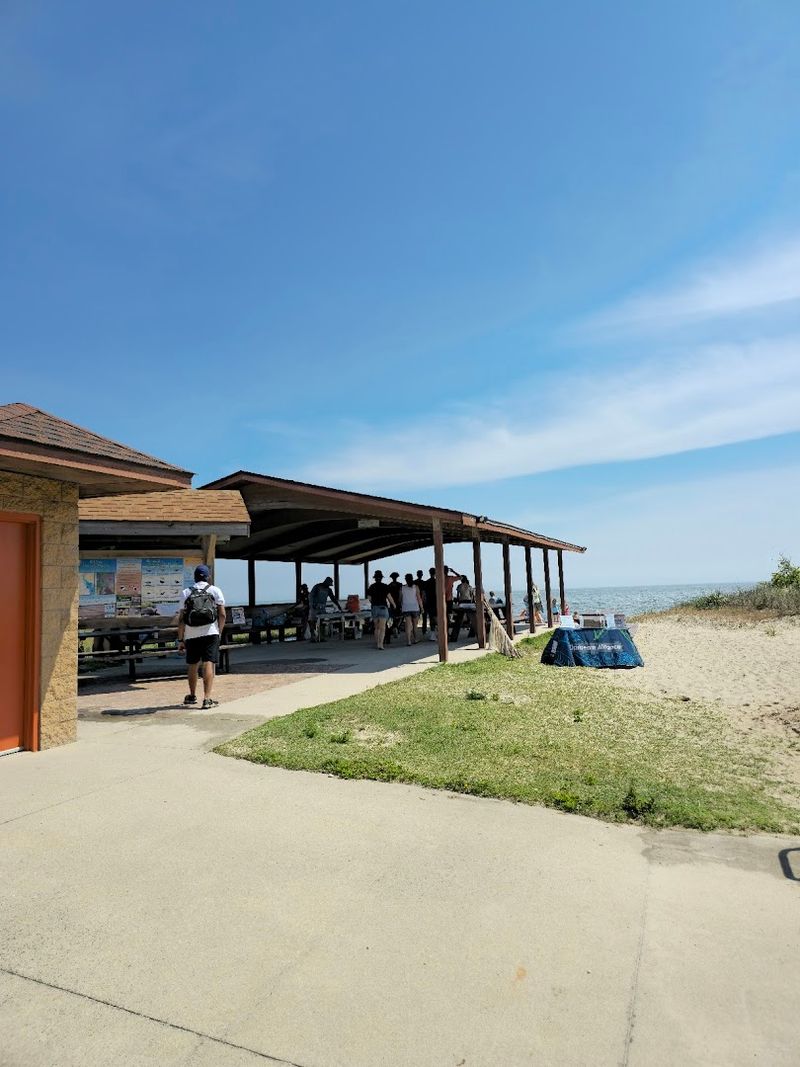
Slaughter Beach punches well above its weight when it comes to environmental awareness. For a town of 218 people, the community has built an impressive legacy of conservation leadership.
Locals genuinely care about what happens on their shoreline.
The town’s designation as a Community Wildlife Habitat by the National Wildlife Federation came through deliberate community effort. Residents worked to meet specific criteria around native plantings, water conservation, and wildlife support.
That certification reflects organized local action.
Educational programs at the DuPont Nature Center bring school groups and families to the beach during spawning season. Rangers and naturalists explain horseshoe crab biology in accessible, engaging ways.
Kids leave with a completely different understanding of what lives in the bay.
Local signage along the beach educates visitors about proper behavior during spawning events. Simple instructions posted at beach access points reduce accidental disturbance.
Good information placed in the right spot changes how people behave.
Annual horseshoe crab count events invite citizen scientists to participate in real data collection. Volunteers are trained quickly and contribute meaningful observations.
This model connects everyday people to actual conservation science.
Social media has helped Slaughter Beach reach audiences far beyond Sussex County. Photos of the spawning event spread widely each spring, drawing first-time visitors from across the mid-Atlantic region.
Awareness builds interest, and interest builds protection over time.
Community buy-in makes conservation sustainable long-term. When residents see themselves as stewards of a globally significant place, the effort becomes personal.
That personal investment is what keeps Slaughter Beach thriving year after year.