
This Pennsylvania Berry Farm Offers A Fun Pick Your Own Experience With Fresh Local Flavors
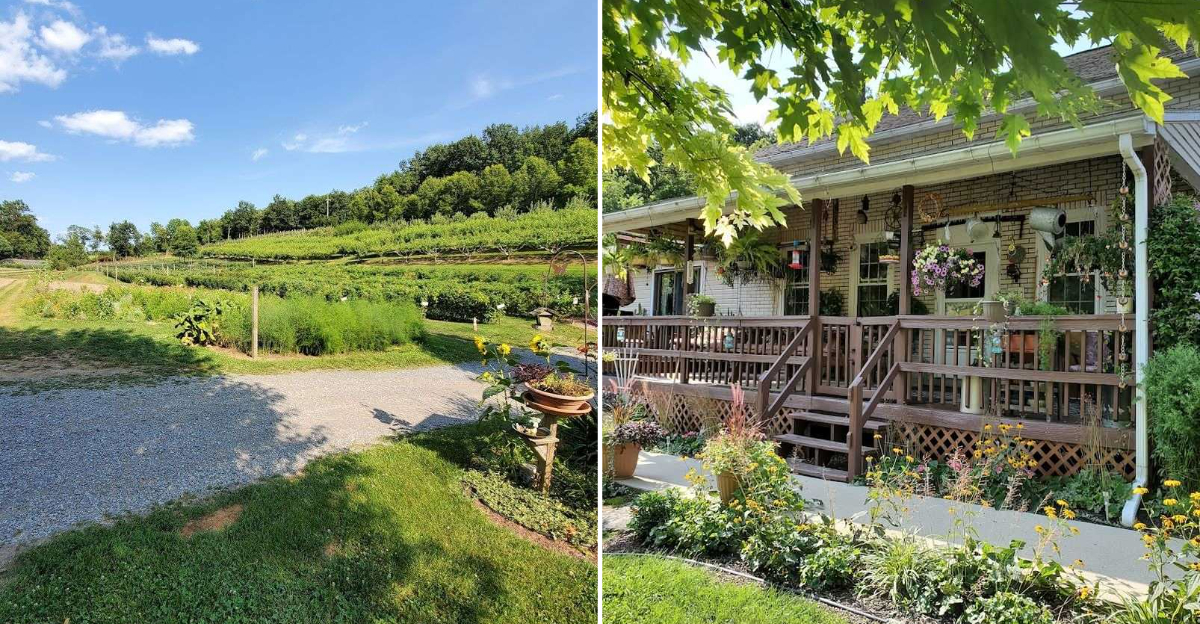
Rows of ripe berries and a basket waiting to be filled make for one of the simplest satisfying afternoons a summer can offer. This Pennsylvania farm has been delivering exactly that without overcomplicating what never needed improvement.
Kids who arrive planning restraint abandon that idea somewhere around the third plant. Parents follow at a slightly slower pace and arrive at identical conclusions.
The berries here do not travel far before reaching the hand that picks them. That proximity produces a flavor difference no refrigerated transport ever fully compensates for.
A pick your own experience succeeds when the farm treats the visitor as a participant rather than a customer. This one figured that distinction out early, and the families returning every season are the most honest evidence it got everything right.
Seasonal Variety Of Fresh Berries
This place in Pennsylvania runs on seasons, and that is what makes every visit feel different. Strawberries kick things off in late May and carry through early July.
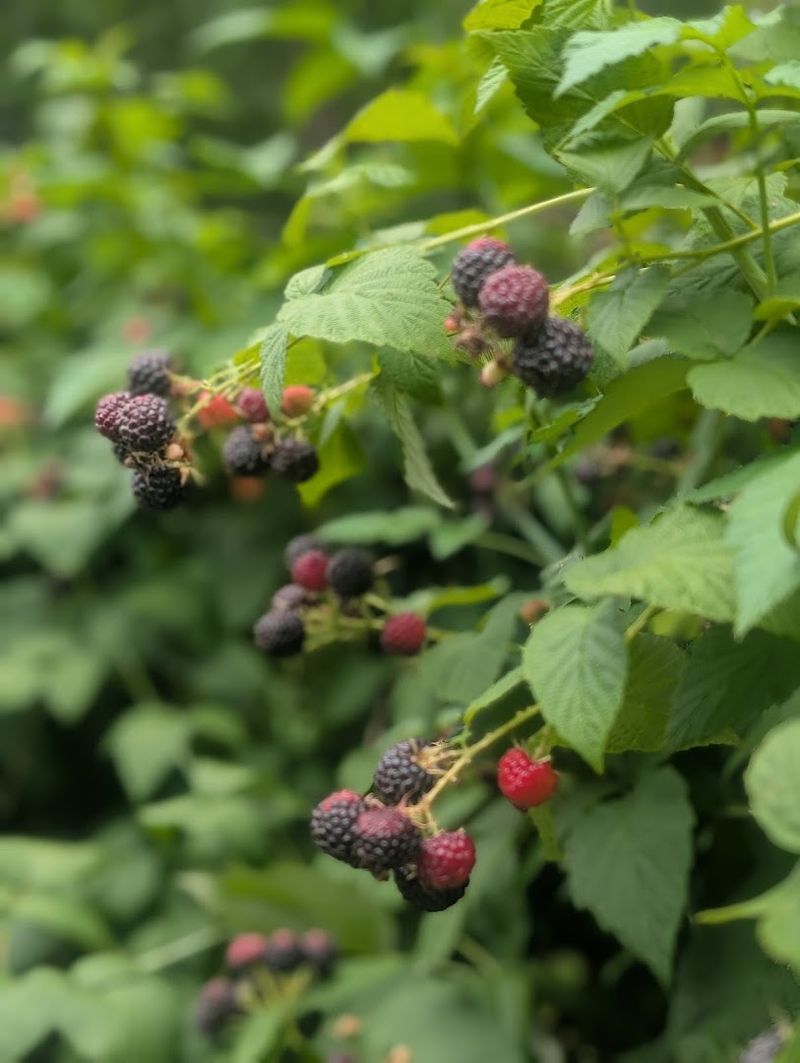
After that, raspberries in red, black, purple, and gold take over from June into August.
Blueberries hit their peak from mid-June to mid-July. Blackberries come in from mid-July through mid-August.
Each berry has its own window, so timing your visit right makes a big difference.
Beyond the classics, the farm also grows apricots, peaches, apples, elderberries, and sweet corn. Pumpkins show up in the fall.
You can even buy berry plants to grow your own at home, which is a pretty cool bonus.
The farm stand stocks pre-picked fruits, vegetables, honey products, and preserves. So even if picking is not your thing that day, you still leave with something good.
The full address is 86 Moselem Church Rd, Kutztown, PA 19530, and it is absolutely worth the drive.
Benefits Of Picking Your Own Produce
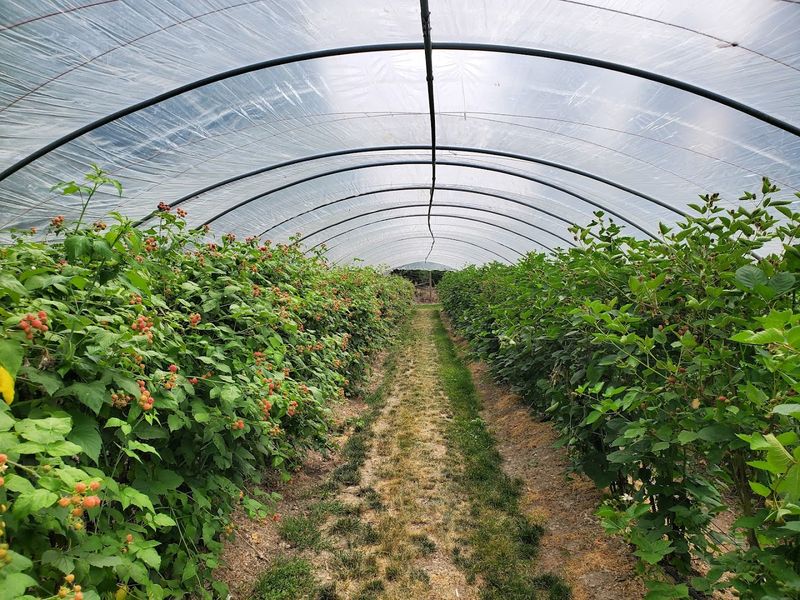
Picking your own produce is one of those activities that feels simple but actually delivers a lot. You get fruit at peak ripeness.
That means better flavor and higher nutritional value compared to store-bought berries that traveled days to reach the shelf.
Berries do not keep ripening after they are picked. So grabbing them yourself, right when they are ready, is the only way to get them at their absolute best.
You control what goes in your basket.
There is also the physical side of it. Walking rows, bending down, reaching through leaves, it all adds up to real movement.
It is not a workout, but it is not sitting on a couch either.
Supporting a local farm like this one keeps money in the community. It also cuts down on packaging waste and the carbon footprint that comes with shipping produce across the country.
Fewer plastic clamshells is always a win.
For kids, it is a genuine learning moment. They see where food actually comes from.
That connection to the land sticks with them. And honestly, they tend to eat more fruit when they pick it themselves.
That alone might be worth the trip.
Family Friendly Outdoor Activities

The Berry Farm and Orchard is not just about berries. Plenty is going on that makes it a full outing for families.
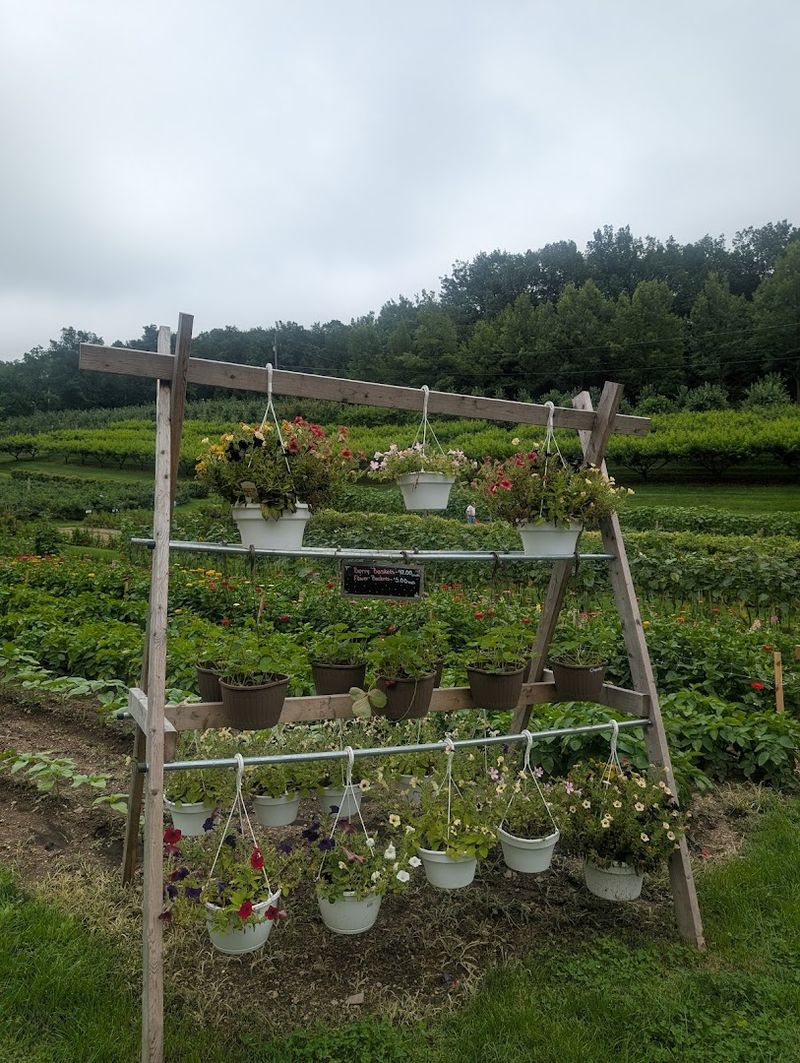
The farm has pick-your-own flowers, including sunflowers, which kids absolutely love choosing for bouquets.
The farm stand has cool treats, sweet snacks, and even craft items. It is a good spot to browse while the little ones are still buzzing from being outside.
You rarely leave empty-handed.
Sometimes the farm hosts Baby Goat Cuddles events. Yes, that is a real thing.
If you have ever watched a child meet a baby goat, you already know that is an automatic highlight of any day.
The open fields and fresh air make it easy to slow down. There are no screens, no crowds pushing past you, just rows of plants and blue sky.
That kind of outdoor time is genuinely refreshing for everyone.
Berry-picking classes have also been offered on-site. These cover things like plant care, garden prep, and how to grow your own berries at home.
It turns a fun outing into something you can actually bring back with you and build on.
Guide To Identifying Ripe Berries
Knowing what to look for saves you from biting into something disappointing. Ripe strawberries are fully bright red with no white or green near the tip.
They should smell sweet and feel slightly soft but not mushy.
Strawberries do not get sweeter after picking. What you grab is what you get.
So skip the pale ones and hold out for the deep red ones hiding under the leaves.
Raspberries are ready when they pull free from the plant with almost no effort. A ripe one is deep and consistent in color, not patchy.
They should feel soft but hold their shape. Like strawberries, they stop ripening once picked.
Blueberries need a little patience. They turn blue before they are actually sweet.
Waiting five to seven days after they go blue gives you the best flavor. Look for a powdery bloom on the skin and avoid any with pink or green still showing.
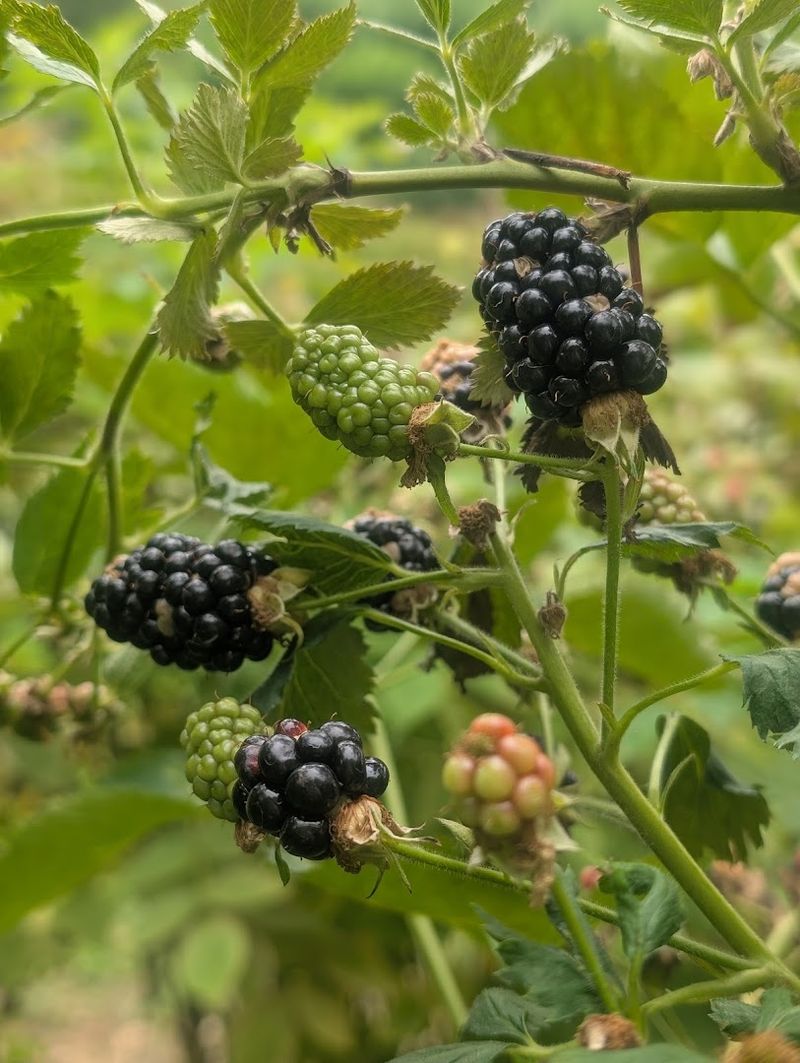
Blackberries are ready when they are deep black, plump, and pull off easily. Red or purple ones are not ready.
They will not sweeten after picking, so do not try to rush them. The right berry at the right moment is always worth the wait.
Sustainable Farming Practices
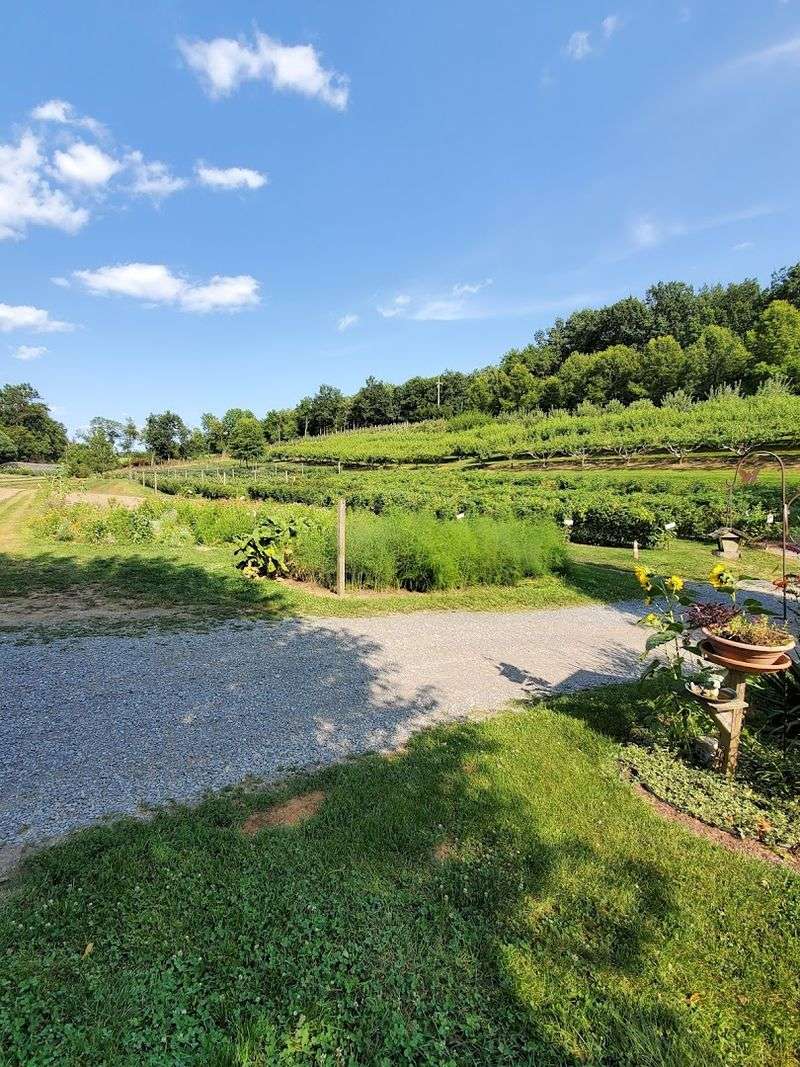
The Berry Farm and Orchard takes its responsibility to the land seriously. The farm is a certified organic producer.
That certification is not easy to earn, and it means real commitments to how the land is managed every single season.
Organic farming avoids synthetic pesticides and fertilizers. Instead, it relies on natural methods that keep the soil healthy over time.
Healthy soil grows better plants, and better plants grow better fruit. It is a long game that pays off.
Biodiversity is a big part of sustainable farming. When a farm supports a variety of plants, it also supports pollinators like bees and butterflies.
Those pollinators are what make berry production possible in the first place.
The farm grows a wide range of crops, from berries to flowers to vegetables to elderberries. That diversity is not just good for business.
It is good for the ecosystem around it. Rotating and mixing crops helps prevent soil depletion.
Choosing to buy from a farm like this one is a small action with real impact. Every purchase supports practices that protect the land for future seasons.
That is the kind of farming worth showing up for, and worth telling your friends about too.
Creative Recipes Using Fresh Berries
Fresh berries from the farm open up a lot of possibilities in the kitchen. Strawberries are classic in shortcake, but they also make a great pie filling or simple jam.
Just a handful of ingredients and you have something that tastes like summer.
Blueberries go well in muffins, coffee cake, and even salads. Toss them with spinach, goat cheese, and a light vinaigrette, and you have a salad that actually gets eaten.
They also freeze well, which means you can bake with them all winter.
Blackberries have a natural tartness that works in both sweet and savory dishes. A blackberry glaze over grilled chicken is surprisingly good.
Cobblers and crisps are the obvious move, and they are obvious for a reason.
Raspberries shine in jam, but they also layer beautifully into parfaits and trifles. Mix different berry varieties together for a mixed berry preserve that beats anything in a store jar.
The flavor combinations are endless when everything is fresh.
Elderberries, which the farm also grows, are often used in syrups and teas. They have a long history in home remedies and are popular for immune support.
Pick up a batch and look up a simple elderberry syrup recipe. You will not regret it.
Local Wildlife Plant Species
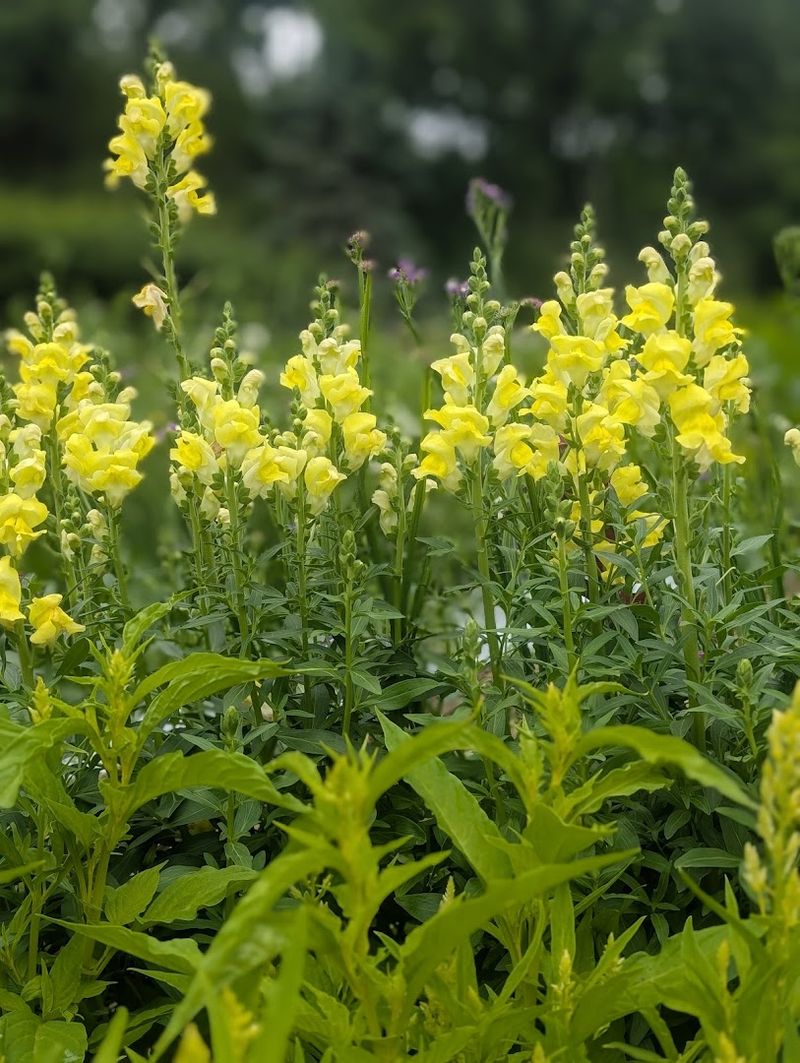
The land around Kutztown in Berks County supports a rich mix of native plants and wildlife. These plants do more than look pretty.
They provide food and shelter for birds, small mammals, and pollinators that keep the whole ecosystem running.
Serviceberry trees are a great example. They produce small berries that birds rely on during migration.
Goldenrod is another one. It looks like a weed to some people, but bees and butterflies depend on it heavily in late summer.
Milkweed is critical for monarch butterflies. Without it, monarch caterpillars cannot survive.
Farms and natural areas that allow milkweed to grow are doing something genuinely important for that species.
Spicebush is a native shrub that produces bright red berries in the fall. Migratory birds target those berries specifically before long flights south.
Having spicebush around a farm creates a natural pit stop for traveling birds.
Berry farms like this one naturally attract pollinators because of all the flowering plants. Bees, butterflies, and even hummingbirds are regular visitors.
The relationship between the farm and local wildlife goes both ways. Pollinators help the crops, and the crops help the pollinators.
It is a good arrangement for everyone involved.
Tips For Preserving Freshness

Getting your berries home in good shape takes a little planning. Refrigerate them right away when you get back.
Berries are fragile, and warm temperatures speed up spoilage faster than most people expect.
Do not wash them until you are ready to eat. Moisture is the enemy.
Even a little water on the skin can trigger mold growth quickly. Dry berries last noticeably longer in the fridge.
Store them in shallow containers lined with paper towels. The towels absorb extra moisture and keep the berries from sitting in any liquid that collects at the bottom.
Avoid stacking too many layers on top of each other.
A vinegar wash is worth trying before storage. Mix one part white vinegar with three to eight parts water.
Soak the berries for five to ten minutes, then rinse thoroughly and dry completely. This helps eliminate mold spores and surface bacteria.
Check your stash daily and remove any bruised or moldy berries immediately. One bad berry really does spread to the rest if you leave it in there.
For softer berries you cannot eat in time, freeze them in a single layer on a baking sheet first. Then transfer to a bag.
They will be ready for smoothies or baked goods all year long.