
This Creepy Small Town In Wisconsin Has A Dark History Locals Still Whisper About
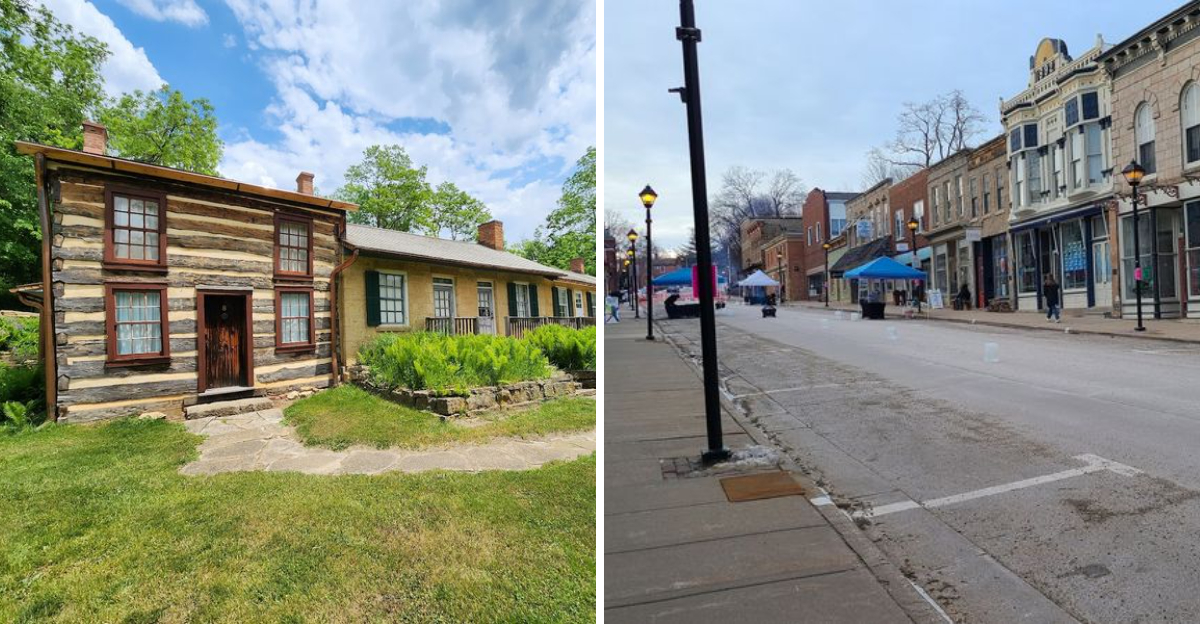
At first glance, this little Wisconsin town looks almost too polite to have secrets. Stone cottages sit neatly along quiet streets, hills roll softly around the edges, and everything seems made for a slow afternoon stroll.
Then the older story starts to surface. Long before the pretty storefronts and weekend visitors, lead fever pulled miners into the ground and turned the area into a rough boomtown.
Fortune hunters chased money through mud, rock, danger, and exhaustion. People lived hard, worked harder, and left behind more than old buildings.
Strange legends, cemetery whispers, and a mining past filled with risk still cling to the place. By sunset, that postcard charm starts to feel a little less innocent.
Miners Once Lived In Holes In The Hillside
Early miners arrived in droves during the 1820s and 1830s, chasing rumors of easy lead deposits. Many had no money for proper housing, so they carved shallow caves directly into the hillsides and lived there through brutal Wisconsin winters.
Families crammed into these damp, dark holes with little ventilation and no safety from collapse.
The miners earned the nickname badgers because they burrowed into the earth like animals. Children grew up in these makeshift shelters, breathing stale air thick with smoke from cooking fires.
Disease spread quickly in the cramped quarters, and many never made it through their first year.
Some of these dugouts remained occupied for decades. Locals say you can still find traces of them in the countryside, hidden openings that once sheltered desperate men and their families during the mining frenzy.
Mineral Point Was Once Bigger Than Milwaukee
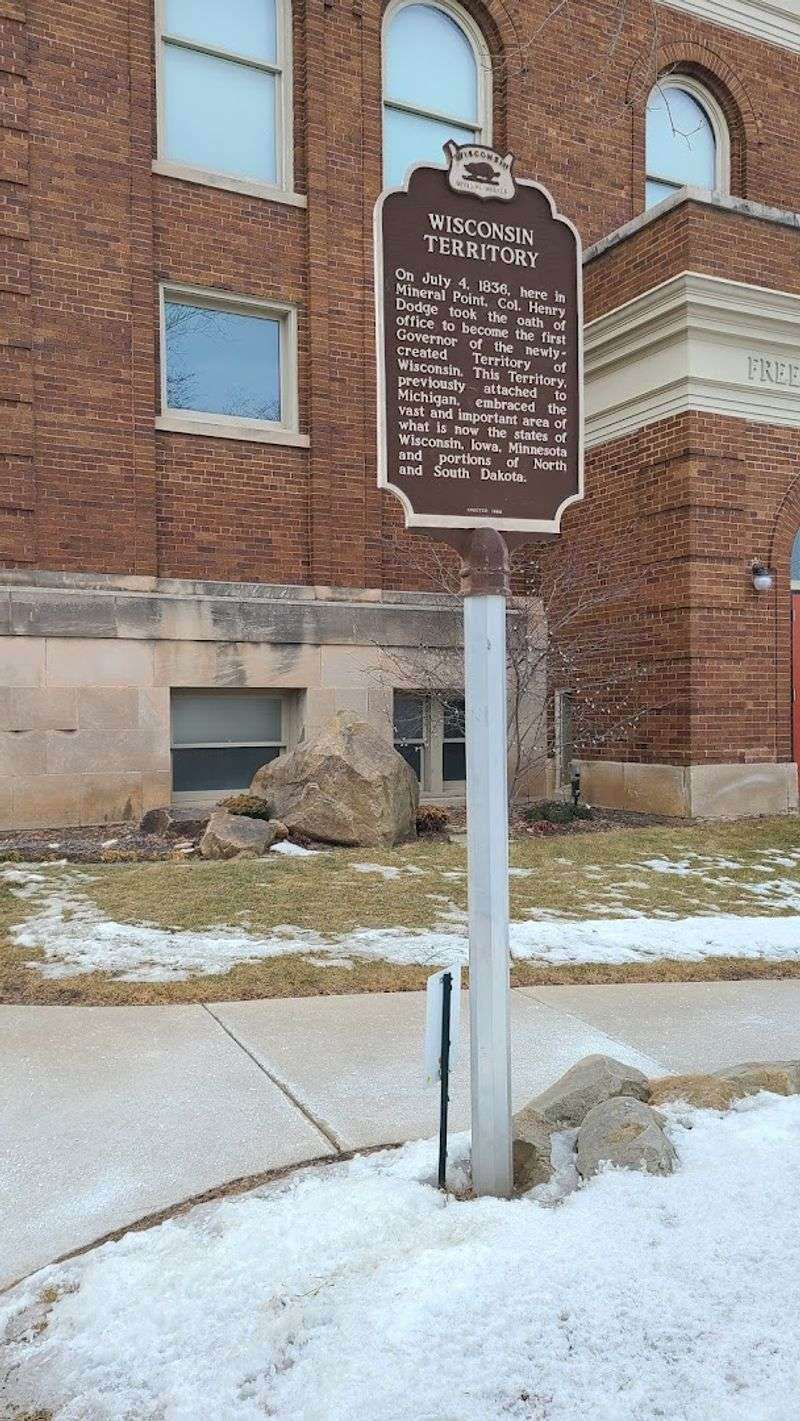
During the height of the lead rush in the 1830s, Mineral Point exploded into one of the largest settlements in the entire Wisconsin Territory. The population swelled past three thousand people, making it larger and more prosperous than Milwaukee at the time.
Fortunes were made overnight, and the town buzzed with miners, merchants, gamblers, and opportunists from around the world.
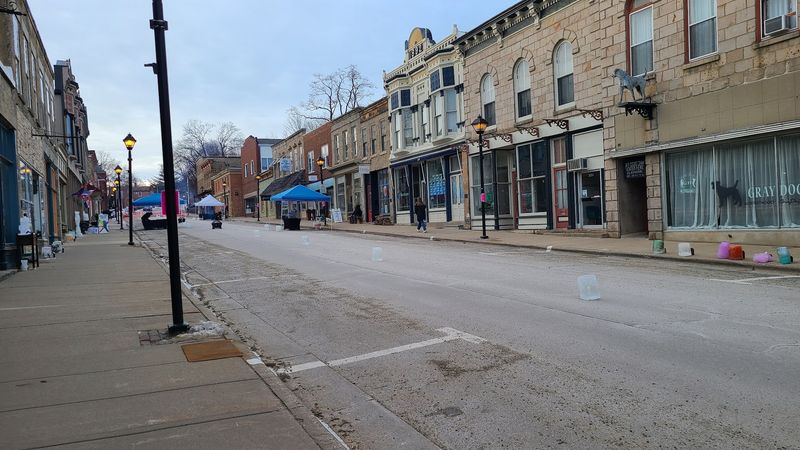
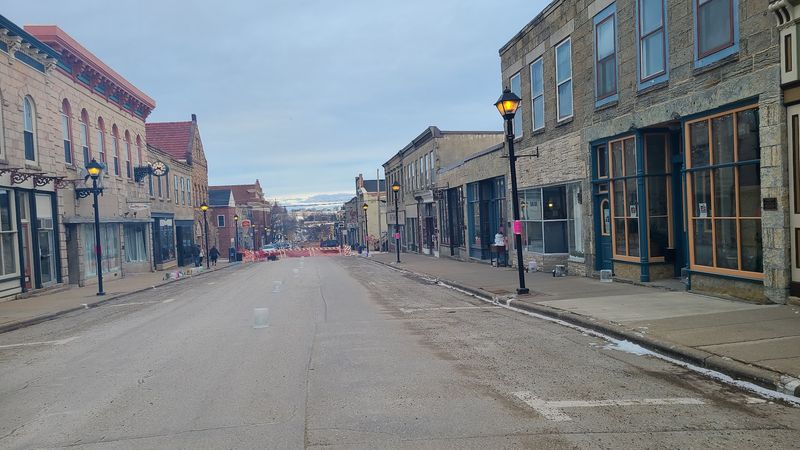
High Street became a commercial hub packed with shops, taverns, and boarding houses. Money flowed freely, and the town seemed destined to become the capital of the territory.
But the boom could not last forever, and when the richest veins ran dry, the population crashed just as quickly as it had grown.
Milwaukee eventually overtook Mineral Point and became the major city everyone expected this mining town to be. The reversal of fortune left behind empty buildings and fading dreams.
Old Mine Shafts Still Shape The Town
Hundreds of mine shafts were sunk beneath Mineral Point during the decades of frantic digging. Many were never properly sealed or mapped, and over time their locations were forgotten.
Streets and buildings now sit above a honeycomb of old tunnels and shafts, some reaching hundreds of feet down into the earth.
Sinkholes occasionally open without warning when the ground gives way above collapsed tunnels. Homeowners have discovered voids beneath their basements, and construction crews sometimes break through into forgotten chambers.
The instability makes development tricky, and certain areas remain off limits because no one knows what lies underneath.
Walking through town today, you might be standing directly above a shaft that once swallowed the lives of miners. The earth remembers what happened here, even if the records do not.
Lead Mining Left A Dark Mark Behind
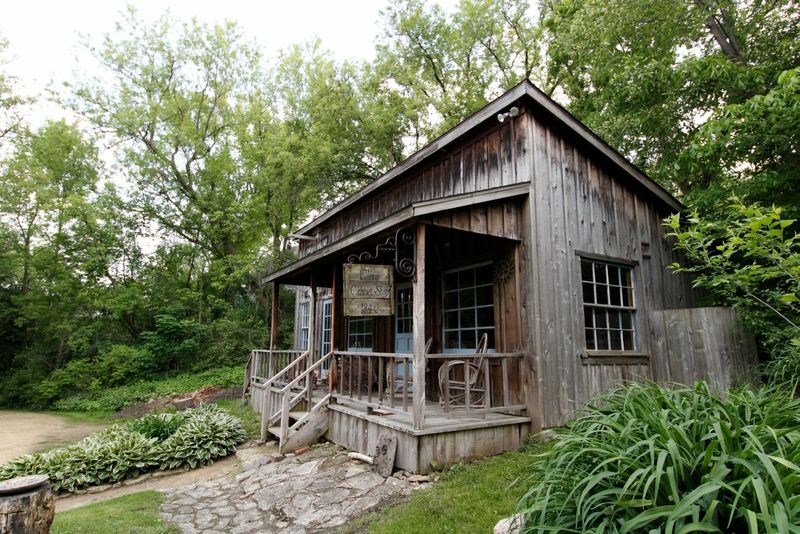
Lead mining was brutal work that destroyed bodies and shortened lives. Miners descended into narrow shafts with nothing but candles for light, breathing dust and fumes that scarred their lungs.
Cave-ins were common, and men were buried alive with little hope of rescue.
Lead poisoning was an unrecognized epidemic. Workers handled raw ore with bare hands, and the toxic metal seeped into their bloodstreams.
Children who worked alongside their parents showed signs of developmental damage, and entire families suffered from mysterious illnesses no doctor could cure.
The environmental damage was just as severe. Waste from the mines contaminated streams and soil, leaving scars that persist even now.
The wealth extracted from the ground came at a terrible cost, paid in suffering by people who had no other choice but to dig.
This Quiet Town Began As A Mining Frenzy
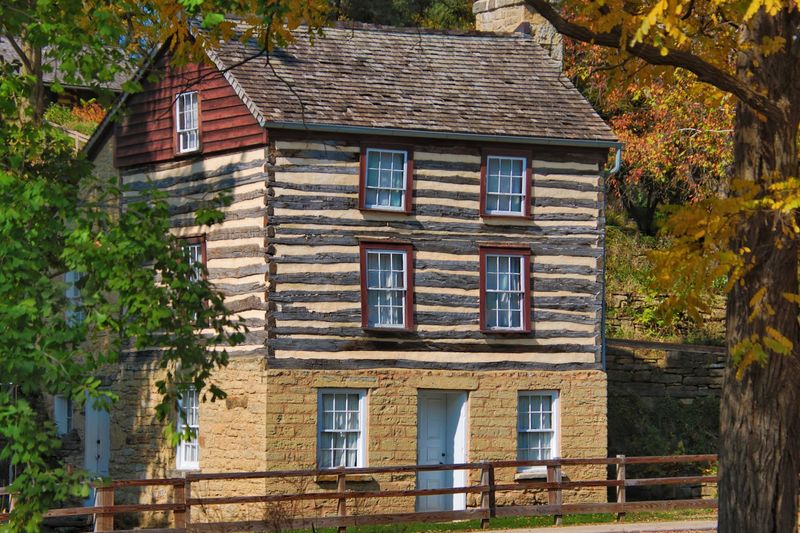
Before the stone cottages and orderly streets, Mineral Point was a lawless mining camp where survival mattered more than civilization. Prospectors staked claims wherever they found lead, and disputes were often settled with fists or worse.
Tents and rough shacks covered the hillsides, and sanitation was nonexistent.
Violence was a daily reality. Claim jumping led to shootings, and miners who struck it rich were targets for robbery.
Alcohol flowed constantly, and gambling houses ran all night. The camp had no real law enforcement, so justice was rough and immediate when it came at all.
The transition from chaos to community took years. Families eventually arrived, churches were built, and some semblance of order emerged.
But the wild early days left a legacy of hard living and harder deaths that shaped the character of the town.
Cornish Stone Cottages Still Stand Today
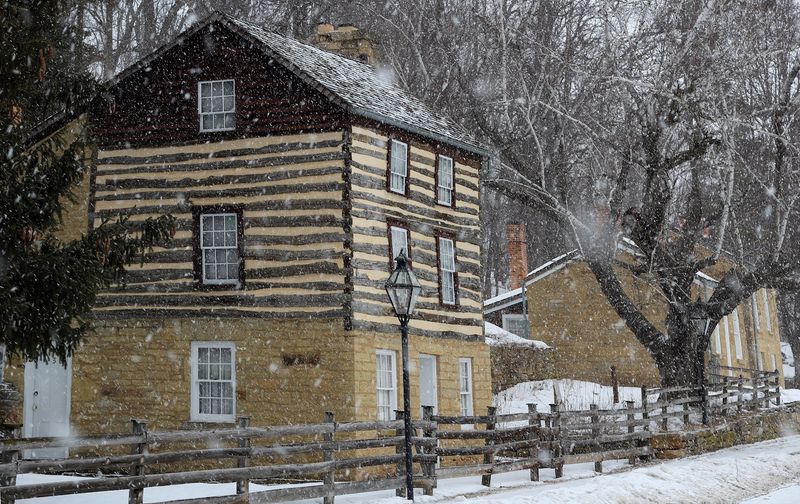
Miners from Cornwall, England brought their building traditions with them when they arrived in the 1830s. Unlike other settlers who built with wood, the Cornish used limestone quarried from local hillsides to construct sturdy cottages that resembled the homes they left behind.
These thick-walled structures were built to last, and many still stand along Shake Rag Street.
The cottages provided better shelter than the dugouts and wooden shacks, but they also witnessed their share of tragedy. Families crowded into small rooms, and disease could sweep through entire households.
Some buildings served as makeshift hospitals during epidemics, and death was a frequent visitor.
Preservation efforts have turned the historic district into a tourist attraction, but locals know the real stories behind the pretty facades. The stones have absorbed generations of hardship and loss.
Fear Once Brought A Fort To Town
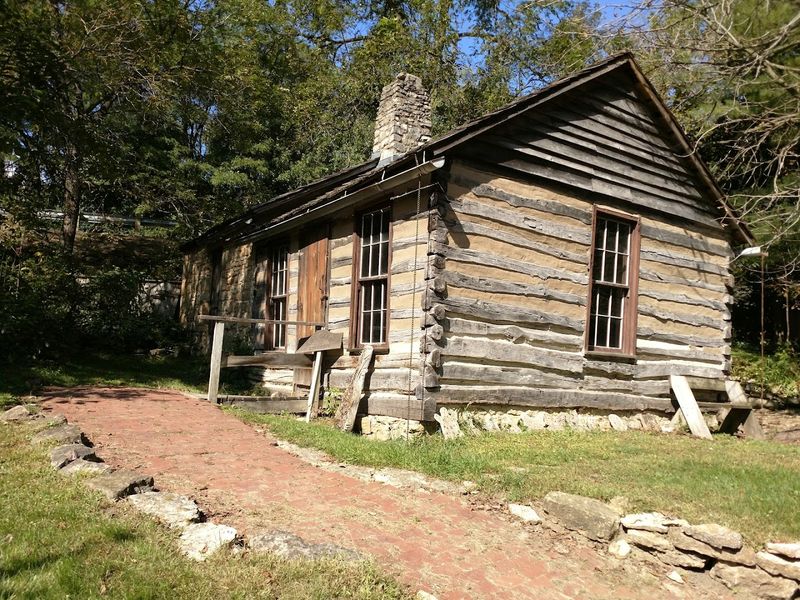
Tensions between settlers and Native American tribes reached a breaking point during the Black Hawk War of 1832. Mineral Point sat on the edge of contested territory, and residents feared attacks as conflict spread across the region.
The territorial government ordered construction of Fort Jackson, a wooden stockade built in the center of town.
Families huddled inside the fort walls for weeks, abandoning their homes and mines. Food ran short, and panic spread with every rumor of approaching warriors.
The fort was poorly constructed and would have offered little real protection, but it gave frightened settlers somewhere to gather.
The war ended without Mineral Point seeing direct combat, but the fear never fully left. The fort was eventually torn down, but the site remains a reminder of how close the town came to violence during its early years.
Mining Life Was Dangerous And Brutal
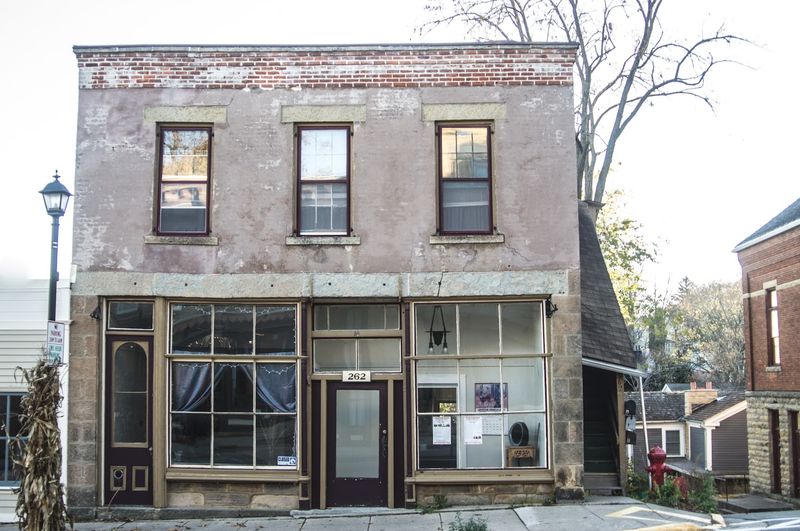
Death was an ordinary part of mining life. Explosions from black powder blasts killed men instantly or left them maimed.
Rope failures sent miners plummeting down shafts, and rockfalls crushed bodies beyond recognition. Rescue attempts were often futile because equipment was primitive and help arrived too slowly.
Widows and orphans became common sights in Mineral Point. Families lost their breadwinners with no compensation and little community support.
Women took in laundry or boarders to survive, and children went to work in the mines themselves, continuing the cycle of danger.
Accidents were rarely investigated, and bodies were buried quickly in unmarked graves. The town cemetery filled with miners who died young, their stories forgotten as quickly as their graves were dug.
The human cost of the lead boom was staggering and largely ignored.
The Old Depot Remembers The Mining Boom
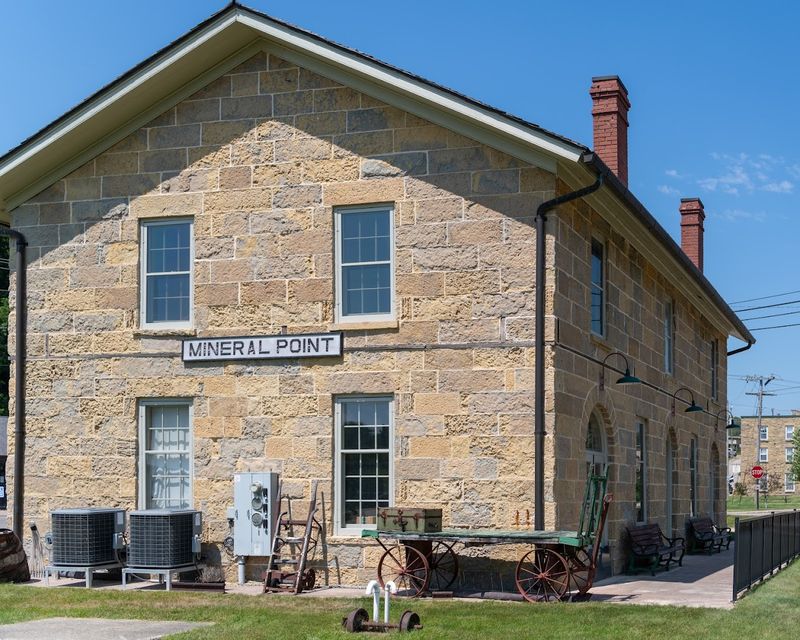
The railroad arrived in Mineral Point in 1857, connecting the isolated mining town to larger markets. The depot became the economic heart of the community, shipping out lead ore and bringing in supplies and new workers.
Fortunes were made and lost based on what arrived or departed from the platform.
The depot also witnessed countless farewells as miners left to seek opportunities elsewhere when the boom ended. Families split apart, some heading west to new mining camps while others returned east.
The building saw more sadness than celebration as the town slowly emptied.
Today the depot stands as a museum at 98 Commerce Street, preserving artifacts from the mining era. Visitors walk through rooms that once bustled with desperate energy, but the building cannot fully convey the desperation and disappointment that passed through its doors.
A Cemetery Legend Still Gives People Chills
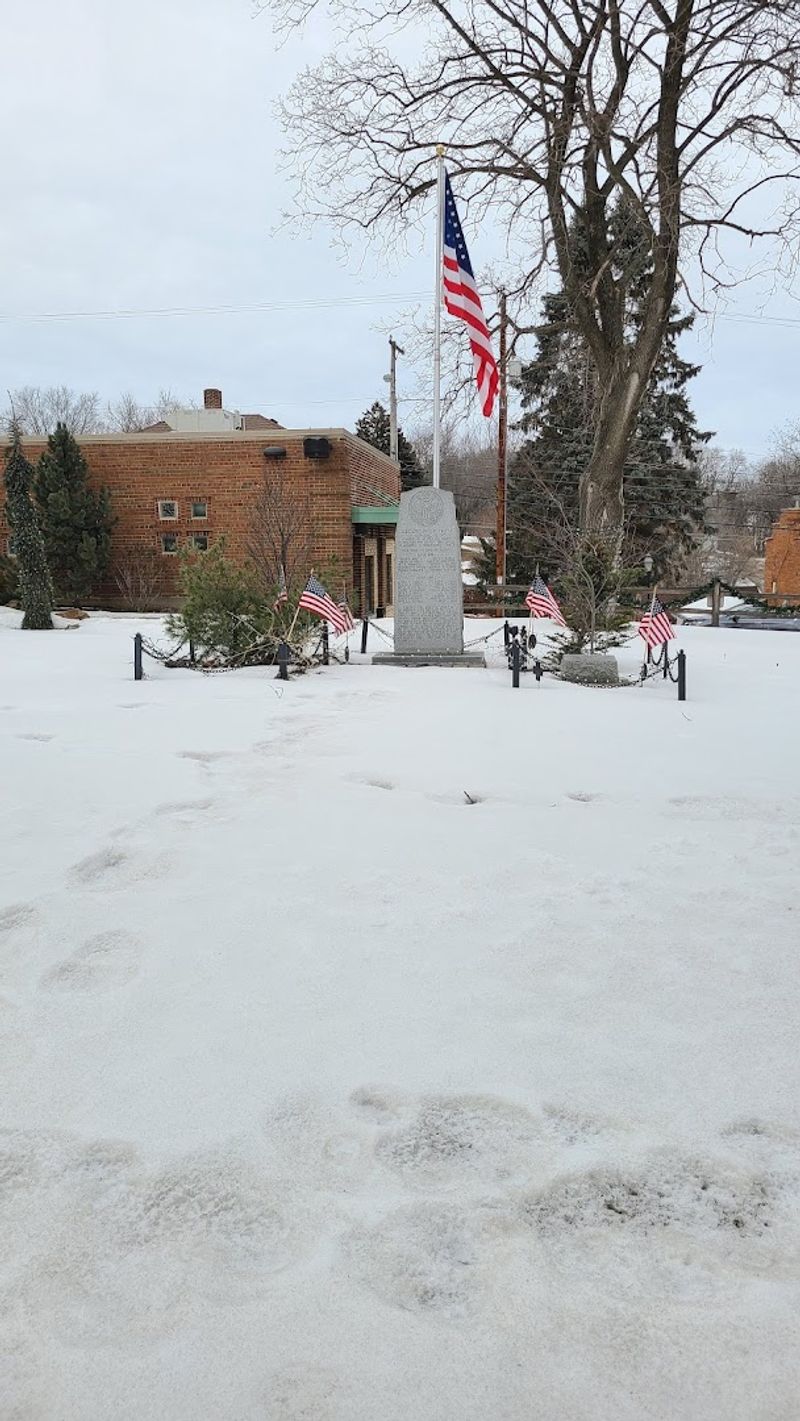
Local folklore speaks of restless spirits in the old cemetery, particularly those of miners who died violent deaths underground. Visitors report strange sounds and cold spots near certain graves, especially after dark.
Some claim to have seen shadowy figures moving between the headstones, always disappearing when approached.
One grave in particular draws attention because the headstone shows signs of unexplained movement. Despite being reset multiple times, it shifts out of alignment, tilting at odd angles as if something beneath refuses to rest.
Skeptics blame frost heave and ground settling, but locals prefer darker explanations.
Cemetery workers avoid certain sections when working alone. They report feelings of being watched and hearing whispers in languages they cannot identify.
Whether the stories are true or simply the product of small-town imagination, the cemetery maintains an unsettling reputation.
Graceland Cemetery Has A Strange Local Tale
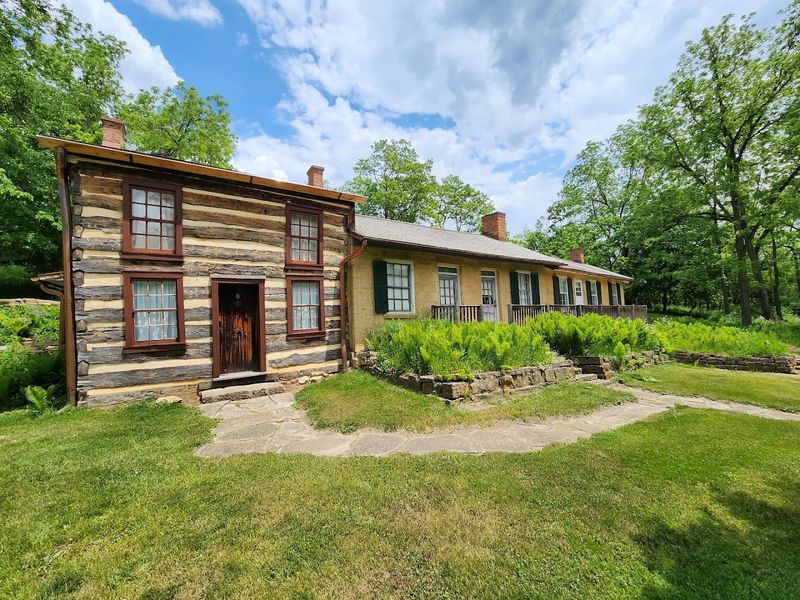
Graceland Cemetery sits on the edge of town at 307 Jail Street, holding the remains of hundreds of early residents. Among the weathered stones lies a grave that locals call cursed, though records of who is buried there have been lost.
According to legend, anyone who disturbs the site will suffer misfortune within days.
The story gained credibility in the 1960s when teenagers vandalized several graves including the cursed one. Within a week, three of them were involved in serious accidents, and one disappeared for several days with no memory of where he had been.
The coincidence was enough to keep most people away.
Groundskeepers maintain the cemetery but give the grave a wide berth. Fresh flowers sometimes appear there despite no known relatives, and the ground around it never seems to grow grass properly.
The mystery remains unsolved.
Pretty Streets Hide A Rough Frontier Past
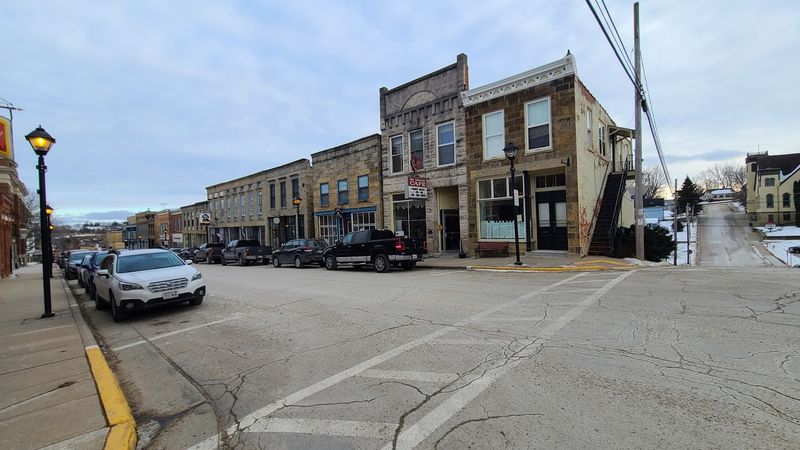
Modern Mineral Point has reinvented itself as an arts community with galleries, shops, and restored historic buildings. Tourists stroll High Street admiring the architecture and browsing antique stores, unaware of the violence and desperation that once filled these same blocks.
The transformation is remarkable but incomplete.
Beneath the fresh paint and flower boxes, the bones of the frontier town remain. Buildings that now house cafes once served as saloons where fights erupted nightly.
Pretty residential streets were once lined with brothels and gambling dens that operated openly. The rough edges have been smoothed away, but the foundation is still rough-cut stone.
Long-time residents remember when the town was shabby and half-empty, before preservation became fashionable. They appreciate the revival but sometimes miss the authenticity of a place that wore its scars openly instead of hiding them behind charm.