
8 Florida Towns Facing Population Declines Because Of Record-High Property Taxes
Property taxes high enough to reverse a lifetime of residency decisions are doing exactly that across these Florida towns. Families who planned to stay are doing the math and arriving at conclusions nobody anticipated when they first signed the deed.
The departures accumulate quietly at first. A neighbor here, a longtime family there, until the pattern becomes impossible to ignore from any front porch on the street.
Residents who remain describe a community changing faster than anyone planned for. The character that made these towns worth living in starts losing the people most responsible for maintaining it.
Record high property taxes rarely arrive with a visible solution attached. These Florida towns are living that reality directly, watching population decline answer a financial question that local government has yet to resolve.
1. Cape Coral
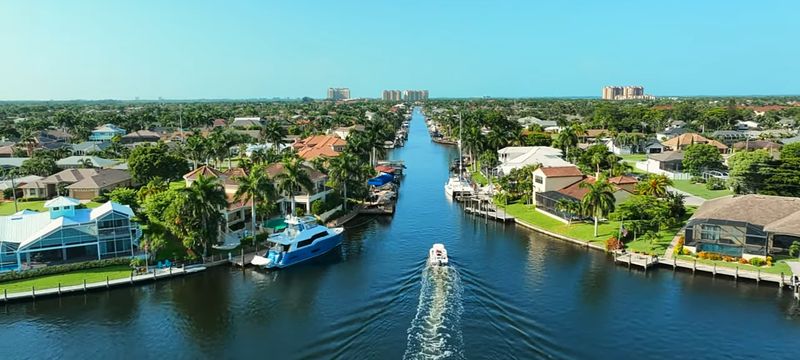
Property taxes in this Lee County city have climbed steadily since 2020, with total taxes and assessments rising significantly over the past several years.
For many homeowners, that number shows up directly in their monthly mortgage payments, often without warning.
A city that once drew people in with affordable waterfront living is now pushing some of them back out.
Cape Coral built its reputation on space, sunshine, and relative affordability. It is one of the largest cities by land area in the United States, and for years, that combination of size and value was a serious draw.
The calculus has changed for a growing number of residents who find themselves squeezed between rising property taxes, spiking homeowners’ insurance costs, and stagnant wages.
Homeowners’ insurance is a compounding factor. Florida’s average annual premium is among the highest in the nation, driven largely by hurricane exposure, and Cape Coral’s coastal position makes it no exception.
When property tax increases land on top of insurance hikes in the same year, the monthly hit can be significant enough to change plans.
Home prices in the Cape Coral area have declined year over year, leaving some owners in a difficult position. The equity they were counting on is shrinking while their carrying costs keep climbing.
For residents on fixed incomes or tight budgets, staying is starting to feel like a losing proposition.
2. Homestead
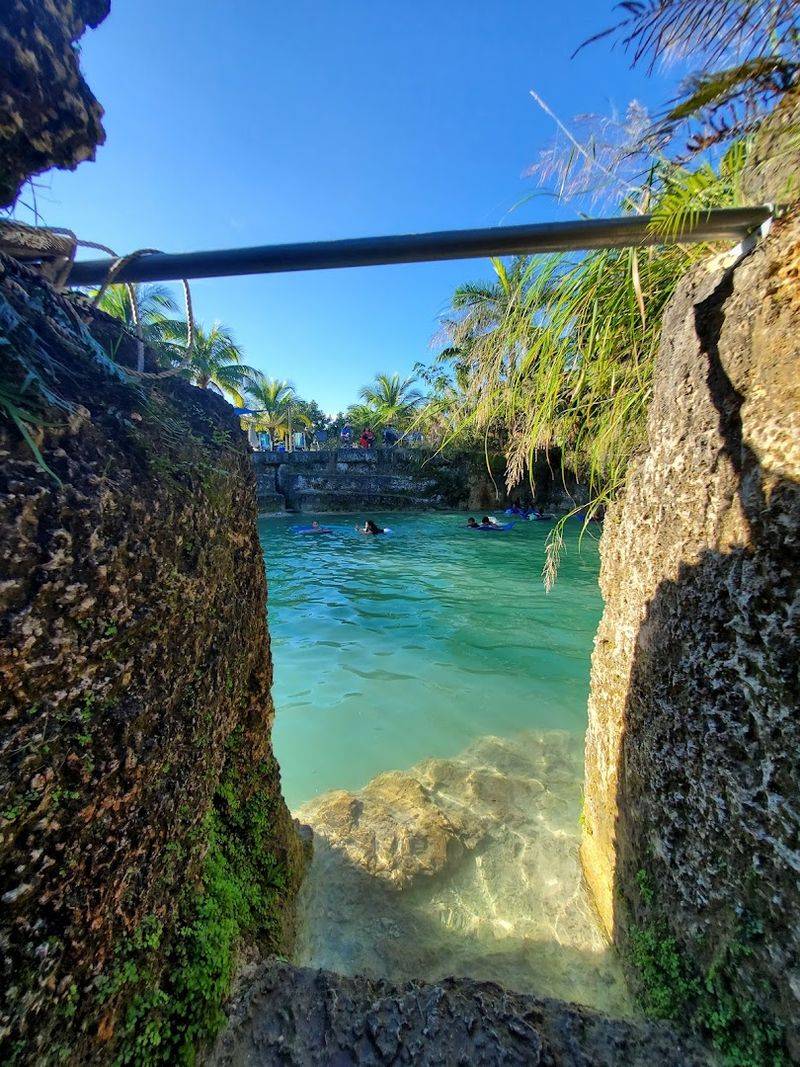
For a city that built its identity around affordability, the financial pressure on Homestead residents has become increasingly difficult to ignore.
Sitting at the southern edge of Miami-Dade County, this working-class community has long served as a more accessible entry point into South Florida living. That reputation is being tested.
Property taxes across Florida climbed dramatically over the past decade, and Miami-Dade County is among the hardest-hit regions in the state.
For Homestead residents, many of whom are hourly workers, young families, and retirees on fixed incomes, even incremental increases in housing costs carry real consequences. There is little financial cushion to absorb them.
Homeowner insurance compounds the problem. Florida carries some of the highest premiums in the country, driven by hurricane exposure, and Homestead knows that risk firsthand.
The city took a direct hit from Hurricane Andrew in 1992 and has rebuilt its identity around resilience ever since. But resilience has limits when annual carrying costs keep climbing.
Renters are not insulated either. As ownership costs rise, landlords pass the pressure down the chain.
The result is a community where staying put is becoming a financial calculation rather than a given.
Homestead has not collapsed under these pressures. But the margin that once made it an affordable choice in one of the most expensive metros in the country is quietly shrinking.
3. St. Petersburg
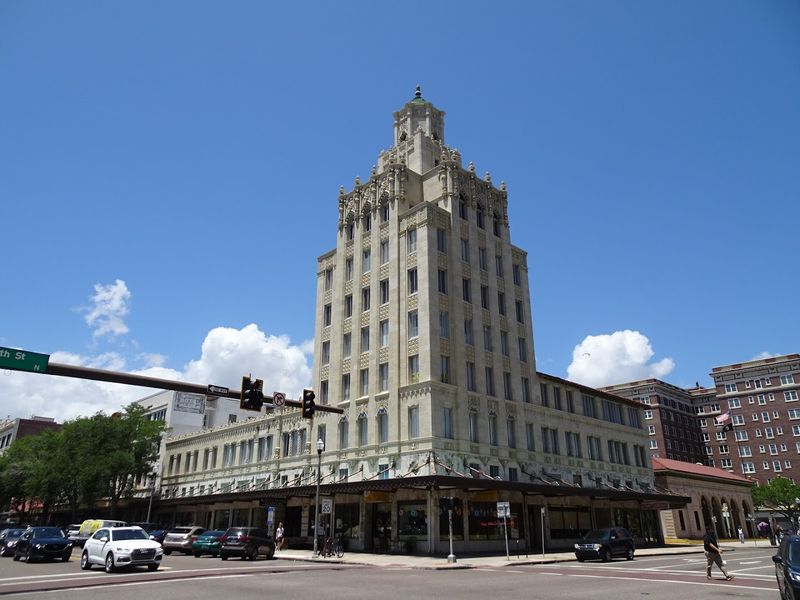
Pinellas County lost nearly 12,000 residents between July 2024 and July 2025, with St. Petersburg at the center of that trend.
Two back-to-back hurricanes in the fall of 2024 accelerated a trend that was already building. Residents who packed up after Helene and Milton did not only cite storm damage when explaining their decision to leave.
Affordability kept coming up in interviews, and it is not hard to understand why. Soaring property values have pushed tax bills higher even as the city has cut its millage rate for four consecutive years.
When the taxable value of the entire city climbs by double digits, rate cuts offer limited relief to individual homeowners.
The wealth gap is widening visibly. Luxury development has transformed downtown while working-class and middle-income residents find themselves increasingly priced out.
Nearly half of all households in Pinellas County cannot cover basic living expenses, according to United Way data. Families with school-aged children are leaving in enough numbers that the school district has begun closing and consolidating schools.
St. Petersburg is not collapsing. But the version of the city that working families once called home is becoming harder to hold onto.
4. Hialeah
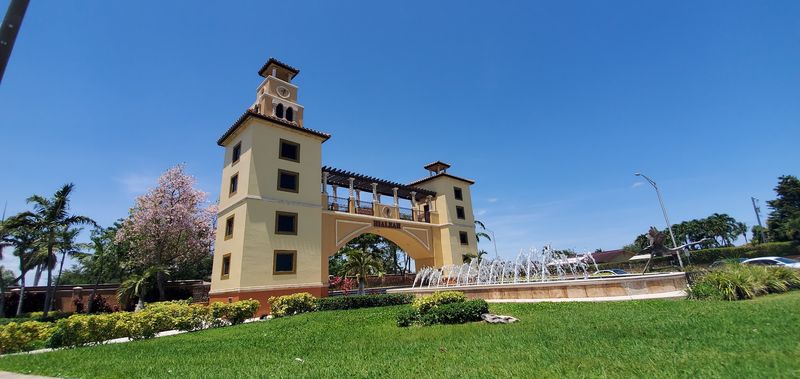
The seventh-largest city in Florida has been quietly losing residents. Hialeah sits in Miami-Dade County, one of the most expensive counties in the state, and the financial pressure on its working-class community is real and measurable.
The city is overwhelmingly Latino and largely immigrant, with nearly three-quarters of residents born outside the United States.
Most households rely on modest incomes, leaving little room to absorb rising housing costs.
Miami-Dade homeowners face some of the highest combined property tax bills in the state, and home values in Hialeah have climbed sharply despite wages that have not kept pace.
The mismatch between rising ownership costs and flat earning power is the central tension. Residents who bought years ago are seeing their tax assessments climb as the surrounding market inflates around them.
Those renting face landlords passing the same pressures down the chain. Either way, the squeeze is the same.
For a city built by immigrants who came seeking stability and affordability, the erosion of that promise carries particular weight. Hialeah was never glamorous, but it was always accessible.
That reputation is becoming harder to sustain.
5. Miami Beach
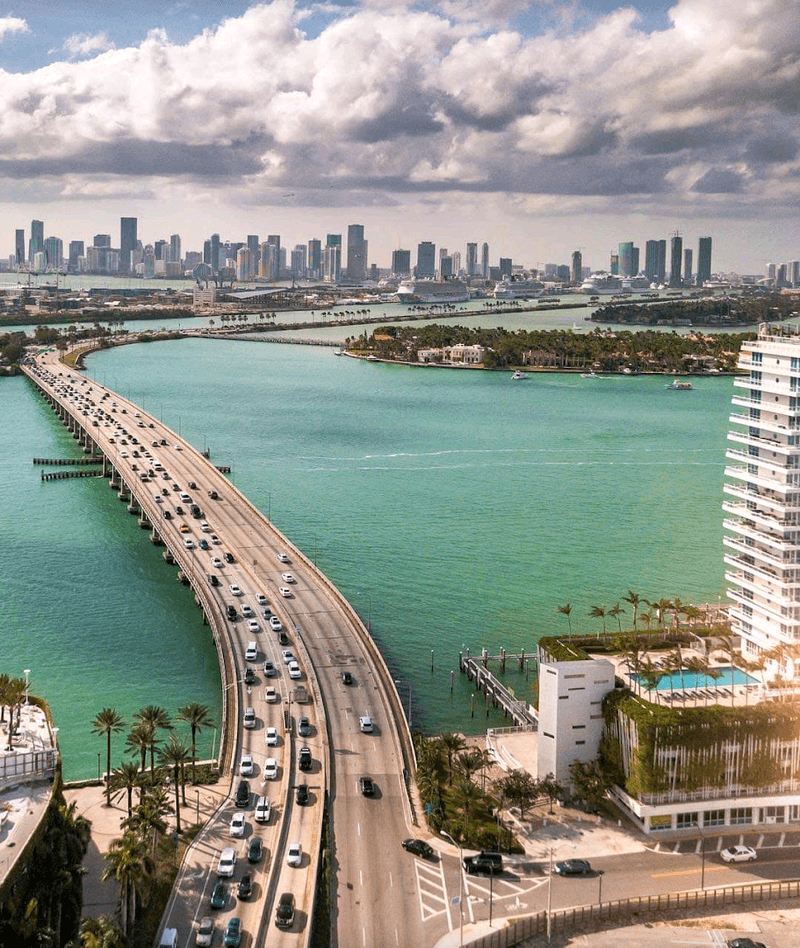
Among Florida’s 100 largest cities, none has shed more of its population over the past decade than Miami Beach. The city peaked at over 92,000 residents in 2015 and has been steadily losing population ever since, a decline that shows no sign of reversing.
The numbers reflect a city that has priced out the very people who gave it texture and character.
Miami Beach’s high property values have pushed housing costs beyond what many working and middle-class residents can afford.
The cost of living in the broader Miami area now runs roughly 20 percent above the national average, and Miami Beach is among its most expensive corners.
What remains is increasingly a city of luxury. By the end of 2025, Miami had the largest active million-dollar property inventory in the country, and much of that concentration sits on the beach.
High-net-worth buyers and international investors continue to arrive, absorbing the market at the top while pushing longtime residents out the bottom.
The result is a hollowing out rather than a collapse. Hotels fill, restaurants stay busy, and the Art Deco facades look as polished as ever.
But the people who used to live there full time, who built communities and stayed through the off-season, are largely gone. What replaced them is a city that functions more as a destination than a neighborhood.
6. Fort Myers Beach
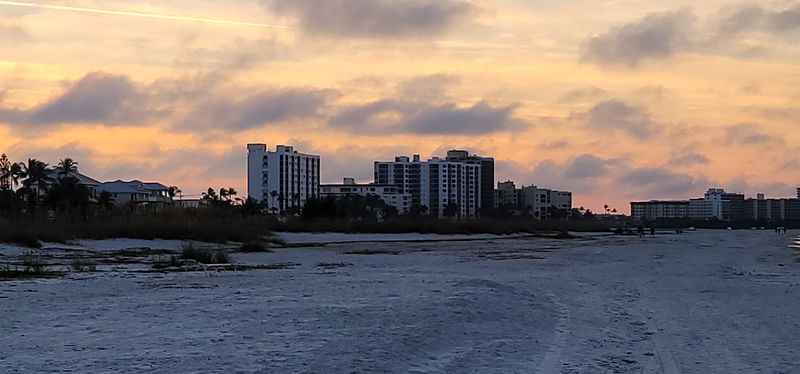
For generations, Fort Myers Beach was what locals called the working man’s beach. Cottages lined Estero Island, mom-and-pop businesses filled the strip, and middle-income families from across the Midwest returned summer after summer.
Hurricane Ian ended that era in a single afternoon.
When the Category 4 storm made landfall in September 2022, the storm surge that followed was devastating.
The town lost nearly a quarter of its population in the years after, a decline of 21.8 percent between 2019 and 2024, and projections show the drop continuing.
Many residents who evacuated never came back, and the reasons go beyond the storm itself.
Insurance is at the center of the story. Of the more than 700,000 claims filed across Florida after Ian, roughly a third were rejected or remained unpaid.
Fort Myers Beach homeowners who suffered storm surge damage found that without flood insurance, windstorm policies paid out a fraction of actual losses.
Local officials said slow and inadequate payouts were forcing longtime residents to sell and leave the island. Annual insurance premiums surged after the storm, making homeownership unaffordable for many residents.
What is replacing them is a different kind of community entirely. Luxury redevelopment has moved in where cottages once stood.
The beach remains, but the people who defined it are largely gone.
7. Sarasota
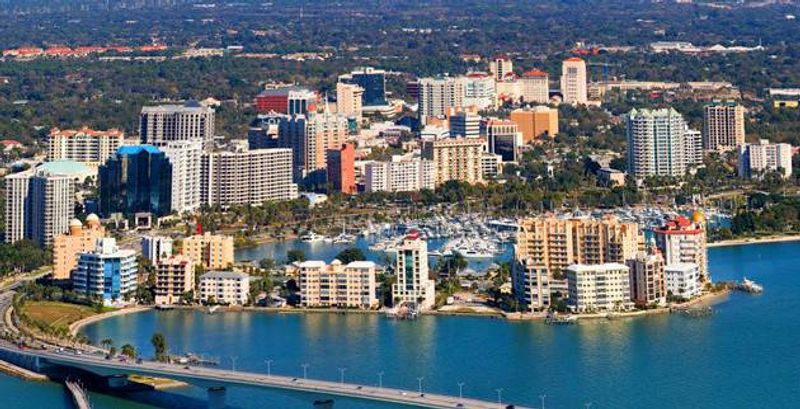
Some cities grow, while others shrink, but Sarasota has done something more telling than either. Over the past five years, its population has barely changed despite Florida’s historic pace of growth.
When everything around you is booming and you are standing still, that is its own kind of signal.
The city sits in one of Florida’s most desirable corridors, with Gulf Coast beaches, a thriving arts scene, and a reputation that draws retirees and remote workers alike.
Rising home values are squeezing out many working and middle-class residents. The people arriving tend to have money.
Home prices in the North Port-Sarasota area have seen one of Florida’s steepest declines, reflecting an overheated market correction.
Sellers are cutting prices, inventory is rising, and homes are sitting on the market longer. That correction is not a sign of health.
It is a sign that the market ran too far ahead of the people who actually live there.
For longtime residents watching their property assessments climb alongside insurance bills, the math has become difficult to ignore. Sarasota remains beautiful.
Whether it remains attainable is a different question entirely.
8. Opa-locka
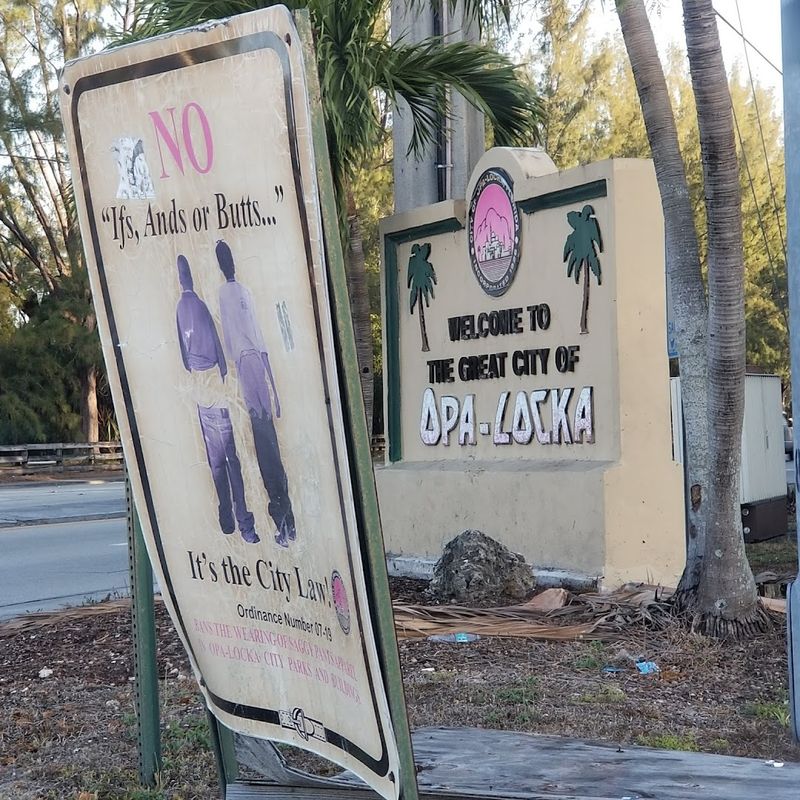
Few places in Florida illustrate the disconnect between property tax burdens and household income as starkly as Opa-locka.
The small Miami-Dade city has one of the state’s highest property tax rates, while nearly a third of residents live below the poverty line.
The math is brutal. Home values in Opa-locka have climbed significantly over the past two decades as South Florida’s broader market expanded, pulling assessed values and tax bills upward with them.
But incomes have not followed. The result is a community where the cost of staying in a home has risen sharply for people with little capacity to absorb it.
Opa-locka has faced decades of fiscal and infrastructure struggles. The city was placed under state financial oversight for years, a reflection of how deeply its resources have been strained.
Services are limited, roads are aging, and the gap between what residents pay and what they receive in return has long been a source of frustration.
For homeowners who have stayed through decades of difficulty, rising tax assessments tied to a market they never benefited from feel like a final indignity. The city’s history is rich, its Moorish Revival architecture unlike anything else in Florida.
But that architectural legacy offers little comfort to residents watching ownership costs climb beyond their means.