
The Delicious Buttermilk Biscuits At This Mississippi Buffet Keep Guests Coming Back Again And Again
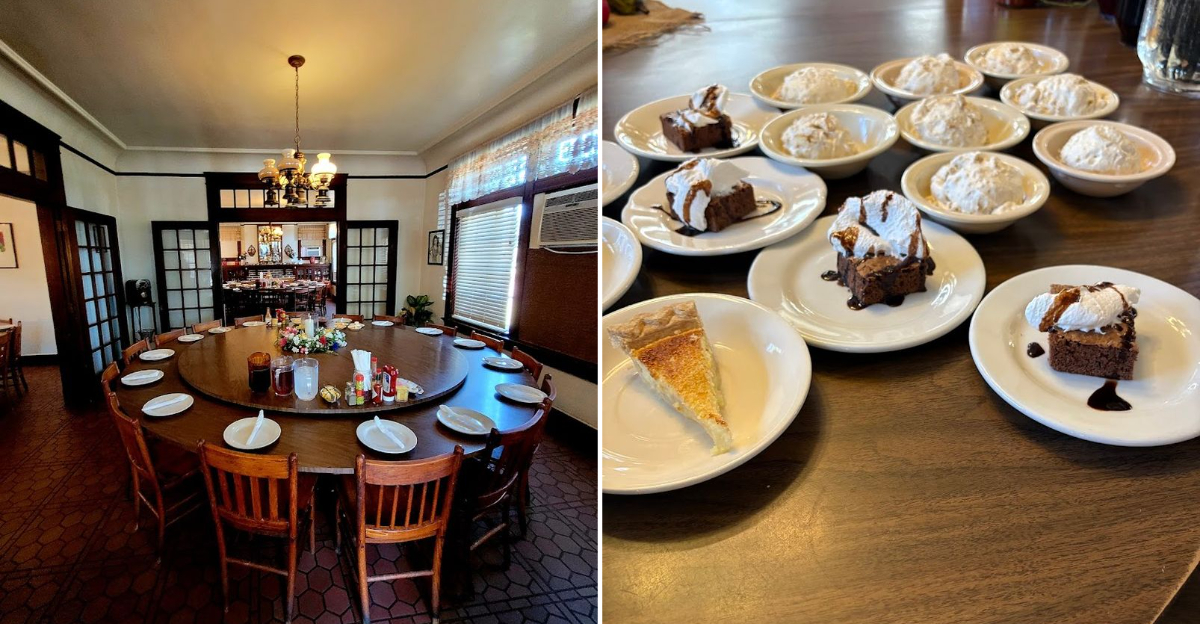
Buttermilk biscuits worth returning for specifically represent a standard that most buffets never set for themselves and fewer still achieve. This Mississippi spot set it anyway and has been meeting it without interruption ever since.
The biscuit here arrives with the particular lightness that only develops when a kitchen refuses to rush the process. Regulars who have eaten hundreds of them describe each one with the same enthusiasm as the first.
First timers who reach for one expecting ordinary leave the bread station having completely revised their plans for the rest of the plate. The biscuit demands that kind of attention before anything else on the buffet gets a fair chance.
A single item generating this level of repeat visits solved something that most kitchens spend careers attempting. The buffet delivers on everything else, but the buttermilk biscuit is the reason the calendar gets marked and the drive gets made.
Origins And History Of Buttermilk Biscuits
Long before grocery store bread existed, Southern cooks were perfecting biscuits. British and Scottish settlers brought bread-making traditions to Mississippi.
Southern cooks adapted those recipes using local ingredients they had on hand.
Early Southern biscuits were considered a treat. Before the Civil War, families often saved them for Sunday meals only.
They were not everyday food back then. They meant something special was happening at the table.
Buttermilk biscuits as we know them today developed during the 19th century. In 1845, Alexander P.
Ashbourne invented the biscuit cutter. That small invention changed Southern kitchens forever.
Suddenly, biscuits could be cut quickly and consistently.
The Dinner Bell, located at 229 5th Ave, McComb, MS 39648, carries this tradition proudly. Every biscuit served there connects to a long history of Southern home cooking.
It is not just food. It is living history on a plate.
Southern biscuits evolved from European scones but became something entirely their own. The use of buttermilk gave them a tangy depth that no other bread could match.
That distinct flavor became the signature of Southern hospitality. Places like The Dinner Bell keep that legacy alive every single day they open their doors.
Techniques For Creating Fluffy Biscuit Texture
Cold butter is the real secret behind a fluffy biscuit. When cold butter hits a hot oven, it releases steam.
That steam pushes the dough upward, creating those beautiful flaky layers everyone loves.
Grating frozen butter directly into the flour mixture is a pro move. It distributes the fat evenly without overworking the dough.
Overworking the dough is actually the most common biscuit mistake people make.
Mix until the dough just barely comes together. It should look slightly shaggy and feel a little sticky.
That stickiness is a good sign, not a problem. Resist the urge to keep kneading.
Folding the dough a few times before cutting creates distinct layers. When you cut with the biscuit cutter, press straight down.
Never twist the cutter. Twisting seals the edges and prevents the biscuit from rising properly.
Baking biscuits close together in the pan encourages them to rise upward instead of spreading sideways. Fresh baking powder makes a real difference in lift.
Old leavening agents lose their power over time. Low-protein flour, like soft winter wheat flour, keeps the texture tender rather than chewy.
These techniques together produce biscuits that are tall, golden, and pull apart in soft, steamy layers every single time.
Key Ingredients That Define Authentic Flavor
All-purpose flour is the starting point for every great biscuit. Many Southern bakers specifically reach for White Lily flour.
It comes from soft winter wheat and produces a noticeably lighter, more tender biscuit than regular flour.
Cold unsalted butter brings flakiness and rich flavor. Some older recipes use vegetable shortening or lard instead.
Both options create a different texture but still deliver that satisfying Southern bite.
Cold buttermilk is non-negotiable in an authentic recipe. It tenderizes the dough and adds a tangy flavor that sets Southern biscuits apart.
Without buttermilk, you just have a plain roll. With it, you have something worth talking about.
Baking powder and baking soda work together as leavening agents. They react with the buttermilk to create rise and lift.
Salt sharpens all the other flavors in the dough. Some recipes add a small amount of granulated sugar for subtle sweetness and extra tenderness.
Each ingredient plays a specific role. Nothing is accidental in a well-made biscuit recipe.
The balance of fat, acid, leavening, and flour determines whether your biscuit rises tall or falls flat. Get the ingredients right, and the biscuit almost makes itself.
That is the beauty of a recipe refined over generations of Southern cooking tradition.
Pairing Biscuits With Classic Southern Dishes
Biscuits and sausage gravy are practically inseparable at a Southern breakfast table. The thick, peppery gravy soaks right into the biscuit.
Every bite is rich, filling, and completely satisfying.
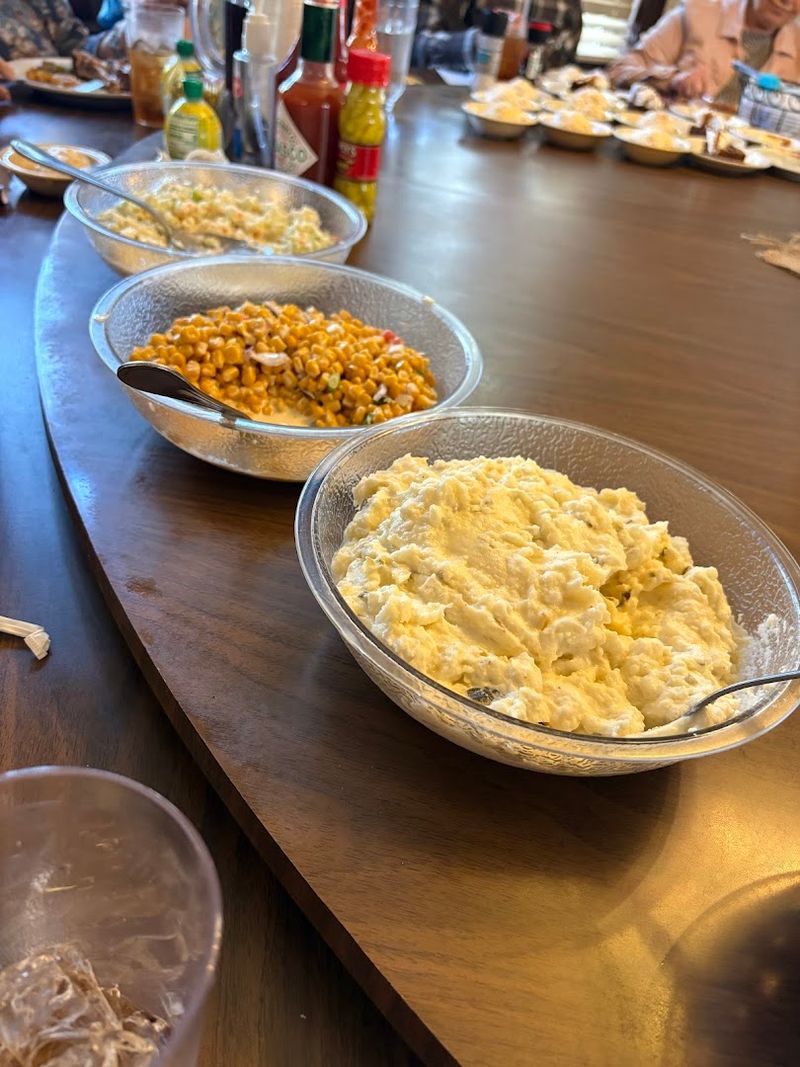
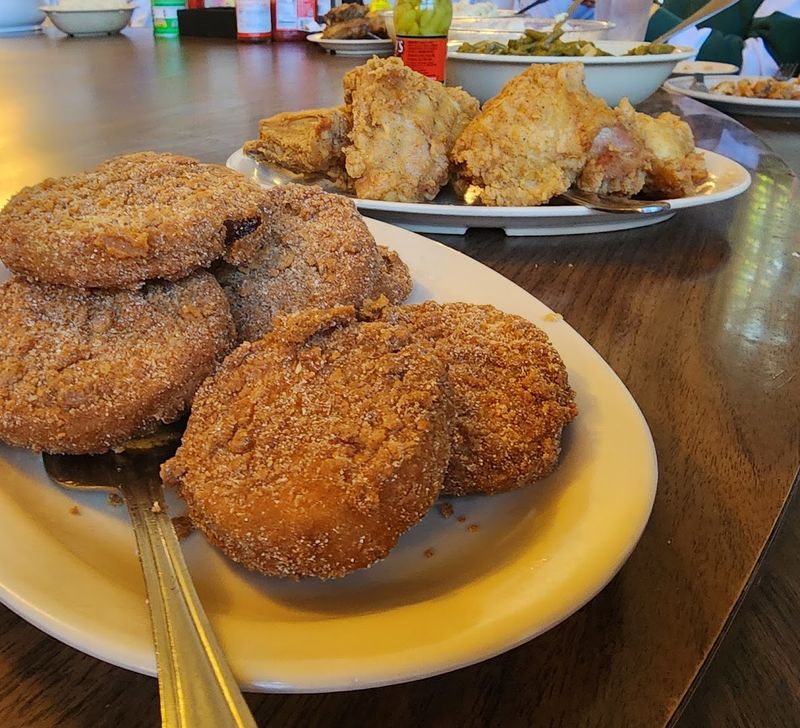
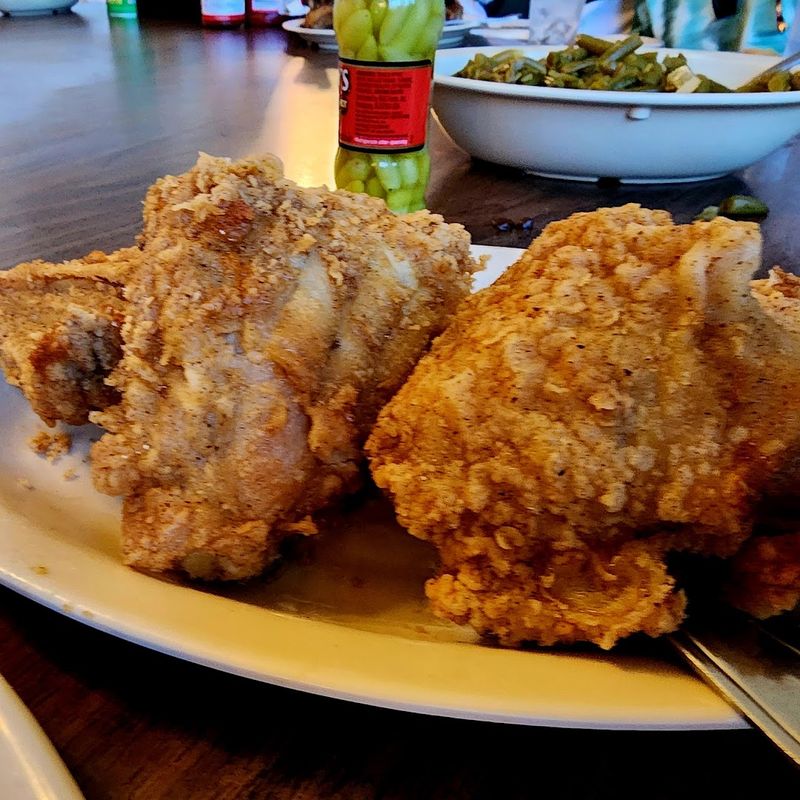
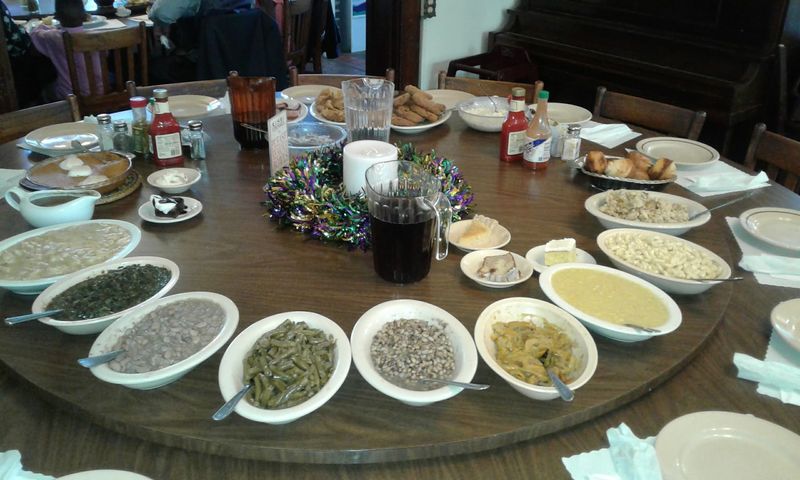
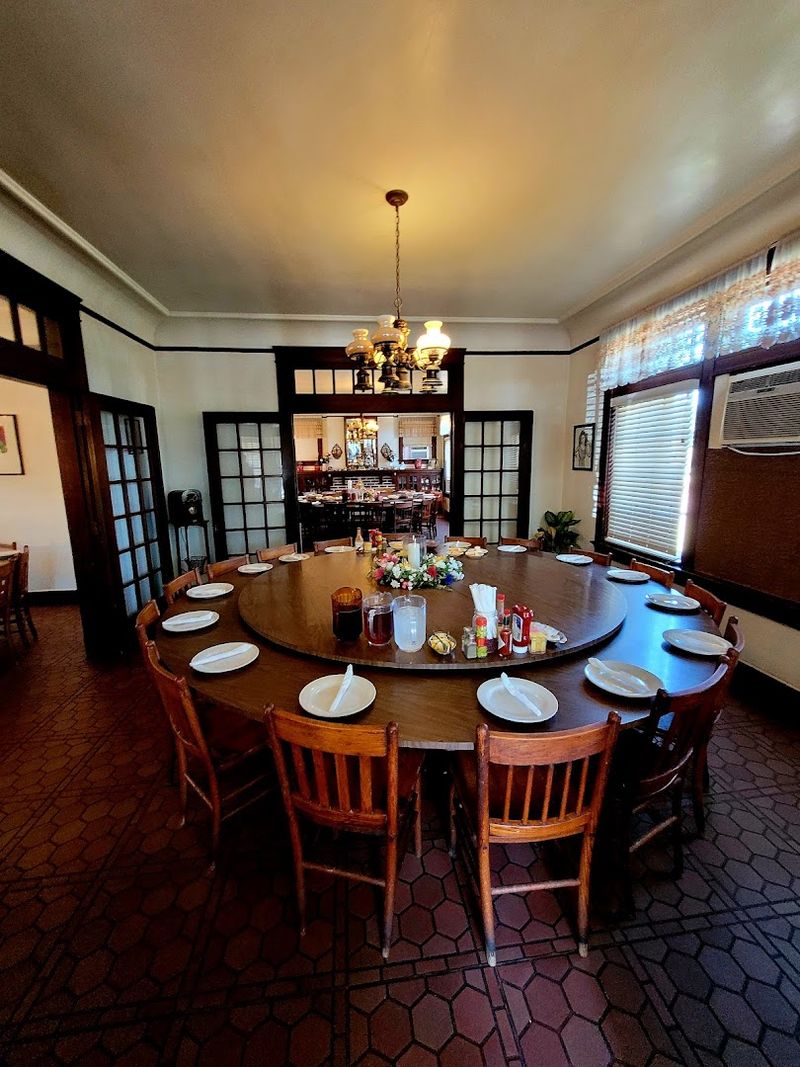
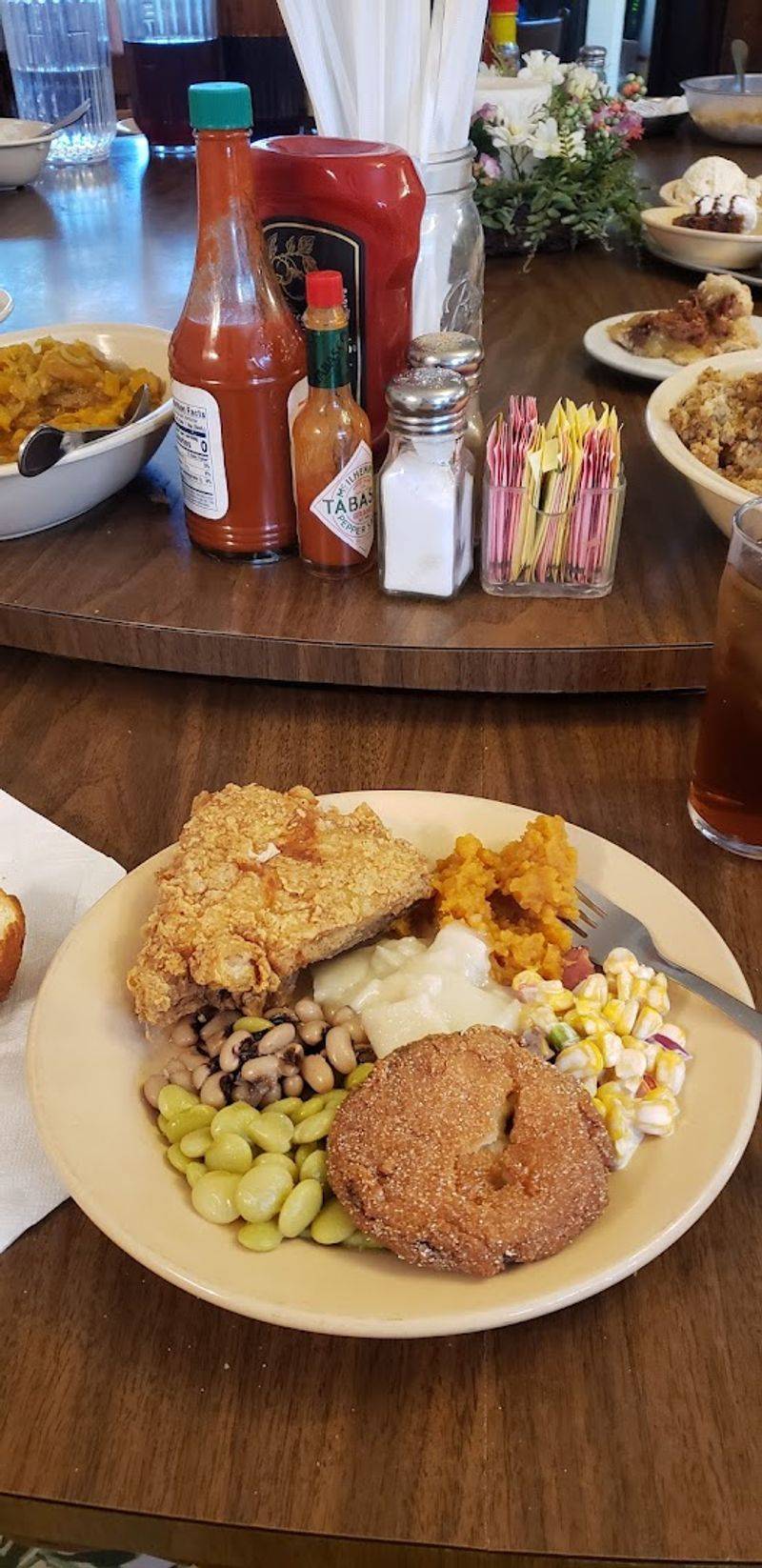
At The Dinner Bell, the lazy Susan spins with fried chicken, pork chops, creamed corn, and collard greens. A warm biscuit belongs next to all of it.
It is the utility player of Southern cuisine. It works with everything.
Eggs, bacon, and country ham are classic morning pairings. The slightly tangy biscuit balances the saltiness of cured meats.
That contrast is not accidental. Southern cooks understood flavor balance long before food magazines made it trendy.
For a sweeter direction, biscuits pair beautifully with fig preserves, blackberry jam, or a slow drizzle of honey. The buttery biscuit becomes almost dessert-like.
Kids go crazy for it. Adults pretend they are being restrained but take a second one anyway.
Fried chicken on a biscuit is a full meal in itself. The crunch of the chicken against the soft biscuit creates a satisfying texture contrast.
Add a little hot sauce, and you have something truly memorable. Southern food is about layering simple ingredients into something greater.
Biscuits are the glue that holds the whole meal together at a table like The Dinner Bell.
Cooking Methods That Enhance Biscuit Freshness
A hot oven is the first rule of great biscuit baking. Preheat to somewhere between 400 and 450 degrees Fahrenheit.
That high heat is what creates the golden crust while keeping the inside soft and pillowy.
Bake biscuits for about 10 to 16 minutes, depending on size. Watch for that golden-brown color on top.
Pale biscuits mean the oven was not hot enough. Golden biscuits mean you did everything right.
Brushing the tops with melted butter or heavy cream before baking adds color and richness. It gives the biscuit that glossy, bakery-style finish.
It takes about 10 seconds and makes a visible difference in the final product.
A cast-iron skillet is a popular choice for baking biscuits. It holds heat evenly and creates a slightly crisp bottom layer.
An ungreased baking sheet also works well. Place biscuits close together so they support each other while rising.
Biscuits are best eaten immediately after baking. The texture is at its peak when they are still warm from the oven.
If leftovers happen, reheat them in the oven rather than the microwave. The oven restores some of that original crispness.
The microwave just makes them soft and a little rubbery. Fresh and hot will always win the biscuit conversation at any Southern table.
Variations In Buttermilk Biscuit Recipes
Not all biscuits are the same, and that is actually exciting. Southern biscuit culture has produced a surprising number of distinct styles.
Each one has its own personality and loyal fan base.
Drop biscuits, skip the rolling and cutting entirely. You just drop spoonfuls of dough onto the pan.
They come out rustic and bumpy. They taste just as good as any carefully cut biscuit, sometimes better.
Cathead biscuits are named for their size. They are big, hand-shaped, and baked in a cast-iron skillet.
The name comes from the fact that they are roughly the size of a cat’s head. That is a Southern measurement system you will not find anywhere else.
Cheese biscuits add shredded cheddar directly into the dough. Herb biscuits bring in fresh rosemary or thyme.
Sweet potato biscuits have a slight sweetness and a beautiful golden color. Each variation changes the flavor profile completely.
Cinnamon and blueberry biscuits lean into dessert territory. They are popular at brunches and holiday gatherings.
Some recipes use self-rising flour, which already contains leavening and salt. That shortcut saves time without sacrificing too much quality.
The world of buttermilk biscuits is wider than most people expect. At The Dinner Bell, the classic version reigns, but knowing the variations helps you appreciate just how special the original truly is.
Nutritional Benefits Of Traditional Ingredients
Buttermilk is more nutritious than most people realize. It contains live bacterial cultures called probiotics.
Those probiotics support gut health and help with digestion and nutrient absorption.
Calcium, phosphorus, and potassium are all found in cultured buttermilk. These minerals support bone strength and muscle function.
Buttermilk also delivers protein and vitamins, including B12, vitamin D, vitamin A, and riboflavin. That is a solid nutritional lineup for something that also tastes great.
All-purpose flour contributes carbohydrates and some protein to the biscuit. Carbohydrates provide energy, which is why a biscuit with breakfast keeps you going through a busy morning.
The body processes them steadily when paired with fat and protein from butter and buttermilk.
Butter provides fat-soluble vitamins like A, D, E, and K. In moderate amounts, these fats support brain function and overall health.
Traditional recipes use real butter rather than processed spreads for good reason.
A homemade buttermilk biscuit is not a health food in the salad sense. But it is real food made from real ingredients.
There are no mystery additives or unpronounceable preservatives. What you get is flour, fat, buttermilk, leavening, and salt.
That simplicity is part of what makes traditional Southern baking so appealing. Knowing what is in your food matters, and a classic biscuit recipe keeps that list refreshingly short and honest.
Tips For Serving Biscuits At Family Gatherings
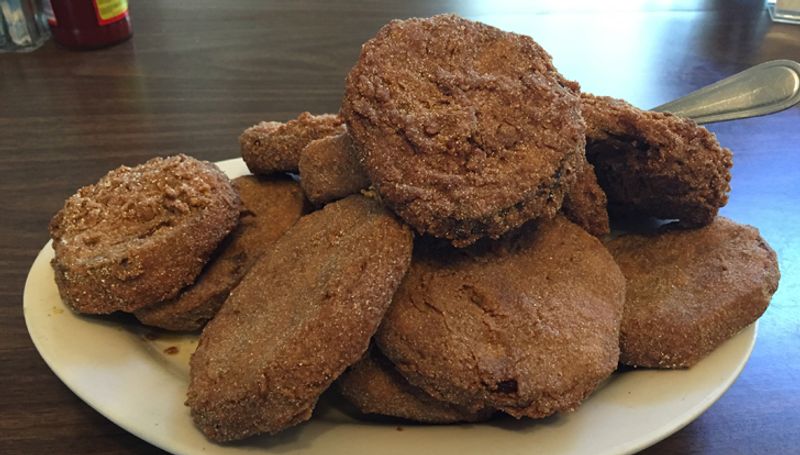
A biscuit bar is one of the best ideas you can bring to a family gathering. Set out a basket of warm biscuits and let people build their own.
It is interactive, fun, and everybody leaves happy.
Savory toppings should include real butter, sausage gravy, sliced ham, and sharp cheddar cheese. Sweet options can feature strawberry preserves, blackberry jam, honey, and sliced fresh fruit.
Offering both directions means every guest finds something they love.
Arrange toppings in small bowls with individual spoons. This keeps the setup clean and prevents double-dipping disasters.
Label each topping if guests include kids or people unfamiliar with certain Southern staples. A little organization goes a long way at a busy table.
Always serve biscuits warm. Cold biscuits are a different and less exciting food.
If you bake them ahead of time, wrap them in foil and keep them in a low oven until serving. They hold well for about 30 minutes that way.
Pair the biscuit bar with a fruit salad or a breakfast casserole to round out the meal. Biscuits work at breakfast, brunch, lunch, or even as a late-night snack.
They are endlessly adaptable. The Dinner Bell has mastered this idea on a large scale.
Watching a lazy Susan spin with biscuits and Southern sides is basically the same concept, just perfected over decades of practice.