
10 Weirdly Specific Wisconsin Museums That Should Not Exist But Do
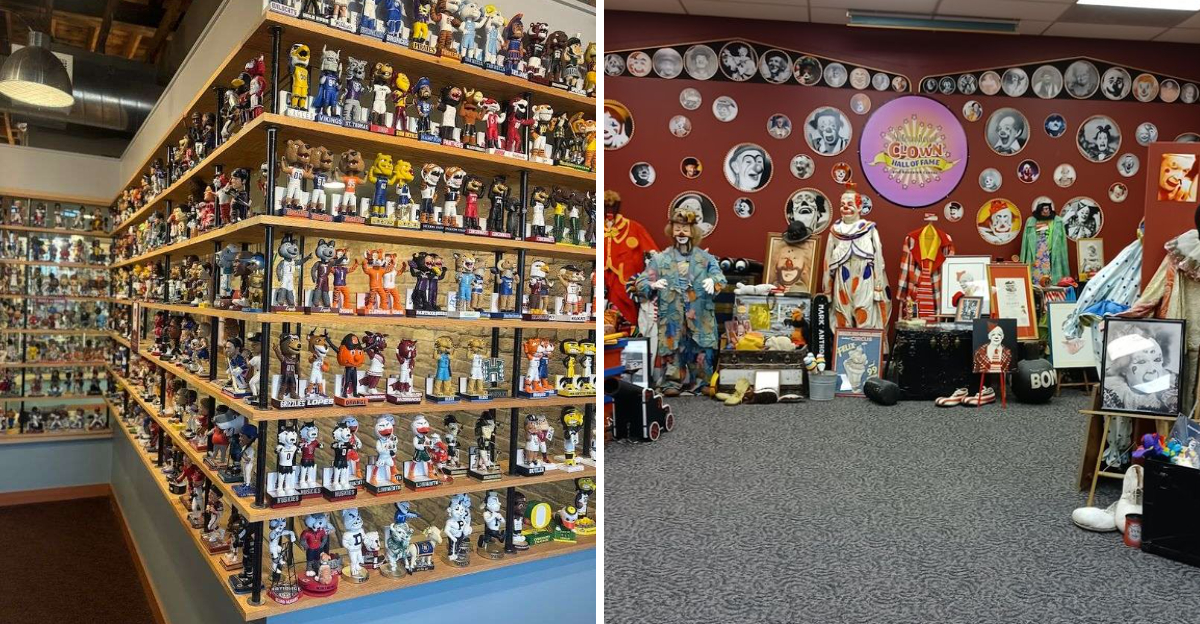
Cheese curds and football Sundays only tell part of the story. Wisconsin also has a wonderfully strange side, where everyday obsessions become full-blown collections and road trips take a sharp turn into the unexpected.
One building might celebrate a condiment with shocking devotion. Another might make tiny wobbling heads feel like national treasures. That is the fun here. These places are not polished museum halls with whispering crowds and velvet ropes.
They are curious, funny, proudly odd spaces built by people who clearly loved something enough to go all in. Bring your sense of humor, leave your serious museum voice at home, and prepare for a Wisconsin adventure that gets weirder with every stop.
1. National Mustard Museum (Middleton)
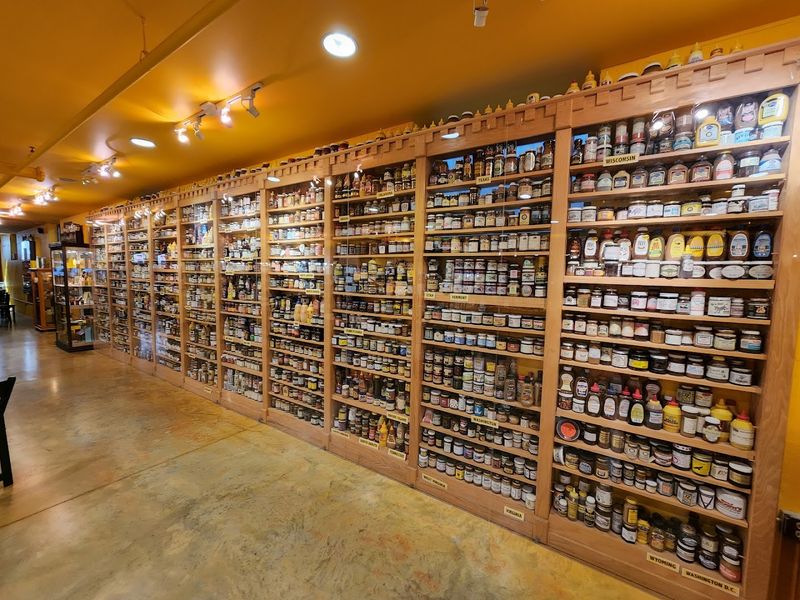
Barry Levenson was a lawyer who turned his heartbreak over the Red Sox losing the 1986 World Series into something magnificent. At 2 a.m., wandering a grocery store in despair, he heard a voice tell him to collect mustard.
He listened.
Now his museum houses over 6,000 mustards from all 50 states and more than 70 countries. You can sample dozens of flavors, from classic yellow to ghost pepper to champagne dill.
The collection includes vintage tins, mustard memorabilia, and even mustard poetry.
Admission is completely free, and the staff genuinely loves talking about condiments. You’ll leave with mustard puns, free samples, and a new appreciation for what you’ve been squirting on hot dogs.
Who knew a sandwich spread could inspire such devotion?
2. National Bobblehead Hall Of Fame And Museum (Milwaukee)
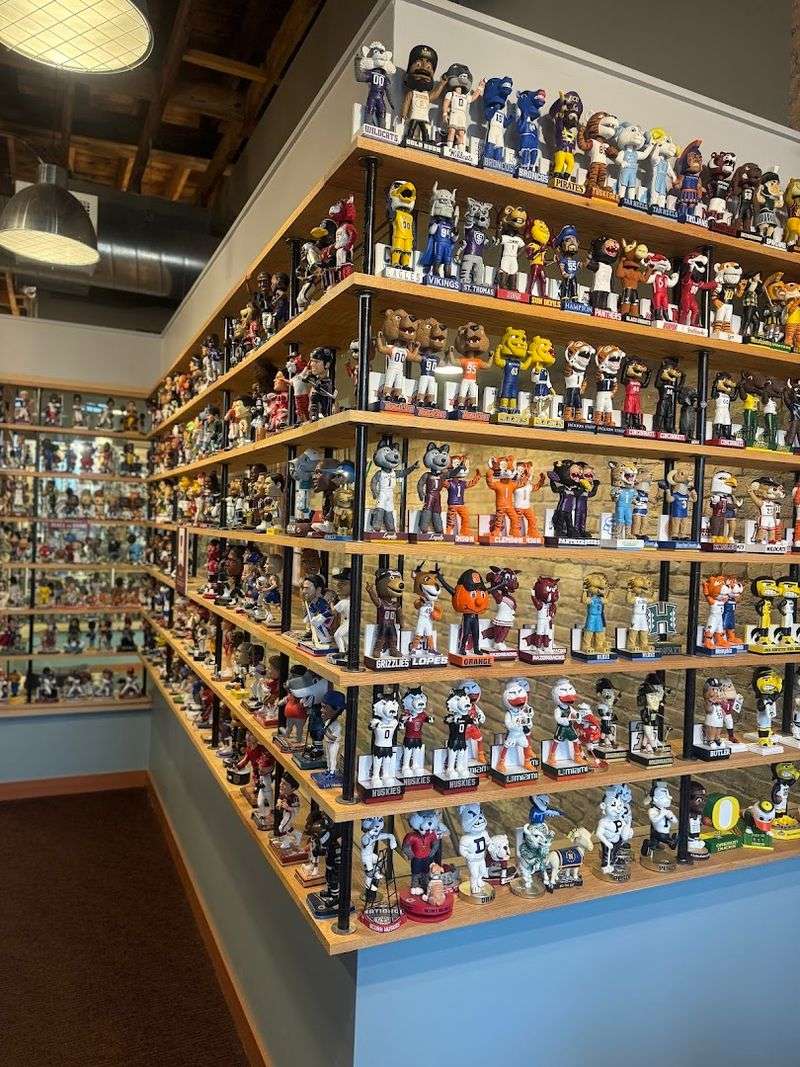
Phil Sklar spent decades collecting bobbleheads before realizing he needed a proper home for his 10,000-piece collection. In 2019, he opened the world’s only museum dedicated entirely to these wobbly-headed figures.
The collection spans every category imaginable: sports legends, presidents, pop culture icons, and obscure mascots you forgot existed. There’s a Golden Girls set, a bobblehead of the Kool-Aid Man, and even one commemorating a Wisconsin butter sculpture.
Special exhibits rotate regularly, celebrating everything from superheroes to local heroes.
You can watch bobbleheads being made, design your own custom figure, and browse the gift shop packed with exclusive collectibles. The museum takes its mission seriously while never losing sight of how delightfully silly bobbleheads actually are.
It’s pure joy in nodding form.
3. National Freshwater Fishing Hall Of Fame (Hayward)
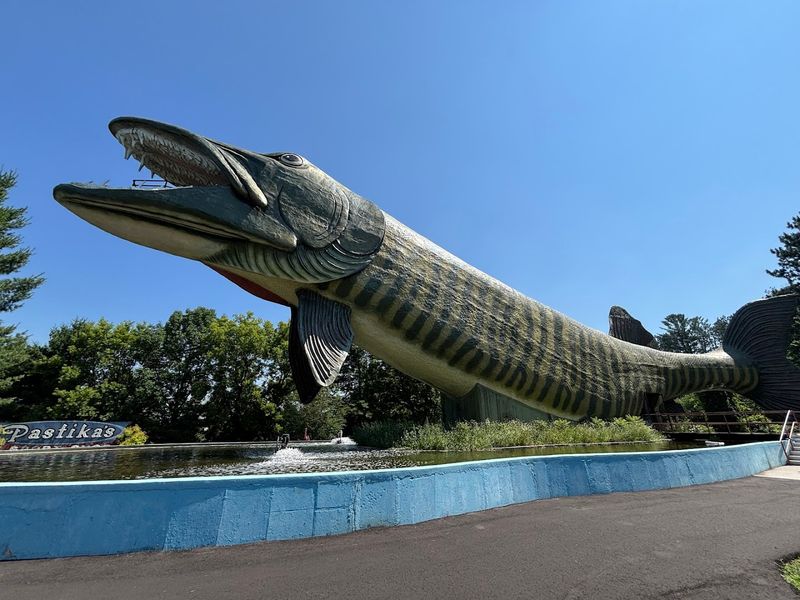
A four-and-a-half-story muskie with its mouth wide open greets you in Hayward. Yes, you can walk inside the fish.
Yes, it’s as surreal as it sounds.
Built in 1976, this 143-foot-long fiberglass muskie serves as both landmark and museum entrance. Inside the main building, you’ll find 50,000 fishing artifacts, vintage lures, mounted trophy fish, and tributes to angling legends.
The Hall of Fame honors anglers who’ve made significant contributions to freshwater fishing, complete with plaques and photographs.
Climb the stairs inside the muskie to reach an observation deck in its mouth for views of downtown Hayward. The grounds include outdoor displays of antique boats and fishing equipment.
For fishing enthusiasts, this place is paradise. For everyone else, it’s a wonderfully weird roadside attraction worth the detour.
4. Spinning Top & Yo-Yo Museum (Burlington)
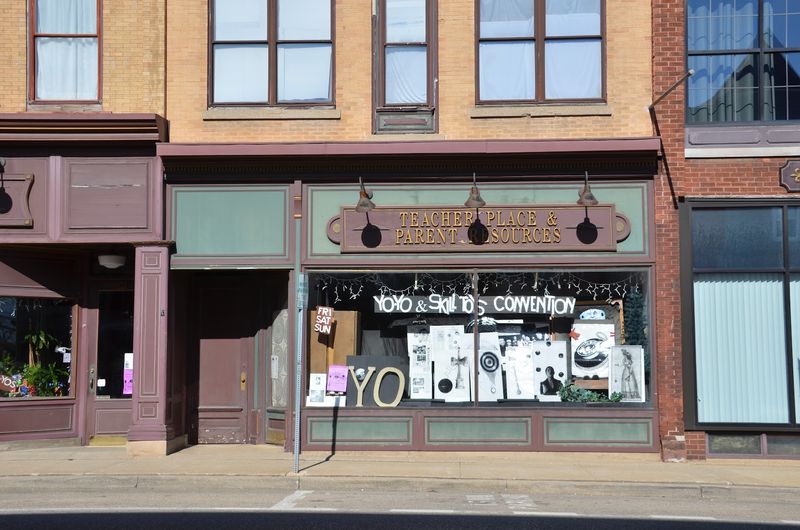
Judith Schulz started collecting tops in 1979 after buying a few at an antique shop. Four decades later, her collection fills an entire museum with over 2,000 spinning toys from around the world.
The museum showcases tops made from wood, metal, clay, and materials you wouldn’t expect. Some date back centuries, crafted by hand in distant countries.
The yo-yo collection is equally impressive, featuring vintage models, championship yo-yos, and rare designs that collectors dream about. Judith or her staff demonstrate how various tops and yo-yos work, bringing these antique toys to life.
You’ll see tops that hum, whistle, and dance across surfaces in mesmerizing patterns. The museum proves that before smartphones, people found endless entertainment in simple physics.
Watching a perfectly balanced top spin is surprisingly meditative and utterly captivating.
5. Angel Museum (Beloit)
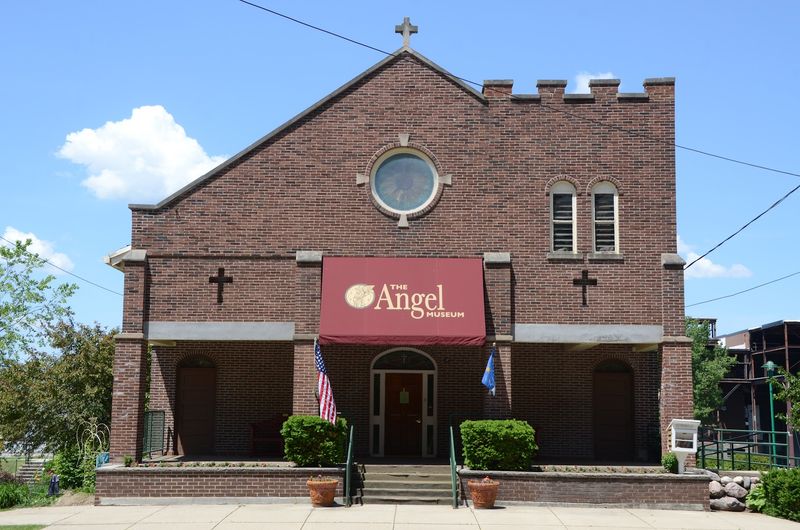
Joyce Berg collected angels for over 40 years, amassing more than 13,000 angel-themed items before her passing. Her collection now resides in a museum that celebrates celestial beings in every form imaginable.
The museum features angels made from porcelain, wood, metal, fabric, and glass. There are angels from Africa, Asia, Europe, and the Americas, representing different religious traditions and artistic styles.
Some are tiny enough to fit on a fingertip, while others stand several feet tall. The collection includes angel paintings, music boxes, ornaments, and even angel-themed kitchen items.
Oprah once featured this museum on her show, calling it both beautiful and overwhelming. The sheer number of angels creates an atmosphere that’s part spiritual, part quirky, and entirely unique.
You’ll never look at angel figurines the same way again.
6. Deke Slayton Space & Bicycle Museum (Sparta)
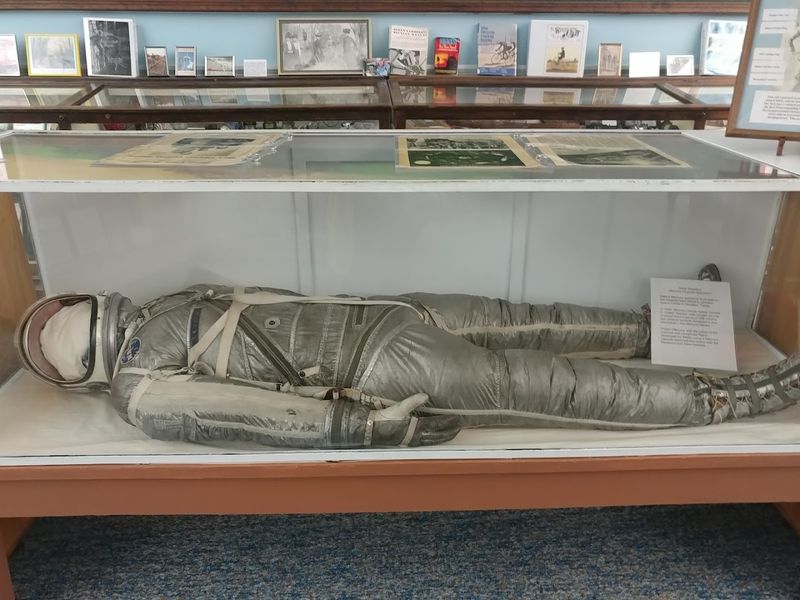
Only in Wisconsin would you find astronaut memorabilia displayed alongside antique bicycles. Sparta honors hometown hero Deke Slayton, one of the original Mercury Seven astronauts, while also celebrating its status as the birthplace of recreational bike trails.
The space section features Slayton’s personal items, NASA artifacts, space suits, and detailed information about his missions. You’ll see actual equipment from the Apollo-Soyuz Test Project and learn about Slayton’s crucial role in America’s space program despite being grounded for years due to a heart condition.
The bicycle collection showcases over 30 vintage bikes, including penny-farthings, early safety bikes, and racing models. The combination seems random until you realize both represent human innovation and the drive to explore.
It’s a small museum with big stories about pushing boundaries on Earth and beyond.
7. International Clown Hall Of Fame (Baraboo)
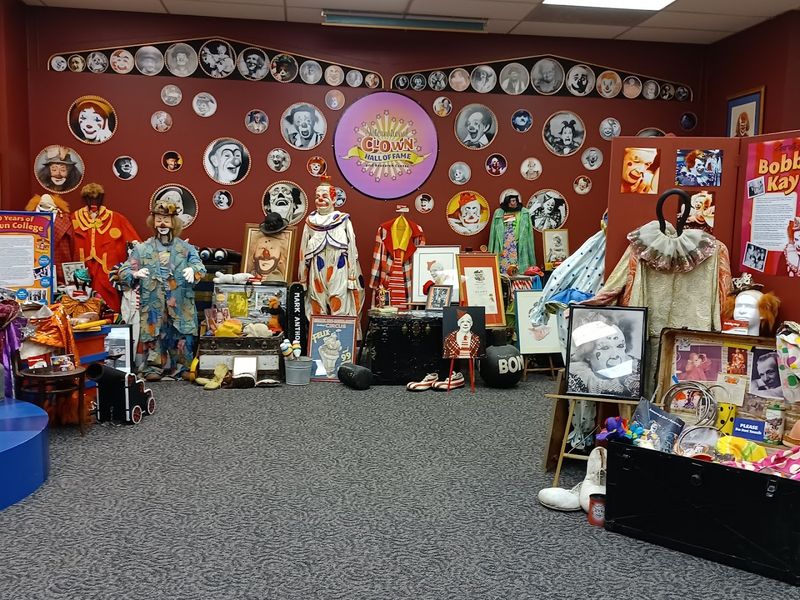
Baraboo was the winter headquarters for Ringling Brothers Circus, making it the perfect home for a museum celebrating clown history. Before you let coulrophobia kick in, know that this museum focuses on the art and legacy of professional clowning, not horror movie stereotypes.
The collection includes costumes worn by legendary clowns, vintage circus posters, props, and photographs documenting clowning traditions worldwide. You’ll learn about different clown types: whiteface, auguste, and character clowns, each with distinct makeup styles and performance techniques.
The Hall of Fame honors clowns who’ve made significant contributions to the profession.
Interactive exhibits let you try on costumes and explore the skills required for professional clowning. The museum treats clowning as a legitimate performing art with rich history and cultural significance.
You’ll gain respect for performers who’ve dedicated their lives to making people laugh.
8. Wisconsin Canoe Heritage Museum (Spooner)
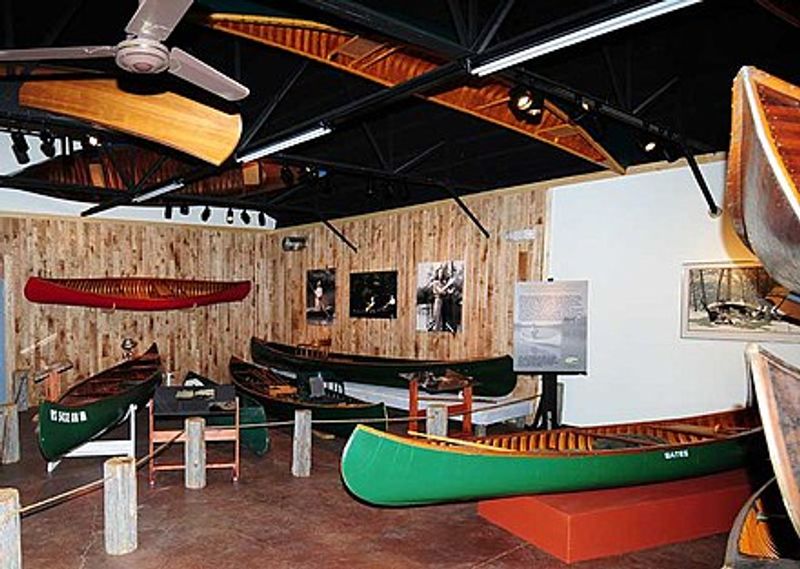
Spooner sits in the heart of canoe country, where thousands of lakes and rivers make paddling a way of life. This museum preserves the history of canoe building and water travel in Wisconsin’s Northwoods.
The collection features dozens of canoes representing different eras and construction methods. You’ll see birchbark canoes built using traditional Native American techniques, early settler canoes made from hollowed logs, and classic wood-and-canvas models from the golden age of recreational paddling.
Displays explain how canoe design evolved to meet different needs, from hunting and fishing to racing and wilderness tripping.
The museum also honors local canoe builders and outfitters who helped establish the region’s paddle sports industry. Photographs and artifacts tell stories of early wilderness guides and the tourists who flocked north seeking adventure.
For paddling enthusiasts, this museum connects today’s recreational canoeing with centuries of watercraft tradition.
9. World Of Accordions Museum (Superior)
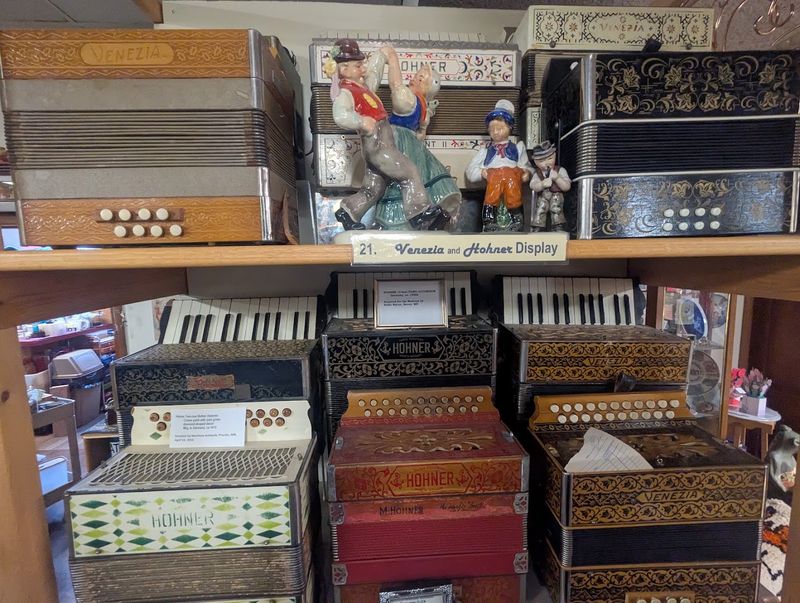
Helmi Harrington loved accordions so much that she collected over 1,300 of them during her lifetime. After her passing, her collection became a museum celebrating the squeezebox in all its glory.
The museum houses accordions from more than 20 countries, ranging from tiny toy models to massive concert instruments weighing over 50 pounds. You’ll see accordions decorated with rhinestones, mother-of-pearl inlays, and intricate woodwork.
Some date back to the 1800s, while others represent modern innovations in accordion design. The collection includes button accordions, piano accordions, concertinas, and even a rare bandoneon from Argentina.
Staff members often demonstrate different instruments, showing how accordion music varies across cultures. The museum hosts accordion concerts and workshops, keeping the tradition alive.
You’ll leave humming polka tunes and possibly wanting to learn this surprisingly versatile instrument.
10. Woodland Dime Museum (Alma)
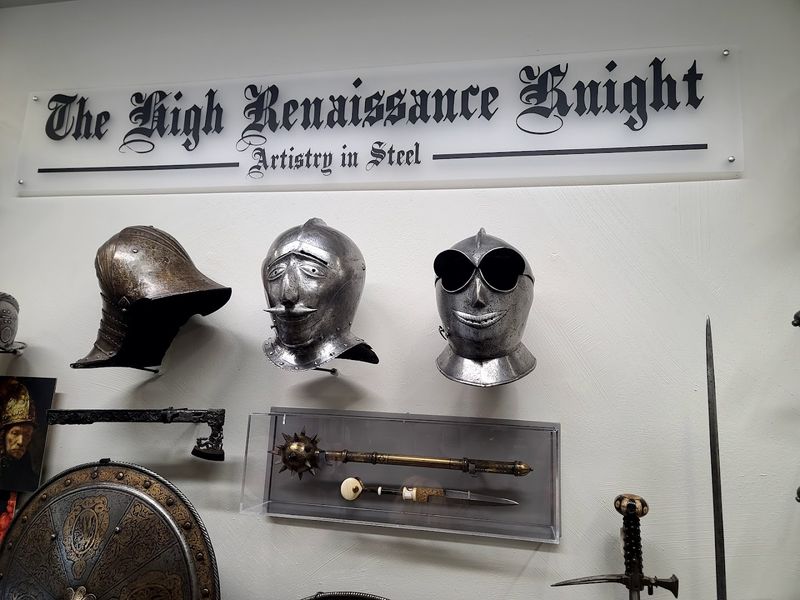
Step back to the 19th century when dime museums offered common folks a glimpse of the strange and unusual for just ten cents. Alma’s version continues this tradition with a collection of curiosities that defies easy categorization.
The museum packs an astonishing variety of oddities into a small space: taxidermy animals in unusual poses, vintage medical equipment, old carnival games, peculiar inventions, and items with mysterious purposes. There’s a two-headed calf, antique weapons, Native American artifacts, and a collection of items allegedly used by famous outlaws.
Some exhibits are educational, others are just plain weird.
The owners embrace the chaotic, cabinet-of-curiosities vibe that made dime museums popular entertainment before radio and movies. Nothing here is too strange or too random to display.
It’s gloriously disorganized, endlessly fascinating, and exactly what a roadside curiosity museum should be.