
This Little-Known Wisconsin State Park Hides One Of The Oldest Rock Formations On Earth
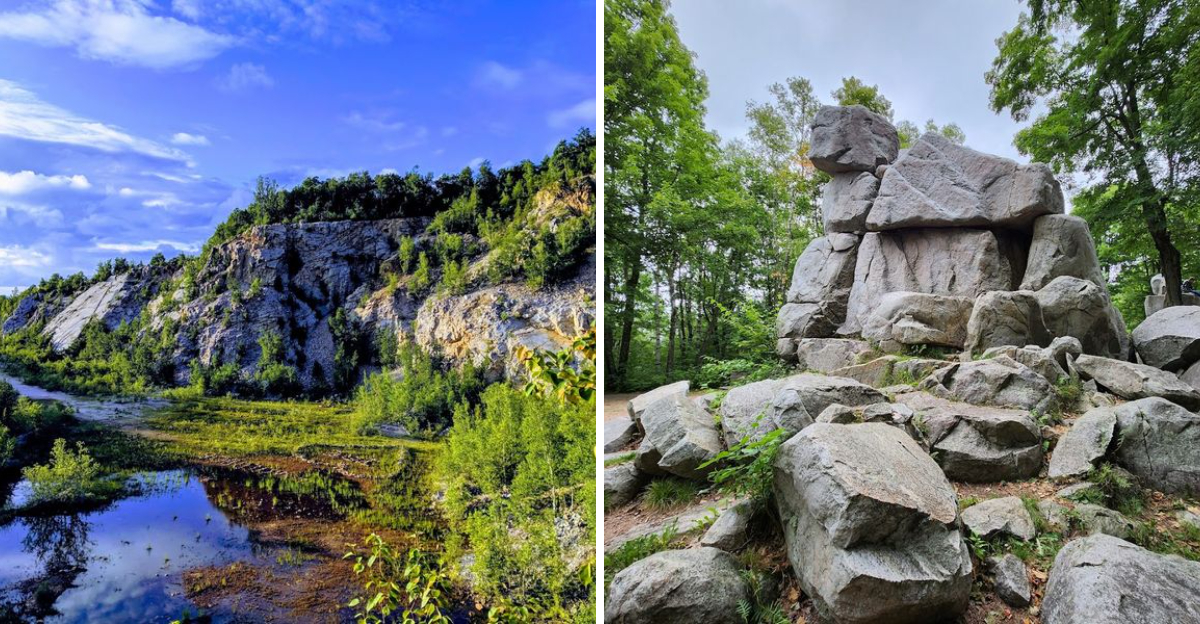
A hill in Wisconsin is quietly older than almost everything around it, and that alone should make people slow down. What looks like a scenic ridge is actually a survivor with a timeline that reaches back nearly two billion years.
Oceans shifted. Continents moved. Other mountains rose, crumbled, and vanished. This stubborn stretch of quartzite stayed put, wearing time like a badge instead of a burden.
Visitors might come for the views, trails, and fresh air, but the real wow moment starts once you realize your shoes are standing near one of Earth’s ancient leftovers. It is part outdoor escape, part geology lesson, and part reminder that Wisconsin has stories far older than any history book.
The 1.7 Billion Year Old Ridge Steals The Whole Story
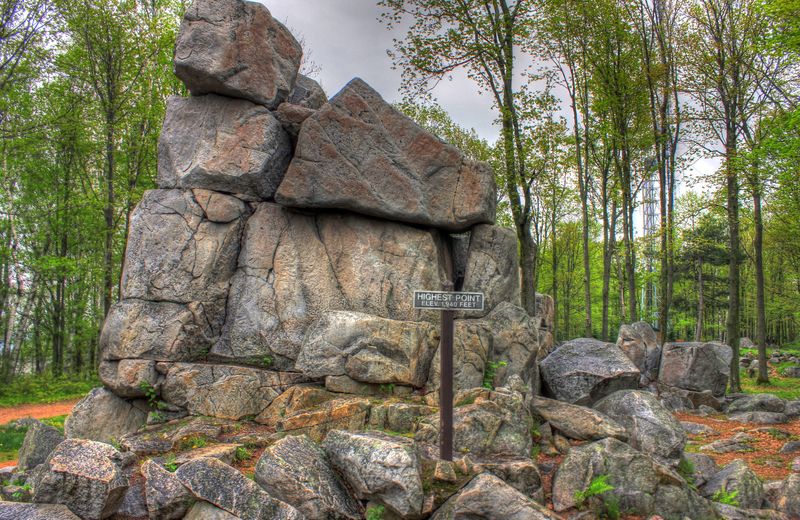
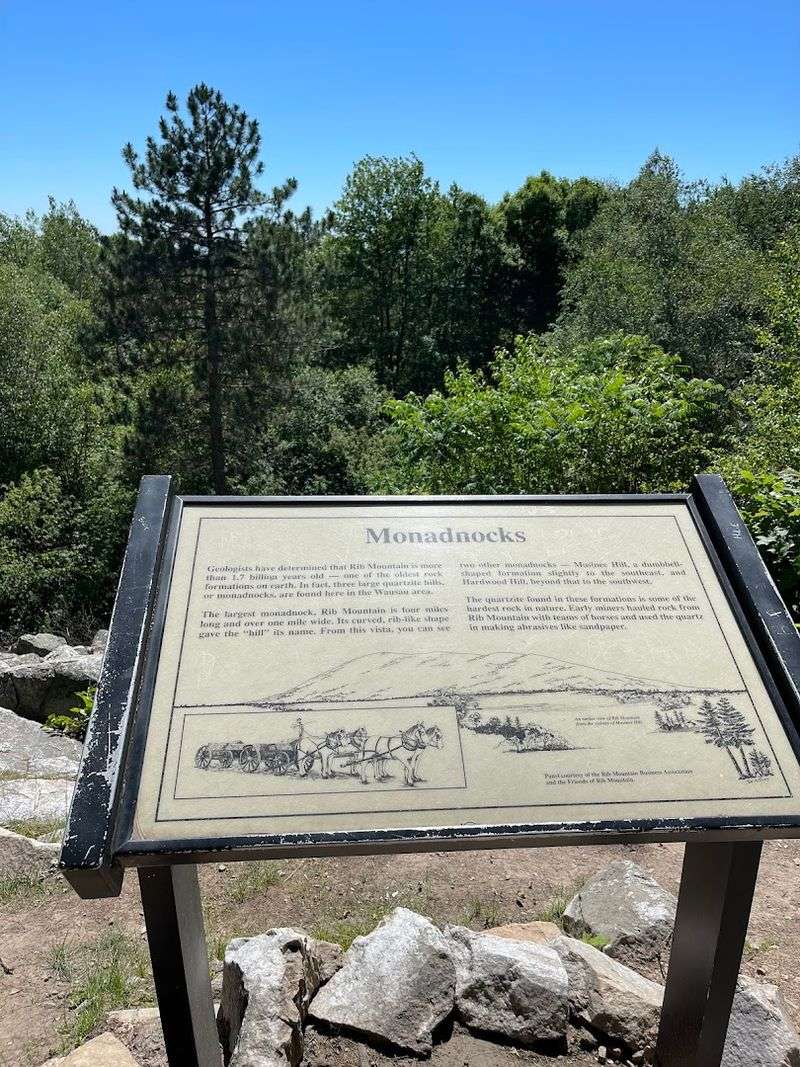
Geologists have dated the quartzite at Rib Mountain to roughly 1.7 billion years old, placing it among the oldest exposed rock formations anywhere on the planet. The ridge formed when sand settled on an ancient sea floor, then got buried deep enough for heat and pressure to fuse those grains into solid quartzite.
Over unimaginable stretches of time, erosion stripped away softer rock layers while this hard ridge endured. Walking across these rocks means stepping on a surface that existed before complex life appeared on Earth.
The park sits at 149801 State Park Rd in Wausau, where visitors can touch stone that predates nearly every familiar landmark. Rib Mountain’s age dwarfs the Rockies, the Appalachians, and most other features that shape modern landscapes.
Few places offer such direct contact with deep time, making every hike here a journey through planetary history that few other Wisconsin destinations can match.
Hard Quartzite Helped Rib Mountain Outlast The Land Around It
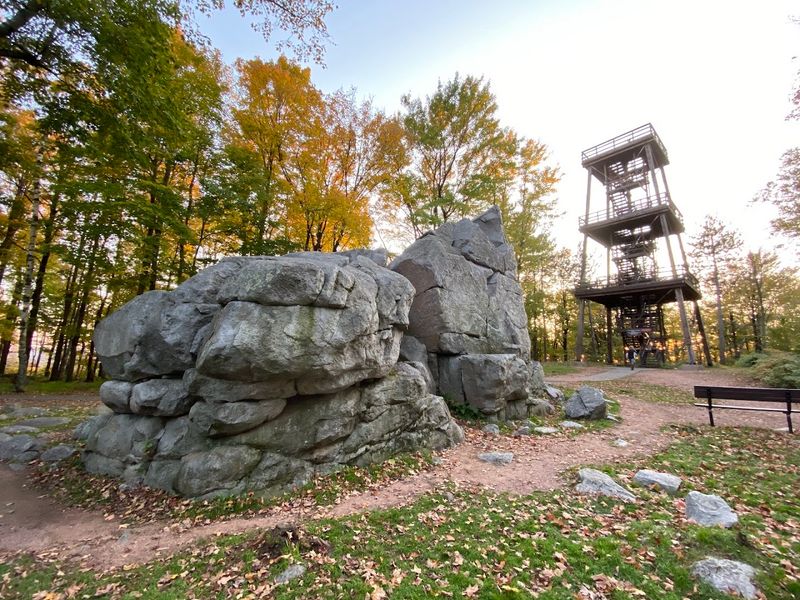
Quartzite ranks among the hardest rocks found anywhere, and that toughness explains why Rib Mountain still stands when surrounding terrain has eroded away. Softer sedimentary layers that once covered this region wore down over millions of years, leaving the resistant quartzite ridge exposed and prominent.
The same geological forces that carved out valleys and flattened hills barely scratched this ancient stone. Glaciers scraped across the ridge during ice ages but failed to grind it down the way they reshaped softer landscapes.
Visitors hiking the trails encounter smooth, polished sections where ice once moved across the rock, yet the overall structure remains intact. The quartzite’s resistance to weathering means the ridge looks much the same now as it did thousands of years ago.
This durability makes Rib Mountain a rare survivor, a window into what Wisconsin looked like before erosion reshaped everything else around it into the gentler terrain we see today.
This Four Mile Ridge Is One Of Earth’s Oldest Geological Features
Rib Mountain stretches roughly four miles across the landscape, forming a long ridge that runs northeast to southwest through Marathon County. The ridge’s length and elevation make it visible from considerable distances, serving as a natural landmark that has guided travelers for centuries.
Geologists recognize this formation as one of the oldest continuous rock structures still exposed on Earth’s surface. Most ancient rocks have been buried, broken apart by tectonic activity, or worn down completely, but Rib Mountain’s quartzite has remained largely intact.
The ridge’s persistence through nearly two billion years of planetary change sets it apart from younger mountains that formed and eroded in a fraction of that time. Hiking along the ridge means following a geological feature that has outlasted entire mountain ranges elsewhere on the planet.
The park’s trail system lets visitors explore different sections of this ancient spine, each offering views and rock formations that connect directly to Earth’s distant past.
Rib Mountain Rises Higher Above Its Surroundings Than Any Other Wisconsin Hill
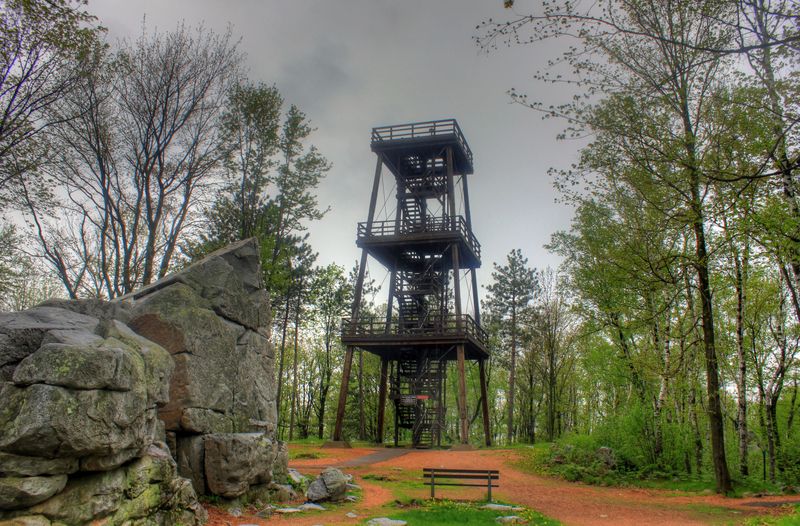
Rib Mountain rises approximately 700 feet above the surrounding terrain, giving it the greatest vertical relief of any hill in Wisconsin. While other points in the state may have higher absolute elevations, none stand as dramatically above the land around them as this quartzite ridge does.
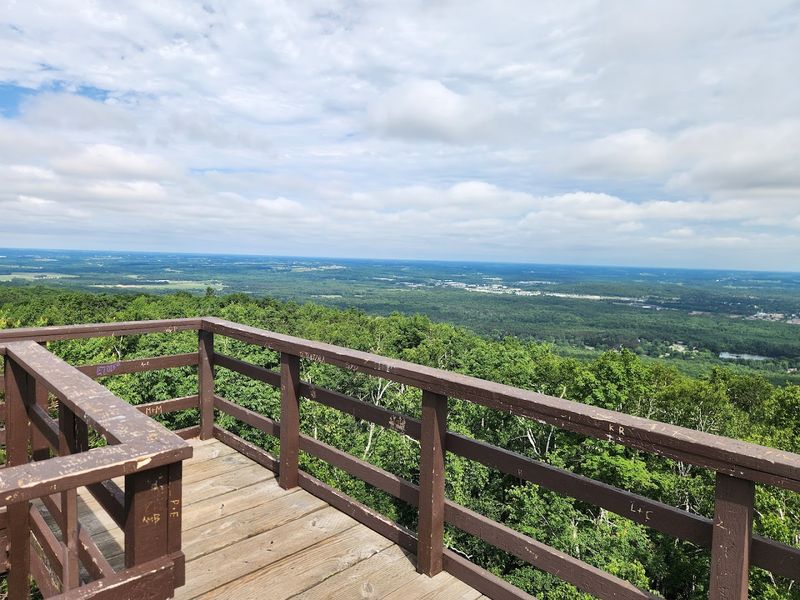
The prominence creates sweeping views from the summit, where the observation tower extends the vista even further across Marathon County. On clear days, visitors can see forests, farmland, and communities spreading out in all directions from this elevated vantage point.
The ridge’s height results from its resistance to erosion rather than from any upward geological thrust. Everything around it wore away while the hard quartzite remained, leaving Rib Mountain standing tall above a landscape that once matched its elevation.
Climbing to the top rewards hikers with perspectives that emphasize just how much material has been stripped away over geological time, exposing this ancient ridge and making it Wisconsin’s most prominent hill.
The Mountain Was Once Believed To Be Wisconsin’s Highest Point
For many years, people assumed Rib Mountain represented Wisconsin’s highest point, and the ridge certainly looks the part when you stand at its base looking up. The dramatic rise above surrounding terrain and commanding views from the summit reinforced this belief among residents and visitors alike.
Later surveys revealed that Timms Hill in Price County actually holds the title for highest elevation in the state, reaching 1,951 feet above sea level compared to Rib Mountain’s summit at roughly 1,940 feet. The difference comes down to base elevation rather than prominence.
Rib Mountain starts from lower ground but rises more dramatically, creating the visual impression of greater height. The confusion persisted for decades before accurate measurements settled the matter.
Despite losing the official title, Rib Mountain remains more striking to the eye and offers more impressive views precisely because it stands so much higher than its immediate surroundings, making the old belief understandable even if technically incorrect.
Ojibwe Travelers Used The Ridge As A Lookout And Landmark
Long before European settlement, Ojibwe people traveling through the region used Rib Mountain as both a navigation point and a strategic lookout. The ridge’s height and distinctive profile made it visible from great distances, helping travelers orient themselves across the heavily forested landscape.
From the summit, scouts could survey vast stretches of territory, watching for game, tracking weather patterns, or monitoring the movements of other groups. The elevation provided tactical advantages and practical information that flat terrain could never offer.
The Ojibwe recognized the mountain’s importance long before geological surveys measured its age or composition. Their use of the ridge as a landmark demonstrates how natural features shape human activity and movement across a region.
The park’s location at 149801 State Park Rd now welcomes visitors who follow paths that connect to these older patterns of use, walking ground that has served as a gathering point and observation post for countless generations before modern trails were cut.
The Name Rib Mountain Comes From An Older Ojibwe Meaning
The name Rib Mountain derives from the Ojibwe language, though the exact translation and original term remain subjects of some discussion among historians. Some sources suggest the name refers to the ridge’s profile, which resembles ribs rising from the earth when viewed from certain angles.
Other interpretations connect the name to Ojibwe words describing the mountain’s function as a lookout or its distinctive geological character. The translation evolved as the name passed through French and English speakers who attempted to capture its meaning in their own languages.
What remains clear is that the Ojibwe named this landmark long before European mapmakers arrived, and their term acknowledged the ridge’s unique presence in the landscape. The modern name preserves that Indigenous connection even as the exact original meaning has become somewhat obscured through translation.
The park continues to bear this name, linking current visitors to the Ojibwe people who first recognized Rib Mountain as a feature worthy of specific identification and remembrance.
A Failed Gold Hunt Adds A Strange Twist To The Park’s Past
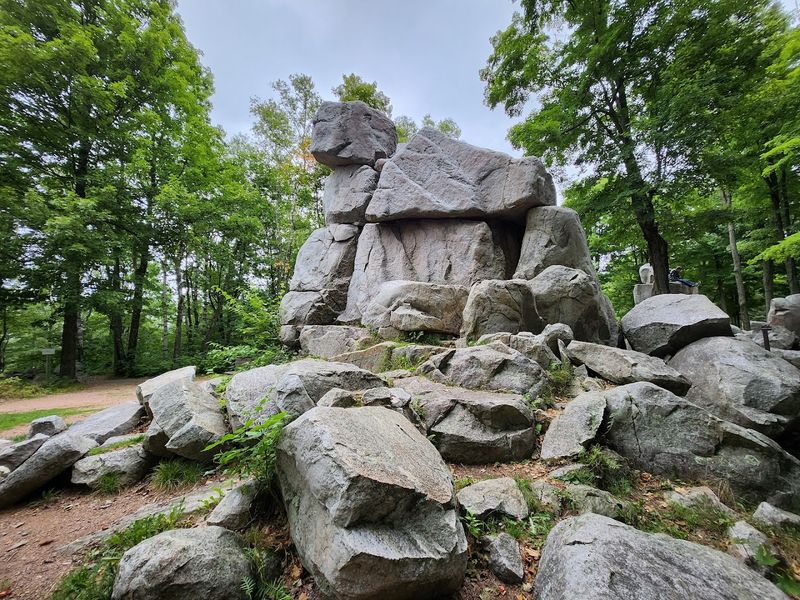
Prospectors once searched Rib Mountain for gold, convinced that the unusual geology might hide valuable mineral deposits. The hard quartzite and visible veins of different minerals sparked hopes that precious metals might be present, leading to exploratory digging and small-scale mining operations.
These efforts ultimately found nothing of commercial value, and the gold rush that never was faded into local history as a curious footnote. The prospectors misunderstood the geological processes that formed the ridge, expecting conditions that simply didn’t exist in this ancient quartzite.
The failed gold hunt left behind scattered evidence of excavation work, now mostly overgrown and forgotten by casual visitors. The episode shows how geological features can inspire both scientific interest and commercial speculation, not always with accurate results.
Rib Mountain’s real treasure lies in its age and persistence rather than in any metallic deposits, though it took disappointed prospectors some time to accept that the ancient rock held value of a different kind entirely.
The Old Quartzite Quarry Ties The Park To Wisconsin’s Industrial History
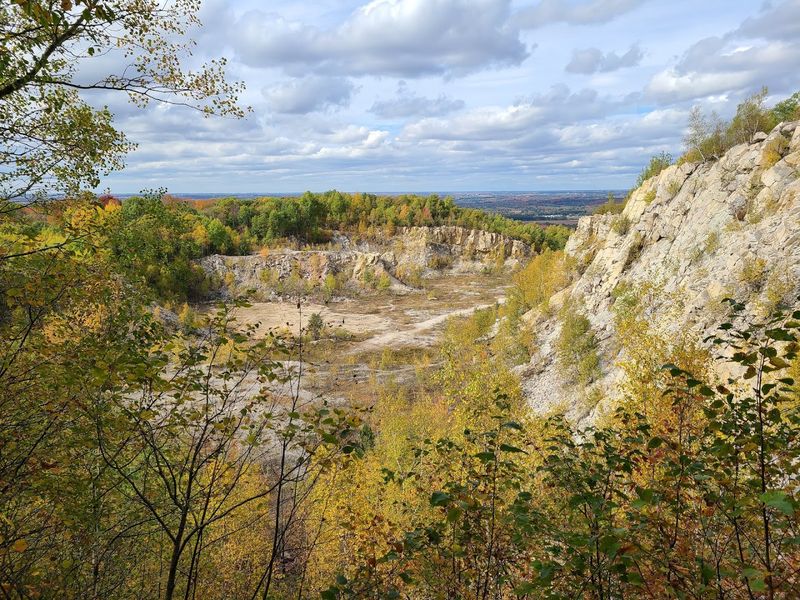
Commercial quarrying operations once extracted stone from Rib Mountain, cutting into the ancient quartzite for industrial purposes. The hard rock proved valuable for construction and manufacturing, leading to the establishment of quarries that employed local workers and shipped stone across the region.
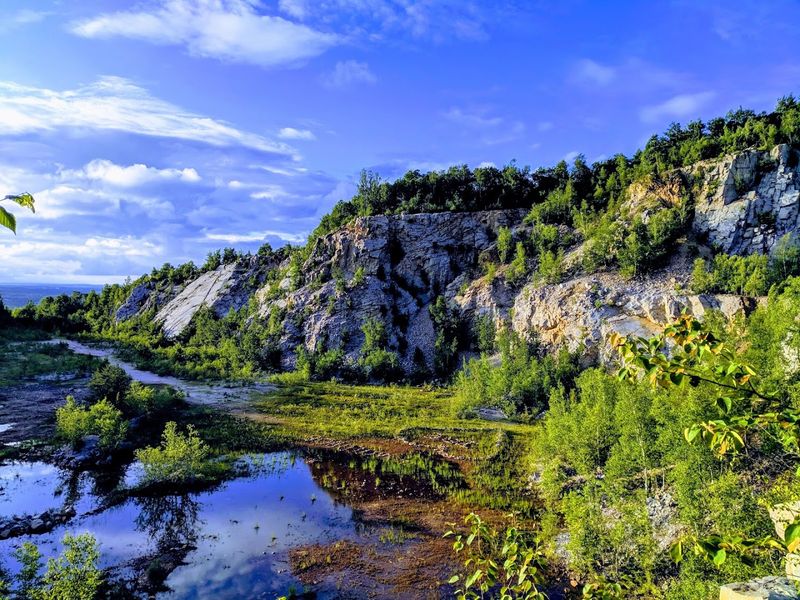
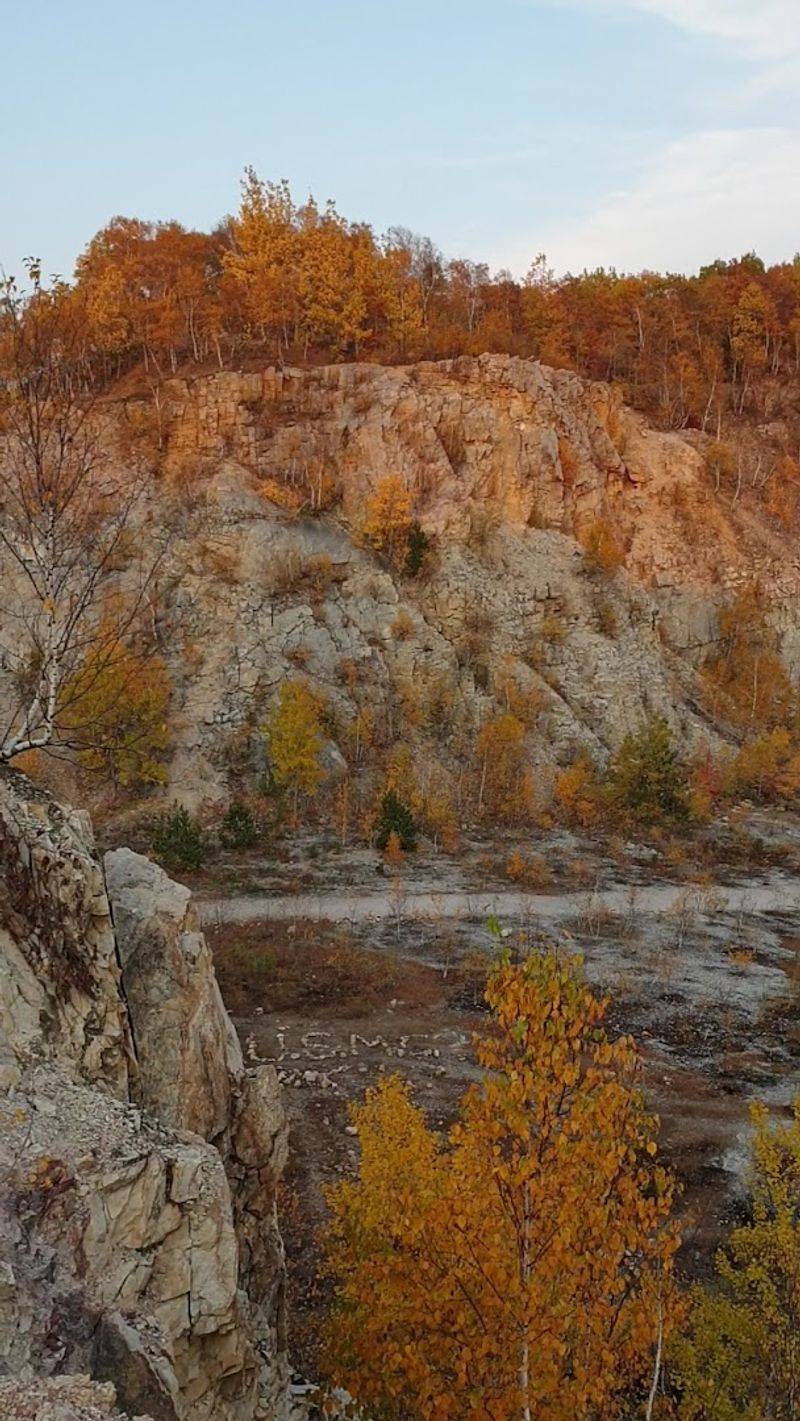
The quarrying left visible scars on the landscape, including exposed rock faces and areas where large sections were removed. These sites now form part of the park’s historical character, showing how geology and industry intersected in Wisconsin’s development.
The operations eventually ceased as more accessible stone sources became available and as conservation efforts sought to protect the ridge’s unique geological value. Walking past old quarry sites reminds visitors that this ancient formation played a role in modern industry before its scientific and recreational importance took precedence.
The quartzite that once went into buildings and tools now stays in place, allowing people to study and appreciate the rock in its original context rather than seeing it reduced to commercial material.
Wausau Sandpaper And Wausau Quartz Once Worked This Ancient Rock
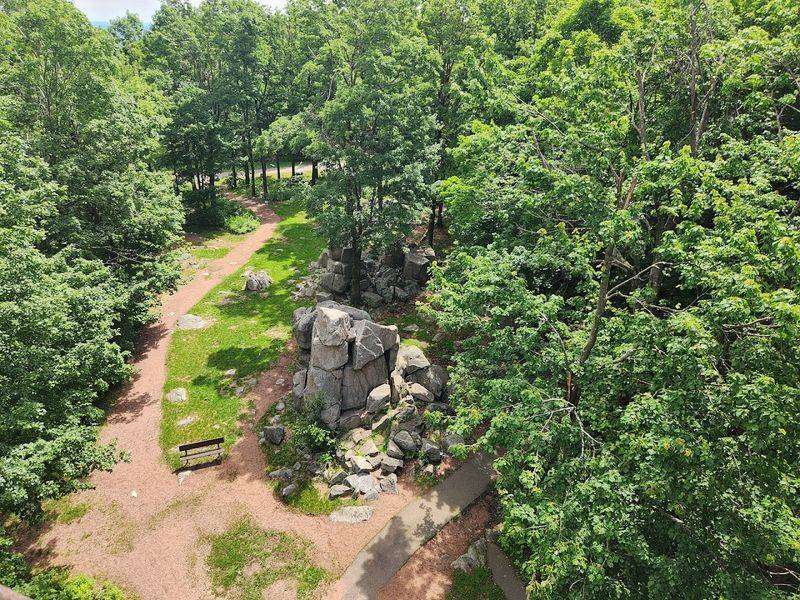
Two local companies, Wausau Sandpaper and Wausau Quartz, built their businesses around Rib Mountain’s hard quartzite, processing the stone for industrial applications. The quartzite’s extreme hardness made it ideal for grinding and abrasive products, creating a local industry that lasted for decades.
Workers quarried the stone, then processed it into various forms for use in sandpaper, grinding wheels, and other abrasive products that found markets across the country. The companies employed significant numbers of local residents and contributed to Wausau’s industrial economy.
The operations eventually shut down as synthetic abrasives replaced natural stone products and as the environmental and historical value of preserving Rib Mountain became clearer. The industrial history adds another layer to the park’s story, showing how the same geological features that fascinate scientists today once drove local economic development.
The ancient quartzite served practical purposes before its age and rarity made preservation more important than extraction, marking a shift in how communities value geological landmarks.