
10 Mississippi Towns Gaining Residents Because The Property Taxes Are Almost Unbelievably Low
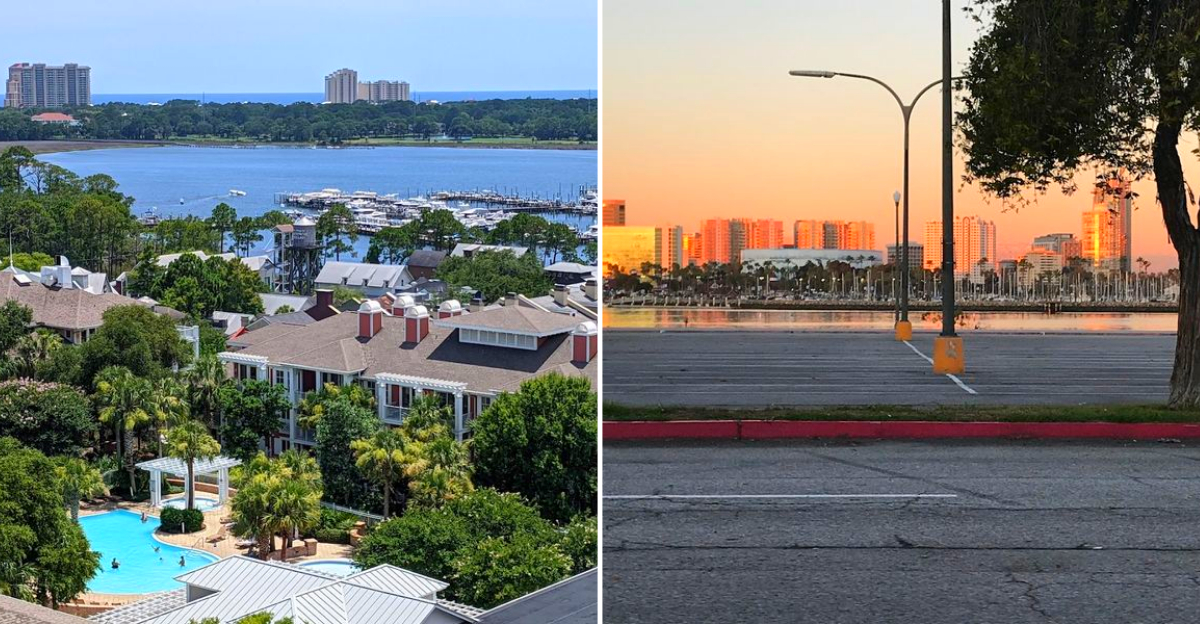
Moving somewhere cheaper sounds a lot more tempting when the tax bill stops eating your budget alive.
Mississippi has become a serious conversation starter for homebuyers who are tired of high property taxes, rising housing costs, and the feeling that owning a home comes with endless financial punishment.
In certain towns, the math is hard to ignore. Lower property taxes can mean more room for savings, a better house for the money, or simply less stress every year when bills arrive.
That kind of affordability is helping some Mississippi communities attract new residents who want small-town comfort without sacrificing their entire paycheck. These places are not just cheap on paper, either.
Many offer quiet streets, local pride, friendly neighbors, and enough breathing room to make a move feel practical. For anyone chasing a lower cost of living in 2026, these ten Mississippi towns deserve a closer look.
1. Olive Branch
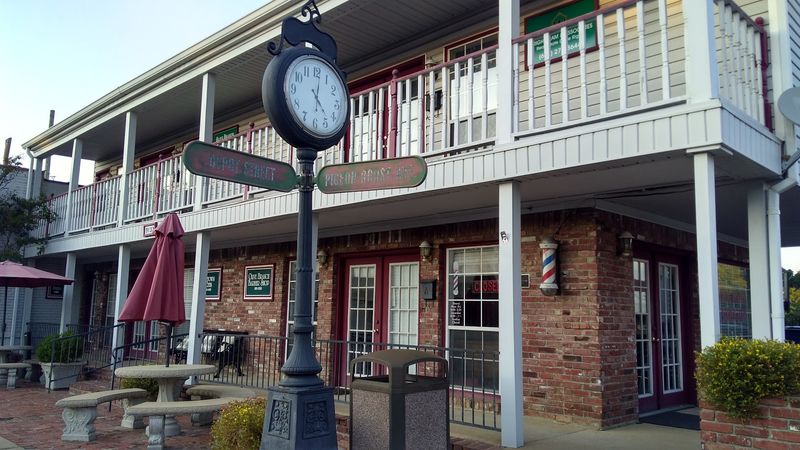
Olive Branch is the kind of place that makes you wonder why you waited so long to move. Ranked as Mississippi’s top boomtown, the city saw a jaw-dropping 32.9% population increase between 2015 and 2023, pushing its population to over 46,500 residents.
People are not moving here by accident.
Sitting in DeSoto County right on the Tennessee border, Olive Branch gives you Memphis access without the Memphis tax bill. The city recently cut its millage rate down to 35.05 mills, making it the lowest municipal millage rate in all of DeSoto County.
That is not a typo.
Compared to neighboring Shelby County in Tennessee, where homeowners pay a median of $2,537 annually, DeSoto County homeowners pay closer to $1,469. That gap adds up to serious savings over time.
Olive Branch, MS 38654 is drawing young families, remote workers, and retirees who all want the same thing: a great community without an outrageous tax bill. The city’s strong growth projections through 2026 suggest this trend is nowhere near slowing down.
Smart money is already here.
2. Southaven
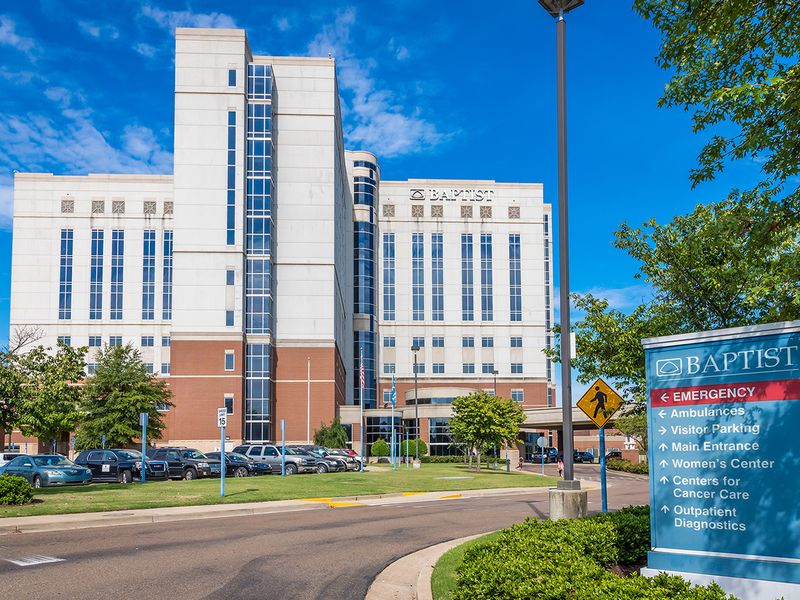
Southaven does not just grow, it surges. From a population of 18,705 back in 1990, the city has exploded to nearly 58,000 residents today, making it Mississippi’s third-largest city.
That kind of growth does not happen without a very good reason, and the reason here has a lot to do with taxes.
Sitting just across the Tennessee state line in DeSoto County, Southaven offers Memphis-level convenience with Mississippi-level costs.
The Southaven Board of Aldermen approved a 13.53% reduction in the property tax millage rate for Fiscal Year 2026, bringing it down to 40.45 mills. City leaders are clearly paying attention to what residents care about.
Southaven, MS 38671 has become a magnet for families who work in Memphis but refuse to pay Tennessee property tax rates. The city offers solid schools, shopping, and a strong sense of community that keeps people rooted once they arrive.
New developments continue to pop up across town, and housing demand remains high. For anyone who thinks moving to a suburb means sacrificing quality of life, Southaven is ready to prove that assumption completely wrong.
3. Horn Lake
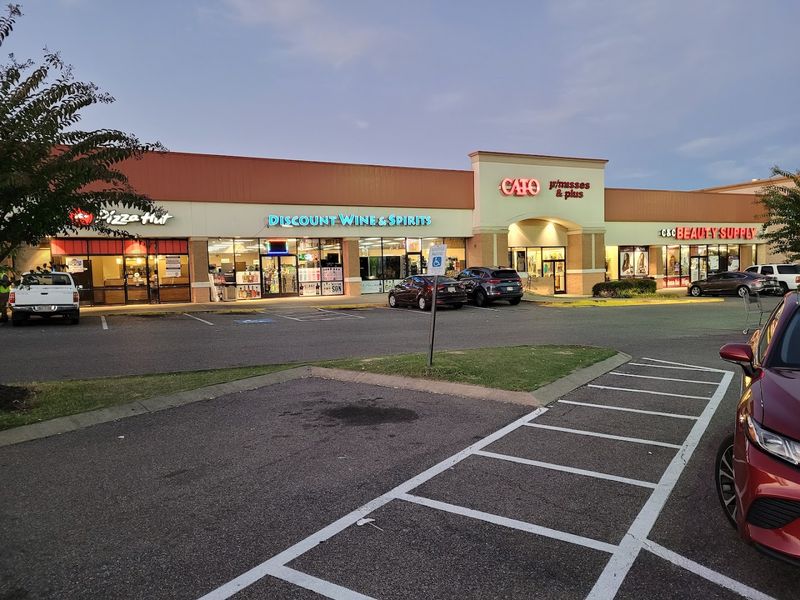
Horn Lake has a straightforward pitch for new residents: get Memphis without paying for it. Sitting snugly in DeSoto County right against the Tennessee state line, this suburb offers genuine urban access at a fraction of the cost that Shelby County homeowners face across the border.
That trade-off is hard to beat.
The city doubled its population by 110% between 1980 and 1990, which remains one of the most dramatic growth spurts in DeSoto County history. Recent numbers show continued, steady movement with a projected 2026 population of 26,738.
Horn Lake, MS 38637 keeps drawing residents who want affordability baked into their daily lives.
City leadership is actively working to reduce the current millage rate of 50 mills, which shows a real commitment to keeping costs manageable for homeowners.
When you stack Horn Lake’s overall cost of living against comparable suburbs in Tennessee or other neighboring states, the math strongly favors staying on the Mississippi side of the line.
Families who make the move often say the biggest surprise is how much more house they get for the same money. That kind of value is genuinely rare in today’s housing market.
4. Hattiesburg
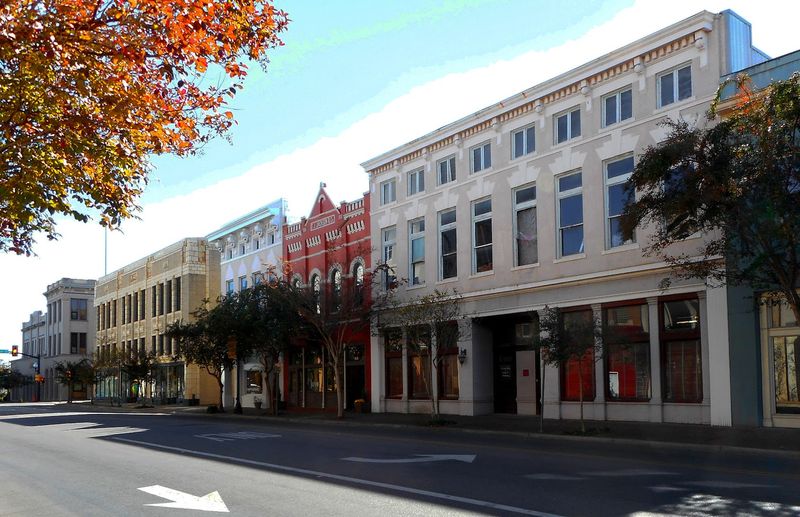
Hattiesburg earned the nickname Hub City for good reason, and the growth numbers back it up. The city’s population reached 48,730 after a 5.96% increase between 2010 and 2020, and the surrounding metropolitan area grew by 6.0% during that same stretch.
Two engines drive that growth: the University of Southern Mississippi and a healthcare sector that keeps expanding.
Property taxes in Forrest County, where Hattiesburg sits, carry an effective rate of just 0.82%. That figure is well below the national average and keeps homeownership genuinely accessible for young graduates, medical professionals, and families alike.
Hattiesburg, MS 39401 is the kind of town where a reasonable salary actually feels like enough.
The university brings a steady flow of young talent, and many of those students end up staying after graduation because the cost of putting down roots here is so manageable.
Healthcare jobs provide stable employment, and the local restaurant and arts scene gives the city real cultural energy.
With a projected 2026 population of 48,808, Hattiesburg is not slowing down. Anyone who underestimates a mid-sized Mississippi city with a university and a hospital system at its core is missing a very solid opportunity.
5. Starkville
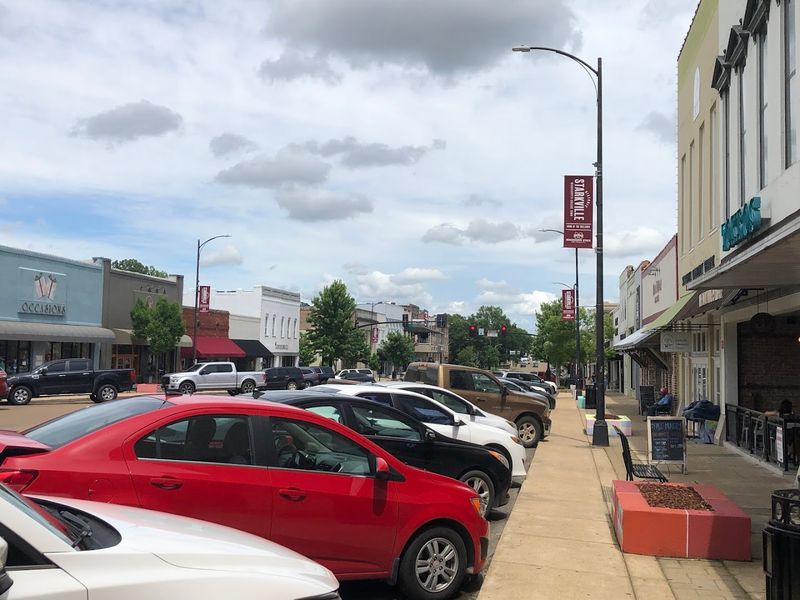
College towns have a certain energy that is hard to replicate, and Starkville has been running on that energy for decades. Mississippi State University anchors the city’s economy, culture, and population in ways that keep the community vibrant year-round.
The university is not just a school here, it is the heartbeat of the entire region.
Property taxes in Starkville are genuinely competitive. Parts of the city that fall within Lowndes County carry an effective tax rate of just 0.74%, which undercuts both the state and national averages by a comfortable margin.
Even within Oktibbeha County, where most of Starkville sits, the rates remain reasonable for homeowners at various income levels.
Starkville, MS 39759 draws young professionals, faculty members, and families who want the intellectual atmosphere of a university town without the inflated costs that usually come attached.
The city’s projected 2026 population sits at 25,753, and continued investment around campus keeps the local economy healthy.
For anyone who has priced out college towns in other states and winced at the results, Starkville offers a genuinely refreshing alternative. Good schools, affordable homes, and a lively community make this one of Mississippi’s most underrated places to plant roots.
6. Ridgeland
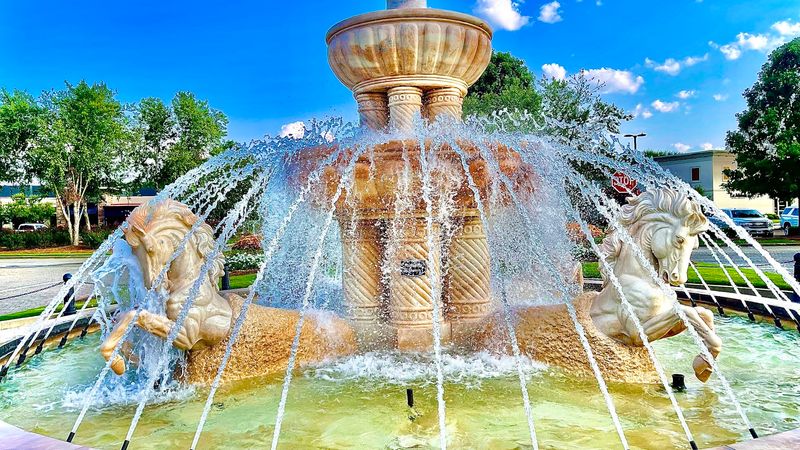
Ridgeland plays in a different league when it comes to suburban quality, and somehow it still keeps property taxes remarkably low.
Sitting just north of Jackson in Madison County, the city has built a reputation for excellent schools, strong retail options, and a polished community feel that attracts professionals and families in equal measure.
The median effective property tax rate in Ridgeland lands at 0.92% for 2026, which falls below both the national median of 1.02% and Mississippi’s own state median of 1.35%. That is a striking number for a suburb with the amenities Ridgeland consistently delivers.
Ridgeland, MS 39157 essentially offers upscale suburban living at a discount tax rate.
The city’s population reached 24,587 in 2024, showing steady, reliable growth that reflects genuine demand rather than a temporary spike. The Ross Barnett Reservoir nearby adds outdoor recreation options that further sweeten the deal for active families.
Ridgeland proves that you do not have to choose between quality and affordability in Mississippi. Residents here get both, and they know it.
Word is getting out, and the growth numbers confirm that more people are finally paying attention to what this north Jackson suburb has quietly been offering for years.
7. Gulfport
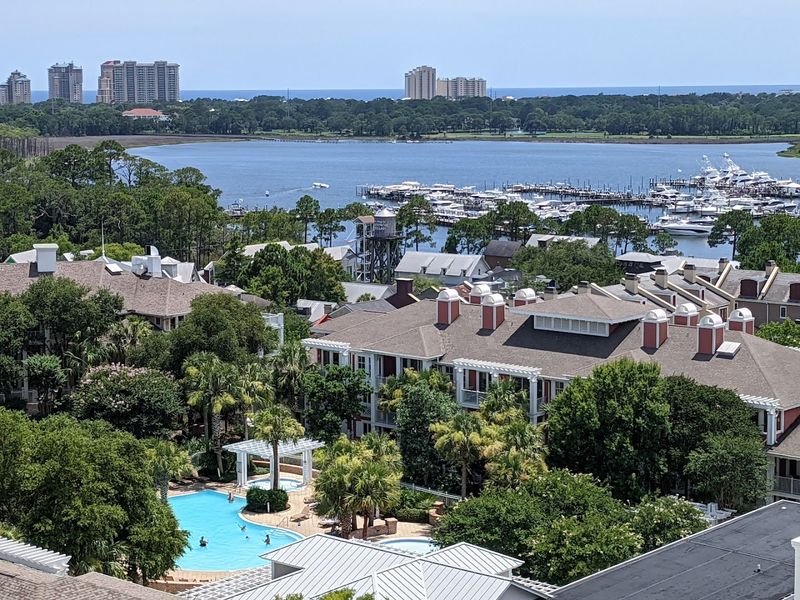
Coastal living sounds expensive until you look at Gulfport’s numbers. Mississippi’s second-most populous city is growing at a steady 0.65% annually, with a projected population of 77,003 by 2026 and a 5.64% increase since 2020.
The broader Gulfport-Biloxi metro area grew by 9.6% between 2010 and 2024, which tells you people are genuinely choosing this stretch of coastline on purpose.
The city’s median effective property tax rate sits at 1.09% for 2026, already below Mississippi’s state median of 1.35%.
Zoom out to Harrison County and the effective rate drops further to around 0.62%, making Gulfport one of the most tax-friendly coastal cities you will find anywhere in the country.
Gulfport, MS 39501 offers real beach access without the real estate shock that comes with Florida or California coastlines.
White sand beaches, fresh seafood, warm winters, and low taxes are a combination that is genuinely difficult to argue against. Families relocating from higher-tax coastal states frequently express disbelief when they see what their money buys here.
The Gulf Coast lifestyle carries a reputation for being laid-back, and Gulfport delivers on that reputation while keeping your finances equally relaxed. This city deserves far more attention than it currently gets from people planning a move.
8. Long Beach

Long Beach is what happens when a Gulf Coast town stays real. Families priced out of Florida, South Carolina, or California are discovering that Harrison County offers actual beach access at a fraction of the cost, and Long Beach is right at the center of that discovery.
The town’s relaxed pace and genuine community feel are major draws for people tired of overcrowded resort towns.
The city’s population is projected to reach 17,428 by 2026, reflecting a solid 3.71% increase since 2020.
Harrison County’s effective property tax rate of around 0.62% is well below the national average, meaning homeowners in Long Beach keep significantly more of their money each year.
Long Beach, MS 39560 is quietly becoming one of the Gulf Coast’s best-kept relocation secrets.
The town offers good schools, close-knit neighborhoods, and proximity to both Gulfport and Biloxi without the heavier traffic and pricing of those larger cities.
For families who want a yard, a short drive to the beach, and a tax bill that does not ruin their morning, Long Beach checks every box.
The value here is so clear that it almost feels unfair to the rest of the Gulf Coast. Almost.
9. Petal

Petal is the kind of town that sneaks up on you. A suburb of Hattiesburg in Lamar County, Petal has been growing faster than most people realize, and the tax rates here are low enough to make even the most skeptical homebuyer stop and recalculate their budget.
Lamar County posted a remarkable 15.4% population increase in the 2020 Census, and Petal has been riding that wave with confidence.
The effective property tax rate for Lamar County lands between 0.63% and 0.67%, which is dramatically below the national average of 0.92% and comfortable below Mississippi’s own state median.
That means a homeowner in Petal is holding onto money that residents in most other states are handing straight to their county tax office.
Petal, MS 39465 is making homeownership feel the way it probably should feel everywhere.
The community here is tight-knit and genuinely welcoming, with strong schools and easy access to Hattiesburg’s hospitals, restaurants, and university amenities. Families who move here often say they did not expect to love a small Mississippi town quite this much.
Petal has a way of winning people over quickly, and the extremely low tax burden makes sure they have no financial reason to ever leave.
10. New Albany
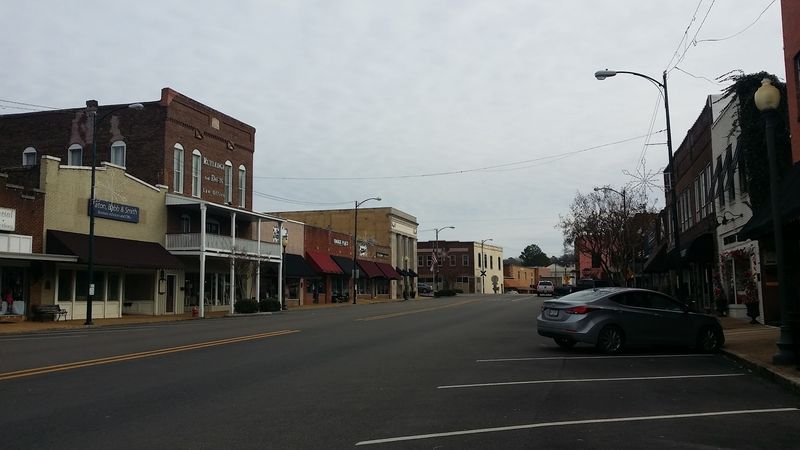
New Albany carries real literary weight as the birthplace of William Faulkner, and it turns out the town is just as compelling for homebuyers as it is for literature lovers.
The Union County seat is growing steadily, with a projected 2026 population of 7,784 reflecting a 1.99% increase since 2020.
Slow and steady wins the race, and New Albany is running it well.
Property taxes in Union County average a very manageable 0.65% of assessed home value, which contributes to a cost of living that feels almost too good to be true.
New Albany’s median effective property tax rate of 1.19% for 2026 still lands below Mississippi’s state median of 1.35%, and the median home value sits around $140,000.
New Albany, MS 38652 offers a genuine entry point into homeownership that many markets simply cannot match.
The town has a charming historic downtown, a strong sense of local pride, and the kind of community character that larger cities spend millions of dollars trying to manufacture.
For first-time buyers, retirees on a fixed income, or anyone who wants to own a home without a mountain of financial stress, New Albany makes a compelling and very affordable case. Faulkner would probably appreciate the good deal.