
You’d Never Guess This Unforgettable Tennessee Arboretum Is Completely Free
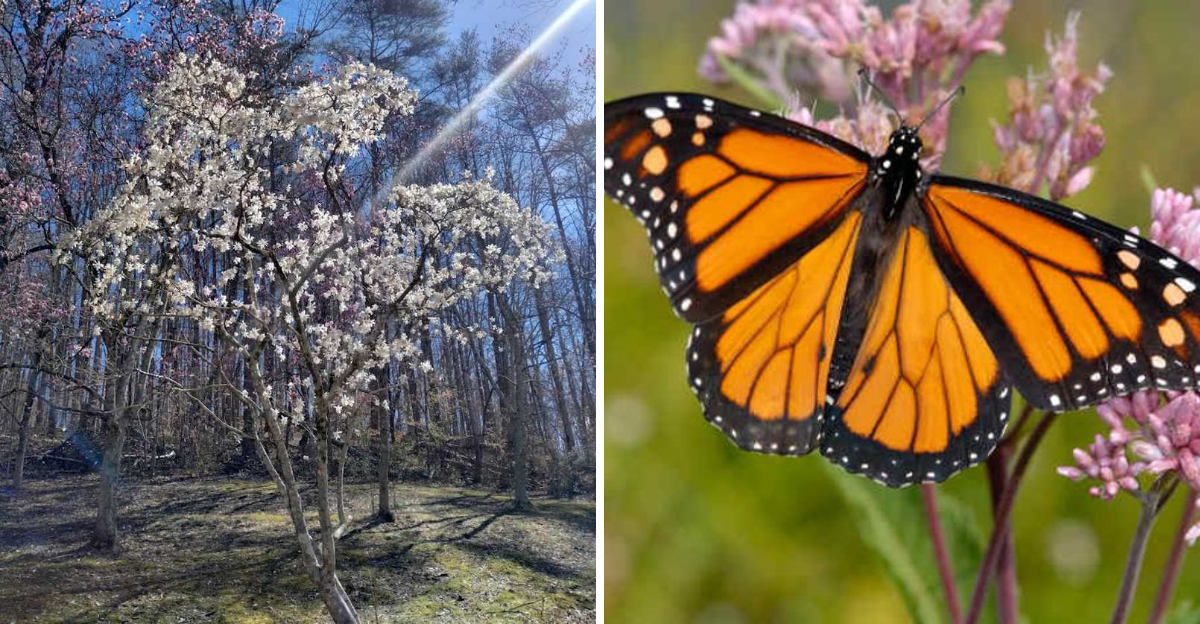
Free doesn’t always mean forgettable, and this Tennessee spot proves it every single day. Spread across dozens of acres, this collection of trees and trails feels more like a quiet escape than a public park.
Visitors wander past labeled specimens representing plants from across the world, learning as they walk without ever opening a textbook. Families bring picnic blankets.
Retirees bring binoculars for birdwatching. Photographers show up just for the light filtering through the canopy.
Every path leads somewhere new, whether it’s a pond full of turtles or a meadow buzzing with bees in summer. Best of all, there’s no entrance fee waiting at a booth.
You simply park, walk in, and start exploring. Seasonal blooms change the scenery throughout the year, so no two visits ever look the same.
For anyone craving fresh air without spending a dime, this Tennessee destination might just become a new favorite.
A Sanctuary Unveiled Without Cost
Most people assume that a well-maintained, research-grade arboretum comes with a price tag. That assumption falls apart quickly here.
This arboretum opens its gates every day from 8 AM to 5 PM, and admission costs exactly nothing.
There are no tickets to purchase and no membership required. Parking is convenient and generally easy to find, which removes one more common frustration from the visit.
A pair of portable restrooms sits in the parking lot, so even basic comforts are covered.
The arboretum is entirely self-guided, meaning you move at your own pace and follow your own interests. Trail maps are posted at nearly every intersection, which makes navigation straightforward even for first-time visitors.
A small visitor center near the parking area offers educational displays about plant life and the site’s history.
What makes the free access genuinely remarkable is the quality of what you receive in return. This is not a neglected patch of woods.
It is a carefully curated, actively maintained landscape managed by the University of Tennessee, offering real scientific and recreational value to anyone who walks through.
A Living Compendium Of Flora
More than 2,500 plant specimens grow across this 250-acre property, and that number alone sets the University of Tennessee Arboretum apart from most green spaces in the region.
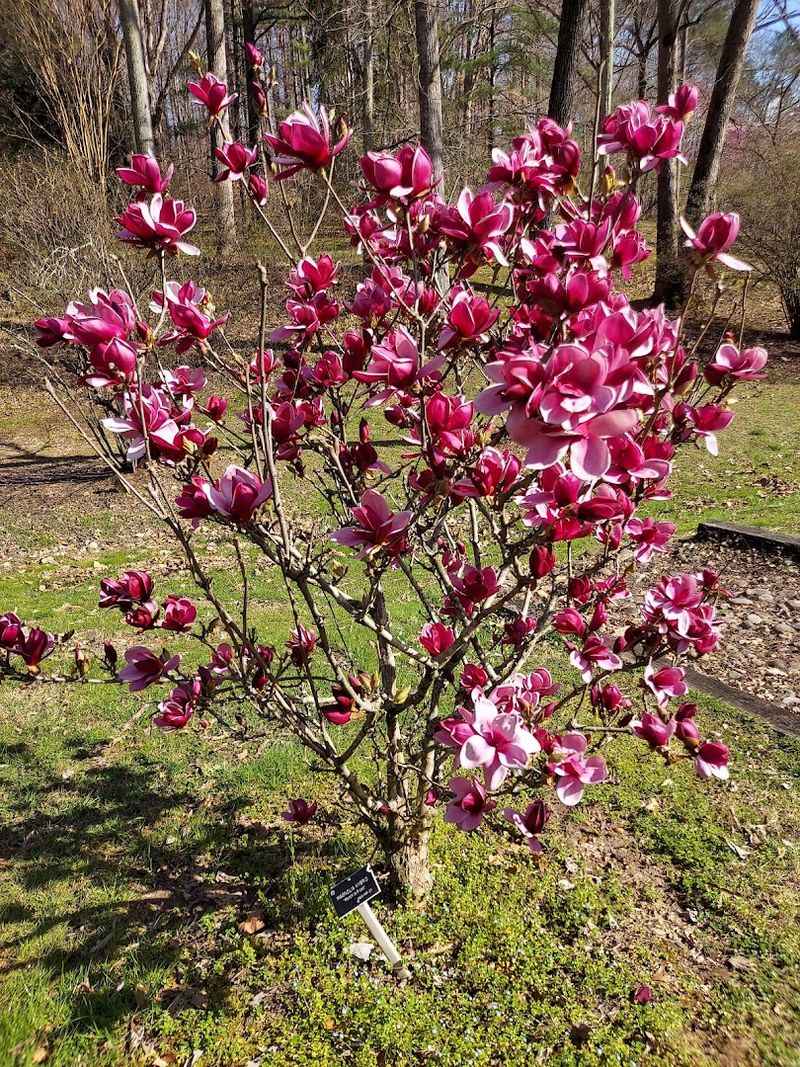
The collection spans conifers, magnolias, rhododendrons, hollies, dogwoods, and much more, all labeled for visitor education.
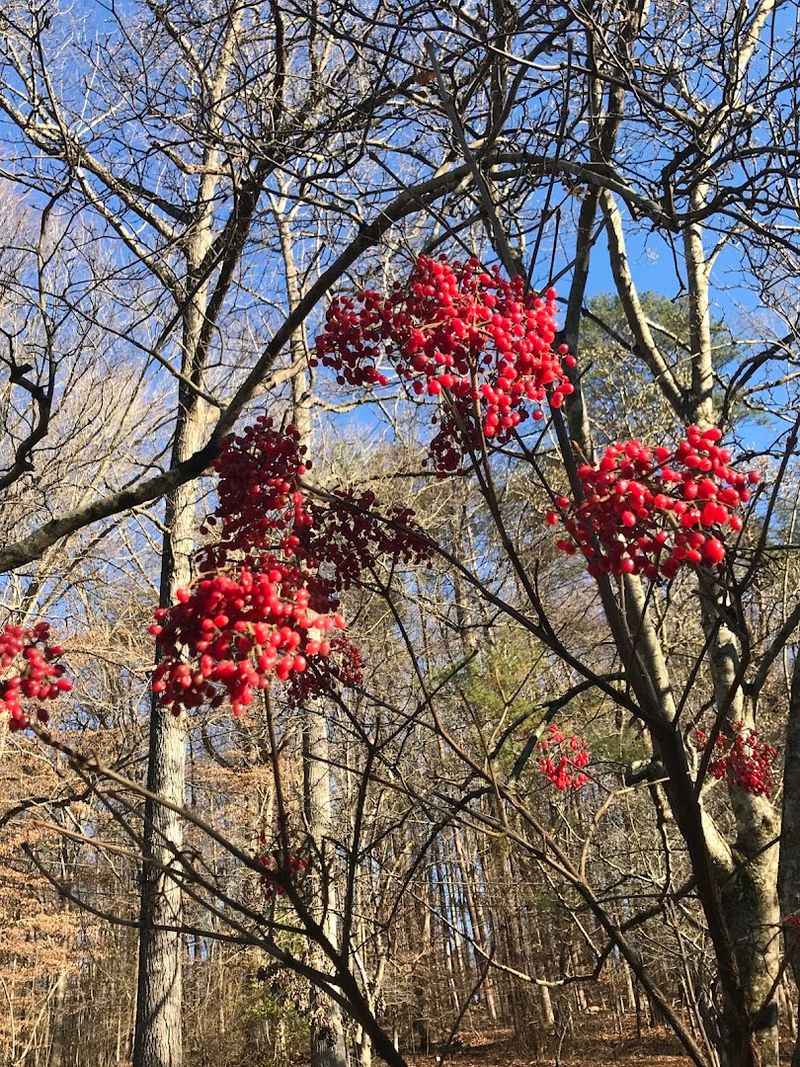
The holly garden draws particular attention during fall and winter months, when its deep green leaves and bright berries create a striking visual contrast against bare surroundings.
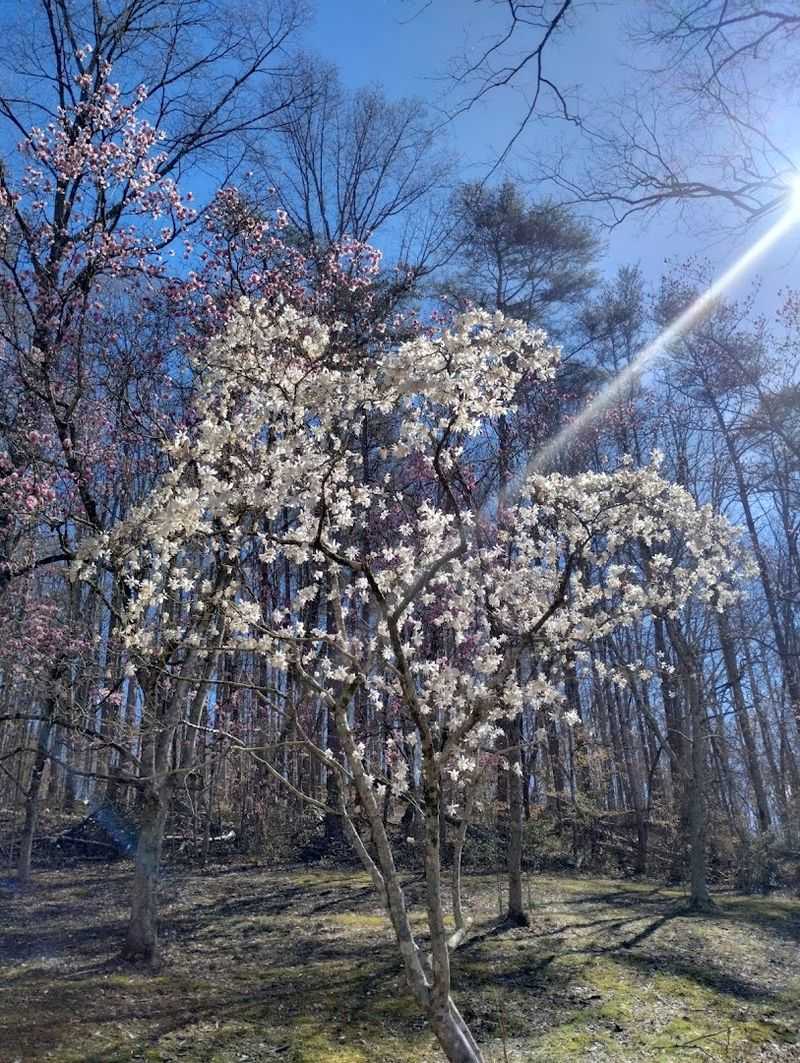
Spring brings the dogwood and magnolia collections into full display, producing color that rewards early-season visitors who make the trip before summer heat settles in.
Each plant carries a small identification tag, which turns an ordinary walk into something closer to an outdoor classroom.
You can compare bark textures, leaf shapes, and growth habits between species you might otherwise never encounter in a single location.
The arboretum holds collections that would impress even seasoned botanists.
Fungi also make appearances throughout the grounds, particularly after rain, adding another layer of biological interest to the landscape. The diversity here is not accidental.
It reflects decades of intentional cultivation and scientific selection by University of Tennessee researchers committed to preserving and studying plant biodiversity in the American Southeast.
Paths That Tell Tales Of Terrain
The trail system at the University of Tennessee Arboretum is one of its most practical strengths.
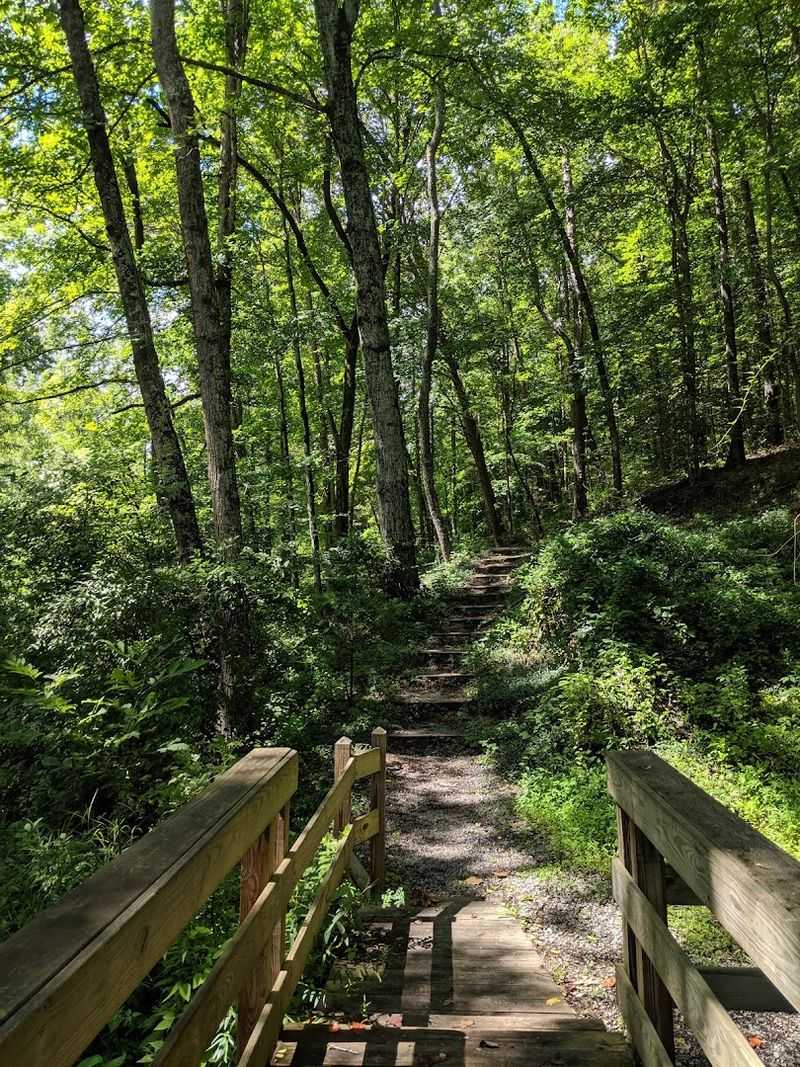
A mix of paved, gravel, and natural surface paths covers the property, giving visitors genuine options based on their fitness level and personal preference.
Some routes are flat and easy; others involve noticeable elevation changes that reward the effort with elevated views.
Trail maps appear at nearly every intersection, which is a detail that experienced hikers genuinely appreciate. Getting turned around in a large green space is a common frustration, and the arboretum addresses it directly with consistent, well-placed signage.
The trails are well maintained and rarely littered, which reflects the care the university puts into the grounds.
A stream and marsh area adds variety to the landscape, offering a different sensory experience compared to the forested sections.
Benches are placed along several routes, making the trails accessible to visitors who need rest stops along the way.
Some paths are suitable for those with limited mobility, though not all are marked as such.
For those who want a longer outing, stringing multiple trails together can produce a satisfying route of several miles.
The arboretum sits between Knoxville and Oak Ridge, so the surrounding environment feels genuinely rural rather than urban, which deepens the sense of being removed from everyday noise.
Echoes Of History In The Landscape
Oak Ridge itself carries a layered history, and the arboretum reflects some of that depth in its own quiet way.
Established as a research and demonstration facility by the University of Tennessee Institute of Agriculture, the arboretum has been shaping the landscape along South Illinois Avenue for decades.
Its origins are rooted in science, not recreation.
The educational signs along the trails show their age in places. Some plaques have faded from years of sun exposure, which gives the property an honest, lived-in character rather than the polished feel of a commercial attraction.
That authenticity is part of what makes a visit here feel meaningful rather than manufactured.
The visitor center near the parking area holds information about the arboretum’s development and the research conducted on the grounds.
Reading through those displays gives context to the plant collections and explains why certain species were chosen for cultivation.
It transforms a walk in the woods into something with historical and scientific dimension.
The arboretum’s location in Oak Ridge, a city with deep ties to American scientific history, feels fitting. A place dedicated to understanding living systems exists in a community built around discovery.
That alignment between the city’s identity and the arboretum’s mission adds a layer of meaning that casual visitors may not immediately notice but will likely sense.
The Arboretum As A Natural Laboratory
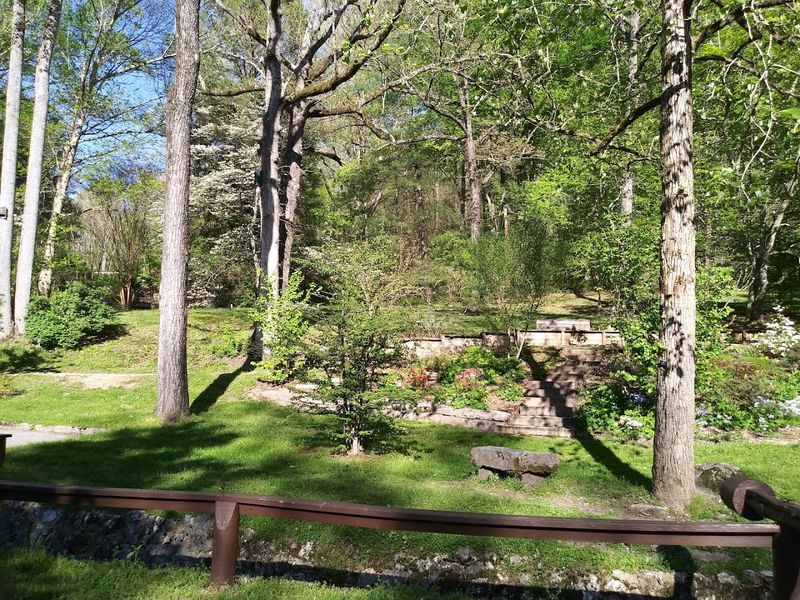
The University of Tennessee Arboretum is not simply a park that happens to have trees. It functions as an active research and demonstration site managed by the University of Tennessee Institute of Agriculture.
Scientists and students use the grounds to study plant growth, adaptation, and ecological relationships in real field conditions.
That research mission shapes the visitor experience in tangible ways. The plant labels throughout the property are more detailed than what you find at typical botanical gardens, often including scientific names, origin regions, and growth characteristics.
Visitors who pay attention to these details leave with a richer understanding of the plant world than they arrived with.
The arboretum also serves as a demonstration ground, showing which plant species and varieties perform well in the Tennessee climate.
That practical information has value for home gardeners, landscape professionals, and anyone interested in sustainable planting choices.
The collections are not random; they represent intentional decisions made with scientific purpose.
Events organized through the arboretum’s website occasionally bring specialists to the grounds for guided programs on topics ranging from tree identification to wildlife ecology.
Checking the University of Tennessee Arboretum website at utarboretum.tennessee.edu before a visit is worth the effort.
You may find a scheduled program that deepens the experience considerably beyond a standard self-guided walk.
Where Wild Creatures Roam Freely

A landscape this large and this carefully maintained naturally draws wildlife.
Birds are a consistent presence throughout the arboretum, and the variety of tree and shrub species provides the kind of layered habitat that supports a range of species across different seasons.
Birders who bring binoculars tend to leave with a satisfying list.
Snakes are also part of the ecosystem here, and that is worth knowing before you visit. At least one visitor has documented a close encounter with a green snake along the trails.
The species are generally harmless and prefer to avoid human contact, but watching where you step, especially near dense undergrowth, is simply good practice in any woodland setting.
Mushrooms and fungi appear throughout the grounds, particularly after periods of rain. Their variety and abundance surprise many visitors who come primarily for the trees and leave having photographed an unexpected collection of forest floor life.
The arboretum’s ecosystem supports more than just the planted specimens.
Dogs are not permitted on the grounds, which is a policy worth confirming before arrival if you planned to bring a pet. The restriction helps protect both the wildlife and the plant collections from disturbance.
For human visitors, the undisturbed animal life that results from that policy makes encounters with birds, insects, and other creatures far more frequent and rewarding.
Seasons Of Change And Continual Discovery
Few places reward repeat visits as consistently as the University of Tennessee Arboretum.
Each season brings a different version of the same landscape, and the differences are significant enough to make a return trip feel like an entirely new experience rather than a repetition of the last one.
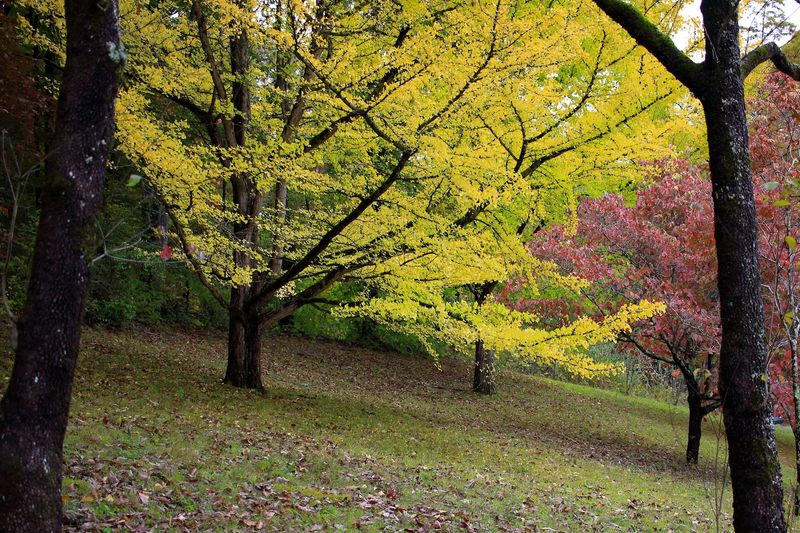
Autumn draws visitors for obvious reasons. The foliage across 250 acres of mixed tree species produces color that builds gradually through October and into November.
The crisp air and the sound of dry leaves underfoot create an atmosphere that many people describe as genuinely calming. November visits in particular offer a quiet intensity that spring and summer cannot match.
Spring is when the dogwood and magnolia collections reach their peak, and the flowering shrubs throughout the property add color in waves as different species bloom at different times.
Summer brings dense shade beneath the mature tree canopy, which makes midday walks far more comfortable than they would be in open terrain.
Winter strips the deciduous trees down to their structure, which is actually a good time to study bark patterns, branch architecture, and the evergreen collections that hold their character year-round. The holly garden looks particularly strong in winter.
No single season is a wrong time to visit 901 S Illinois Ave in Oak Ridge, though spring and fall tend to offer the most visual reward per mile walked.
An Enduring Legacy Of Biodiversity
What the University of Tennessee Arboretum represents at its core is a long-term commitment to preserving and studying plant diversity in the American Southeast.
That commitment did not happen overnight, and it will not end with any single season or administrative change.
The institution behind it has maintained this landscape for generations.
The 2,500-plus plant specimens on the grounds represent species from across the globe, many of which are not commonly found in public green spaces. That breadth of collection gives the arboretum genuine scientific value beyond its recreational appeal.
Researchers, educators, and curious visitors all benefit from the same resource for very different reasons.
Visitors from outside the region, including those who have traveled from states as far as Michigan, consistently express surprise at the scale and quality of what they find here.
The arboretum’s profile does not match its actual substance, which means most people arrive with modest expectations and leave having recalibrated their understanding of what a free public green space can offer.
Reaching the arboretum is straightforward. For questions or event information, the arboretum can be reached at +1 865-483-3571.
A visit here is not something you forget quickly, and the cost of entry ensures there is no reason to postpone it.