
This 189,000-Acre Mississippi Forest Hides A Free Fossil Scavenger Hunt Across Its Secret Creeks
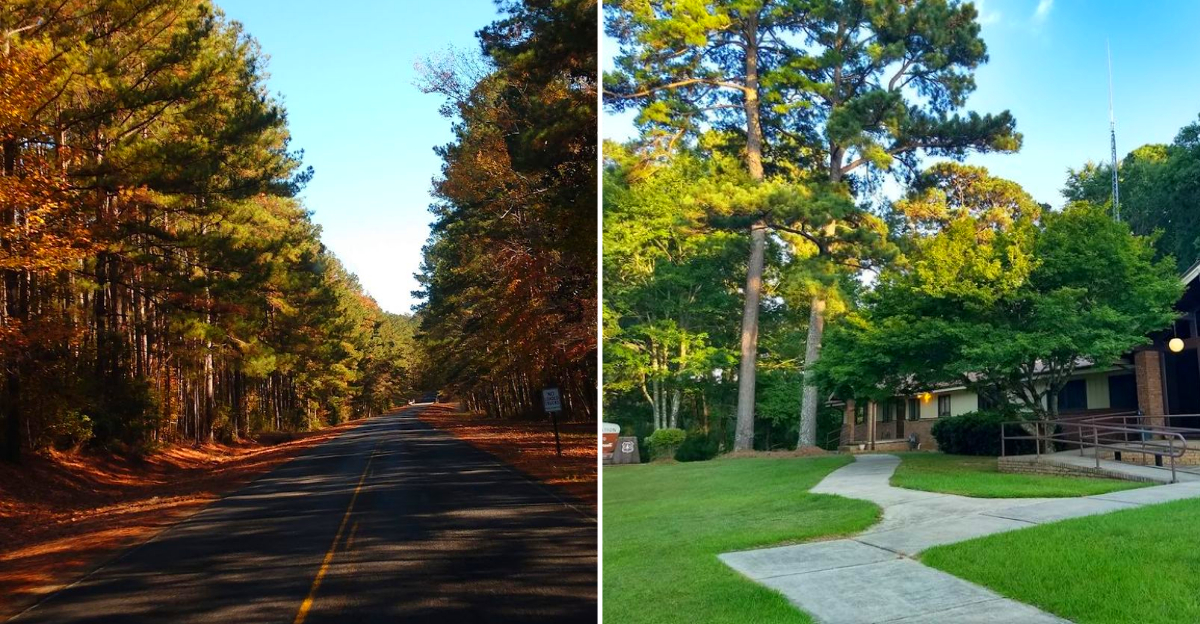
Prehistoric treasures do not usually announce themselves with big signs and gift shop lighting. Somewhere in Mississippi, a vast forest of piney hills, quiet roads, and winding creeks turns a simple outdoor walk into a fossil hunt that feels almost too fun to be free.
The best part is how ordinary it seems at first. You follow the water, scan the gravel, kneel near a creek bed, and suddenly the ground starts looking a lot more interesting.
Tiny clues from millions of years ago can appear in places most travelers pass without a second glance. No fancy equipment is needed for casual searching, just patience, curiosity, and shoes you do not mind getting muddy.
This is the kind of Mississippi adventure that makes kids feel like explorers and adults forget they are supposed to be mature. A forest walk becomes a scavenger hunt, and every creek bend feels like it might be holding a secret.
The Ancient Secret That Makes This Forest Unforgettable
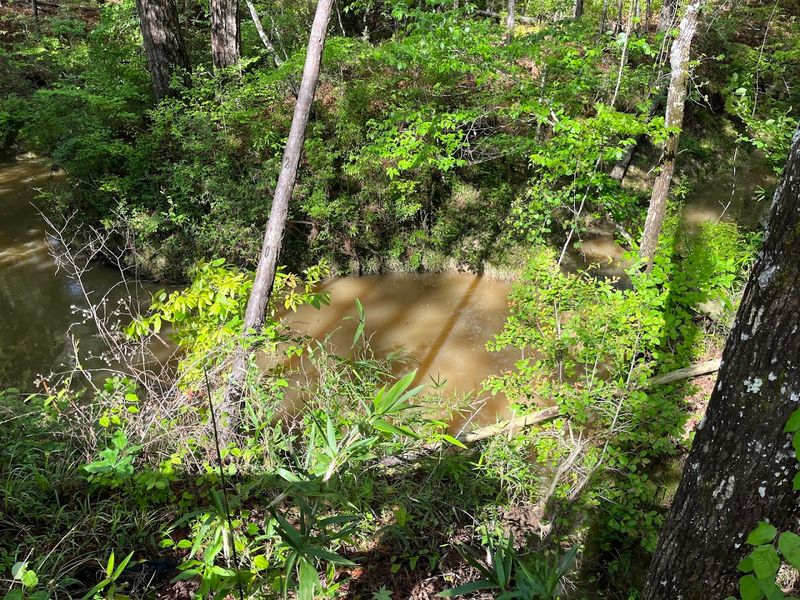
Not every forest keeps its best surprises underground, but Homochitto National Forest does exactly that. Beneath the roots and riverbeds of this sprawling Mississippi woodland lies a record of life that stretches back tens of millions of years.
The landscape itself tells the story, if you know how to read it.
The forest sits on top of ancient sea beds, meaning the ground here was once covered by a shallow ocean. Over time, shifting tectonic plates and erosion pulled that seafloor up into the hills and creek banks you can walk through today.
The result is a geological playground unlike anything most visitors expect from a Southern pine forest.
Thick loess deposits, a fine wind-blown silt, have carved the terrain into dramatic ravines and stream networks. Every rainstorm chips away at those banks and reveals something new.
Fossil hunters have found shark teeth, ancient seashells, and even fragments from archaeocete whales right here in Mississippi. The forest has been building this collection since 1936, and it shows no signs of stopping anytime soon.
Homochitto National Forest: Your Starting Point For Time Travel
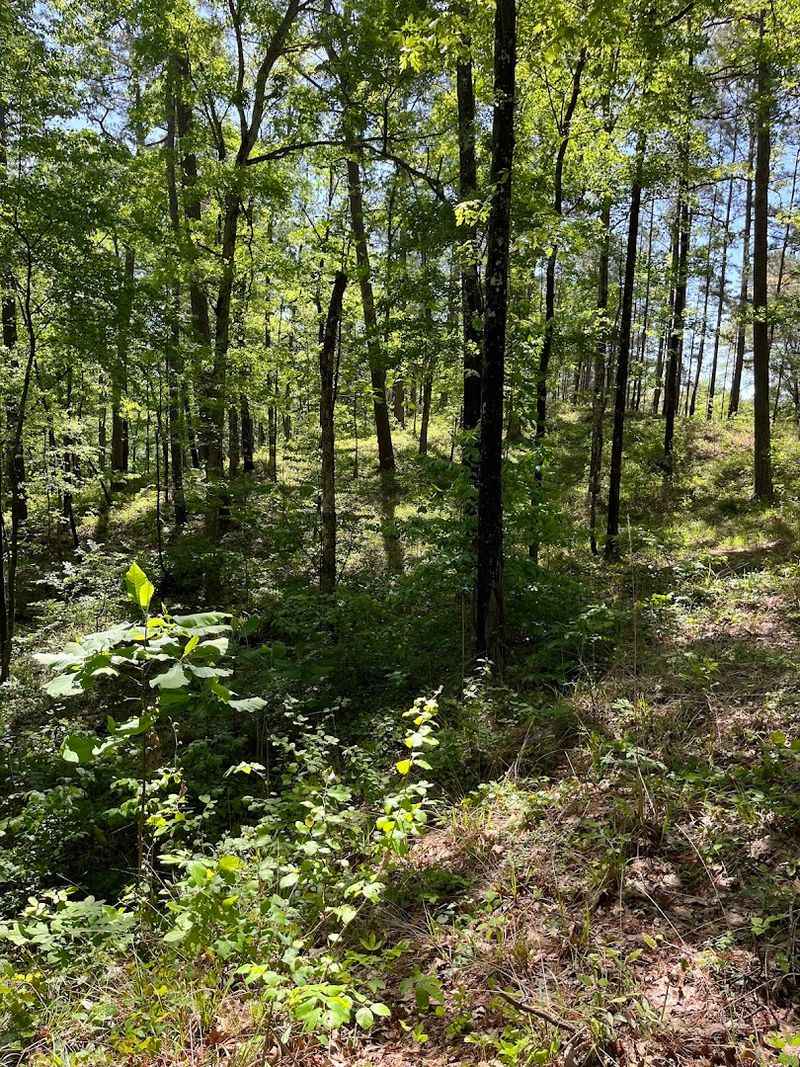
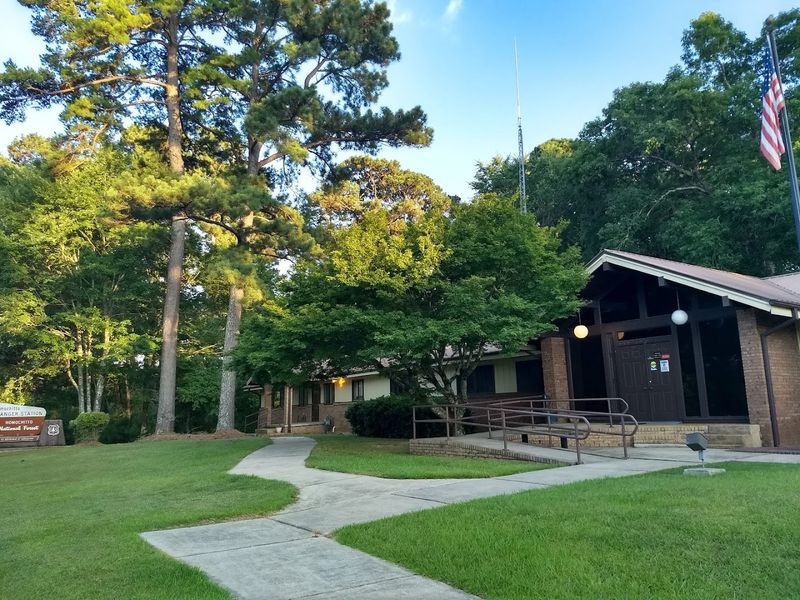
Officially headquartered in Meadville, Mississippi, Homochitto National Forest has been welcoming explorers since the Roosevelt administration established it in 1936.
The name itself comes from a Choctaw phrase meaning “Big Red River,” a nod to the Homochitto River that winds through the heart of the forest.
That river and its many tributaries are the main reason fossil hunters keep coming back.
The forest address is Mississippi 39661, and it covers land across several southwestern Mississippi counties. Getting there is straightforward, and once you arrive, the scale of the place genuinely surprises first-time visitors.
Nearly 192,000 acres of mixed pines, hardwoods, and creek corridors spread out in every direction.
The Civilian Conservation Corps did heavy reforestation work here during the 1930s, planting trees and building infrastructure that still stands today.
Their legacy is visible in places like the Clear Springs Recreation Area pavilion, which now holds a spot on the National Register of Historic Places.
Homochitto is not just a forest. It is a living archive of both natural and human history, and the front door to an adventure you will be talking about for years.
Creek Beds That Double As Fossil Goldmines
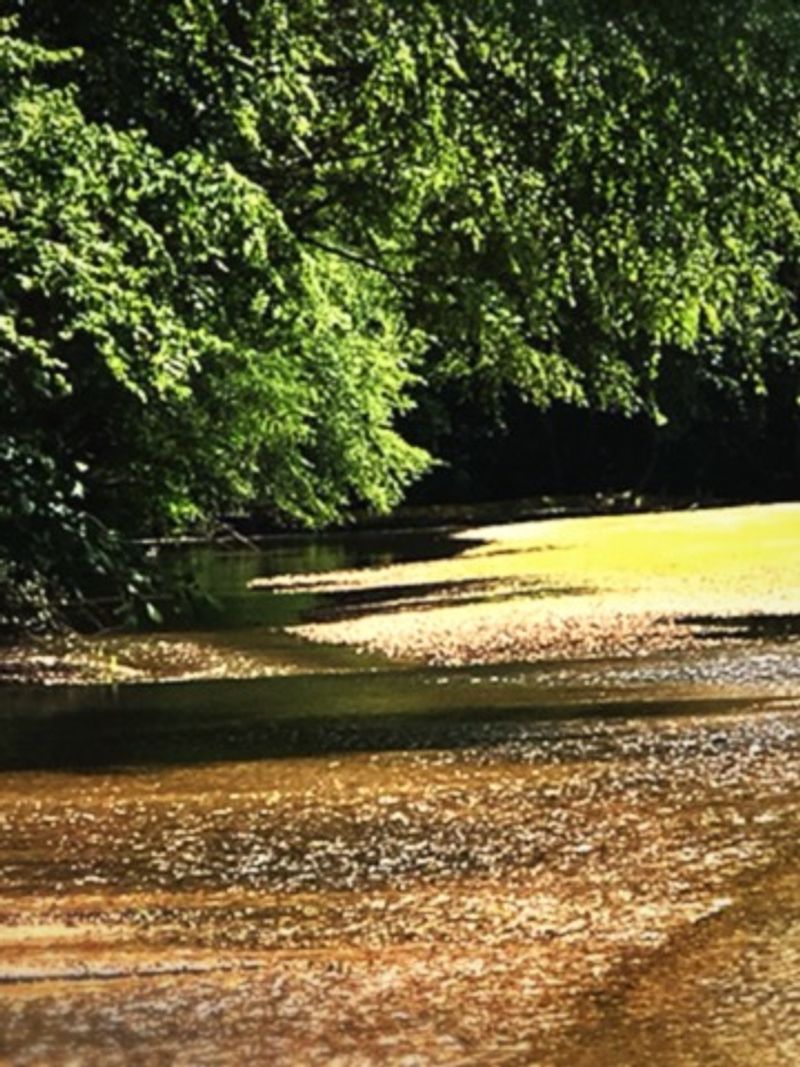
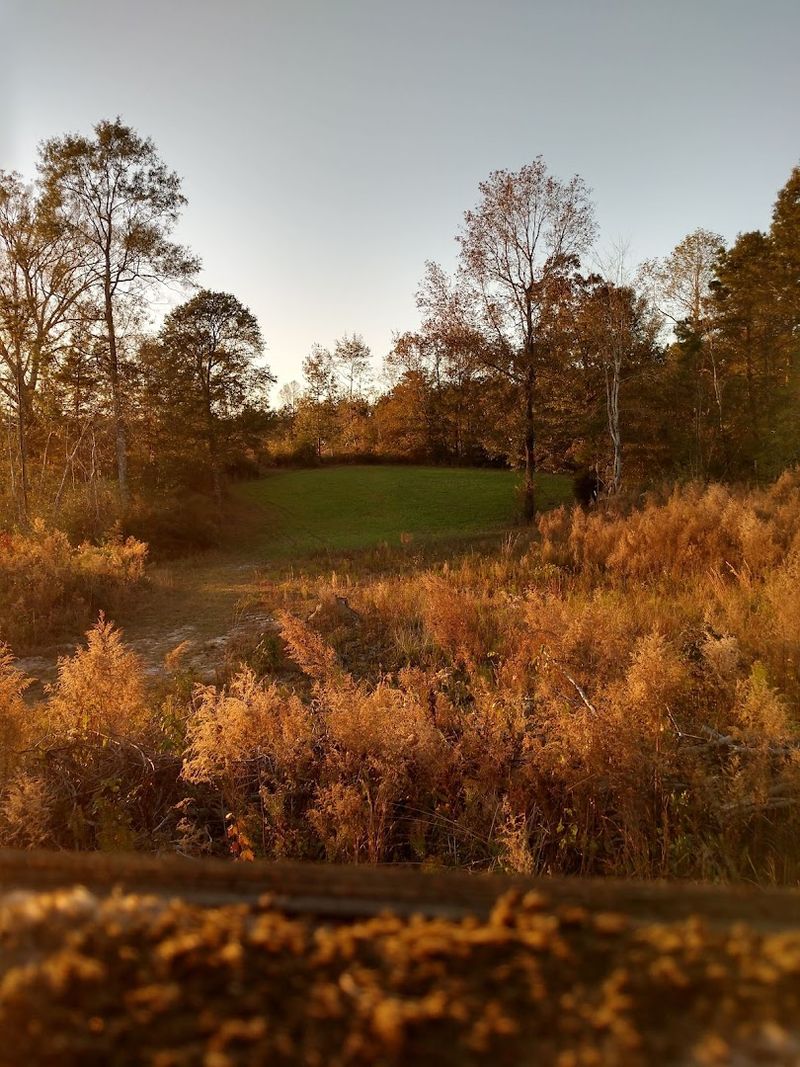
Few things are as satisfying as crouching beside a gravel bar and spotting something that does not belong in ordinary rock. The creek beds of Homochitto National Forest are loaded with chert gravel fossils and banded agates that wash out of the hillsides after every good rain.
Brushy Creek is one of the most well-known spots for fossil finds in the entire forest.
The Homochitto River watershed drains Pliocene and Pleistocene terraces, which means the streambeds are constantly refreshed with ancient material.
Pleistocene-aged remains of ice age creatures have turned up in these waters, including fragments from ancient bison, horses, ground sloths, and even mastodons.
Marine fossils like shark teeth and ancient seashells also appear regularly, carried down from eroding hillside deposits.
The best time to search is shortly after rainfall, when fresh material has been exposed along the banks. You do not need any special equipment for casual surface collecting.
A sharp eye, a mesh bag, and a willingness to get your boots muddy are the only real requirements. The creeks do most of the work for you, and every visit to a new waterway feels like opening a different chapter of the same remarkable story.
Rules Of The Hunt: What You Can And Cannot Take
Every good treasure hunt has rules, and the fossil scavenger hunt at Homochitto is no different. The U.S.
Forest Service allows casual collecting of common invertebrate and plant fossils without any permit. That covers things like ancient seashells, plant impressions, and most marine specimens you are likely to find along the creek banks.
Each person can collect up to 25 pounds of common fossils per day, with a yearly cap of 100 pounds. Petrified wood follows a similar rule: 25 pounds plus one additional piece per day, with a maximum of 250 pounds per calendar year.
All collected material must stay personal and non-commercial, meaning you cannot sell, trade, or barter anything you find.
Vertebrate fossils, which include bones, teeth, or trackways from animals with backbones, are strictly off-limits without a research permit.
If you stumble across something that looks like a large bone or a set of tracks, photograph it, record the location, and report it to the local Forest Service office.
Heavy machinery and power tools are completely forbidden for digging. Only small hand tools are allowed, and any digging should leave the landscape as undisturbed as possible.
Always confirm current regulations with the Forest Service before heading out.
The Loess Hills: Where Geology Gets Dramatic
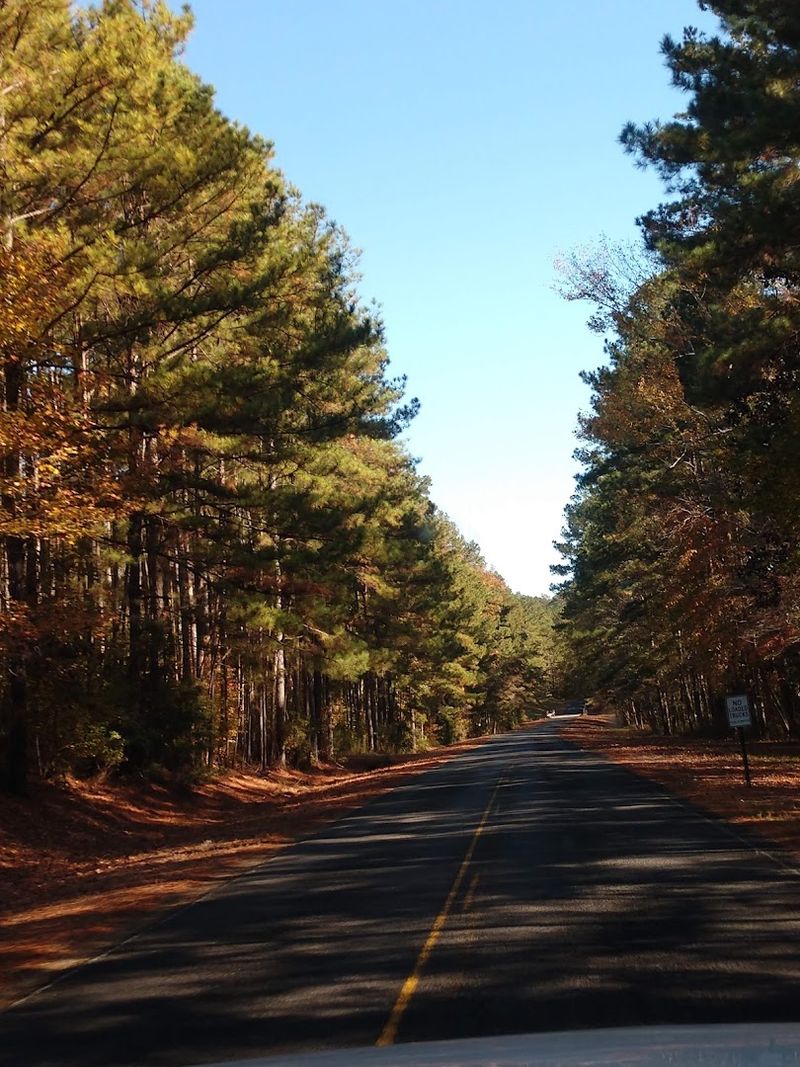
Loess deposits are one of the geological world’s more underrated wonders. At Homochitto, thick layers of this fine wind-blown silt have been eroding for thousands of years, carving the land into a maze of steep ravines, narrow hollows, and dramatic stream corridors.
Walking through one of these ravines feels like wandering through a canyon that nobody told you existed in Mississippi.
The erosion process is what makes fossil hunting here so productive. Every time a bank collapses or a creek cuts deeper into the hillside, new material gets exposed.
Fossils that were buried for millions of years suddenly appear at the surface, waiting for the first person to notice them. The loess hills essentially do the excavation work for you.
Over 850 plant species have been recorded across the forest, and many of them thrive specifically in the moist, sheltered conditions created by these ravines. Ferns, wildflowers, and mosses carpet the ravine floors in shades of green that almost glow in the afternoon light.
The combination of geological drama and botanical richness makes the loess hills one of the most visually striking parts of the entire forest. Few places in the South pack this much variety into a single hike.
Clear Springs: The Forest’s Refreshing Reward
After a morning of fossil hunting along creek banks, Clear Springs Recreation Area is the kind of reward that makes the whole trip feel complete. The centerpiece is a 12-acre spring-fed lake with water clear enough to make you want to jump in immediately.
Swimming and fishing are both popular here, and the atmosphere is genuinely relaxed.
The historic pavilion at Clear Springs was built by the Civilian Conservation Corps in the 1930s and now holds a place on the National Register of Historic Places. It is a beautiful structure, and it adds a layer of human history to what is already a rich natural setting.
Picnicking under that pavilion while looking out over the lake is a simple pleasure that hits differently than most outdoor experiences.
The recreation area also serves as a great base camp for families exploring the broader forest. Trails radiate outward from the area, and the lake itself is calm enough for young swimmers.
Fishing here turns up bass and other warm-water species that thrive in the spring-fed conditions. Clear Springs manages to feel both peaceful and lively at the same time, which is a balance that most recreation areas spend years trying to achieve and never quite get right.
Trails Built For Every Kind Of Explorer
Homochitto National Forest has a trail system that genuinely covers all the bases. Hikers, mountain bikers, and equestrians each have dedicated routes, and none of them feel like afterthoughts.
The forest takes its recreational infrastructure seriously, and it shows in the quality and variety of the options available.
The Richardson Creek Trail has earned a reputation as one of Mississippi’s top mountain biking experiences. The terrain rolls and dips through dense forest in ways that keep riders engaged from start to finish.
It is challenging enough to satisfy experienced riders but accessible enough for anyone with solid trail experience and a good sense of balance.
Equestrians can explore the 5.5-mile Brushy Creek Horse Trail, which winds through some of the forest’s most dramatically steep terrain.
The route was specifically designed to showcase the topographic variety of the region, and it delivers on that promise consistently.
Hikers have access to multiple paths that pass through diverse plant communities, open hardwood ridges, and shaded creek corridors. The forest’s trail network rewards repeat visits because each route reveals a different character of the landscape.
Pack enough water, wear sturdy footwear, and give yourself more time than you think you need. Homochitto has a way of making hours disappear.
Okhissa Lake: Big Water In A Quiet Forest
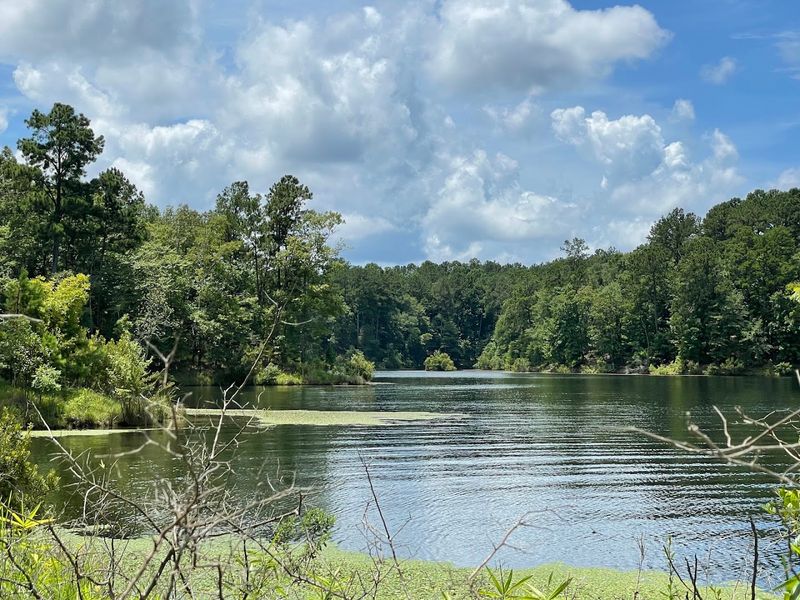
Okhissa Lake is the kind of place that stops you mid-step when you first see it through the trees. At 1,075 acres of open water with nearly 40 miles of shoreline, it is significantly larger than most people expect from a forest lake in southwestern Mississippi.
The scale of it feels almost out of place, in the best possible way.
Fishing is the main draw here, and the lake supports a healthy population of largemouth bass, crappie, and catfish. Multiple boat ramps provide easy water access, and the lake is calm enough for kayaking and canoeing when the weather cooperates.
Anglers come from across the region specifically for Okhissa, and the lake has a loyal following that speaks to the quality of the fishing.
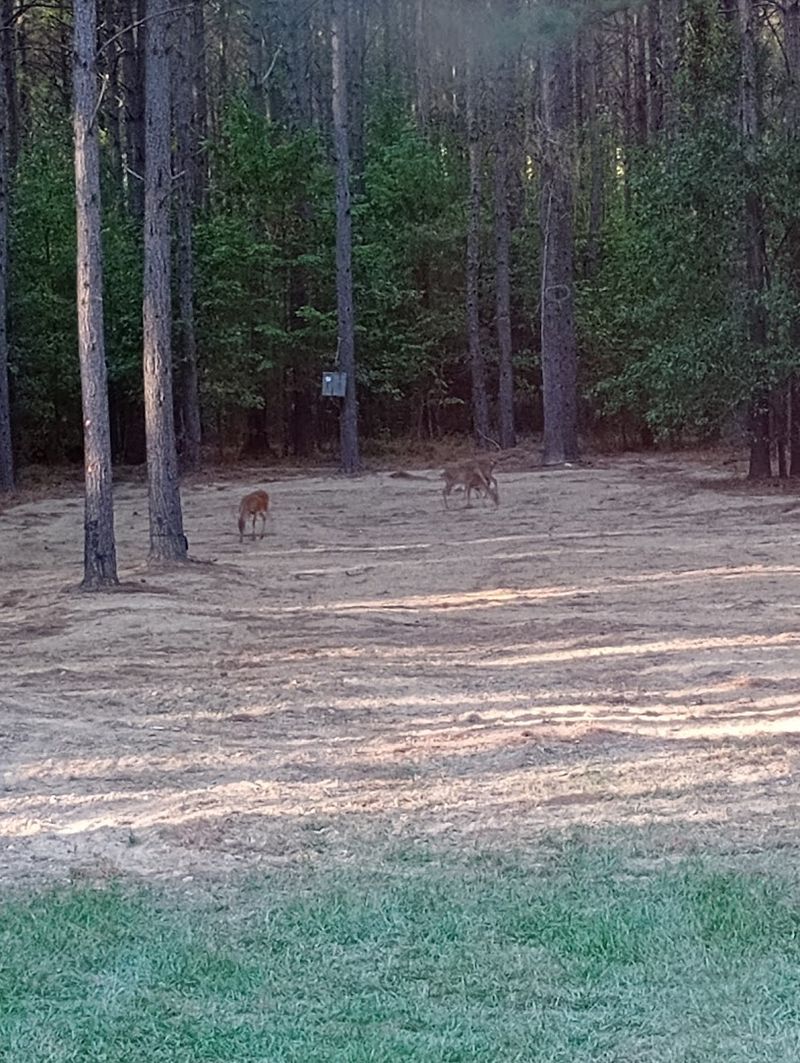
The shoreline offers plenty of quiet spots for watching wildlife, and the surrounding forest provides a constant soundtrack of birdsong and rustling leaves.
Early mornings on the water here are particularly memorable, with mist rising off the surface and the forest just beginning to wake up around you.
Okhissa Lake proves that Homochitto is not just about what lies beneath the ground. The above-ground experience is just as compelling, and just as worth the trip.