
This Beautiful Mississippi Trail Offers A Magical Outdoor Experience Away From The Crowds
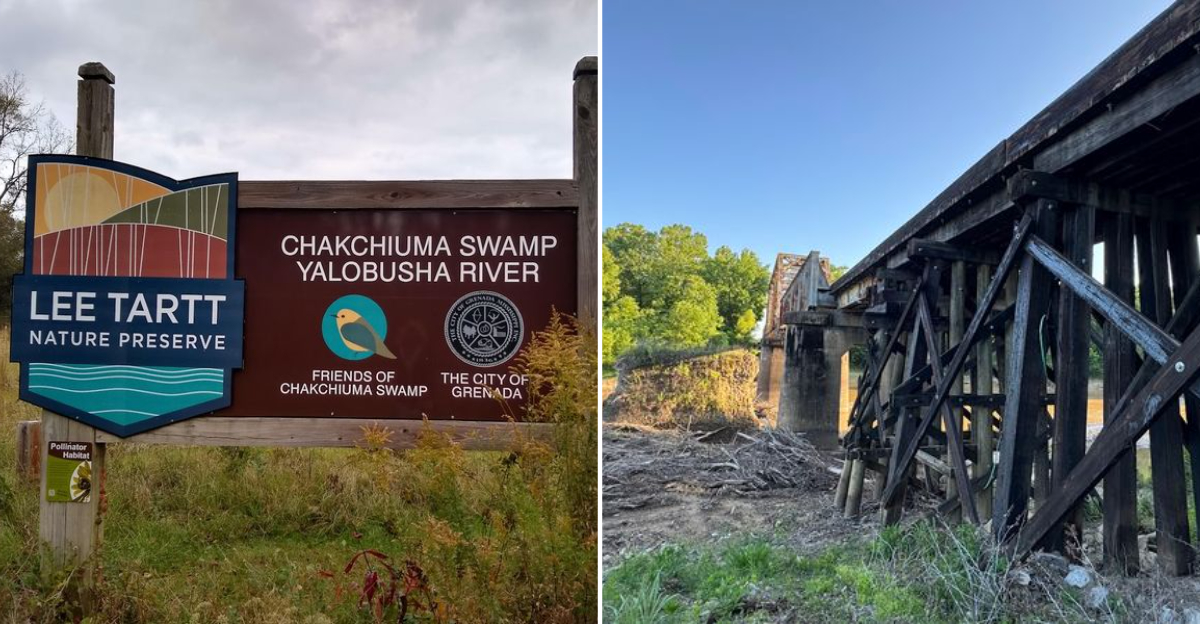
Crowds never found this one, and the trail has been quietly benefiting from that oversight ever since. What waits along its path delivers something that busier outdoor destinations rarely manage to offer alongside the foot traffic they attract.
The surroundings shift gradually rather than announcing themselves all at once. Each section earns attention before the next one arrives, building toward an experience that accumulates rather than peaks at a single moment.
Photographers and hikers who discover it describe the particular satisfaction of moving through beauty that belongs entirely to whoever showed up that day. That feeling disappears the moment a crowd arrives to share it.
Mississippi outdoor spaces this rewarding surviving without recognition require either obscurity or the quiet loyalty of visitors who protect what they find. This trail appears to have cultivated both, and the magic along its path remains completely intact.
Flora And Fauna In The Mississippi Wilderness
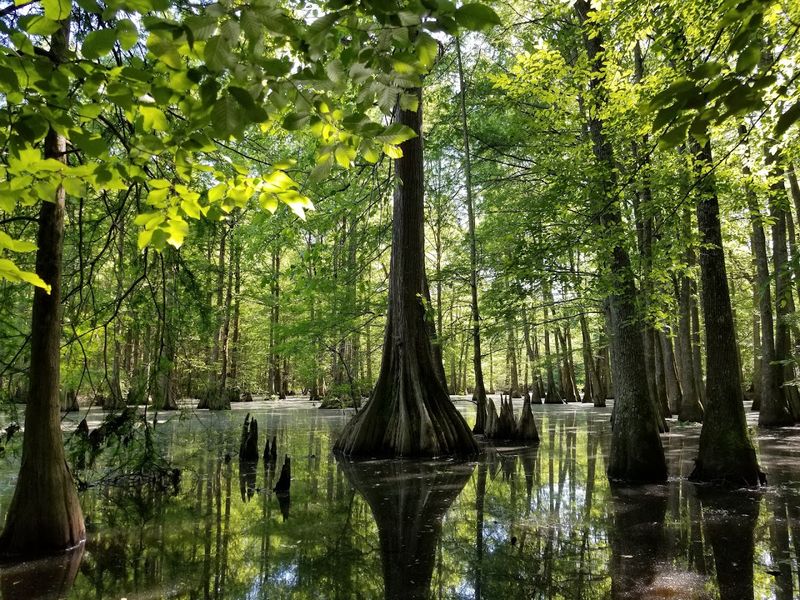
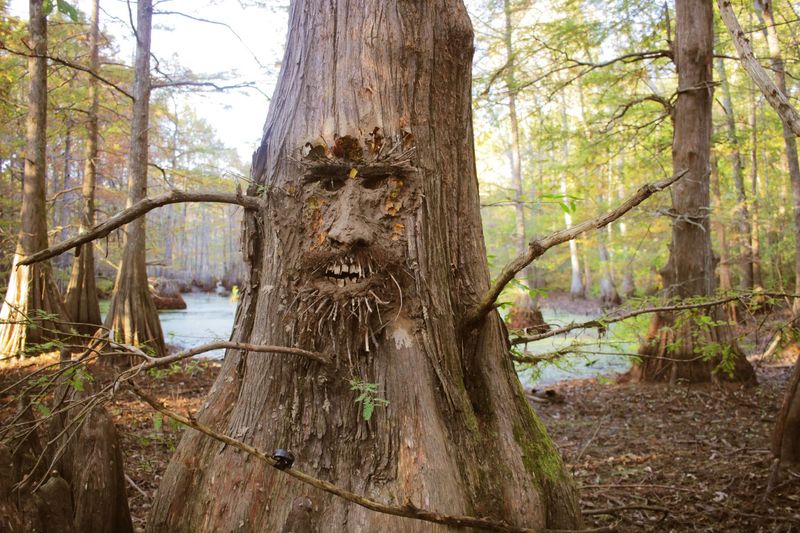
The forest at Lee Tartt Nature Preserve is not your average patch of trees. Bald cypress and water tupelo rise tall around oxbow lakes covered in bright green duckweed.
It looks like something from a nature documentary.
Grenada County sits where the Mississippi Delta meets the loess bluffs. That geography creates a wild mix of plant and animal life you rarely find in one place.
Turtles sun themselves on logs. Frogs call from the water.
Fish dart below the surface.
Butterflies are a big deal here. The zebra swallowtail feeds on native pawpaw plants.
The gulf fritillary uses passion vine. Both are easy to spot if you walk slowly and pay attention.
Reptiles are part of the ecosystem too. Snakes and alligators exist here, though sightings are rare.
The habitat supports them naturally, and that is actually a sign of a healthy environment.
Bottomland hardwood forests like this one are disappearing across the South. Having 300 acres of it protected inside a city is genuinely rare.
The diversity here is not accidental. It is the result of conservation work that keeps the ecosystem intact.
You do not need to be a biologist to enjoy it. Just walk the trail, look around, and let the forest do the talking.
Find the preserve at 320 N Main St, Grenada, MS 38901.
Trail Hiking Tips For Safety And Comfort
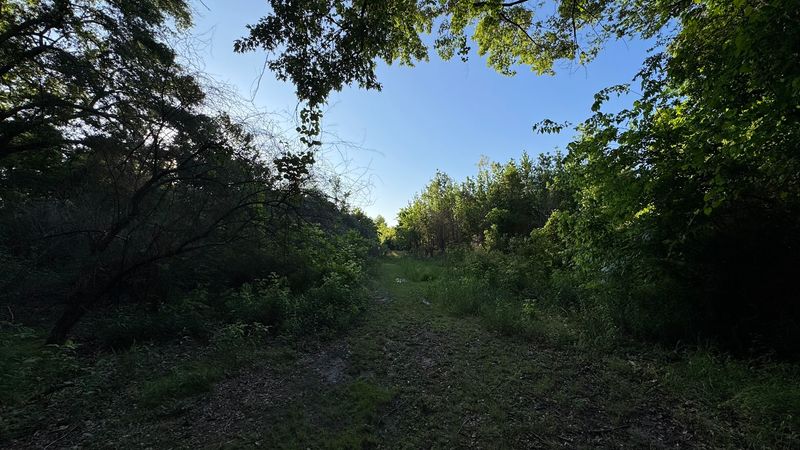
Hiking here is flat and manageable. The Bottomland Trail runs about 2.23 miles total, and it is a good fit for kids and casual walkers.
That said, a few smart moves will make your visit much better.
Mississippi summers are genuinely hot. Carry more water than you think you need.
Heat and humidity hit fast, especially inside a dense forest where air does not move much.
Wear sturdy, closed-toe shoes. The trails can get muddy after rain.
Flip-flops will not survive this terrain, and neither will your mood if you slip.
Pack a small first-aid kit. Bandages, antibiotic ointment, and gauze pads cover most minor trail situations.
Fire ants are common in this region, and they are not shy about making themselves known.
Poison ivy grows along many Mississippi trails. Learn what it looks like before you go.
The old saying, leaves of three, let it be, is genuinely useful here.
Phone service can be unreliable in parts of the preserve. A basic map or compass is worth bringing.
Tell someone where you are going and when you plan to return.
Venomous snakes do live in this area. Avoid putting your hands or feet in spots you cannot see clearly.
Walk with a buddy when possible. The trail is rewarding, and a little preparation makes it even better.
Seasonal Changes And Their Impact On Wildlife
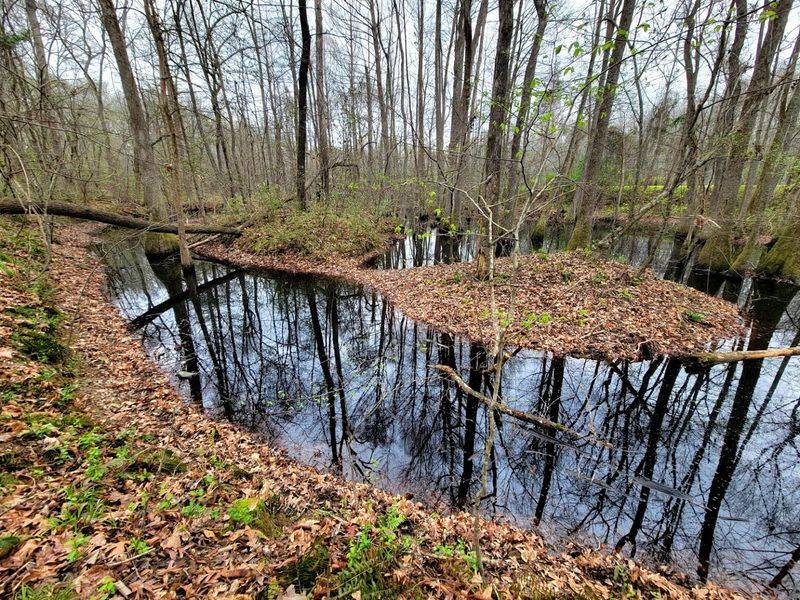
The preserve looks completely different depending on when you visit. Seasons here are not subtle.
They reshape the landscape, the water levels, and the entire cast of wildlife you encounter on the trail.
Spring and fall are migration seasons. The Mississippi Flyway is one of the busiest bird migration corridors in North America.
Grenada sits right along it. Songbirds and waterfowl pass through in impressive numbers during these windows.
Summer brings heat, but also color. Prothonotary warblers flash bright yellow through the forest.
Summer tanagers add a pop of red. The forest is loud with bird calls and insect noise.
Winter is quieter, but not empty. Hermit thrushes appear in the understory.
Wood ducks move through the oxbow lakes. The bare trees actually make wildlife easier to spot, which is a fair trade for the cold.
Water levels in the oxbow lakes rise and fall with seasonal rainfall. Those changes affect which fish, frogs, and turtles are visible and where they gather.
The ecosystem responds to every shift in the calendar.
The forest produces caterpillars year-round, which keeps insect-eating birds present across all seasons. That steady food source is one reason so many bird species use this preserve as a reliable stop.
No single season is the wrong time to visit. Each one offers something the others do not.
Bird Watching Opportunities Along The Trail
Bird watchers genuinely love this place. Lee Tartt Nature Preserve provides critical habitat for both migratory and year-round resident birds.
The variety you can see in a single morning walk is impressive.
Summer visitors include the prothonotary warbler, sometimes called the swamp candle because of its bright yellow color. The yellow-billed cuckoo also shows up during warmer months.
Both are worth waiting for.
Winter brings hermit thrushes moving quietly through the leaf litter. Wood ducks appear on the oxbow lakes, often in small groups.
They are easy to identify once you have seen them.
Year-round, barred owls and northern cardinals are reliable sightings. The barred owl is especially fun because it calls during daylight hours more than most owl species do.
Friends of Chakchiuma Swamp hosts Beginning Birder workshops for people just starting. Spring Wings is an annual event celebrating birds, butterflies, and the plants that support them.
Naturalists and artists participate together.
An observation deck is currently being developed at the preserve. Once finished, it will give visitors an elevated view over the swamp and surrounding forest.
That kind of vantage point changes everything for bird spotting.
Bring binoculars. A field guide to southeastern birds helps, too.
Walk slowly and stop often. The birds are there.
You just have to slow down enough to notice them.
Photographing Natural Landscapes In Mississippi
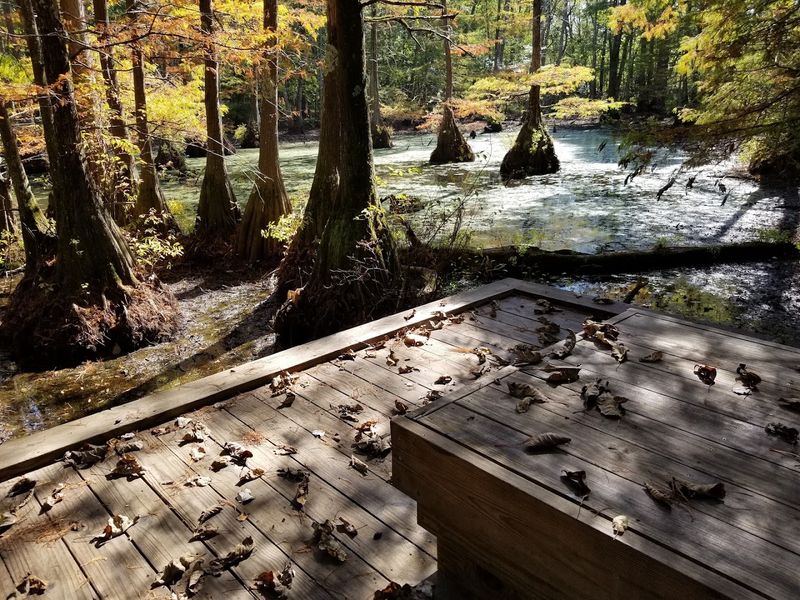
The preserve is a genuinely good place to bring a camera. Boardwalks extend over drainage areas and swamp edges, giving you stable platforms to shoot from without disturbing the habitat around you.
The Chakchiuma Swamp oxbow changes with every season. Winter light hits the bare cypress differently than summer green does.
Both are worth photographing. You will not get the same shot twice here.
For wildlife shots, a telephoto lens is your best tool. It lets you capture birds and turtles at a natural distance.
Getting too close changes animal behavior, and it also ruins the shot.
Wide-angle lenses work well for the forest and floodplain landscapes. The alluvial floodplain has a flat, open character that rewards a broader frame.
Pull back and let the scale of the place show.
Shoot with the sun behind you or to your side. Backlighting can work creatively, but it is harder to manage in a dense forest setting.
Side light shows texture in bark, water, and leaves.
A tripod is useful for long-exposure water shots. Still mornings are ideal for reflections on the oxbow lakes.
Arrive early, and the light rewards the effort.
Fill your frame deliberately. Avoid cluttered backgrounds by positioning yourself carefully before you shoot.
The preserve gives you plenty of natural frames to work with if you slow down and look.
Guided Tours And Educational Programs Availability
Friends of Chakchiuma Swamp does not just manage the land. They actively bring people into it through guided tours and educational programming.
The calendar of events here is more active than most small preserves can manage.
Beginning Birder workshops are a great entry point for anyone who has never used binoculars seriously. Instructors walk with the group and identify species in real time.
It is hands-on and genuinely fun for adults and kids alike.
Swamp Camp for Grown Folks is exactly what it sounds like. Adults get to explore the preserve with a naturalist guide and actually learn the swamp rather than just walking through it.
It is popular for good reason.
Nature At Night events explore the preserve after dark. Nocturnal creatures come out, sounds change, and the forest feels completely different.
It is a smart way to experience a familiar trail in an entirely new way.
Spring Wings is the flagship annual event. It celebrates birds, butterflies, and the native host plants that support them.
Artists and naturalists both participate, which gives the event a creative energy alongside the science.
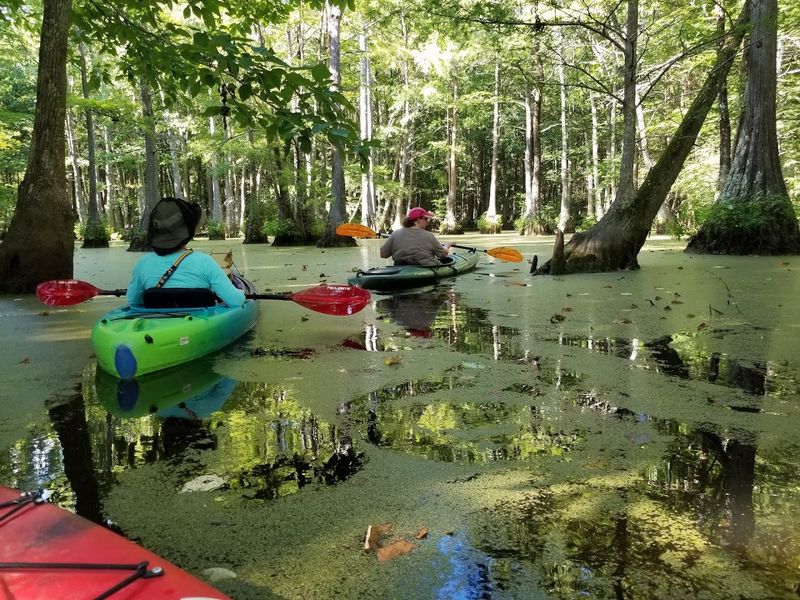
Paddling tours are available in kayaks and canoes with naturalist guides leading the way. Guided hikes focus on plants, birds, and swamp ecology depending on the season.
Check the Friends of Chakchiuma Swamp website at friends-of-cs.org for the current event schedule. Programs fill up, so early registration helps.
Camping Options Near The Preserve
The preserve itself does not have overnight camping. But Grenada Lake nearby offers several solid options that put you close to the preserve and the surrounding natural areas of northern Mississippi.
North Abutment Campground is a popular choice. It has both RV hookups and tent sites.
Visitors who camp there often make the short drive over to walk the Bottomland Trail during their stay.
Eagle Point Primitive Campground offers tent pads with views of Grenada Lake. It is a quieter experience than North Abutment.
If you want fewer neighbors and more stars overhead, this is the right call.
Hugh White State Park Campground has developed sites with water and electricity. It is a comfortable option for families or anyone who wants reliable facilities without roughing it completely.
Purdie Creek Campground has full-hookup RV sites alongside primitive tent spaces. Frog Hollow Campground and RV Park offers similar options.
Both are worth checking if the larger campgrounds are full during peak season.
Grenada Lake draws a lot of visitors in spring and summer. Reservations are strongly recommended during those months.
Waiting until the last minute often means settling for whatever is left.
The combination of camping at the lake and day-tripping to the preserve makes for a genuinely well-rounded outdoor weekend. You get water recreation and forest exploration without driving far between the two.
Preservation Efforts And Conservation Importance
The story of how this preserve came to exist is worth knowing. In 2018, Friends of Chakchiuma Swamp secured a lease on the land by purchasing trees that were scheduled for logging.
That single act changed the fate of 300 acres.
The goal was straightforward. Let the forest complete its natural life cycle without commercial interruption.
That means no logging, no development, and no shortcuts. The ecosystem gets to do what it does best.
A management plan developed with help from Audubon Center ecologists guides ongoing decisions at the preserve. That kind of professional input ensures conservation work is grounded in actual science rather than good intentions alone.
Invasive species removal is an active part of maintenance here. Water hyacinth spreads fast in oxbow lakes and chokes out native plants.
Removing it requires ongoing effort, not a one-time fix.
The preserve functions as a critical urban forest. Having 300 acres of protected bottomland inside a city boundary provides habitat that urban wildlife genuinely depends on.
It also benefits the human community through cleaner air and water filtration.
FCS aims to make the preserve accessible and educational, not just protected. The vision includes an interpretation of the bottomland forest so that visitors leave understanding why the place matters.
Conservation here is not abstract. It is specific, funded, managed, and ongoing.
That is what makes Lee Tartt Nature Preserve more than just a nice walk in the woods.