
This Wisconsin Restaurant’s Traditional Fish Boil Is A Door County Tradition Worth Experiencing
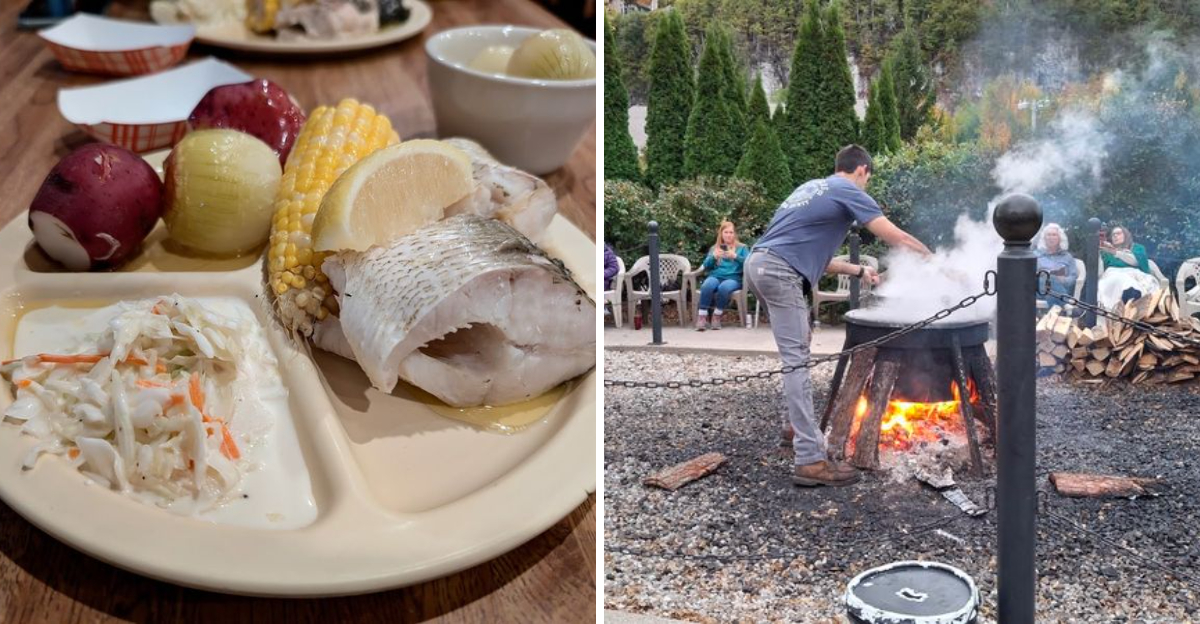
Dinner gets dramatic when a giant kettle, roaring flames, and fresh whitefish take center stage. Door County has turned this old cooking method into one of Wisconsin’s most memorable food traditions, complete with a fiery boil-over that makes the crowd step closer.
The spectacle is only half the fun. Once the flames settle, tender Lake Michigan whitefish lands on the plate with potatoes, onions, melted butter, and plenty of local character.
Generations have gathered around this communal meal, passing down a tradition shaped by Scandinavian heritage and life along the peninsula. Travelers come for the show, stay for the flavor, and leave understanding why a simple fish dinner can become such a beloved Door County experience.
The Fish Boil Tradition Has Deep Scandinavian Roots
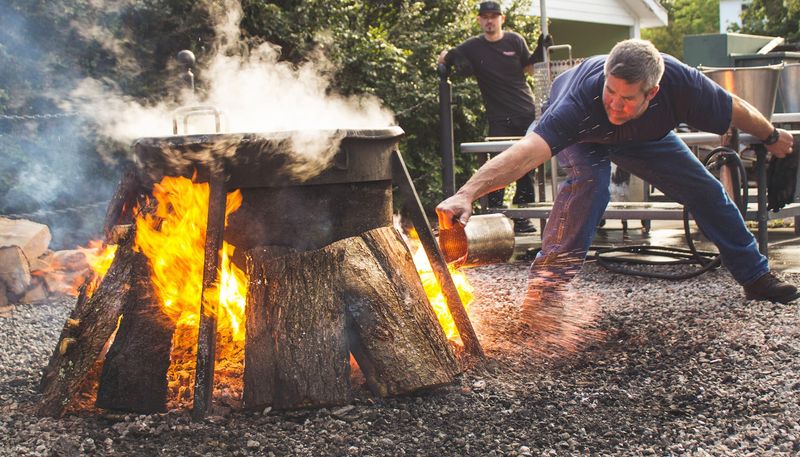
Scandinavian immigrants brought this cooking method to Wisconsin’s shores more than a century ago, adapting techniques from their homeland to suit the abundant resources of the Great Lakes region. Fishermen and lumberjacks needed hearty, efficient meals that could feed large groups after long days of demanding work.
Boiling fish in massive kettles over open flames provided exactly that kind of sustenance.
The tradition took root in Door County partly because of the area’s strong Norwegian and Swedish heritage, where outdoor communal cooking already held cultural significance. Families would gather around the fire, sharing stories while dinner cooked in the kettle.
At Pelletier’s Restaurant on 4199 Main Street in Fish Creek, this heritage continues with nightly demonstrations that honor the original methods while welcoming guests into the experience.
What began as practical necessity evolved into a celebrated regional tradition that now defines Door County dining culture for visitors from around the world.
Lake Michigan Whitefish Is The Star Of The Meal
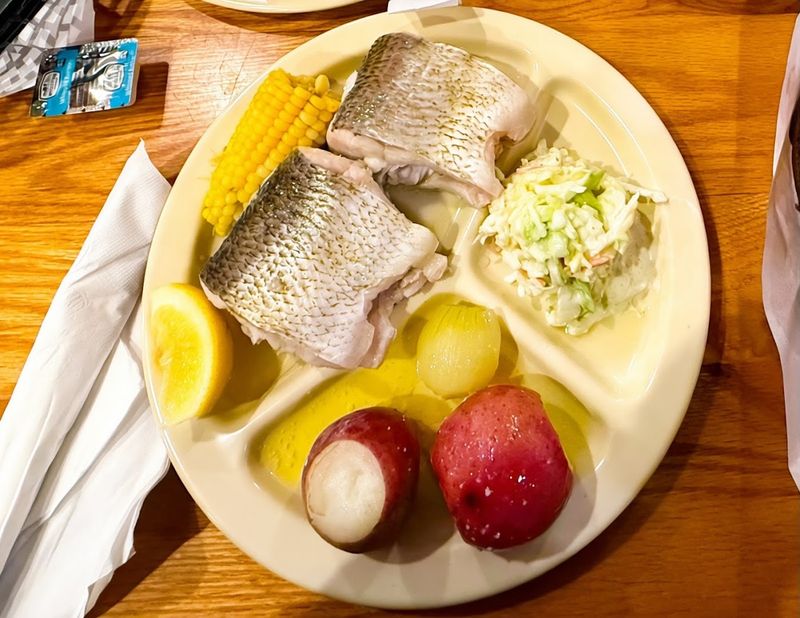
Lake Michigan whitefish earns its place as the centerpiece of this tradition thanks to its delicate flavor and firm texture that holds up beautifully during the boiling process. This native species thrives in the cold, clean waters surrounding Door County, making it both sustainable and locally significant.
The mild taste appeals to seafood enthusiasts and newcomers alike, never overwhelming the palate with fishiness.
Pelletier’s sources fresh whitefish that arrives with its natural oils intact, which helps keep the meat moist even during high-heat cooking. The fish steaks include bones, which requires careful eating but also indicates authenticity.
Guests learn quickly that removing the central vertebral column makes the rest of the process much easier.
The generous portions at this Fish Creek establishment have earned particular praise, with many diners noting that even the single fillet option provides more than enough food for a satisfying meal.
Dinner Begins Around A Roaring Outdoor Fire

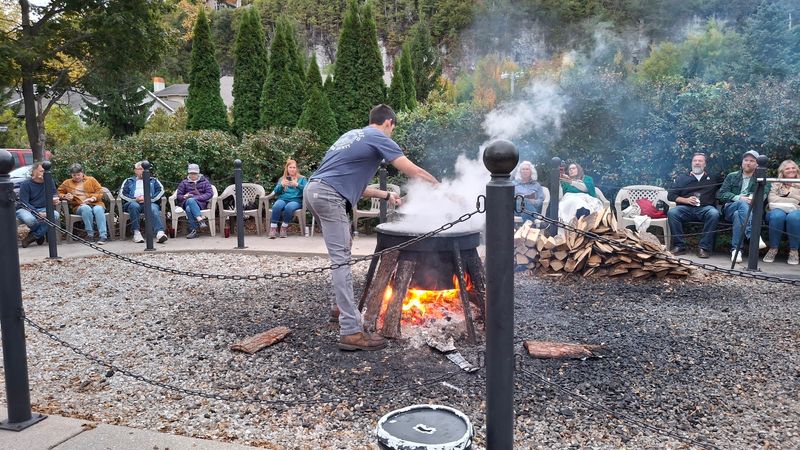
Arriving early proves wise at Pelletier’s, where the cooking process itself serves as entertainment for the hour leading up to dinner service. Guests gather in the outdoor area behind the restaurant, where the massive kettle sits over a wood fire that crackles and pops with increasing intensity.
The atmosphere carries a campfire quality that immediately relaxes visitors after a day of exploring the peninsula.
The outdoor seating area provides front-row views of the entire preparation, though those who arrive closer to serving time may find themselves watching from standing positions or heading inside. Either way, the spectacle remains visible and the anticipation builds steadily.
At 4199 Main Street, the backdrop of Fish Creek adds to the charm, with the natural beauty of Door County framing the experience.
Watching flames dance beneath the kettle while the aroma of cooking fish drifts through the air creates an atmosphere that modern restaurants rarely achieve through design alone.
The Dramatic Boil-Over Turns Dinner Into A Show

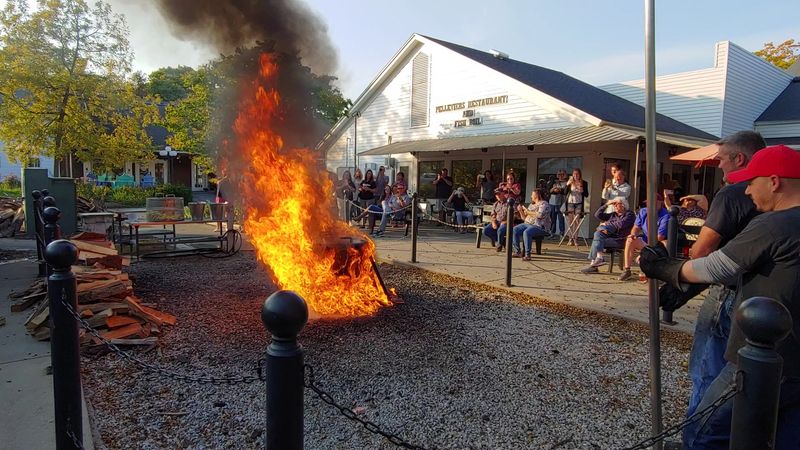
The climax of the fish boil experience arrives when the cook adds fuel to the fire, causing the contents of the kettle to boil over in a spectacular eruption of steam and flames. This intentional overflow serves a practical purpose, skimming away oils and impurities that have risen to the surface during cooking.
The visual effect, however, transforms a cooking technique into pure theater that delights adults and children equally.
Flames shoot upward as the water cascades over the sides of the kettle, creating heat intense enough that smart spectators position themselves at a respectful distance. The moment lasts only seconds, but cameras flash constantly as guests try to capture the spectacle.
The cook at Pelletier’s times this perfectly, ensuring maximum drama while maintaining complete control of the process.
This singular moment justifies the hour-long wait and exemplifies why the fish boil has endured as a tourist attraction beyond its origins as simple sustenance for working people.
A Giant Kettle Keeps The Cooking Method Old School
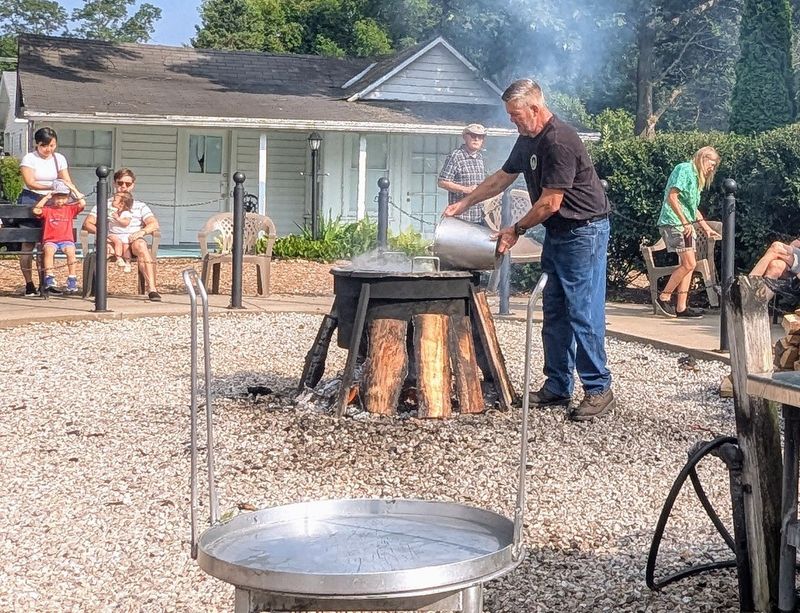
The enormous black kettle used at Pelletier’s represents an essential link to the historical roots of this cooking tradition, with its size allowing for the preparation of dozens of servings simultaneously. Modern conveniences could easily replace this method, but doing so would strip away the authenticity that draws people to Door County in the first place.
The kettle itself becomes part of the story, a tangible connection to the immigrants who first cooked this way more than a century ago.
Watching the cook manage this massive vessel requires skill developed over years of practice, with timing and temperature controlled through experience rather than thermometers or digital displays. The current cook at the restaurant on Main Street in Fish Creek learned this technique as a teenager and has perfected the craft through countless repetitions.
His explanations during the cooking process educate guests about the hows and whys of each step.
This commitment to traditional equipment ensures that the experience remains genuine rather than becoming a sanitized recreation of history.
Salt Plays A Surprisingly Important Role In The Boil
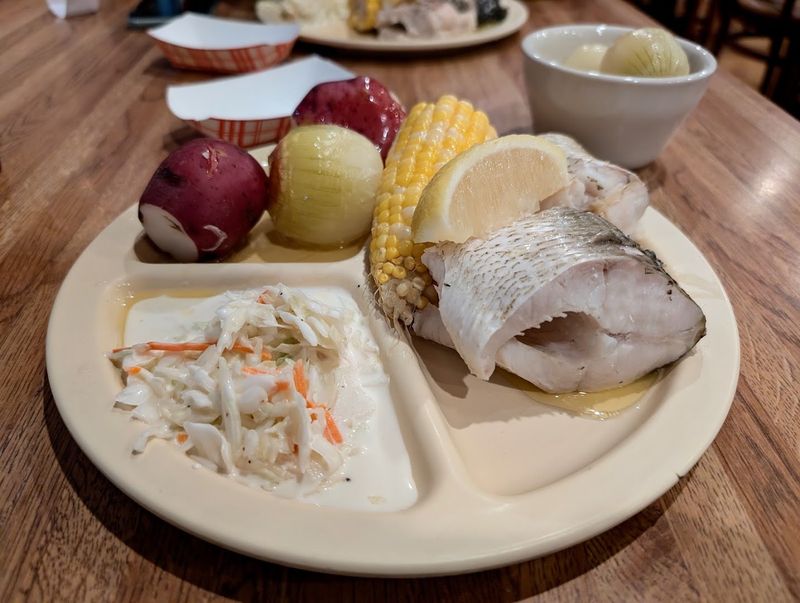
Salt does far more than season the fish during a traditional boil, actually serving multiple functions that affect both flavor and the cooking process itself. Large quantities of salt raise the boiling point of the water, allowing for higher cooking temperatures that help the fish cook evenly throughout.
The salt also draws out moisture and oils from the fish, which then rise to the surface where they can be removed during the boil-over.
The amount of salt used often surprises first-time observers, with what seems like excessive quantities going into the kettle throughout the cooking process. This technique prevents the fish from becoming waterlogged while ensuring proper seasoning penetrates the thick steaks.
The vegetables cooking alongside the fish also benefit from the salted water, absorbing just enough flavor without becoming overly salty.
Understanding this scientific aspect of the tradition adds another layer of appreciation for a method that might otherwise seem primitive or imprecise to modern diners accustomed to exact measurements.
Potatoes And Onions Complete The Traditional Meal
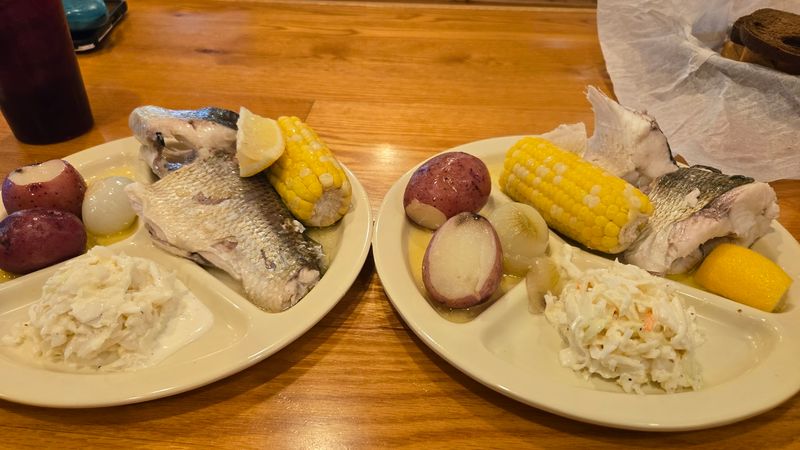
Red potatoes and whole onions cook directly in the kettle alongside the fish, absorbing the flavors of the brine while contributing their own subtle sweetness to the overall dish. These vegetables were chosen originally for their availability and ability to withstand the vigorous boiling without falling apart.
They also provided necessary carbohydrates and nutrients to balance the protein-heavy fish, creating a complete meal from just a few simple ingredients.
The potatoes emerge from the kettle with skins intact and flesh perfectly tender, ready to soak up the melted butter that accompanies the meal. Onions become surprisingly mild through the boiling process, losing their sharp bite while retaining structural integrity.
Some diners initially question whether these simple sides can satisfy, but the combination proves greater than the sum of its parts.
Pelletier’s serves generous portions of both vegetables, ensuring that even hearty appetites leave the table completely satisfied after experiencing this traditional Door County feast.
Melted Butter Makes The Whitefish Even More Comforting
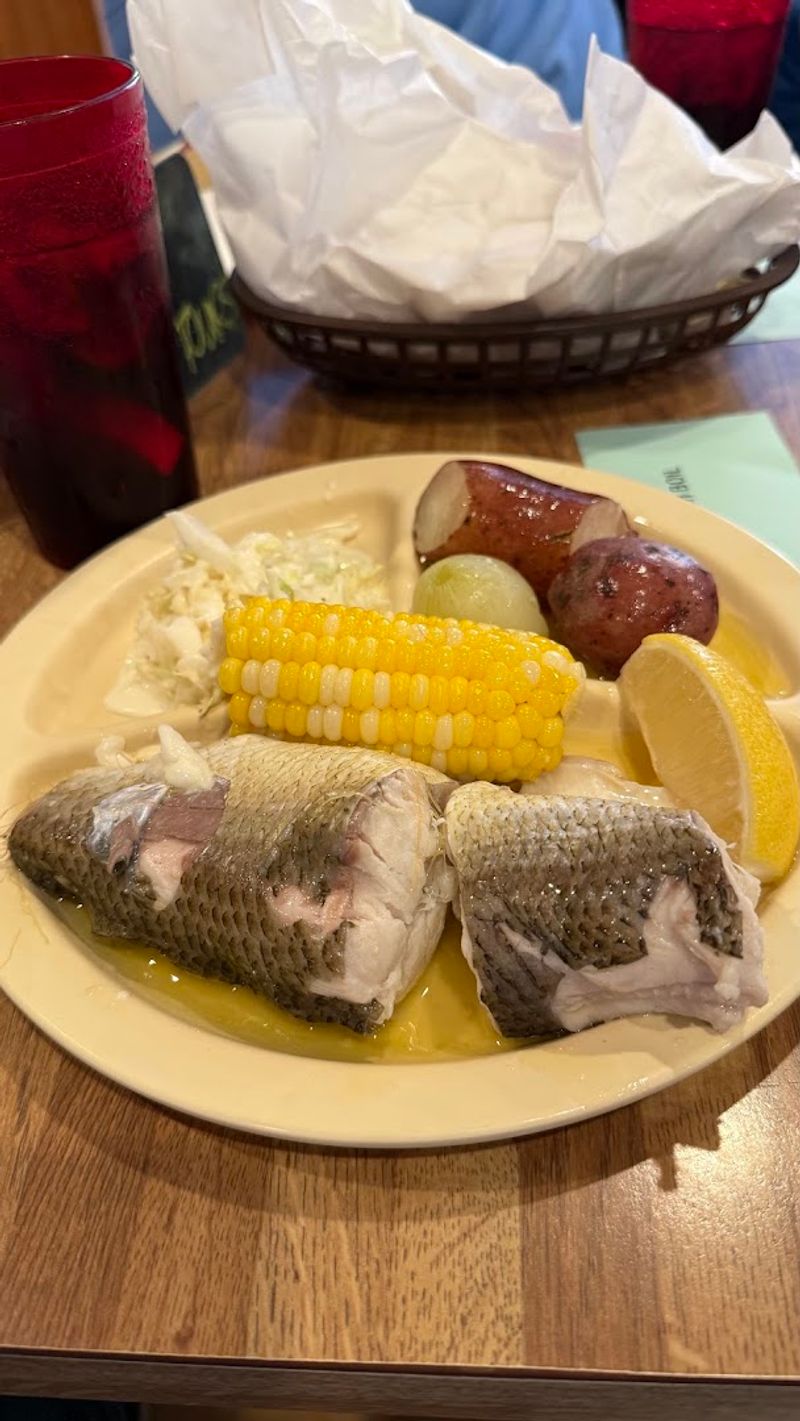
Generous amounts of melted butter arrive alongside each fish boil plate, providing richness that complements the mild whitefish while adding satisfying decadence to the boiled vegetables. The butter serves both as a sauce and a flavor enhancer, with diners encouraged to pour liberally over everything on their plates.
This addition transforms what might otherwise be a somewhat austere meal into something truly comforting and indulgent.
The fat content in the butter also helps carry the subtle flavors of the fish and vegetables, coating the palate and creating a more luxurious mouthfeel than boiled food typically offers. Many guests find that allowing their fish to rest in its butter bath for a few moments before eating enhances the overall experience.
The longer the fish marinates, the more flavor it absorbs.
This simple finishing touch demonstrates how traditional cooking methods understood the importance of fat in creating satisfying meals long before modern culinary science explained the chemistry behind it all.
Door County Cherry Pie Provides The Perfect Local Finale
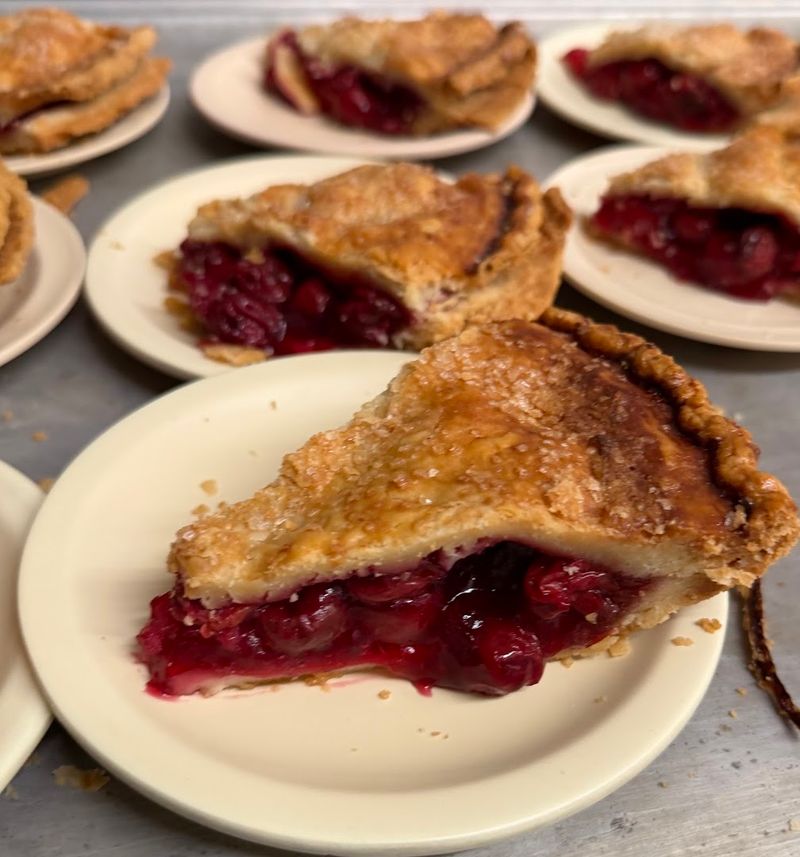
Every fish boil meal at Pelletier’s concludes with a slice of Door County cherry pie, showcasing another regional specialty that has earned the area national recognition. The peninsula produces exceptional tart cherries that bake into pies with the perfect balance of sweetness and tang.
This dessert choice feels inevitable rather than arbitrary, connecting the meal to the broader agricultural heritage of the region.
The crust at this Fish Creek establishment earns particular praise from diners, with its flaky texture and buttery flavor providing an ideal foundation for the fruit filling. The pie arrives as part of the fish boil package, making the entire experience feel complete rather than requiring guests to order dessert separately.
Even those who claim to be too full somehow find room for this final course.
Finishing a traditional fish boil with an equally traditional cherry pie creates symmetry that honors local foodways from start to finish, leaving guests with sweet memories of their Door County dining adventure.
The Fish Boil Was Once A Practical Meal For Large Crowds
Before becoming a tourist attraction, the fish boil served as an efficient solution for feeding dozens of hungry workers simultaneously with minimal equipment and preparation. Lumber camps and fishing crews needed meals that could be prepared in one pot over an open fire, using ingredients that were readily available and inexpensive.
The method required no elaborate cooking skills, just careful timing and attention to the fire.
A single person could manage the entire cooking process while others continued working, with everyone gathering only when the meal was ready to be served. The communal nature of the dining experience also served social purposes, bringing isolated workers together for conversation and camaraderie.
These practical origins explain why the portions remain generous and the presentation stays simple even in modern restaurant settings.
Understanding this working-class history adds depth to the experience at Pelletier’s, where the tradition continues not as a museum piece but as a living connection to Door County’s past and the hardworking people who shaped its culture.
Pelletier’s Keeps The Tradition Going With Nightly Boils
Pelletier’s Restaurant commits to performing fish boils multiple times each evening throughout their operating season, ensuring that visitors can experience this tradition regardless of when they arrive in Door County. The dedication required to maintain this schedule demonstrates genuine respect for the cultural importance of the practice.
Each boil takes approximately one hour from start to finish, with the restaurant timing multiple kettles to accommodate different seating times.
Making reservations well in advance has become essential, particularly during peak summer months when demand far exceeds available seating at the most popular times. The restaurant opens at seven thirty in the morning for breakfast and continues serving through nine in the evening, with fish boils scheduled throughout the dinner hours.
Located at 4199 Main Street in Fish Creek, the establishment has become synonymous with authentic Door County dining experiences.
By maintaining these nightly demonstrations rather than simplifying the process for convenience, Pelletier’s ensures that future generations can still witness and taste this important piece of Wisconsin culinary heritage exactly as it was meant to be enjoyed.