
This Nevada Canyon Delivers Mountain Scenery Most People Don’t Expect In The Desert
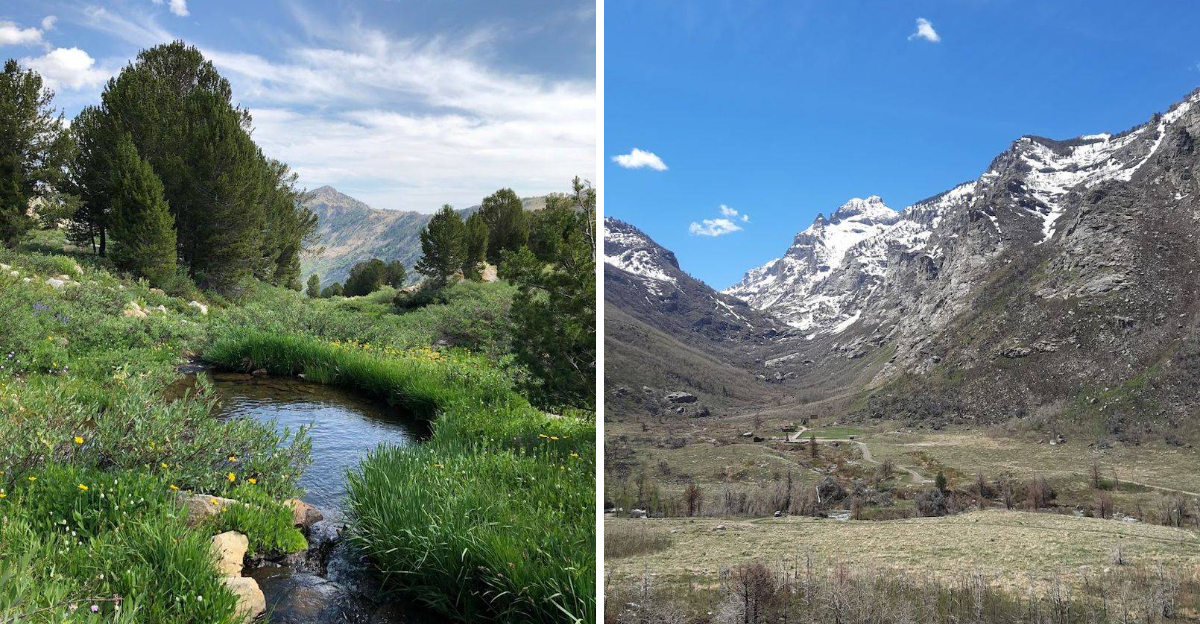
Snowy peaks, rushing water, and wildflower meadows are not what most travelers expect to find after miles of desert road. Nevada loves proving those assumptions wrong.
One dramatic mountain canyon rises above the sagebrush with glacier-shaped walls, cool streams, and alpine views that feel borrowed from somewhere much farther north. The road climbs through changing scenery, trading dry slopes for waterfalls, aspen groves, and rocky summits that hold snow well into the warmer months.
Every turn makes the desert feel more distant. It is bold, unexpected, and almost impossible to believe until you see it yourself. This side of Nevada deserves far more attention than it gets.
Glaciers Carved The Canyon Into Its Dramatic U-Shaped Form
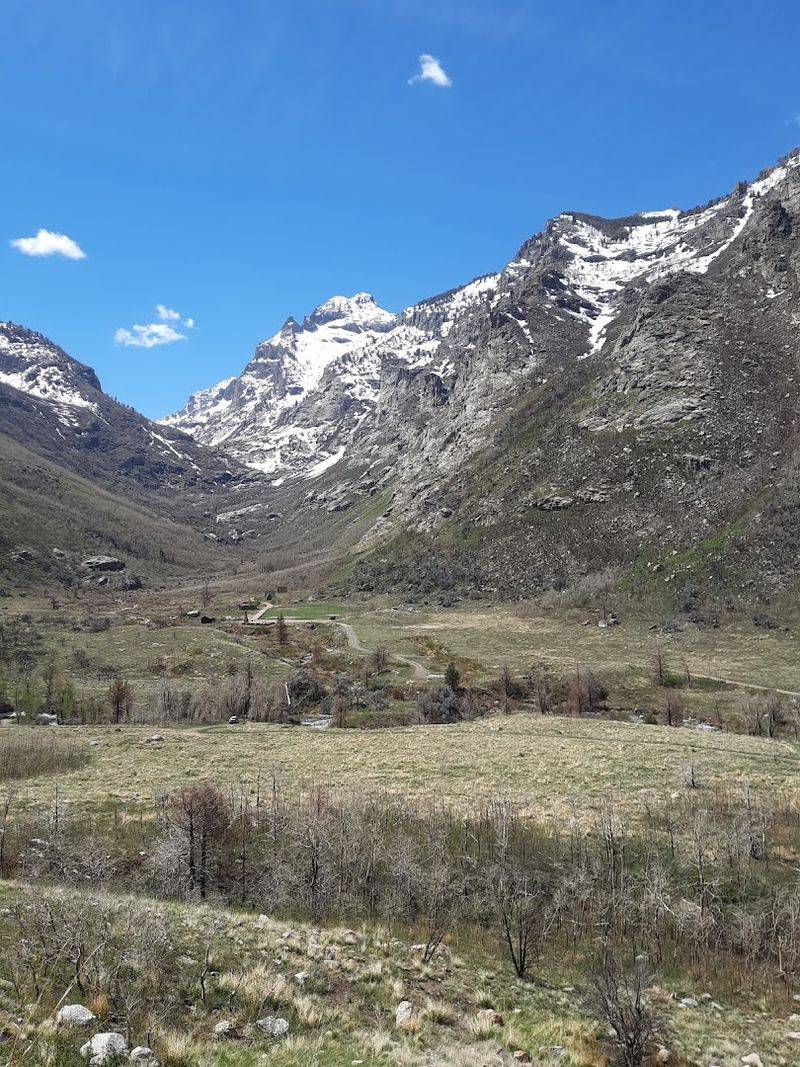
Ancient glaciers spent thousands of years grinding through solid rock to create the distinctive profile you see today. The canyon walls rise steeply on both sides, forming the classic U-shape that geologists recognize immediately as the signature of glacial erosion.
Rivers carve V-shaped valleys, but only ice can sculpt rock with such sweeping, rounded precision.
You can trace the glacier’s path by following the smooth, polished surfaces along the canyon floor. The ice sheet once filled this entire space, moving slowly downhill and scraping away everything in its path.
When the climate warmed and the glacier retreated, it left behind this perfectly formed corridor through the Ruby Mountains.
The geology becomes obvious once you know what to look for. Massive boulders sit scattered across the landscape, deposited miles from their origin by the moving ice.
These glacial erratics tell the story of an Ice Age Nevada that looked nothing like the desert below.
The Ruby Mountains Are Known As The Swiss Alps Of Nevada
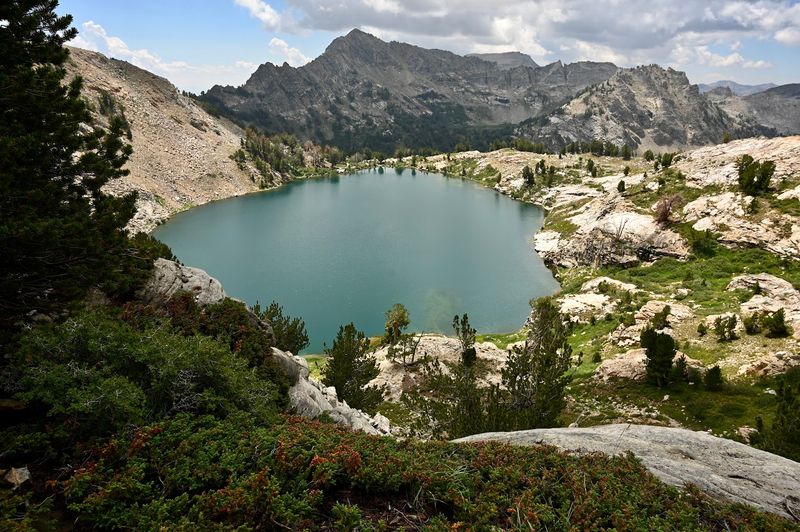
The comparison to Switzerland sounds like marketing until you actually see the peaks rising above Lamoille Canyon. Jagged granite summits break through snowfields even in summer, and the high-altitude meadows roll out in shades of emerald that seem impossible in Nevada.
The resemblance runs deeper than simple aesthetics.
Both mountain ranges share similar glacial origins and alpine ecosystems. The Ruby Mountains support the same kinds of wildflowers, grasses, and wildlife you would encounter in European highlands.
Elevation creates climate, and at these heights, latitude matters less than you might think.
Local residents started using the Swiss Alps nickname decades ago, and visitors from Europe have confirmed its accuracy. The Ruby Mountains rise abruptly from the Basin and Range desert, creating the same dramatic contrast you see when approaching the Alps from the Italian plains.
The scale might differ, but the essential character remains remarkably similar, right down to the crystalline lakes and permanent snowfields.
A Scenic Byway Climbs Nearly 12 Miles Into The Canyon
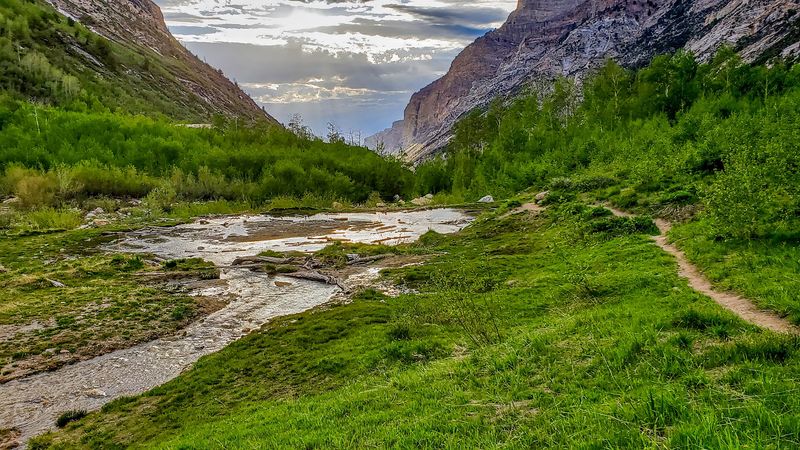
The Lamoille Canyon Scenic Byway follows the path of least resistance up the valley floor, gaining elevation gradually as it penetrates deeper into the Ruby Mountains. Pavement replaced the old dirt track years ago, making the journey accessible to any vehicle during the summer months.
The road opened up terrain that once required serious hiking to reach.
Engineers designed the route to showcase the canyon’s best features without overwhelming drivers with difficult curves or steep grades. Pullouts appear at regular intervals, positioned to capture waterfalls, meadows, and mountain vistas.
You can stop as often as you like without blocking traffic.
The byway typically opens in late spring after snowplows clear the upper sections. Winter closes the road completely, sometimes as early as October and as late as June depending on snowpack.
Forest Service gates mark the seasonal closure points, and conditions can change rapidly at these elevations, so checking current road status before making the drive saves disappointment.
The Drive Reaches An Elevation Of About 8,800 Feet
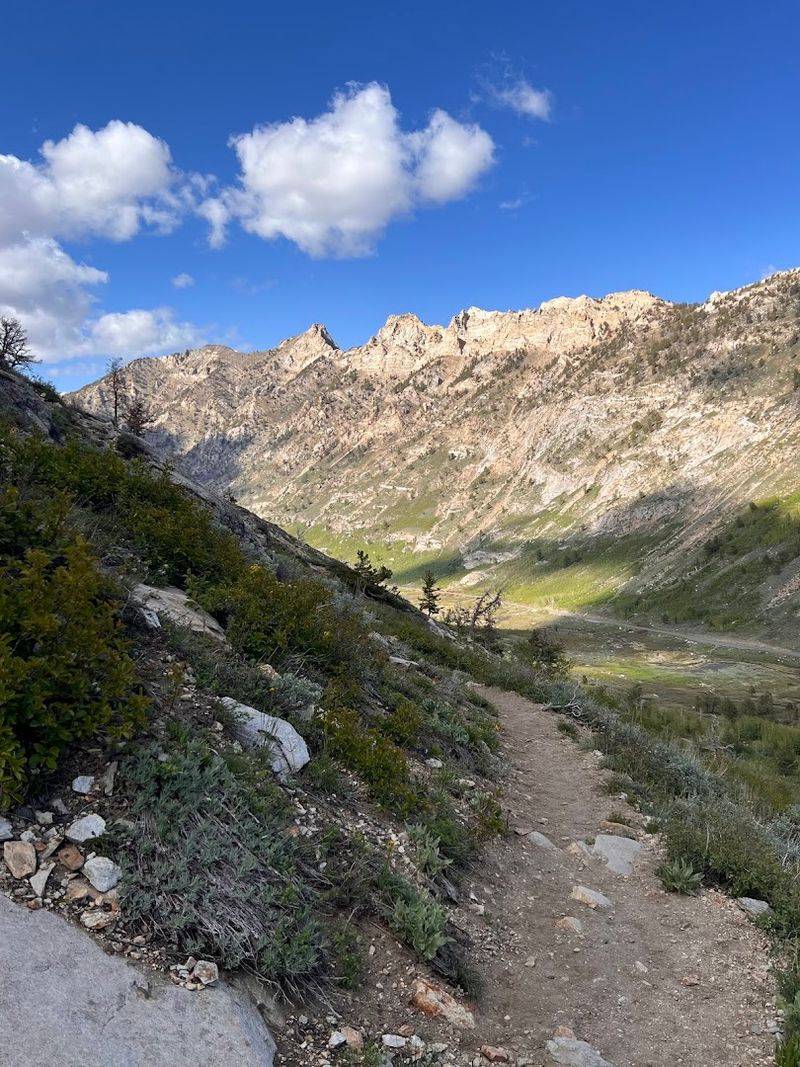
Starting from the canyon entrance at roughly 6,000 feet, the scenic drive climbs nearly 3,000 vertical feet to its terminus at Road’s End. The elevation gain happens so gradually that most drivers barely notice until their ears pop.
By the time you reach the upper parking area, you have entered genuine alpine territory.
Temperatures drop predictably with altitude, and the air grows noticeably thinner. What feels like comfortable summer weather at the canyon mouth can turn chilly at Road’s End, even in July.
The vegetation shifts accordingly, with sagebrush giving way to aspen groves and eventually to hardy alpine plants that hug the ground.
Elevation affects more than just temperature and plants. The trailheads at Road’s End provide access to even higher terrain, with some hiking routes climbing above 10,000 feet.
Visitors from sea level sometimes feel the altitude during strenuous activity, though most adjust quickly enough to enjoy the trails without serious difficulty.
Snowcapped Peaks Make The Desert Feel Surprisingly Far Away
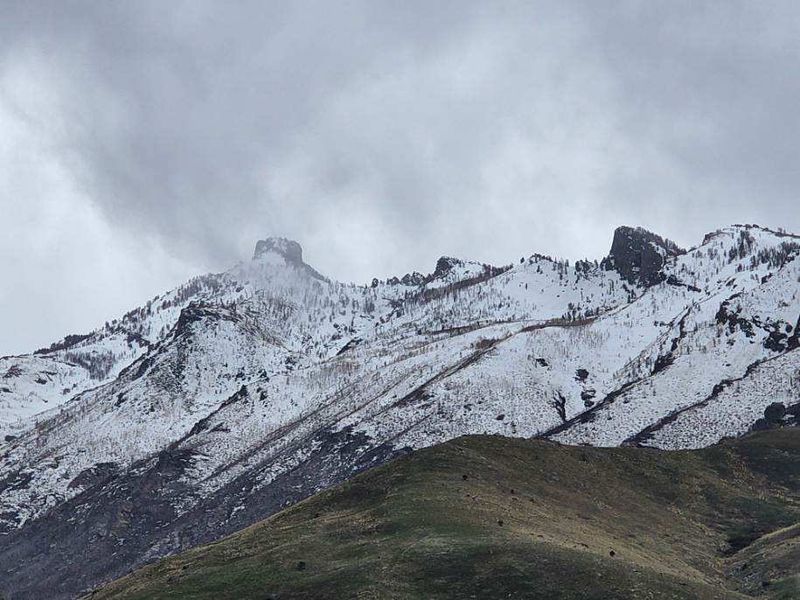
Permanent snowfields cling to the highest ridges throughout the year, creating a visual disconnect that takes a moment to process. You drove through sagebrush desert less than an hour ago, and now snow gleams white against gray granite directly overhead.
The transition happens fast enough to feel slightly unreal.
The Ruby Mountains trap moisture from passing storms, wringing out precipitation that the lower desert never sees. Winter snowfall accumulates to impressive depths, and the highest elevations never completely shed their white blanket.
Glaciers may have retreated thousands of years ago, but the conditions that created them persist in modified form.
Standing in an alpine meadow surrounded by snowcapped summits requires a mental reset about Nevada geography. The state contains more mountain ranges than most people realize, and many of them rise high enough to support ecosystems completely divorced from the desert below.
Lamoille Canyon simply makes the contrast more obvious than most locations.
Waterfalls And Mountain Streams Line The Canyon Route
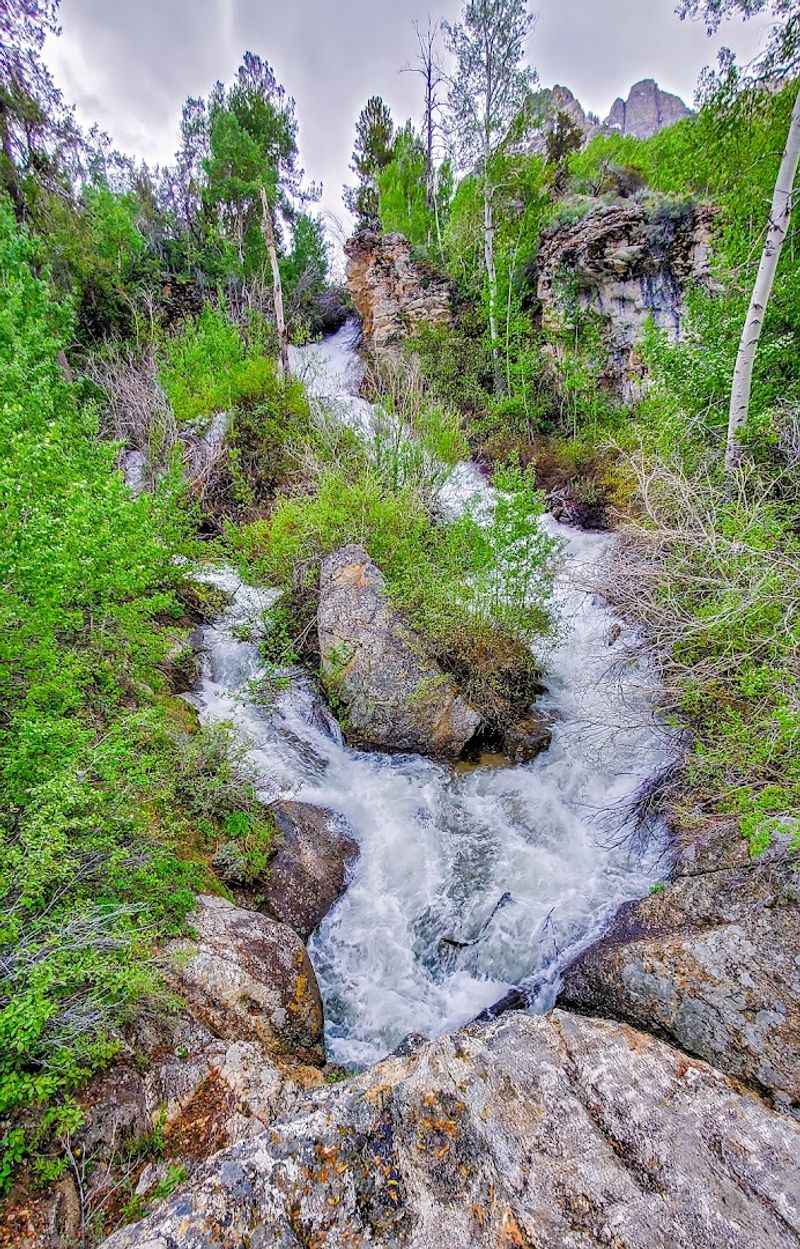
Snowmelt feeds dozens of streams that tumble down the canyon walls from late spring through early summer. Some waterfalls drop hundreds of feet in single plunges, while others cascade in multiple tiers over glacially polished rock.
The sound of rushing water accompanies the entire drive during peak runoff.
The main stream running along the canyon floor carries the combined flow from all these tributaries. Beavers have dammed several sections, creating small ponds that reflect the surrounding peaks.
By midsummer, the torrent subsides to a gentler flow, though the creek never completely dries up.
Photographers find endless subjects along the waterway. Morning light catches the spray from larger falls, creating brief rainbows.
The crystal-clear water reveals every stone on the streambed, and wildflowers cluster along the banks wherever soil accumulates. Each waterfall has its own character, shaped by the rock it flows over and the volume of water it carries.
Summer Wildflowers Cover The Alpine Meadows With Color
The growing season at this elevation compresses into a few intense months between snowmelt and the first hard freeze. Wildflowers respond by blooming in concentrated waves, carpeting entire meadows in purple lupine, red paintbrush, and yellow mule’s ears.
The display peaks in July when the snowpack has retreated but summer heat has not yet stressed the plants.
Different elevations bloom at different times, extending the flower season for observant visitors. Lower meadows burst into color first, followed by higher elevations as the snow line climbs.
By late summer, only the highest basins still support fresh blooms, though the lower canyon has already turned brown.
The variety of species reflects the diverse microhabitats within the canyon. Wet meadows support different flowers than rocky slopes, and shade-loving plants cluster beneath aspen groves.
Botanical enthusiasts can spend days cataloging species, while casual visitors simply enjoy the unexpected riot of color in what they assumed would be barren desert.
Golden Aspen Trees Transform The Canyon Every Fall
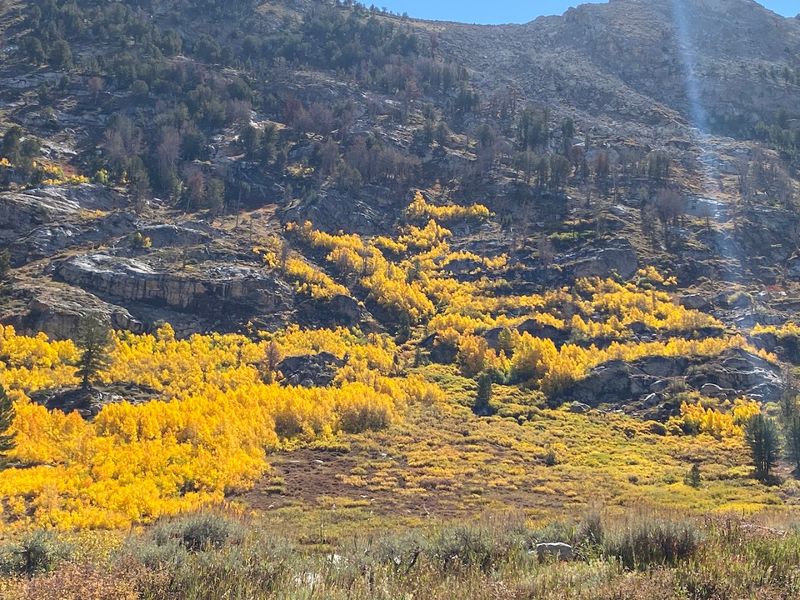
Aspen groves scattered throughout the canyon put on a spectacular show each September and early October. The leaves turn simultaneously, transforming entire hillsides from green to brilliant gold in the span of a week.
Against the backdrop of dark evergreens and gray rock, the effect borders on overwhelming.
The timing varies slightly from year to year, depending on temperature and moisture. Cold nights trigger the color change, shutting down chlorophyll production and revealing the yellow pigments that were present all along.
Once the process starts, it proceeds rapidly, and the peak display rarely lasts more than two weeks.
Photographers descend on the canyon during fall color season, though crowds remain modest compared to more famous autumn destinations. The aspens cluster in distinct groves rather than covering every surface, creating natural compositions that change as you move through the canyon.
Early morning light makes the gold leaves practically glow, and even overcast days produce saturated colors worth capturing.
Mountain Goats And Bighorn Sheep Roam The Rocky Slopes
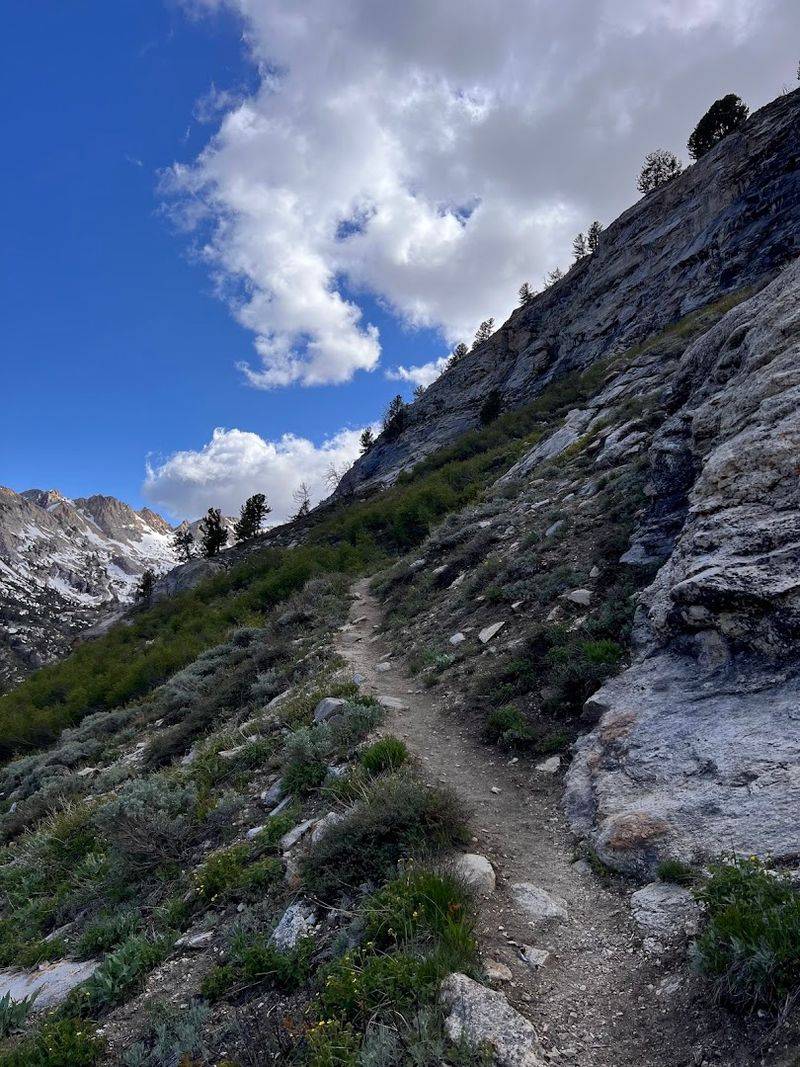
Rocky Mountain bighorn sheep have lived in the Ruby Mountains for centuries, navigating terrain that would terrify most hikers. Mountain goats arrived more recently, introduced to the range and thriving in the high cliffs above the canyon.
Both species favor the steepest, most inaccessible terrain, which offers protection from predators and access to mineral-rich soil.
Spotting either animal requires patience and binoculars. The sheep blend remarkably well with the gray rock, and the white goats often position themselves on ledges that seem impossibly narrow.
Early morning and late evening provide the best viewing opportunities, when the animals move between feeding and resting areas.
The canyon’s lower elevations also support mule deer, which appear more frequently near the campgrounds and picnic areas. Smaller mammals including pikas, marmots, and ground squirrels occupy the rockslides and meadows.
Patient observers occasionally spot raptors hunting from the cliffs, taking advantage of the updrafts that form along the canyon walls.
Alpine Lakes Reward Hikers Beyond The Scenic Drive
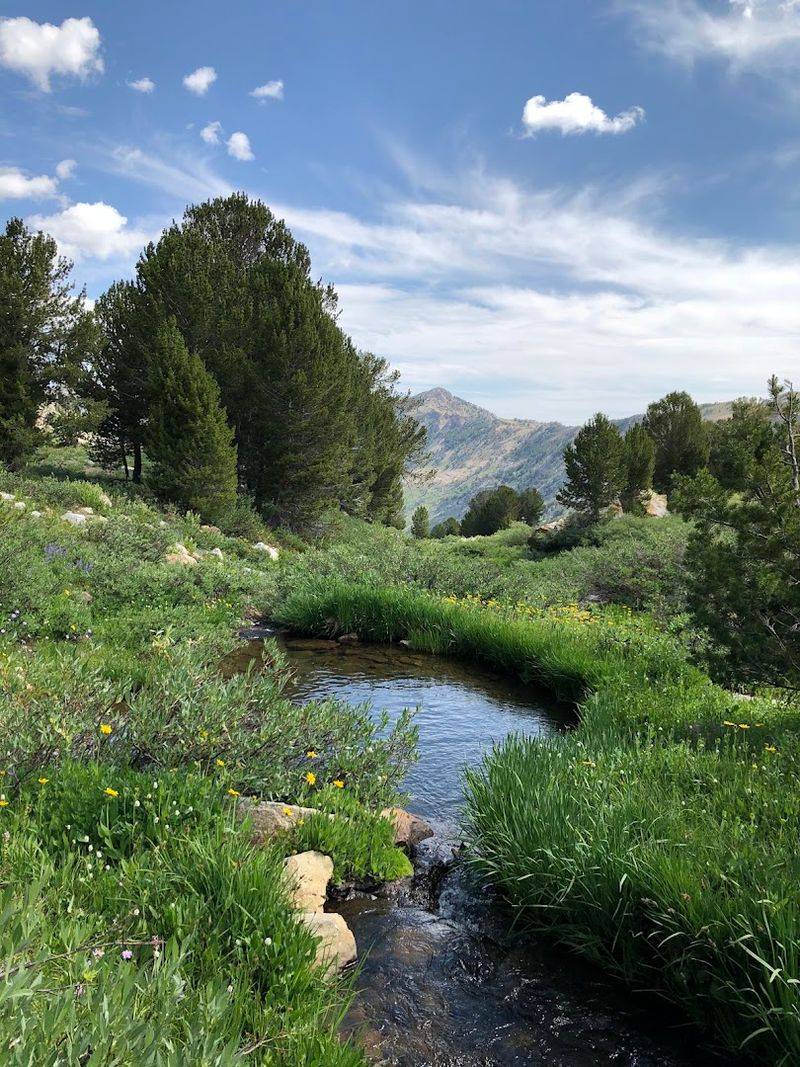
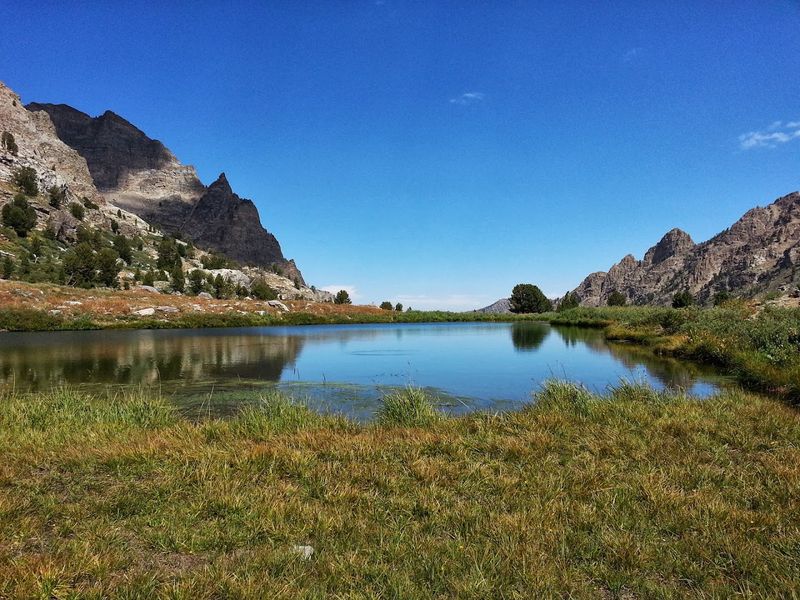
The road ends at 8,800 feet, but the best lakes sit considerably higher in glacial cirques carved into the mountain flanks. Island Lake lies just 1.6 miles from the Road’s End trailhead, making it the most accessible of the alpine tarns.
The trail climbs steadily through meadows and over rock before reaching the lake basin.
Other lakes require longer approaches and more elevation gain. Liberty Lake, Lamoille Lake, and Dollar Lakes each occupy their own dramatic settings, with cliffs rising directly from the water and snowfields persisting into summer.
The water remains cold year-round, fed by snowmelt and insulated by elevation.
Backpackers can string together multi-day routes connecting several lakes, camping in designated areas and enjoying solitude that has become rare in more popular mountain ranges. Day hikers typically focus on Island Lake or one of the other closer destinations.
The trails see steady use during summer weekends but rarely feel crowded, and midweek visits often mean having entire lake basins to yourself.