
This Wisconsin Bog Walk Leads Through A Rare Carnivorous Plant Habitat
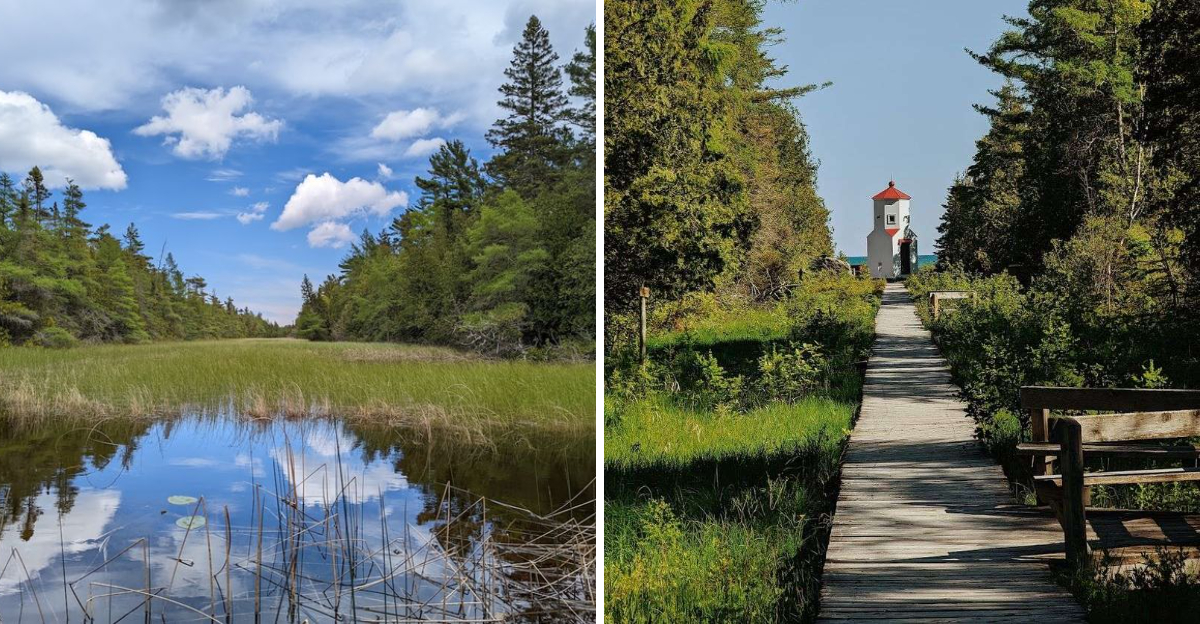
A quiet boardwalk slips over dark pools where the plants do something wildly unexpected: they hunt. Deep within Wisconsin’s Lake Michigan landscape, acidic wetlands create the perfect stage for pitcher plants, sundews, and other botanical oddities that survive by trapping tiny insects.
Each step reveals a world that feels more like a science fiction set than a Midwestern nature walk. Water glints below the planks, dragonflies skim past, and strange leaves wait patiently for their next meal.
The landscape began taking shape thousands of years ago, yet it still feels full of surprises. Visitors can wander above the fragile ground without disturbing it, getting a close look at one of Wisconsin’s rarest ecosystems and the clever survival tricks hiding among the moss, reeds, and shallow pools.
The Boardwalk Crosses Acidic Swales Where Carnivorous Plants Thrive
Glaciers carved this landscape into parallel ridges and low valleys thousands of years ago. The valleys between these ridges filled with water that could not drain, creating swales with chemistry unlike most Wisconsin wetlands.
Acidity levels in these shallow pools prevent many common plants from surviving.
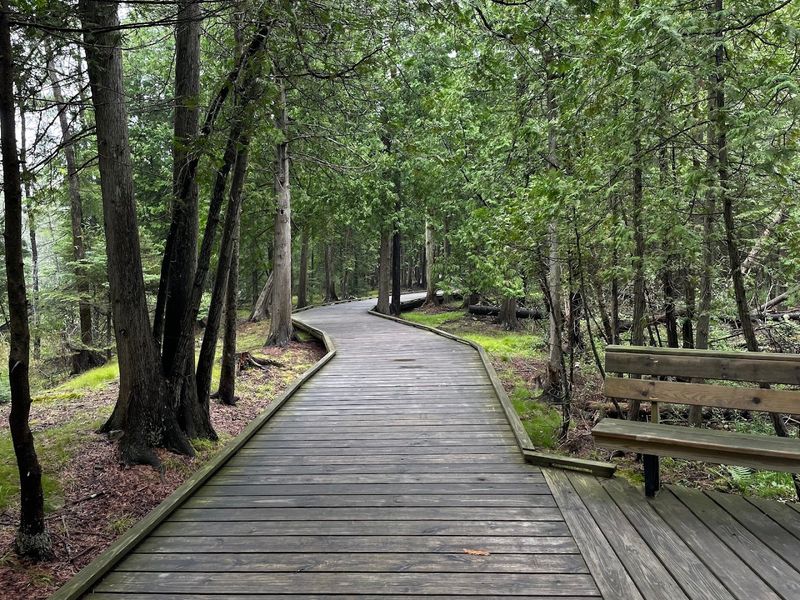
Carnivorous plants adapted to these harsh conditions by developing alternative nutrition sources. The boardwalk at 8166 WI-57 allows close observation without damaging fragile plant communities.
Sections of the trail hover just inches above water where pitcher plants and sundews cluster.
Interpretive signs explain how poor soil nutrients forced these plants to evolve insect-trapping mechanisms. The elevated walkway protects both visitors and vegetation, keeping feet dry while preserving one of the Midwest’s rarest plant habitats.
Early morning visits often reveal dew-covered carnivorous leaves glistening in filtered sunlight.
Pitcher Plants Trap Insects Inside Liquid-Filled Leaves
Tubular leaves rise from the bog floor like miniature vases, their rims slick with nectar that lures unsuspecting insects. Once a fly or beetle lands on the slippery edge, downward-pointing hairs prevent any escape.
The insect tumbles into a pool of digestive enzymes at the bottom.
These plants supplement poor soil nutrition by breaking down trapped prey over several days. The Ridges Sanctuary hosts healthy populations of these botanical hunters, visible from the boardwalk during summer months.
Their deep burgundy coloring makes them stand out against green sphagnum moss.
Visitors often spot drowned insects floating inside the pitcher chambers. The plants produce new leaves each spring, and old pitchers turn brown but remain standing through winter.
Photographers find these subjects endlessly fascinating, especially when water droplets cling to the hooded tops that prevent rainwater from diluting digestive fluids.
Round-Leaved Sundews Catch Prey With Sticky Droplets
Small red rosettes hug the ground, barely reaching two inches across, yet they rank among nature’s most effective predators. Each leaf bristles with tentacles tipped in sticky mucilage that sparkles like morning dew.
Insects mistake these glistening drops for water or nectar.
Contact triggers a slow-motion response as the leaf gradually curls around captured prey. Digestive glands absorb nutrients directly through the leaf surface over the next week.
Sundews require close inspection to appreciate fully, as their diminutive size belies their hunting prowess.
The sanctuary’s acidic swales provide ideal growing conditions for these tiny carnivores. Visitors who crouch near the boardwalk edge can spot them growing among sphagnum moss.
Magnifying glasses reveal intricate details of tentacle structure and trapped gnats. These plants demonstrate that effective predators come in unexpectedly small packages, thriving where conventional plants cannot.
Bladderworts Hunt Tiny Creatures Beneath The Water
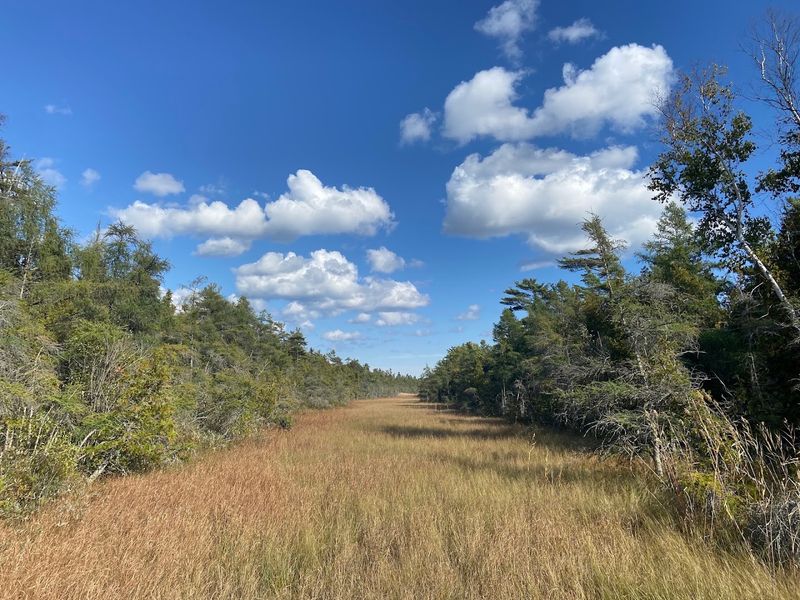
Beneath the swale surface, threadlike stems drift with hundreds of tiny bladders attached. Each bladder operates as a sophisticated trap door mechanism, creating negative pressure inside.
When a water flea or mosquito larva brushes trigger hairs, the bladder explodes open in less than a millisecond.
Water rushes in along with the hapless prey, then the door snaps shut. The entire capture sequence happens faster than a human eye can detect.
Bladderworts represent the most mechanically complex carnivorous plants on Earth.
Yellow flowers poke above water in summer, the only visible sign of these submerged hunters. The Ridges Sanctuary maintains pristine water quality that supports healthy bladderwort populations.
Dipping a clear container into swale water sometimes reveals these delicate stems. Their hunting strategy evolved to exploit nutrient-poor aquatic environments where competition stays minimal and tiny prey remains abundant year-round.
Lake Michigan Shaped The Ridges And Wetland Swales
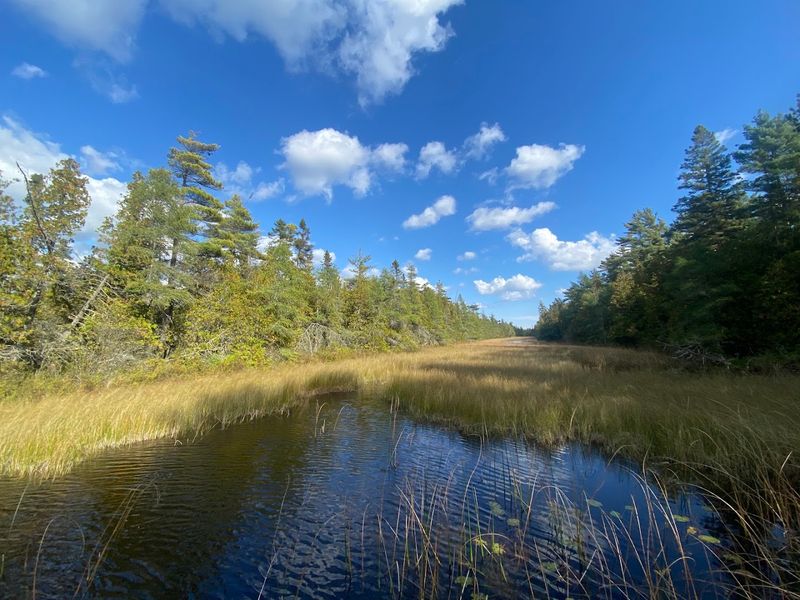
Ancient shorelines tell the story written in sand and stone across this sanctuary. Lake Michigan’s water levels fluctuated dramatically as glaciers advanced and retreated over millennia.
Each time the lake receded, wind and waves built new beach ridges parallel to the shore.
Valleys between these ridges became isolated wetlands as the lake withdrew further. Thirty distinct ridges run through the sanctuary property, each representing a different stage in the lake’s geological history.
The oldest ridges stand farthest inland, covered in mature forest.
Younger ridges closer to the current shoreline support different plant communities. The swales trapped between ridges never drain completely, creating permanent wetland habitat.
This unique topography concentrates rare plant species in a relatively small area. Geologists study this site to understand Great Lakes formation, while botanists document the specialized ecosystems that resulted from these ancient processes.
The Hidden Brook Boardwalk Runs Nearly A Third Of A Mile
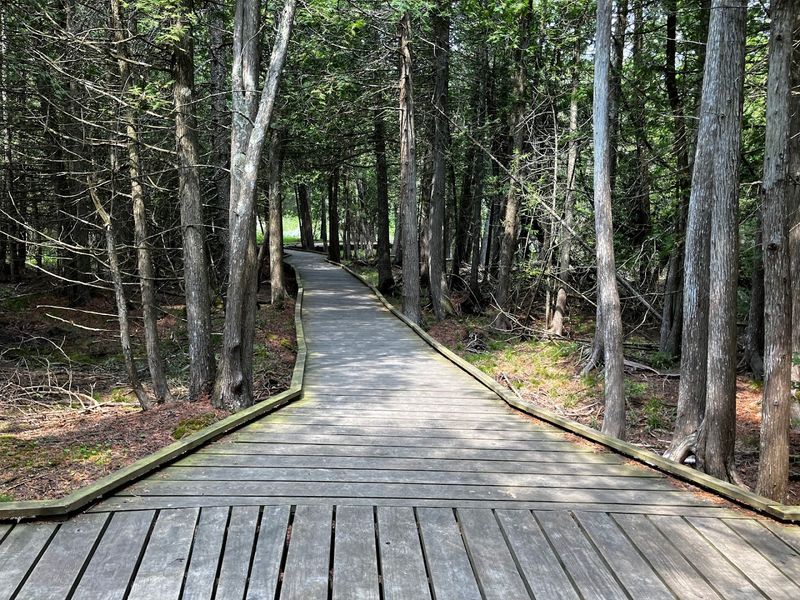
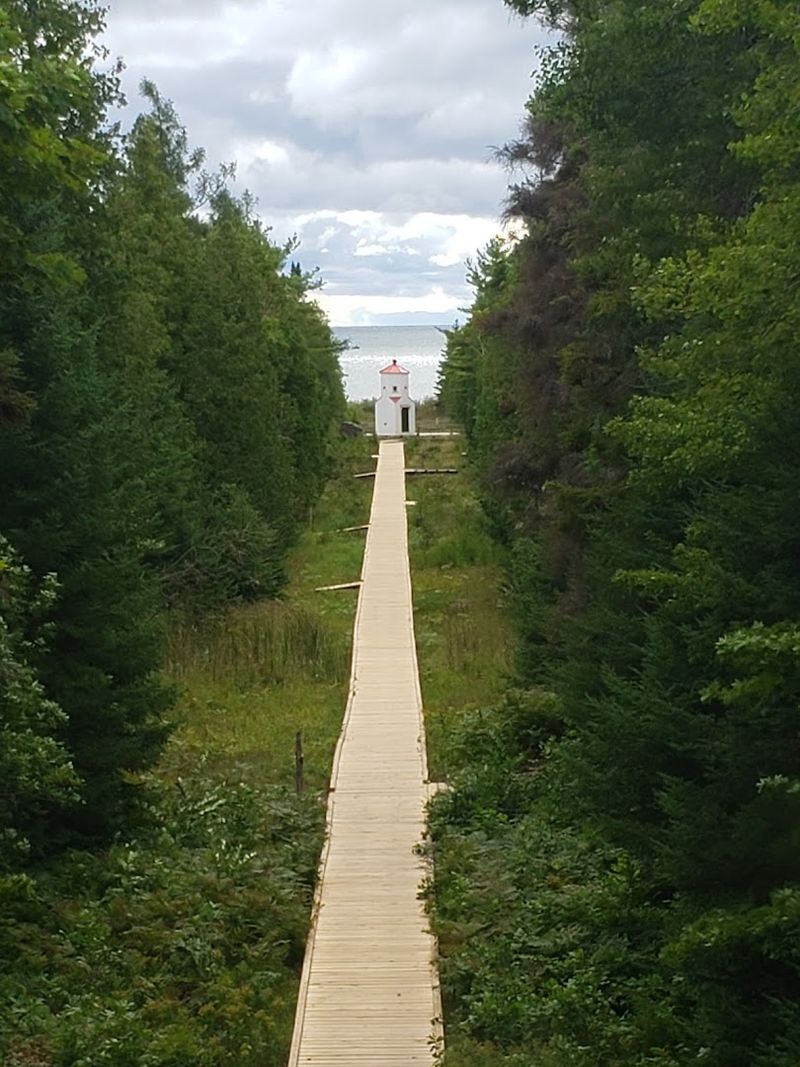
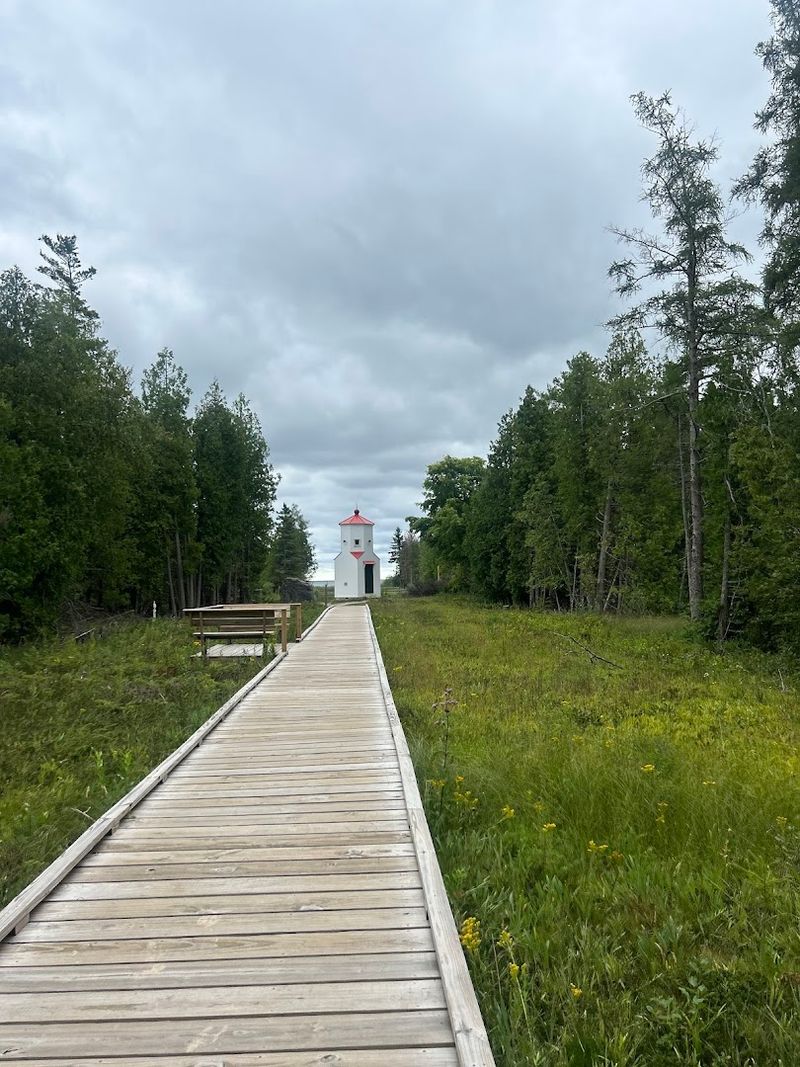
Solid planking stretches through the heart of the sanctuary’s most sensitive habitat. The Hidden Brook trail extends roughly 1,500 feet, allowing visitors to traverse wetlands that would otherwise remain inaccessible.
Construction required careful planning to minimize environmental impact while providing stable footing.
The boardwalk rises and falls with the terrain, sometimes hovering several feet above water-filled swales. Railings appear only where necessary, preserving open views of surrounding vegetation.
The path width accommodates two people walking side by side comfortably.
Several observation platforms provide stopping points for wildlife watching and photography. The trail connects to other sanctuary paths, creating loop options of varying lengths.
Maintenance crews inspect and repair sections annually to ensure safety and longevity. This infrastructure investment opened a fragile ecosystem to public appreciation while protecting it from the trampling that would occur on ground-level trails through such saturated terrain.
The Accessible Boardwalk Makes The Wetland Easy To Explore
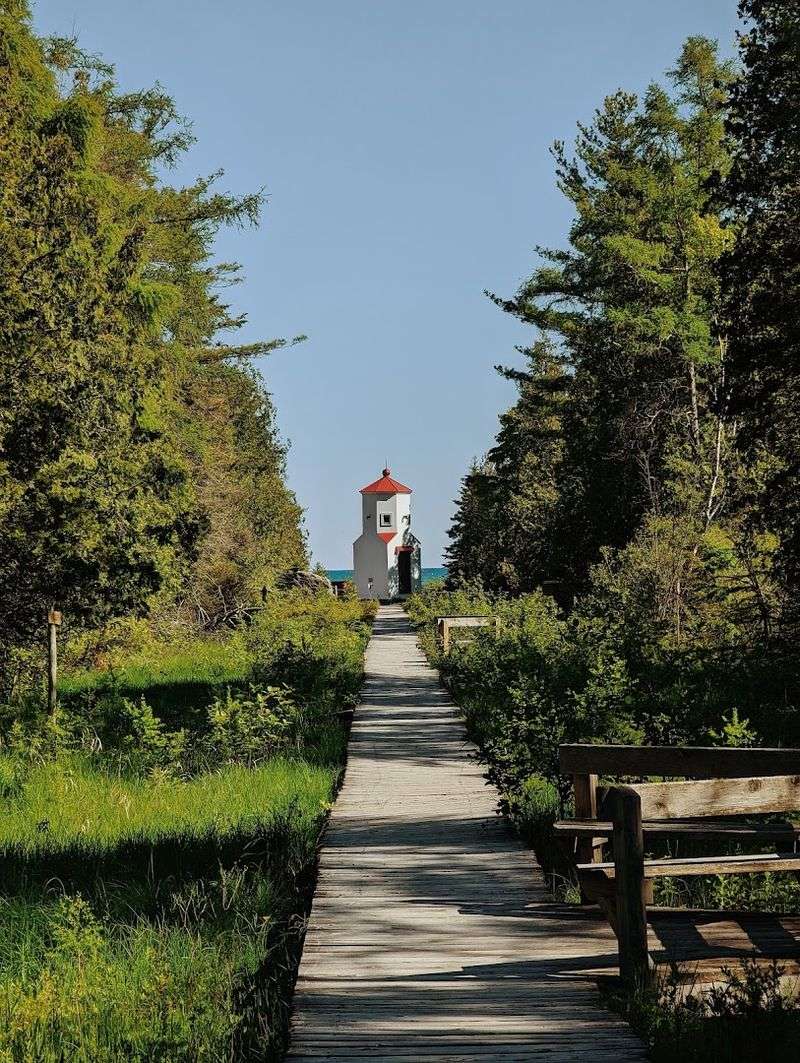
Smooth surfaces and gentle grades welcome visitors of all mobility levels. The boardwalk meets accessibility standards, featuring firm planking without gaps that could catch wheels or walking aids.
Slopes remain gradual enough for independent wheelchair navigation throughout most sections.
Families with strollers appreciate the stable surface that eliminates the mud and roots common on natural trails. The elevated perspective brings eye-level views of vegetation that ground-walking visitors might overlook.
Benches positioned along the route provide rest stops with views across the swales.
This inclusive design philosophy extends the sanctuary experience beyond hikers to include those who cannot navigate rough terrain. Interpretive signs mount at heights readable from wheelchairs.
The accessible trail does not segregate users into a separate path but integrates universal design into the main boardwalk system. Everyone shares the same spectacular views and carnivorous plant encounters regardless of physical ability.
Nearly 500 Plant Species Grow Throughout The Sanctuary
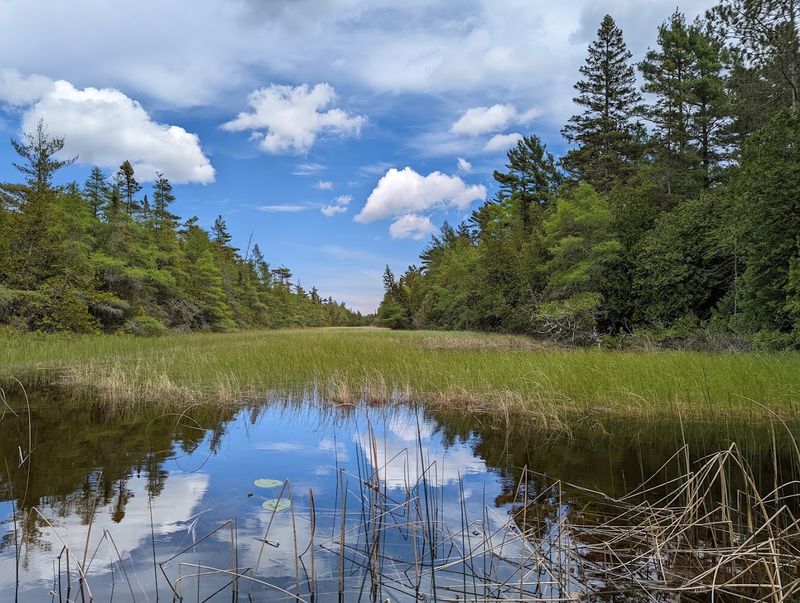
Botanical diversity at the sanctuary rivals tropical rainforests when measured by species density. Scientists have documented 475 different plant species within the preserve boundaries.
This remarkable variety stems from the range of microhabitats created by the ridge and swale topography.
Each ridge supports different forest types depending on age and soil conditions. Dry ridges host white cedar and balsam fir, while moister areas grow black ash and yellow birch.
The swales between ridges create wetland conditions favoring specialized bog plants.
Spring through fall brings continuous blooming sequences as different species flower in succession. Botanists return repeatedly to study plant communities that include species more common hundreds of miles north.
The sanctuary functions as a biological ark, preserving genetic diversity and providing seeds for restoration projects elsewhere. Casual visitors enjoy colorful displays without realizing they walk through one of Wisconsin’s most botanically significant landscapes.
More Than Two Dozen Native Orchids Bloom Here
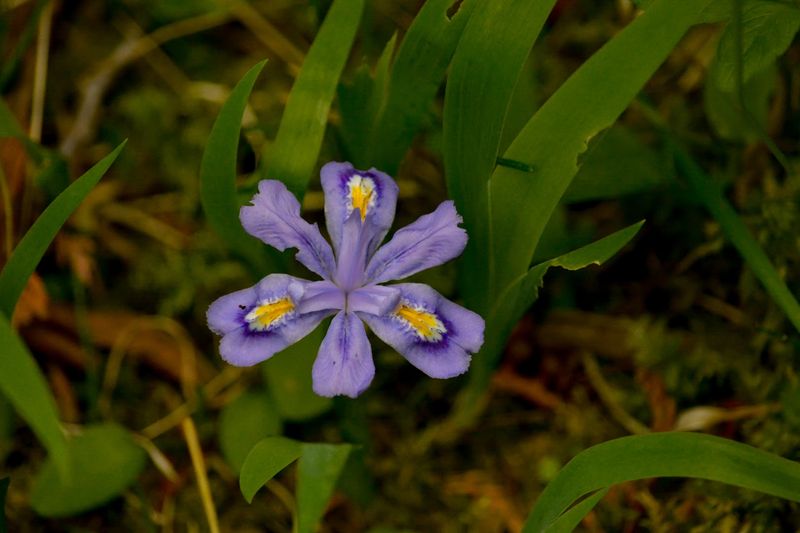
Orchids typically conjure images of tropical greenhouses, yet twenty-seven native species bloom wild at the sanctuary. These temperate orchids grow smaller and more subtly colored than their tropical cousins, but their intricate structures reward close examination.
The showy lady’s slipper produces pink pouches that trap pollinating insects temporarily.
Tiny coral root orchids lack chlorophyll entirely, parasitizing fungi in the soil for nutrition. Their ghostly white stems emerge from leaf litter in summer.
Other species like the grass pink orchid add splashes of magenta to open wetlands.
Orchid hunting becomes an engaging activity for repeat visitors who learn to spot these botanical treasures. Each species blooms at a specific time, extending the orchid season from May through August.
The sanctuary protects these populations from poaching and habitat loss that have eliminated orchids from much of their former range. Viewing wild orchids in their natural setting provides experiences no greenhouse can replicate.
Threatened And Endangered Plants Are Protected Here
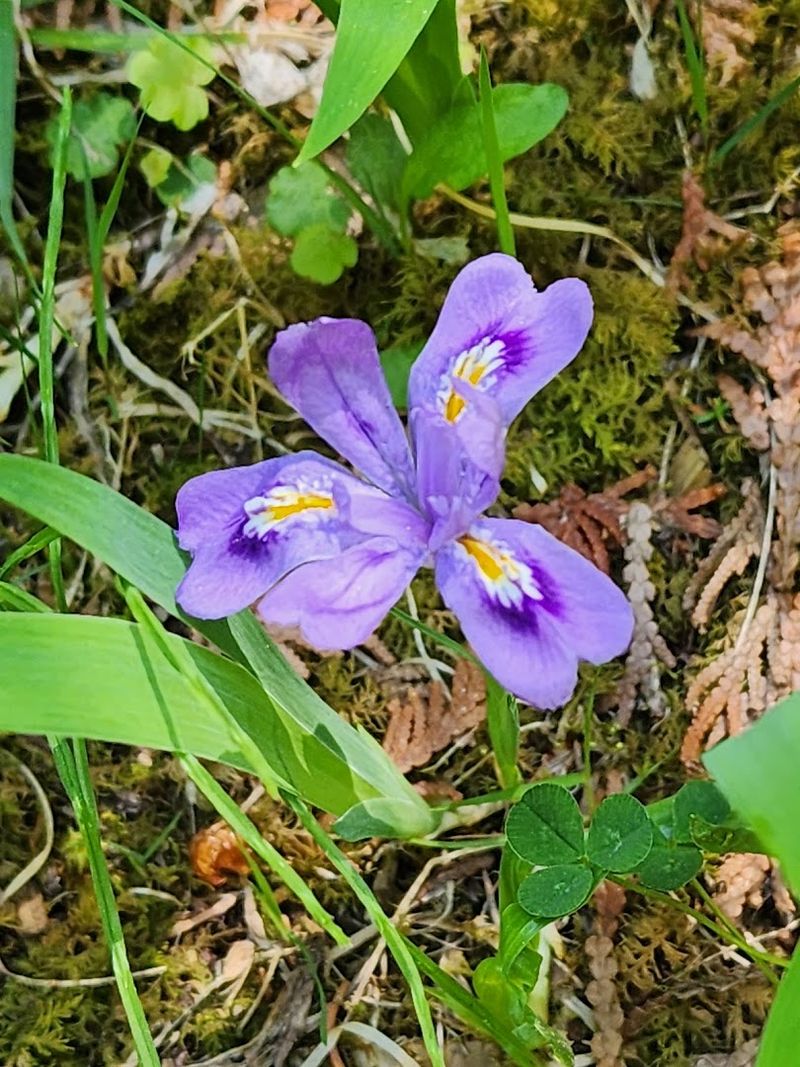
Federal and state lists of imperiled plants include multiple species that find refuge within sanctuary boundaries. The dwarf lake iris grows naturally only along Great Lakes shorelines, with most populations destroyed by development.
Its small purple flowers bloom briefly in late spring on plants barely six inches tall.
Habitat loss threatens this species throughout its limited range, making protected populations critically important. The sanctuary also shelters state-threatened species like the ram’s head lady’s slipper orchid and northern bog aster.
These plants survive here because the habitat remains intact and undisturbed.
Conservation staff monitor threatened species populations annually, tracking numbers and health. The sanctuary participates in seed banking programs that preserve genetic material for potential future restoration work.
Protection extends beyond individual plants to encompass the entire ecosystem they require. Visitors who spot these rare species contribute to conservation simply by leaving them undisturbed and reporting sightings to staff members.