
This Abandoned Resort Hidden In A Wisconsin Forest Was Once Milwaukee’s Most Exclusive Escape
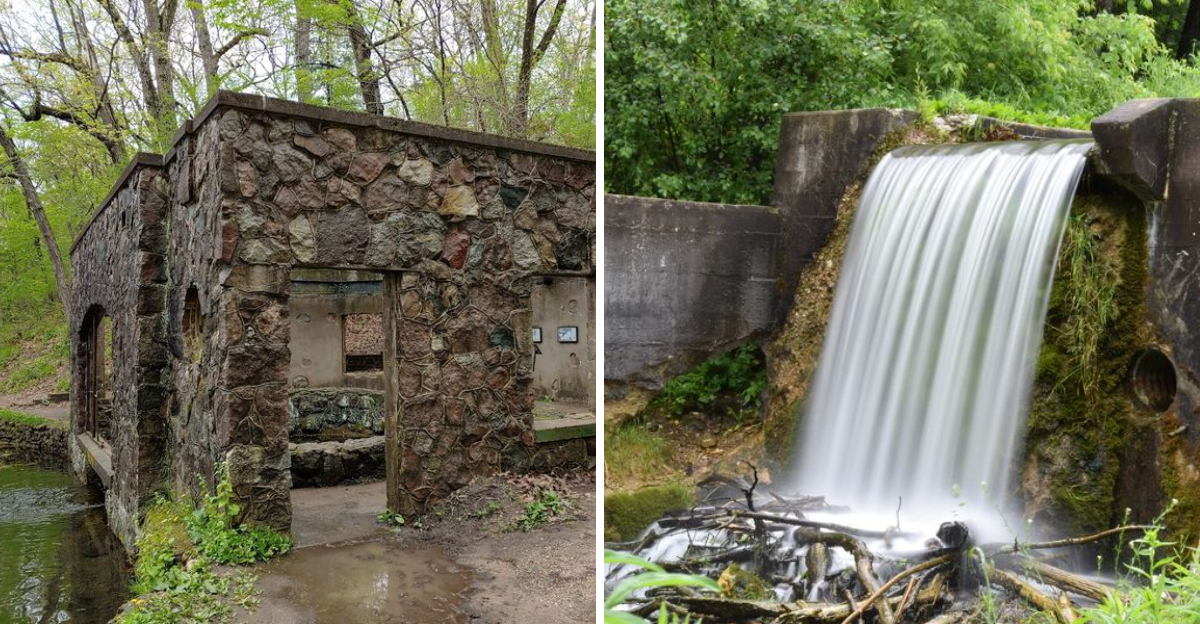
Millionaires once escaped Milwaukee’s summer heat by disappearing into a wooded Wisconsin retreat built around icy spring water. Horses thundered around a private track, elegant guests gathered beside stone buildings, and thousands of gallons of clear water were bottled each day.
The glamour eventually vanished, but the forest never completely erased the story. Crumbling walls now rise beside a peaceful paved trail, while cold water still bubbles from the ground with the same steady force.
Every bend reveals another clue from the property’s lavish past, turning a short walk into a surprisingly rich history lesson. Bring comfortable shoes and a curious mind, because this corner of Wisconsin proves abandoned places can still feel wonderfully alive with secrets, scenery, and stories.
A Forest Trail Now Leads Through A Lost Resort Site
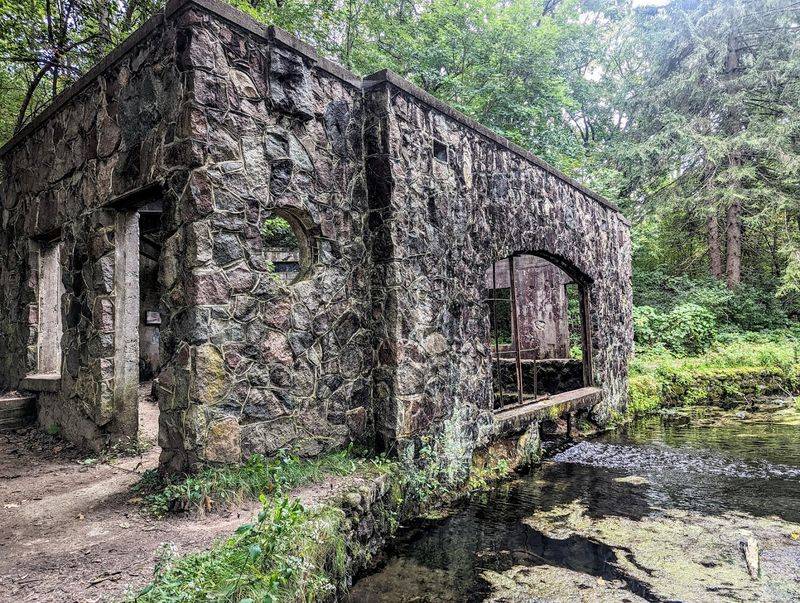
Walking the half-mile paved loop at Paradise Springs feels like stepping into a time capsule. The trail opened to the public after the Wisconsin Department of Natural Resources took over the property in the 1970s.
Benches line the path at regular intervals, making it accessible for visitors of all ages and abilities.
Stone foundations peek through the undergrowth where grand buildings once stood. Interpretive signs mark significant spots along the route, explaining what each ruin represented during the resort’s glory days.
The paved surface makes the walk easy, but the history surrounding you keeps your mind working.
Located at W374 S8640 County Road N in Eagle, the trail opens at 6 AM daily and closes at 11 PM. A Wisconsin State Park pass is required for entry, costing eight dollars for a daily pass.
The small parking lot fills quickly on weekends, so early morning visits offer the best experience.
Milwaukee’s Big Names Once Escaped Here
Paradise Springs became the playground of Milwaukee’s elite during the early twentieth century. Wealthy industrialists and prominent families made the journey south to Eagle, seeking relief from summer heat and city life.
The resort promised privacy, natural beauty, and social exclusivity that matched their status.
These families did not simply visit for a day. Many spent entire summers at Paradise Springs, establishing it as a seasonal retreat.
The resort catered specifically to their tastes, offering amenities that reflected their sophisticated expectations.
The distance from Milwaukee made the journey feel like a proper escape without being inconveniently far. Families could reach the springs within a reasonable carriage or early automobile ride.
This accessibility combined with seclusion created the perfect balance for those seeking both comfort and wilderness. The social scene at Paradise Springs rivaled any Milwaukee country club, with guests returning year after year to reconnect with friends.
A Millionaire Turned The Spring Into A Showpiece
A wealthy entrepreneur recognized the commercial potential of the natural spring in the late 1800s. He purchased the land and immediately began transforming the wild spring into an attraction worthy of Milwaukee’s upper class.
His vision combined natural beauty with constructed elegance, creating something that felt both authentic and refined.
The development required significant investment in infrastructure. Buildings needed construction, roads required improvement, and the spring itself demanded careful management to maintain its appeal.
The millionaire spared no expense in making Paradise Springs a destination that would attract repeat visitors willing to pay premium prices.
His business model relied on exclusivity rather than mass appeal. By keeping the resort small and selective, he maintained an atmosphere that wealthy families found appealing.
The strategy worked brilliantly for decades, establishing Paradise Springs as one of Wisconsin’s most prestigious seasonal destinations until changing times and tastes eventually led to its decline.
The Old Spring House Still Steals The Scene
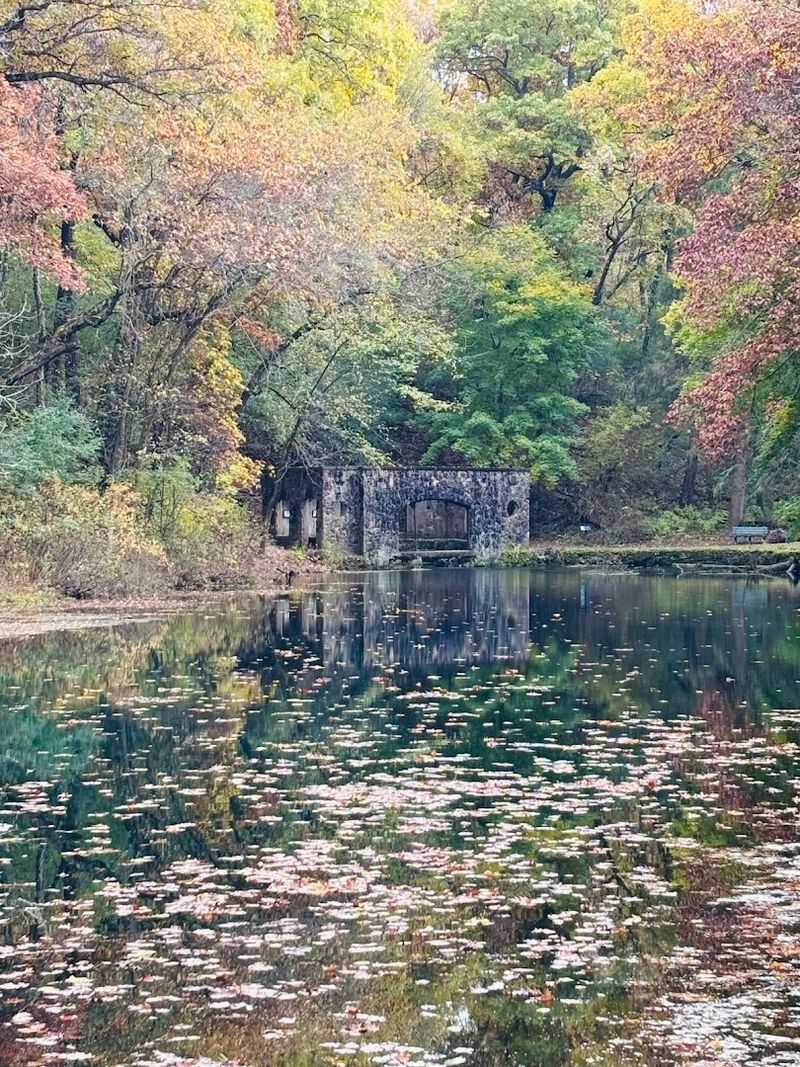
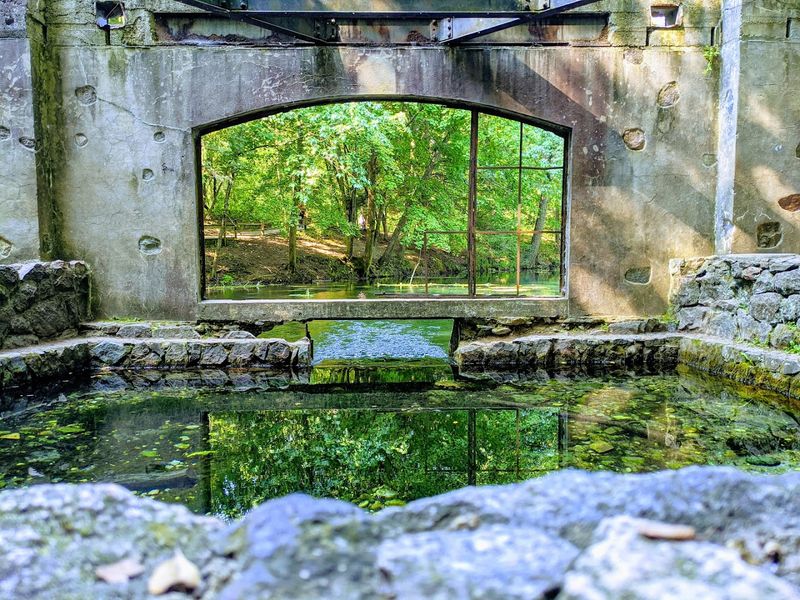
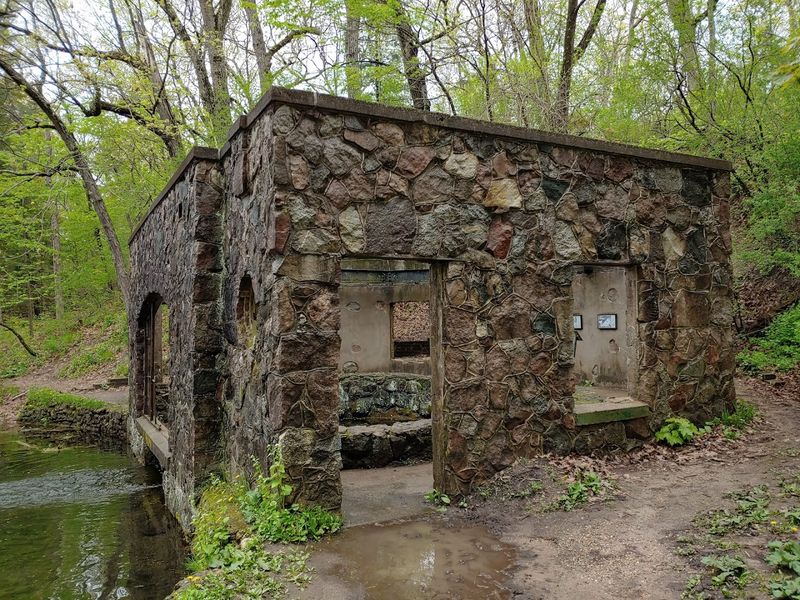
The spring house remains the most photographed structure at Paradise Springs today. Its stone walls still frame the spot where water emerges from underground, even though the roof and windows disappeared long ago.
The roofless structure somehow gained character through decay, becoming more picturesque in ruin than it might have been when pristine.
Original photographs displayed along the trail show the spring house in its complete form, with an intact roof protecting the spring. Visitors can compare past and present, imagining what the structure looked like when resort guests gathered here.
The stone construction proved durable enough to survive decades of abandonment.
The spring house sits at the heart of the trail system, drawing visitors to its edge where they can peer into impossibly clear water. The structure serves as a reminder of the care and craftsmanship invested in this resort.
Modern visitors appreciate its photogenic qualities, especially during autumn when colorful leaves frame the gray stone.
The Water Stays Cold All Year Long
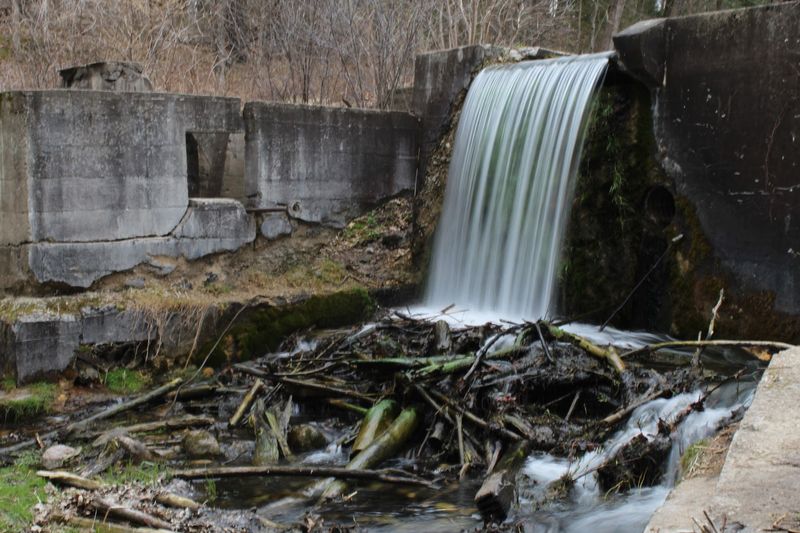
Paradise Springs maintains a constant temperature regardless of season, flowing from underground sources that stay cool even during Wisconsin’s humid summers. The spring water emerges at approximately 50 degrees Fahrenheit throughout the year.
This consistent temperature created the perfect environment for trout and made the springs attractive to visitors seeking relief from summer heat.
The cold water clarity allows visitors to see straight to the bottom, watching trout swim through underwater plants. During winter, the spring continues flowing even when surrounding areas freeze solid.
Steam rises from the water on particularly cold mornings, creating an atmospheric effect that photographers love.
This temperature consistency comes from the depth at which the water originates underground. Surface temperatures have no effect on the spring’s output.
The resort capitalized on this natural air conditioning, marketing the cool waters as a health benefit. Today, visitors still appreciate the refreshing presence of cold spring water, though swimming is no longer permitted.
The Spring Once Poured Out Thousands Of Gallons
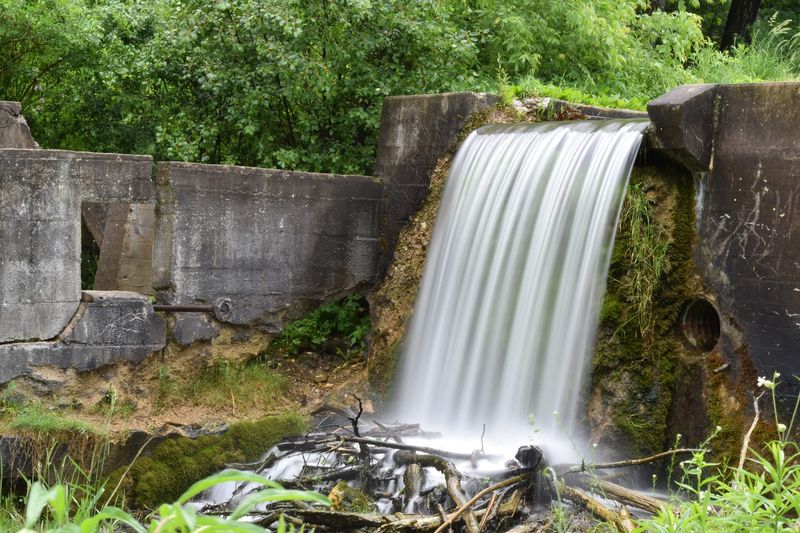
At its peak, Paradise Springs produced an enormous volume of water daily. Historical records indicate the spring flowed at several thousand gallons per day, creating a substantial stream that fed into surrounding wetlands.
This impressive output made the spring notable even among Wisconsin’s many natural springs.
The volume allowed for multiple uses simultaneously. The resort could bottle water for sale while still maintaining attractive pools and streams for guests to enjoy.
The constant flow kept water fresh and clear, preventing stagnation that might have made the pools less appealing.
Modern flow rates have decreased somewhat from historical peaks, though the spring still produces clear, cold water year-round. Changes in groundwater levels and surrounding land use have affected output over the decades.
Despite reduced flow, the spring remains an impressive natural feature. Visitors can still witness substantial water movement, particularly during wet seasons when underground aquifers run full and the spring responds with increased output.
A Resort Hotel Once Stood In The Woods
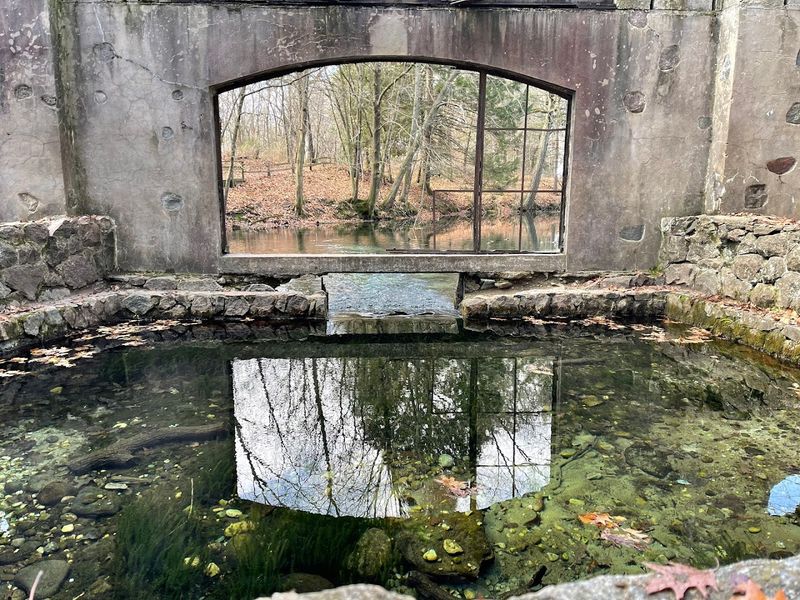
The main hotel building stood as the centerpiece of Paradise Springs, offering overnight accommodations for wealthy families. Multiple stories provided rooms with views of the surrounding forest and spring-fed waters.
Porches wrapped around the building, giving guests shaded spots to relax during warm afternoons.
Inside, the hotel featured dining facilities and common areas where guests socialized during their stays. The building combined rustic Wisconsin charm with the refined amenities expected by well-to-do visitors.
Fireplaces warmed guests during cooler evenings, while large windows captured forest breezes in summer.
Today, only foundation stones mark where the hotel stood. The wooden structure eventually succumbed to time and weather after the resort closed.
Visitors walking the trail can identify the hotel site by the unusually flat cleared area and remaining stone foundations. Interpretive signs help reconstruct the building’s appearance, allowing modern visitors to imagine the bustling resort that once occupied this quiet forest.
A Horse Track Made This Place Feel Exclusive
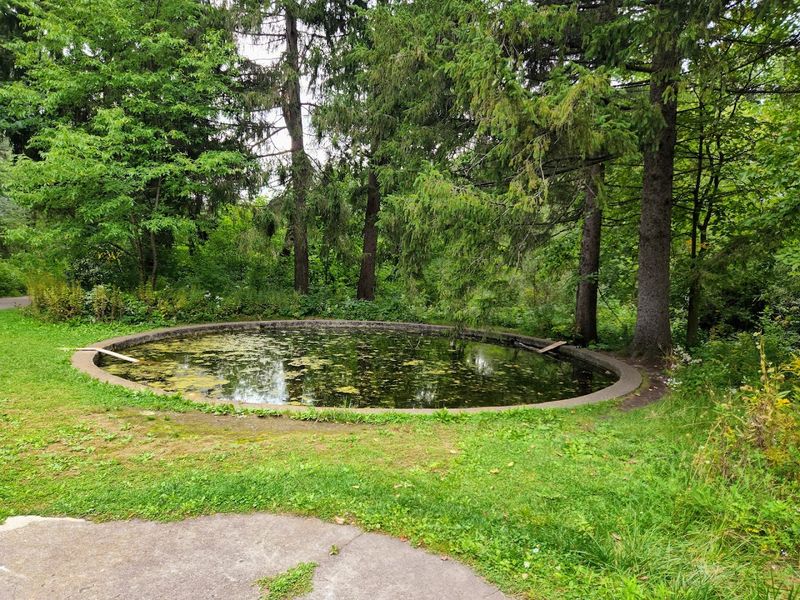
Paradise Springs featured a horse racing track that elevated the resort’s status among Milwaukee’s elite. Racing tracks were expensive to build and maintain, signaling that this was no ordinary vacation spot.
Only resorts catering to the wealthiest clientele could justify such an amenity.
The track hosted informal races among guests who brought their own horses for summer stays. These events became social occasions, with spectators gathering to watch and wager on their favorites.
The competitive atmosphere added excitement to the resort’s leisurely pace.
The track’s exact location remains somewhat unclear today, as forest has reclaimed the open ground where horses once ran. Some interpretive materials reference the track, but visible evidence has largely disappeared.
The track represented the height of the resort’s exclusivity, offering entertainment that only the privileged few could access. Its presence at Paradise Springs distinguished the resort from simpler vacation spots, cementing its reputation as a destination for Milwaukee’s most prominent families.
The Spring Water Was Bottled For Decades
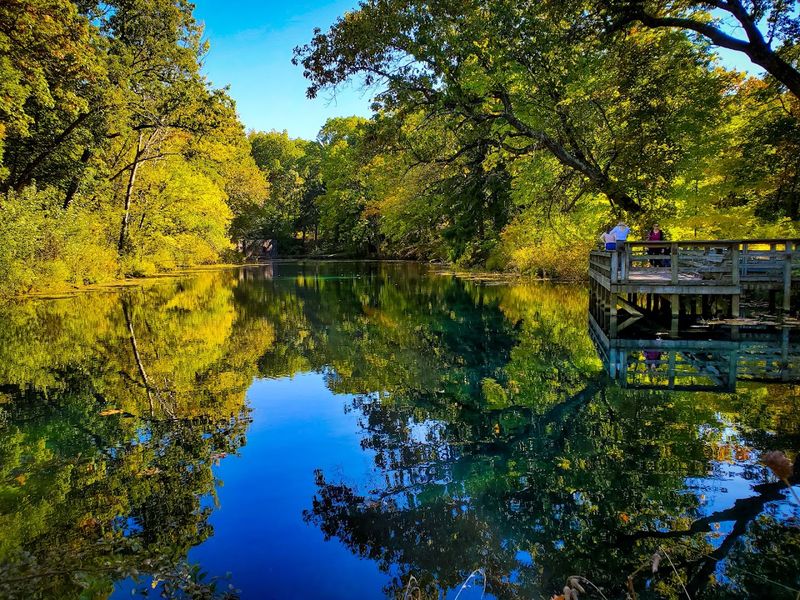
Commercial water bottling operations ran at Paradise Springs for many years, capitalizing on the spring’s reputation for purity and taste. Glass bottles filled with Paradise Springs water were sold regionally, marketed as healthful refreshment from a pristine natural source.
The bottling business provided revenue beyond what the resort generated from guests.
Bottling required infrastructure including a filling facility, storage areas, and transportation arrangements. The high daily output of the spring made commercial bottling feasible without diminishing the water available for resort guests.
Quality remained consistent because the spring water required no treatment or processing.
The bottling operation eventually ceased as the resort declined and modern water regulations became more stringent. Vintage Paradise Springs bottles occasionally surface at antique shops, valued by collectors of Wisconsin memorabilia.
These bottles serve as tangible reminders of when the spring’s water was considered valuable enough to sell commercially, representing an era when natural spring water held special appeal.
The Pond Was Once A Popular Trout Spot
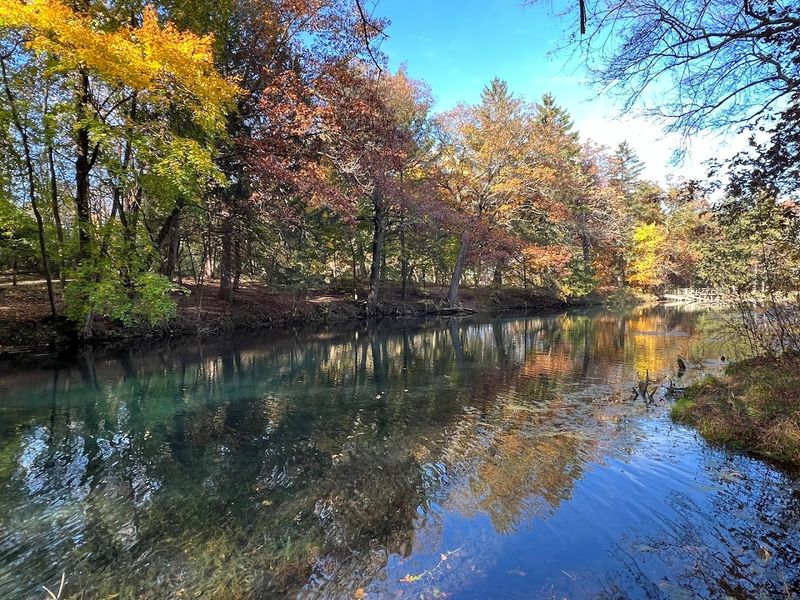
A spring-fed pond at Paradise Springs became famous among anglers for its trout population. The cold, oxygen-rich water provided ideal conditions for trout to thrive.
Resort guests could fish without traveling to distant streams, making the pond a convenient amenity that added to the resort’s appeal.
The pond’s clarity allowed anglers to watch trout moving through the water before casting. This visibility made fishing more engaging, particularly for younger or less experienced anglers who enjoyed seeing their quarry.
The pond stocked with trout ensured guests had successful fishing experiences.
Today, the pond still contains trout visible from the trail and fishing pier. Current regulations require catch and release, protecting the fish population for observation and limited fishing.
Turtles also inhabit the pond, and wooden platforms allow them to climb out of the water. The pond remains one of the trail’s highlights, offering visitors a glimpse of the aquatic life that thrives in spring-fed waters.
A Dam Failure Changed Paradise Springs
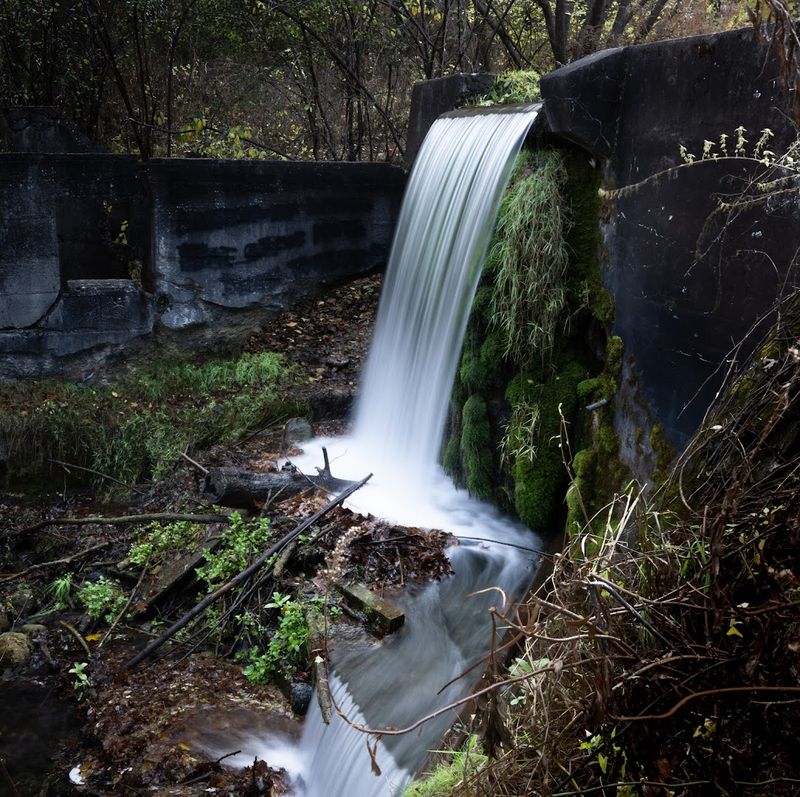
In 2015, a dam at Paradise Springs failed, dramatically altering the site’s appearance and water flow patterns. The dam had maintained higher water levels in certain areas, creating the picturesque pools and ponds that defined the location for decades.
Its failure released water that had been held back, lowering levels and exposing previously submerged areas.
The dam failure occurred during a period of heavy rainfall when water pressure exceeded the aging structure’s capacity. The sudden release reshaped portions of the landscape, moving sediment and changing the character of some pools.
Visitors familiar with Paradise Springs before 2015 noticed significant differences afterward.
Despite these changes, the spring itself continues flowing as it always has. The core attraction remains intact even though surrounding water features look different.
The Department of Natural Resources has worked to stabilize the site and ensure visitor safety. Paradise Springs adapted to its altered state, proving that even dramatic changes cannot diminish the fundamental appeal of cold, clear spring water flowing through a Wisconsin forest.