
This Historic Massachusetts Restaurant Still Sets The Standard For Fine Dining
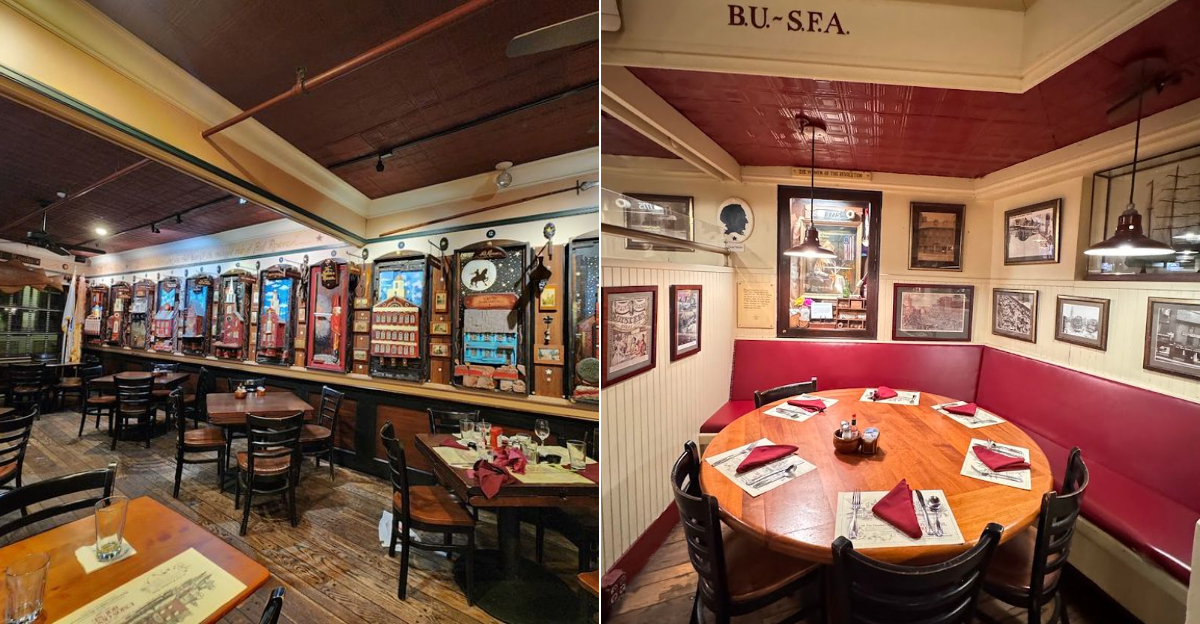
History is not hanging quietly on the walls here. It surrounds the tables, fills the worn booths, and turns a seafood meal into part of the story.
Could dinner get more memorable than sitting where presidents, writers, and famous travelers once ate? Massachusetts gives visitors the chance to order chowder, lobster stew, or fresh seafood inside a dining room that has welcomed guests for centuries.
The details make the stop unforgettable. Come early for the best chance at a special seat.
Make a reservation, slow down, and treat yourself to a meal where every corner seems to carry another tale.
America’s Oldest Restaurant Awaits
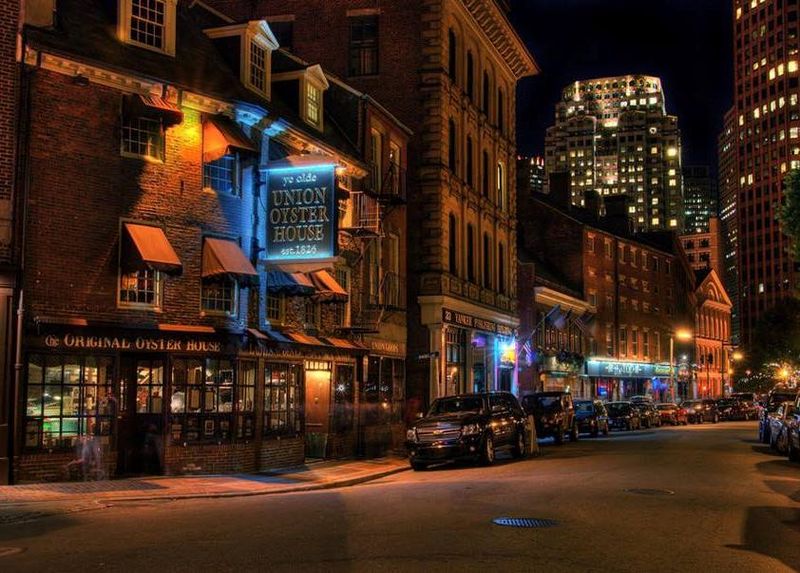
Some restaurants serve food. This one serves history on every single plate.
Sitting right on the edge of the Freedom Trail, this legendary Boston landmark has been open continuously since 1826, making it the oldest operating restaurant in the entire United States.
That place is Union Oyster House. Walk through its doors and you are instantly surrounded by nearly two centuries of stories.
The building itself dates back to the early 1700s, and the Georgian architecture still stands proud today.
It was recognized as a National Historic Landmark in 2003. That is not just a fancy title.
It means the building, the history, and the experience inside are considered irreplaceable treasures of American culture.
Tourists who visit Boston often say this stop surprised them the most. They expected a tourist trap.
They found something far more genuine. The worn wooden floors creak with character.
The dim lighting sets a mood that no modern restaurant could fake.
Every corner tells a different story. Every booth has hosted someone remarkable.
Coming here is not just about the food, though the food is absolutely worth your time. It is about connecting with a living piece of American heritage that has somehow survived every chapter of history thrown at it.
Plan to linger. This is one spot where rushing would be a real shame.
Revolutionary History Inside
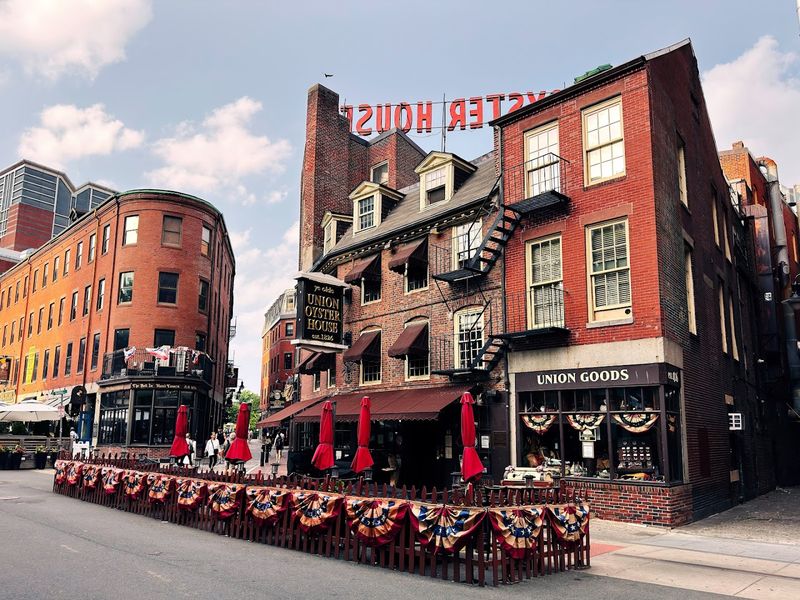
Long before the first oyster was ever shucked here, this building was already changing American history. From 1771 to 1775, patriot Isaiah Thomas printed The Massachusetts Spy upstairs.
That newspaper was bold, brave, and openly critical of British rule.
It helped fuel the fire of the American Revolution. Think about that the next time you sit down for clam chowder.
You are sitting where revolution was literally printed into existence.
After the printing press fell silent, the building shifted roles. In 1775, it became a military headquarters.
Ebenezer Hancock, the Continental Army’s paymaster, used the space to distribute wages to federal troops. Real money, real soldiers, real stakes.
Wives of famous American figures like Adams and Hancock also gathered here. They sewed and repaired clothing for colonists fighting for independence.
The conversations that must have happened within these walls are almost impossible to imagine.
Today, visitors walk through those same rooms without always realizing what unfolded there. The restaurant preserves this history through artwork, displays, and memorabilia mounted throughout its eight distinct rooms.
History is not hidden here. It is proudly on display at every turn.
Coming here with kids is a fantastic idea. The stories are vivid, dramatic, and genuinely exciting.
History class never felt this delicious.
A Prince Once Lived Here
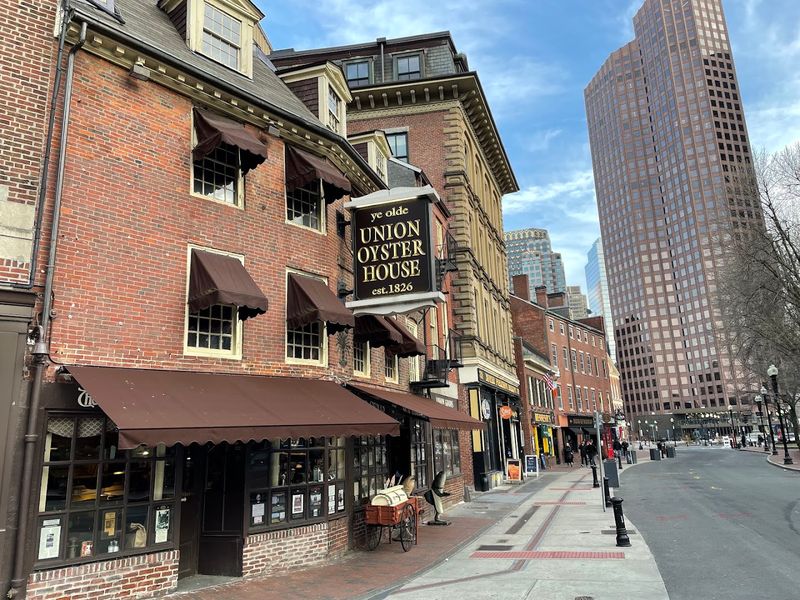
Here is a fun fact that most visitors never expect. A future King of France once lived on the upper floors of this very building.
Louis Philippe, an exiled French prince, stayed here in the late 1790s after fleeing revolution in his home country.
He was not living in luxury during his time in Boston. To earn money, he taught French lessons to prominent local families.
Imagine hiring a tutor and discovering years later that he became king of an entire nation.
Louis Philippe eventually returned to France and ruled as king from 1830 to 1848. His time in Boston is one of those quirky historical footnotes that makes this building so endlessly fascinating.
No other restaurant in America can claim a royal resident quite like this.
This story adds a genuinely European flavor to the building’s already rich American identity. It connects a humble Boston address to the grand courts of nineteenth-century France.
That kind of layered history is rare anywhere in the world.
Travelers who love unexpected twists in their sightseeing will absolutely adore this detail. It is the kind of story you repeat at dinner parties for years.
Visiting here gives you bragging rights that go far beyond just eating great seafood.
Royal connections, revolutionary roots, and remarkable food all under one roof. Not bad for a Tuesday lunch.
The Iconic Oyster Station
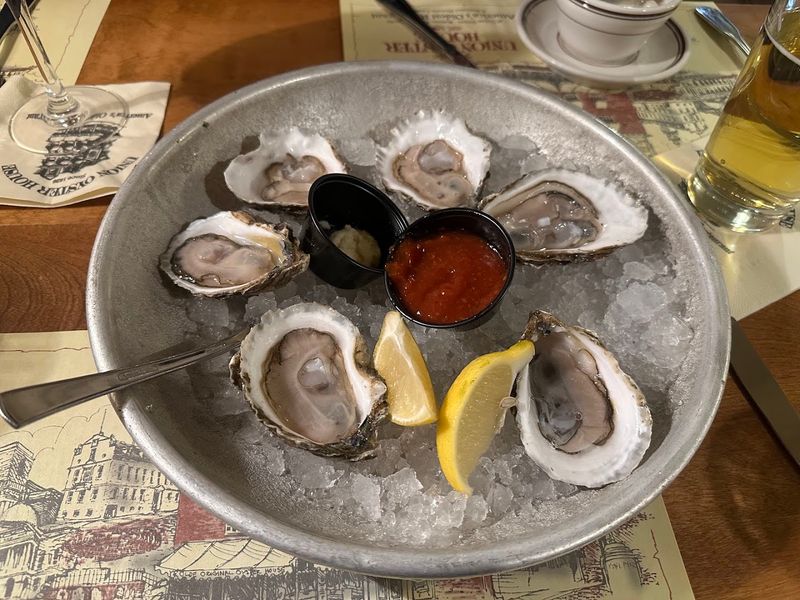
Right when you walk in, it catches your eye. The famous semi-circular oyster bar is one of the most iconic features of this entire restaurant.
Installed in 1826, it has been in continuous use ever since, making it the only surviving bar of its kind in the entire country.
Watching the shuckers work is genuinely mesmerizing. These are skilled professionals who open oysters with speed, precision, and obvious pride.
Over 4,000 oysters are shucked here on a busy day. That number is almost hard to believe until you see the pace of the operation firsthand.
Grabbing a seat at the oyster bar is considered by many regulars to be the best spot in the house. You get front-row access to all the action.
Fresh oysters arrive directly in front of you, still cold, still briny, still perfect.
The cherrystones are a must-try alongside the oysters. Guests consistently rave about how clean and fresh they taste.
No grit, no off-putting smell, just pure ocean flavor served with a smile.
This bar is not just a dining feature. It is a piece of American culinary history that has somehow remained exactly where it was placed nearly 200 years ago.
Sitting there connects you to every single person who has pulled up a stool before you.
That is a pretty powerful feeling for a Tuesday afternoon snack.
Famous Guests Through The Years
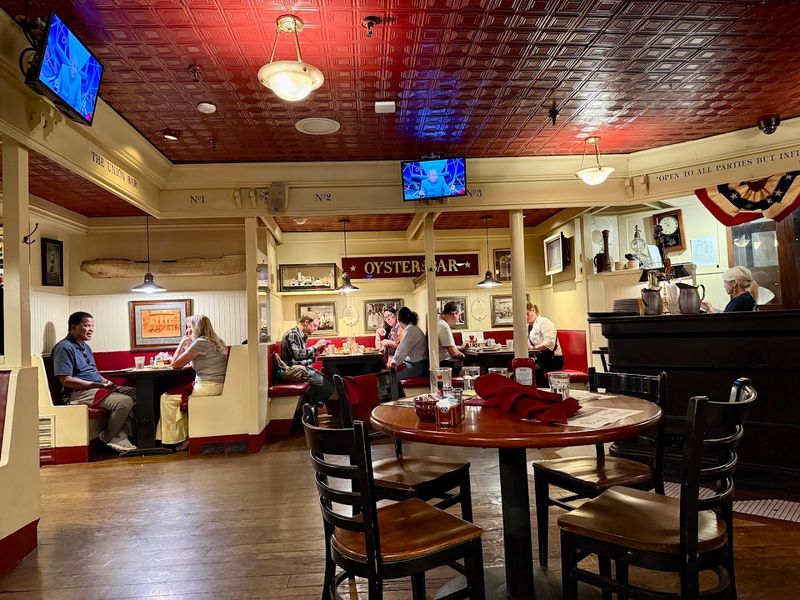
Not every restaurant can say a sitting president had a favorite booth. Union Oyster House absolutely can.
President John F. Kennedy was a devoted regular here.
He loved the lobster stew and returned so often that booth number 18 is now permanently dedicated to his memory.
A brass plaque marks the spot. Sitting there feels like a small but genuinely special moment.
Several other presidents have also passed through these doors, including Franklin D. Roosevelt and Bill Clinton.
This place has a way of attracting people who shape history.
Senator Daniel Webster was another legendary regular. His love of oysters was apparently legendary in its own right.
Stories suggest he consumed truly impressive quantities during his visits. The man clearly had excellent taste.
Beyond politicians, the restaurant has attracted artists, writers, and travelers from around the world for generations. It is the kind of place that pulls people in across every era.
Something about the atmosphere makes even strangers feel like they belong here.
Knowing that the booth you are sitting in might have hosted a senator, a president, or a revolutionary-era figure adds a layer of excitement to every meal. It turns a simple lunch into something worth remembering and talking about long after you leave Boston.
Few restaurants anywhere in the world can offer that kind of company, even in spirit.
New England Flavors Done Right
The menu here is a love letter to classic New England cooking. Fresh seafood is the undeniable star, and the kitchen treats it with the respect it deserves.
Every dish reflects generations of regional tradition done with care and consistency.
Meals begin with warm cornbread and butter. It is a simple touch, but guests mention it again and again in their memories of the meal.
Something about warm bread in a centuries-old dining room just hits differently.
The clam chowder is thick, creamy, and packed with chunks of fish and potato. Multiple visitors have called it the best they have ever tasted.
That is high praise in a city where chowder is practically a competitive sport.
The fried haddock has earned serious fans as well. The coating is light and crisp, letting the freshness of the fish shine through.
Fish and chips here come out perfectly golden with no greasy buildup to ruin the experience.
Baked stuffed clams are another crowd favorite. The lobster mac and cheese arrives with generous chunks of real lobster.
Boston cream pie makes a legendary appearance for dessert, and skipping it would genuinely be a mistake.
Broiled Boston scrod rounds out the menu as a true regional classic. Every dish tells a story about where it came from and why it has stayed on the menu for so long.
That kind of culinary loyalty is rare and worth celebrating.
Eight Rooms, Endless Character
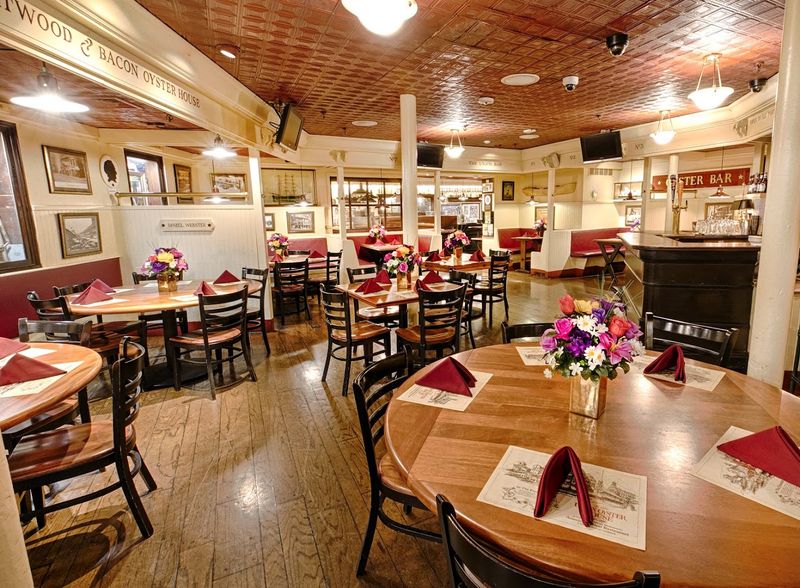
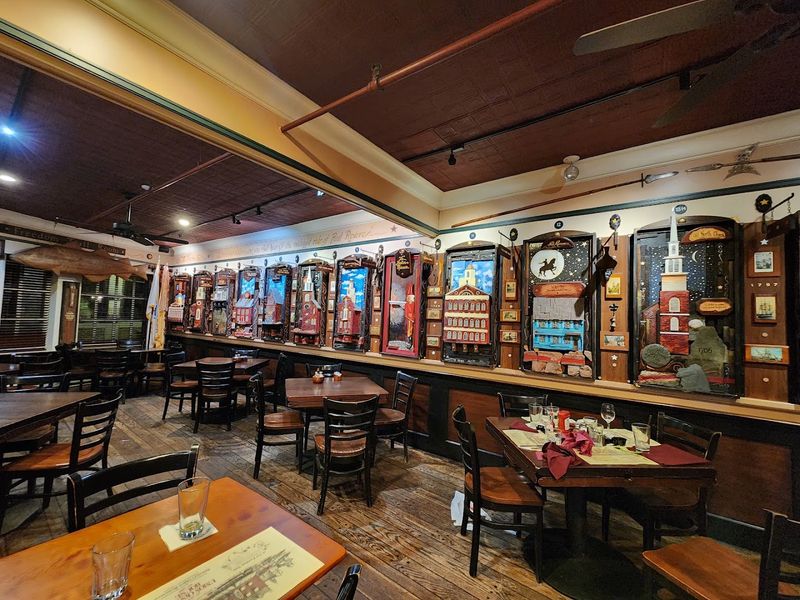
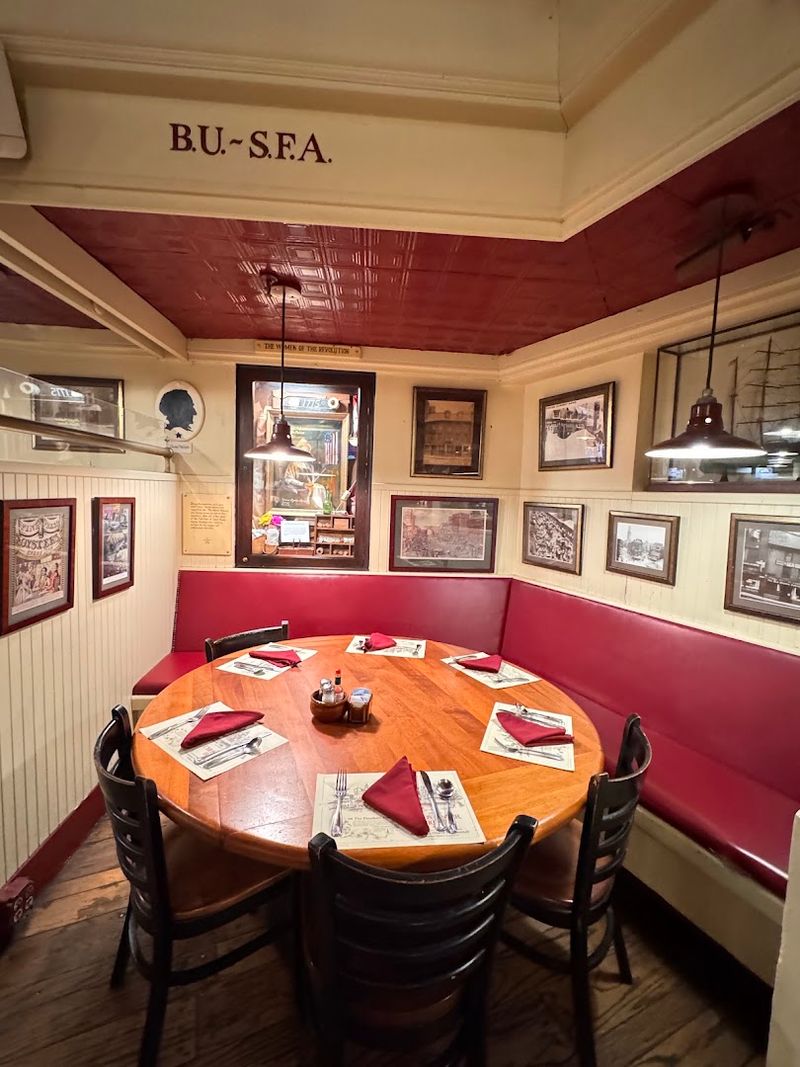
Walking through this restaurant feels like exploring a historic house that happens to serve incredible food. Spread across three floors and eight distinct rooms, the layout is surprisingly large and endlessly interesting.
No two corners look quite the same.
The wooden booths are worn in just the right way. They invite you to settle in, slow down, and stay a while.
The dim, warm lighting creates an atmosphere that modern restaurant designers spend fortunes trying to recreate and never quite nail.
The walls are covered in artwork, vintage photographs, historical murals, and newspaper clippings. There are display cases filled with artifacts and curios that reward anyone who takes a slow walk around before sitting down.
It genuinely feels like a living museum that also happens to serve excellent chowder.
A lobster tank greets visitors near the entrance. Watching the lobsters move around is a surprisingly entertaining way to pass the time while waiting for a table.
Kids especially love it.
The eight rooms each have their own personality. Some feel more intimate.
Others buzz with the energy of a full dining room. The oyster bar area has its own lively rhythm entirely.
Choosing where to sit becomes a small adventure in itself.
Regulars swear the booths in the back rooms offer the most privacy and the best atmosphere for a long, relaxed meal. First-timers should explore before committing to a seat.
Plan Your Visit Here
Getting to this restaurant is genuinely easy, which makes the whole experience even better. The location sits directly on the historic Freedom Trail, meaning a visit here fits naturally into a day of Boston sightseeing.
Everything is walkable from the surrounding neighborhood.
Public transportation is a convenient option for those who prefer not to drive. For guests arriving by car, validated parking is available nearby.
Checking current parking options before your visit is always a smart move in downtown Boston.
The restaurant is open every day of the week, generally from 11 AM onward. Hours can vary slightly depending on the day, so checking the official website at unionoysterhouse.com before heading out is highly recommended.
Nobody wants to arrive and find a closed door.
Reservations are strongly encouraged, especially for larger groups or weekend visits. The restaurant fills up quickly, particularly during peak tourist season.
Arriving early on weekdays gives you the best chance of a shorter wait and a more relaxed experience.
Peak times can mean a wait of 20 minutes or more. Arriving right when doors open is a smart strategy that many regulars swear by.
One guest made it the very first person through the door at 11 AM and had a perfect, unhurried meal.
Find this legendary piece of American history at 41 Union St, Boston, MA 02108. Come hungry, come curious, and come ready to make a memory worth keeping.