
8 Mississippi Parks And Recreational Areas Where Fire Ant Mounds Are A Real Problem This Summer
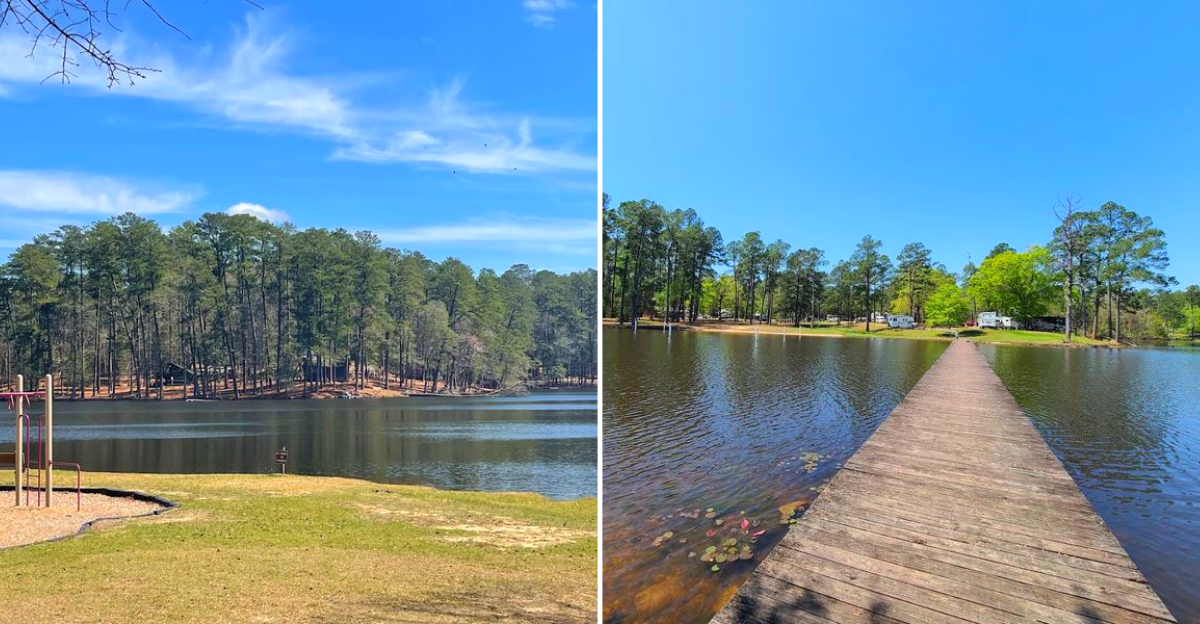
Fire ants do not care about your picnic plans. They do not care about your blanket, your barefoot walk to the water, or the fact that you drove forty-five minutes to enjoy a perfectly nice Mississippi afternoon.
They have claimed their patch of ground and they are prepared to make that very clear.
Eight parks and recreational areas across the state are seeing serious fire ant activity this summer, and the mounds are not exactly hiding. Mississippi summers reward the people who come prepared and have a specific way of humbling the people who do not.
Closed-toe shoes are doing a lot of important work right now. So is knowing which parks to watch before you spread out a blanket and let the kids run loose.
The outdoors here are worth every bit of the effort it takes to enjoy them safely. A little information before you head out is the difference between a great summer afternoon and a very unpleasant story you will be telling for years.
1. Lefleur’s Bluff State Park
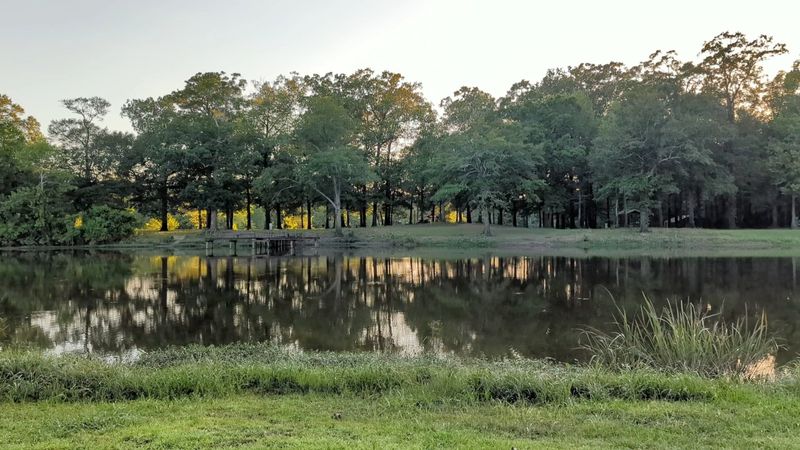
Right in the heart of Jackson, Lefleur’s Bluff State Park is one of those rare urban escapes that feels genuinely refreshing. The wide open grassy fields, the disc golf course, and the shaded picnic spots make it a go-to for families and outdoor lovers alike.
What also makes it a go-to? Fire ants, unfortunately.
Open, sunny, mown grass is basically a five-star resort for imported red fire ants. At 2140 Riverside Dr, Jackson, MS 39202, the park offers exactly the kind of warm, undisturbed soil these insects prefer to build their dome-shaped mounds in.
MSU Extension confirms that parks with open turf like this rank among the highest-risk environments for fire ant activity.
Mound densities in unmanaged open areas can exceed 200 per acre, and summer heat only encourages more foraging. The disc golf course fairways are especially worth watching, since golfers and players often walk across open grass without looking down.
Wear closed-toe shoes, stay on paved paths when possible, and scan the ground before setting up your picnic blanket. A little awareness goes a long way when you are sharing the park with Mississippi’s most aggressive tiny residents.
The adjacent Mayes Lake and nature museum make Lefleur’s Bluff one of Jackson’s most complete outdoor destinations. Staying on the paved walking trail around the lake significantly reduces fire ant exposure while still delivering a genuinely satisfying afternoon outside.
2. Buccaneer State Park
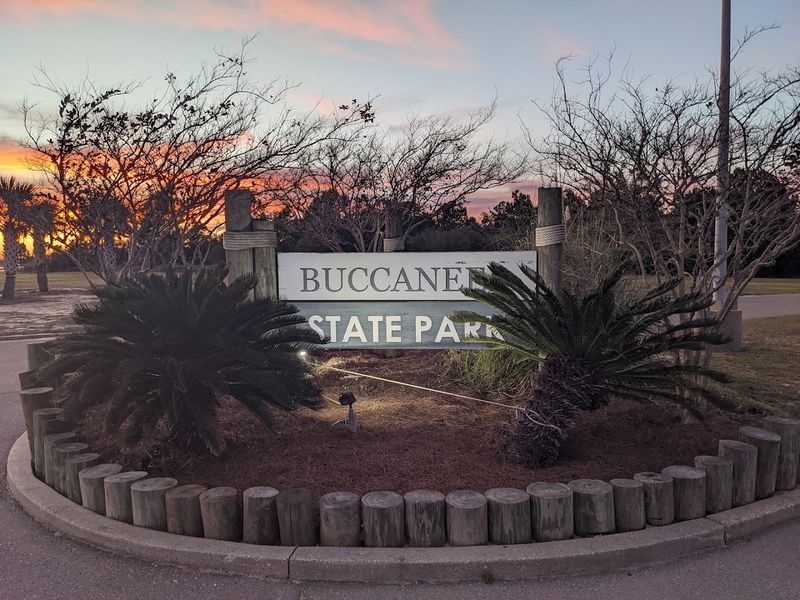
Buccaneer State Park sits right on the Gulf Coast in Waveland, and on a clear summer day it looks like a postcard. The beach access, the water park, and the sprawling green lawns attract crowds from across the region.
But the warm coastal climate that makes it so appealing to visitors also makes it a year-round playground for fire ants.
Gulf Coast heat means fire ants never really get a winter break here. At 1150 S Beach Blvd, Waveland, MS 39576, the park’s open grassy areas adjacent to the beach are prime real estate for Solenopsis invicta colonies.
Soil temperatures along the coast stay warm enough to keep foraging active well beyond what inland parks experience.
Summer is peak season for both visitors and fire ant activity, and the two tend to collide near picnic areas and grassy recreation zones. Kids running barefoot between the water park and the beach are especially at risk of stumbling across a mound.
The combination of sandy coastal soil and abundant sunshine creates ideal nesting conditions. Pack insect sting relief and keep an eye on where little ones are playing, because these ants do not take days off.
Waveland sits on the western edge of the Gulf Coast, and Buccaneer draws significant summer crowds from both Louisiana and Mississippi.
The beach-adjacent grassy areas between the water park and shoreline are the highest-risk zones for fire ant encounters during peak summer weekends.
3. Paul B. Johnson State Park
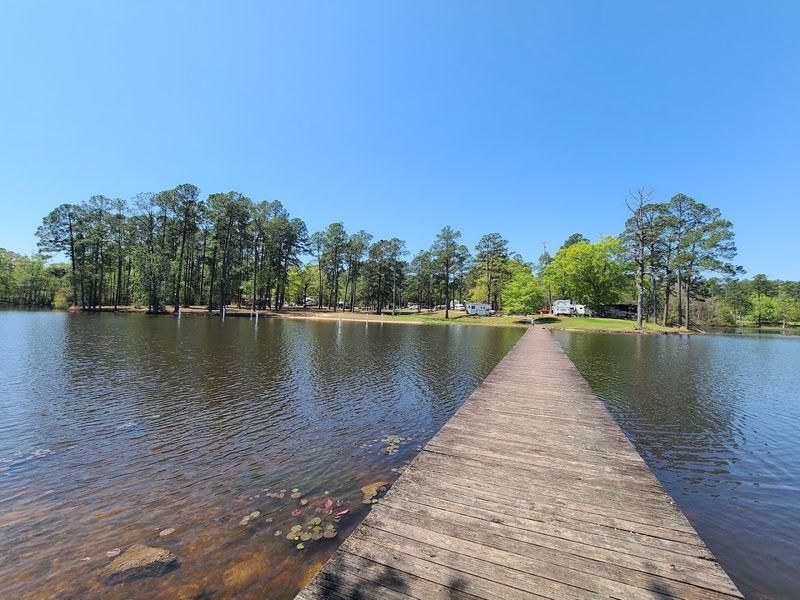
Paul B. Johnson State Park outside Hattiesburg has a lot going for it.
Geiger Lake is gorgeous, the playgrounds are well-maintained, and the athletic courts keep things lively on weekends. What the brochures tend to leave out is the fire ant situation, which has been documented as far back as the early 2000s.
Surveys conducted in the park specifically noted an overabundance of imported red fire ants in the primitive campground area. At 319 Geiger Lake Rd, Hattiesburg, MS 39401, the large open grassy stretches around the lake provide exactly the disturbed, sun-soaked soil that fire ant colonies thrive in.
Campgrounds are particularly vulnerable because foot traffic keeps the grass short and the soil exposed.
If you are planning to camp or picnic here this summer, check your campsite thoroughly before setting up. Fire ant mounds can blend into the grass and go unnoticed until someone steps directly on one.
Families with young children should be especially cautious near playground equipment, where mounds sometimes form right at the base of structures.
Treating visible mounds with direct contact products and applying granular bait around your campsite perimeter are both smart moves before settling in for the night.
Geiger Lake’s swimming area is the park’s most popular summer draw, and the grassy slopes leading down to the water are worth scanning carefully before setting up.
Early morning visits before the heat peaks tend to show more visible mound activity near the water’s edge.
4. Lake Lowndes State Park
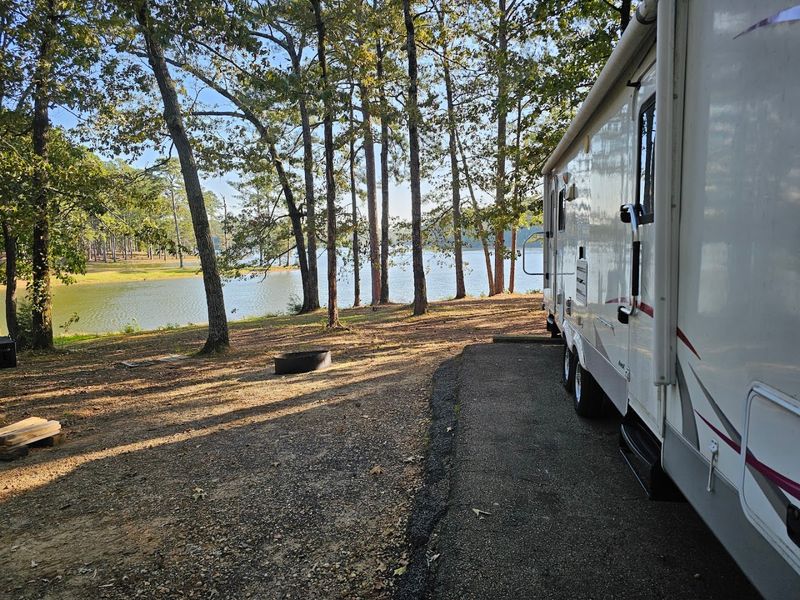
Lake Lowndes State Park in Columbus has a reputation for being a peaceful retreat, and for good reason. The lake is beautiful, the picnic shelters are spacious, and the beach area gives families a reason to linger all afternoon.
The fire ant situation here, however, has been a real and documented concern for years.
Hybrid fire ants, a cross between Solenopsis invicta and Solenopsis richteri, have been found in abundance along the park’s sidewalks and front lawn areas at 3319 Lake Lowndes Rd, Columbus, MS 39702.
A former park manager once described the ant presence as a serious problem, and visitor accounts from as recently as 2021 mention campgrounds being heavily infested during summer months.
Reports have even mentioned ants finding their way into trailers and vehicles parked overnight, which is next-level audacity from a creature that small.
Hybrid fire ants can be slightly more cold-tolerant than the standard red fire ant, which means they stick around longer into the season and bounce back faster in spring.
If you are camping here, seal food containers tightly and check your gear before loading it back into your car. A little prep saves a lot of screaming later.
Columbus sits in Lowndes County in northeast Mississippi, and the park draws heavily from the surrounding military and university communities throughout summer.
The documented hybrid fire ant presence near sidewalk edges means even paved areas require some attention during peak summer activity months.
5. Percy Quin State Park
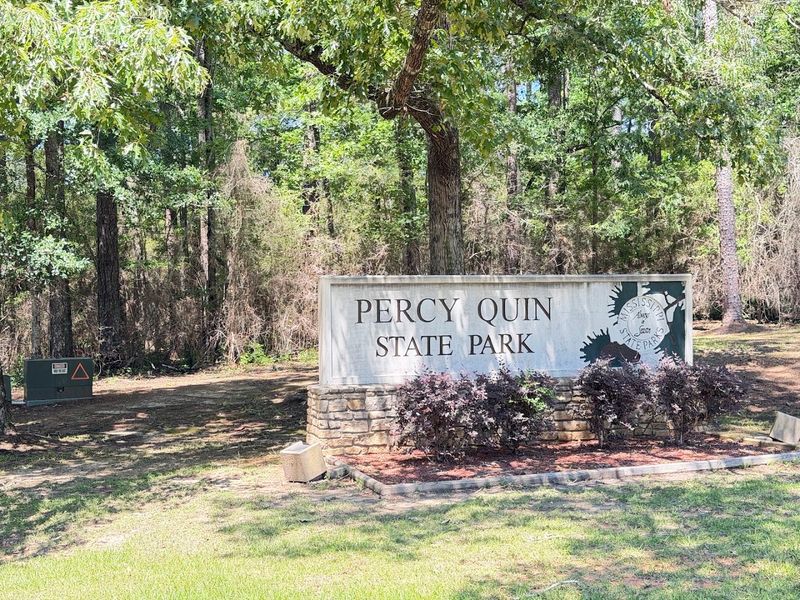
Percy Quin State Park in McComb is a golfer’s dream destination in southern Mississippi. The 18-hole Quail Hollow Golf Course winds through open, manicured turf that is genuinely beautiful to play on.
It also happens to be one of the highest-density fire ant mound environments in the entire state, according to MSU Extension research.
Golf course turf is practically purpose-built for fire ant colonies. Short-cut grass, open sun exposure, and regular irrigation create the exact conditions Solenopsis invicta loves.
At 1156 Camp Beaver Dr, McComb, MS 39648, mound densities on golf courses can surpass 200 per acre, which means players could be walking past dozens of active colonies during a single round without realizing it.
Beyond the golf course, the campgrounds and picnic facilities face similar challenges. Fire ants are not just a nuisance on the fairway.
They are a genuine liability concern for park staff and visitors alike, since stings can trigger serious allergic reactions in some people.
Wearing sturdy shoes while golfing, checking around picnic tables before sitting down, and keeping an eye on pets and children near open grassy areas are all practical habits worth adopting before your next visit to this otherwise outstanding park.
McComb’s location in Pike County puts Percy Quin within easy reach of the Louisiana border, drawing cross-state visitors who may not be familiar with Mississippi fire ant conditions.
The golf course pro shop staff can often point out which fairways and rough areas have seen the most recent mound activity.
6. John W. Kyle State Park
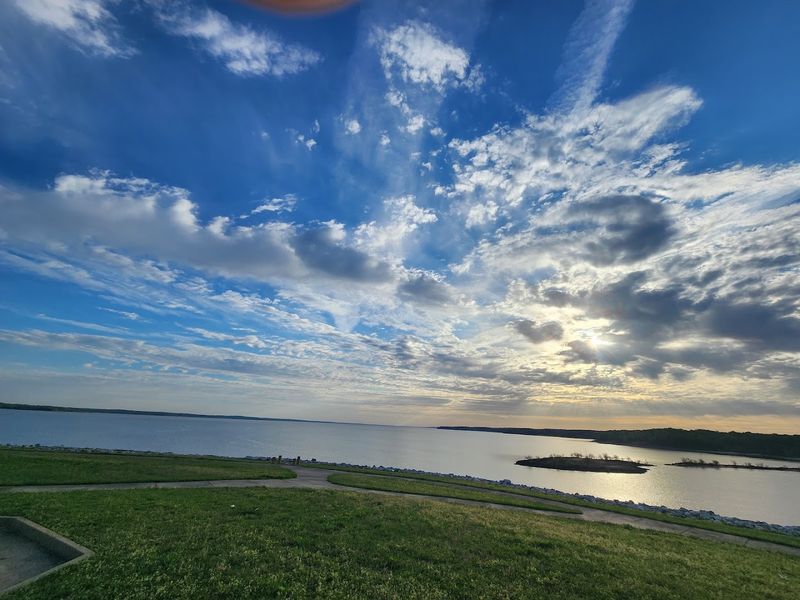
John W. Kyle State Park sits along the shoreline of Sardis Lake and offers some of the most scenic recreational space in northern Mississippi.
The beach, the camping areas, the picnic shelters, and the Mallard Pointe Golf Course give visitors plenty of reasons to make the trip. Fire ants, as it turns out, have also found plenty of reasons to stick around.
Back in 2011, scattered colonies of hybrid fire ants were observed in the open, dry areas near the park’s cabins at 4235 State Park Rd, Sardis, MS 38666.
Hybrid fire ants are particularly well-adapted to the drier, sandier soils found near lake shorelines, which makes the beach and cabin areas especially active zones during summer months.
The golf course here faces the same turf-level fire ant pressure seen at other Mississippi courses, where short grass and warm soil create ideal nesting conditions.
Visitors who spend time near the cabins or beach should scan the ground before spreading out blankets or setting up chairs.
Mounds near dry, sandy patches can be smaller and harder to spot than the large dome mounds found in wetter areas. Smaller does not mean less painful, though, so stay sharp and step carefully.
Sardis Lake is one of the largest reservoirs in northern Mississippi, and Kyle State Park represents one of the most popular access points to its shoreline.
The sandy beach transition zones between water and grass are where hybrid fire ant mounds tend to appear with the least warning and the smallest visual profile.
7. Roosevelt State Park
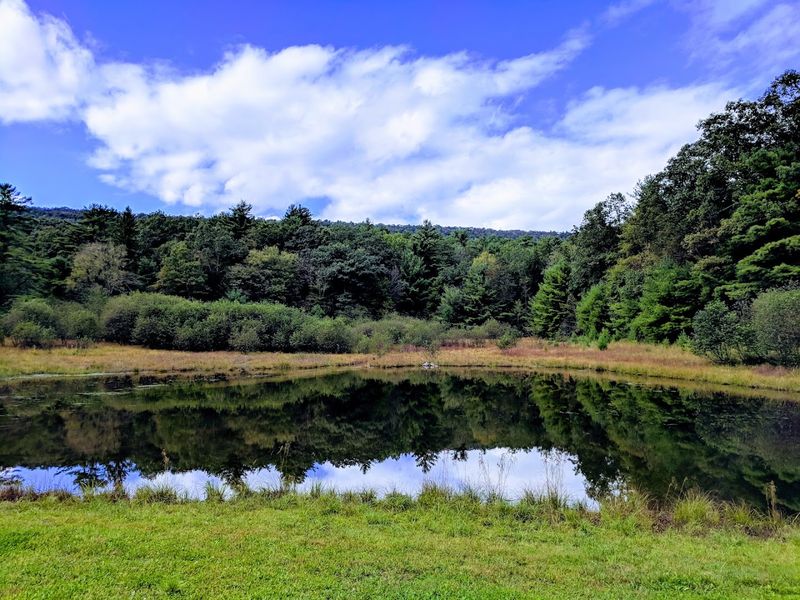
Roosevelt State Park near Morton is one of those places that genuinely has something for everyone. The Olympic-size pool, the campgrounds, the picnic areas, and the lake access make it a well-rounded destination.
A 2006 survey of the park, however, found that imported red fire ants were notably more common in the open, sunny, sandy soil areas near the lake.
At 2149 Hwy 13 S, Morton, MS 39117, the park’s open recreational zones offer the sun-drenched, loosely packed soil that fire ants favor for colony establishment.
Interestingly, the shaded and wooded sections of the park showed far less fire ant activity during that same survey, which tells you a lot about where to be cautious.
Stick to the trees if you want fewer uninvited neighbors.
The pool surrounds are another area worth watching, since warm concrete adjacent to open grass creates a transition zone where mounds can pop up unexpectedly.
Summer rainfall often stimulates a surge in fire ant visibility, pushing mounds to the surface and making colonies easier to stumble upon.
Bringing along a granular bait product for your campsite and wearing close-toed shoes in open areas are two simple steps that make a real difference at this park.
Morton sits in Scott County, roughly halfway between Jackson and Meridian on Interstate 20. That central location makes Roosevelt one of the most visited state parks in Mississippi during summer months.
The 2006 survey findings remain relevant because fire ant colony patterns in sunny, sandy areas have not meaningfully changed since that research was conducted.
8. Clarkco State Park
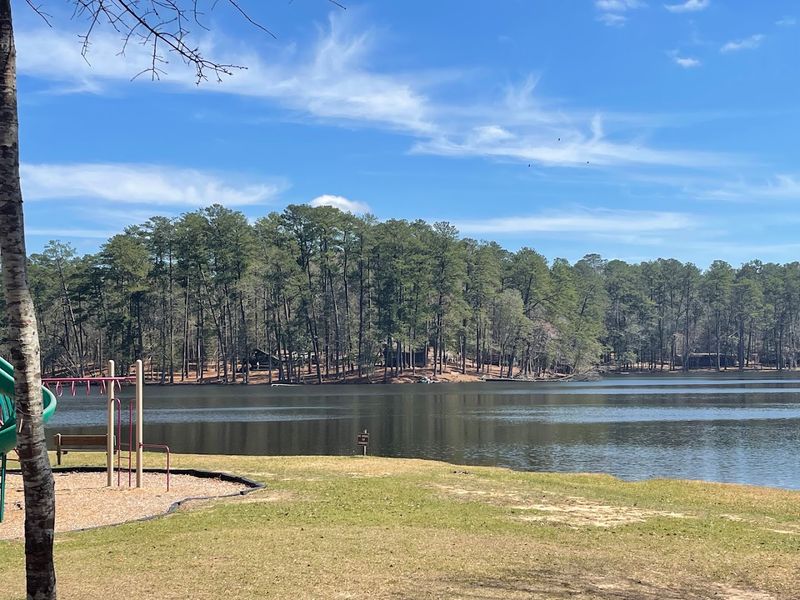
Clarkco State Park wraps around the shores of Lake Archusa in Quitman, and it is genuinely one of the more underrated parks in the state. The campgrounds are spacious, the playground is a hit with kids, and the picnic shelters offer a solid shaded spot on a blazing Mississippi afternoon.
Fire ants, predictably, have also taken a strong liking to the place.
At 386 Clarkco Rd, Quitman, MS 39355, the park’s open grassy areas match the habitat profile that MSU Extension consistently links to high fire ant mound density.
Mown lawns around picnic shelters and playgrounds are especially vulnerable, since regular cutting keeps the grass short and exposes warm soil that colonies find irresistible during summer months.
Clarkco may not have the documented infestation reports of some other parks on this list, but its habitat conditions are essentially a welcome mat for Solenopsis invicta.
Parents should check the ground around playground equipment before letting kids loose, and campers should scout their sites before pitching tents.
The two-step treatment method recommended by MSU Extension, using granular bait across the area followed by direct mound treatments, is worth applying if you plan an extended stay. A proactive approach keeps the fun where it belongs.
Quitman sits in Clarke County in eastern Mississippi, and Clarkco draws a loyal regional following that treats the park as a summer tradition.
The spacious campground layout means sites near the open central lawn area carry higher fire ant risk than sites positioned closer to the tree line.