
These 9 New York Lakes Have Miles Of Wild Shoreline And Almost No One Knows About Them
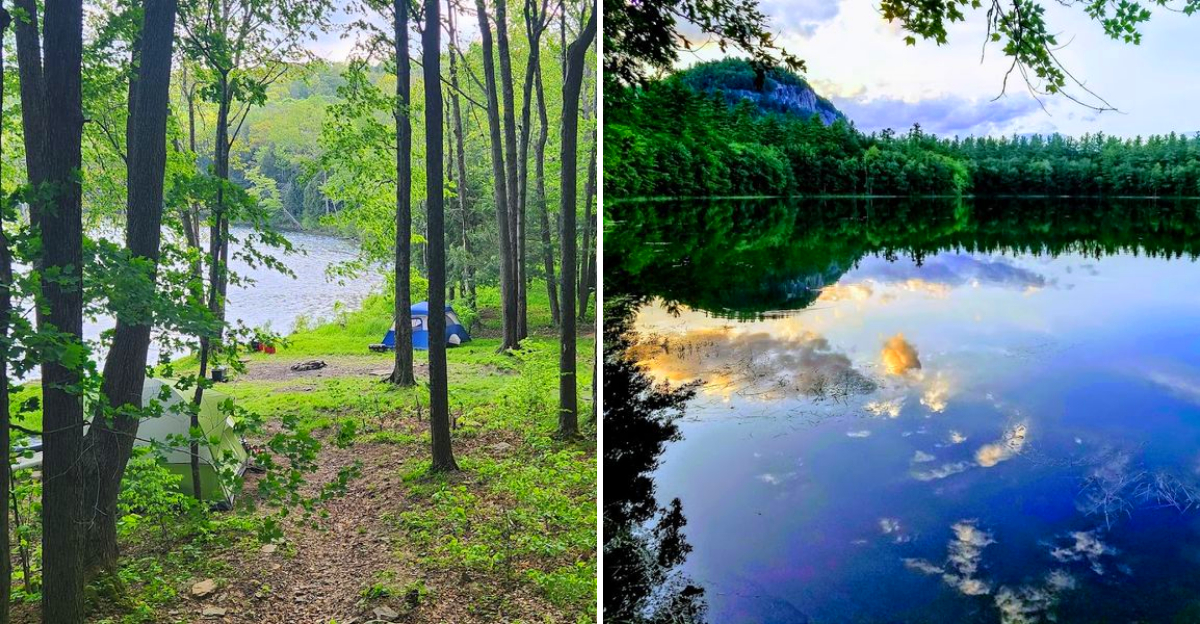
The crowds went to the Adirondacks. The influencers went to the Finger Lakes. And a handful of New York lakes with miles of wild, untouched shoreline sat quietly off the tourist map, completely unbothered, watching all of it happen from a very comfortable distance.
Crystal water. Unbroken forest running right to the edge. The specific kind of silence that only exists when nobody else figured out where you are yet.
New York has a reputation built almost entirely on its most famous corners, which works out extremely well for anyone willing to look at the corners nobody talks about. These lakes are not undiscovered in the sense that they do not exist on a map.
They are undiscovered in the sense that the people who know about them have made a quiet personal decision to keep the information moving slowly.
If crowds are the thing you drive to a lake specifically to escape, this list is the most useful thing you will read all summer.
1. Cranberry Lake
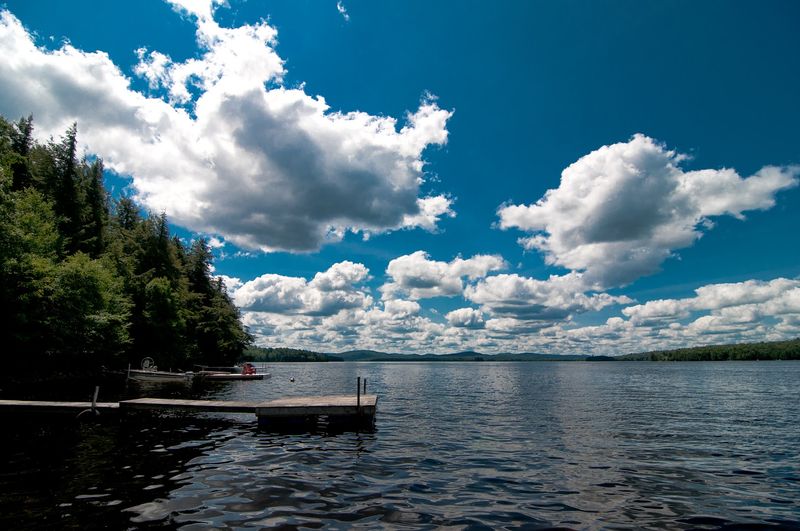
Few lakes in the Adirondacks can match the sheer scale of wild shoreline that Cranberry Lake delivers. The lake sits surrounded by roughly 24,000 acres of protected state land, meaning development has almost no foothold here.
You can paddle for hours and still feel like the only person on the planet.
The campground at 243 Lone Pine Rd, Cranberry Lake, NY 12927 gives you access to a real sandy beach with a bathhouse nearby. Over 50 miles of trails fan out from the area, connecting to a broader 50,000-acre wilderness corridor.
Hikers, paddlers, and birders all find plenty to keep them busy.
What makes Cranberry Lake stand out is how genuinely remote it feels despite being accessible by car. The water is dark and tea-colored from natural tannins, giving it a moody, almost cinematic look.
Sunsets here hit different when there are no buildings or streetlights competing for your attention. Plan a few nights because one is never enough.
St. Lawrence County surrounding Cranberry Lake is genuine North Country territory, far enough from the popular Adirondack hubs that the crowds simply never arrive.
The 50-mile trail network connecting to the broader wilderness corridor makes multi-day adventures genuinely practical.
2. Forked Lake
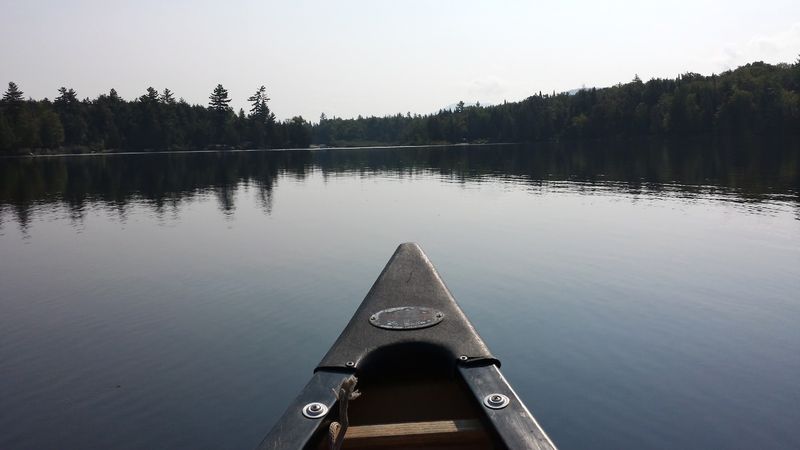
Getting to your campsite by canoe instead of car is the kind of adventure most people only read about. Forked Lake makes that a real option, and it does not disappoint.
The lake sits deep in Hamilton County within the Adirondack wilderness, and its remoteness is a feature, not a flaw.
The campground at 381 Forked Lake Campsite Rd, Long Lake, NY 12847 offers sites that range from drive-in to fully boat-access only. Sites 35 through 62 require a paddle to reach, which is exactly why they feel so special.
Canoe rentals are available on-site, so you do not need to haul your own gear.
The water is clear and the surrounding forest is dense and alive with sound. Loons call at dusk, frogs take over at night, and mornings arrive with a quiet that city life rarely allows.
Forked Lake earned a near-perfect rating from visitors, and once you spend a night on one of those island-adjacent sites, you will understand every star of that score. Pack light and stay a while.
Hamilton County is the least densely populated county in all of New York State, and Forked Lake sits at the quiet heart of that distinction. The canoe-access-only sites represent some of the most coveted camping spots in the entire Adirondack system.
3. Lows Lake
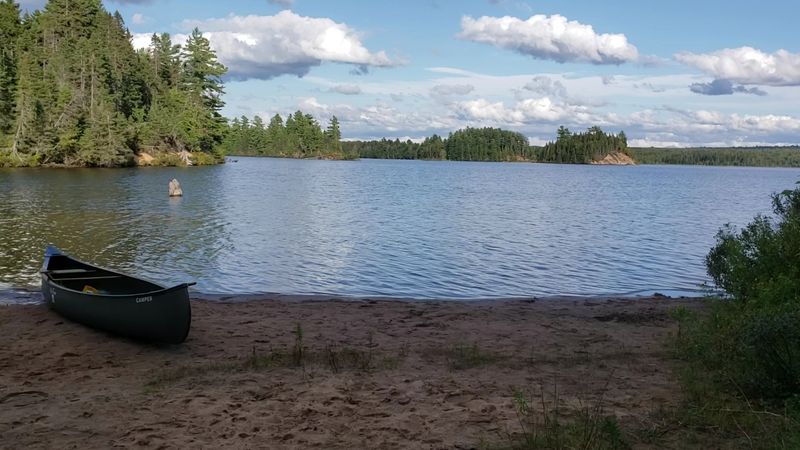
No motorboats. No noise. No crowds. Lows Lake in St. Lawrence County operates on a completely different frequency from most lakes in New York state.
The only way to reach the main lake is by paddling through Hitchins Pond and portaging around Upper Dam, which keeps casual visitors far away.
Access typically starts from the Lower Dam Hand Launch on the Bog River near Colton, NY 12847. That extra effort filters out everyone who is not truly committed to the experience.
What you get on the other side is a backcountry paddling destination that feels almost untouched by modern life.
Public motorboat use is completely prohibited here, which means the water stays glassy and the atmosphere stays calm. The lake is managed as a designated Wilderness area under state law, giving it the highest level of protection available.
Water quality scores a solid Grade B from EPA metrics, which means the water is genuinely clean. People who have made the paddle in often say the journey itself becomes part of the reward. Hard to reach, impossible to forget.
The Bog River corridor leading to Lows Lake passes through some of the most ecologically intact wetland habitat in the entire Adirondack Park. Paddlers who take their time through the approach often spot great blue herons, otters, and nesting osprey before reaching the main lake.
4. Crystal Lake Wild Forest
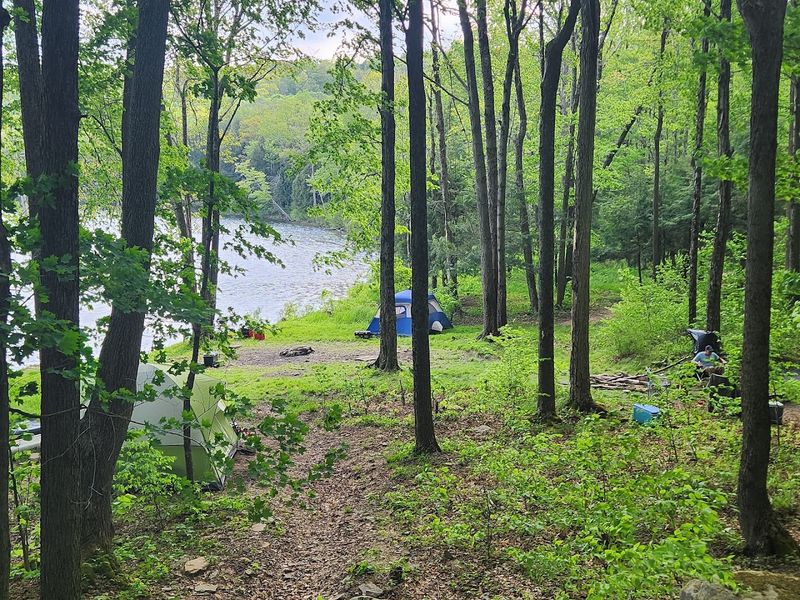
Water so clear you can count the pebbles on the bottom is not something most lakes offer. Crystal Lake Wild Forest near Roscoe, NY 12776 in Sullivan County delivers exactly that, and the name is not even an exaggeration.
At just 32 acres, it is a compact gem that rewards anyone willing to seek it out.
A 1.3-mile yellow-marked foot trail circles the entire shoreline, making it easy to take in every angle of the lake without any guesswork. The trail is manageable for most fitness levels and offers consistent views of the water throughout.
Parking and a boat launch are accessible off Crystal Lake Road for those who want to get on the water.
Primitive camping options add another layer of appeal for overnight visitors. The lake supports native brook trout, which tells you everything you need to know about water quality.
Brook trout are incredibly sensitive to pollution, so their presence here is basically nature’s own seal of approval. Crowds are rare, the vibe is peaceful, and the Catskills scenery surrounding the lake makes every photo look professionally staged.
Go on a weekday and you might have it all to yourself.
Sullivan County sits at the southern edge of the Catskills, and Crystal Lake benefits from that geography with a setting that feels wilder than its modest size suggests.
The native brook trout population here has been self-sustaining for generations without any stocking intervention required.
5. Black Lake
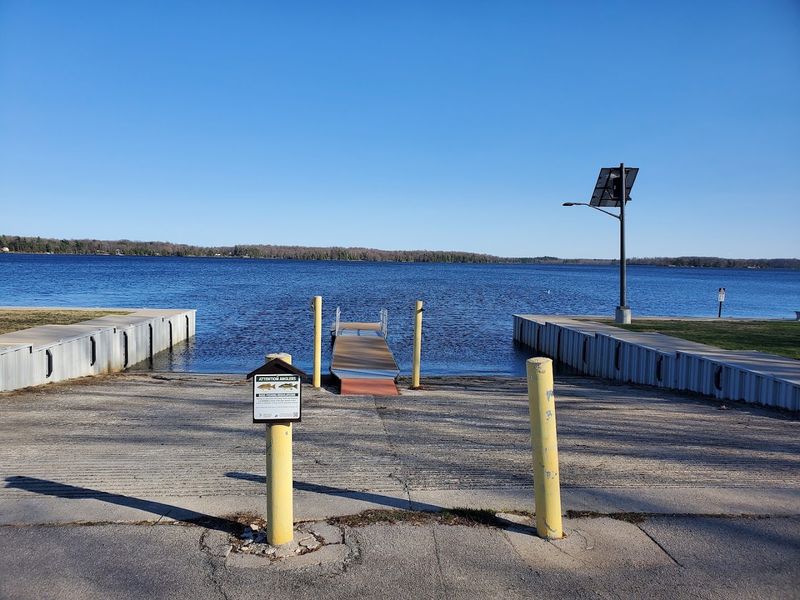
Nearly 11,000 acres of water and almost nobody talking about it. Black Lake in St. Lawrence County is one of those places that locals quietly love while the rest of the world scrolls past it.
The lake borders several towns including Hammond, NY 13646, and you can reach the shoreline by heading down Lake Street, also known as County Route 6.
Despite being the largest lake in the entire county, Black Lake somehow avoids the circus atmosphere that follows most big water destinations. Fishing is a major draw here, and anglers consistently find that solitude is the norm rather than the exception.
The rural setting keeps mass tourism at a comfortable distance.
There are no flashy resorts or packed marinas competing for shoreline space. The vibe here is relaxed, unhurried, and refreshingly old-school.
Families who discover Black Lake tend to return year after year, drawn back by the combination of space, quiet, and genuine natural beauty. If you enjoy wide-open water without the weekend warrior crowd, this is your kind of lake.
Bring a fishing rod and low expectations for company because you will mostly find peace out here.
St. Lawrence County is one of the most overlooked corners of New York State for outdoor recreation, and Black Lake sits at the center of that neglect.
Anglers who discover the walleye and muskie fishing here rarely volunteer that information to anyone outside their immediate circle.
6. Moss Lake
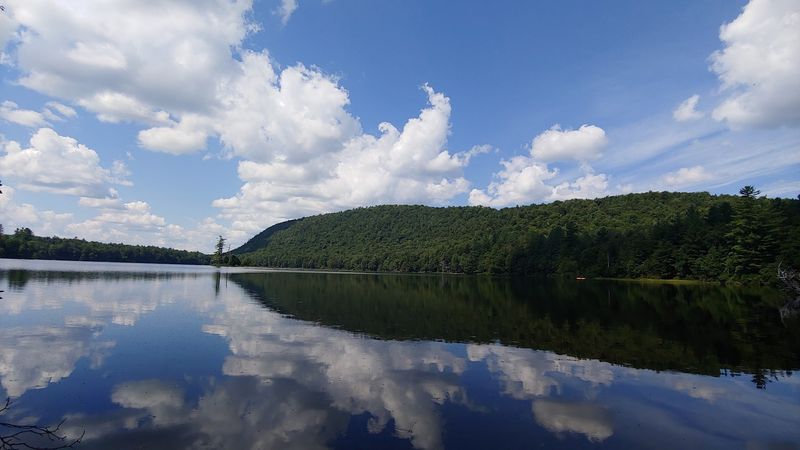
Somewhere between Eagle Bay and absolute tranquility sits Moss Lake, a motorboat-free slice of the Adirondacks that operates on pure quiet.
Located in Herkimer County near the Town of Webb within the Fulton Chain Wild Forest, this lake is the kind of place that makes you forget your phone exists.
The 2.3-mile shoreline holds eight designated primitive campsites spread out at comfortable intervals. No engines are allowed on the water, which means the loudest sound you will hear is a loon calling across the surface at dusk. That sound alone is worth the drive.
Dense forest surrounds the lake on all sides, and mountain views frame the horizon in a way that feels almost theatrical. Paddlers love Moss Lake for its flatwater conditions and the sense that time slows down the moment you push off from shore.
The surrounding Fulton Chain Wild Forest adds thousands of additional acres to explore if you want to extend your adventure. Moss Lake does not need a marketing campaign because word of mouth from happy campers keeps its reputation quietly stellar.
Bring a good sleeping bag and enjoy the show that nature puts on every single night.
The Town of Webb surrounding Moss Lake is home to Old Forge, giving paddlers easy access to resupply, good food, and ice cream between days on the water.
That combination of genuine wilderness and nearby small-town amenities is genuinely rare in the Adirondacks.
7. Echo Lake
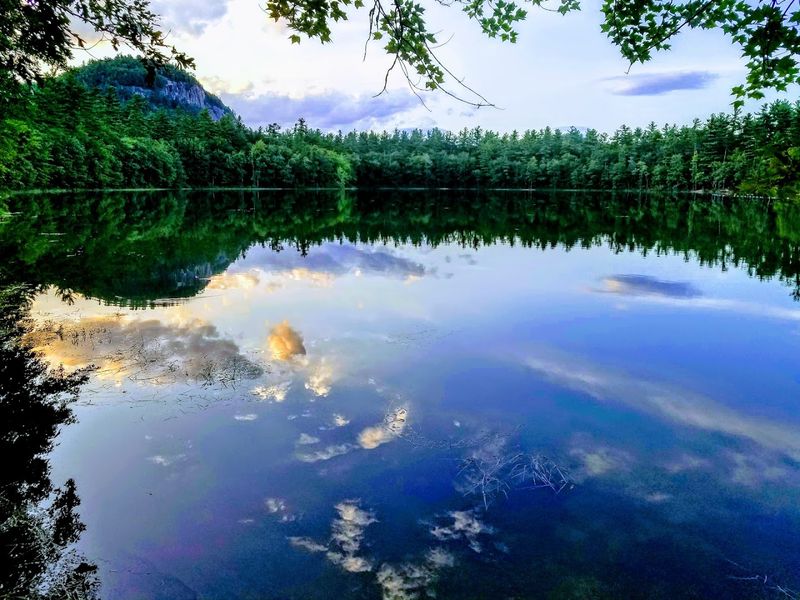
A steep trail is basically nature’s velvet rope, and Echo Lake uses it brilliantly.
Sitting within the Indian Head Wilderness Area of Catskill Park in Greene County, this lake rewards hikers who push through the climb with one of the most dramatic natural settings in the entire Catskills range.
The lake rests in a basin flanked by Overlook Mountain and Plattekill Mountain, with steep slopes rising sharply on three sides. That geography creates a natural amphitheater effect that makes the whole scene feel grand and remote at once.
Access typically begins from the Platte Clove trailhead, and the return climb is the part that keeps casual visitors from returning too often.
Cold spring water feeds the lake, keeping temperatures low and the water remarkably clear. Wild cliffs and dense hardwood forest define the shoreline, making every glance across the water feel like a painting.
The surrounding Indian Head Wilderness Area ensures the land stays protected and undeveloped. Echo Lake is not the easiest destination on this list, but it is easily one of the most memorable.
Earn the view and you will carry it with you for years.
8. Colgate Lake
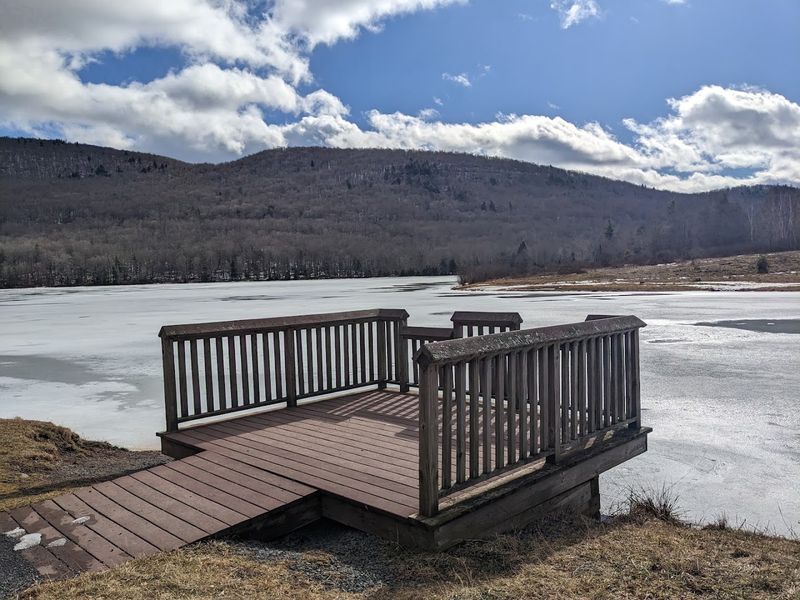
A lake with zero private homes on its shoreline is rarer than you might think, and Colgate Lake pulls it off beautifully. Part of the 1,500-acre Colgate Lake Wild Forest in Greene County, every inch of the shoreline is protected state land.
No cabins, no docks, no development of any kind interrupts the view.
Accessible via County Route 78 in East Jewett, NY 12424, the lake sits surrounded by the Catskill High Peaks and dense forest. The water stays clear and clean because nothing is built close enough to disturb it.
That kind of natural preservation is increasingly hard to find anywhere in the Northeast.
Visitors who make the trip often describe the atmosphere as genuinely calming. The absence of human infrastructure lets the forest take center stage, and it does not waste the opportunity.
Birdlife is abundant, reflections on the water are sharp and vivid, and the whole place carries a stillness that feels earned. Colgate Lake is proof that the best things in New York are not always found in the city.
Pack a lunch, bring your kayak, and prepare to wonder why you waited so long to find this place.
9. Moose River Plains Wild Forest
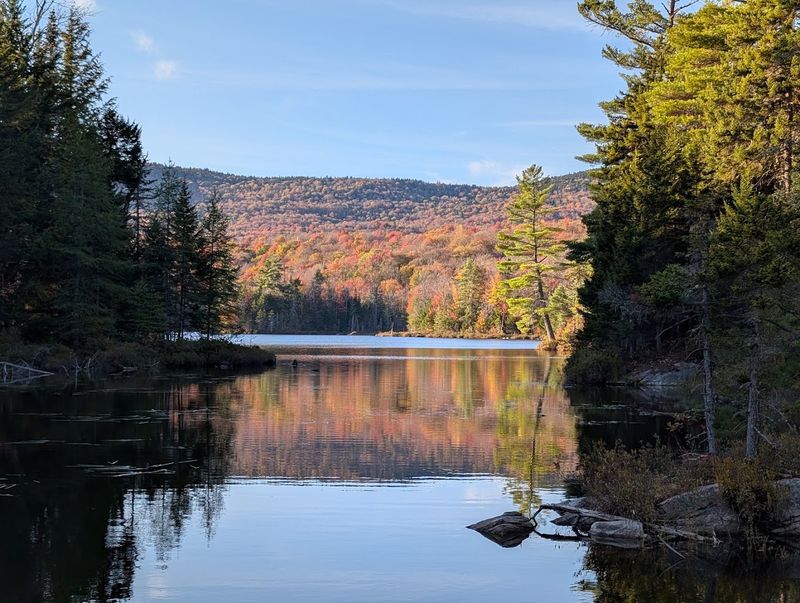
Eighty thousand acres of Adirondack wilderness with free camping and over 65 bodies of water sounds almost too good to be real. Moose River Plains Wild Forest near Inlet, NY 13360 is exactly that, and it is one of the most underrated outdoor destinations in the entire state.
The scale of the place is genuinely hard to wrap your head around.
Over 100 primitive roadside tent sites are scattered throughout the complex, making it easy to find a spot even without advance planning.
Beaver Lake is one of the standout water bodies within the plains, offering clear cold water and a setting that feels completely removed from everyday life. Native Eastern brook trout thrive here, which signals how clean and healthy the ecosystem truly is.
Conservation efforts are ongoing to protect the fisheries and maintain the wild character of the land. The road through the plains is unpaved and requires a capable vehicle, which adds another natural filter keeping the experience authentic.
People who have camped here often say the trip stays with them long after they return home. Moose River Plains rewards patience, preparation, and a genuine love of wild places.
Go once and you will start planning the return trip before you even leave.