
The Tennessee Hiking Trail Where A Hidden 78 Foot Waterfall Awaits Adventurous Visitors
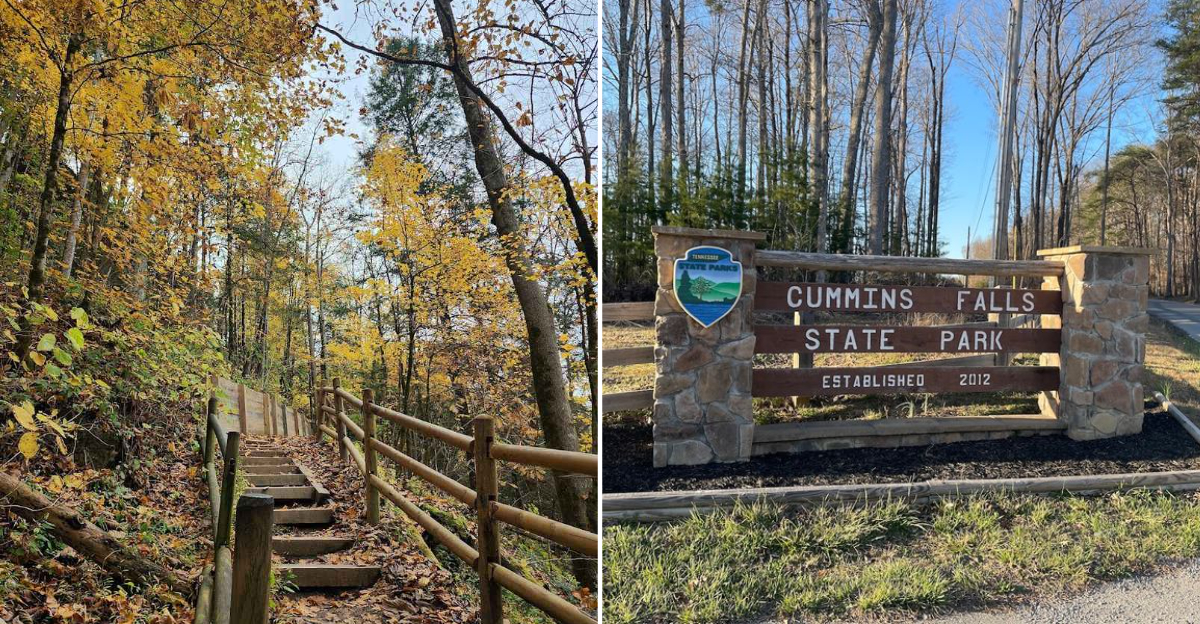
A waterfall that stays hidden until the final bend earns its reveal in a way that visible destinations never manage. The trail built its reputation around exactly that moment and never once failed to deliver.
The hike produces its own rewards before the waterfall comes into view. Terrain that shifts gradually and light filtering through canopy build anticipation without announcing what waits at the end.
Arrival stops most hikers mid-stride without warning. That reaction happens consistently enough that regulars have started factoring the moment into their directions.
Tennessee adventure requires a destination worthy of the effort, and this waterfall earns that designation completely. The trail and the falls have maintained that agreement without interruption.
Trail Difficulty And Accessibility Options
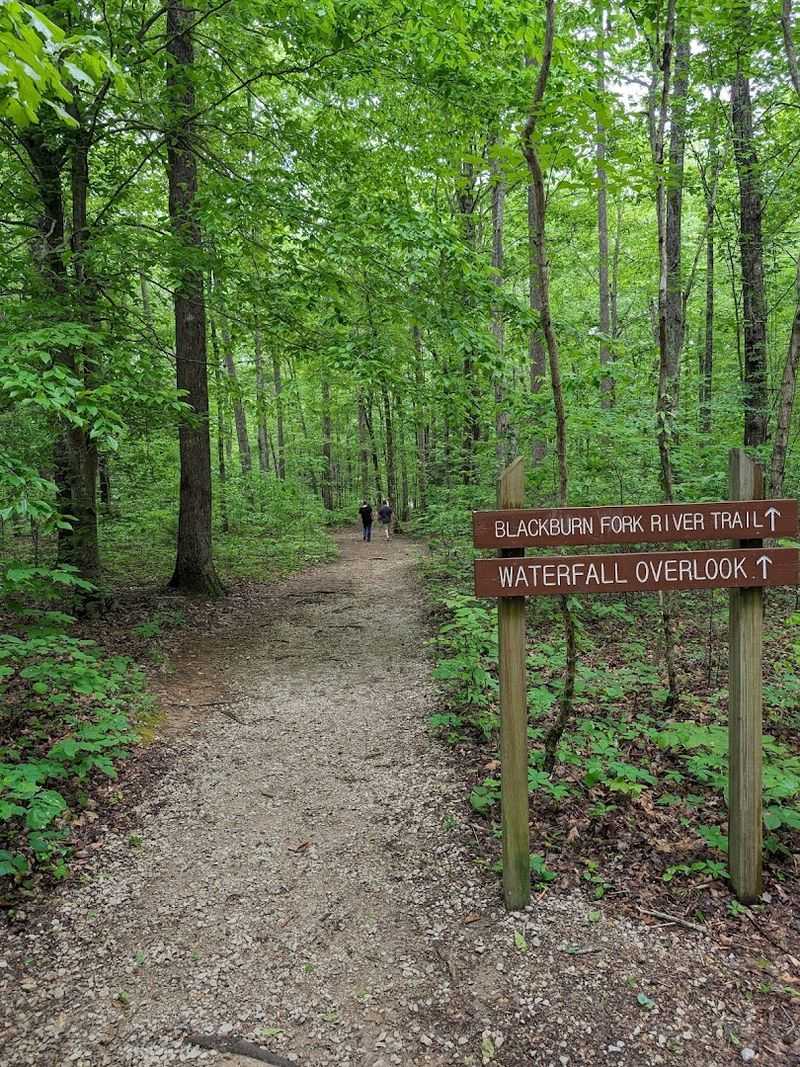
Not every trail here is created equal, and that is honestly what makes this park so interesting. The gorge trail is rugged, steep, and demands real effort.
You will be climbing over rocks and wading through ankle-to-knee-deep water.
A Gorge Access Permit is required before heading down to the waterfall base. The descent involves significant elevation drops and uneven terrain.
This is not a casual Sunday stroll, and your body will know it.
The good news is that easier options exist. The Falls Overlook Trail runs roughly 0.35 to 0.45 miles long.
It leads to a concrete overlook perched above the bluff with a stunning top-down view of the falls.
Wheelchair-accessible parking and a paved concrete path make the overlook reachable for visitors with mobility needs. So even if the gorge is off the table, the view is absolutely not.
Both options offer genuinely rewarding experiences at different intensity levels.
The park is located at 390 Cummins Falls Ln, Cookeville, TN 38501. Plan your visit around your fitness level and always check permit availability ahead of time.
Best Seasons For Experiencing The Waterfall
Timing your visit to Cummins Falls makes a bigger difference than most people realize. Each season brings a completely different mood to the park.
Knowing what to expect helps you plan smarter.
Summer runs from June through August and brings lush green canopies overhead. The waterfall is active and powerful during this period.
It is also the busiest season, so arriving early is a smart move.
Spring from March through May is genuinely magical here. Wildflowers bloom throughout the gorge, and temperatures stay comfortable.
The water flow is strong from seasonal rainfall, making the falls look especially dramatic.
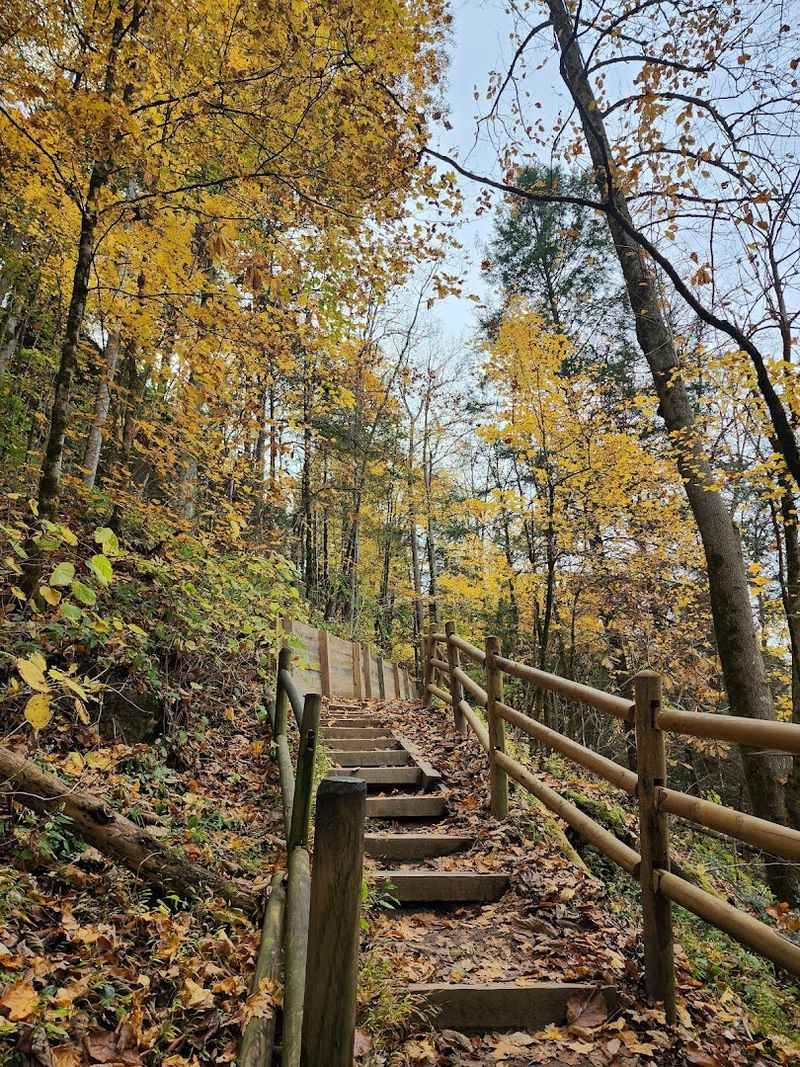
Fall brings cooler air and fiery foliage from September through November. The colors along the trail are worth the trip alone.
Crowds thin out compared to summer, giving you more breathing room on the path.
Winter from December through February offers fewer visitors and clearer sightlines through the bare trees. However, the gorge base is only accessible on fair-weather days year-round.
Flash flooding is a real risk here, even when it looks clear at the park.
Always check the weather forecast before heading out. Rain upstream can raise water levels fast.
The park staff monitors conditions closely and will close the gorge when it becomes unsafe.
Wildlife And Plant Life Along The Path
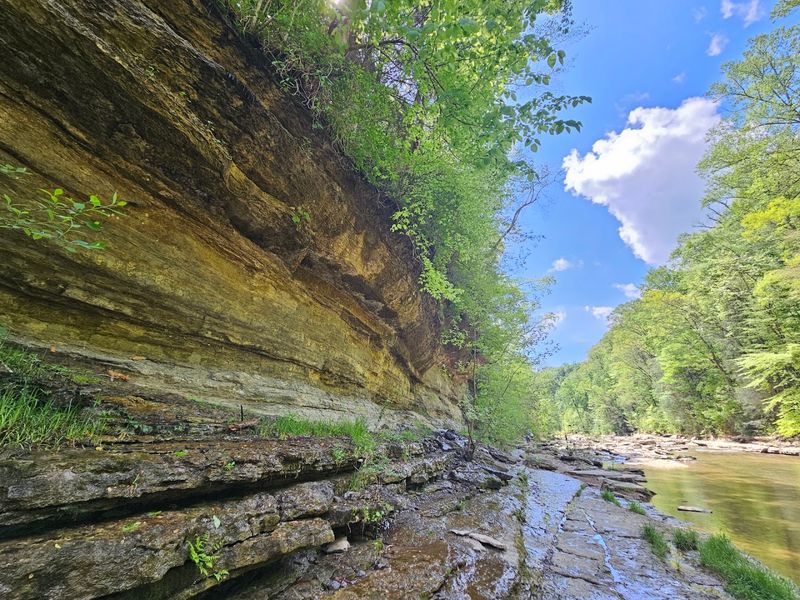
The trail to Cummins Falls is not just a walk to water. It is a living, breathing ecosystem that changes with every step.
The biodiversity here is genuinely impressive for a park this size.
Hardwood forests line the path with oak, beech, buckeye, sycamore, and hemlock trees. These towering giants create a shaded canopy that keeps the trail cool.
Walking beneath them feels like moving through a natural cathedral.
Spring wildflowers are a real highlight along the gorge. Star chickweed, liverleaf, and Allegheny spurge pop up in the moist microenvironments near the water.
Ferns also thrive in these damp, shaded pockets.
On the animal side, the park hosts a wide variety of species. You might spot white-tailed deer, wild turkeys, or squirrels darting between the trees.
Bobcats also roam this area, though sightings are rare and exciting.
Bird watchers will find plenty to observe throughout the year. The gorge area especially supports species that prefer moist, forested habitats.
Bring binoculars if birding is your thing.
One important heads-up: copperhead snakes live here too. They are not aggressive, but you should watch where you step and never reach under rocks without looking first.
Staying on marked paths significantly reduces any risk of an unexpected encounter.
Safety Tips For Navigating Rugged Terrain
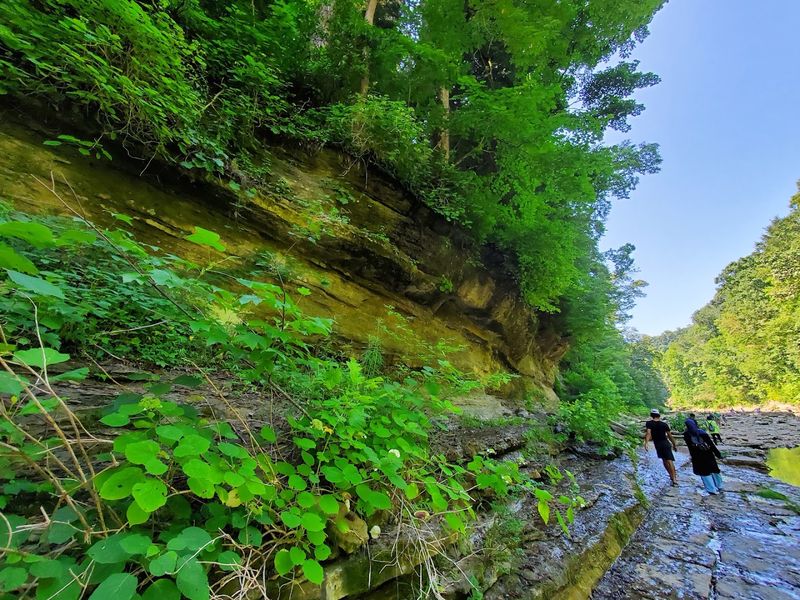
Safety at Cummins Falls is not optional, and the park takes it seriously. The gorge is beautiful, but it demands respect.
A few simple precautions can make the difference between a great trip and a dangerous one.
A Gorge Access Permit is mandatory before entering the base trail. The permit system exists because the terrain is genuinely challenging.
Rangers monitor conditions and can close access when weather makes it unsafe.
Flash flooding is the biggest hazard here. Rain upstream, even miles away, can cause water levels to rise rapidly.
If you notice the water volume increasing while you are in the gorge, exit immediately without hesitation.
Children 12 and under must wear life jackets at the falls. Life jackets are strongly recommended for all visitors who plan to swim.
The park provides them near the waterfall area, so there is no excuse to skip this step.
Flip-flops are a bad idea on this trail. The rocks are slippery, and the terrain is uneven throughout the gorge.
Wear shoes with solid grip that you do not mind getting completely soaked.
Trekking poles help enormously during river crossings. They add stability on wet limestone surfaces where balance gets tricky fast.
Pack them if you have them, and borrow or buy a pair if you do not.
Photography Techniques For Waterfall Shots
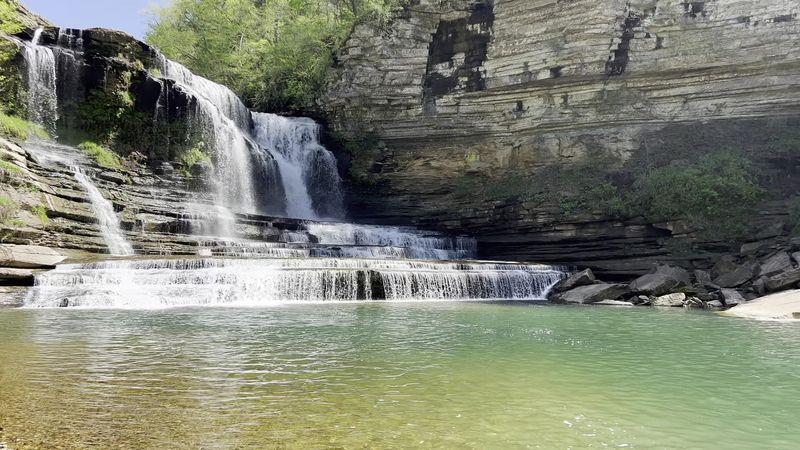
Cummins Falls is one of the most photogenic spots in Tennessee, and getting a great shot here is absolutely achievable with the right approach. The key is understanding how light and water interact.
A little preparation goes a long way.
A sturdy tripod is non-negotiable for waterfall photography. You need a slow shutter speed, around 1/15 second or longer, to create that smooth, silky water effect.
Without a tripod, your images will come out blurry in all the wrong ways.
Set your ISO to 100 to keep image noise at a minimum. Pair that with an aperture between f/8 and f/16 for a sharp, detailed scene.
This combination gives you maximum clarity across the full frame.
A circular polarizing filter is worth every penny here. It cuts glare off the wet rocks and water surface dramatically.
Neutral density filters also help when bright sunlight makes long exposures otherwise impossible.
Cloudy days and early morning light are actually ideal for waterfall shots. Diffused light eliminates harsh shadows and blown-out highlights.
Golden hour adds warm tones that make the gorge walls glow beautifully.
Use the natural flow of the water as a leading line in your composition. Guide the viewer’s eye from the foreground rocks up toward the falls.
That visual movement transforms a good photo into a genuinely compelling one.
Local History And Cultural Significance
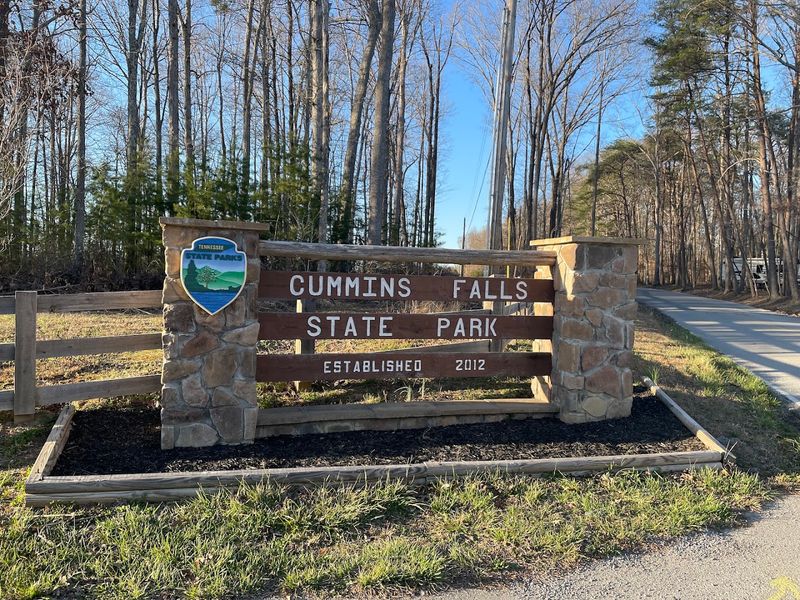
The land around Cummins Falls has a history that stretches back long before the park existed. Native Americans used this area to hunt buffalo, and arrowheads found at the site confirm that presence.
This gorge has been witnessing human life for centuries.
In the 1790s, Sergeant Benjamin Blackburn received this land as compensation for his Revolutionary War service. The Blackburn Fork State Scenic River that runs through the park is named in his honor.
That is a pretty solid legacy to leave behind.
John Cummins acquired the property around 1825 and built a water-driven mill along the river. He later constructed a second, larger mill in 1845.
The area grew into a genuine hub for local commerce and community life.
A massive flood in 1928 destroyed the mill completely. It was never rebuilt, and the land stayed in the Cummins family for over 180 years.
That kind of generational connection to a single piece of land is rare anywhere.
TennGreen Land Conservancy purchased the property in 2011 specifically to prevent residential development. Cummins Falls State Park officially opened on May 22, 2012.
The transition from private family land to public treasure took real effort and vision.
Locals have been swimming in this waterfall for more than a century. The cultural connection runs deep in this part of Tennessee.
Visiting feels like joining a long tradition that keeps growing.
Essential Gear For A Comfortable Hike
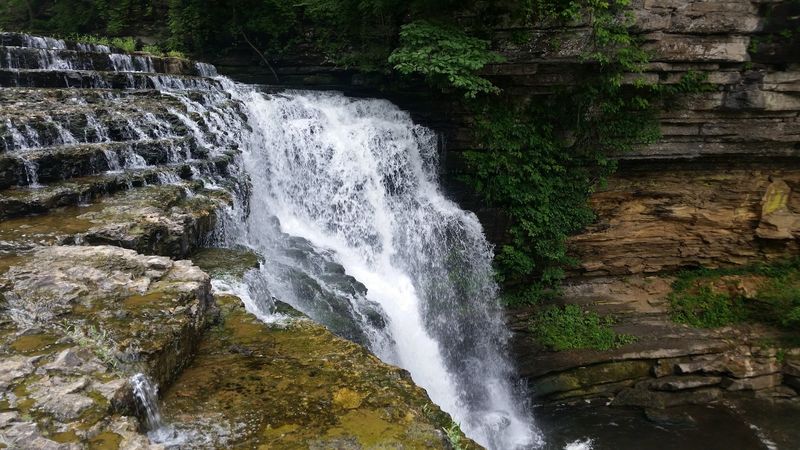
Showing up unprepared at Cummins Falls is a rookie mistake you only make once. The right gear transforms a potentially miserable slog into a genuinely fun adventure.
Start with your footwear and work from there.
Old tennis shoes, sneakers, or water shoes like Chacos or Keens are the top picks for the gorge trail. You will get wet, so wearing shoes you care about deeply is a poor choice.
Go with something grippy and quick-drying.
Flip-flops are a hard no on this trail. Slippery limestone and uneven rocks will punish poor footwear choices fast.
Save the sandals for the parking lot.
Bring at least two liters of water per person for a standard visit. Summer hikes or longer routes demand even more hydration.
Pack snacks with a good mix of protein and carbohydrates to keep your energy steady.
A small backpack keeps your hands free for climbing and crossing water. Toss in a towel and a dry pair of shoes for the drive home.
Your future self will be very grateful for that dry change of footwear.
Children 12 and under must wear life jackets at the falls, and all swimmers are strongly encouraged to use them too. Sunscreen, a hat, and sunglasses round out your sun protection.
Trekking poles are a genuine asset during river crossings and add real stability on wet rocks.
Environmental Preservation Efforts
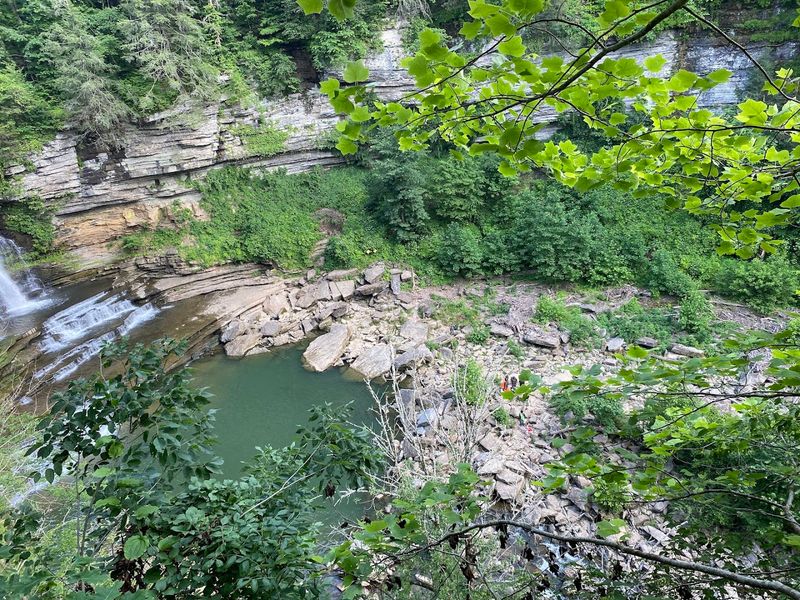
Cummins Falls did not become a thriving state park by accident. Real conservation work happened here, and it continues today.
The story of how this land was protected is worth knowing before you visit.
TennGreen Land Conservancy stepped in during 2011 to purchase the property and prevent residential development from taking over. That single act of preservation is why hikers can still access this gorge today.
Without it, this waterfall might have been someone’s backyard.
Tennessee State Parks operates with a clear mission to protect natural resources while keeping them accessible to the public. The Tennessee State Parks Conservancy, known as TSPC, actively supports that mission.
Their work includes trail restoration, reforestation projects, and wildlife habitat improvements.
The TSPC launched the Go Green With Us program in 2015 to promote sustainability practices throughout the state park system. Environmental education is a core part of what they do.
Rangers regularly engage visitors on how to minimize their impact on the land.
Cummins Falls State Park sits within the Cordell Hull Watershed, which is recognized as one of the most biodiverse watersheds in the world. That distinction makes responsible stewardship even more critical here.
The diversity of plant and animal life depends on visitors treating the environment with care.
Leave no trace principles apply strongly on every trail in this park. Pack out everything you bring in.
The park stays beautiful because people choose to respect it.