
This Nevada Museum Sits On Top Of An Actual Ancient Pueblo Village
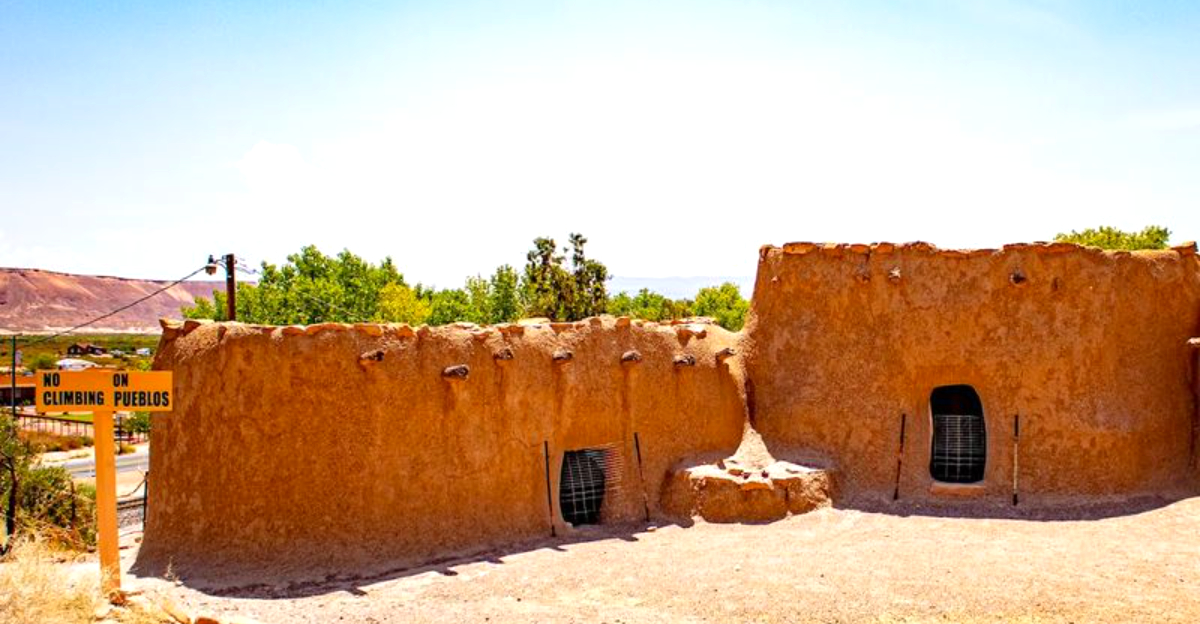
History is not resting quietly behind glass here. It is under the floor, inside the walls, and woven into ground shaped by people more than a thousand years ago.
How often can you explore a museum built directly over an ancient village? In Nevada, every room brings you closer to families who farmed, built homes, created pottery, and formed a thriving community long before modern roads crossed the desert.
Preserved artifacts reveal how people cooked, worked, traded, and adapted to a harsh landscape. Reconstructed structures make the past feel real, turning a museum visit into something far more immersive.
Kids can imagine daily life centuries ago, while adults slow down to study every tool, pattern, and weathered detail. By the time you leave, ancient history feels less distant because this experience gives it a powerful voice.
A Museum Built On Sacred Ground
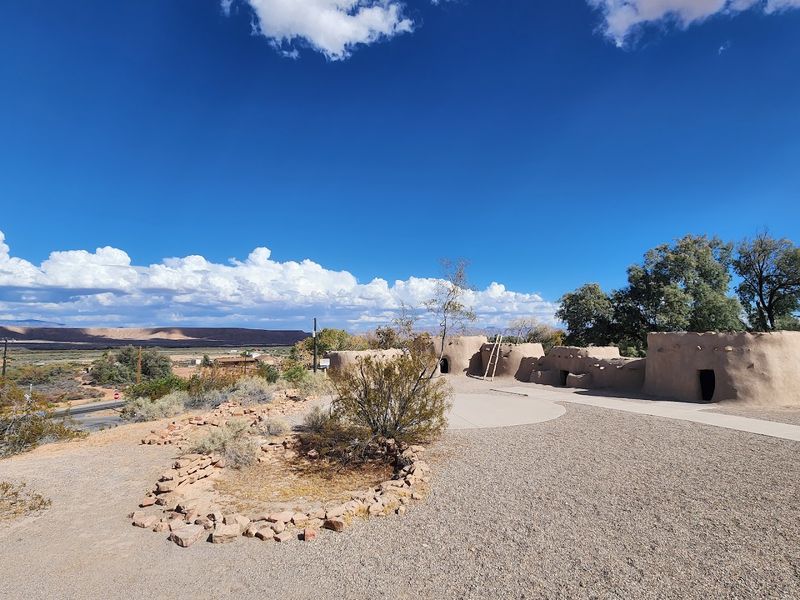
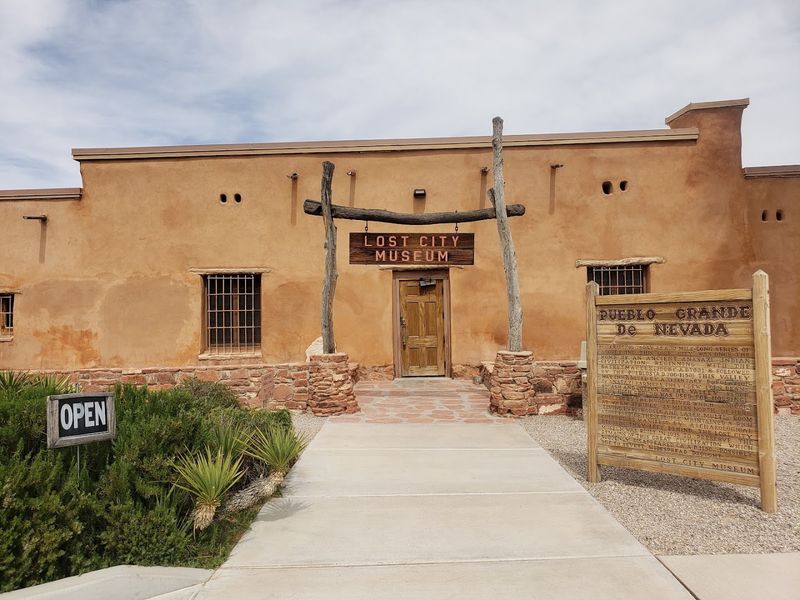
Most museums hold history inside their walls. The Lost City Museum in Overton, Nevada, goes one step further by sitting directly on top of an ancient Pueblo archaeological site.
That means the ground beneath you has stories buried deep within it, stories that stretch back more than a thousand years.
The museum was originally established in the 1930s during the construction of Hoover Dam. As the Moapa Valley was flooded to create Lake Mead, archaeologists raced to recover artifacts before rising water covered entire communities.
The Lost City Museum was created specifically to preserve those rescued items.
You are not just visiting a building. You are standing on a place that was once home to the Ancestral Puebloan people, historically called the Anasazi. Their presence is felt throughout the entire grounds, from the indoor exhibits to the outdoor reconstructed structures.
The museum is listed on the National Register of Historic Places, which tells you just how significant this site truly is. Located at 721 S Moapa Valley Blvd, Overton, NV 89040, it is open Tuesday through Sunday from 8:30 AM to 4:30 PM.
Plan your visit early in the day so you have plenty of time to absorb everything this remarkable place has to offer.
The Ancient Puebloan People Who Lived Here First
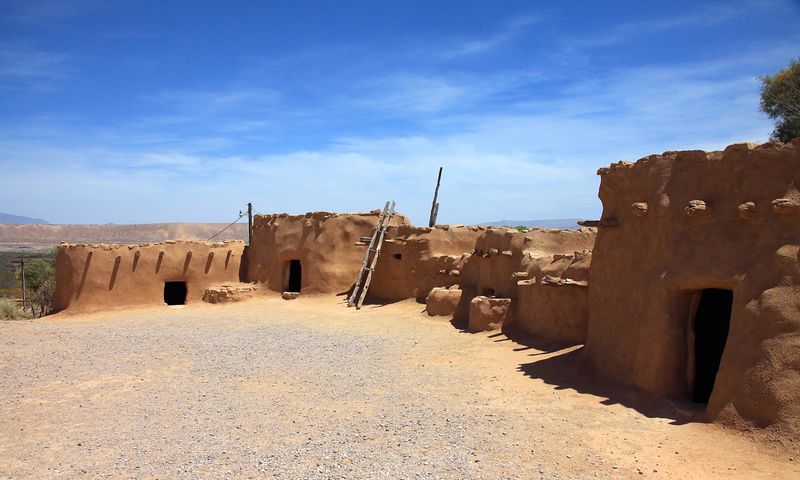
Long before anyone drew a map of Nevada, the ancient Puebloan people made the Moapa Valley their home. They were skilled builders, farmers, and traders who thrived in a landscape that most people today would consider incredibly harsh.
Understanding who they were makes a visit to the Lost City Museum genuinely meaningful.
These people cultivated crops, crafted detailed pottery, and built multi-room structures out of adobe and stone. They also participated in wide-ranging trade networks, exchanging goods like salt, turquoise, and shell beads across vast distances.
The museum does an excellent job of showing you how sophisticated this culture truly was.
One of the more surprising things you can learn here is how the salt trade played a central role in the local economy. Salt was a valuable commodity in the ancient world, and the Moapa Valley had natural salt deposits that made it an important hub for exchange.
Few museums across the country address this topic with the depth that the Lost City Museum does.
The exhibits walk you through the daily life, spiritual practices, and material culture of these early residents. You come away with a genuine appreciation for people who built thriving communities in the desert centuries before modern technology made it easier to do so.
Their legacy deserves to be known.
Outdoor Reconstructed Pueblo Structures You Can Actually Explore
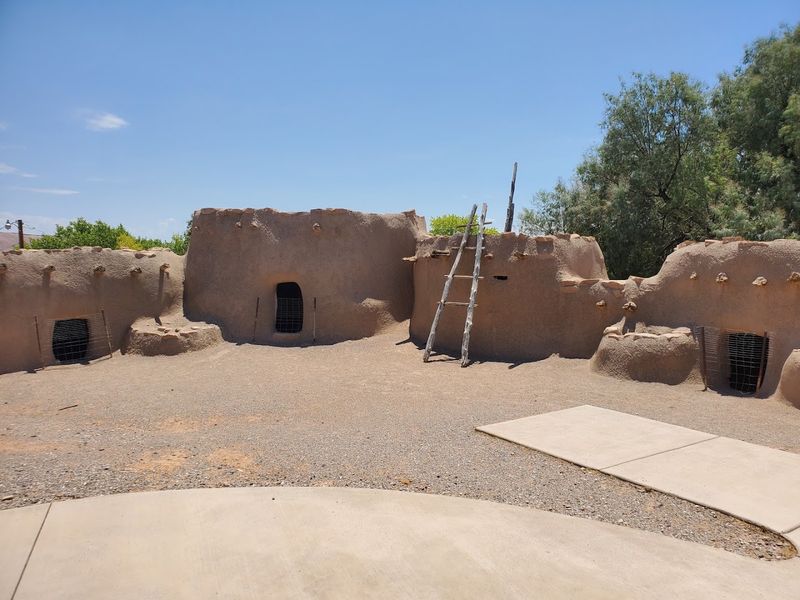
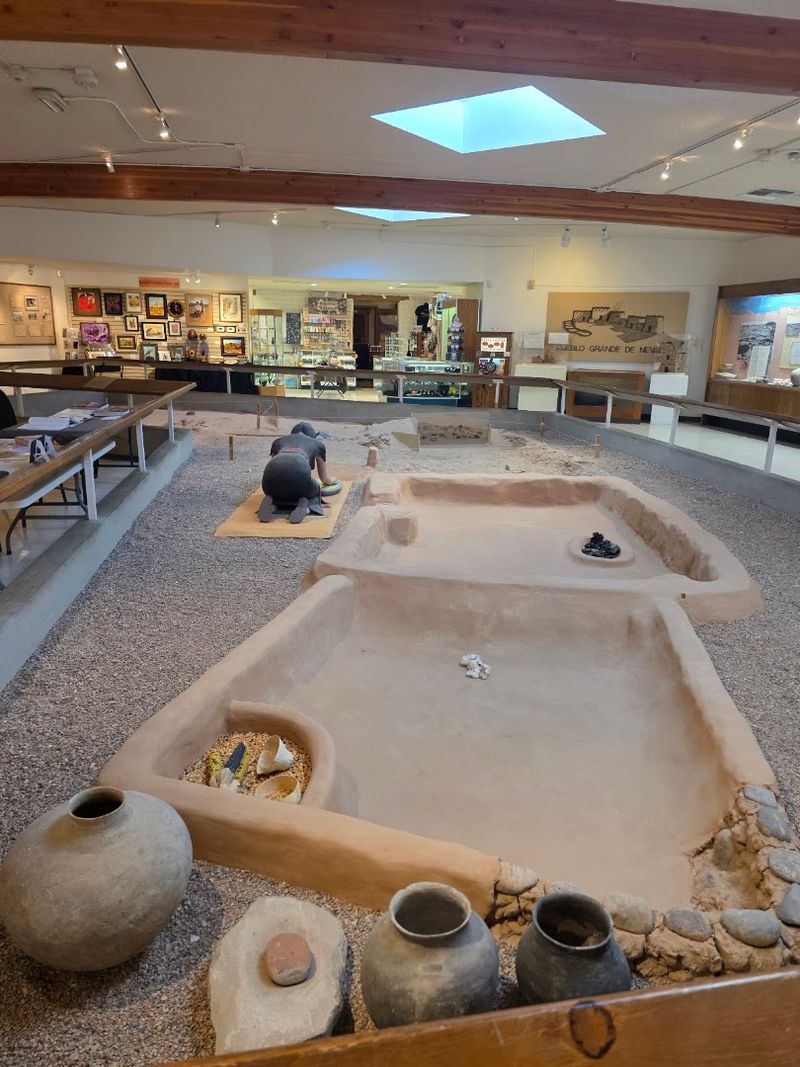
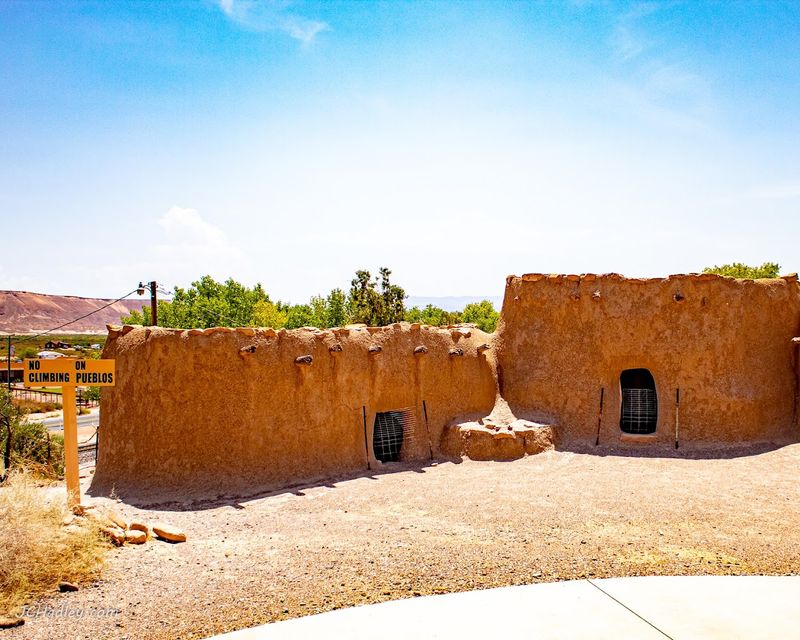
One of the most memorable parts of a visit here is what you find outside. The museum grounds feature reconstructed Pueblo structures, including pit houses that give you a real sense of how ancient people designed their living spaces.
You can walk up to these structures and get a close look at the building techniques used centuries ago.
A pit house is exactly what the name suggests. It is a dwelling partially dug into the earth, which helped regulate temperature in the extreme desert heat.
Seeing one up close makes you appreciate how thoughtfully these early builders approached their environment rather than fighting against it.
Kids especially enjoy the outdoor area because it is interactive in a way that many museums are not. Adults tend to linger here too, taking in the details of the construction and imagining what daily life looked like for a family living in one of these homes.
The outdoor space also includes a full-sized model of a Pueblo as it would have appeared about a thousand years ago.
There is also a sidewalk path that connects the outdoor exhibits, making it easy to move from one structure to the next at your own pace. You can take photos, read informational signs, and simply soak in the atmosphere.
The combination of fresh desert air and ancient architecture creates a genuinely unique experience.
How Hoover Dam Transformed This Historic Site
The story of the Lost City Museum is deeply connected to one of the most ambitious engineering projects in American history. When the Hoover Dam was built in the 1930s, the rising waters of Lake Mead began to flood the Moapa Valley.
That flooding threatened to erase thousands of years of archaeological history forever.
A group of archaeologists, many of them working under the Civilian Conservation Corps, launched an urgent excavation effort. They worked quickly to uncover and document as many Puebloan sites as possible before the water covered them.
The artifacts and findings from that effort became the foundation of what you see at the museum today.
The building itself was constructed by the CCC, which gives it its own historical layer worth appreciating. You are visiting a structure built by Depression-era workers to honor the ancient people who lived there thousands of years before them.
That kind of layered history is rare and genuinely moving to think about.
The museum also addresses the modern communities that were displaced by the creation of Lake Mead. Towns and homesteads were submerged, and families had to relocate.
This part of the story adds a more recent dimension to the exhibits, reminding you that history is not always about the distant past. Some of it happened within living memory of people who walked these same desert roads.
Artifacts That Tell Stories Words Alone Cannot
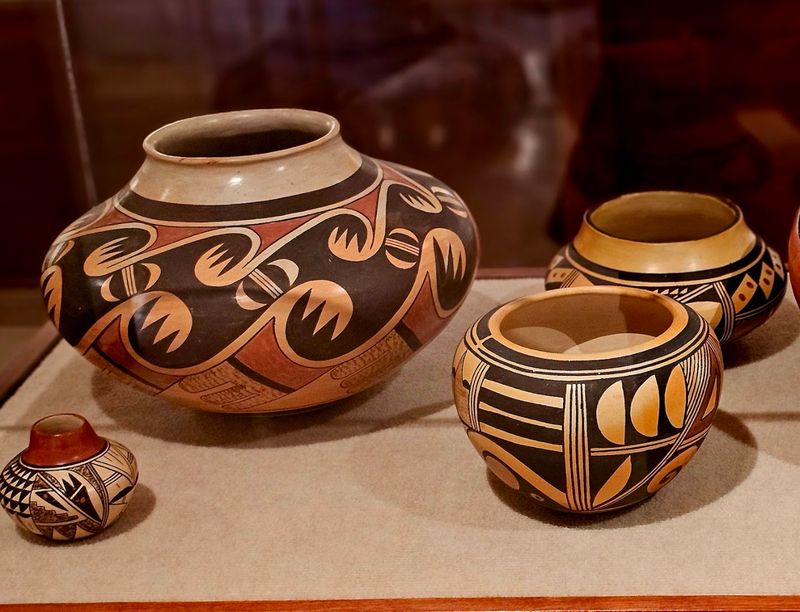
The artifact collection at the Lost City Museum is the kind that makes you stop and stare. Beautifully crafted pottery, intricately woven baskets, turquoise beads, stone tools, and shell ornaments are all on display.
Each piece was made by human hands, and each one carries a story that reaches back across centuries.
What stands out about the presentation is how accessible it feels. The labels and descriptions are written clearly, so you do not need a background in archaeology to understand what you are looking at.
You can follow the story of a culture from its earliest traces all the way through its development and eventual transformation over time. The pottery is particularly impressive. Ancient Puebloan potters created vessels with geometric designs that were both functional and artistic.
Seeing these pieces, made without a pottery wheel, gives you new respect for the skill and creativity behind them.
The museum also traces the region through the Mormon settlement era, linking the ancient past to more recent Nevada history. That continuity of storytelling makes the collection feel complete rather than fragmented.
You leave with a sense of the full arc of human presence in the Moapa Valley, from the earliest Puebloans to the communities that came after them. It is a rich and layered narrative told through objects.
The Tule Springs Fossil Beds Connection
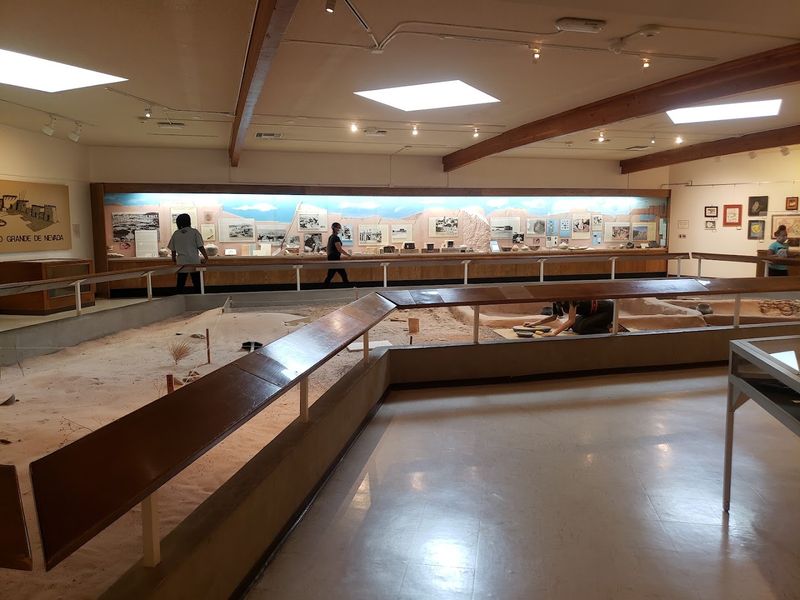
Not everything at the Lost City Museum is about the ancient Puebloans. The museum previously hosted a traveling exhibit about Tule Springs Fossil Beds, a southern Nevada site that preserves evidence of Ice Age animals that once roamed the region.
Mammoths, camels, and giant ground sloths all lived in what is now southern Nevada thousands of years ago.
The fossil beds material gave the museum a broader scientific dimension that appealed to visitors interested in natural history as well as human history. It showed how dramatically the landscape changed, from a cooler, wetter home for megafauna to today’s dry desert.
The presentation included informational panels explaining the geology, paleontology, and history of scientific research at Tule Springs. Earlier researchers once believed humans and Ice Age animals overlapped at Tule Springs, but later evidence did not support that theory.
Visitors interested in this prehistoric story can also explore Tule Springs Fossil Beds National Monument near North Las Vegas. Check the museum’s current exhibit listings before visiting, since the traveling Tule Springs display ended in January 2026.
Nevada has a remarkable prehistoric story to tell, and the region offers a fascinating starting point for exploring it further.
A Gift Shop Worth Browsing Before You Leave
Before you head out the door, make sure you spend some time in the gift shop. It is more than just a souvenir stand. The shop carries Southwest Native American jewelry, pottery, crafts, books, and unique gifts reflecting the museum’s cultural focus.
Shopping here feels meaningful in a way that picking up a magnet at a highway rest stop does not. You can take home something that connects directly to the history and culture you just spent time learning about.
That kind of intentional souvenir tends to be the kind you actually keep and display.
The jewelry selection includes Southwest-inspired pieces, while handcrafted pottery and other artisanal items may also be available. The creative, well-crafted options make it easy to find something for yourself or a gift to take home.
Staff members can help answer questions about available merchandise. Do not hesitate to ask if you want more information about a particular item. You may leave with something special in hand.
Why This Small Museum Belongs On Your Nevada Adventure
Some of the most rewarding travel experiences come from places that do not make the front page of every travel magazine. The Lost City Museum in Overton, Nevada, is exactly that kind of place.
It is compact enough to explore in a couple of hours, yet rich enough that you will still be thinking about it days later.
The museum is roughly 70 miles from the Las Vegas Strip, making it an easy addition to a Valley of Fire or Lake Mead road trip. The drive through the Moapa Valley is scenic, and arriving at the museum feels like a genuine discovery rather than just another scheduled stop.
You do not need to be a history enthusiast to enjoy what this place has to offer. The exhibits are approachable, the outdoor structures engage all ages, and the staff share these stories with genuine passion.
There is a picnic area outside if you want to make a relaxed half-day trip out of it. Nevada has a way of surprising people who only associate the state with bright lights and big cities.
The Lost City Museum proves that Nevada’s history lives quietly in the desert and the soil beneath your feet. Dedicated preservation keeps those stories alive, making every visit time well spent.