
These Quiet Idaho Lake Towns Have Changed For The Worse According To Locals
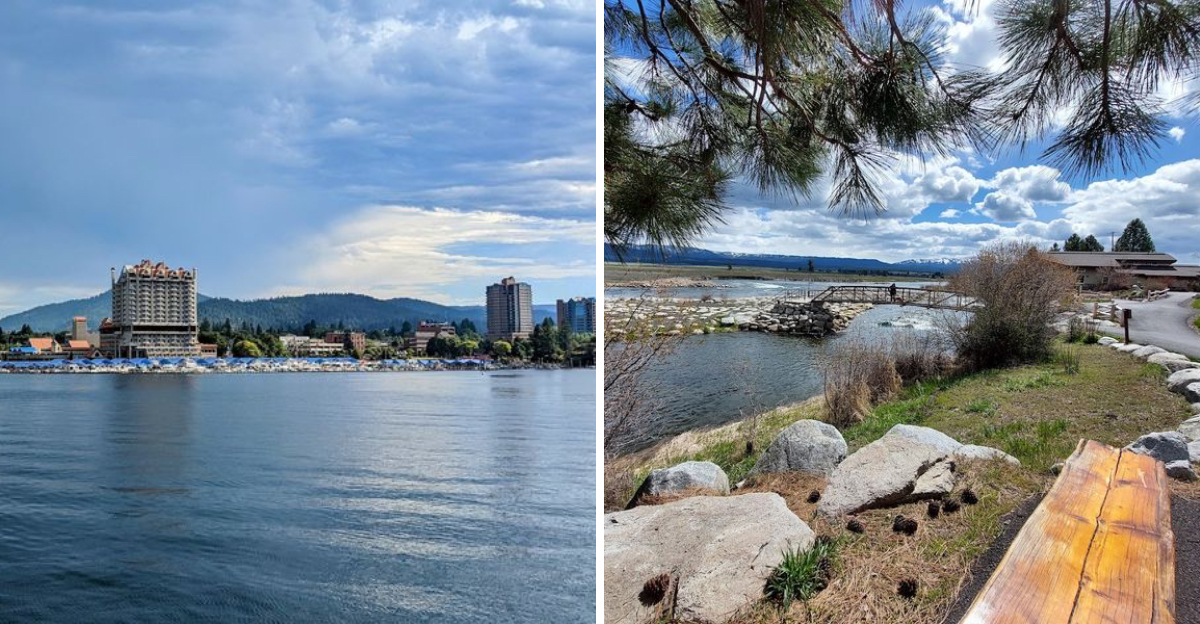
Quiet mornings on the water are getting harder to find in Idaho’s lake towns. Longtime residents watch cranes rise where cattails used to grow.
Roads built for tractors are now backed up with commuter traffic every morning. One town fought off a marina expansion that had lake lovers up in arms.
A lawsuit over a single dirt road has split an entire neighborhood. Even the mayor stepped away from the vote to fight the project as a resident.
Idaho’s small lake communities are quietly redefining what growth looks like, and locals are not backing down. New construction, new arrivals, and new rules are reshaping shorelines that once felt untouchable.
These stories might change how you see your next lakeside getaway before you even pack the car.
1. Sandpoint
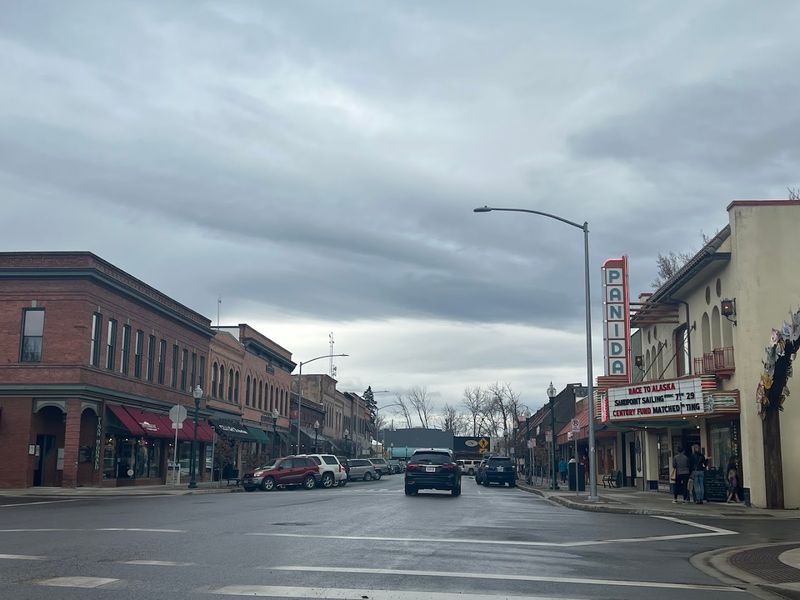
Peak summer in Sandpoint used to mean lazy afternoons on Lake Pend Oreille. These days, it means crowded restaurants, jammed trails, and a parking situation that tests everyone’s patience.
The laid-back resort town vibe has quietly tipped into something more overwhelming.
Roads are stretched thin, schools are reaching capacity, and utilities are under increasing pressure. Longtime residents report that the close-knit community feel is fading fast, replaced by the energy of a town still figuring out who it wants to be.
Many are simply leaving.
Housing costs are a major driver of that exodus. Out-of-state buyers, many arriving with cash offers, are outcompeting locals at every turn.
Rising property taxes and a cost of living that keeps climbing have made it nearly impossible for people who grew up here to stay.
Jobs outside tourism and retail remain scarce, making year-round financial stability a real challenge. Many homes flip quickly into vacation rentals, shrinking the already tight long-term housing pool.
Teachers struggle to find affordable places to live, and classroom sizes keep expanding.
New arrivals from California and Washington are also reshaping the cultural fabric of Sandpoint, Idaho, with longtime locals feeling like strangers in their own community. The beauty of Bonner County remains undeniable, but the soul of the town is something residents are actively fighting to protect.
2. McCall
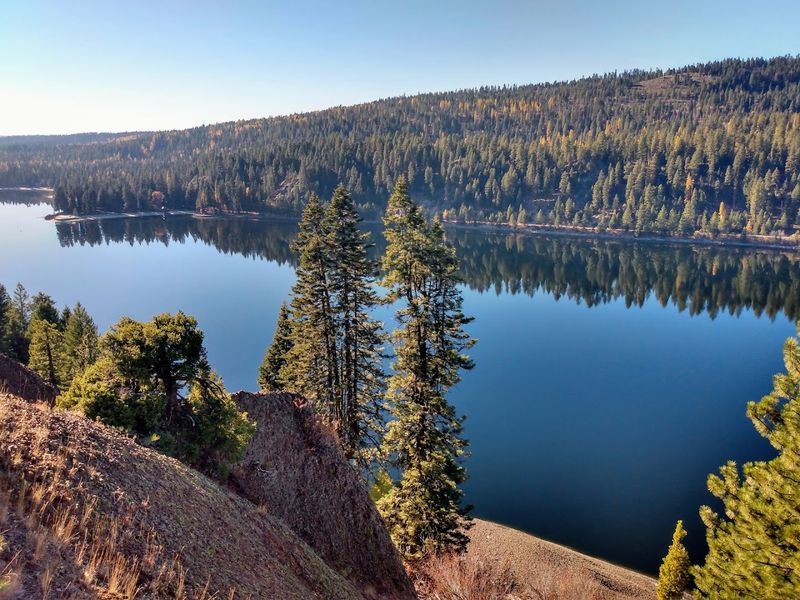
McCall sits beside Payette Lake like a postcard that got too popular. The scenery has not changed, but the price tag attached to living here certainly has.
Locals who have called this valley home for decades are being pushed out by a housing market that no longer works in their favor.
Homeowners across McCall, Idaho, are converting properties into vacation rentals at a rapid pace. That shift is gutting the long-term housing supply and forcing working residents to look elsewhere.
The average home value has climbed steeply, and three-bedroom rentals now advertise at rates that shock even newcomers.
The cost of living in McCall already exceeds both the Idaho and national averages, and housing is the main culprit. Development proposals that could bring more affordable options for working-class families are sometimes rejected on aesthetic grounds, which locals find deeply frustrating.
Building something beautiful and building something accessible should not have to be mutually exclusive.
Growth in McCall tends to renovate and expand existing properties rather than create new housing supply. That pattern does little to ease pressure on people who actually need a place to live year-round.
Local businesses are also feeling the pinch, struggling to find enough staff to keep up with tourism demand.
The mountain town charm that drew people here in the first place is now the very thing pricing them out. Valley County has a big decision ahead about what kind of community McCall wants to remain.
3. Hayden
Hayden might sit just north of Coeur d’Alene, but it has its own set of frustrations brewing. Residents here are not shy about voicing them, either.
Development decisions that seem to bypass community input have become a pattern that many find hard to ignore.
The Stone Creek North development became a flashpoint, drawing criticism for alleged non-compliance with master development agreements. Concerns about construction on wetlands and in flood zones prompted a petition signed by 150 residents, requesting proper environmental studies be applied to the project.
That kind of organized pushback speaks volumes.
Tree removal on vacant forest land for new subdivisions has hit particularly close to home for many neighbors. Several residents stated they would not have purchased their homes had they known surrounding trees would be cleared.
The landscape they chose is disappearing one subdivision at a time.
Hayden Lake itself became a point of contention when the city council denied support for a marina expansion, citing resident concerns about increased boater traffic and wake damage to docks and shorelines. That decision reflected genuine community pressure, but many felt excluded from the process leading up to it.
Rising rental prices, driven by high demand and low housing inventory, are adding financial stress to an already tense atmosphere. Hayden, Idaho, in Kootenai County, still holds real appeal, but the gap between what residents want and what developers are building keeps widening.
4. Coeur d’Alene
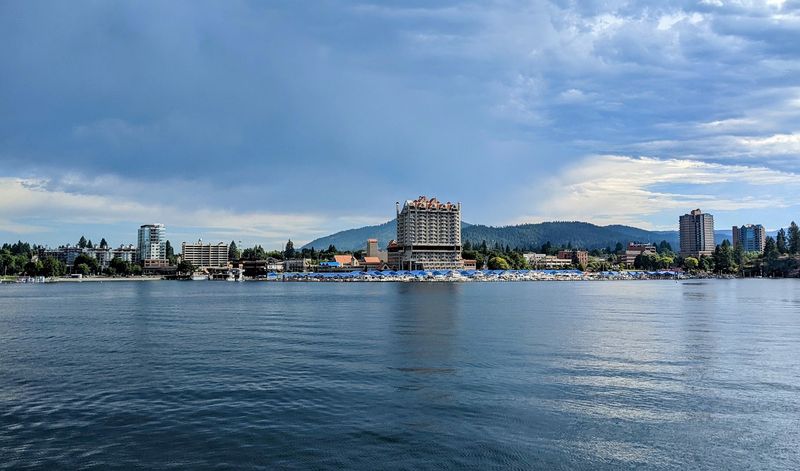
Coeur d’Alene used to be the kind of place where lake views came free with a morning walk. Now, those same views are being blocked by towers that locals describe as resembling a supermax prison.
The speed of change here has rattled longtime residents deeply.
The Coeur Terre planned community, covering nearly 450 acres with close to 2,800 living units, sits at the center of local frustration. Traffic at key intersections like Huetter and Greta Avenue has already worsened, and a proposed second phase called Coeur Terre 2 is raising fresh alarms.
Residents worry about congestion, safety risks, and falling property values.
Many feel their voices are drowned out during public hearings, with developers holding far more sway than community members. New construction styles are also drawing fire, with designs compared to beach resort towns that feel completely out of place here.
The architectural identity of Coeur d’Alene, Idaho, is shifting fast.
Tourism-driven development is pushing the town toward a commercial identity that many locals never voted for. Subdivision applications continue piling up, especially in areas overlooking Coeur d’Alene Lake.
What was once a quiet northern Idaho retreat now feels like it is being repackaged for someone else entirely.
5. Dover
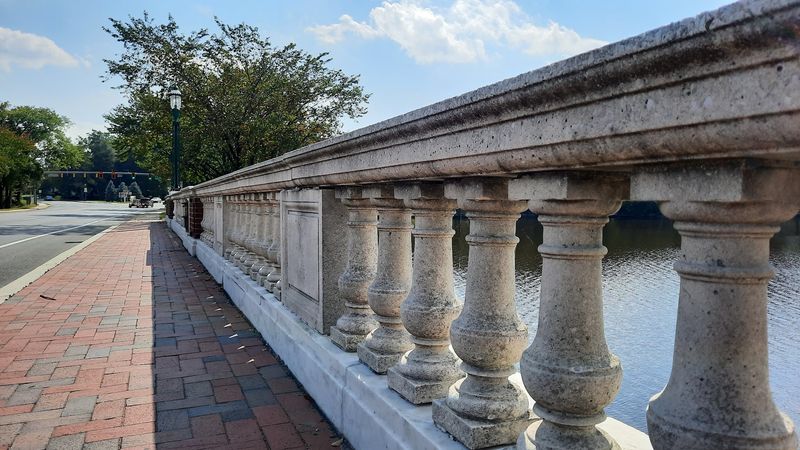
Dover is the kind of small town that thrives on not being noticed. Perched along the Pend Oreille River in Bonner County, it has managed to hold onto a quietness that its neighbors have largely lost.
But that quietness is not guaranteed.
Residents and local officials in Dover, Idaho, are increasingly focused on what growth along the Areas of City Impact could mean for their community. These zones, which sit just outside city limits, are where development pressure often lands first.
Getting ahead of that pressure is something the town is actively thinking about.
Locals have expressed a clear preference for development that does not sprawl outward in ways that strain existing services. The goal is smart, contained growth that does not dump extra costs onto local taxpayers or overwhelm the small infrastructure that currently serves the area well.
That is a reasonable ask, and one that requires consistent planning attention.
Dover does not have the tourist traffic of Sandpoint or the resort energy of McCall. That is precisely what makes it appealing to the people who live there.
Protecting that identity takes deliberate effort, especially as surrounding towns continue to attract outside interest and investment.
The community’s concerns are not rooted in resisting all change but in ensuring that any change respects the rural character and financial reality of a small river town. Dover is watching carefully, and its residents plan to stay engaged.
6. Donnelly
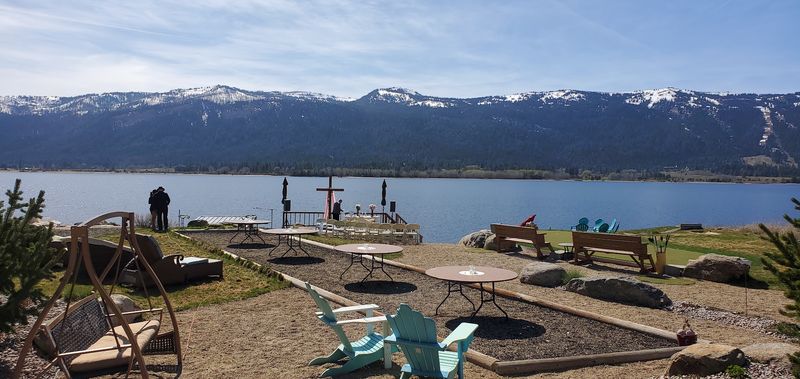
Dirt roads are a point of pride in Donnelly, not a problem to fix. That attitude tells you everything about what this small Valley County community values.
And right now, those values feel like they are under direct pressure from proposed developments that locals see as fundamentally incompatible with mountain life.
Eld Lane, a gravel road with limited Highway 55 access, has become the center of a heated debate. Proposed projects including an apartment complex and entertainment venue would funnel significant traffic through this narrow corridor.
Residents are not just annoyed; they have filed lawsuits against the city, alleging that development approvals were granted without adequate evidence of safety or impact.
The Boulder Creek proposal raised fears about noise, congestion, and a density that clashes with the surrounding single-family homes. Even the mayor recused herself from the vote and spoke out against the project as a concerned neighbor, questioning what daily traffic from the development would do to her own street.
That level of local alarm is hard to dismiss.
Higher-density rezoning proposals are viewed here as a threat to the mountain community character that drew people to Donnelly, Idaho, in the first place. Locals are not asking for the town to freeze in time, but they are asking for growth that actually fits.
Housing costs are already above the national average, and with a median listing price in the millions and virtually no rental options, the market is deeply unbalanced. Donnelly deserves better planning than it has been getting.
7. Cascade
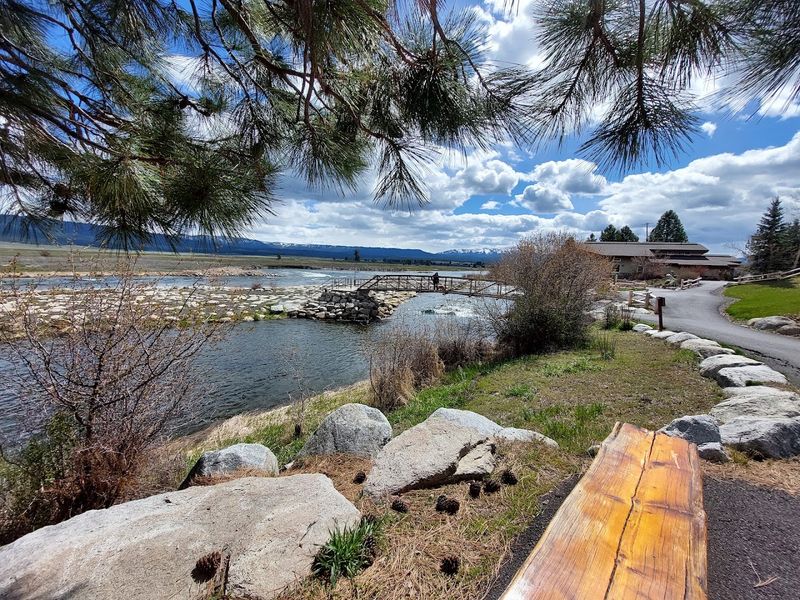
Cascade sits beside its namesake reservoir with a quiet confidence that locals want desperately to preserve. But the cost of living here has crept above both the Idaho and national averages, and housing costs are the main reason why.
That economic pressure is changing the texture of daily life in ways that are hard to reverse.
A controversial zoning ordinance currently under debate in Cascade, Idaho, is adding tension to an already unsettled community conversation. Some residents view the proposed changes to local property law as overly restrictive and a threat to individual property rights.
Others see thoughtful regulation as the only tool left to protect what makes this Valley County town worth living in.
The town’s comprehensive plan tries to balance land use demands while protecting natural resources and community character. Residents remain watchful about how development decisions might alter the town’s appearance over time.
Watching neighboring towns transform has made Cascade locals more alert, not less.
A notable shift in homeownership rates between 2023 and 2024 suggests the housing market is changing hands in subtle but meaningful ways. Fewer owner-occupied homes can signal the beginning of a rental-heavy transition that often follows tourism-driven demand.
That is a pattern locals recognize from towns that changed faster than anyone expected.
Cascade still has the bones of a genuine mountain community. Keeping it that way will require active participation from residents who care enough to show up and speak plainly.
8. Stanley
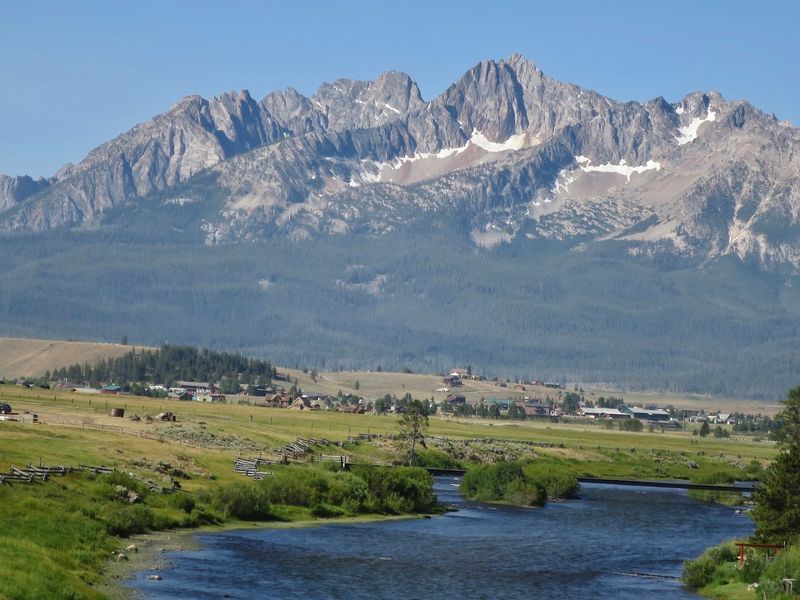
Stanley is not for the faint-hearted. Perched in the Sawtooth Valley with fewer than 100 year-round residents and no high school within an hour’s drive, it has always demanded a certain toughness from the people who choose it.
What locals did not sign up for was watching that toughness get priced out by resort-style ambitions.
Recent construction projects in Stanley, Idaho, have reportedly bypassed city code designed to protect the town’s rustic Western character. Locals are blunt about what they do not want: Sun Valley-style houses and the property tax spikes that follow.
The fear is not unfounded, given how many similar small towns have transformed beyond recognition.
A severe housing shortage is leaving a significant portion of the local workforce without stable shelter, with some workers camping rather than renting. Many larger homes in the area serve as part-time second residences, sitting empty while full-time workers scramble.
That imbalance is unsustainable and everyone here knows it.
The town lacks a police force, relying instead on a county sheriff contract. There is no full-time doctor, and medical responses can be slower than visitors might expect.
Essential services that most towns take for granted are genuinely absent here.
A growing divide between longtime residents and newly arrived wealthy individuals is adding a cultural strain to already difficult conditions. New land development is expected to produce more multimillion-dollar properties rather than the affordable housing the community actually needs.
Custer County has real choices to make about Stanley’s future.
9. Hope
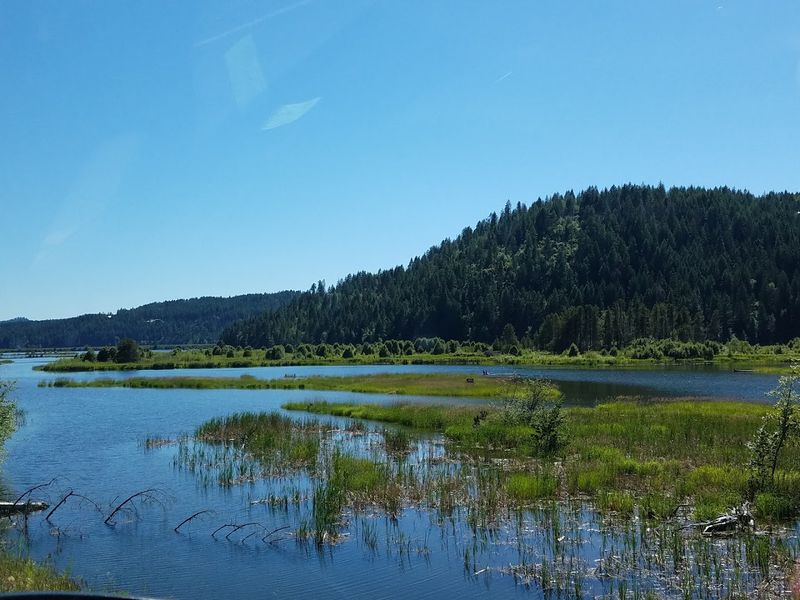
Hope is one of those places that feels like a secret worth keeping. Tucked along the northern shore of Lake Pend Oreille in Bonner County, it has the kind of scenery that stops people mid-sentence.
Right now, though, a major legal battle is threatening to reshape what that shoreline looks like for generations.
A marina and housing development connected to the Idaho Club golf course is at the center of the controversy in Hope, Idaho. The project includes multiple single-family estates, two marinas, numerous boat slips, a sewage pump station, and a parking lot.
Environmental groups are raising serious alarms about what this means for Trestle Creek and the broader Lake Pend Oreille ecosystem.
The federally protected bull trout is a key concern. The development site is recognized as both a designated wetland and floodplain, and as critical habitat for this threatened species.
Increased boat traffic alone could disrupt habitat in ways that are difficult or impossible to undo.
A separate rezone request covering more than 1,000 acres near Hope was recently struck down after county commissioners could not agree on approval, though similar proposals could resurface. That change would open the door to further development across land that currently includes mapped wetlands, critical wildlife habitats, and steep slopes.
The scale of that potential shift is significant.
Locals and conservation groups are not opposed to people enjoying this lake. They are opposed to development that treats a fragile, living ecosystem as a backdrop for real estate.
Hope still has a chance to get this right.